

Johns Creek Real Estate: Why This North Fulton Suburb Ranks #1 Best Place to Live in Georgia
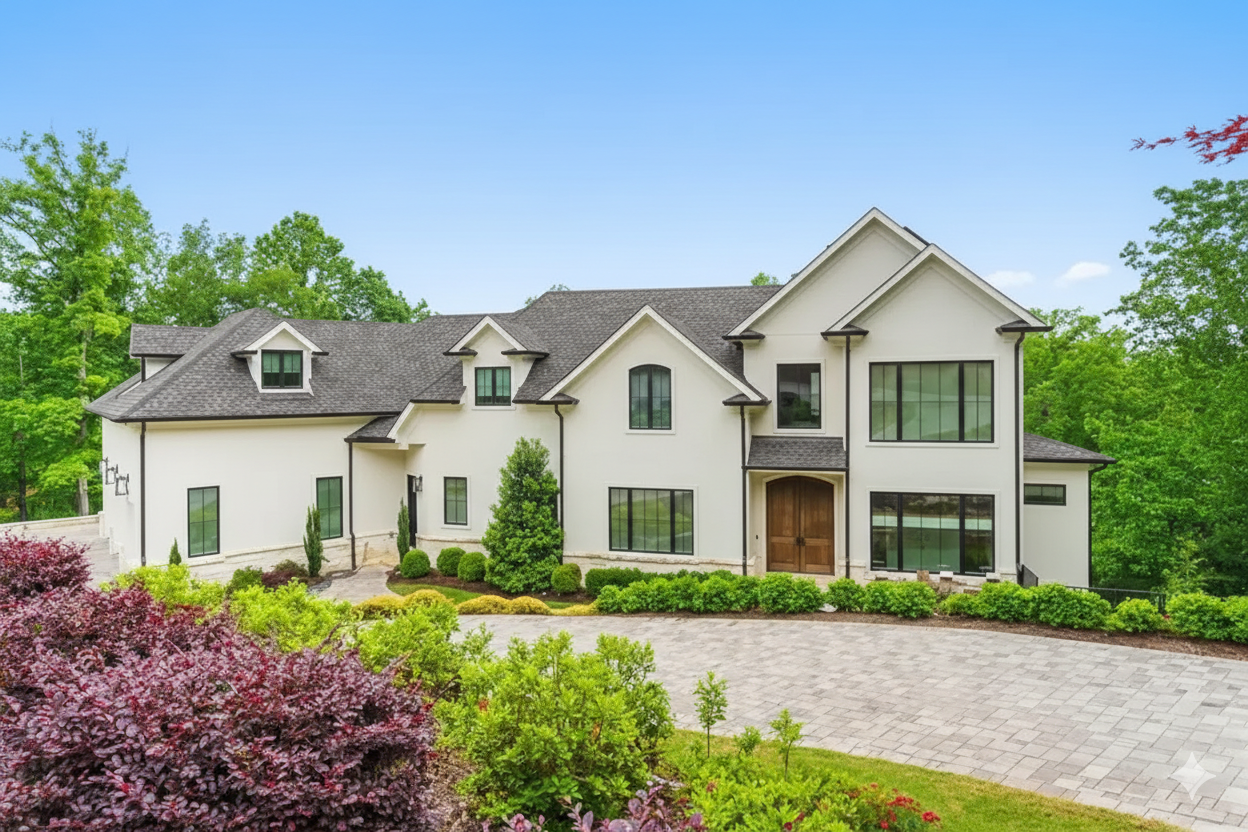
If you're researching Metro Atlanta suburbs online — especially if you're relocating for work — Johns Creek likely keeps appearing in your search results. There's a reason for that: U.S. News & World Report ranked Johns Creek the #1 Best Place to Live in Georgia for 2025-2026, and it's consistently among the top suburbs nationally for families, schools, and quality of life.
But here's what most real estate websites won't tell you: Johns Creek isn't just one homogeneous suburb. It's a collection of distinct master-planned communities with varying price points, architectural styles, and lifestyle offerings. Some neighborhoods skew younger with families of elementary-age children. Others attract established professionals and retirees. Some emphasize golf course living, while others prioritize nature preserves and greenspace.
I'm Kristen Johnson, a full-time Metro Atlanta real estate broker with nearly 10 years of experience and over $50 million in sales. I've worked extensively with corporate relocation buyers moving to Johns Creek — many sight-unseen via video walkthroughs — and I've learned that knowing which Johns Creek neighborhood fits your lifestyle is just as important as knowing Johns Creek fits your schools and commute requirements.
This guide gives you the real story: what Johns Creek actually offers, what it costs, how competitive the market is right now, which communities attract which buyers, and what you need to verify before you make an offer. If you're comparing Johns Creek to Alpharetta, Milton, Roswell, or Brookhaven, this will help you understand where Johns Creek actually fits in Metro Atlanta's suburban landscape.
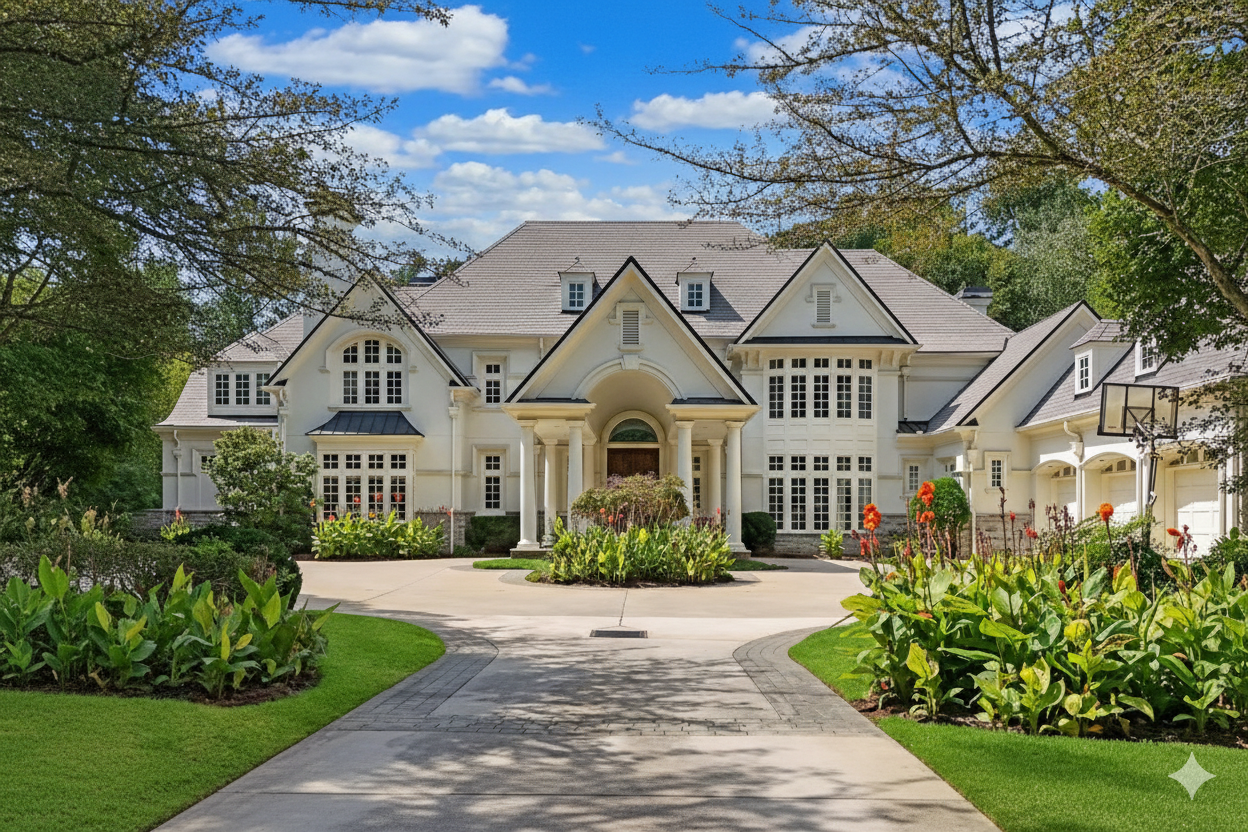
What Is Johns Creek? Understanding This North Fulton Suburb
The Official Story: Incorporated 2006, Master-Planned Identity
Johns Creek is a relatively young city in northeast Fulton County, incorporated in 2006 after residents voted to separate from unincorporated Fulton County. At incorporation, it became Georgia's 10th largest city with approximately 82,000 residents. Today, Johns Creek has a population around 83,000-85,000 and remains one of the most affluent suburbs in Metro Atlanta.
The city spans approximately 32 square miles along the Chattahoochee River, bordered by:
North: Forsyth County (Cumming)
South: Peachtree Corners, Duluth
East: Gwinnett County (Suwanee, Sugar Hill)
West: Alpharetta, Roswell
Johns Creek is approximately 25 miles northeast of Downtown Atlanta, 15 miles from Buckhead, and sits in the heart of Georgia's "Technology Corridor" along GA-400.
The Real Story: Why Johns Creek Became Johns Creek
Before incorporation, this area was a collection of master-planned communities developed primarily in the 1980s-2000s: Country Club of the South, St. Ives, Chattahoochee Country Club, River Laurel, St. Marlo, and others. These weren't organically evolved neighborhoods — they were intentionally designed, gate-optional suburban communities built around golf courses, swim-tennis clubs, and amenity centers.
Residents voted to incorporate in 2006 primarily for local control over zoning, development, and services. They wanted to preserve the master-planned, low-density, family-oriented suburban character and prevent the commercial overdevelopment they saw happening in nearby areas.
The result: Johns Creek feels distinctly more uniform and newer than historic suburbs like Roswell or Decatur. You won't find century-old homes, funky bohemian districts, or eclectic main streets here. What you will find is consistency, newer construction, excellent infrastructure, and a clear focus on family-oriented suburban living.
Demographics: Who Actually Lives in Johns Creek
Johns Creek has a notably diverse, highly educated, affluent population:
Median household income: $163,000-$165,000 (significantly above Georgia's $71,000 median)
Median age: 41-42 years
Education: Approximately 70% of adults hold bachelor's degrees or higher
Racial demographics:
White: ~58%
Asian: ~24-26%
Black: ~8-9%
Hispanic/Latino: ~7-8%
The Asian-American presence is particularly significant in Johns Creek. At Johns Creek High School, approximately 29% of students identify as Asian-American, one of the highest concentrations in Georgia. This reflects the area's strong appeal to families from corporate relocations (particularly technology, healthcare, and engineering sectors) and established immigrant communities.
This matters for buyers because Johns Creek offers authentic cultural amenities: excellent Asian grocery stores (H Mart, Great Wall Supermarket), diverse restaurants, religious institutions, and community organizations that reflect this demographic reality.
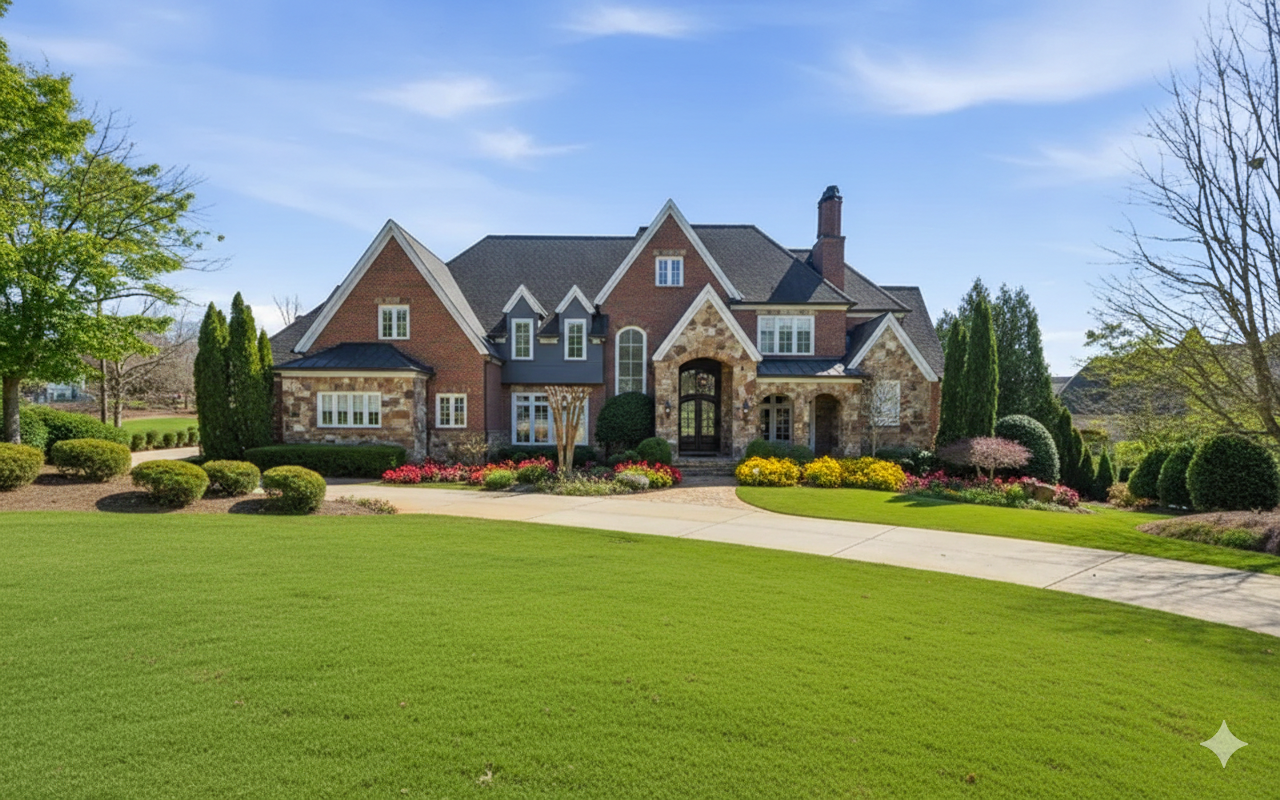
Johns Creek Real Estate Market: What Homes Actually Cost Right Now
Current Market Data (February 2026)
Here's what you're actually looking at in Johns Creek right now:
Single-family homes:
Median list price: $685,000-$705,000
Median sold price: $528,000-$820,000 (wide range based on neighborhood/condition)
Price per square foot: $195-$225
Typical days on market: 31-51 days (faster than Metro Atlanta average)
Competitive score: 72/100 (VERY competitive)
Average offers per listing: ~3 offers
What this means in plain language:
Johns Creek is a seller's market with high buyer demand. Homes that are well-priced, well-maintained, and in desirable neighborhoods receive multiple offers and sell quickly. Homes that are overpriced or need significant updates sit longer, but inventory moves faster here than in most Metro Atlanta suburbs.
The competitive score of 72/100 means you're likely competing against other buyers on well-priced homes. Expect to move quickly, have financing pre-approved, and be prepared to make competitive offers if you're serious about Johns Creek.
Price Ranges by Neighborhood Type
Johns Creek isn't one market — it's multiple markets within one city:
Entry-level Johns Creek ($450K-$600K):
Older homes (1980s-1990s) needing updates
Townhomes and condos
Smaller lot homes on periphery
Often first opportunity for buyers to access Johns Creek schools
Mid-range Johns Creek ($600K-$900K):
Updated 1990s-2000s homes in established communities
Standard master-planned neighborhood homes
4-5 bedrooms, 2,800-4,000 square feet
Most competitive segment — high buyer demand
Upper-range Johns Creek ($900K-$1.5M):
Newer construction (2010s-2020s)
Premium lots (golf course, cul-de-sac, larger acreage)
Luxury community amenities
Homes in Country Club of the South, St. Marlo
Luxury Johns Creek ($1.5M+):
Custom estates
Gated golf course communities
Premier lots with privacy
High-end finishes and smart home integration
How Johns Creek Compares to Other North Fulton Suburbs
If you're comparing suburbs, here's the competitive landscape:
Johns Creek vs. Alpharetta:
Alpharetta has more new construction, higher median prices ($750K+), more corporate headquarters presence
Johns Creek feels more established, slightly lower price point, stronger school reputation
Alpharetta has more walkable districts (Avalon, downtown Alpharetta); Johns Creek more residential
Johns Creek vs. Roswell:
Roswell has historic character, Canton Street walkable downtown, Chattahoochee River recreation
Johns Creek newer, more master-planned feel, less walkable commercial districts
Similar school quality, similar price ranges
Roswell attracts buyers wanting "charming small-town," Johns Creek attracts buyers wanting "polished suburban"
Johns Creek vs. Milton:
Milton emphasizes equestrian, rural character, larger lots
Johns Creek more dense, master-planned, golf course-oriented
Milton feels more spread out; Johns Creek more cohesive
Similar affluence, similar school quality
Johns Creek vs. Brookhaven:
Brookhaven intown (closer to Atlanta), more walkable, more condos/townhomes
Johns Creek traditional suburban, predominantly single-family
Brookhaven younger demographic, more mixed-use; Johns Creek family-oriented
Brookhaven $615K median; Johns Creek $685K median
The bottom line: Johns Creek appeals to buyers who want polished suburban living, excellent schools, newer construction, and master-planned community amenities without the premium price tags of Alpharetta or the rural character of Milton.
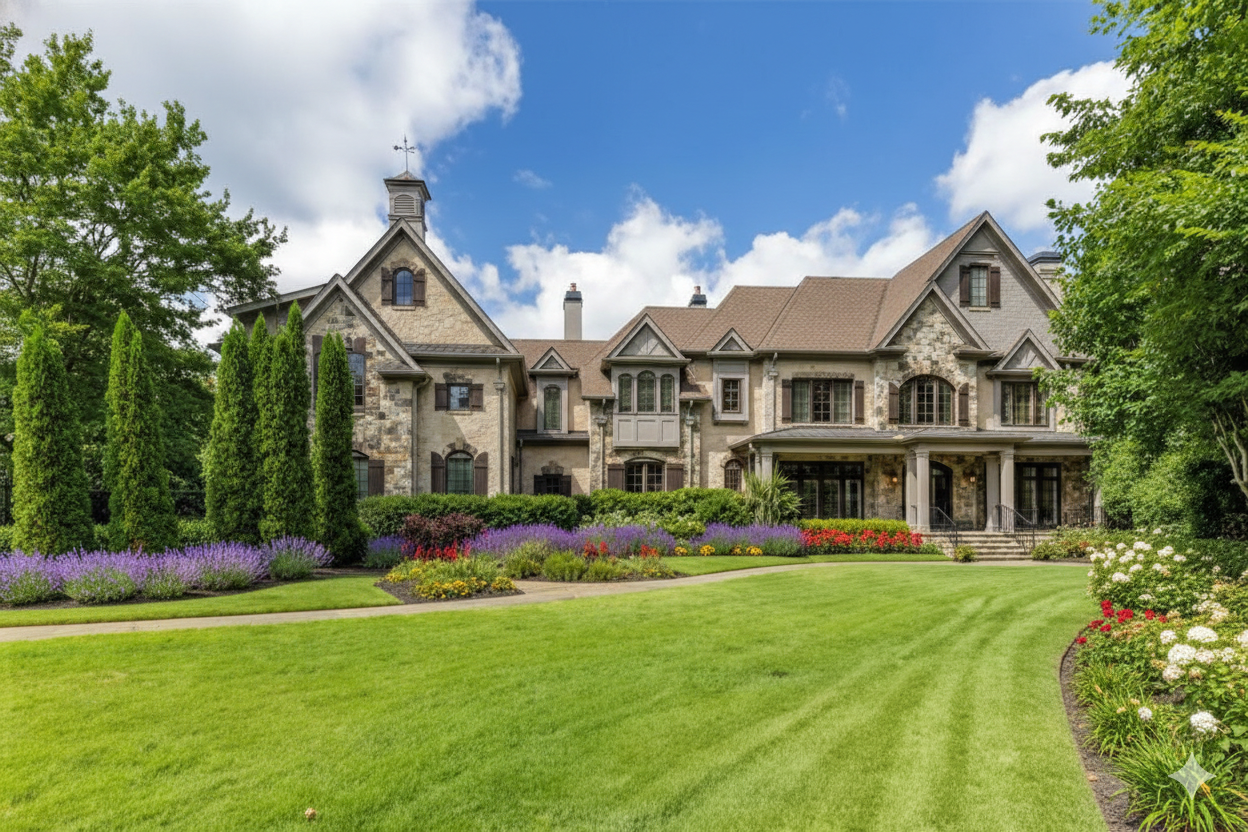
Schools in Johns Creek: Rankings, Zoning, and What You Must Verify
Johns Creek is part of Fulton County Schools, which is ranked #19 out of 183 school districts in Georgia (Niche.com A rating, 97% graduation rate, high college readiness metrics).
However, Johns Creek is served by multiple high school zones, and zoning determines which schools your children attend. This is critical because not all Johns Creek addresses are zoned to Johns Creek High School or Chattahoochee High School, the district's two flagship schools.
High Schools Serving Johns Creek
Johns Creek High School
State ranking: #13 out of 447 high schools in Georgia (Niche.com A+ rating)
Enrollment: ~2,000 students
Student-teacher ratio: 17:1
Test scores: 79% math proficient, 75% reading proficient (above state average)
Graduation rate: 98%
Demographic diversity: 55% White, 29% Asian, 9% Hispanic, 4% Black, 3% Two or More Races
Chattahoochee High School
State ranking: #7 out of 447 high schools in Georgia (Niche.com A+ rating)
Enrollment: ~1,800 students
Student-teacher ratio: 16:1
Test scores: 83% math proficient, 78% reading proficient (well above state average)
Graduation rate: 98%
Demographic diversity: 52% White, 32% Asian, 8% Hispanic, 4% Black, 4% Two or More Races
Northview High School (serves portions of Johns Creek)
State ranking: #22 out of 447 high schools in Georgia (Niche.com A+ rating)
Enrollment: ~2,100 students
Student-teacher ratio: 17:1
Test scores: 77% math proficient, 73% reading proficient
Graduation rate: 97%
Critical Zoning Reality: Not All Johns Creek Homes = Johns Creek High
Here's what buyers relocating to Johns Creek often don't realize:
Just because a home is located in the City of Johns Creek does NOT mean it's zoned to Johns Creek High School or Chattahoochee High School.
Johns Creek is served by three high school zones:
Johns Creek High School (northeastern sections)
Chattahoochee High School (western/southwestern sections)
Northview High School (southeastern sections)
All three are excellent schools with A+ ratings and top-20 state rankings. However, if you're specifically targeting Johns Creek High or Chattahoochee High, you must verify the exact school zoning for every address you're considering.
How to verify school zoning:
Use the official Fulton County Schools School Locator: https://www.fultonschools.org/boundary
Enter the exact property address — not just the neighborhood name
Verify elementary, middle, AND high school zoning
Ask your real estate agent to confirm zoning in writing
Why this matters:
I've worked with multiple relocation buyers who assumed "buying in Johns Creek = Johns Creek High School" and were surprised to discover their target homes were zoned to Northview High instead. All three schools are excellent, but if you have a specific school preference, verify before you tour or make an offer.
Elementary and Middle Schools
Johns Creek is served by multiple elementary and middle schools, including:
Top-ranked elementary schools:
Abbotts Hill Elementary (#38 in Georgia)
State Bridge Crossing Elementary (#53 in Georgia)
Dolvin Elementary (#60 in Georgia)
Ocee Elementary (#69 in Georgia)
Top-ranked middle schools:
River Trail Middle (#11 in Georgia)
Northwestern Middle (#18 in Georgia)
Autrey Mill Middle (#36 in Georgia)
Fair Housing Notice: This information is provided for factual reference only. School rankings, test scores, and zoning data are publicly available from Niche.com, GreatSchools.org, and Fulton County Schools. Buyers should independently research school test scores, visit schools, speak with administrators, and determine which schools best fit their family's needs. Real estate decisions should be based on multiple factors beyond school zoning.
Lifestyle in Johns Creek: What It's Actually Like to Live Here
Master-Planned Community Living
Johns Creek's identity revolves around master-planned communities with private amenities. Most neighborhoods offer:
Swim-tennis clubs with pools, tennis courts, playgrounds
Clubhouses for community events and gatherings
Walking trails and greenspace throughout neighborhoods
Annual HOA fees ranging from $400-$1,500+ depending on amenity level
This isn't for everyone. If you value low HOA fees, architectural diversity, or bohemian character, Johns Creek will feel overly structured. If you want well-maintained amenities, organized community events, and neighbors who value similar lifestyles, Johns Creek delivers exactly that.
Recreation and Outdoor Access
Autrey Mill Nature Preserve & Heritage Center
46-acre nature preserve with walking trails, historic buildings, educational programs
Popular for families, nature walks, community events
Free admission
Newtown Park
22-acre park with multi-use fields, tennis courts, playground, event pavilion
Hosts concerts, festivals, farmers markets
Community gathering hub
Chattahoochee River National Recreation Area
Western edge of Johns Creek borders the Chattahoochee River
Hiking, kayaking, fishing access
Multiple entry points including Island Ford and Abbotts Bridge
Private golf courses:
Country Club of the South (championship course)
St. Ives Country Club
Chattahoochee Golf Club
Standard Club (just outside Johns Creek)
Dining and Shopping
Johns Creek is primarily residential, not walkable commercial. You won't find a charming downtown main street or mixed-use walkable districts here.
Commercial centers:
The Forum on Peachtree Parkway: Shopping center with Target, Whole Foods, restaurants
Technology Park: Office park with lunch spots
Medlock Bridge corridor: Strip malls with Asian restaurants, grocery stores, services
Dining highlights:
H Mart and Great Wall Supermarket: Excellent Asian grocery stores with authentic ingredients, prepared foods
Diverse Asian cuisine: Korean BBQ, Japanese ramen, Chinese hot pot, Vietnamese pho
Chain restaurants dominate: You'll find all major chains (Chick-fil-A, Chipotle, etc.) but fewer local independents
What you won't find:
Walkable restaurant rows like Roswell's Canton Street
Bohemian coffee shops and indie boutiques
Late-night bar scene
Eclectic local character
If you need walkability, unique dining, or urban energy, Johns Creek isn't the move. If you want safe, clean, family-oriented suburbia with excellent Asian markets and easy access to major retailers, Johns Creek works.
Commuting From Johns Creek
To Downtown Atlanta: 25 miles, typically 35-50 minutes via GA-400 South (longer during rush hour)
To Buckhead: 15 miles, typically 20-30 minutes via GA-400 South
To Perimeter Center: 10 miles, typically 15-20 minutes via GA-400 South
To Technology Corridor employers (Alpharetta, North Fulton): 5-15 miles, typically 10-20 minutes
Public transit:
No MARTA rail access in Johns Creek
Limited bus service
Johns Creek is a car-dependent suburb — you will drive everywhere
Major employment centers near Johns Creek:
State Farm regional headquarters (Johns Creek)
Emory Johns Creek Hospital
Macy's Technology (Johns Creek)
Numerous corporate offices along GA-400 corridor
Many Johns Creek residents work in corporate roles at companies located in Alpharetta, North Fulton, or Buckhead. If you're commuting downtown daily, Johns Creek's 35-50 minute commute may feel long. If you work in North Fulton or remotely, Johns Creek's location is ideal.
Community Character: Who Fits Here
Johns Creek attracts:
Corporate relocation families: Transferring for jobs with State Farm, Emory Healthcare, or Technology Corridor companies. Prioritize schools, safety, suburban stability.
Established professionals: Dual-income households earning $150K-$250K+. Want excellent schools without Alpharetta's premium pricing.
Asian-American families: Strong existing community, authentic cultural amenities, excellent schools with high Asian-American representation.
Move-up buyers from older suburbs: Leaving Gwinnett, older North Fulton neighborhoods, or intown areas. Want newer construction, master-planned amenities, strong schools.
Retirees and empty-nesters: Downsizing from larger homes but staying in familiar area. Value safety, golf, maintained amenities.
Johns Creek does NOT attract:
Young singles seeking urban nightlife
Artists or creatives wanting bohemian character
Buyers prioritizing walkability and mixed-use districts
Budget-conscious first-time buyers (limited inventory under $500K)
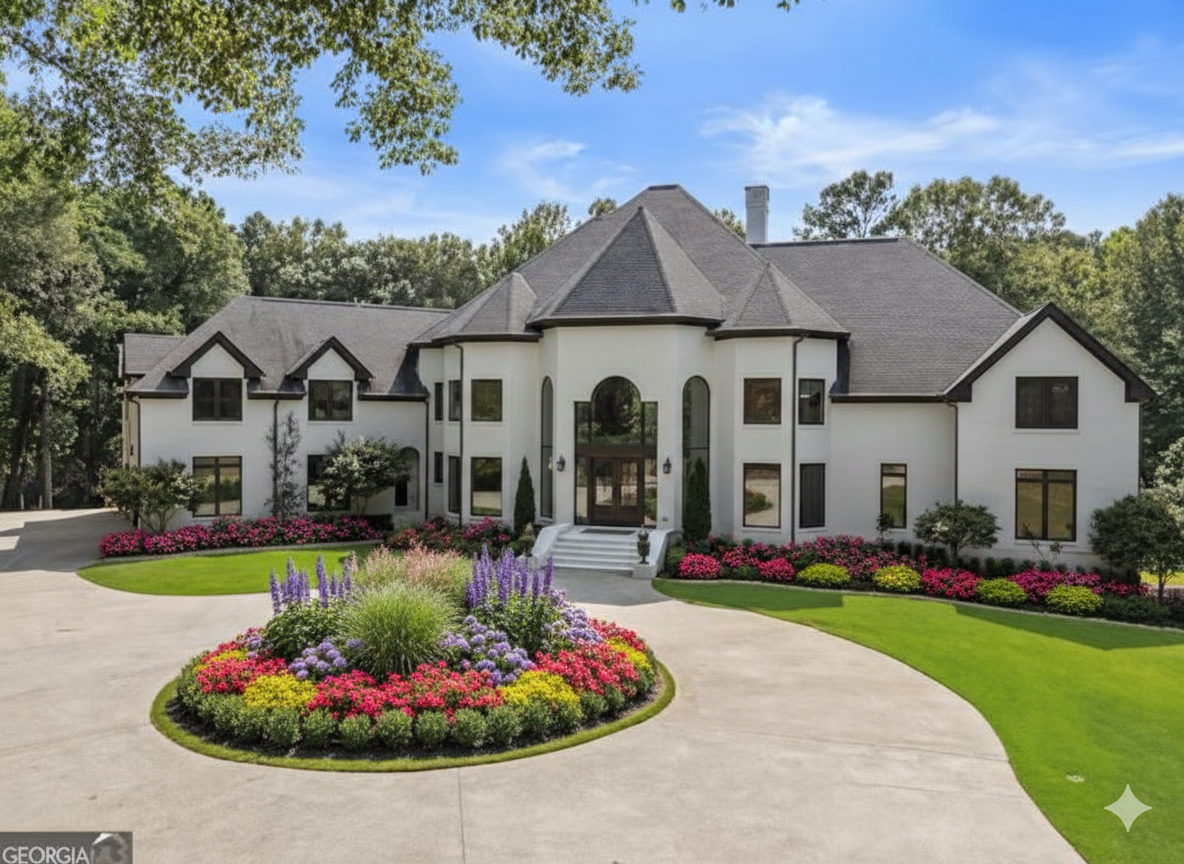
Major Johns Creek Neighborhoods: Which Community Fits Your Lifestyle
Johns Creek consists of distinct neighborhoods with different vibes, price points, and amenities. Here's what you need to know:
Country Club of the South
What it is: Exclusive gated golf community, one of Georgia's most prestigious addresses
Price range: $1.2M-$5M+
What you get:
Championship golf course designed by Jack Nicklaus and Desmond Muirhead
Gated security
Luxury custom homes on premium lots
Country club amenities (pool, tennis, fitness, dining)
Large lots, established trees, privacy
Who lives here: Established executives, retirees, affluent families wanting premier Johns Creek address
Key insight: Country Club of the South is Johns Creek's luxury tier. If you're looking at this community, you're prioritizing exclusivity, golf, and social prestige over walkability or diversity of architecture.
St. Ives
What it is: Golf community with traditional homes, mix of estate homes and standard lots
Price range: $700K-$2M
What you get:
Private golf course (St. Ives Country Club)
Established neighborhood with mature landscaping
Mix of architectural styles (traditional, transitional)
Community pool and tennis
Larger lots than typical Johns Creek neighborhoods
Who lives here: Families, professionals, some retirees. Appeals to buyers wanting golf without Country Club of the South's premium pricing.
Key insight: St. Ives offers golf course living at a more accessible price point than Country Club of the South, but still maintains exclusivity and privacy.
St. Marlo Country Club
What it is: Private golf community, known for luxury estates
Price range: $900K-$3M+
What you get:
Championship golf course
Large estate homes on spacious lots
Gated sections available
Pool, tennis, fitness amenities
Equestrian facilities nearby
Who lives here: Affluent families, established professionals, luxury buyers
Key insight: St. Marlo attracts buyers wanting luxury without the ultra-premium pricing of Country Club of the South. Strong school zoning and excellent amenities.
River Laurel
What it is: Family-oriented community with Chattahoochee River access
Price range: $600K-$1.2M
What you get:
Access to Chattahoochee River for kayaking, fishing
Swim-tennis club with pools, courts, playground
Traditional neighborhood feel
Good school zoning (Chattahoochee High School)
Mix of home sizes and styles
Who lives here: Families with school-age children, outdoor enthusiasts, professionals
Key insight: River Laurel appeals to buyers who want outdoor recreation access (river trails, nature) combined with strong schools and community amenities.
Shakerag
What it is: Established neighborhood with diverse housing stock, slightly more affordable entry
Price range: $500K-$900K
What you get:
Mix of older and updated homes
No private golf course (lower HOA fees)
Community pool and tennis
Convenient location near shopping and schools
Good value relative to other Johns Creek neighborhoods
Who lives here: First-time Johns Creek buyers, families prioritizing schools over luxury amenities
Key insight: Shakerag offers access to Johns Creek schools and city services without the premium pricing of golf communities. Good option for buyers wanting Johns Creek affordability.
Technology Park Area
What it is: Commercial/residential mix near State Farm headquarters and business parks
Price range: $450K-$800K (includes townhomes and condos)
What you get:
Proximity to major employers
Newer construction townhomes and condos
Access to Johns Creek schools
Less "neighborhood feel," more transitional/commercial
Who lives here: Corporate employees working nearby, young professionals, investors
Key insight: Technology Park area offers Johns Creek schools and location at lower price points, but sacrifices traditional neighborhood character and master-planned amenities.
Plantation Point
What it is: Family neighborhood with strong community feel, no golf course
Price range: $550K-$900K
What you get:
Swim-tennis club with active community events
Traditional single-family homes
Good school zoning (Johns Creek High School)
Family-friendly atmosphere
Lower HOA fees than golf communities
Who lives here: Families with young children, professionals prioritizing schools and community over golf
Key insight: Plantation Point delivers traditional Johns Creek family living without golf course premium pricing. Popular with families who value community events and kid-friendly amenities.
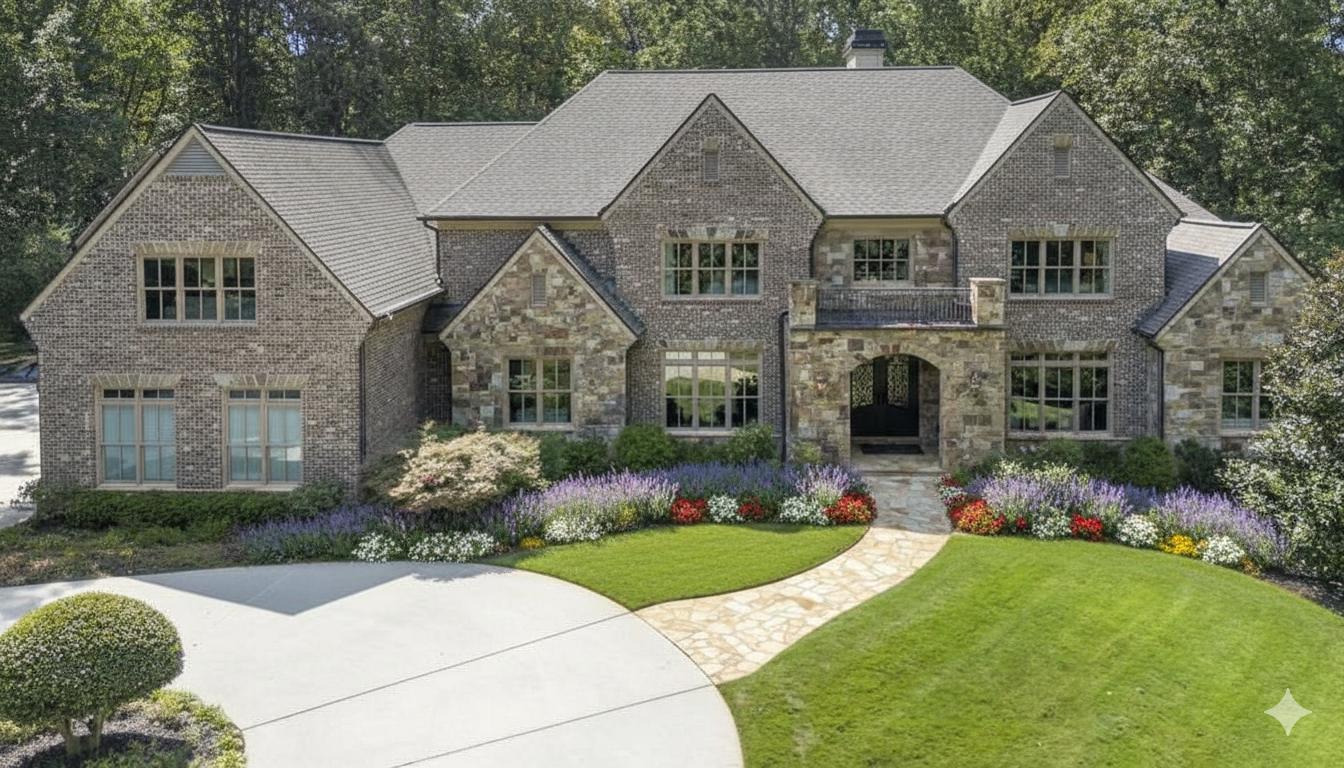
What Buyers Need to Know Before Buying in Johns Creek
1. Verify School Zoning for Every Single Address
I cannot stress this enough: Do not assume a Johns Creek address means Johns Creek High School or Chattahoochee High School zoning.
Use the official Fulton County Schools boundary tool, verify elementary, middle, and high school zoning, and confirm in writing before you make an offer. All three high schools serving Johns Creek are excellent, but if you have a specific preference, verify first.
2. Factor in HOA Fees and Community Amenities
Johns Creek HOA fees range from $400-$1,500+ annually depending on amenities. Before you buy:
Understand what amenities are included (pool, tennis, golf, clubhouse)
Review HOA financial health (ask for reserve studies)
Check community rules (some communities have strict architectural guidelines, rental restrictions)
Confirm amenity access (some golf communities require separate country club membership fees)
3. Understand Johns Creek Is Car-Dependent
If you're relocating from a walkable city and expect to walk to coffee shops, restaurants, or grocery stores, Johns Creek will disappoint you. This is a drive-everywhere suburb. You will need reliable vehicles for every member of your household who needs transportation.
4. Know the Real Commute Time to Your Job
25 miles from Downtown Atlanta sounds reasonable until you factor in GA-400 traffic during rush hour. Test your commute during actual work hours before you commit. If you're commuting downtown daily, you may want to consider closer-in suburbs like Brookhaven or Dunwoody.
5. Be Prepared for a Competitive Market
With a 72/100 competitive score and average of ~3 offers per listing, Johns Creek is a seller's market. To compete effectively:
Get pre-approved financing before you tour homes
Be ready to move quickly on well-priced homes (they sell fast)
Work with an agent who knows Johns Creek neighborhoods and can guide your offer strategy
Understand that contingencies may make your offer less competitive in multiple-offer situations
6. Johns Creek Prices Have Held Strong Despite Interest Rate Increases
Unlike some Metro Atlanta suburbs that saw price corrections in 2023-2024, Johns Creek prices have remained relatively stable. This reflects sustained buyer demand from corporate relocations, strong schools, and limited inventory. Don't expect significant price drops — this market has proven resilient.
7. New Construction vs. Resale Considerations
Johns Creek offers both resale homes (1980s-2000s) and new construction. Consider:
New construction advantages:
Modern floor plans, smart home integration
Energy efficiency, lower maintenance
Builder warranties
Customization options
New construction disadvantages:
Premium pricing ($800K+ for single-family)
Limited mature landscaping
Longer closing timelines
Potential builder delays
Resale advantages:
Established neighborhoods with mature trees
Known community character and neighbors
Potentially more square footage for the price
Faster closings
Resale disadvantages:
May need updates (kitchens, baths, HVAC, roof)
Older systems requiring maintenance
Less energy-efficient construction
8. Plan for Private School Options If Needed
While Johns Creek's public schools are excellent, some families prefer private school options. Nearby private schools include:
The Westminster Schools (Buckhead)
Greater Atlanta Christian School (Norcross)
Mount Vernon Presbyterian School (Sandy Springs)
Wesleyan School (Peachtree Corners)
These are 15-30 minutes from Johns Creek and offer alternative education options if public schools don't fit your family's needs.
Investment Potential: Is Johns Creek a Smart Long-Term Buy?
Factors Supporting Long-Term Value
1. Strong school reputation attracts sustained demand Top-tier schools create consistent buyer interest, especially from corporate relocation families who prioritize education.
2. Limited new development preserves exclusivity Johns Creek's incorporation in 2006 established zoning controls that limit overdevelopment. Unlike suburbs with endless sprawl, Johns Creek maintains defined boundaries and low-density character.
3. Affluent demographic supports home values Median household income of $163K-$165K means residents can afford maintenance, updates, and improvements — which preserves neighborhood quality.
4. Corporate employer presence provides job stability State Farm, Emory Healthcare, Macy's Technology, and numerous GA-400 corridor companies provide employment base that drives housing demand.
5. Infrastructure quality and city services Johns Creek's incorporation allows local control over infrastructure, parks, and services. The city invests in maintaining roads, greenspace, and amenities.
Risks to Consider
1. Car-dependent lifestyle may fall out of favor Younger buyers increasingly prioritize walkability and mixed-use districts. Johns Creek's suburban car-dependent model may face demographic headwinds.
2. Interest rate sensitivity At $685K median price, Johns Creek homes require significant financing. If rates remain elevated, buyer pool shrinks.
3. Competition from newer suburban development As Metro Atlanta sprawls north into Forsyth County and beyond, newer suburbs may offer similar schools at lower prices.
4. Limited housing diversity Johns Creek is predominantly single-family homes with limited townhome/condo inventory. This limits buyer pool to families able to afford $500K+ homes.
Rental Market Considerations
Johns Creek has limited rental inventory and strong rental demand from corporate relocations. If you're considering investment property:
Rental rates:
Single-family homes: $2,800-$5,000+/month depending on size and location
Townhomes: $2,200-$3,500/month
Condos: $1,800-$2,800/month
Tenant profile:
Corporate relocations (1-2 year leases)
Families prioritizing school access
Professionals working in GA-400 corridor
Investment considerations:
Some HOAs restrict or prohibit rentals — verify before buying
Strong tenant demand but limited turnover (families stay for school years)
Property management essential (corporate tenants expect responsive service)
Bottom line: Johns Creek is a stable, long-term appreciation market rather than a cash-flow investment opportunity. Buy here for quality of life and slow, steady appreciation — not for short-term flips or high rental yields.
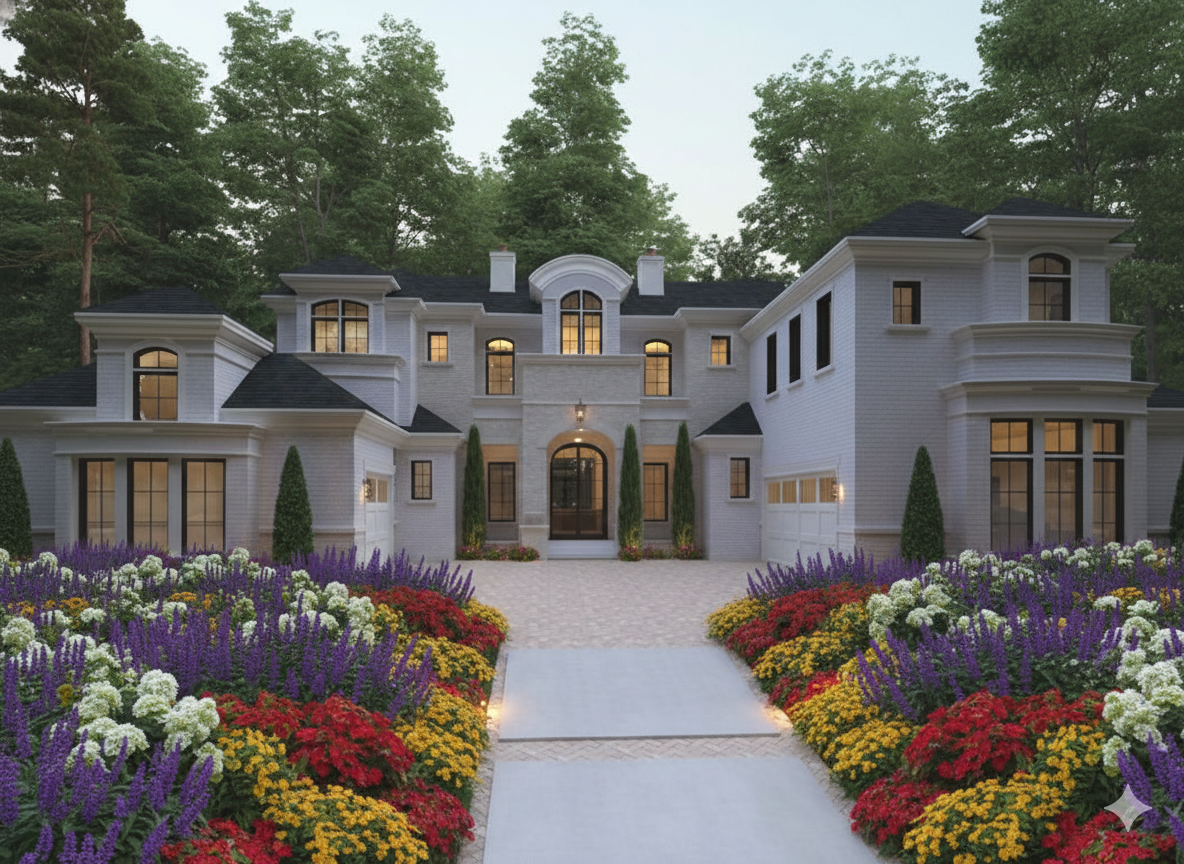
How to Buy in Johns Creek: Working With a Real Estate Agent
Why You Need Local Expertise
Johns Creek's complexity — multiple school zones, distinct neighborhoods, master-planned community rules, competitive market — makes working with an experienced local agent essential.
What a Johns Creek specialist should provide:
School zoning verification for every address before you tour
Neighborhood-specific insights on community character, HOA rules, resale potential
Competitive offer strategy for multiple-offer situations
Corporate relocation experience if you're moving sight-unseen
Network of inspectors, lenders, attorneys familiar with Johns Creek transactions
Corporate Relocation Services
I work extensively with corporate relocation buyers moving to Johns Creek. Services include:
Video walkthroughs of homes for sight-unseen purchases
Neighborhood comparison analysis based on your priorities (schools, commute, amenities)
School research support including connecting you with Fulton County Schools
Relocation logistics coordination (temporary housing, movers, utility setup)
FaceTime/Zoom consultations before you arrive in Atlanta
What to Expect in the Buying Process
1. Initial consultation and needs analysis
School priorities and grade levels
Budget and financing pre-approval
Neighborhood preferences (golf, swim-tennis, location)
Commute requirements
Timeline
2. Neighborhood and home selection
Verify school zoning for target addresses
Review HOA documents and community rules
Tour homes (in-person or virtually)
Analyze comparable sales and market positioning
3. Offer strategy and negotiation
Competitive offer structure for multiple-bid situations
Inspection and financing contingencies
Appraisal considerations
Seller concessions and closing cost negotiation
4. Due diligence and closing
Professional home inspection
HOA document review
Title search and insurance
Final walkthrough
Closing coordination
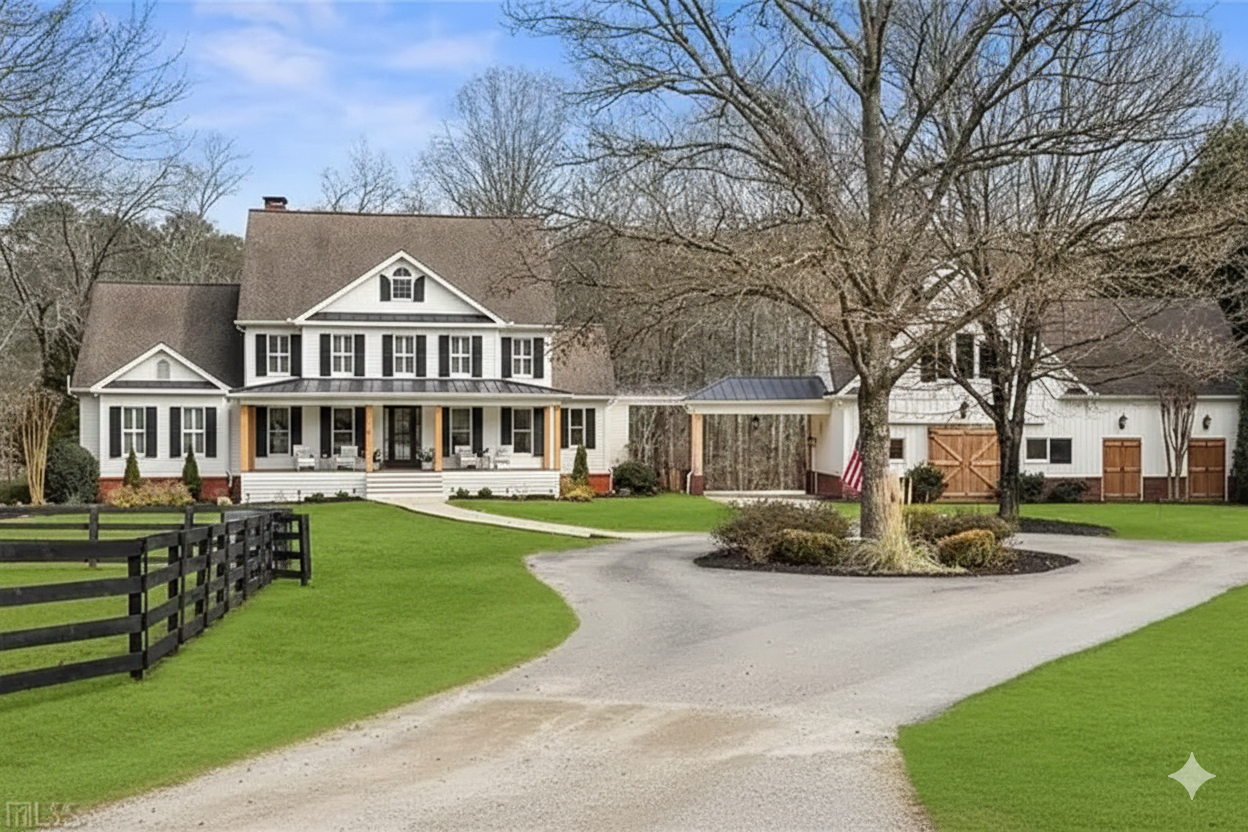
Frequently Asked Questions About Johns Creek Real Estate
Q: Is Johns Creek worth the higher price compared to other North Fulton suburbs?
A: It depends on your priorities. If you value top-tier schools, master-planned amenities, newer construction, and a polished suburban feel, Johns Creek justifies its pricing. If you prefer historic character (Roswell), more affordable options (Gwinnett County), or walkable mixed-use districts (Brookhaven), Johns Creek may not be worth the premium.
Q: Can I find homes under $500K in Johns Creek?
A: Yes, but inventory is limited. Options include older homes needing updates, townhomes, condos, or homes in less desirable locations. Expect competition for well-priced inventory under $500K.
Q: Are all Johns Creek schools equally good?
A: Johns Creek High (#13 in Georgia), Chattahoochee High (#7 in Georgia), and Northview High (#22 in Georgia) all rank in the top 25 Georgia high schools. All three are excellent, but individual test scores, demographics, and programs vary. Research specific schools to determine best fit for your family.
Q: Is Johns Creek diverse?
A: Johns Creek has notable demographic diversity, particularly a significant Asian-American population (24-26% citywide, ~29% at Johns Creek High School). However, it's economically homogeneous — predominantly affluent professionals and families. You won't find the socioeconomic diversity present in mixed-income neighborhoods.
Q: How long do homes typically stay on the market in Johns Creek?
A: Currently 31-51 days, but well-priced homes in desirable neighborhoods sell faster (often multiple offers within first week). Overpriced or outdated homes sit longer.
Q: Do I need to join a country club if I buy in a golf community?
A: It depends on the specific community. Some golf communities (Country Club of the South, St. Marlo) have separate country club membership fees beyond HOA dues. Others include amenities in HOA fees. Verify before buying.
Q: Is Johns Creek a good place for young professionals without kids?
A: Probably not. Johns Creek is heavily family-oriented with limited nightlife, walkable districts, or urban energy. Young professionals typically prefer Midtown, Buckhead, Virginia-Highland, or Brookhaven.
Q: Can I walk to restaurants and shops in Johns Creek?
A: No. Johns Creek is car-dependent. Commercial areas are drive-to strip malls and shopping centers, not walkable main streets.
Q: What's the HOA situation like in Johns Creek?
A: Most neighborhoods have HOAs with fees ranging $400-$1,500+ annually. Review HOA documents carefully before buying — some have strict rules on exterior changes, landscaping, rentals, and parking.
Q: Is Johns Creek safe?
A: Yes. Johns Creek consistently ranks among Georgia's safest cities with low crime rates. This is a major draw for families.
Final Thoughts: Is Johns Creek Right for You?
Johns Creek earns its #1 Best Place to Live ranking in Georgia for a reason: it delivers excellent schools, safe neighborhoods, master-planned amenities, and strong community character for families willing to pay for polished suburban living.
But it's not for everyone.
Johns Creek is ideal if you:
Prioritize top-tier public schools and want multiple excellent options
Value master-planned community amenities (pools, tennis, golf, events)
Want newer construction and well-maintained infrastructure
Work in North Fulton or remotely (short commute or no commute)
Appreciate demographic diversity and authentic Asian cultural amenities
Can afford $600K-$900K+ for quality housing
Johns Creek is NOT ideal if you:
Need walkability, mixed-use districts, or urban energy
Want historic character, architectural diversity, or bohemian vibes
Require frequent downtown Atlanta commutes (25 miles can feel long)
Prefer lower HOA fees and less structured community living
Seek first-time buyer affordability (limited inventory under $500K)
If you're relocating to Metro Atlanta and Johns Creek keeps appearing in your research, there's a reason: it works exceptionally well for corporate families, established professionals, and buyers prioritizing schools and suburban stability.
The key is matching the right Johns Creek neighborhood to your lifestyle. Country Club of the South offers exclusivity and golf. River Laurel provides outdoor recreation access. Shakerag delivers affordability. Technology Park area offers convenience. Each neighborhood attracts different buyers with different priorities.
Before you make an offer:
Verify exact school zoning for your target address
Review HOA documents and understand community rules
Test your real commute during work hours
Tour multiple neighborhoods to understand character differences
Work with an agent who knows Johns Creek's nuances
Johns Creek is a smart, stable, long-term investment for families who value what it offers. It's not the cheapest option in Metro Atlanta, and it's not the most exciting. But it's consistent, reliable, and delivers exactly what it promises: excellent schools, safe neighborhoods, and family-oriented suburban living in a master-planned environment.
If that's what you want, Johns Creek is worth every dollar.
Ready to Explore Johns Creek Real Estate?
I'm Kristen Johnson, Principal Broker at Kristen Johnson Real Estate. I specialize in helping buyers navigate Metro Atlanta's complex suburban landscape — particularly corporate relocation families moving to North Fulton suburbs like Johns Creek, Alpharetta, Roswell, and Milton.
I've worked extensively with sight-unseen buyers through video walkthroughs and virtual consultations, and I understand the school zoning, neighborhood character, and market dynamics that make Johns Creek unique.
Let's talk about your Johns Creek home search:
School priorities and zoning verification
Neighborhood fit based on your lifestyle
Current market inventory and pricing
Competitive offer strategy
Corporate relocation support
Contact me:
Website: www.kristenjohnsonrealestate.com
Email: [your email]
Phone: [your phone]
Come as you are, come on home.
Disclaimer: All market data, school rankings, test scores, and demographic information provided in this guide are current as of February 2026 and sourced from public records, MLS data, Niche.com, GreatSchools.org, U.S. Census data, and Fulton County Schools. Real estate markets change rapidly — verify current pricing, inventory, and school data before making purchase decisions. School rankings and zoning information are provided for factual reference only and should not be the sole basis for real estate decisions. Buyers should independently research schools, visit campuses, speak with administrators, and determine which schools best fit their family's needs.