



Moving from New York to Atlanta: A Relocation Guide for NYC Transplants
Atlanta’s median home price is $416K — roughly half what you’d pay in New York City. Here’s an honest look at what your money, commute, and lifestyle actually look like when you make the move.

Assumable Mortgages in Atlanta: How Georgia Buyers Can Lock In a Seller’s Lower Rate in 2026
With Atlanta mortgage rates in the mid-6% range, assumable FHA and VA loans — carrying rates as low as 2.75% from 2020–2022 — can save buyers $800 or more per month on a $250,000 balance. Over 280 assumable homes are currently listed in Atlanta. The process requires qualifying with the seller’s servicer, covering the equity gap between the purchase price and remaining loan balance, and planning for a 45–120 day close timeline. I work with buyers across Metro Atlanta navigating exactly this kind of financing decision. This is what assumable mortgages actually look like in Georgia — and how to know if one is right for you.

How to Buy a Home While Selling Yours in Atlanta
Buying a home while selling yours in Atlanta doesn't have to mean choosing between a double mortgage or being temporarily homeless. The three main strategies — a contingent offer with the GAR kick-out clause, selling first with a post-closing occupancy agreement, or bridge financing to buy before you list — each have different risk profiles and work better in different situations. This guide breaks down exactly how each one works in Georgia's 2026 market so you can choose the right path for your timeline and equity position.

Do You Have to Sign a Buyer Broker Agreement in Georgia? What Atlanta Buyers Need to Know in 2026
Georgia requires every buyer to sign a written buyer broker agreement before an agent can show them a home — a rule that’s been in place statewide under BRRETA and was reinforced nationally by the August 2024 NAR settlement. The agreement outlines your agent’s services, the term of the relationship, and exactly what they earn. Most Atlanta buyers are surprised to learn they typically don’t pay this out of pocket: in the current market, sellers still cover the buyer’s agent fee as a closing concession in the vast majority of transactions. What’s changed is where that compensation gets negotiated — off the MLS now, directly in the offer. I’m Kristen Johnson, a real estate agent with Compass Metro Atlanta, and this is exactly the kind of process question I walk buyers through before their first showing.

Earnest Money in Georgia: How Much Do You Need — and When Can You Lose It?
In Georgia, buyers don't just put down earnest money — they also pay a separate, nonrefundable Due Diligence fee directly to the seller at contract acceptance. These two deposits work differently, and confusing them is one of the most common mistakes buyers make. This guide explains how much earnest money Atlanta buyers typically offer at different price points, exactly when it's protected and when it's at risk, and what happens to your money if the deal falls through. Before you make an offer in Metro Atlanta, read this first.
Can a Buyer Back Out of a Real Estate Contract in Georgia?
In Georgia, buyers can terminate a real estate contract without penalty during the Due Diligence Period — typically 7 to 14 days — for any reason, with earnest money returned in full. After that window closes, your options narrow to the financing contingency and appraisal contingency. Walk away outside those protected windows and you'll likely forfeit your earnest money, and in some cases face a specific performance lawsuit. Understanding exactly which window you're in — and what written notice is required — is the difference between a clean exit and an expensive one. Here's how each exit path works under the Georgia Association of REALTORS Purchase & Sale Agreement.

Can a Seller Back Out After Accepting an Offer in Georgia?
In Georgia, a seller can back out of a signed contract — but only under specific conditions. Once the purchase agreement is fully bound, walking away without a valid contractual reason exposes a seller to serious consequences, including a court order forcing the sale to close. Learn what the GAR contract actually allows, what it doesn't, and what your options are if your seller tries to back out.

Georgia's Intangibles Tax: What Atlanta Buyers Pay at Closing and Why It Surprises Them
Georgia charges a state intangibles tax on every new mortgage — $1.50 for every $500 of loan amount. On a $350,000 loan, that's $1,050 showing up on your closing disclosure as a line item most buyers have never heard of. It's separate from the transfer tax, separate from title insurance, and separate from recording fees. Here's what it is, how it's calculated, who actually owes it, and what the July 2025 law change means if you're using short-term financing.
How to Negotiate Repairs After a Home Inspection in Atlanta — A Georgia Buyer’s Guide
Most Atlanta buyers get their inspection report back and feel overwhelmed — a 40-page document full of flagged items that looks far worse than it is. The mistake I see buyers make is treating every line as a repair request. It's not. In Georgia, repair negotiations happen inside your Due Diligence Period — typically 10–14 days — and you get one formal response from the seller. How you frame that request determines whether you walk away with a credit, a repair, or nothing. This guide covers what's actually worth requesting, how to structure the ask, and when the right move is to walk away.

Capital Gains Tax on Selling Your Home in Georgia — What Atlanta Sellers Need to Know in 2026
If you're selling a home in Metro Atlanta, capital gains tax is probably one of your biggest financial questions — and one of the most misunderstood. The good news: most Georgia homeowners qualify for the federal exclusion, which shields up to $250,000 in profit from taxes ($500,000 for married couples filing jointly) if the home was your primary residence for at least two of the last five years. But the rules have exceptions, Georgia adds its own layer of state income tax on gains above the exclusion, and factors like your cost basis and how long you've owned the home all affect your final number. Here's what to know before you close.

Who Chooses the Closing Attorney in Georgia — And Does It Actually Matter?
Georgia is an attorney-closing state — which means every real estate transaction must be closed by a licensed Georgia attorney, not a title company or escrow officer. But here's the question that trips up buyers and sellers alike: who actually gets to choose that attorney? In Georgia, it's typically the buyer who designates the closing attorney, though sellers can negotiate this in the contract. The attorney you choose matters more than most people realize — their availability affects your closing timeline, their fees vary by firm, and their responsiveness during the process can make or break a smooth transaction. Here's what Metro Atlanta buyers and sellers need to know before signing.
Selling Inherited Property in Georgia: Probate, Timing, and What You’ll Net in 2026
Inheriting a home in Georgia comes with decisions most people aren't prepared for — and a timeline that moves faster than expected. Before you can sell, you'll likely need to navigate Georgia's probate process, which typically runs 6 to 12 months for a standard estate. You'll also want to understand stepped-up basis, which resets your cost basis to the home's value at the date of death — and can significantly reduce or eliminate capital gains tax when you sell. Add in deferred maintenance, family disagreements about timing, and a Metro Atlanta market that varies widely by neighborhood and price point, and it's easy to see why inherited property sales are among the most complex transactions I handle. This guide walks you through what to expect at every stage — from probate to closing.

What Is a Seller-Paid Rate Buydown? How Atlanta Buyers Can Lower Their Monthly Payment in 2026
Atlanta buyers are navigating one of the most expensive rate environments in recent memory — but a growing number are finding a way to cut their first-year mortgage payment by $300 to $600 a month without waiting for rates to drop. The tool is called a seller-paid rate buydown, and in Metro Atlanta's current market, where more than 23% of sales are closing with some form of seller concession and homes are averaging 54 days on market, conditions are as favorable as they've been in years for buyers to ask for one. A 2-1 buydown temporarily reduces your interest rate by two percentage points in year one and one point in year two — funded entirely by the seller at closing. You still qualify at the full rate, your loan doesn't change, and if rates drop before the buydown ends and you refinance, any unused funds come back to you. This post breaks down exactly how it works, what the numbers look like at Atlanta's current price points, which loan programs allow it, and how to structure the ask so sellers say yes.

What Do Sellers Have to Disclose in Georgia? A Metro Atlanta Seller’s 2026 Guide
Georgia is a buyer-beware state — but that doesn't mean sellers can stay silent. Under O.C.G.A. § 44-1-16, sellers must disclose known material defects whether or not they use a formal form, and selling as-is doesn't change that. I work with buyers and sellers across Metro Atlanta, and this question comes up before almost every listing. Here's exactly what the law requires in 2026, including two new questions added to the GAR Seller's Property Disclosure Statement.

Georgia's Due Diligence Period Explained: What Atlanta Buyers Need to Know in 2026
In Georgia, the due diligence period works differently than most states — and the two-check system trips up buyers constantly. You'll write a due diligence fee paid directly to the seller that's non-refundable from the moment you sign, plus separate earnest money held in escrow that you can recover if you terminate in time. Miss the deadline by a single day and your earnest money is at risk too. I work with buyers across Metro Atlanta and walk every client through this before they go under contract. Here's exactly how it works — and what you must do before the clock runs out.
Atlanta Property Tax Assessment 2026: How to Appeal in Fulton County Before July 31
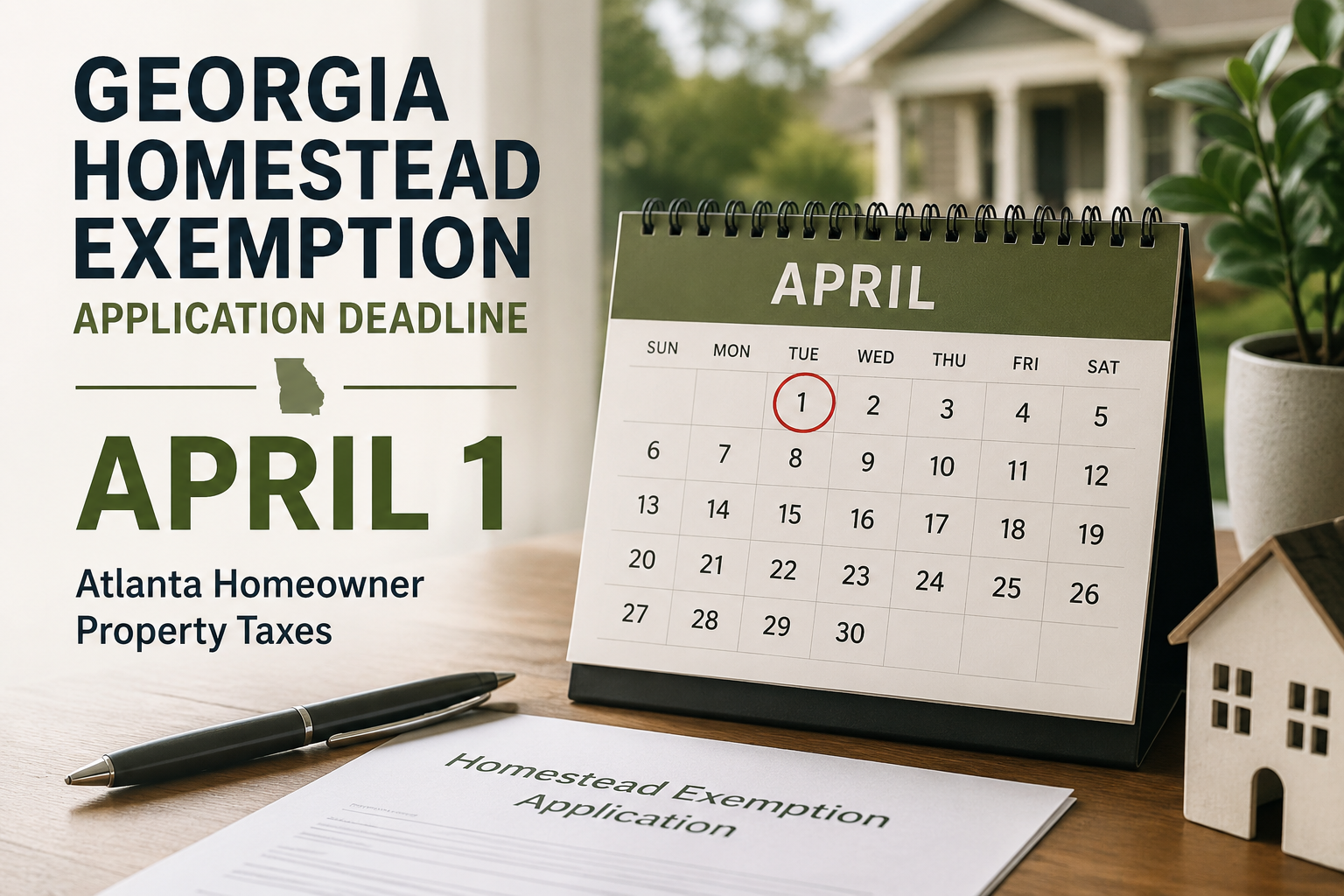
The Georgia homestead exemption reduces property taxes on your primary residence — but it doesn't file itself after closing. New Atlanta homeowners must apply by April 1 at their county assessor's or tax commissioner's office. Most Metro Atlanta counties offer a $10,000 reduction in assessed value, saving homeowners $700–$1,200+ annually. The exemption does not transfer automatically when you move; you must file a new application at your new county address.

How Much Does It Cost to Sell a House in Georgia? What Atlanta Sellers Actually Net in 2026
Selling a house in Georgia costs sellers between 8% and 10% of the sale price — not the 2% or 3% most people expect. On a $450,000 home, that's $36,000 to $45,000 coming out of your proceeds before your mortgage payoff is even touched. This post breaks down every cost Georgia sellers pay at closing: agent commissions (including what changed after the 2024 NAR settlement), the required closing attorney fee, Georgia's transfer tax, prorated property taxes, title insurance, and seller concessions. Plus a real net sheet example so you can see exactly what you'd walk away with. I put together personalized net sheets for every seller I work with — here's how the math actually works.

What Happens After Your Offer Is Accepted in Atlanta? A Georgia Buyer's Guide
Georgia's real estate contract has a few wrinkles buyers from other states don't expect — a negotiated due diligence period with a hard deadline, a closing attorney instead of a title company, and a due diligence fee that's nonrefundable even if you walk away. I work with buyers across Metro Atlanta and walk every client through this process before we write an offer. Financed closings take 30 to 45 days; you get keys on closing day. This is what happens after your offer is accepted in Atlanta. Here's what you need to know.
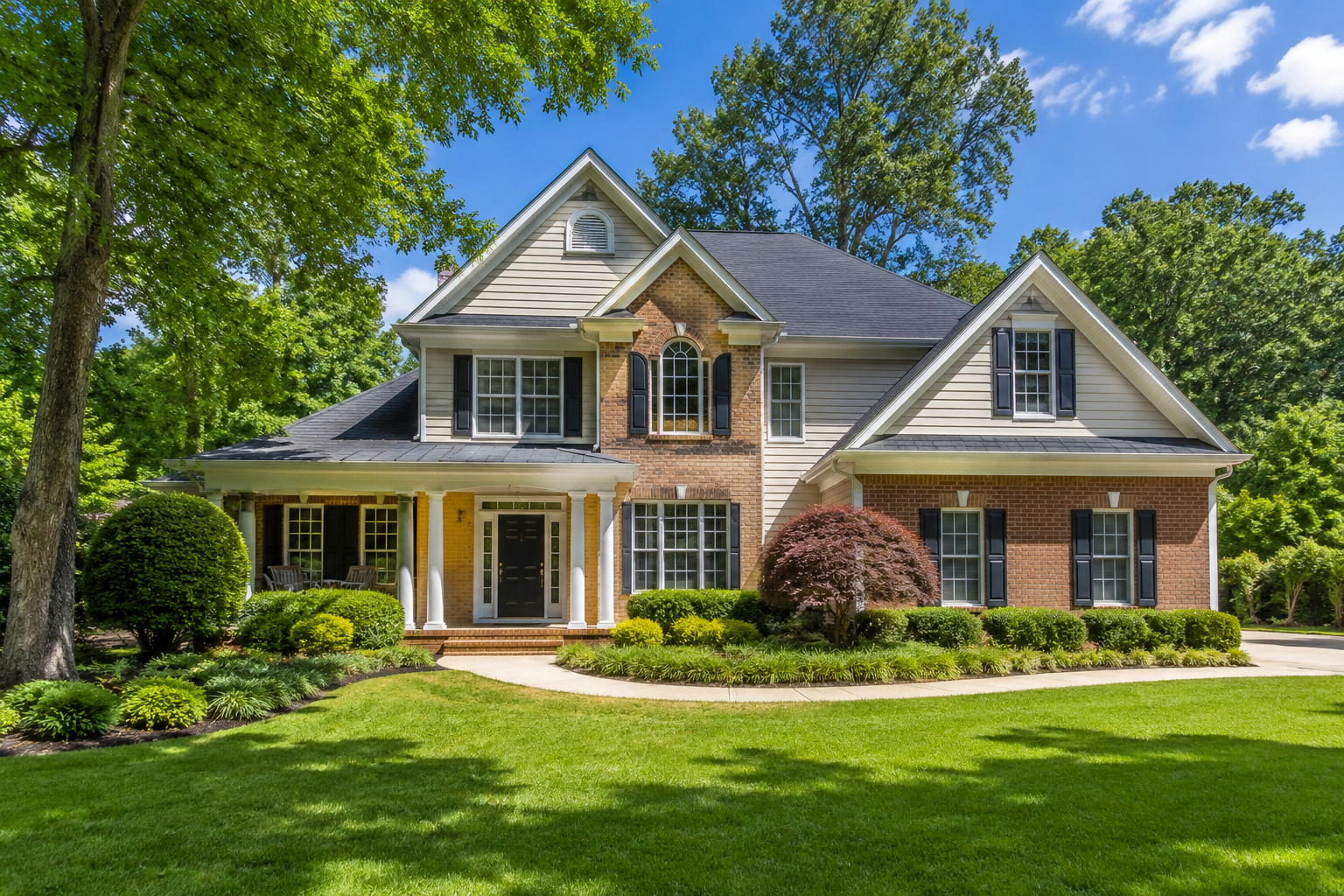
Living in Conyers GA: Olde Town, Rockdale Schools & What Homes Cost in 2026
Conyers is the only city in Rockdale County, 24 miles east of Atlanta on I-20, and one of the last places this close where a median budget still buys a full single-family house with a yard. I work with buyers across Metro Atlanta, and I will tell you what the listing photos will not: how the three ZIP codes price differently, where the historic Olde Town bungalows actually are, and when the I-20 commute stops working. Median sale prices run the high $200Ks to around $310K, 60 to 90 days on market, leaning toward buyers. This is Conyers. Here's what you need to know.