

Living in Smyrna GA: The Jonquil City, Market Village & What $350K–$600K Buys in 2026
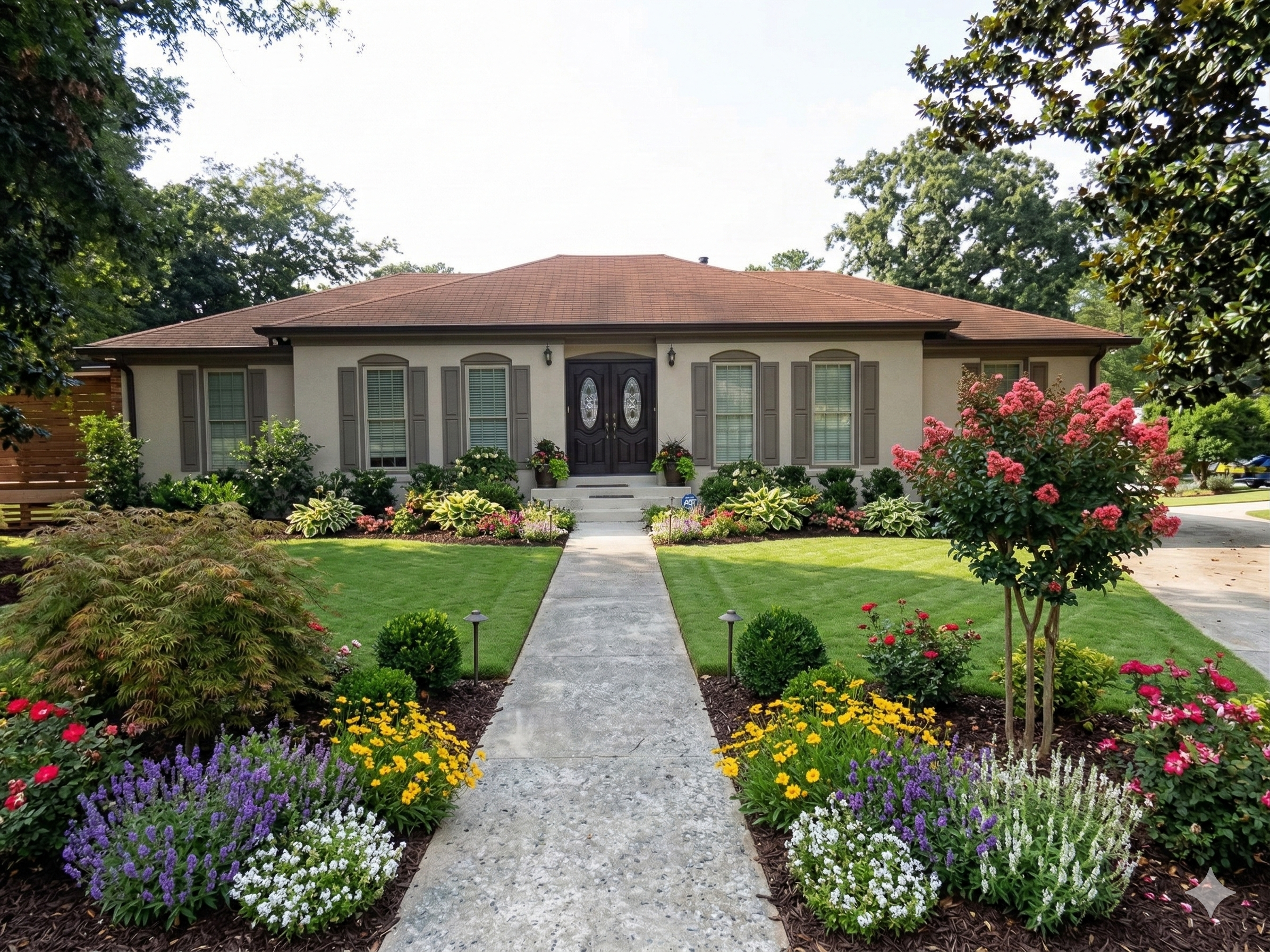
If you've been researching Metro Atlanta suburbs and keep seeing Smyrna come up, there's a reason for that. This city has been one of the fastest-growing communities in Georgia for decades — and it hasn't slowed down. About 16 miles northwest of Downtown Atlanta, Smyrna sits right at the northern intersection of I-285 and I-75, which makes it one of the most strategically located suburbs in the entire metro area.
I'm Kristen Johnson, a real estate agent with Compass Metro Atlanta. I've worked with buyers relocating to Cobb County from across the country, and Smyrna comes up constantly — especially with buyers who want actual walkability, reasonable commutes to multiple job corridors, and a neighborhood that has a real identity. Not every OTP suburb can say all three of those things at once. Smyrna can.
Let me walk you through what living here actually looks like: the neighborhoods, the market, the schools, the commutes, and what your money buys today.
What Kind of City Is Smyrna?
Smyrna is an incorporated city in Cobb County with a 2026 population of approximately 57,000–58,000 residents — making it the second-largest city in Cobb County after Marietta. It covers about 15.4 square miles and is one of the most densely populated cities in the Atlanta metro area, which tells you something about its character: this is not a sprawling exurb. It's a city with real density, real walkability in its core, and real infrastructure.
The median age here is 35.7 years — notably younger than most Atlanta suburbs. Median household income is approximately $100,000. The city is genuinely diverse: roughly 43% White, 32% Black or African American, 8% Asian, and 15% Hispanic or Latino. That diversity shows up in the restaurants, the schools, and the neighborhoods in ways that feel organic rather than manufactured.
Smyrna's nickname is the "Jonquil City" — every spring, thousands of bright yellow jonquils bloom along the streets and in residential gardens throughout the city. It's a small detail, but it captures something real about how this place thinks about itself. There's civic pride here. The city invests in its parks, its downtown, its community events. It shows.
Key facts:
Cobb County city, fully incorporated since 1872
ZIP codes: primarily 30080 (downtown/central), 30082 (southwest Smyrna/Silver Comet corridor), 30081 (eastern/South Cobb Drive corridor)
Outside the perimeter (OTP), approximately 1 mile northwest of Atlanta's city limits
Borders: Vinings (east), Marietta (north and west), Mableton (south and southwest)
No MARTA rail service; served by CobbLinc bus system with MARTA bus connections
City government operates independently from Cobb County; Smyrna has its own police department, parks system, and public library (the only Cobb County library not part of the CCPL system)
Schools served by Cobb County School District (CCSD), not Marietta City Schools
A Quick History
Settlers arrived in the Smyrna area in 1832. By the late 1830s, a religious encampment called Smyrna Camp Ground had become one of the most well-known gathering places in Georgia. The name "Smyrna" comes from the ancient Biblical city — modern-day İzmir, Turkey.
When the Western and Atlantic Railroad completed its line in 1842, the area started growing as a commercial hub. The city went through a few names — Varner's Station, Ruff's Siding, Ruff's Station — before officially incorporating as Smyrna in 1872.
The Civil War hit Smyrna hard. Two battles were fought here in July 1864 — the Battle of Smyrna Camp Ground and the Battle of Ruff's Mill — as Sherman's forces pushed toward Atlanta. Many homes and businesses were destroyed, including an 1849 covered bridge off Concord Road. That bridge has since been rebuilt and still stands today — you can visit it.
The modern growth story starts after World War II. A bomber manufacturing plant (later Lockheed Martin) reopened in Smyrna in 1951, and the city's population exploded: from about 2,000 in 1950 to nearly 20,000 by 1970. From 2000 to 2012 alone, Smyrna grew by 28%. It was named the fastest-growing city in Cobb County in census data released in 2020, having added roughly 5,600 residents in the prior decade. The growth has continued, albeit at a more moderate pace as the city approaches buildout.
In 2018, Money magazine named Smyrna one of the best places to live in America, citing its balance of economic growth, affordability, and quality of life. That recognition reflected what locals already knew.
The Smyrna Market Village: OTP Walkability Done Right
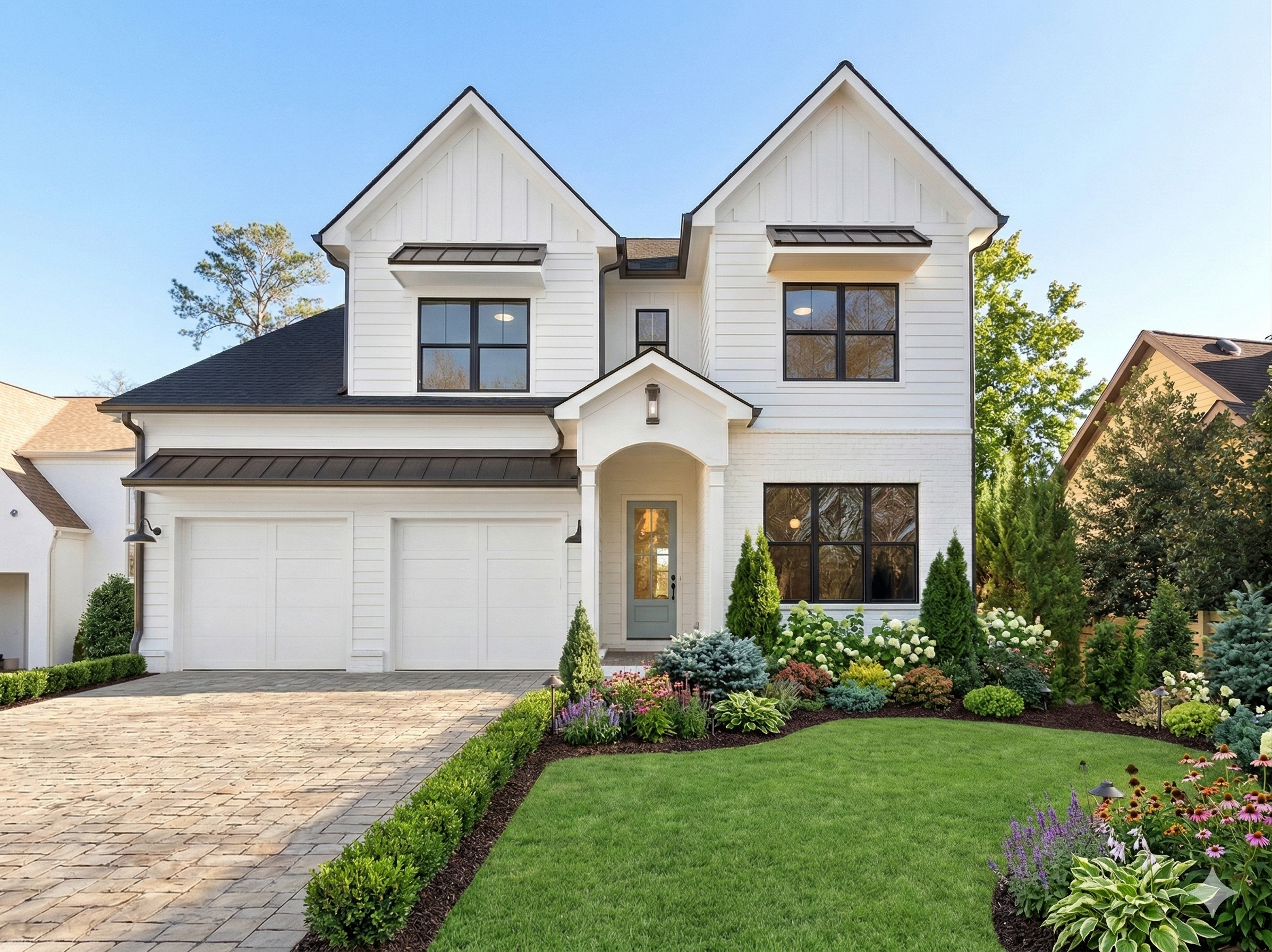
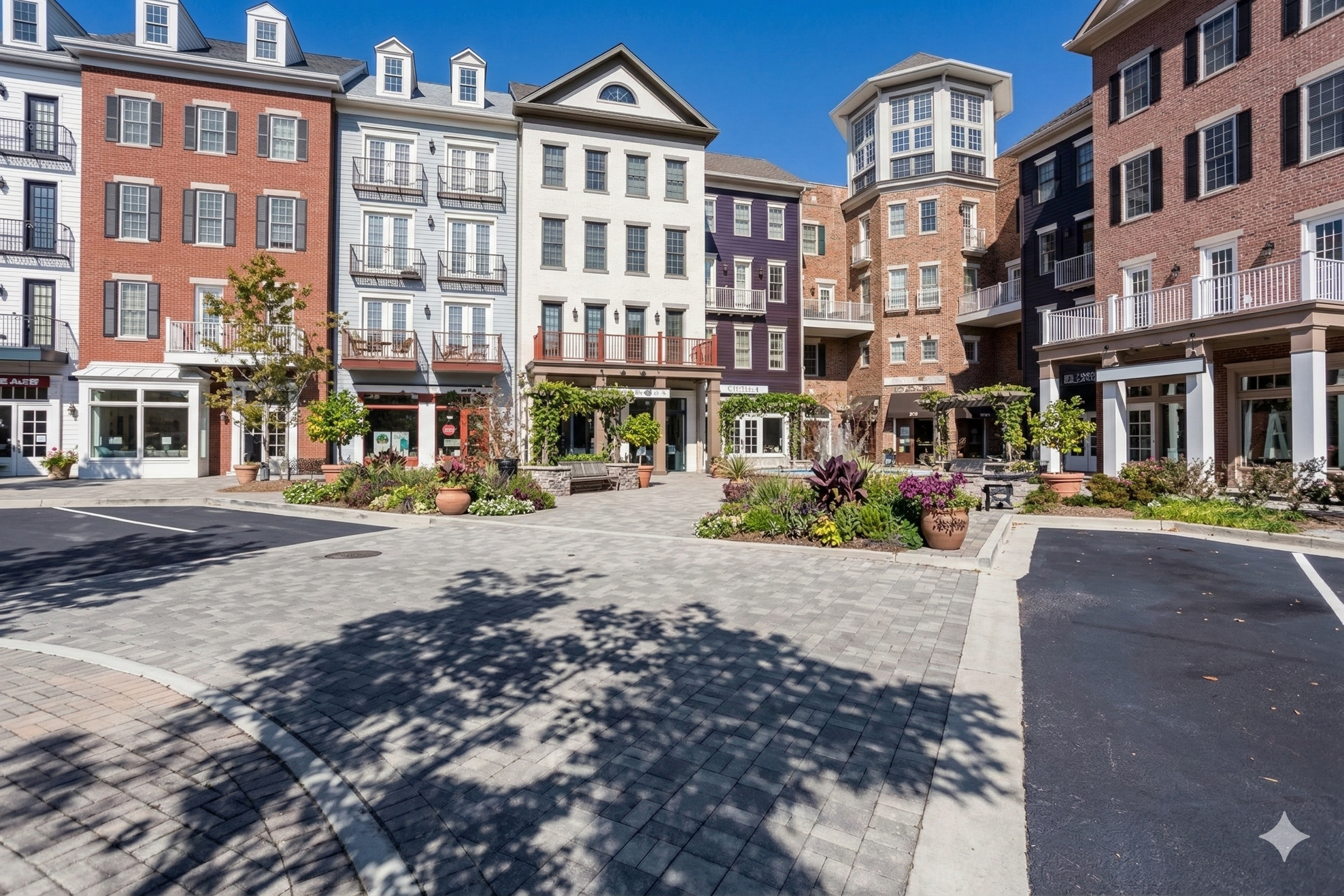
The single biggest differentiator for Smyrna among Cobb County suburbs is the Market Village — a genuine, walkable downtown with independent restaurants, retail, green space, and regular community events. This is not a strip mall. It's not a lifestyle center with chain stores. It's a real downtown core that took deliberate investment to build and has developed a real identity over the past two decades.
The Village Green at the center of Market Village is a manicured public green space anchored by a fountain that doubles as a splash pad for kids in warm weather. Surrounding it: more than 40,000 square feet of retail and restaurant space, most of it walkable from the residential townhomes that are part of the Village development. The Smyrna Community Center is immediately adjacent — a multi-use facility with basketball courts, a gymnasium, fitness area, racquetball courts, and a full event space.
Dining in and around Market Village:
Zucca Bar & Pizzeria — A Market Village anchor for over two decades. New York-style pizza, full bar, outdoor patio, and late-night hours. One of the most consistently reviewed spots in Smyrna.
The Corner Taqueria — In the Village since 2012, serving fusion gourmet tacos, housemade salsas, local craft beers, and 30+ tequilas. A true neighborhood staple.
The Vineyard Winemarket — Wine by the glass and bottle alongside a tapas menu. A favorite for date nights.
The Stout Brothers Beer Market — 35+ craft beers on tap in a kid- and dog-friendly setting. A go-to for craft beer discovery.
Atkins Park Tavern — Classic neighborhood tavern; consistently one of the most-reviewed spots on Yelp for the Market Village area.
Good Kitchen — Healthy, fresh, and locally focused. Popular among the health-conscious crowd.
Café Lucia — A cozy neighborhood café well-regarded in the Market Village.
South City Kitchen Vinings — Just south of Smyrna proper at Cumberland Parkway, this is one of Atlanta's most well-known upscale Southern restaurants. Close enough to Smyrna that locals consider it part of the dining landscape.
The Smyrna Fresh Produce Market (a local farmers market) operates seasonally on weekends in the Market Village area, adding to the community texture.
One note for buyers: Market Village is centered in the 30080 ZIP code in the northern part of Smyrna, near Windy Hill Road and Atlanta Road. If you want walkable access to the Village, that's the sub-market to target. Other parts of Smyrna are more conventionally suburban and don't share that walkability.
Events and Community Life
Smyrna has a genuine events calendar, and the community turns out for them. A few highlights:
Jonquil Festival — Smyrna's signature annual festival, typically held in spring, celebrates the city's namesake flower. Live music, local vendors, food, and arts. One of the most well-attended local festivals in Cobb County.
Taste of Smyrna — An annual food festival on the Village Green featuring samples from 25+ local restaurants. A great way to explore the dining scene all at once. Free admission.
Village Green Concert Series — Free outdoor concerts on the Village Green, typically spring through fall. A consistent draw for families and young professionals alike.
The ARTery — A community-driven public art initiative centered primarily in and around Jonquil Plaza and the Village Green, with rotating installations throughout downtown.
The Smyrna Community Center also hosts a full schedule of programming: youth sports leagues, fitness classes, dance, martial arts, gymnastics, and seasonal events.
Parks and Outdoor Recreation
Smyrna has approximately 22 city parks, which is a meaningful number for a city its size. A few that stand out:
Silver Comet Trail — This is Smyrna's signature outdoor amenity and one of the best trail assets of any Metro Atlanta suburb. The Silver Comet starts right here in Smyrna — specifically at the Mavell Road trailhead near South Cobb Drive and the East-West Connector — and runs 61.5 miles west through Cobb, Paulding, and Polk counties to the Alabama state line, where it connects to Alabama's Chief Ladiga Trail. Together, they form a 94-mile continuous paved trail from Smyrna to Anniston, Alabama — the second-longest paved rail trail in the United States. The Cobb County section alone is 12.8 miles.
The trail is fully paved, completely free, open to walkers, joggers, cyclists, inline skaters, and wheelchairs. Because it follows an abandoned railroad right-of-way, it's flat and accessible. On weekends, the Smyrna section is heavily trafficked by local cyclists and runners. Midweek mornings, it's peaceful.
There are also active plans (as of this writing) to connect the Silver Comet Trail to the Atlanta Beltline via a PATH Foundation project, which would create one of the longest connected paved trail networks in the entire country. That connection hasn't opened yet, but when it does, it will be a genuine amenity upgrade for Smyrna homeowners.
Taylor-Brawner Park — A well-landscaped city park with walking trails, open green spaces, and picnic areas. Hosts a variety of community events throughout the year.
Tolleson Park — Includes a public swimming pool (Tolleson Pool) open in summer months with a spray park, lap swimming, and diving boards. Popular with families.
Cobb Park — A neighborhood park near the Village area with a linear walking trail along Spring Road.
Concord Covered Bridge — A historic covered bridge off Concord Road, one of the only covered bridges still standing in Metro Atlanta. A nice Sunday afternoon destination.
Chattahoochee River NRA access — The Chattahoochee River National Recreation Area sections around Vinings are just minutes from the eastern edge of Smyrna, providing additional trail access.
Battery Atlanta / Truist Park — Home of the Atlanta Braves, just southeast of Smyrna proper. About 10–15 minutes by car. The Battery is a year-round mixed-use entertainment district with restaurants, bars, live music venues, and retail — in addition to the stadium itself. Many Smyrna residents essentially treat it as an extension of their entertainment options.
Schools in Smyrna: Cobb County School District
All public schools within Smyrna city limits are served by the Cobb County School District (CCSD) — Georgia's second-largest school district with 105,000+ students across 111 schools. This is not Marietta City Schools. If you're researching Smyrna and see MCS data, that does not apply here. (See the Marietta post for a full breakdown of MCS.)
The CCSD feeder pattern for most of Smyrna feeds into Campbell High School (925 Powder Springs St SE, Smyrna 30080), with two middle schools — Campbell Middle School and Griffin Middle School — as primary feeders.
Campbell High School at a glance:
Enrollment: approximately 3,030 students in grades 9–12 — the largest high school in the Cobb County School District
Ranked #111 in Georgia by U.S. News & World Report; #132 out of 452 Georgia high schools by SchoolDigger in the 2024–2025 school year (consistently top half of Georgia high schools)
Niche grade: A-; rated #12 Niche Standout High School in the Atlanta area; among the most diverse public high schools in Georgia (#12 in the state per Niche)
AP participation rate: 36% (U.S. News); 27% (other sources — figures vary by methodology)
Graduation rate: 84–87% range across recent years (on par with Cobb County average)
Student-teacher ratio: 18:1 (higher than the Georgia state average of 14:1)
Offers International Baccalaureate (IB) program
Minority enrollment: approximately 82% (majority Black at ~42%, Hispanic ~30%, White ~18%)
Average GPA: 3.52; average SAT approximately 1190; average ACT approximately 27
What to know honestly: Campbell is a large, genuinely diverse high school with strong IB and AP offerings, good athletics, and consistent graduation rates. Its standardized test proficiency scores are lower than the county averages — math proficiency around 29%, reading around 47% (vs. higher rates at Walton, Pope, and Lassiter). For buyers specifically targeting the academic metrics associated with East Cobb's "Big 3" zones, the school landscape here is different. For buyers who value diversity, strong extracurriculars, IB access, and a large urban-feeling high school experience, Campbell offers that.
Important: School zone assignments in Cobb County depend on your specific property address, not the city name or ZIP code. Some areas of Smyrna near the northern boundary may feed into different CCSD zones. Always verify your exact K–12 pathway using the CCSD online school locator at edulogwebs1.cobbk12.org or by contacting CCSD Planning and Operations directly at Planning.Operations@cobbk12.org before making a purchase decision based on school expectations.
Private schools in and near Smyrna:
Whitefield Academy — A PK–12 Christian school within Smyrna city limits. One of the most established private schools in the area.
St. Benedict's Episcopal School — Another private option within city limits.
Covenant Christian School — Also within city limits.
The Walker School — In nearby Marietta, #1 Best Private High School in Cobb County (Niche). A 15–20 minute drive from most of Smyrna.
Mount Paran Christian School — Also in Marietta, #2 Best Private High School in Cobb County.
The Real Estate Market: What Does Smyrna Cost in 2026?
Smyrna's market has shown strong long-term appreciation. Between 2015 and 2025, property values increased by approximately 138% — about 9% average annual appreciation. In the more recent period, Redfin reported a median sale price of approximately $450K in late 2025 (November), with Zillow showing an average home value around $448,000–$452,000. An April 2025 reading put the median closer to $487,000–$506,000 depending on the data source and methodology. The Orchard platform recently reported a median of $487,500 with 6.2% year-over-year growth.
What you should know: different data sources report different numbers depending on what transactions they're capturing and when. The honest range for typical Smyrna home sales right now is approximately $350,000 to $600,000 for the bulk of the market, with meaningful inventory above and below those points.
Price tiers in Smyrna today:
$250,000–$350,000: Condos, smaller townhomes, older ranch homes on secondary roads. Entry-level for the market. Limited inventory at this price in good condition near the Village.
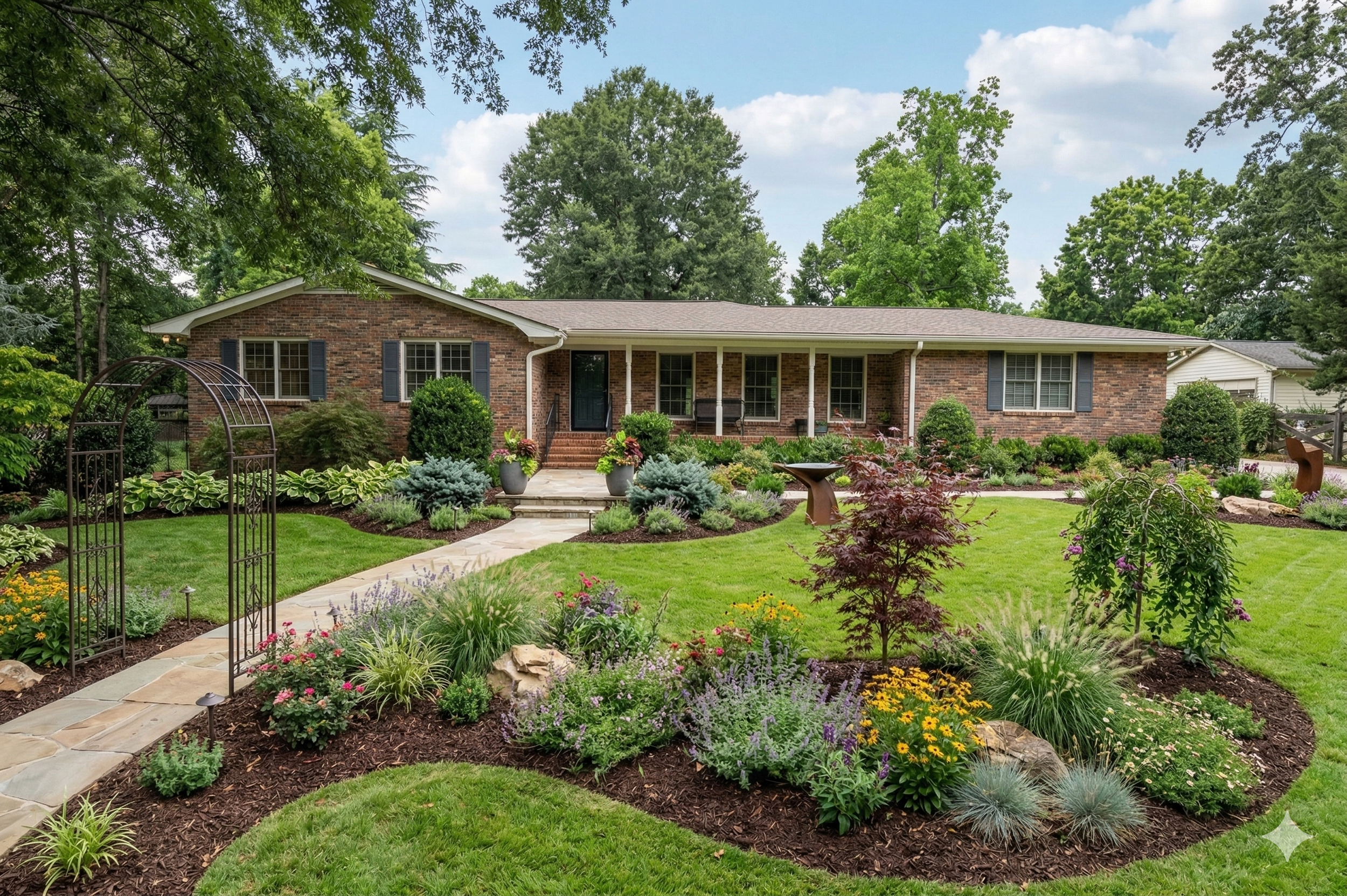
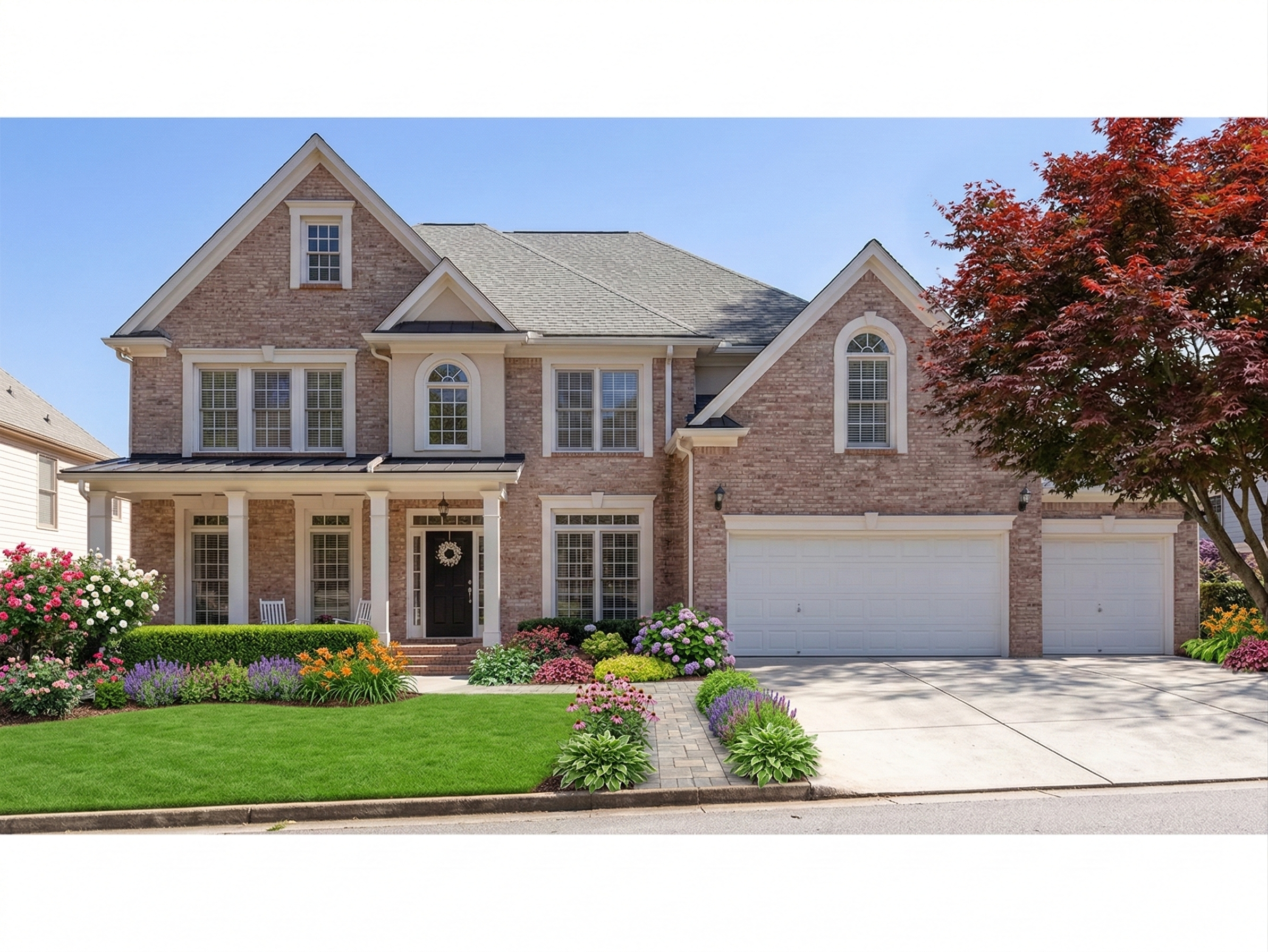
$350,000–$500,000: The heart of the Smyrna market. Includes mid-century brick ranches (a Smyrna signature property type — solid 3BR/2BA homes from the 1960s–1980s, many renovated), newer townhomes, and smaller single-family homes in established neighborhoods. This is where most buyers land.
$500,000–$650,000: Larger single-family homes, renovated ranches with additions, newer construction infill, and higher-end townhomes near the Village or Battery corridor. Competitive sub-market.
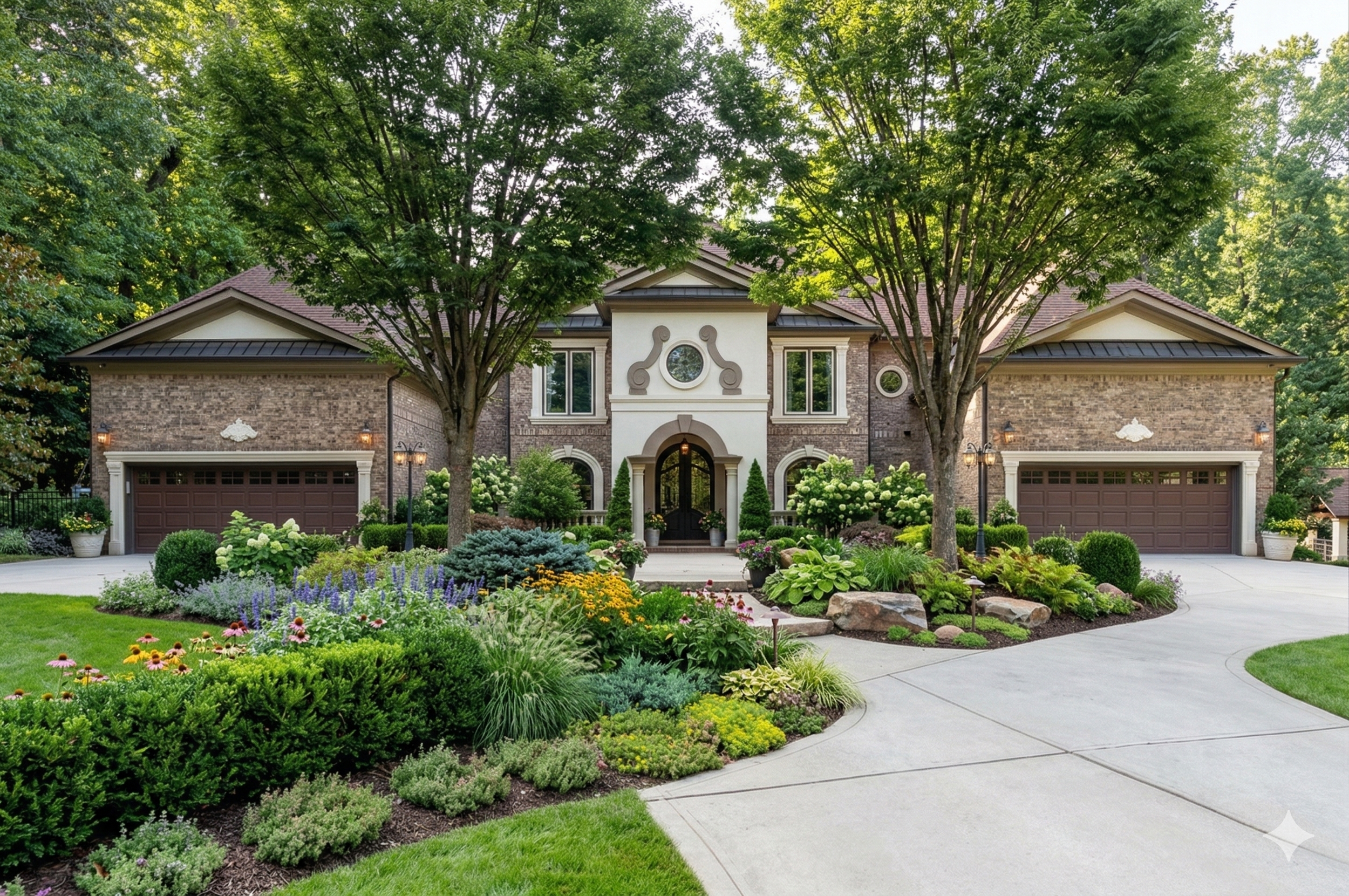
$650,000–$900,000+: Premium inventory near Vinings border (30082), fully renovated estates, custom builds. The Vinings-adjacent pocket of southeastern Smyrna commands the highest prices in the city.
$900,000+: Limited but present — primarily in the southeastern Smyrna/Vinings boundary area. Some properties approaching $1.5M+ exist in this corridor.
Market conditions (late 2025/early 2026): Homes in Smyrna are selling in approximately 37–65 days depending on the source and sub-market (the range reflects different datasets and micro-market variation). The market is competitive but not the frenzied seller's market of 2021–2022. Buyers have more negotiating leverage than they did three years ago. Well-priced, well-presented homes in the Village area and Battery corridor still move quickly. Overpriced properties sit.
Property taxes: Cobb County effective property tax rate is approximately 0.84% — meaningfully lower than Fulton County's effective rate around 1.09%. This is one of the consistent financial advantages of being in Cobb County, and it applies throughout Smyrna. There is also a City of Smyrna millage component on top of the county rate — total combined effective rate is still generally below what Fulton County buyers pay.
What $450,000 buys in Smyrna right now: A solid 3BR/2.5BA mid-century brick ranch, likely updated kitchen and baths, possibly on a larger lot in an established neighborhood. Or a newer townhome (3BR/3BA) within a mile or two of Market Village or the Battery. Or a smaller but well-located 4BR home in a swim-tennis community in the 30082 corridor.
Neighborhoods in Smyrna: The Sub-Markets Matter
Smyrna is not one monolithic neighborhood. Where you buy within the city significantly affects your daily experience, your property value trajectory, and your commute.
Market Village / Downtown Core (30080) The most walkable sub-market. Townhomes on and adjacent to the Village Green, older single-family homes on tree-lined streets within walking distance of restaurants and the Community Center. This area has seen significant investment and price appreciation over the past decade. Expect to pay a premium for true walkability. The residential townhomes integrated into the Market Village development — 16 luxury units in the heart of the Village — represent the most sought-after addresses in downtown Smyrna.
Belmont Hills / Atlanta Road Corridor (30080) Northeast Smyrna, near Atlanta Road and the Vinings/Sandy Springs boundary. A mix of mid-century homes and newer infill. Good access to Cumberland/Galleria and Buckhead. Prices vary widely based on condition and lot size.
Vinings-Adjacent / Southeast Smyrna (30082) This is the premium pocket of Smyrna — the southeastern corner bordering Vinings, near I-285 and Paces Ferry Road. Homes here command the highest prices in the city. Communities like Vinings Estates (swim/tennis, larger lots, luxury homes, close to Battery Atlanta), Covered Bridge neighborhoods, and Forest Hills (large lots, mature trees, established community) are in this corridor. This area is also where you find the closest access to the Silver Comet Trail for many residents.
South Cobb Drive / East-West Connector Corridor (30080, 30081) More conventionally suburban — a mix of 1960s–1980s ranches, apartment complexes, and commercial strips. Less walkable than the Village area but better freeway access for commuters using I-285 south or going toward the airport. Silver Comet Trail access is excellent here (Mavell Road trailhead).
Highlands / Spring Road / Concord Road areas (30082) Western Smyrna. Established single-family neighborhoods with larger lots, more mature tree canopy, and generally quieter character. Access to the Silver Comet Trail. Tends to attract buyers who want the Smyrna address and the Cobb tax rate but less interest in downtown walkability.
New Townhome Developments Smyrna has seen a consistent stream of townhome development over the past decade, filling in gaps near the Battery corridor and along major arterials. These provide lower-maintenance options, typically in the $350,000–$500,000 range, with HOA coverage for exterior maintenance. A good entry point for buyers who want to be in Smyrna without the upkeep demands of a single-family home.
Commute Times from Smyrna
Smyrna's location — right at the I-285/I-75 interchange — is its single greatest structural advantage for commuters. Let's be honest about what that means in practice.
Cumberland / Galleria (Cobb Energy Centre area): 5–15 minutes. This is essentially your backyard. The Battery Atlanta is in this corridor. Multiple Fortune 500 companies operate here. If your job is at Cumberland, Smyrna may be the best commute story in all of Metro Atlanta.
Buckhead: 15–25 minutes off-peak via I-285 east. 25–40 minutes in peak traffic. Consistent and generally predictable.
Midtown Atlanta: 20–35 minutes off-peak via I-75 south or Cobb Parkway to I-75. 35–50 minutes during peak commute hours. Better than most OTP suburbs at this distance.
Downtown Atlanta: 20–35 minutes off-peak. 35–55 minutes in peak traffic. Very manageable by OTP suburban standards.
Perimeter / Dunwoody: 15–25 minutes via I-285 east. One of Smyrna's best commute stories — the I-285 run is direct.
Hartsfield-Jackson Airport: 25–40 minutes off-peak via I-285 to I-20 or I-285 to I-85. Better than East Cobb or Marietta because of more direct I-285 access. Still not the fastest airport commute in Metro Atlanta, but very functional.
Note on I-285: The I-285/I-75 interchange near Cumberland is one of the busiest and most congested interchanges in the entire Southeast during peak hours. If your commute takes you through this interchange rather than away from it, plan for that reality. The 5–15 minute Cumberland commute assumes you're not fighting peak traffic at I-285 itself.
No MARTA rail serves Smyrna. CobbLinc bus service provides routes connecting to MARTA rail at the Arts Center and Hamilton E. Holmes stations, but this is not a quick commute for rail-dependent workers. If you need rail access, Smyrna requires a park-and-ride or bus transfer approach.
Major Employers Near Smyrna
The employment proximity story for Smyrna is genuinely strong:
Battery Atlanta / Cumberland / Galleria corridor: Home Depot's corporate headquarters is in nearby Vinings. Lockheed Martin is in Marietta. The Battery Atlanta alone generated $40.3 million in tax revenue in 2023 and employs approximately 9,000 workers, drawing 10 million+ annual visitors. Cobb Energy Performing Arts Centre (home of The Atlanta Opera and The Atlanta Ballet) is in this corridor. WellStar Kennestone Hospital (one of the largest in Georgia) is in adjacent Marietta.
Atlanta Tech Village / Midtown tech corridor: Within practical commuting distance for tech workers who can tolerate the I-75 or I-285 run.
Hartsfield-Jackson Airport: Delta Airlines' headquarters is in the College Park/Atlanta area, approximately 35–45 minutes away.
For buyers in professional services, healthcare, technology, or defense/aerospace, Smyrna's position between Cumberland/Galleria and Downtown Atlanta makes it a very practical home base.
Shopping and Grocery
Smyrna is well-served for everyday needs:
Grocery: Publix has multiple locations serving Smyrna. Kroger also serves the area. For specialty grocery, the Whole Foods in East Cobb's Merchant's Walk area (15–20 minutes) and the Trader Joe's options in the Cumberland/Vinings corridor are practical options for many Smyrna residents.
Cumberland Mall and Galleria: Just minutes from Smyrna's eastern edge, the Cumberland corridor offers a full range of retail, dining, and services. The Battery Atlanta adjacent development has further expanded the restaurant and entertainment options in that corridor.
Market Village retail: Beyond restaurants, Market Village has boutique retail, wine shops, fitness studios, and professional services — not a full shopping center, but functional for daily needs.
Smyrna Bicycles (Atlanta Road) serves the large Silver Comet Trail cycling community and is a well-regarded local shop.
Who Buys in Smyrna?
Over the years I've worked with buyers in Smyrna, a clear profile emerges. This city tends to attract:
Young professionals and dual-income couples who want OTP suburban pricing but don't want to feel like they're in the suburbs. The Market Village walkability, the diverse social scene, and the proximity to Buckhead and Midtown check boxes that other Cobb County options don't.
Corporate relocation buyers with jobs at Cumberland, Galleria, or Battery Atlanta companies. The commute story is unbeatable for these employers, and the housing cost relative to North Fulton County (Alpharetta, Roswell, Johns Creek) is noticeably lower.
Buyers priced out of Vinings who want the same access to Cumberland and Buckhead at a lower price point. Smyrna's southeastern pocket (30082) is essentially the more affordable next-door neighbor to Vinings.
First-time buyers looking for a mid-century brick ranch with good bones at a reasonable price — Smyrna has more of these than almost anywhere else in Cobb County.
Investors focused on the rental market. Smyrna's population density, diverse employment base, and continued in-migration make it a consistent performer for single-family and townhome rentals.
Who Should Think Carefully Before Buying in Smyrna
Smyrna is a strong market, but it's not the right fit for everyone:
Buyers specifically targeting the CCSD "Big 3" high school zones (Walton, Pope, Lassiter in East Cobb) should look carefully at the feeder pattern for any Smyrna property. Campbell High School serves Smyrna, and while it is a strong, diverse school with IB access and consistent graduation rates, buyers who have specifically chosen a neighborhood for its Big 3 zone assignment will find a different landscape here.
Buyers who need MARTA rail access should know that there is no rail in Smyrna. CobbLinc connects to MARTA buses, but it is not a direct or fast connection. If your daily commute is rail-dependent, Smyrna requires a car or a significant transit commitment.
Buyers who want single-family homes with large lots in a quieter setting may find that Smyrna's density — one of the highest in Metro Atlanta — is not the atmosphere they're looking for. Kennesaw, Acworth, or outer Cobb options may be a better fit.
Buyers expecting the Market Village character throughout the city should tour multiple sub-markets. Smyrna near the Silver Comet trailhead or along South Cobb Drive has a very different character than the Village area.
Smyrna vs. Other Cobb County Options
Smyrna vs. East Cobb: East Cobb has the Big 3 CCSD zones with their associated price premiums, the swim-tennis suburban culture, more single-family home inventory, and no walkable downtown of Smyrna's character. Smyrna is more affordable, more urban-leaning, and has the best commute story in the county. East Cobb has the school zone story. Both are in Cobb County with the same favorable property tax structure.
Smyrna vs. Marietta: Both are incorporated Cobb County cities. Marietta has the historic Square, an independent school district (MCS — separate from CCSD), a lower median price point, and a more historic/eclectic character. Smyrna has newer development, better I-285 access, the Silver Comet Trail, and proximity to Battery Atlanta. Marietta's Cumberland/Galleria commute is slightly longer from most neighborhoods. Both have genuine walkable downtown districts.
Smyrna vs. Vinings: Vinings is adjacent to Smyrna's eastern edge — essentially the same location, but Vinings skews higher-end (median prices start around $600K–$700K+), has a smaller, more boutique downtown (Vinings Jubilee), and is home to Home Depot's corporate campus. Vinings has no incorporated city government — it's an unincorporated CDP. Many buyers choose between southeastern Smyrna and Vinings based on budget and specific neighborhood preference.
Smyrna vs. Kennesaw: Kennesaw is north of Marietta along I-575, farther from Downtown Atlanta but generally more affordable. It has Kennesaw State University, Swift Cantrell Park, and a slightly different demographic skew (more families, more college-town adjacent energy). Smyrna has better commute access to Cumberland and Buckhead. Kennesaw has more single-family inventory in the mid-$300,000s.
9 Questions Buyers Actually Ask About Smyrna
Is Smyrna a good place to live? For the right buyer profile — yes, genuinely. Walkable downtown, strong commute story, diverse community, good parks, affordable relative to North Fulton options. Money magazine agreed in 2018 when they named it one of the best places to live in America. The data on household income, population growth, and property appreciation backs that up.
What is Smyrna Market Village? It's Smyrna's walkable downtown — about 40,000 square feet of restaurants, retail, and entertainment surrounding a central Village Green with a fountain and community park. It's the primary reason buyers seeking OTP walkability put Smyrna on their short list.
What ZIP code is Smyrna? Primary ZIP codes are 30080 (central/downtown, most common), 30082 (southwestern Smyrna, Silver Comet corridor, Vinings-adjacent), and 30081 (eastern/South Cobb Drive corridor). ZIP code affects neighborhood character and commute access more than it affects school assignments — verify school zones by address regardless of ZIP.
What are Smyrna's schools like? Public schools in Smyrna are part of the Cobb County School District. The primary high school for Smyrna is Campbell High School — a large (3,000+ student), diverse school with IB and AP programs and consistent graduation rates in the 84–87% range. It ranks in the top half of Georgia high schools. It is a different experience than East Cobb's Big 3 zones. Verify your specific address's full K–12 feeder pattern before purchasing.
Is Smyrna inside or outside the perimeter? Outside the perimeter (OTP), approximately 1 mile northwest of Atlanta's city limits. That said, it's as close to ITP as any OTP Cobb County location gets — Vinings borders it on the east, and Buckhead is about 10 miles from Smyrna's center.
What does the Silver Comet Trail have to do with Smyrna? The Silver Comet Trail starts in Smyrna — specifically at the Mavell Road trailhead — and runs 61.5 miles to the Alabama border. It's the longest paved recreational trail in the Southeast (combined with Alabama's Chief Ladiga Trail, 94 miles total). For running, cycling, dog-walking, or inline skating, this is a genuine amenity that few suburbs anywhere can match as a trailhead city.
How far is Smyrna from Downtown Atlanta? Approximately 16 miles. Off-peak drive time is typically 20–35 minutes via I-75 south. Peak hours can stretch to 40–55 minutes depending on traffic conditions. By OTP standards, this is a very reasonable commute.
Does Smyrna have good walkability? In and around Market Village (30080 ZIP code, northern Smyrna) — yes, genuinely. Walk Score in the Village area is meaningfully higher than most OTP suburbs. In other parts of Smyrna, walkability is more conventionally suburban. Not all of Smyrna walks the same.
Is Smyrna a good investment? Smyrna's 138% property value appreciation from 2015–2025 (approximately 9% average annual) ranks it among the stronger Metro Atlanta suburban markets. Continued in-migration, a relatively young median age, employment proximity, and the planned Silver Comet–Beltline connection all point toward continued demand. As with any market, specific property selection, condition, and pricing matter more than zip code.
Ready to Explore Smyrna?
Smyrna doesn't get as much attention as some of the North Fulton County options, but buyers who do their homework often come back to it. The combination of a walkable downtown, the Silver Comet Trail, reasonable prices relative to comparable access, strong Cobb County tax rates, and a genuinely diverse community is hard to replicate.
If you're relocating to Metro Atlanta, comparing Cobb County options, or just trying to figure out where your budget gets you the most, I'd love to walk through it with you — neighborhood by neighborhood, with current market data and the kind of honest assessment you'd want from someone who actually knows the area.
Kristen Johnson | Real Estate Agent with Compass Metro Atlanta kristenjohnsonrealestate.com
Want to keep reading? Check out the related posts in this series:
Living in East Cobb GA — The Big 3 school zones, Truist Park proximity, and what $450K–$1M+ buys
Living in Marietta GA — The historic Square, Marietta City Schools, and the address confusion you need to understand
Living in Vinings GA — Smyrna's upscale neighbor: Home Depot HQ, Vinings Jubilee, and a very different price point