

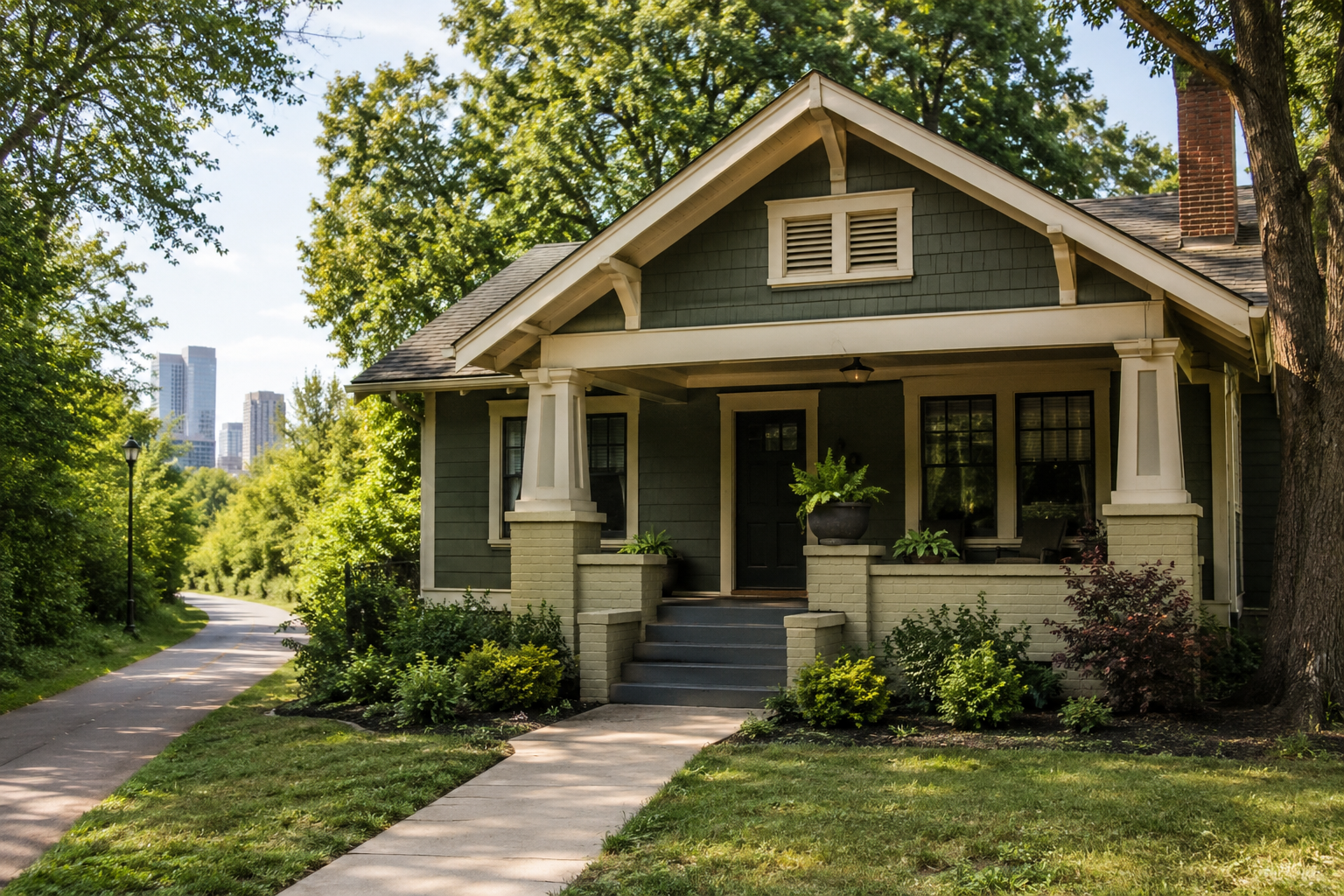
If You Love Grant Park But Can't Afford It, Try These 4 Nearby Alternatives
Grant Park's median runs roughly $575K to $640K in 2026, and a renovated detached home can pass $1.2M. If that moved out of reach, four southeast Atlanta neighborhoods deliver a version of what you love for less: Ormewood Park (the closest architectural match), Summerhill (new construction, closest to downtown), Peoplestown (the value play at $410K to $450K), and Chosewood Park (the most new-build space for the money, from the high $300Ks). All four sit on or beside the BeltLine's Southside Trail, which opened as a continuous paved route in 2026, and the pricing is still catching up. Here's how to pick the right one.

If You Love Old Fourth Ward But Can't Afford It, Try These 3 Nearby Alternatives
If you love Old Fourth Ward but the prices pushed you out, you have three real options nearby, and which one fits depends on what you actually want. What prices people out of O4W is not the neighborhood, it is the detached single-family home, which starts around $700K. I work with intown buyers every week, so I know where the value hides block by block. Cabbagetown gets you walkable proximity and mill-loft character. Grant Park gets you a historic house and a 131-acre park. Downtown gets you an authentic loft from the $200Ks. These are your Old Fourth Ward alternatives. Here's what you need to know.
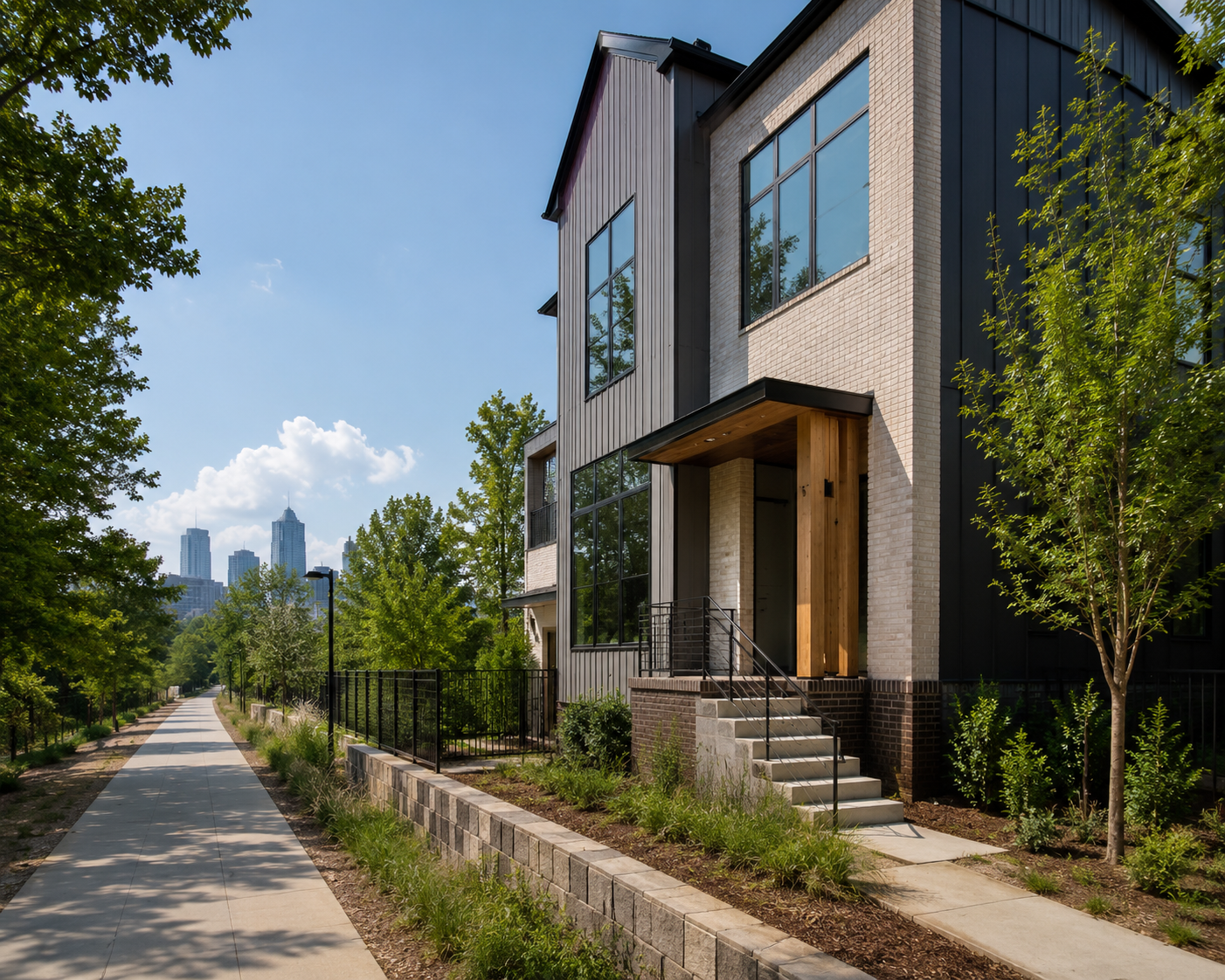
If You Love Inman Park, Try Reynoldstown, Edgewood, or Kirkwood: Intown Atlanta Alternatives & Home Prices 2026
Inman Park is one of intown Atlanta's most desirable addresses, and its roughly $725,000 median reflects it. But what most buyers want is the lifestyle, the walkable east-side streets, the historic homes, the BeltLine within reach, not the specific zip code. Reynoldstown, Edgewood, and Kirkwood each deliver a large share of that for $50,000 to over $200,000 less. I work with buyers across the east side and I live in Edgewood, so I know which blocks back up to the trail and where the real value sits. This is the Inman Park alternatives guide. Here's what you need to know.
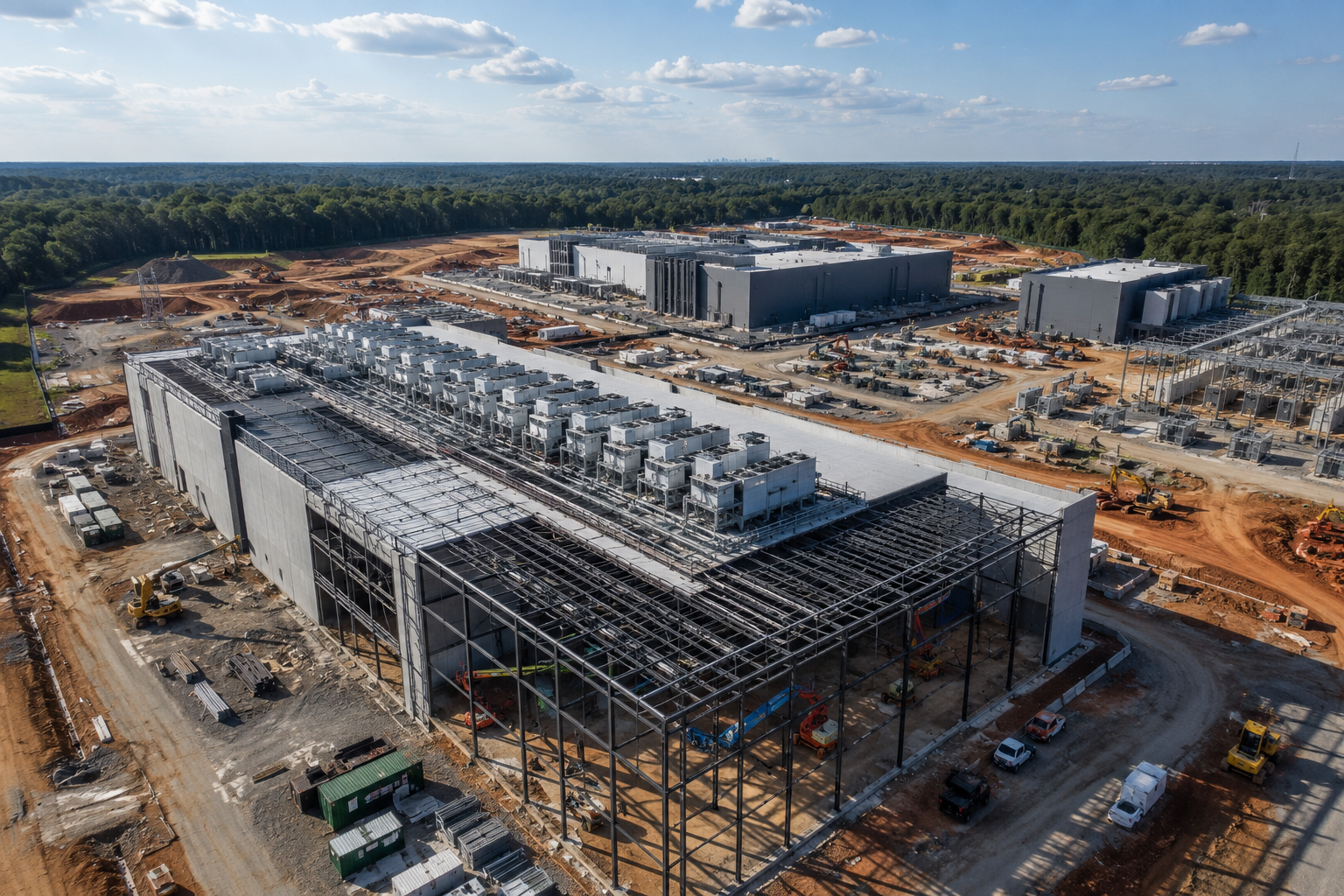
Atlanta Neighborhoods Most Affected by Data Center and Infrastructure Projects (What Buyers Should Know)
Metro Atlanta's data center boom is concentrated in a crescent through South Fulton, Douglas, Newton, and Coweta counties, while the biggest road projects are tearing up SR 400 and the top end of I-285 through 2031. I grew up in East Point, in the middle of that data center crescent, so I treat this as parcel-level due diligence, not headlines. Here is where the projects actually are, what the research says about home values, what the December 2025 power decision means for your bill, and the exact things to check before you buy near one. Here's what you need to know.
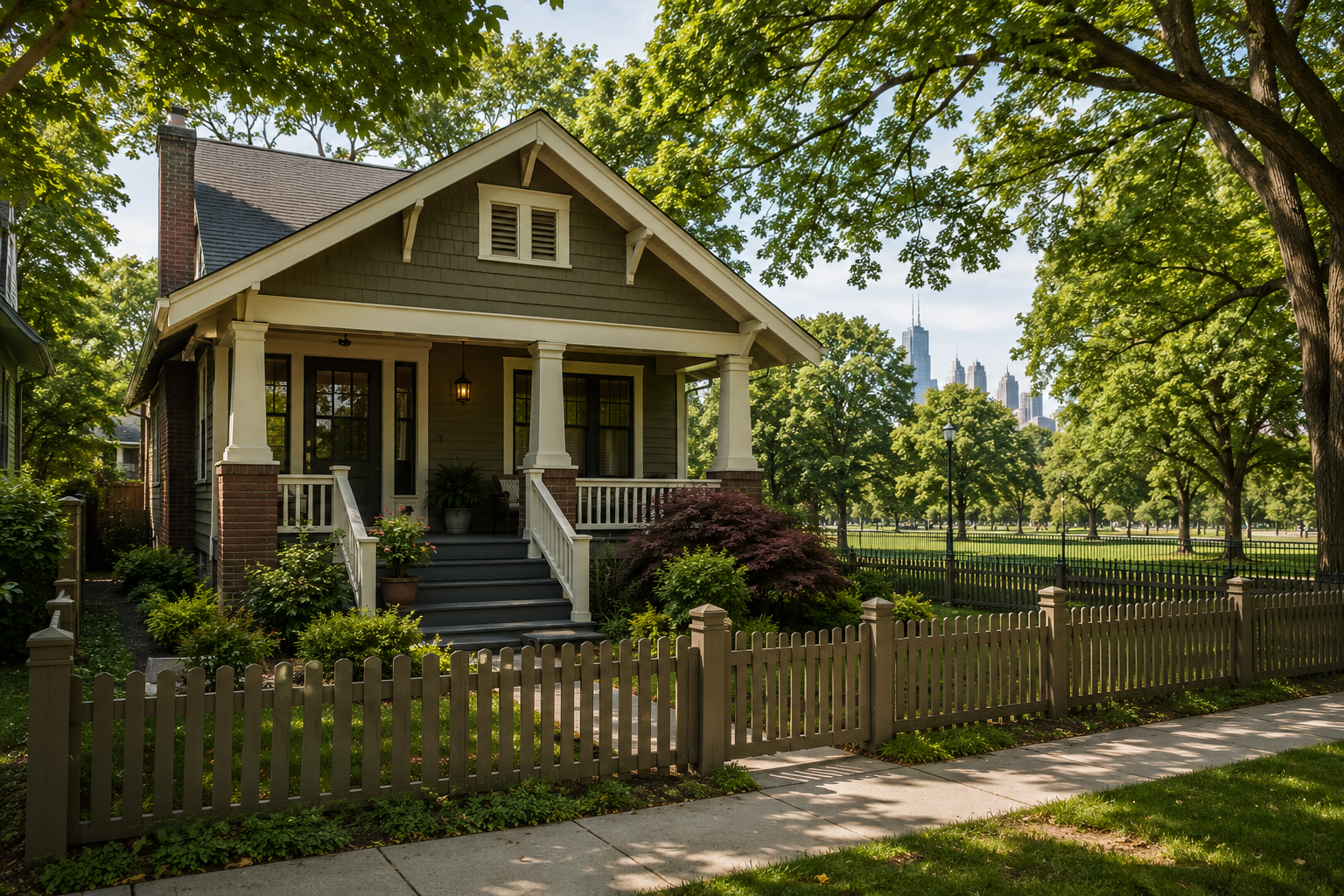
3 Atlanta Neighborhoods Where It's Cheaper to Own Than Rent in 2026
A 2026 LendingTree study found renting is cheaper than owning in all 100 of the largest U.S. metros, and on average across Atlanta that holds. But it is the wrong tool for picking a neighborhood. Drop to the ZIP level and compare a house to a house, and three areas flip: East Point (30344), the West End side of 30310, and the Cascade corridor of South Fulton (30331), where homes run $230K to $290K and comparable houses rent for $2,000 to $2,500. I ran the full rent vs. PITI math on all three. This is where owning quietly beats renting. Here's what you need to know.
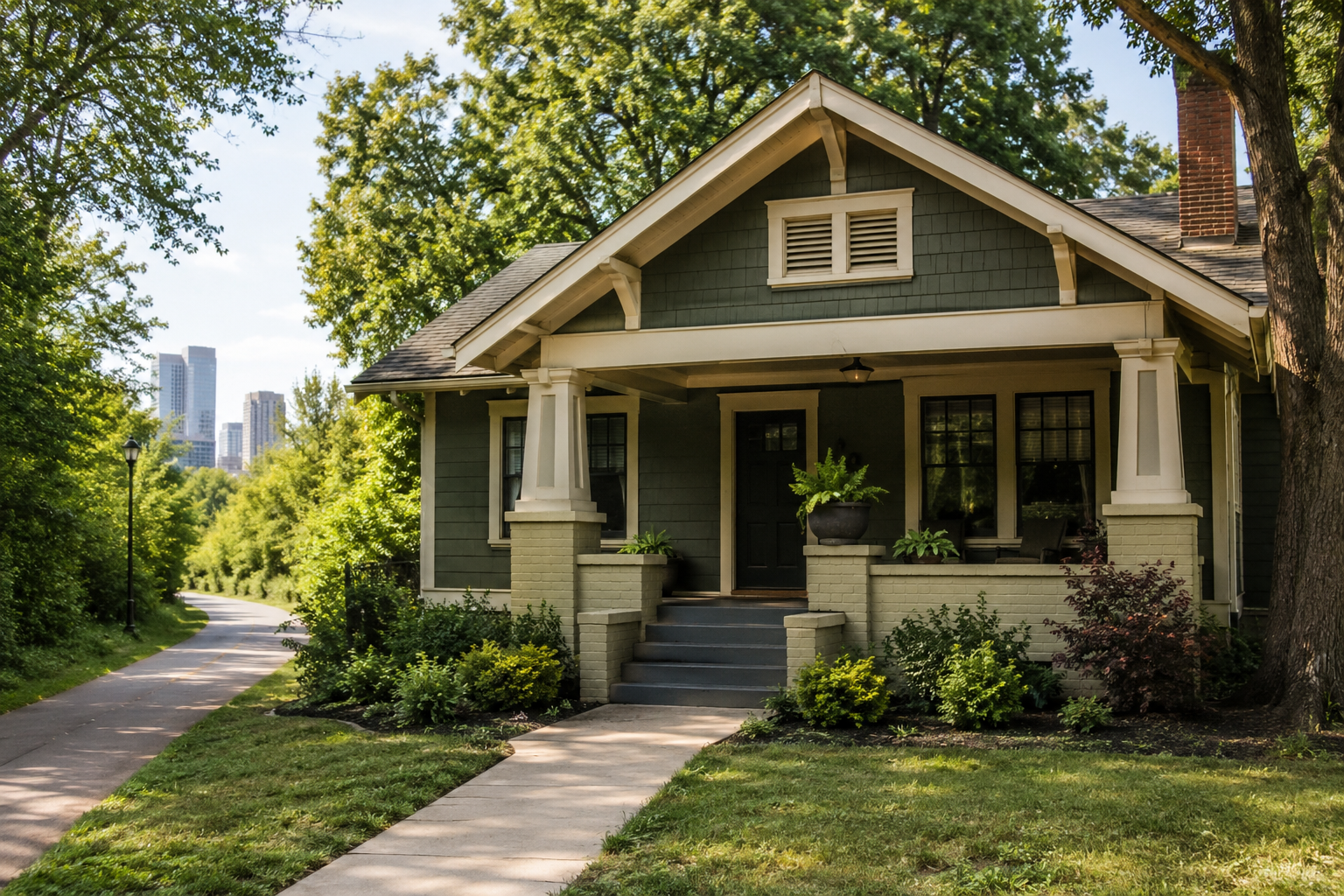
Atlanta Neighborhoods Where You Can Still Buy a House Under $450K and Walk to the BeltLine in 2026
On June 12, 2026, the Atlanta BeltLine closed "The U," opening 16.7 continuous miles and finally putting an open trail through the southwest and southside neighborhoods that have stayed the most affordable. I live off the Eastside Trail and work these corridors block by block, and here is what the listings will not tell you: the eastside window for houses under $450K has closed, but West End, Adair Park, Westview, Oakland City, Pittsburgh, Capitol View, Peoplestown, and Chosewood Park still pencil out. Prices run from the $240Ks to the low $450Ks, with the city median around $429K. This is affordable BeltLine Atlanta. Here's what you need to know.
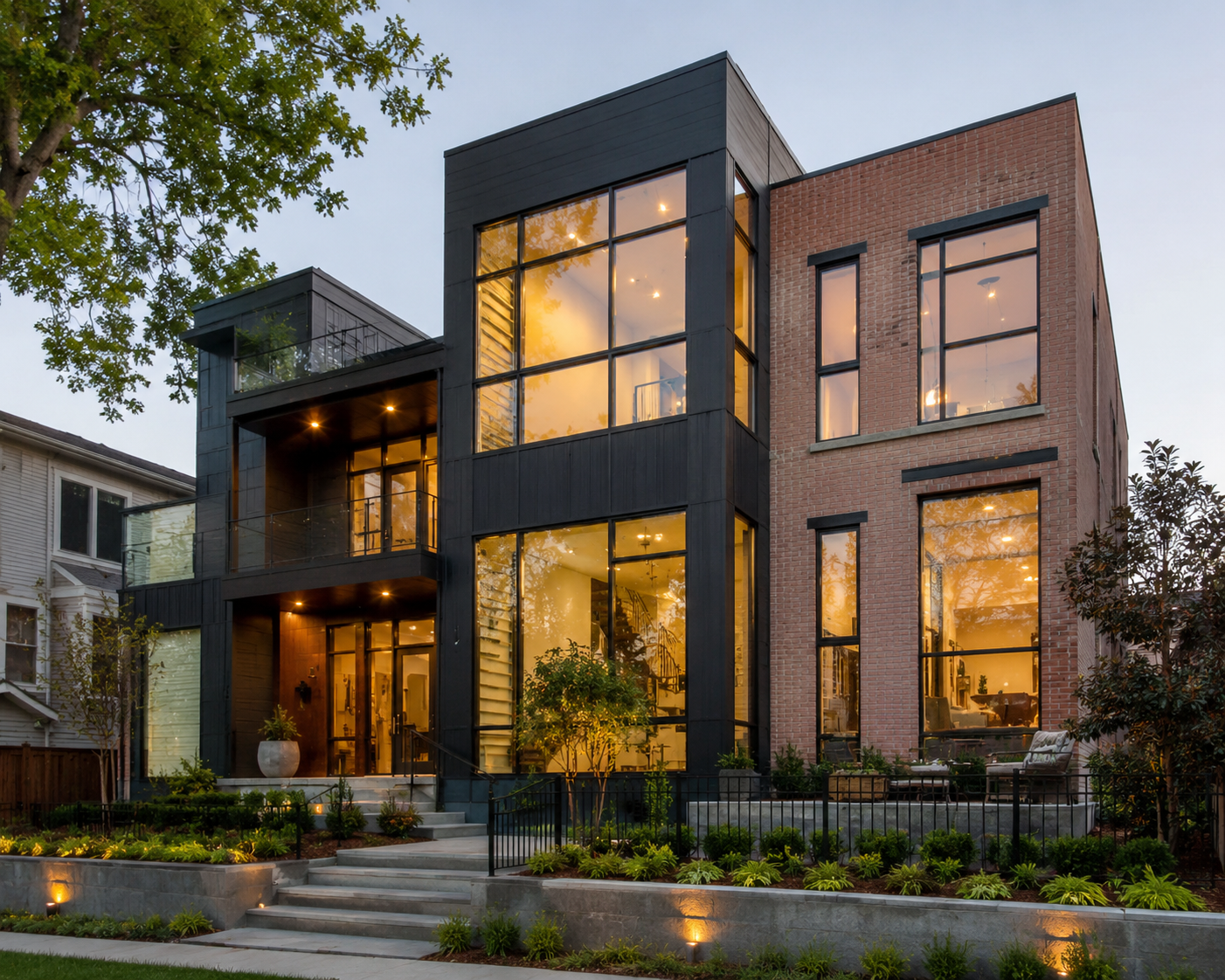
Moving from NYC to Atlanta: Cost of Living, Lifestyle Trade-Offs & What Your Money Actually Buys in 2026
Moving from NYC to Atlanta usually means your housing dollar stretches about three times as far and your income tax rate drops by more than half. Metro Atlanta's median sale price runs roughly $385K to $425K in 2026 against a Manhattan median near $1.4M, and Georgia's flat 4.99% income tax replaces New York City's combined rate of nearly 15%. I work with relocation buyers leaving New York every year, so I'll give you the honest version: the real trade is space and savings for walkability and transit. This is the move from NYC to Atlanta. Here's what you need to know.
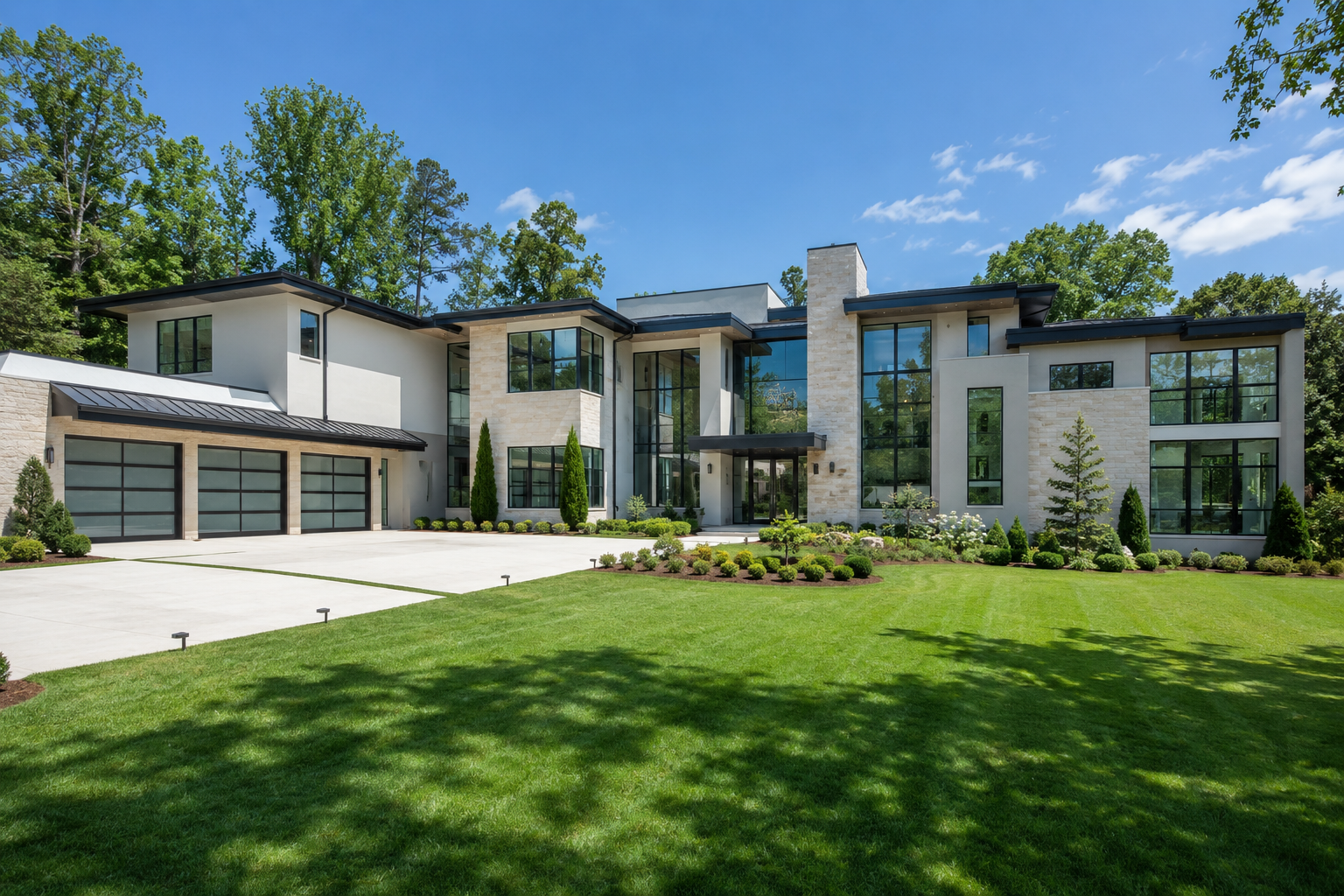
Moving to Atlanta from California: Cost of Living, Taxes & What Your Money Actually Buys in 2026
Moving to Atlanta from California usually comes down to one question: does the math work? It does. Atlanta's median sale price runs about half of California's, Georgia's flat income tax is a fraction of California's 13.3 percent top rate, and a coastal-California down payment often buys a full single-family home with a yard here. I work with California relocation buyers every week, so I know what the cost-of-living calculator does not show: the humidity, the pollen, the car dependency, and exactly where Californians land and why. This is the California-to-Atlanta move. Here's what you need to know.
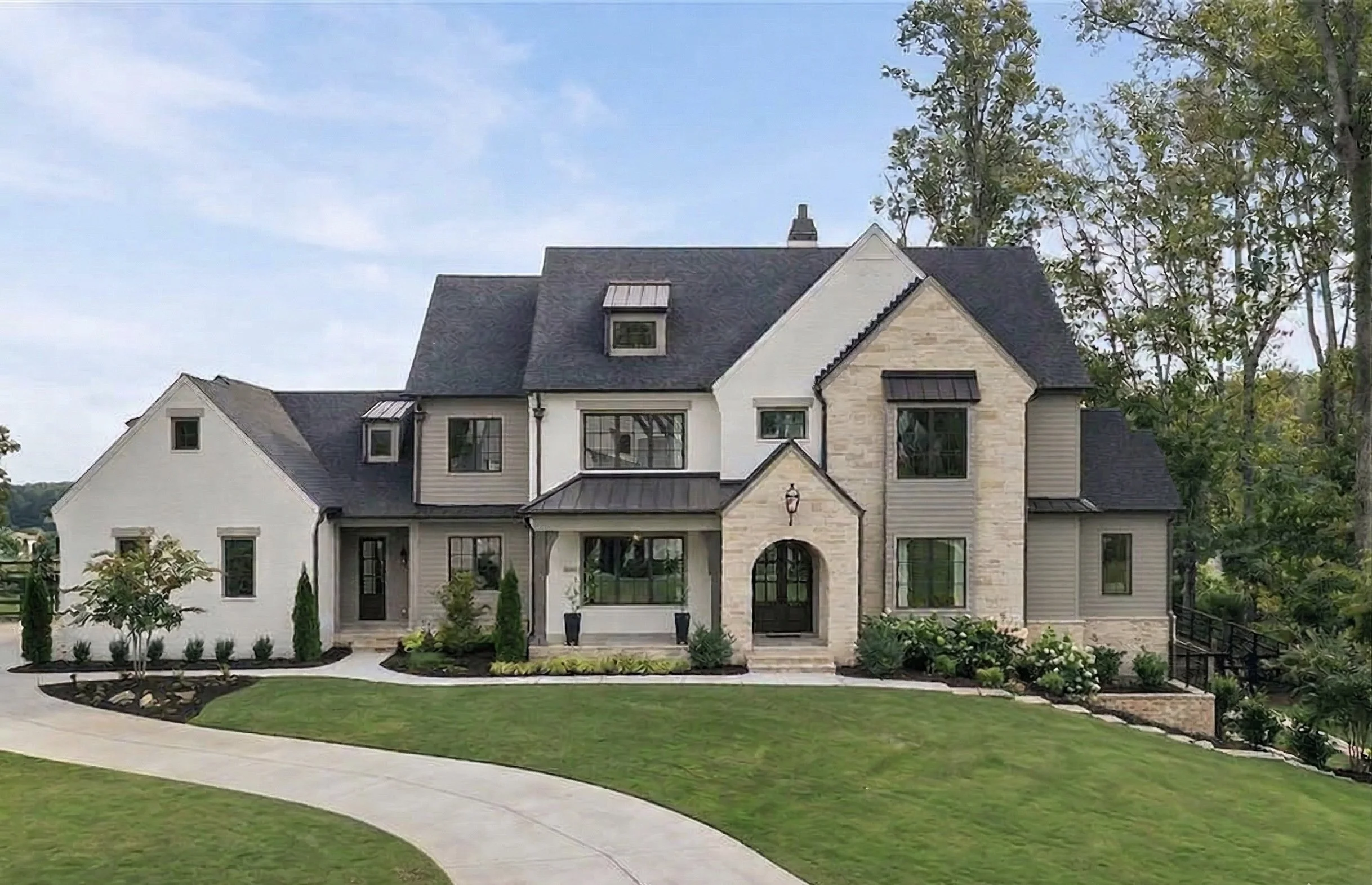
Easiest Commutes to Atlanta's Major Job Hubs: Where to Live for Midtown, Perimeter & Downtown in 2026
The neighborhood that looks close to your office on a map is the most expensive mistake in Atlanta real estate, because two homes that look like neighbors can have commutes 40 minutes apart. This guide breaks down the easiest places to live for the three big job hubs, Midtown, Central Perimeter, and Downtown, using real rush-hour numbers instead of off-peak estimates. I work with buyers across Metro Atlanta, including relocators buying sight unseen, and commute reality is where I keep people from regretting a purchase. MARTA rail access, reverse-commute leverage, GA 400 construction, and what those minutes cost in home price. Here's what you need to know.
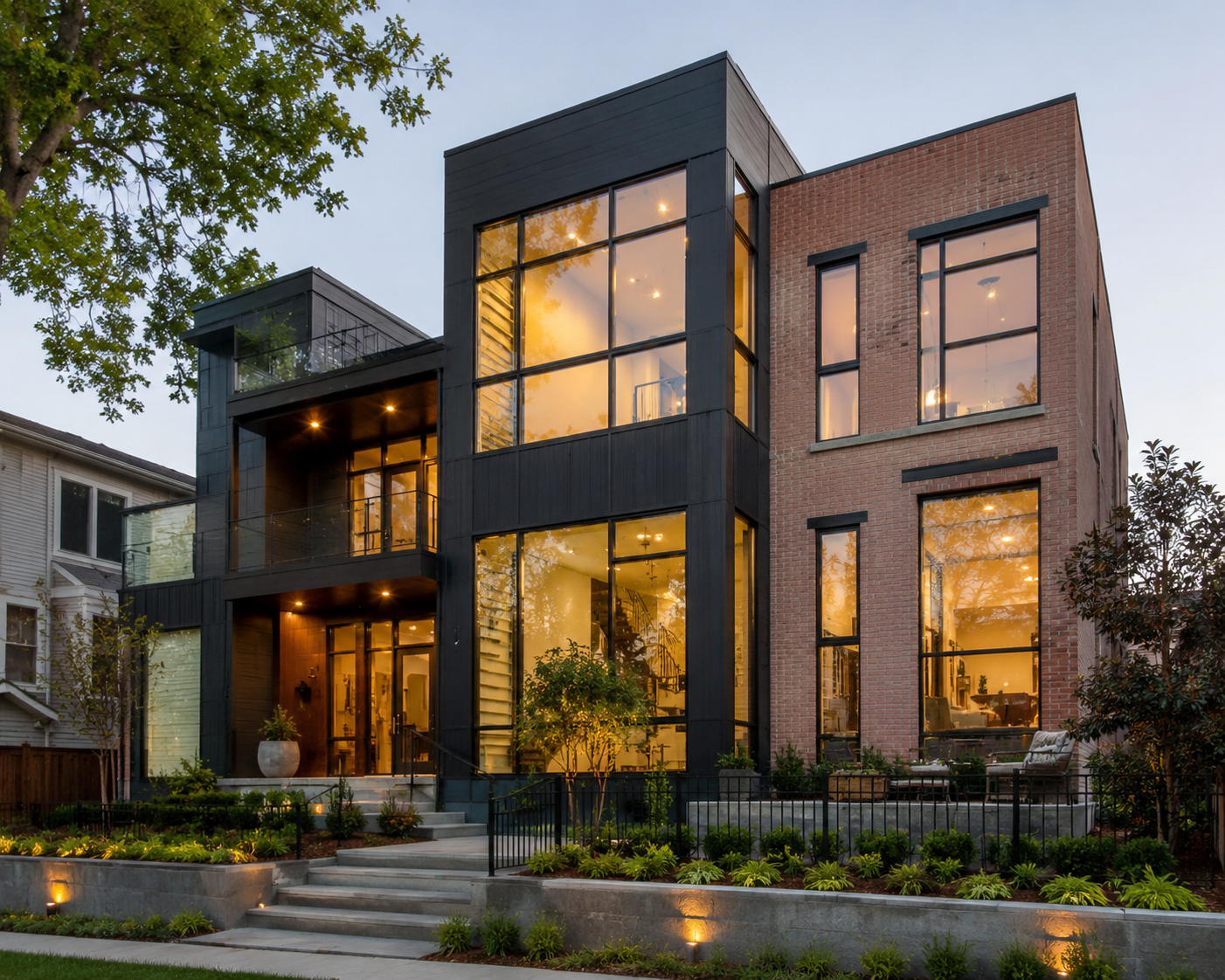
Old Fourth Ward vs. Inman Park: BeltLine, Nightlife & Home Prices 2026
Old Fourth Ward and Inman Park share a border and the busiest stretch of the BeltLine, but they solve different problems for buyers. O4W is the lower entry point, built on condos and townhomes, with the bigger nightlife scene out your door along Edgewood and Ponce City Market. Inman Park is the historic single-family neighborhood, quieter on the residential streets, with its own MARTA rail station and a higher price to match. Working with buyers across Metro Atlanta, I know how each home actually relates to the trail and the numbers. O4W medians run roughly $425K to $475K; Inman Park runs $700K to $900K-plus. This is Old Fourth Ward vs. Inman Park. Here's what you need to know.
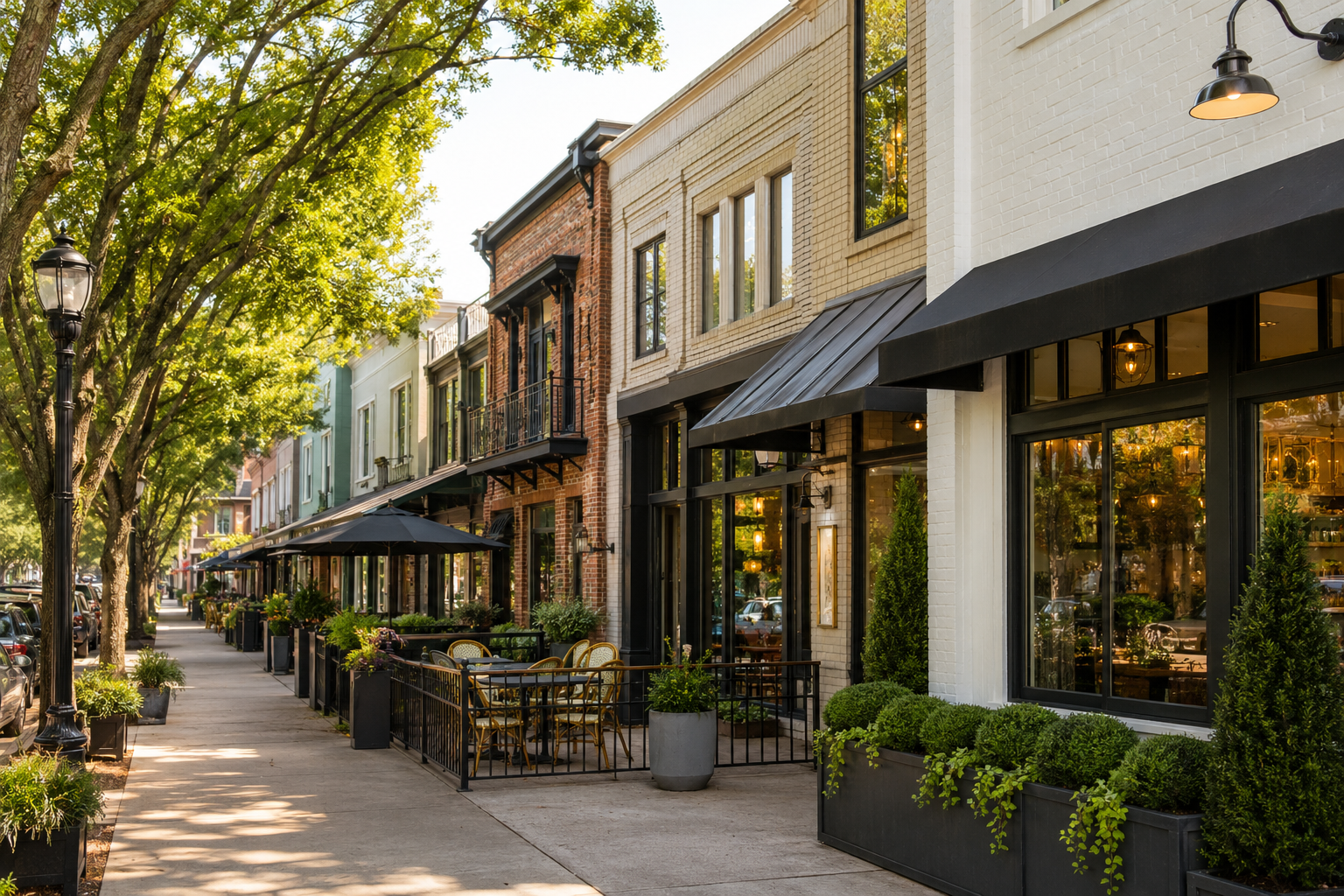
City of Decatur vs. Virginia-Highland: School Districts, Walkability & Home Prices in 2026
The single biggest difference between the City of Decatur and Virginia-Highland is the school system: Decatur runs its own independent district, while Virginia-Highland is part of Atlanta Public Schools. That one fact shapes price, demand, and identity in both. Decatur gives you more house and yard per dollar, a true town square, and direct MARTA rail, with a spring 2026 median around $625K in the 30030 ZIP. Virginia-Highland is a walkable historic village near Piedmont Park and the BeltLine, with an all-home median around $750K and detached homes commonly $1M and up. Here's how to decide between them.
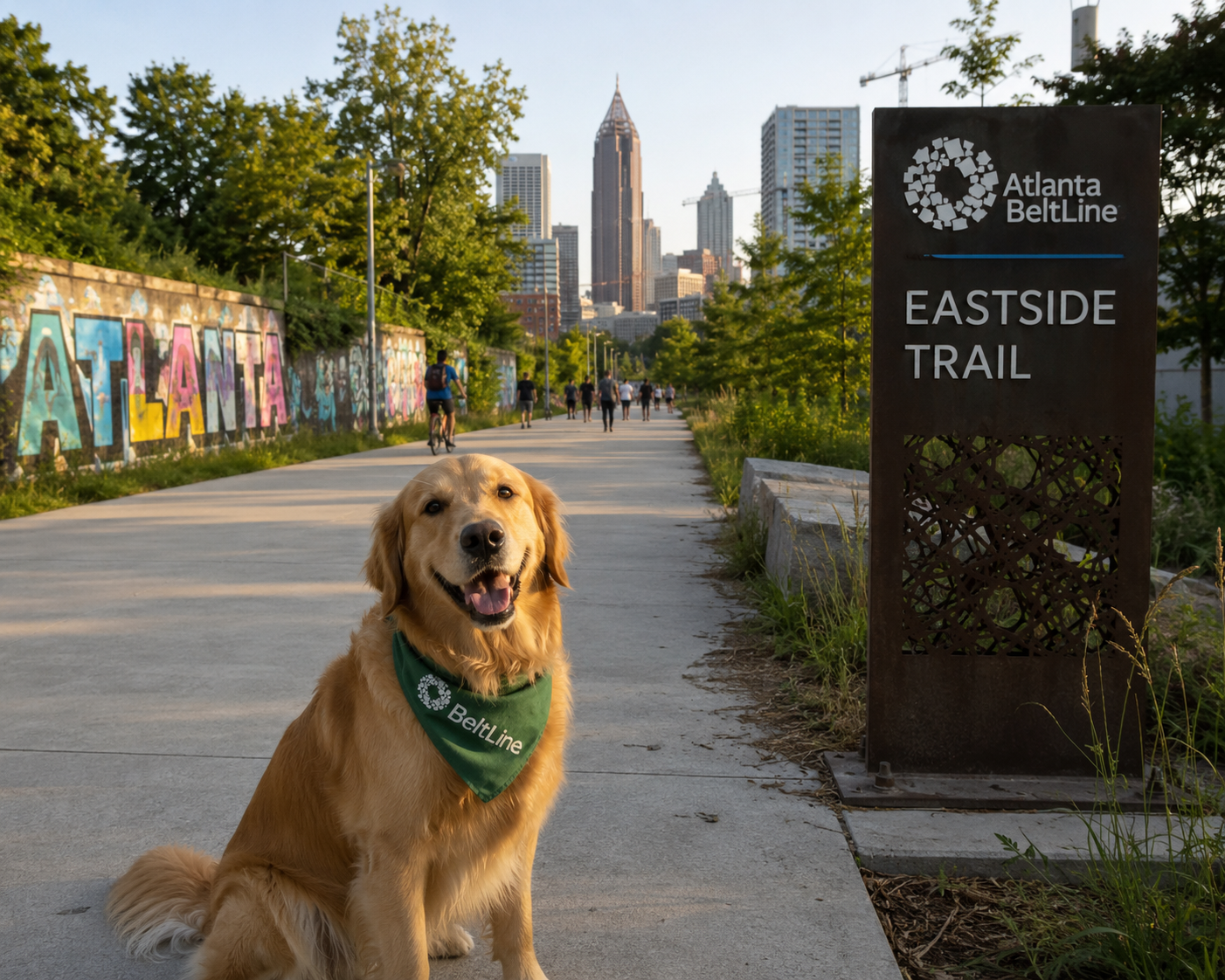
Best Dog-Friendly Neighborhoods in Atlanta: Dog Parks, Trails & What Homes Cost in 2026
Atlanta is one of the best big cities in the country for living with a dog, but the neighborhoods that actually make daily life easy are not always the ones the online lists rank. Old Fourth Ward stacks Freedom Barkway, the Fetch Park dog bar, and BeltLine access in a few walkable blocks. Smyrna gives you 60-plus miles of the Silver Comet Trail and a real yard. West End offers BeltLine trail access at the lowest entry price intown. What I know after years of walking blocks with buyers is that a single dog park means little next to sidewalks, shade, and a short walk to green space. This is dog-friendly Atlanta. Here's what you need to know.
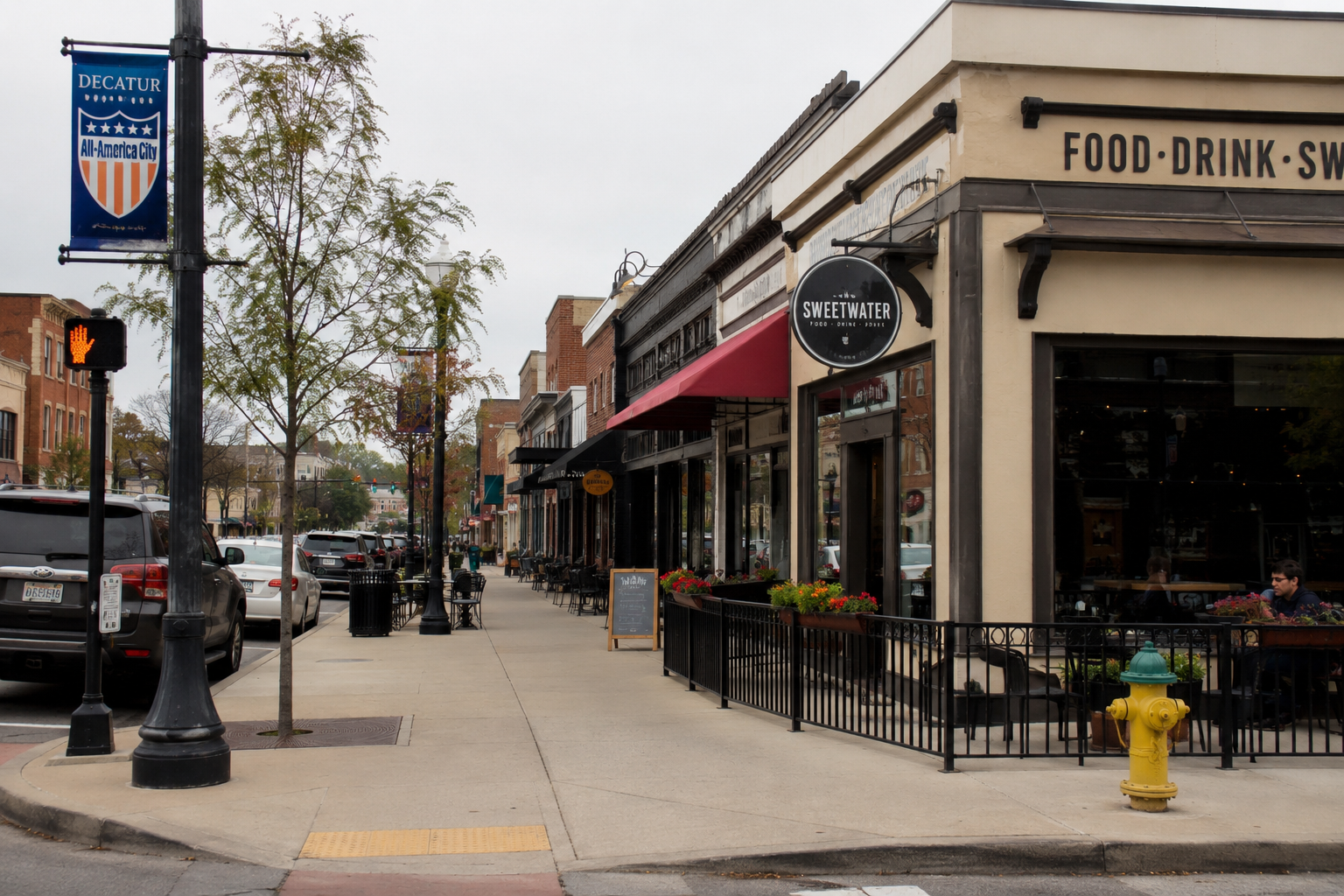
Best Atlanta Neighborhoods for Foodies: Where Restaurant Lovers Should Actually Buy in 2026
Atlanta has more genuinely distinct food neighborhoods than almost any city its size, and where you buy decides whether you walk to dinner or drive to it. I work with buyers across Metro Atlanta, and I tell food-focused clients the truth the listings won't: walkable access to a restaurant corridor is the most expensive amenity intown after square footage, while some of the best eating in the metro sits beside the most affordable housing. From the Beltline Eastside and Decatur's square to the Buford Highway corridor and the rising Westside, here's where restaurant lovers should actually buy, what it costs, and where the value really is. Here's what you need to know.

Best Atlanta Neighborhoods for Nightlife & Live Music: Where to Live for the Scene in 2026
Atlanta's best nightlife and live music cluster in East Atlanta Village, the Edgewood corridor in Old Fourth Ward, Little Five Points, Reynoldstown, and the Decatur square, with Midtown and the Upper Westside close behind. But the block that feels electric on Saturday night is the one you'll fight for parking on Monday morning. I help buyers across Metro Atlanta tell the neighborhood they fell for from the one they'll actually live in, with the venues, the 2026 home prices, and the noise, parking, and resale tradeoffs nobody mentions until it's too late. Here's what you need to know.
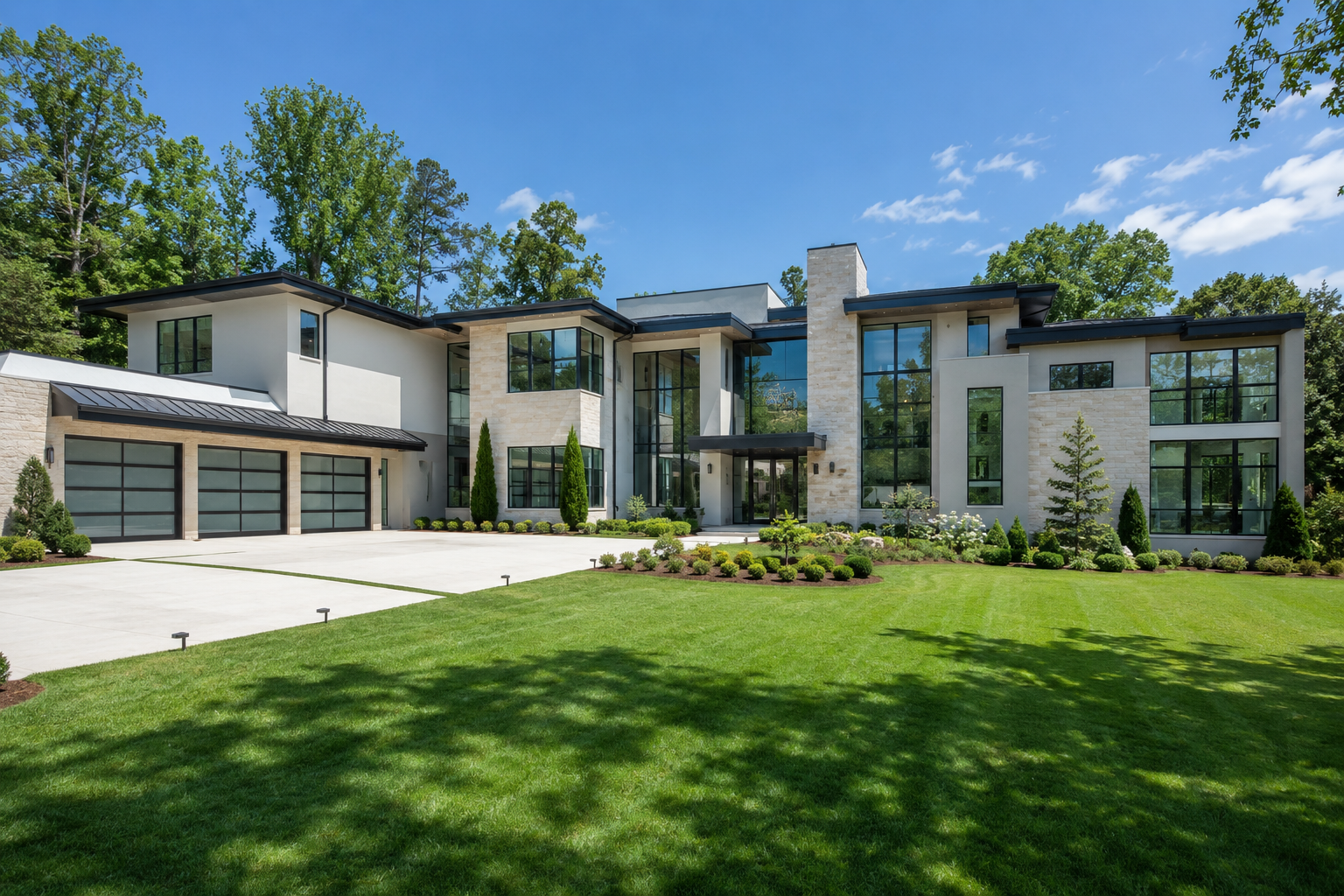
Zillow Named Atlanta the #2 Most Buyer-Friendly Market of 2026. Is It Actually True?
Zillow ranked Atlanta the second most buyer-friendly housing market in the country for 2026, behind only Indianapolis. The headline is real, but it flattens a metro that is actually dozens of separate markets. I work with buyers across Metro Atlanta, and the ranking is already shaping how clients think about timing. What it does not show: Atlanta's typical buyer still spends 30.5% of income on the mortgage, rates climbed back to the mid-6% range this spring, and parts of the metro are still a seller's market in practice. Median values run $374K to $380K metro-wide, inventory sits near 10-year highs, and more than half of listings have cut price. Here's what you need to know.
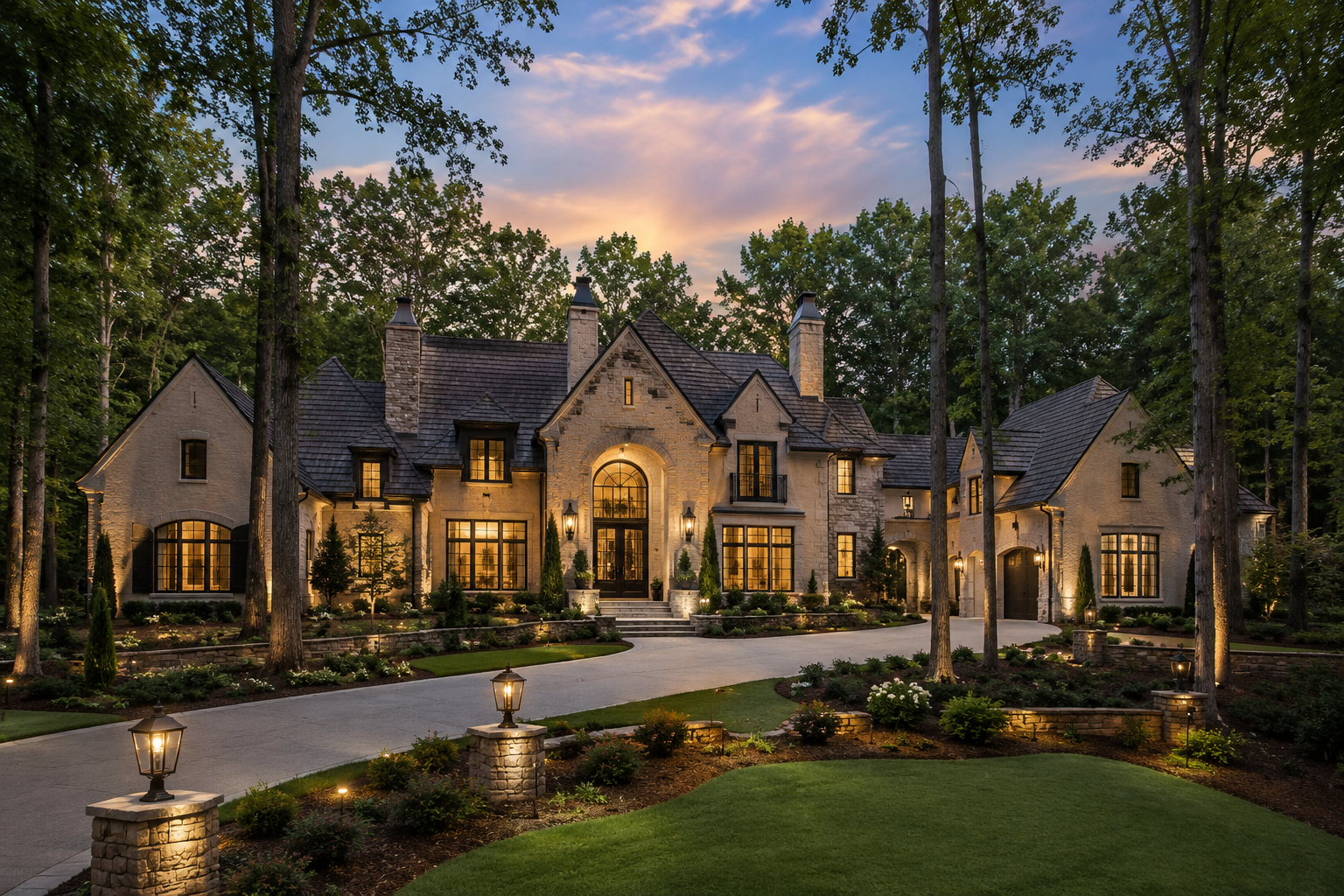
Buying a Luxury Home in Atlanta Sight Unseen: A Relocating Executive's Guide for 2026
Relocating executives buy luxury homes in Metro Atlanta sight unseen every year, and the ones that go smoothly are never luck. They're built on a process: an independent agent walkthrough on video, full inspection during the due diligence window, disciplined comp analysis, and a contract with real protections. As of early 2026, the median luxury price sits near $1.38M, days on market for $1M-plus homes run about 38 days, and inventory has moved into balanced territory, giving remote buyers more time and leverage than in years. This is how to buy Atlanta luxury before you arrive. Here's what you need to know.
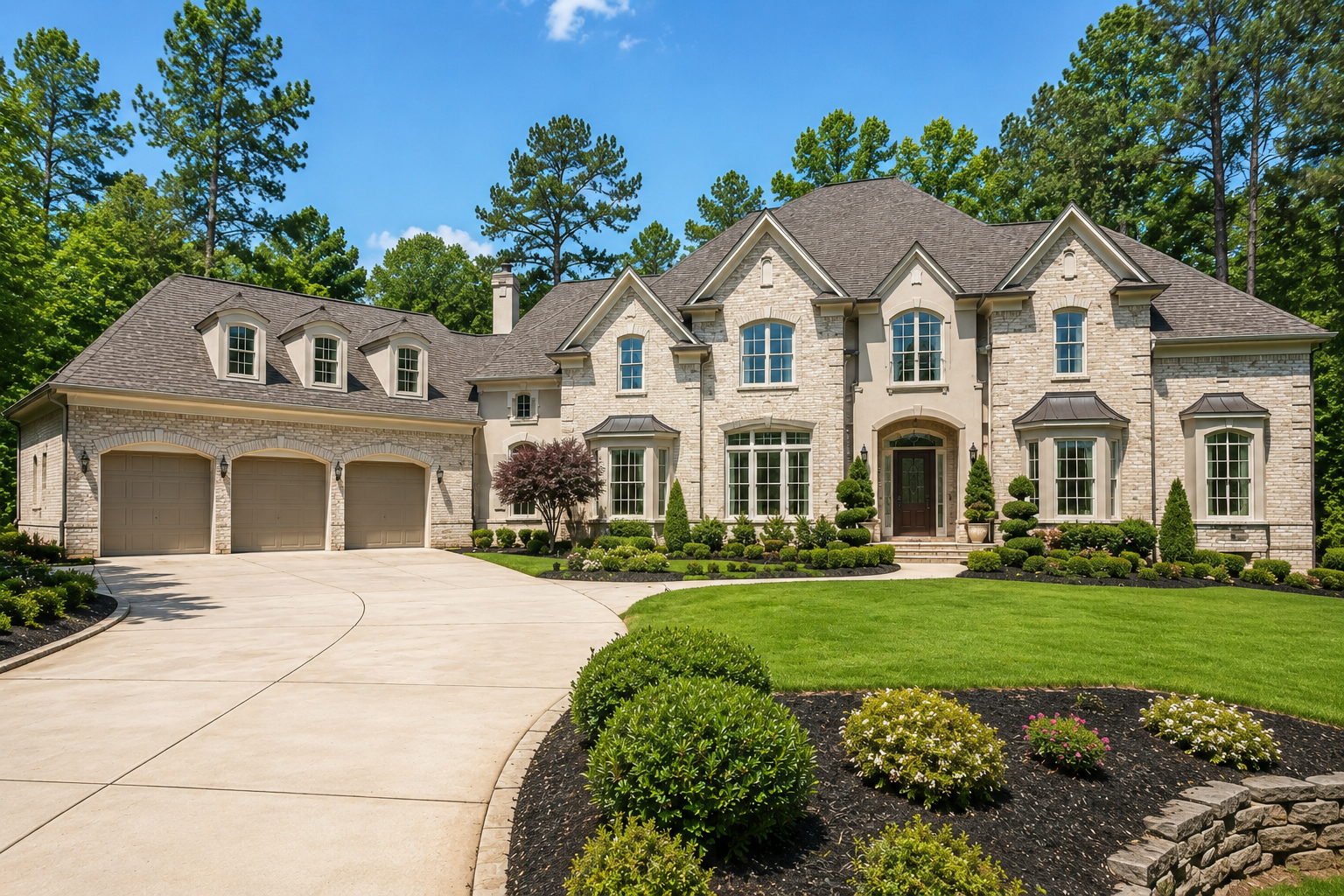
Buckhead Luxury Homes 2026: Market Update, Pricing & What's Selling
Buckhead's luxury market in 2026 is strong but no longer frantic, and that shift is the whole story. The estate tier in Tuxedo Park, on West Paces Ferry, and along Habersham still moves when it's priced right, even as the broader metro tilts toward buyers. The luxury median sits around $1.72 million, inventory is up roughly 14 percent year over year, and well-priced homes still go under contract in about 24 days. What the platforms can't tell you is the block-by-block reality: which pockets stay competitive and where buyers now hold leverage. This is Buckhead luxury in 2026. Here's what you need to know.
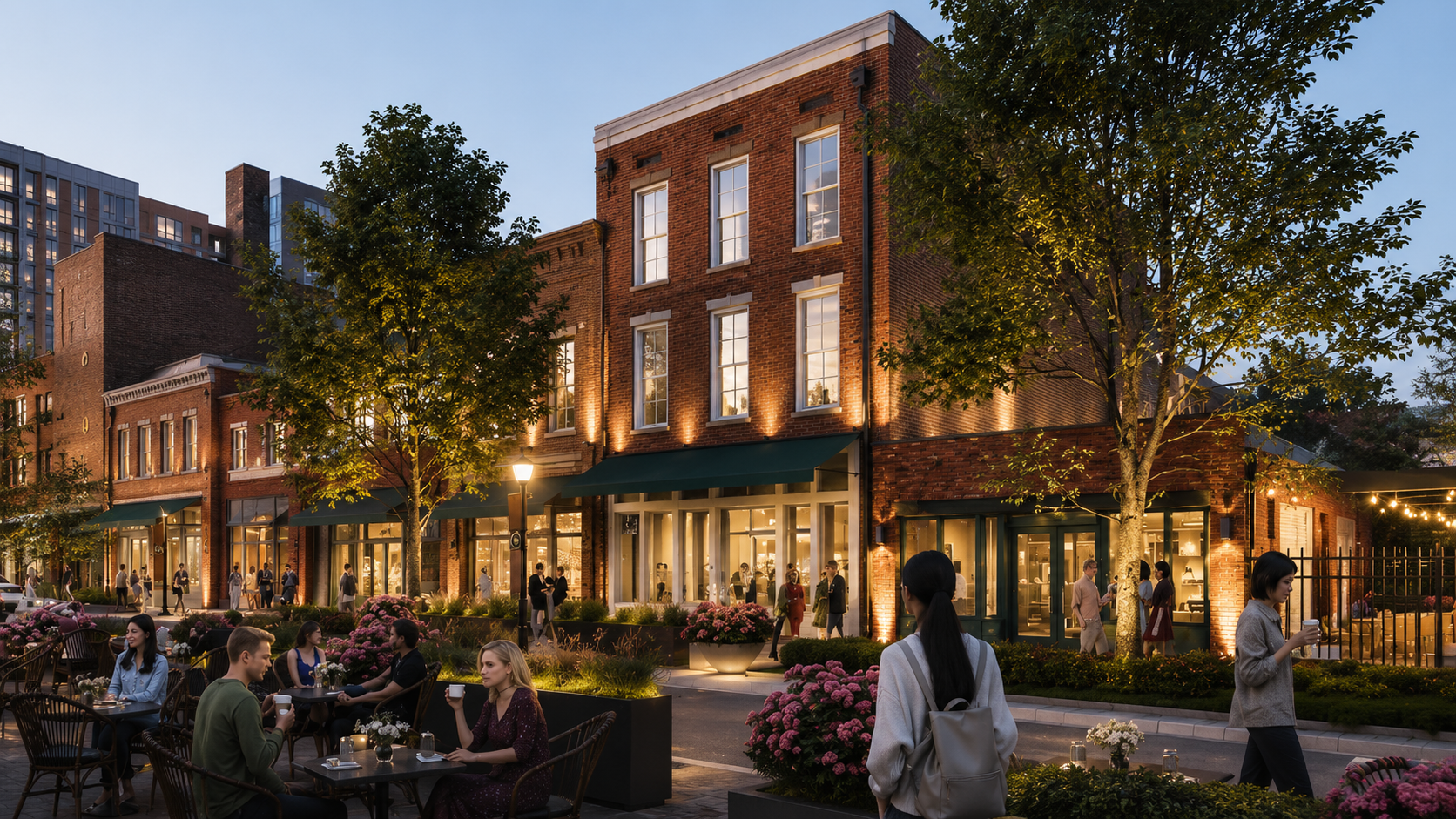
Which Atlanta Neighborhoods Are Up-and-Coming in 2026? Following the Infrastructure and Development Money
The Atlanta neighborhoods growing in 2026 are the ones next to something you can stand in front of: a BeltLine segment, the new Rapid A-Line transit, Westside Park, or the $5 billion Centennial Yards. I've spent years helping Atlanta buyers tell real growth from a good rendering, and that gap is wider than it looks. Downtown, Summerhill and Peoplestown, the Southside BeltLine corridor, Grove Park, the southwest trail neighborhoods, Chamblee and Doraville, and the airport corridor all qualify on the data, with the metro median near $418,000 and inventory finally giving buyers room. This is where Atlanta is growing in 2026. Here's what you need to know.
Why Do City-Wide Stats and My Neighborhood Comps Tell Different Stories? What Metro Atlanta's 2026 Numbers Really Mean
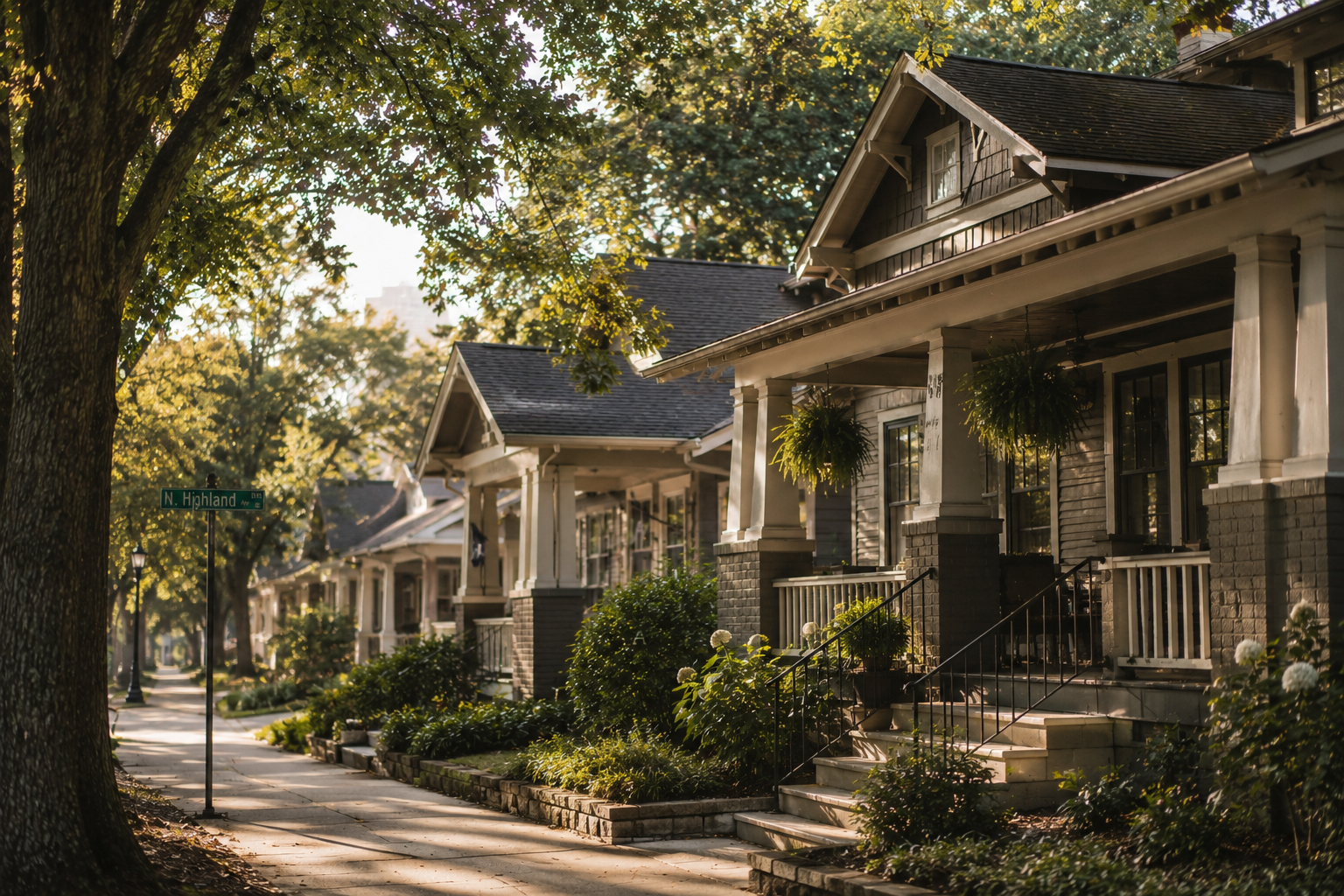
A metro-wide median and your neighborhood comps almost never match, and that is by design. In early 2026, FMLS put the Metro Atlanta median near $418,000 while Georgia MLS reported around $389,000 and Zillow sat near $380,000, same region, three different numbers. The reason is that city-wide stats blend eleven counties, every property type, and whatever happened to sell that month into one figure, while comps measure your specific home on your specific block. Nearly a decade reading both means I know which number to trust for which job. This is the gap between city-wide stats and your comps. Here's what you need to know.
Are Atlanta Foreclosures Rising in 2026? What Buyers and Sellers Need to Know About Distress Filings
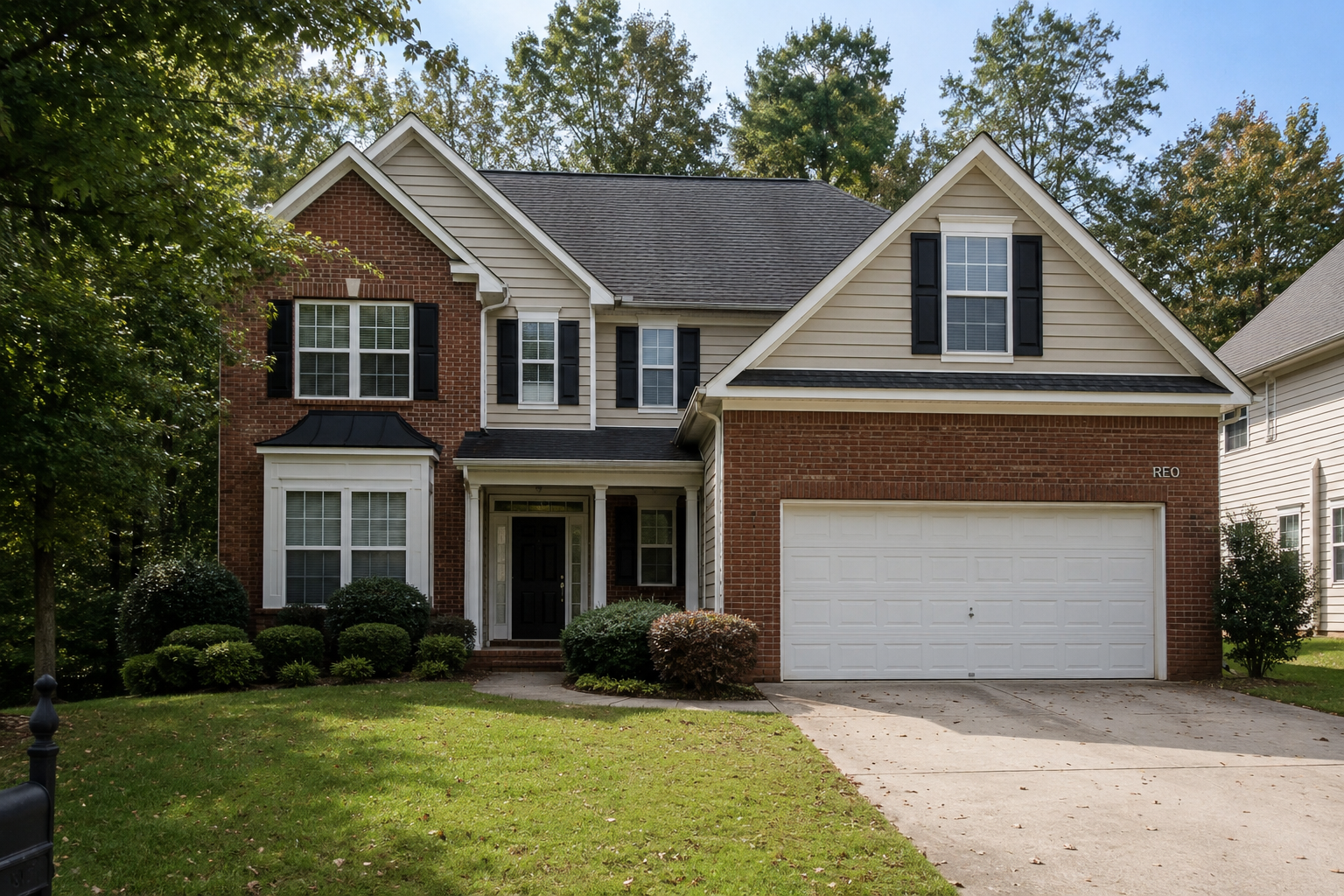
Atlanta foreclosure filings are up close to 50 percent year over year, and the city ranked fourth nationally for foreclosure starts in early 2026. But here is what the headlines miss: completed foreclosures in Atlanta actually fell more than 75 percent over the same period, from 213 to 52. More homeowners are entering distress, far fewer are losing their homes. Nearly a decade reading this market means I can tell you the deals buyers imagine are a tiny, fiercely contested slice, and the crash sellers fear is not in the data. This is the truth about Atlanta's foreclosure trend. Here's what you need to know.