

Best Atlanta Neighborhoods for Nightlife & Live Music: Where to Live for the Scene in 2026
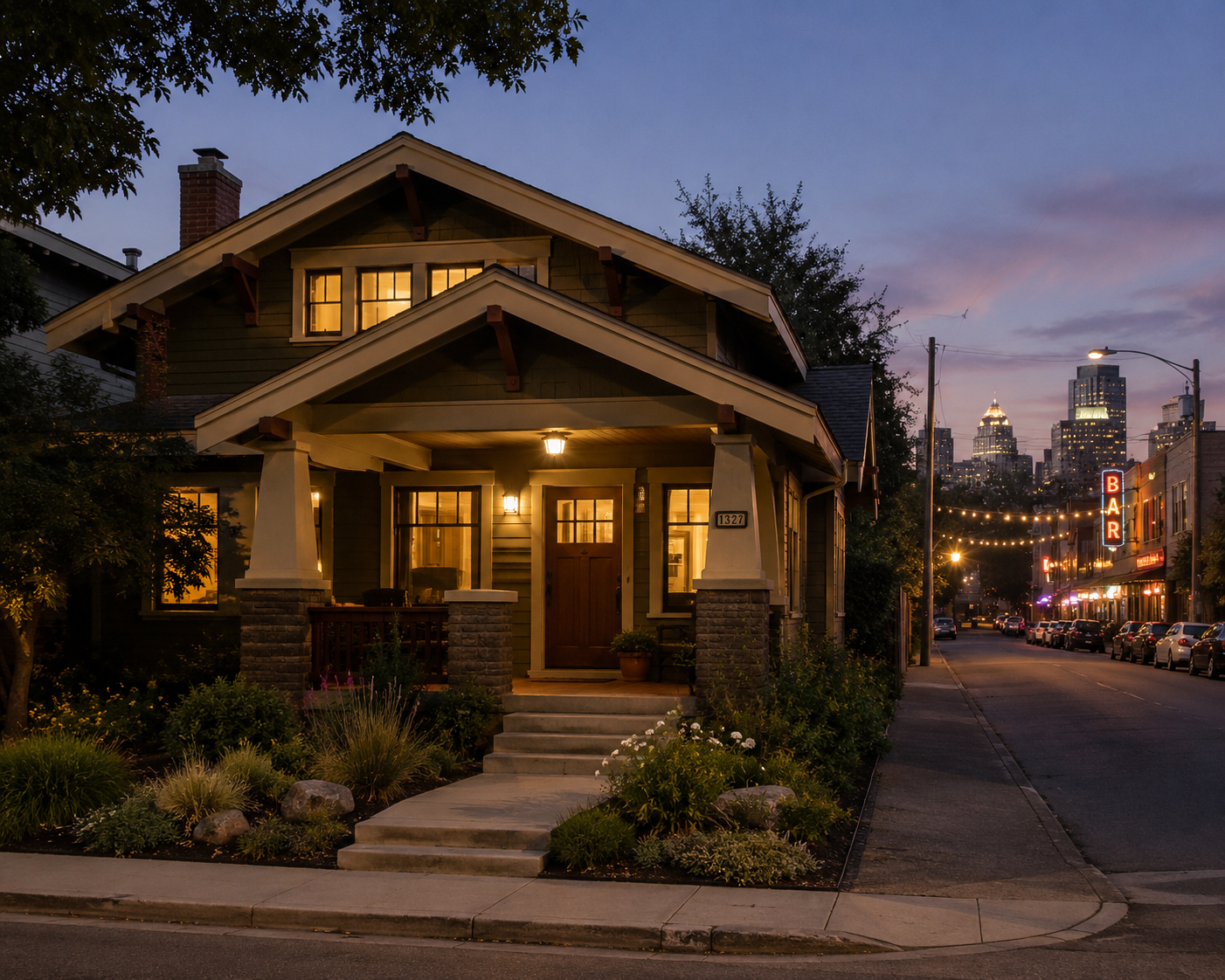
If you want to live where the music is, the short list in Atlanta is East Atlanta Village, the Edgewood Avenue corridor in Old Fourth Ward, Little Five Points, Virginia-Highland, Reynoldstown along the Eastside BeltLine, and the Decatur square. Add Midtown for high-rise convenience near the city's biggest stages, the Upper Westside if you want breweries and warehouse venues, and Castleberry Hill if you want loft living next to downtown's biggest venues and the Underground nightlife revival. Those are the places where you can walk out your door and be at a show, a dance floor, or a late-night bar in minutes.
But the question most people are actually asking is harder than "where is the nightlife." It's "where can I buy a home and still have the nightlife, without hating my life on a Wednesday." Those are not the same question, and the gap between them is where buyers get into trouble.
I work with buyers across Metro Atlanta, and a good chunk of them come to me having fallen for a neighborhood on a Saturday night. The energy is real. The problem is that the block that feels electric at 11 p.m. on a weekend is the same block where you'll be looking for parking at 7 a.m. on a Monday, listening to last call through your bedroom window, and competing with short-term rentals for resale buyers. The scene is an amenity. It's also a set of tradeoffs that show up in your mortgage, your sleep, and your eventual sale.
So this guide does two things. It tells you honestly where Atlanta's nightlife and live music actually live, venue by venue, so you're not relying on a Zillow map that has no idea what's loud. And it tells you what it costs to buy in each of those places in 2026, plus the specific tradeoffs you should weigh before you sign anything.
Here's what you need to know.
What "Nightlife Neighborhood" Actually Means When You're Buying, Not Visiting
There's a difference between living near nightlife and living on top of it, and most listings won't tell you which one you're looking at.
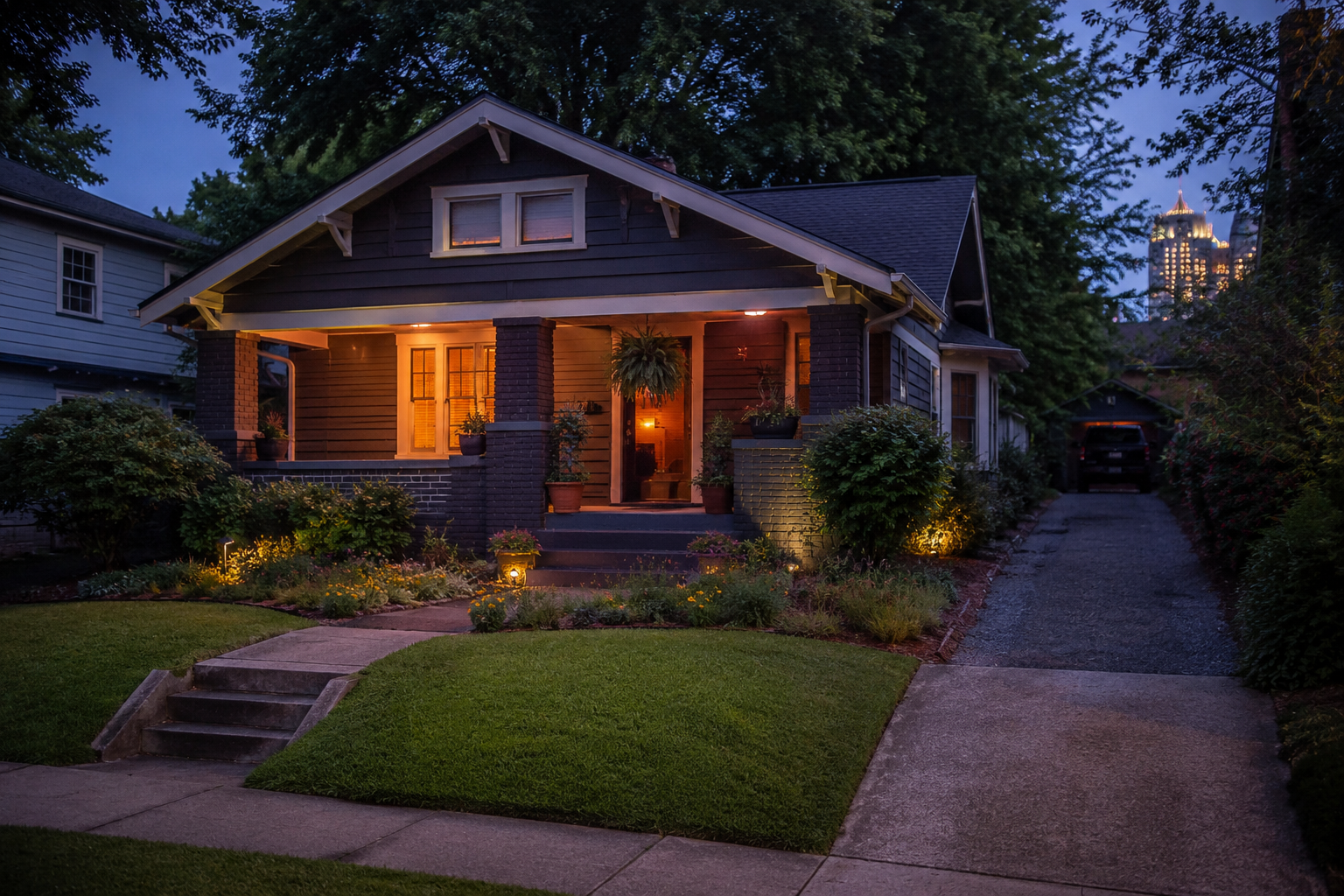
Living near it means you can walk to a venue in five or ten minutes but your house sits on a quiet residential street where the commercial noise doesn't reach. That's the sweet spot, and it's what most buyers actually want even when they think they want to be in the middle of everything. Candler Park to Little Five Points is a classic version of this. You get the walk to a show and the quiet bedroom.
Living on top of it means your unit shares a wall, a sidewalk, or a parking situation with the bars themselves. Some people love this in their twenties and regret it by their mid-thirties. It's not wrong. It's just a decision you should make on purpose, not by accident because the kitchen was nice.
Here are the things I make buyers think through before they commit to a nightlife-heavy area:
Noise, honestly. Atlanta has a noise ordinance, but enforcement near established entertainment districts is uneven, and "the bar was here first" is a real legal and practical reality. If you buy a loft over a music venue, you are choosing the music. Visit the exact unit on a Friday and Saturday night before you write an offer. Not the neighborhood. The unit.
Parking. In East Atlanta Village, on Edgewood, and around Little Five Points, residential parking and event parking collide constantly. Ask whether the home has dedicated, deeded off-street parking. On show nights, street parking near these corridors disappears, and so does your patience.
Short-term rentals. Nightlife corridors attract investor-owned short-term rentals, which changes who your neighbors are and how the building is run. The City of Atlanta requires short-term rental licensing, and HOA and condo rules vary widely on whether they're even allowed. If you're buying a condo near the action, read the rules before you fall in love. A building full of weekend renters is a different ownership experience than one full of owner-occupants.
Resale. The same energy that draws you in narrows your future buyer pool. Some people will pay a premium to be in the thick of it. Others will discount the same home for the noise. Renovated single-family homes a few blocks off the strip tend to resell to the widest pool. Units directly over a venue resell to the narrowest.
None of this is a reason to avoid these neighborhoods. I love them, and I sell in all of them. It's a reason to buy with your eyes open. Now let's get into where the scene actually is.
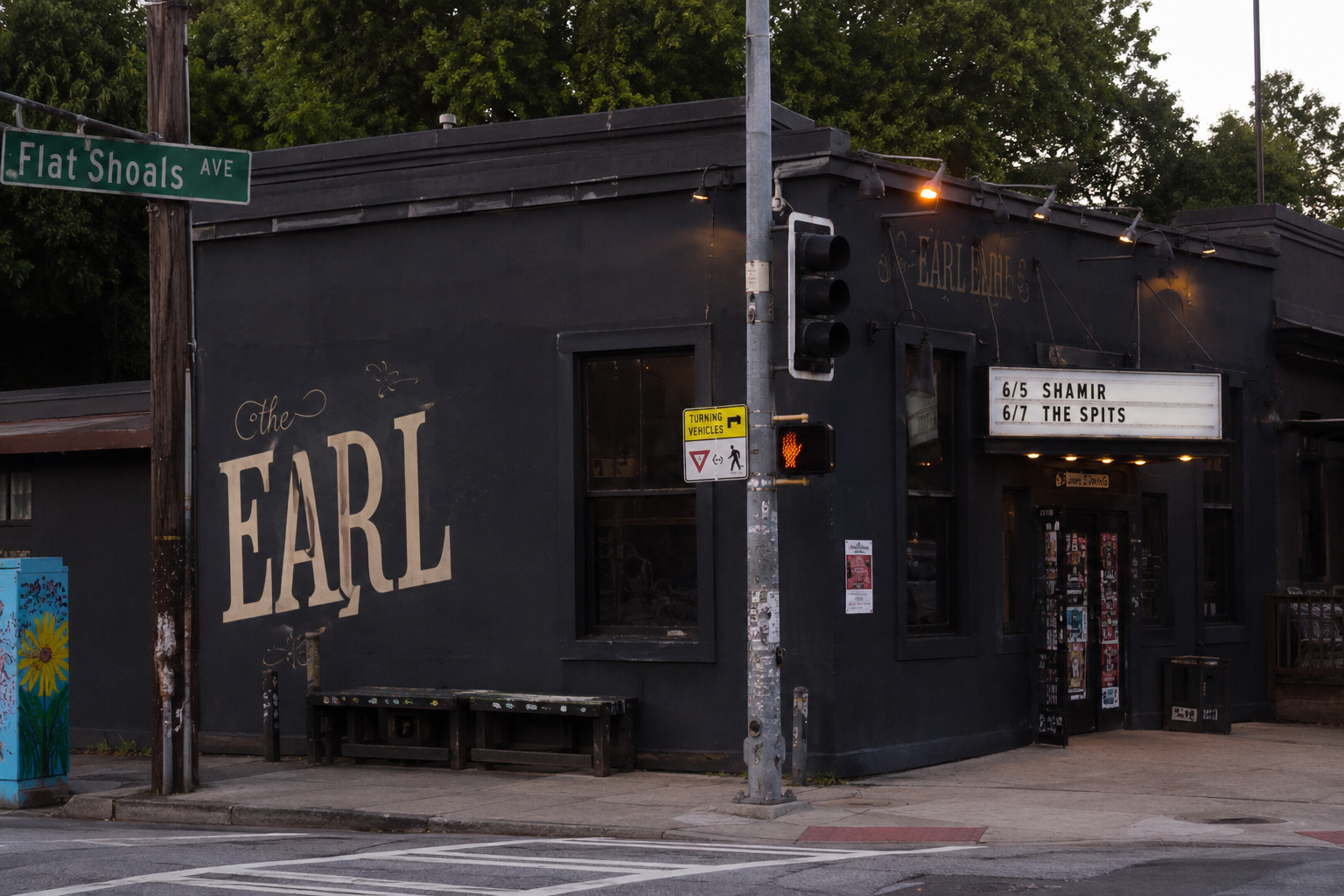
East Atlanta Village: Atlanta's Most Genuine Live Music Hub
If live music is the single most important thing to you, East Atlanta Village is the answer, and it isn't close.
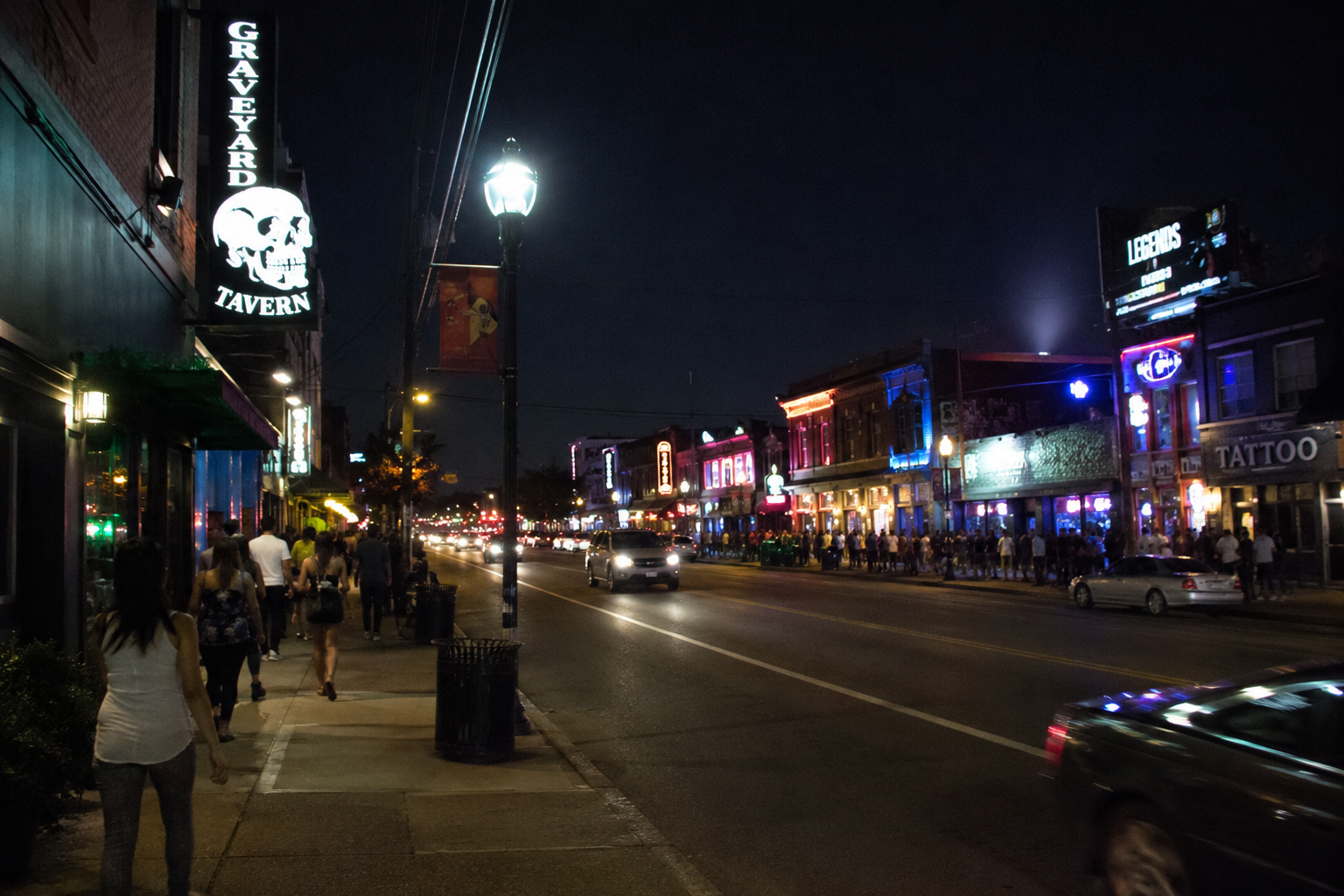
Within a roughly two-block radius around the intersection of Flat Shoals and Glenwood Avenues, you have The EARL, 529, Argosy, Union EAV, and TEN ATL, plus dance-oriented spots like Mary's, the Graveyard Tavern, and The Basement. The EARL has been booking shows since 1999 and has hosted national acts on their way up alongside a constant rotation of local bands. 529 is the small, cash-friendly indie and punk room that locals are fiercely loyal to. Argosy carries the larger touring acts and a serious beer program. There is live music in the Village almost every night of the week, which is genuinely rare for a residential neighborhood, not an entertainment district built for tourists.
What makes EAV different from a manufactured nightlife zone is that the music and the housing are woven together. Working musicians live here. The venues are owner-operated and unpretentious. The murals, the record shops, and the late-night taco spots are part of the same fabric as the bungalows two streets over. It is grittier and less polished than Virginia-Highland or Decatur, and the people who choose it consider that a feature.
For homebuyers, the housing stock is mostly early-twentieth-century bungalows and cottages, with pockets of newer infill. East Atlanta as a whole has been running a median sale price in the low-to-mid $500,000s in 2026, with homes moving quickly, often around 30 days on market. The micro-data for the Village blocks themselves bounces around month to month because the sample size is small, so don't anchor to a single Redfin print. The real story is that East Atlanta remains one of the more attainable ways to be genuinely in the middle of intown nightlife, though it is no longer the bargain it was a decade ago.
The honest tradeoff: the closer you get to the Flat Shoals strip, the more you deal with weekend noise and parking. Buy two or three blocks off the commercial core and you get the walk to a show with a quiet street to come home to. That's the move I steer most buyers toward here.
If you want the full breakdown of what homes cost across East Atlanta, I've covered it in detail in my East Atlanta home price guide.
Old Fourth Ward and the Edgewood Avenue Corridor: Atlanta's Bar District
When people say "let's go out in Atlanta," there's a strong chance they mean Edgewood Avenue.
The Edgewood strip in Old Fourth Ward, running into the historic Sweet Auburn district, is the most concentrated bar-and-dance corridor in the city. Sister Louisa's Church of the Living Room and Ping Pong Emporium, known to everyone simply as Church, anchors it with cheap drinks, organ karaoke, and Monday ping-pong tournaments. Joystick Gamebar brings the arcade-bar concept to the strip. The Music Room books touring and local acts in an underground room. The real draw is density: a run of bars, dance floors, and late-night spots packed into a few walkable blocks of turn-of-the-century buildings. Specific names cycle in and out the way they do on any active corridor, so check what's currently open before you plan a night, but the strip itself has held its place as the heart of Atlanta nightlife for years.
O4W is not only bars, either. Inside Ponce City Market, City Winery runs an intimate, seated concert room of roughly 300 seats, pairing touring music and comedy with a working urban winery and a full restaurant. It's the live-music anchor on the Ponce end of the neighborhood, a completely different night out from the Edgewood strip, and it's a short walk or BeltLine ride from most O4W homes.
This corridor sits inside one of the most historically significant areas in Black America. Sweet Auburn and the surrounding blocks include the Martin Luther King, Jr. National Historical Park, Ebenezer Baptist Church, Dr. King's birth home, and the APEX Museum, which presents history through an African American lens. The nightlife grew up alongside that legacy, in turn-of-the-century buildings that give the strip its non-corporate character. When you live here, you're living in a place that carries real weight, not just a place to go out.
For buyers, Old Fourth Ward housing is dominated by lofts, condos, townhomes, and a stock of historic homes, with the Eastside BeltLine and Ponce City Market as the gravitational center. The neighborhood ran a median sale price around $530,000 in recent 2026 data, at roughly $350 per square foot. Days on market have stretched longer than they were at the peak, often into the 45-to-70-day range, and prices have flattened or dipped slightly after more than a decade of BeltLine-driven appreciation. That cooling is not a weakness. For a buyer, it's leverage, and it's a notable shift in a neighborhood that spent years being impossible to negotiate in.
The honest tradeoff here is the most pronounced of any neighborhood on this list. The Edgewood strip is loud, late, and crowded on weekends, and parking is a genuine challenge. Lofts directly over the corridor come with the noise as a permanent feature. The reward is that you can live car-light, walk to the BeltLine and to dozens of bars, and own in a neighborhood with deep cultural roots and strong long-term fundamentals. I dig into the price trends and what's driving them in my Old Fourth Ward real estate guide.
Little Five Points: Live Music and Counterculture, With Quiet Houses Next Door
Little Five Points is where you go for a show and a record and a slice, and then you walk home to a Craftsman bungalow on a tree-lined street. That combination is the whole appeal.
The anchor is Variety Playhouse, a converted 1940s movie house with roughly a thousand-person capacity that books a genuinely wide range of touring acts. Around it sit Star Community Bar, the beloved dive and live-music room, and Aisle 5, a three-hundred-capacity room with a strong sound system that's a favorite of the local indie scene. The Vortex, Porter Beer Bar, and a cluster of restaurants give you somewhere to eat and drink before and after. L5P is also the home of Atlanta's Halloween parade and a long-running counterculture identity that has not been sanded down.
Here's the part that matters for buyers: almost nobody lives in Little Five Points itself, because it's a small commercial node. You live in the residential neighborhoods that surround it, primarily Candler Park, Inman Park, Lake Claire, and Edgewood. That's a good thing. It means you can walk to the venues while owning on a quiet street.
Candler Park is the value play of the bunch. It has run a median sale price for houses in the range of roughly $700,000 to the mid-$800,000s in recent 2026 data, with homes moving fast, often around three weeks on market, though that median is skewed by single-family sales and you'll find condos and smaller homes well below it. Inman Park, more historic and more expensive, has run a median around $699,000 and trades on its Victorian architecture and direct BeltLine access. Lake Claire offers Candler Park's quiet at a similar or slightly gentler price point.
The honest tradeoff in this cluster is mostly about price, not noise. Because you're buying a few blocks off the commercial core, the live-music access comes without the loft-over-a-bar downside. What you pay for instead is the premium these established intown neighborhoods command. If you want to understand the value case, I've written full guides to Candler Park and to Lake Claire.
Virginia-Highland: A Walkable Bar Village With Real Live Blues
Virginia-Highland, VaHi to locals, is the most established walkable bar-and-restaurant village on the Eastside, and it has a live-music anchor a lot of people overlook: Blind Willie's.
Blind Willie's is a blues institution. It has booked regional and touring blues acts on North Highland Avenue for decades, in a small room built around the music, and on most nights it is one of the best live-music rooms in the city. Down the avenue, Dark Horse Tavern has been a VaHi fixture for more than thirty years, and the 10 High club in its basement runs live bands, dancing, and the long-running Metalsome live-band karaoke. Add Atkins Park, which holds the title of Atlanta's oldest continuously licensed tavern, the 1947-vintage dive Moe's and Joe's, the speakeasy-style Highland Tap below street level, and the Irish pub Limerick Junction, and VaHi delivers a nightlife identity that feels earned rather than built for a brochure.
What sets VaHi apart from East Atlanta or Edgewood is the register. The bars and restaurants line the commercial spine where Virginia and North Highland Avenues meet, and the housing around them is a quiet, leafy grid of early-twentieth-century homes. You walk to the music and the bars, then you walk home to a residential street. It is the same near-the-scene-not-on-top-of-it balance that Candler Park offers, at a higher price point and with a denser village at its center.
For buyers, that price point is the headline. Single-family homes in Virginia-Highland have run roughly $750,000 to $1.1 million in 2026, with renovated bungalows and new construction pushing past $1.5 million, while condos and townhomes range from about $350,000 to $700,000 depending on size and proximity to the village. The typical home value sits around $830,000, and it remains one of the faster-moving intown markets, often selling in under a month. The negotiating room you find in Midtown or Old Fourth Ward right now is thinner here.
The honest tradeoff is straightforward. You pay a premium for VaHi, and the most attainable way in is usually a condo or townhome rather than a single-family home. What you get is one of the most walkable neighborhoods in Atlanta, a genuine live-blues anchor, and a residential base that stays quiet even with the bars a short walk away. For a buyer who wants the nightlife close but the street calm and the housing stock established, it is one of the strongest options on this list. There is no confirmed standalone Virginia-Highland guide on my site yet, so reach out directly for current listings and block-by-block guidance.
Reynoldstown: The Eastside BeltLine's Modern Music Anchor
Reynoldstown is the newest entry on this list as a music destination, and it's here because of The Eastern.
Opened in 2021 in the Dairies complex, The Eastern is a state-of-the-art concert hall seating roughly 2,200 people, with a multi-tiered floor, a rooftop bar and restaurant, and the kind of sound and sight lines that draw major touring artists. It single-handedly put Reynoldstown on the map for live music at a scale the smaller intown rooms can't match. Around it, the neighborhood's stretch of the Eastside BeltLine has filled in with bars, breweries, and restaurants, and the Grooves in the Grove music series brings indie and Americana acts to the trail itself.
Reynoldstown's housing has transformed over the past decade from a quiet historic neighborhood into one of the most active new-construction and renovation markets on the Eastside. The median list price has run around $675,000 in 2026, with homes typically moving in just under 40 days. You'll find new-build townhomes, gut-renovated cottages, and modern infill, much of it oriented toward the BeltLine.
The honest tradeoff is that Reynoldstown is no longer cheap, and the BeltLine-adjacent inventory carries a premium for the walkability and the access to The Eastern and Krog Street Market nearby. But for a buyer who wants modern construction, trail access, and a major venue within walking distance, it's one of the strongest packages in the city right now. My full Reynoldstown real estate guide walks through the BeltLine dynamics and what's driving prices.
Decatur: The Square, the Festivals, and Eddie's Attic
If your idea of a great music night is sitting in a listening room hearing a songwriter you'll brag about discovering, Decatur is your neighborhood, and Eddie's Attic is the reason.
Founded in 1992 just off the Decatur square, Eddie's Attic is one of the most important singer-songwriter rooms in the country. John Mayer, Shawn Mullins, Sugarland, India.Arie, and The Civil Wars all built early followings on that stage. It's an intimate, seated, listening-focused venue, the opposite of a loud bar, and it runs shows almost every night plus its famous Open Mic Shootout. Beyond Eddie's, the Decatur square itself is a walkable cluster of restaurants and bars, and the city's calendar is stacked with festivals, including the Decatur Craft Beer Festival and the long-running Decatur Book Festival.
Now, the real estate nuance, and this is one I have to correct constantly. There is a massive difference between the City of Decatur and a "Decatur" mailing address. The City of Decatur is a small, independent four-square-mile city with its own school system, wrapped around the square. Single-family homes there have run roughly $700,000 to $760,000 in 2026, at around $380 per square foot, with condos far lower, near $260,000. But a huge swath of unincorporated DeKalb County uses a "Decatur" mailing address while sitting entirely outside the city limits, in a completely different price tier, sometimes in the high $200,000s to low $300,000s. The Zillow number you saw for "Decatur" is very likely the second thing, not the first. If you're buying for the square, the schools, and the walkable scene, you need to verify the property is actually inside the city limits. This is exactly the kind of map-versus-reality trap that costs buyers.
The honest tradeoff in the City of Decatur is price and, lately, pace. Inventory has loosened and some segments are sitting longer, which gives buyers room to negotiate that didn't exist a couple of years ago. You pay a premium for the city, but you get walkability, the festival calendar, Eddie's Attic, and a school system that holds value. I cover the city-versus-mailing-address distinction and what it means for buyers in my City of Decatur guide.
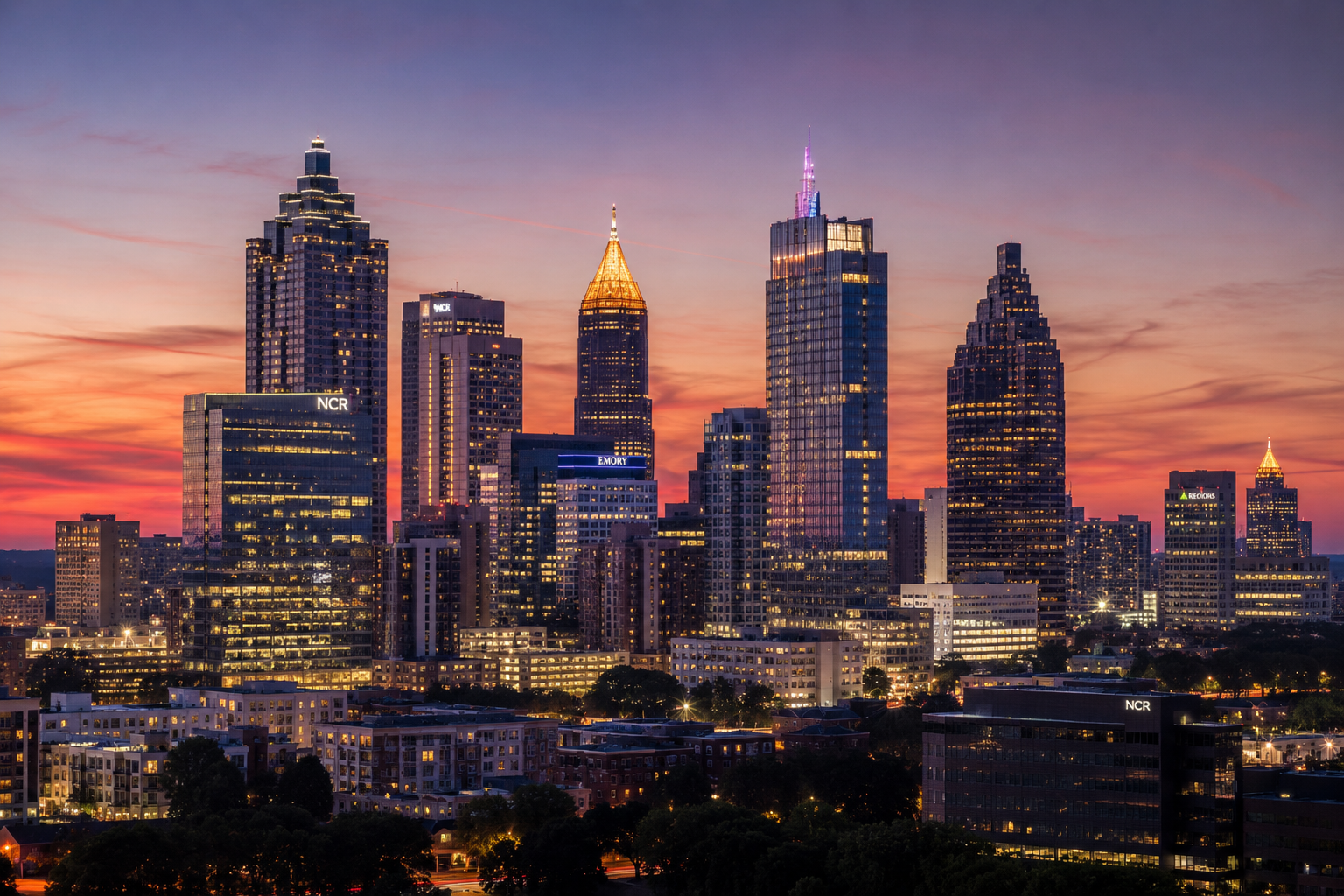
Midtown: High-Rise Living Next to the Big Stages
Midtown is the choice for the buyer who wants nightlife without owning a lawn mower, and who wants to be near Atlanta's largest performance venues rather than its dive bars.
The Fox Theatre, an Atlanta landmark, anchors the area for concerts, Broadway, and film. Center Stage, The Loft, and Vinyl form a venue complex on the west side of Midtown, and Smith's Olde Bar, a thirty-year live-music institution, sits just to the north near the Ansley and Morningside border. Add the bars and clubs along the Crescent Avenue corridor, the restaurants, Piedmont Park, and the cultural density of the Woodruff Arts Center and the High Museum, and Midtown gives you the most walkable big-venue lifestyle in the city. Midtown carries one of the highest Walk Scores in Atlanta.
For buyers, Midtown is a condo and high-rise market first. The median sale price has run around $420,000 in 2026, at roughly $395 per square foot, but that median masks a wide range from compact studios to luxury high-rise units well into seven figures. Importantly, Midtown has been one of the slower-moving submarkets lately, with homes averaging around 95 days on market and a lot of condo inventory. For a buyer, that's an opportunity. There is room to negotiate in Midtown right now in a way there is not in the fast-moving bungalow neighborhoods.
The honest tradeoff: high-rise living comes with HOA dues, and those dues vary enormously by building based on amenities and reserves. You also trade the bungalow charm and yard for elevators and shared walls. And while Midtown is loud and active, the noise is more diffuse city noise than the specific bar-corridor noise of Edgewood. For the right buyer, the lock-and-leave convenience and the walk to the Fox are exactly the point. There is no confirmed standalone Midtown guide on my site yet, so reach out directly if you want current building-by-building guidance, because the right answer in Midtown is almost always about the specific building, not the neighborhood.
The Upper Westside and West Midtown: Breweries, Warehouses, and Rooftops
The Westside is where Atlanta's industrial bones got turned into a nightlife district, and it's the newest-feeling of the scenes on this list.
Terminal West, a converted iron-and-steel foundry on the Westside, is the marquee live-music room, booking national indie and electronic acts in a warehouse setting. The Works and surrounding Upper Westside developments have added live-music programming, rooftop bars, breweries, and a dense run of restaurants. Northside Tavern, a true blues dive operating since 1972, keeps the old Westside character alive with live blues most nights. This is a district built on repurposed industrial space, with the BeltLine's Westside Trail steadily knitting it into the rest of the city.
For buyers, the Westside and Upper Westside, much of it in the 30318 zip code, is a mixed market of lofts, townhomes, new-construction, and pockets of single-family homes. The 30318 median has run around $425,000 in 2026, but that figure spans a very wide range, from converted lofts to new townhome developments to higher-priced single-family pockets. This is an area where the specific development and the specific block matter enormously, and where rapid new construction means the comp you need is often a building that didn't exist three years ago.
The honest tradeoff on the Westside is that it's still filling in. Some blocks are fully transformed with walkable amenities, and others are a construction zone or a quiet industrial stretch with the next phase not yet built. Walkability is real in spots and aspirational in others. For a buyer who wants modern space, brewery-and-warehouse nightlife, and a district on an upward trajectory, it's compelling. Just verify what's actually walkable from the specific address, not what the development's marketing promises.
Downtown, Underground, and Castleberry Hill: Big Venues and Loft Living
Downtown is where Atlanta's biggest stages live, and after years of being written off after dark, South Downtown and Underground are in the middle of a real nightlife revival. For a buyer, the place you actually live to be part of it is Castleberry Hill.
The venues set the scene. The Tabernacle, a converted church on Luckie Street, is one of the city's marquee mid-size concert halls, booking major touring acts year-round. The Masquerade now runs its three stages, long known as Heaven, Hell, and Purgatory, inside Underground Atlanta. MJQ Concourse, the late-night dance institution that spent decades on Ponce, reopened in Underground in early 2025 in the old Dante's Down the Hatch space. State Farm Arena and Mercedes-Benz Stadium handle the arena and stadium shows, and the whole district is drawing fresh attention heading into the 2026 World Cup matches at Mercedes-Benz Stadium.
Castleberry Hill is the residential anchor, a historic warehouse district just southwest of the stadiums that turned its early-twentieth-century industrial buildings into live/work lofts. Peters Street is the neighborhood's own nightlife spine, with bars, lounges, and live-music and DJ spots, and the monthly Castleberry Hill Art Stroll has anchored its identity as the city's downtown arts district for years. It sits next to the Atlanta University Center, walking distance to the stadiums and Underground, and on MARTA.
For buyers, this is a loft-and-condo market, and the range is wide. Compact one-bedroom lofts can be among the more attainable ways to own intown, while large two-story live/work lofts in the historic buildings run well into seven figures. Because no two loft buildings price the same, and because the Gulch redevelopment next door is reshaping the whole area, this is a market where the specific building and the specific unit matter more than a neighborhood median. Bring me the building and I'll tell you what's real.
The honest tradeoff is that downtown living is not the bungalow-and-yard life, and parts of South Downtown are still mid-transformation, with active construction and uneven street-level activity block to block. On event nights near the stadiums, traffic and crowds are real. But for a buyer who wants authentic loft space, walkable access to the biggest venues in the city, and a front-row seat to a district that's clearly on the upswing, Castleberry Hill is one of the more distinctive options in Atlanta, and often a more attainable entry point than the Eastside loft neighborhoods.
The Numbers, Side by Side
Here's how these neighborhoods compare on price and pace in 2026. Treat these as directional ranges drawn from recent market data. The intown market moves month to month, and the right number for a specific block can differ, so confirm current figures with me before you make any decisions.
| Neighborhood / District | Median Sale Price (2026) | Typical Days on Market | Dominant Housing Type |
| East Atlanta (incl. EAV) | Low-to-mid $500Ks | ~30 days | Bungalows, cottages, infill |
| Old Fourth Ward / Edgewood | ~$530K ($350/sq ft) | ~45 to 70 days | Lofts, condos, townhomes, historic |
| Candler Park (near L5P) | ~$700K to mid-$800Ks (houses) | ~22 days | Craftsman bungalows, condos |
| Inman Park (near L5P) | ~$699K | Fast | Historic homes, condos, townhomes |
| Reynoldstown | ~$675K | ~38 days | New-build townhomes, renovations |
| City of Decatur (30030 city limits) | ~$700K to $760K (houses); condos ~$260K | ~40 days | Bungalows, new construction, condos |
| Midtown | ~$420K ($395/sq ft) | ~95 days | High-rise condos, lofts |
| Upper Westside / West Midtown (30318) | ~$425K (very wide range) | Varies by development | Lofts, townhomes, new build |
| Virginia-Highland | ~$750K to $1.1M (houses); condos $350K to $700K | ~27 to 44 days | Bungalows, condos |
| Castleberry Hill / Downtown | Loft condos, wide range (attainable 1-beds to $1M+ live/work lofts) | Varies by building | Industrial live/work lofts, condos |
A note on Virginia-Highland's place in the table: its prices put it in a higher tier than EAV or Old Fourth Ward, and the single-family number above is skewed by larger renovated homes, so condos and townhomes there start well below the median. See the Virginia-Highland section above for the full picture.
Matching the Scene to the Venue: A Quick Reference
Different neighborhoods serve genuinely different nights out. Here's the shorthand I use with buyers.
| District | Anchor Venues | Best For |
| East Atlanta Village | The EARL, 529, Argosy, Union EAV | Indie and punk live music, dive-bar character |
| Edgewood / Old Fourth Ward | Sister Louisa's Church, City Winery, Joystick, The Music Room | Bar-hopping, dancing, and seated concerts |
| Little Five Points | Variety Playhouse, Star Bar, Aisle 5 | Touring acts plus walkable quiet houses nearby |
| Virginia-Highland | Blind Willie's, 10 High / Dark Horse, Atkins Park | Live blues, walkable bar village, quiet streets |
| Reynoldstown | The Eastern, BeltLine bars | Larger touring shows, modern construction |
| Decatur | Eddie's Attic, the square | Listening-room shows, festivals, walkable dinner |
| Midtown | The Fox, Center Stage / Loft / Vinyl, Smith's Olde Bar | Big stages, lock-and-leave high-rise living |
| Upper Westside | Terminal West, The Works, Northside Tavern | Warehouse shows, breweries, rooftop bars |
| Downtown / Underground (Castleberry Hill) | Tabernacle, The Masquerade, MJQ Concourse | Big-stage concerts, late-night dancing, loft living |
How to Actually Buy Near Nightlife Without Regretting It
This is the part nobody tells you, and it's where having an agent who knows these specific blocks earns its keep.
Visit the exact address at night, not the neighborhood. Two units on the same street can have completely different noise exposure depending on which way the windows face and what's behind the building. Go stand on the property at 10 p.m. on a Saturday. If you can't tolerate it then, you won't tolerate it after you've paid for it.
Get the parking situation in writing. Deeded, off-street parking is worth real money near these corridors and protects your resale. Shared or street-only parking near a venue district is a daily friction you'll feel for years.
Read the short-term rental and condo rules before the inspection, not after. If you're buying a condo or in an HOA near the action, the governing documents will tell you whether short-term rentals are allowed, how many are in the building, and what the owner-occupancy ratio is. That ratio also affects your financing on some loan types, so it's not just a lifestyle question.
Budget for soundproofing. If you fall in love with a loft over a corridor, factor in the cost of window inserts, acoustic treatments, and a white-noise setup. It's solvable, but it's a real line item.
Think two buyers ahead. The home that's perfect for your scene-loving self today sells someday to someone else. Renovated single-family homes a few blocks off the strip resell to the widest pool. Be honest with yourself about whether you're buying a forever home or a five-year home, because near nightlife, that answer changes which property is smart.
I walk every buyer through this when we're looking near these corridors. The neighborhoods are worth it. The mistakes are avoidable.
Frequently Asked Questions
What is the best Atlanta neighborhood for live music?
For live music specifically, East Atlanta Village is the strongest single neighborhood, with The EARL, 529, Argosy, and Union EAV all within a two-block radius and shows nearly every night. If you want larger touring acts, Reynoldstown's The Eastern is the modern anchor. If you prefer intimate, seated listening-room shows, Decatur's Eddie's Attic is the best in the metro.
Where is the main nightlife and bar district in Atlanta?
The Edgewood Avenue corridor in Old Fourth Ward and Sweet Auburn is the most concentrated bar-and-dance district in the city, with Sister Louisa's Church, Joystick Gamebar, and The Music Room among the anchors clustered within walking distance. Little Five Points and East Atlanta Village are the other two primary intown nightlife hubs.
Can I live in a quiet home and still walk to Atlanta's nightlife?
Yes, and this is what I steer most buyers toward. Candler Park, Lake Claire, and Inman Park let you own on a quiet residential street while walking to the venues in Little Five Points. Buying two or three blocks off the commercial core in East Atlanta gives you the same balance. The key is buying near the scene, not directly on top of it.
How much does it cost to buy a home in Atlanta's nightlife neighborhoods in 2026?
It ranges widely. East Atlanta has run in the low-to-mid $500,000s and Old Fourth Ward around $530,000, while the houses around Little Five Points in Candler Park and Inman Park run from roughly $700,000 to the mid-$800,000s. Midtown condos have a median around $420,000. The City of Decatur runs $700,000 and up for single-family homes. These are 2026 ranges and move month to month, so confirm current numbers before you decide.
Is the City of Decatur the same as a Decatur address?
No, and this trips up a lot of buyers. The City of Decatur is a small independent city with its own school system, where single-family homes have run roughly $700,000 to $760,000. A large area of unincorporated DeKalb County uses a "Decatur" mailing address while sitting outside the city limits, often in the high $200,000s to low $300,000s. Always verify a property is inside the actual city limits if you're buying for the square, the schools, and the walkable scene.
What should I know about noise before buying near a music venue?
Atlanta has a noise ordinance, but near established entertainment districts, the venues were often there first, and enforcement is uneven. Visit the exact unit on a Friday or Saturday night before writing an offer. If you buy directly over a corridor or venue, treat the noise as a permanent feature and budget for soundproofing. Homes a few blocks off the strip avoid most of this.
Is Midtown good for nightlife if I want a condo?
Midtown is the strongest choice for buyers who want a high-rise or condo near the city's biggest stages, including The Fox Theatre, Center Stage, and Smith's Olde Bar. The median price has run around $420,000, with a wide range, and Midtown has been a slower, more negotiable market lately with significant condo inventory. Just pay close attention to HOA dues and the specific building's reserves and rules.
Are these nightlife neighborhoods a good investment in 2026?
It depends on the specific property and your timeline. The Eastside intown neighborhoods near the BeltLine have strong long-term fundamentals, though appreciation has cooled from its peak pace and some segments have flattened, which favors buyers right now. Units directly over nightlife corridors carry more resale risk than renovated single-family homes a few blocks off the strip. I look at each property individually rather than treating a whole neighborhood as one bet.
Which Atlanta neighborhood has the best walkable nightlife without a car?
Old Fourth Ward and Midtown are the two most car-light options. From the right address in O4W, you can walk to the Edgewood bars, the BeltLine, and Ponce City Market. Midtown gives you the highest Walk Score in the city with restaurants, bars, and major venues on foot. Little Five Points from a Candler Park or Inman Park home is the third strong option.
Is downtown Atlanta and Underground a good area to live for nightlife?
Downtown is home to the city's biggest stages, including the Tabernacle, and Underground Atlanta has had a real nightlife revival, with The Masquerade and MJQ Concourse both operating there now. The place to actually live for that scene is Castleberry Hill, a downtown loft district on Peters Street within walking distance of the venues and the stadiums. It's a loft-and-condo market with a wide price range, so the specific building matters more than any neighborhood median.
Let's Find Your Spot
Atlanta's nightlife and live music are genuinely some of the best in the South, and you can absolutely own a home in the middle of it. The difference between loving where you live and regretting it usually comes down to the specific block, the specific unit, and the tradeoffs nobody points out until it's too late. That's the part I handle for you. I know these corridors, I know which streets are quiet and which are loud, and I'll tell you the truth about resale before you fall for the kitchen.
Visit kristenjohnsonrealestate.com or reach out directly, and let's find the place where the music's close and the sleep is still good. Come as you are, come on home.
Looking for more Metro Atlanta neighborhood guides? I've covered the intown Eastside in depth, including East Atlanta, Old Fourth Ward, Reynoldstown, Candler Park, Lake Claire, Kirkwood, Grant Park, and the City of Decatur. Browse the full guide series at kristenjohnsonrealestate.com.