

Old Fourth Ward Real Estate Trends: What Buyers Should Know About Atlanta's Fastest-Changing Neighborhood (2026)
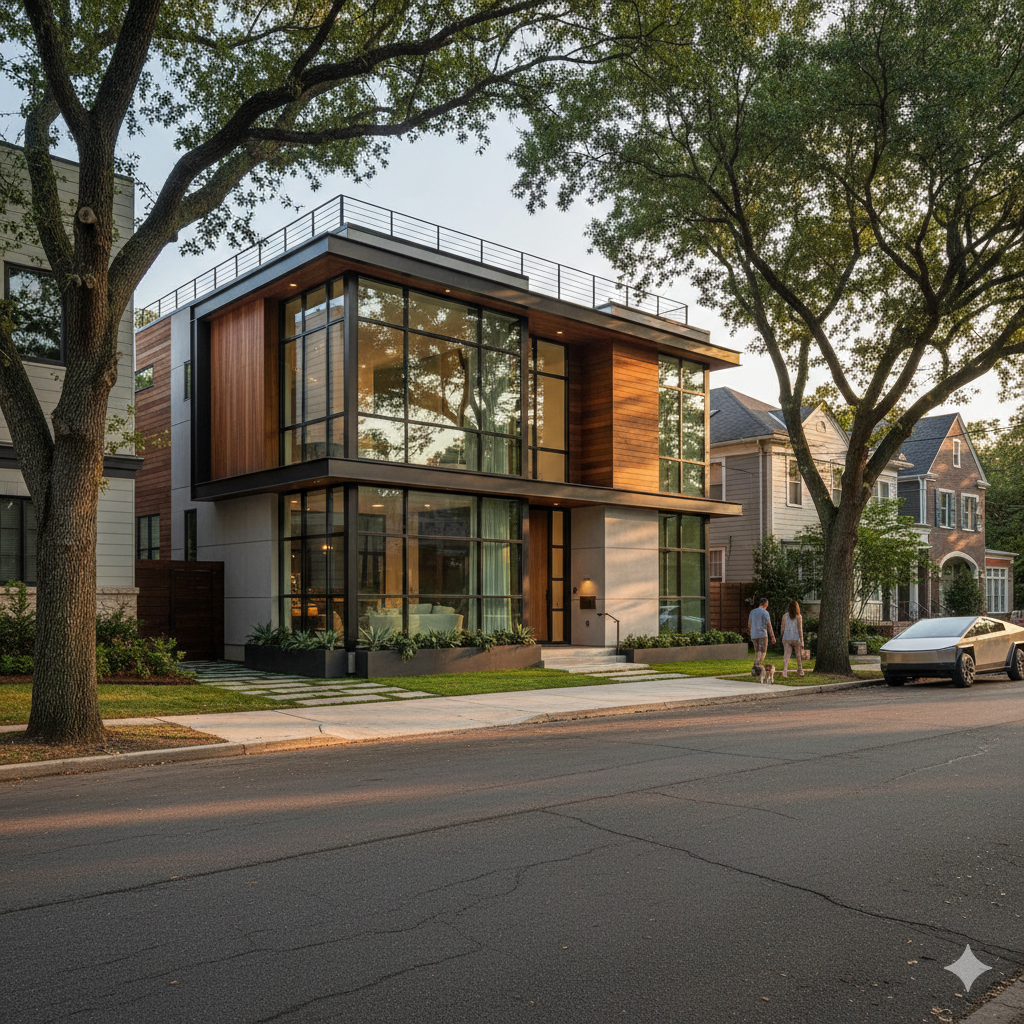
Modern Home
Quick Answer:
Old Fourth Ward is Atlanta's fastest-changing neighborhood with explosive development and rising property values. Home prices in Old Fourth Ward range from $400,000 for condos to $1.5 million for new construction single-family homes. The neighborhood transformed from industrial area to one of Atlanta's hottest markets over the past decade. Buyers should understand both the opportunity and risks of investing in a rapidly gentrifying area.
Old Fourth Ward Real Estate Facts 2026
Old Fourth Ward median home price is approximately $650,000 in early 2026
The neighborhood has seen 10 to 15 percent annual appreciation over the past 5 years
New condo developments start around $400,000 for 2-bedroom units
Historic bungalow renovations sell between $700,000 and $1.2 million
The BeltLine trails directly through Old Fourth Ward increasing walkability
Ponce City Market anchors the neighborhood as a major entertainment destination
Old Fourth Ward sits 2 miles east of downtown Atlanta
New construction townhomes range from $600,000 to $900,000
The area attracts buyers aged 25 to 40 seeking urban lifestyle
Gentrification has displaced some longtime residents raising affordability concerns
Crime rates have decreased 30 percent over the past decade
Development continues with multiple mixed-use projects underway
Old Fourth Ward has transformed from an industrial area into one of Atlanta's most desirable intown neighborhoods. But if you're considering buying real estate in Atlanta—specifically in this fast-changing area—you need to understand what's actually happening in the market right now.
Median home prices jumped over 56% year-over-year in 2025, reaching around $531,000, while homes are sitting on the market significantly longer than they did just a year ago. The neighborhood is experiencing both explosive growth and a market correction simultaneously, creating unique opportunities and challenges for buyers.
Here's what you need to know before buying in Old Fourth Ward in 2026.
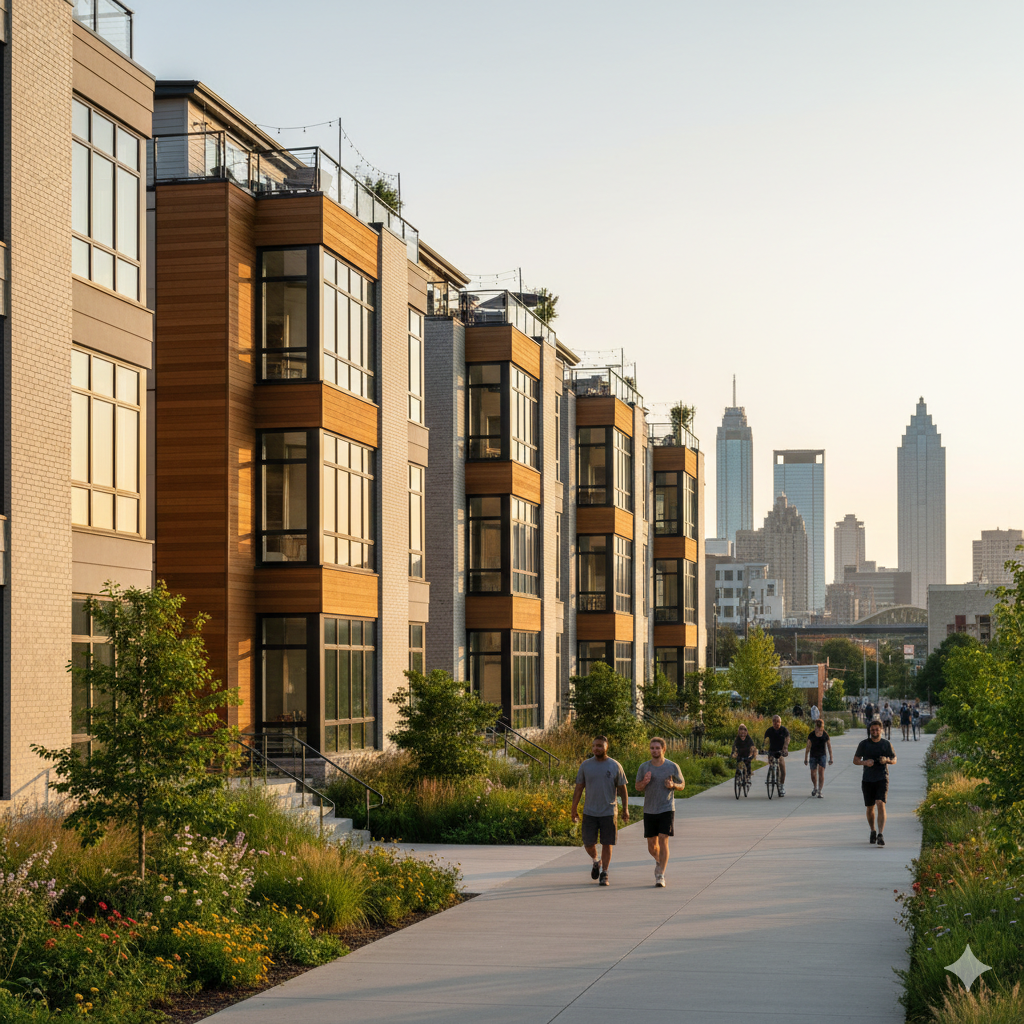
Beltline Old Fourth Ward
Current Old Fourth Ward Market Reality (January 2026)
Market Stats Snapshot:
Median home price: $531,000 (up 56% year-over-year from 2024)
Average days on market: 71 days (up from under 50 days in 2024)
Active inventory: 121 homes (significantly increased from previous year)
Price reductions: 43% of listings have dropped asking prices (up from much lower percentage)
Sale-to-list price ratio: 97.32% (most homes selling slightly below asking)
Price per square foot: $333-$397 for condos/lofts; varies for single-family
[Source: Redfin, Zillow, Atlanta MLS, January 2026]
What This Means:
The Old Fourth Ward real estate market has shifted dramatically over the past year. While prices have surged—with some reports showing increases between 56% and 63% depending on the data source—the reality on the ground tells a more nuanced story.
Homes that once sold in under 50 days are now averaging 71 days on market. That's nearly three weeks longer than last year, giving you more time to make decisions and negotiate.
Inventory has significantly increased. More sellers are bringing homes to market, and about 43% of listings have dropped their asking prices—up dramatically from the previous year. What does this mean for you? Sellers are becoming more realistic, and buyers are gaining negotiating power they haven't had in years.
The market hasn't cooled entirely—Old Fourth Ward remains competitive—but the frenzy has eased. Homes are no longer routinely selling above list price. In fact, recent data shows a median sale-to-list-price ratio of 97.32%, meaning most homes are selling slightly below asking price.
If you've been priced out of this neighborhood before, now might be your window.
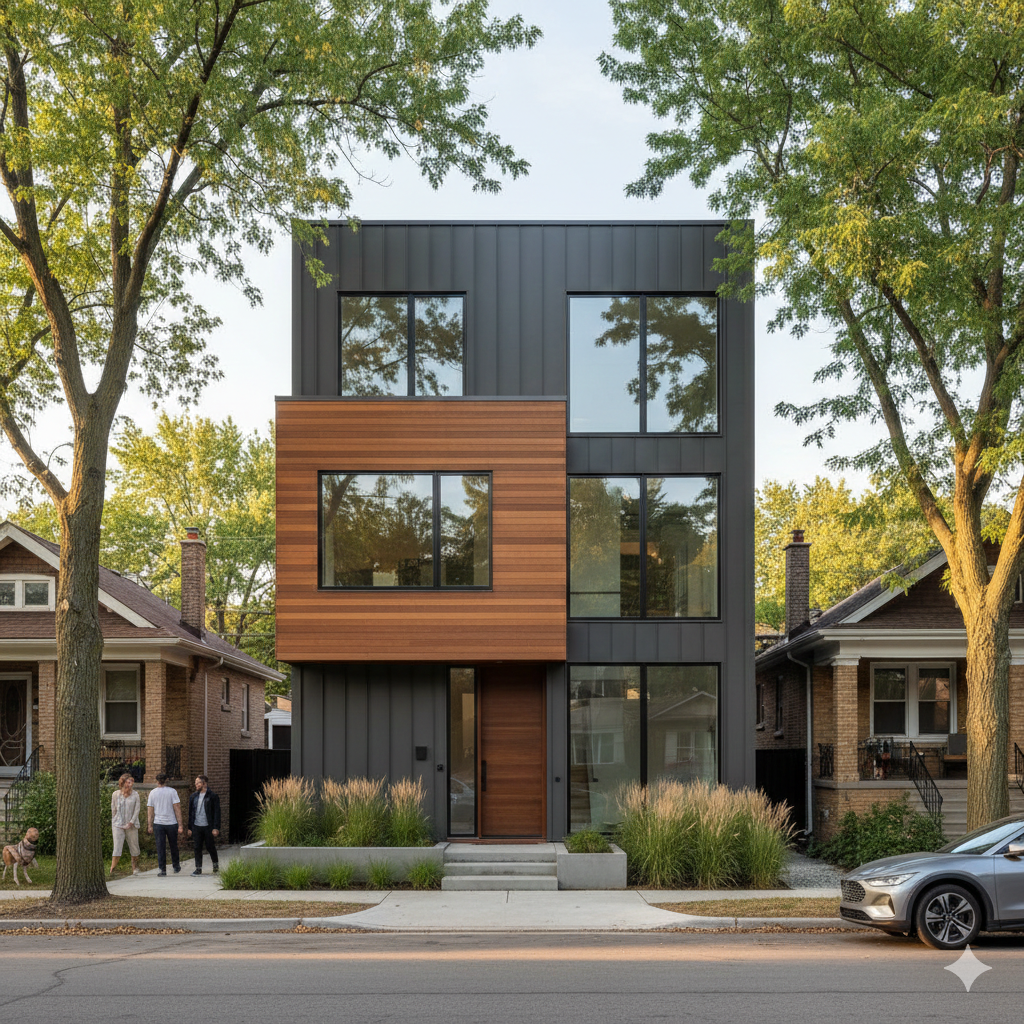
Understanding the Current Market Shift
What Changed Between 2024 and 2026:
2023-2024: Peak Seller's Market
Homes sold in under 50 days
Multiple offers common
Selling above asking price
Limited inventory
Bidding wars for well-priced homes
2026: Shifting to Balanced Market
Homes averaging 71 days on market
More inventory available (121 homes)
Homes selling at or slightly below asking
43% of listings have reduced prices
Buyers have negotiation leverage
Why the Shift Happened:
Interest rates stabilized — After volatility in 2023-2024, rates settled around 6-6.7%
Inventory increased — More sellers listing, fewer buyers competing
Price ceiling reached — Some buyers priced out, others waiting for better deals
Broader market correction — Atlanta-wide slowdown in luxury/high-priced homes
Affordability concerns — Rapid price increases made buyers more cautious
What this means for buyers: You have more time to evaluate properties, more negotiation power, and less pressure to waive contingencies or overbid. The urgency of 2023-2024 has eased.
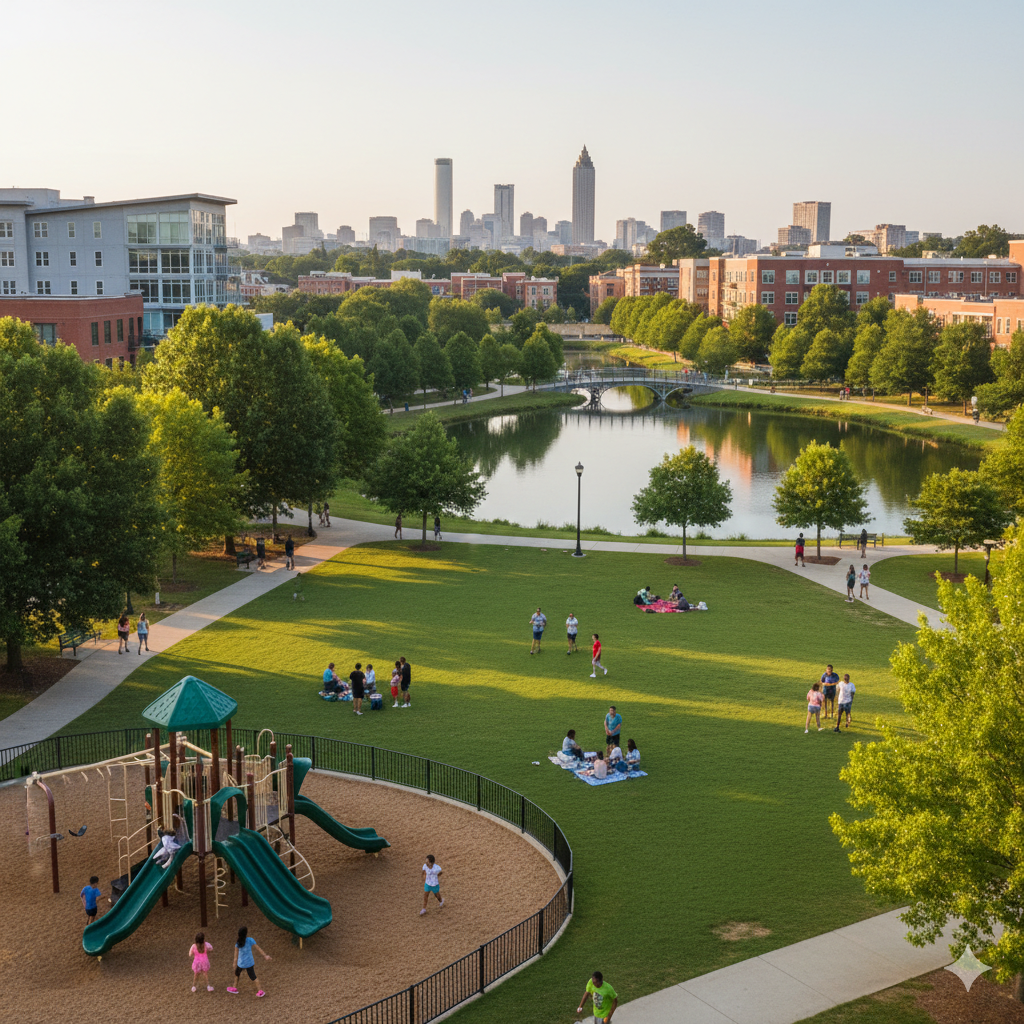
What's Driving Old Fourth Ward's Growth
Despite the market shift, Old Fourth Ward's long-term fundamentals remain strong. Here's what's driving ongoing demand:
1. The BeltLine (The #1 Growth Driver)
The BeltLine is the engine behind Old Fourth Ward's transformation. The Eastside Trail, which runs directly through the neighborhood, has become one of Atlanta's most popular destinations.
What the BeltLine Offers:
Walkability to Ponce City Market — Atlanta's premier mixed-use destination
Historic Fourth Ward Park — 17-acre park with lake, splash pad, skate park
Direct trail connections — Links to Piedmont Park, Midtown, Virginia-Highland
Restaurants and bars — Dozens of dining/entertainment options along the trail
Car-free lifestyle — Walk or bike to groceries, dining, entertainment
For buyers looking for walkability and urban lifestyle amenities, few Atlanta neighborhoods can compete with Old Fourth Ward's BeltLine access.
2. Major Development and Corporate Relocations
Major developments continue to reshape the area and drive housing demand:
The Fourth Ward Development (Major Mixed-Use Project):
1.1+ million square feet of office, retail, residential
Overline Residences (luxury apartments/condos)
Forth Atlanta hotel (recently opened)
Future phases include residential towers up to 20 stories near Ralph McGill Boulevard
Corporate Relocations:
Mailchimp headquarters — Hundreds of employees relocated to Old Fourth Ward
Tech and creative companies — Clustering near Ponce City Market and Fourth Ward development
Retail and restaurant expansion — New businesses opening along BeltLine
What this means: Job growth and corporate presence drive housing demand. Employees want to live near work, especially in walkable neighborhoods.
3. Demographic Shifts and Gentrification
The neighborhood demographics have shifted significantly:
Historical Context:
Historically a predominantly Black community
Industrial area with limited residential development
Overlooked by real estate market for decades
Current Demographics (2026):
Approximately 53% white, 33% Black, increasingly diverse
Young professionals, creatives, and families
Mix of longtime residents and new arrivals
Gentrification Impact: This transformation brings complex challenges around affordability and displacement, but it has also meant significant infrastructure investment, improved public safety, and expanded amenities that continue to attract buyers.
Important note: As a buyer, it's worth understanding the community dynamics and being a thoughtful neighbor in a neighborhood experiencing significant change.
Property Types and Price Ranges in Old Fourth Ward
Old Fourth Ward offers a diverse mix of housing options:
Single-Family Homes ($500K-$700K+)
Historic Craftsman Bungalows:
Early 1900s character homes
Typically 1,200-1,800 sq ft
Small urban lots (0.05-0.15 acres)
Renovated: $550K-$700K
Needs work: $450K-$550K
Modern New Construction:
Contemporary design, open floor plans
1,500-2,500 sq ft
Energy-efficient features
Pricing: $600K-$800K+
Location matters: Homes closest to BeltLine, Ponce City Market, or Historic Fourth Ward Park command premiums of $50K-$100K+.
Condos and Lofts ($250K-$500K)
Price per square foot: $333-$397 (varies by building and amenities)
Older Industrial Conversions:
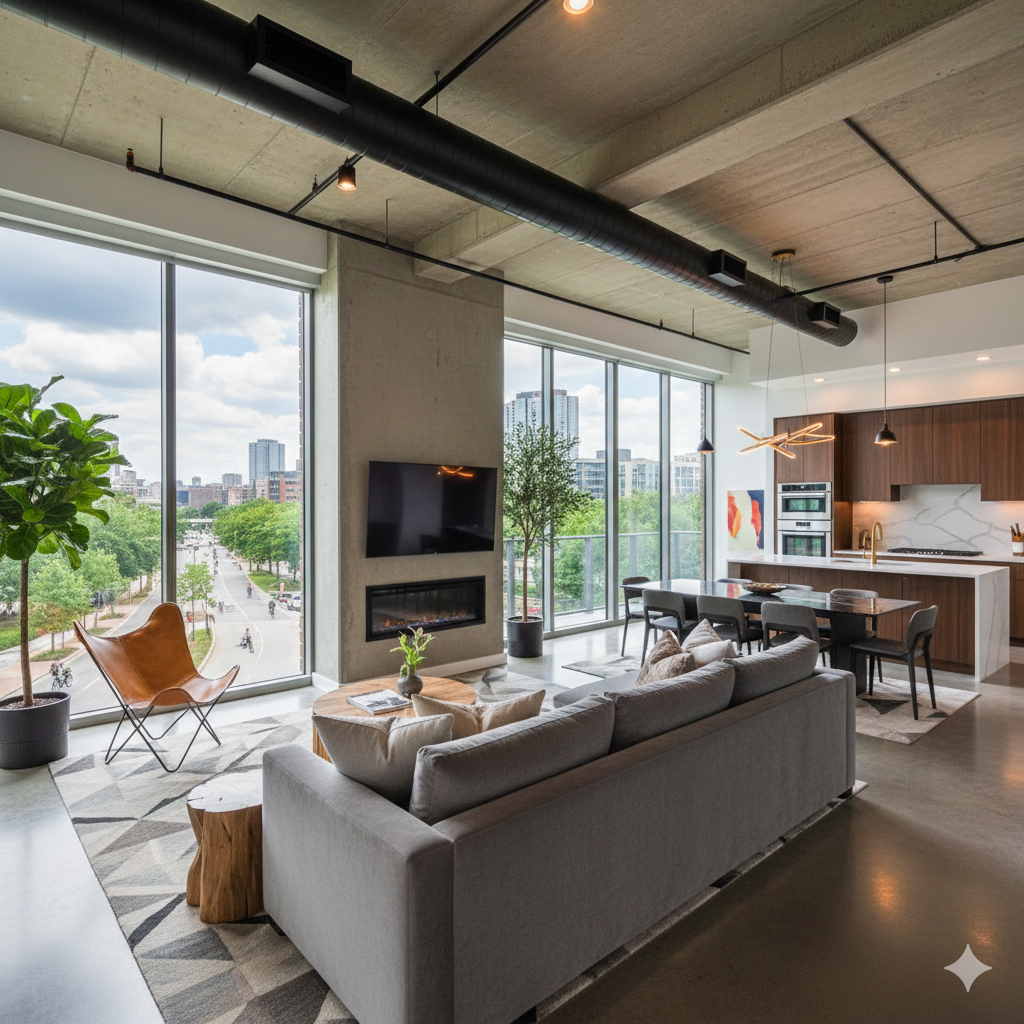
Loft-style living with character
Exposed brick, high ceilings, large windows
$250K-$400K depending on size and building
New Luxury Developments:
Modern amenities (pools, gyms, rooftop decks)
Near Historic Fourth Ward Park and Ponce City Market
$350K-$500K+ for 1-2BR units
Best for: First-time buyers, young professionals, low-maintenance urban living
Townhomes ($500K-$650K)
Modern Townhome Developments:
2-3 bedrooms, 2.5-3.5 baths
1,500-2,200 sq ft
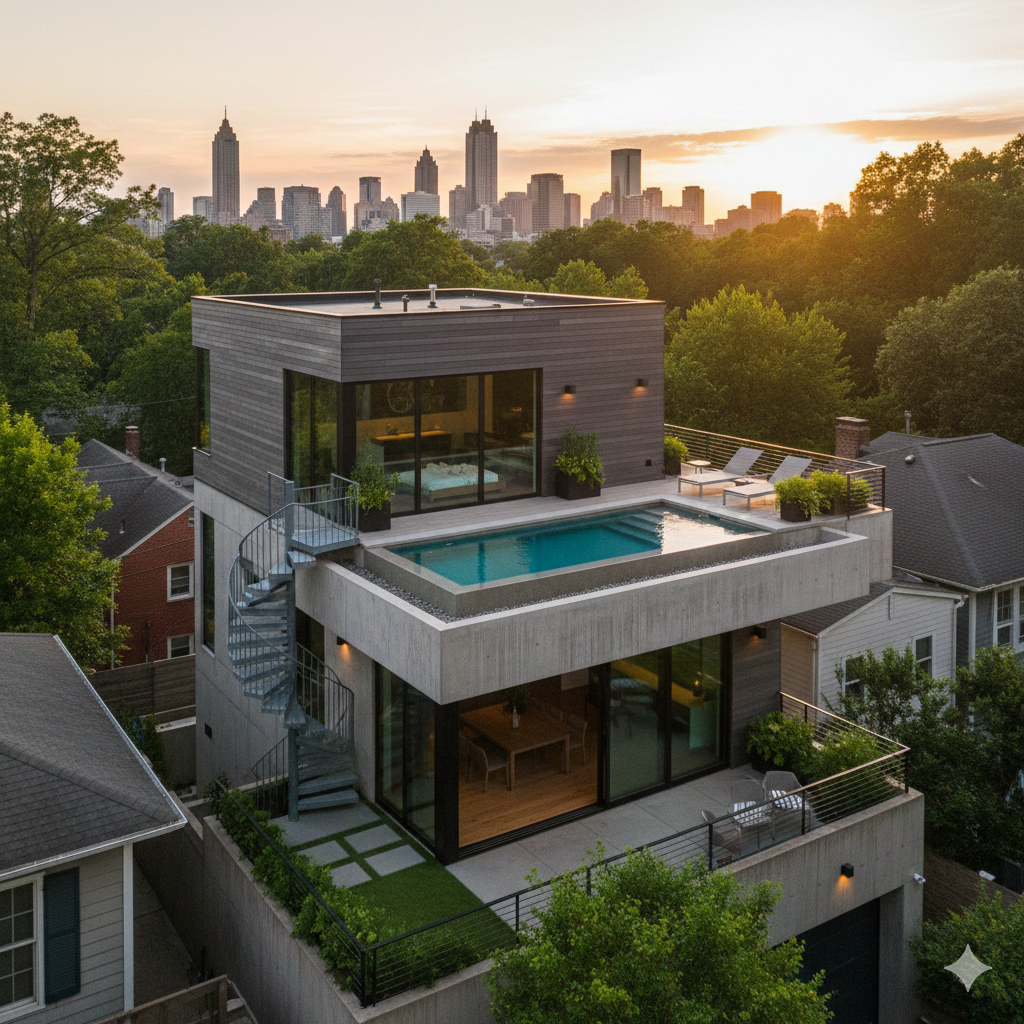
Rooftop decks common
Low-maintenance living
Pricing: Mid-$500Ks to $650K+
Best for: Buyers wanting more space than condos without yard maintenance
Investment Properties
What investors target:
Smaller units with strong rental appeal
Properties near BeltLine or major employers
Micro-lots with appeal to young professionals
Condos/townhomes with positive cash flow potential
Rental rates: $1,800-$3,500/month depending on size and location
Challenges Buyers Need to Understand
Even with the market shift, buying in Old Fourth Ward comes with challenges:
1. You're Paying a Premium for Location
Old Fourth Ward commands higher prices than surrounding neighborhoods due to BeltLine access and walkability. Are you paying for the lifestyle amenities, or are you overextending?
Consider: Will prices continue appreciating at 56% annually? Unlikely. Expect slower, more sustainable growth (3-5% annually) moving forward.
2. Homes Priced at the High End Are Sitting Longer
Homes over $650K are experiencing longer market times (90+ days). If you're buying at the top of the market, you have more negotiation power but also more risk if the market softens.
3. Parking Can Be an Issue
Older sections of the neighborhood have limited street parking. Many properties lack dedicated parking. Before buying, verify:
Does the property include parking?
Is street parking available?
Are there monthly parking options nearby?
For condos/townhomes, understand parking arrangements in HOA documents.
4. HOA Fees (For Condos/Townhomes)
Some buildings have significant monthly HOA fees ($300-$600+/month) that impact affordability. Always factor HOA fees into your total monthly payment.
5. Ongoing Construction and Development
The neighborhood is still evolving. Construction and development mean noise, traffic, and ongoing change. Some buyers love being part of a rapidly developing area; others find the constant construction frustrating.
6. Limited School Options
Old Fourth Ward has limited public school options, and Atlanta Public Schools' performance varies significantly by location. Many families with school-age children eventually relocate to areas with stronger public school systems (Decatur, North Fulton suburbs).
Options:
Private schools (some nearby in Midtown/Virginia-Highland)
Charter schools
Plan to relocate when kids reach school age
7. Affordability and Equity Concerns
As property values rise, longtime residents are being priced out. While that doesn't directly affect your purchase decision, it's worth understanding the community dynamics and being a thoughtful neighbor in a neighborhood experiencing significant demographic change.
Comparing Old Fourth Ward to Other Intown Neighborhoods
Old Fourth Ward sits in the middle of Atlanta's intown real estate hierarchy.
Old Fourth Ward vs. Inman Park:
Old Fourth Ward: $333-$397/sq ft, newer development, urban density
Inman Park: $400-$500/sq ft, historic character, more established, higher prices
Old Fourth Ward vs. Virginia-Highland:
Old Fourth Ward: More affordable, newer construction, BeltLine-centric
Virginia-Highland: $450-$600/sq ft, walkable village feel, mature trees, premium pricing
Old Fourth Ward vs. Reynoldstown:
Old Fourth Ward: $333-$397/sq ft, more amenities, higher prices
Reynoldstown: $300-$350/sq ft, emerging, better value, similar BeltLine access
Old Fourth Ward vs. Kirkwood:
Old Fourth Ward: Urban, dense, condo-heavy
Kirkwood: More single-family homes, neighborhood feel, similar price range ($500K-$650K)
Old Fourth Ward vs. Grant Park/Cabbagetown:
Old Fourth Ward: BeltLine access, newer development, urban lifestyle
Grant Park: Historic charm, established residential character, similar pricing
Old Fourth Ward's advantage: Walkability, density of amenities, proximity to major employers and entertainment, BeltLine access
What Smart Buyers Are Doing Right Now
1. Negotiating Aggressively
With homes sitting longer and 43% of listings reducing prices, there's room to negotiate. Don't assume you need to offer asking price—especially on properties that have been listed for 60+ days or have had price reductions.
Strategy:
Look at comparable sales data carefully
Make reasonable offers 3-7% below asking on stale listings
Request seller concessions (closing costs, repairs, credits)
2. Getting Pre-Approved Before Searching
Interest rates have settled into a more stable range around 6-6.7%. Having financing in place gives you negotiating power and shows sellers you're serious.
3. Evaluating Long-Term Investment Potential
While short-term flipping has cooled, Old Fourth Ward's fundamentals remain strong. The neighborhood is well-positioned for continued growth over the next 5-10 years as BeltLine development continues and more companies establish offices nearby.
If you're planning to stay for 5+ years, the current market conditions may offer better entry points than 2023-2024.
4. Working with Hyperlocal Experts
An experienced agent can help you understand:
Which blocks command premium prices
Which new developments will impact property values
How to structure your offer to stand out without overpaying
HOA financial health for condos
Parking and infrastructure challenges
Action Steps: How to Buy Smart in Old Fourth Ward
Step 1: Define Your Priorities
Walkability vs. space vs. parking vs. price—what matters most?
Are you okay with ongoing construction and change?
Do you need schools or plan to relocate when kids reach school age?
Step 2: Determine Your True Budget
Get pre-approved with realistic monthly payment limits
Factor in HOA fees, property taxes, insurance
Include 6+ months reserves for emergencies
Step 3: Research Property Types
Tour single-family, condos, and townhomes to compare
Understand what you're getting at each price point
Visit the neighborhood at different times (weekday mornings, weekend evenings)
Step 4: Analyze Market Comps
Look at recent sales (past 90 days) in your target property type
Identify overpriced listings that have been sitting
Understand price per square foot benchmarks
Step 5: Make Strategic Offers
Don't be afraid to offer below asking on stale listings
Request seller concessions if you have leverage
Include inspection and appraisal contingencies
Step 6: Work with an Old Fourth Ward Expert
Choose an agent who knows the neighborhood's buildings, blocks, and market dynamics
Get guidance on HOA health, parking issues, development impacts
Frequently Asked Questions
Q: Are Old Fourth Ward home prices going to keep rising?
A: Unlikely at the 56% rate seen in 2024-2025. Expect slower, more sustainable appreciation (3-5% annually) as the market normalizes. Long-term fundamentals remain strong due to BeltLine development and job growth.
Q: Is now a good time to buy in Old Fourth Ward?
A: Yes, if you're financially ready and planning to stay 5+ years. The market has shifted to favor buyers more than it has in years—homes are sitting longer, sellers are negotiating, and you're not facing the bidding war frenzy of 2023-2024.
Q: What's the best property type for first-time buyers?
A: Condos and lofts offer the most affordable entry points ($250K-$400K). Look for older buildings with lower HOA fees if budget is tight. Prioritize location near BeltLine and Ponce City Market.
Q: Should I worry about homes sitting on the market longer?
A: No—this actually benefits buyers. Longer market times mean more negotiating power, less pressure to waive contingencies, and opportunities to buy below asking price.
Q: How important is parking in Old Fourth Ward?
A: Very important. Many older properties lack dedicated parking. If you own a car, verify parking arrangements before buying. Some buyers rely on street parking, ride share, or pay for monthly parking nearby.
Q: Is Old Fourth Ward good for families?
A: It depends. The neighborhood offers walkability and urban amenities but has limited school options. Many families choose Old Fourth Ward while kids are young, then relocate to school-focused neighborhoods (Decatur, North Fulton) when kids reach elementary age.
Q: What are the best blocks or areas within Old Fourth Ward?
A: Closest to BeltLine, Ponce City Market, and Historic Fourth Ward Park command highest prices and strongest demand. Look for properties within 5-10 minute walk to these amenities.
Q: Should investors still buy in Old Fourth Ward?
A: Yes, but with realistic expectations. Rental demand remains strong due to walkability and job access. However, don't expect 56% annual appreciation. Focus on cash flow, quality tenants, and long-term (5-10 year) appreciation.
Ready to Explore Old Fourth Ward Real Estate?
Old Fourth Ward represents one of Atlanta's most dynamic real estate opportunities right now. The neighborhood has evolved from an overlooked industrial area into a walkable, amenity-rich urban destination. But the market has shifted from the seller-dominated frenzy of recent years into a more balanced environment where informed buyers have real leverage.
Homes are staying on the market longer, giving you time to evaluate properties carefully. Sellers are negotiating. And the fundamentals of location, walkability, and ongoing development remain strong.
Whether you're a first-time buyer trying to break into the intown market, a move-up buyer looking for walkable urban living, or an investor evaluating rental potential, I provide honest, strategic advice based on actual market conditions—not generic sales talk.
Let's talk about what you want, current market conditions in Old Fourth Ward, and how to position yourself to buy smart.
Contact Kristen Johnson Real Estate
📧 info@kristenjohnsonrealestate.com
📞 (404) 790-0080
🌐 www.kristenjohnsonrealestate.com