

Living in Lake Claire Atlanta GA: Candler Park's Quiet Neighbor, BeltLine Access & Home Prices 2026
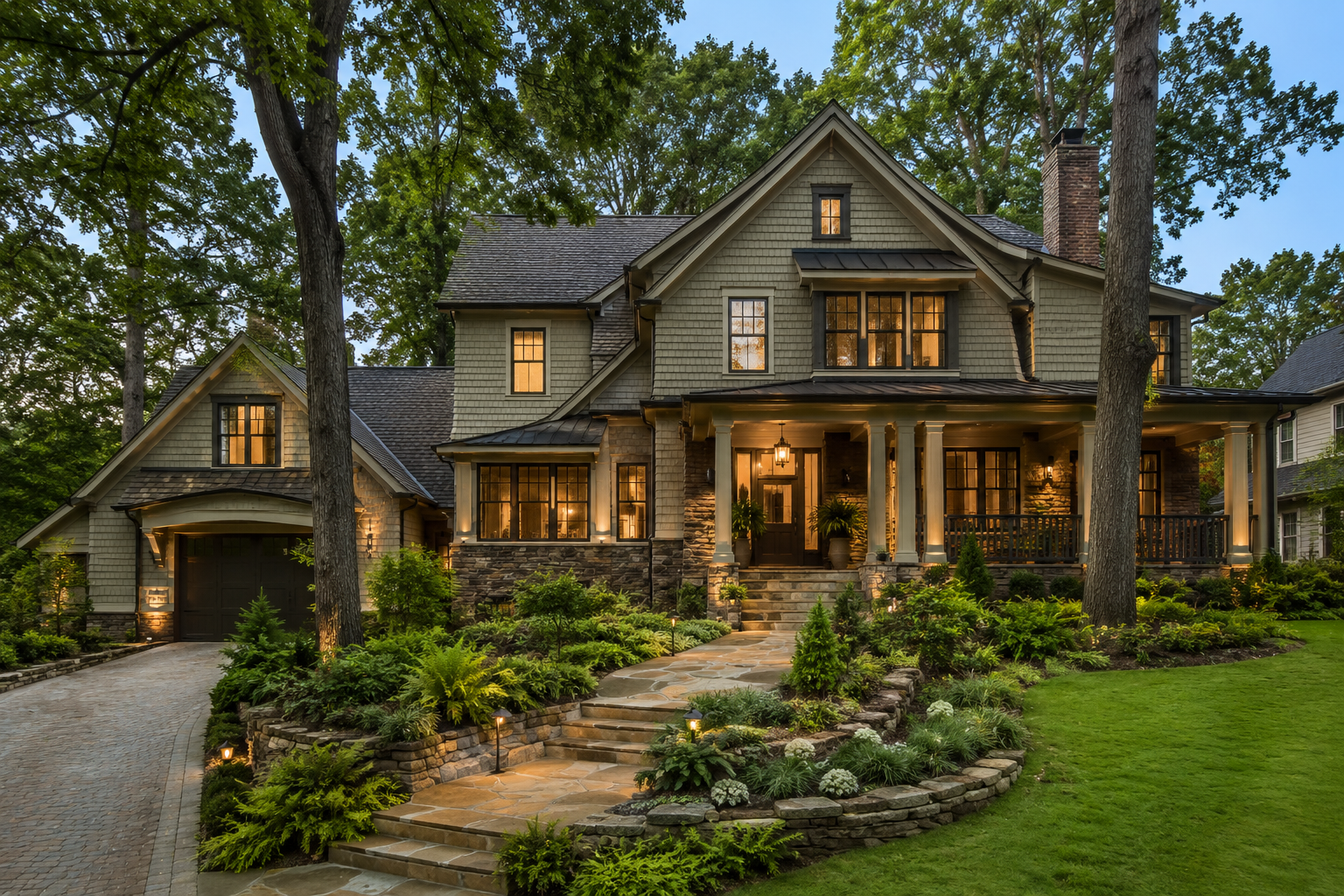
If you have been searching intown Atlanta for a neighborhood that feels residential and tree-covered without putting you in the suburbs, Lake Claire is probably already on your radar. It sits directly east of Candler Park, tucked between Druid Hills to the north and Kirkwood to the south, and it is one of the quietest pockets of intown Atlanta you will find inside the 30307 ZIP code. There is no commercial strip running through it, no apartment towers, and no through-traffic to speak of. What you get instead is roughly 1,200 homes on streets like Hardendorf, Marlbrook, Leonardo, and Lakeshore, a beloved community land trust, and walkable access to the restaurants and shops that line the Candler Park and Little Five Points edges.
I work with buyers across Metro Atlanta, and Lake Claire comes up constantly with two specific groups: families who want the Mary Lin Elementary attendance zone, and intown buyers who love the energy of Candler Park and Little Five Points but want to come home to something calmer at the end of the day. It is a neighborhood people seek out on purpose, and once they are in, they tend to stay. That low turnover is one of the first things you should understand about Lake Claire, because it shapes everything about how the market here behaves.
Nearly a decade helping Atlanta buyers means I have learned what the listing photos do not tell you about a neighborhood like this. I have walked these streets with relocation buyers comparing Lake Claire against Decatur and Druid Hills, with first-time buyers weighing a townhome here against a single-family home somewhere cheaper, and with families who had the Mary Lin zone circled on a map before they ever called me. The pattern is consistent: the buyers who do well here are the ones who understand the neighborhood's real tradeoffs before they start touring.
Lake Claire is small, it is competitive, and it carries a price tag that surprises people who assume "quiet" means "affordable." It does not. This is one of the higher-priced neighborhoods in intown Atlanta, and the reasons why are worth understanding before you start touring homes.
Here's what you need to know.
What Is Lake Claire, and Where Is It?
Lake Claire is a residential neighborhood on the east side of intown Atlanta, sitting entirely within DeKalb County despite being inside the City of Atlanta limits. It is bordered by Candler Park to the west, Druid Hills to the north, Kirkwood to the south, and the City of Decatur to the east. The 30307 ZIP code covers it, and it shares a great deal of its identity, school zoning, and commercial life with Candler Park next door.
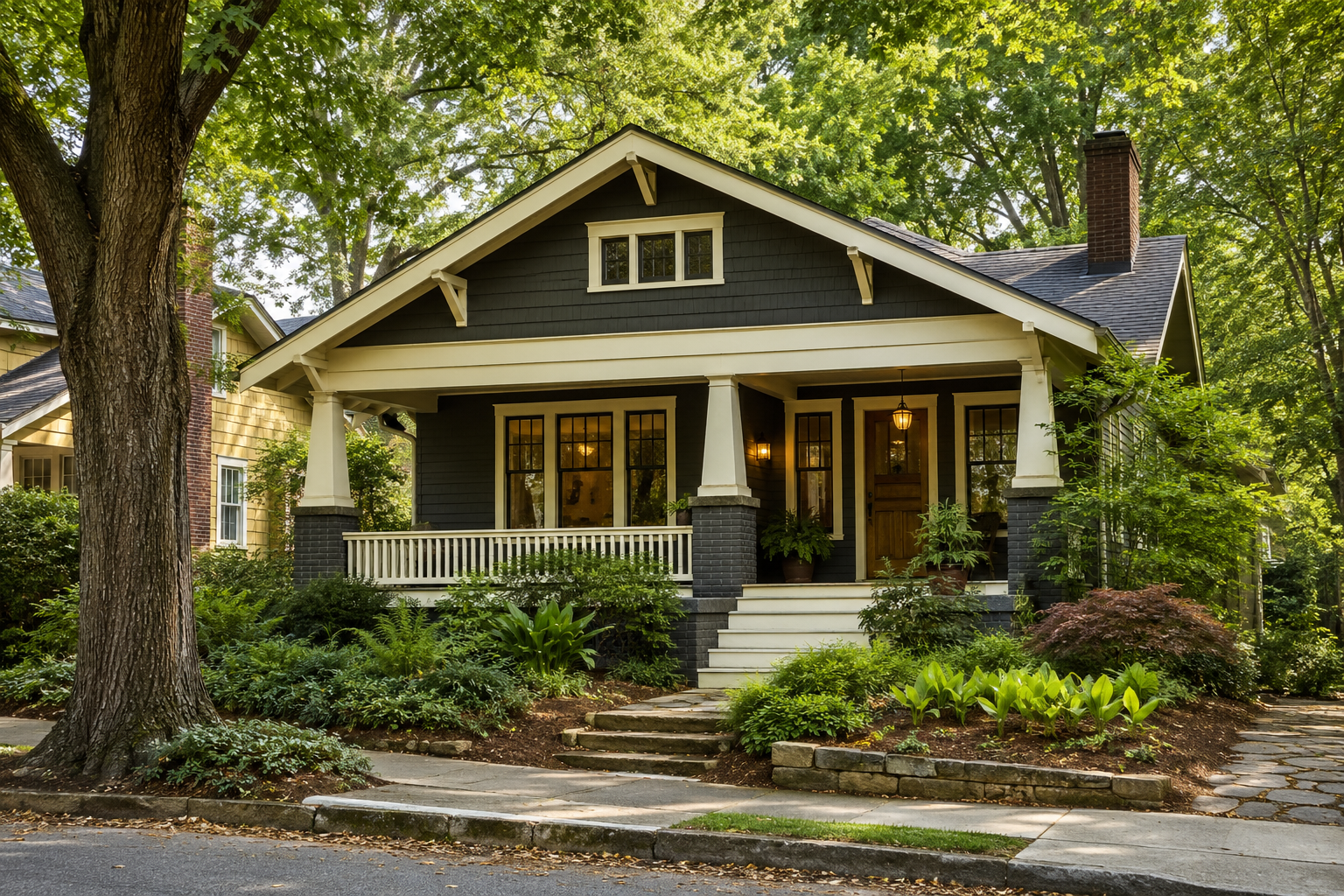
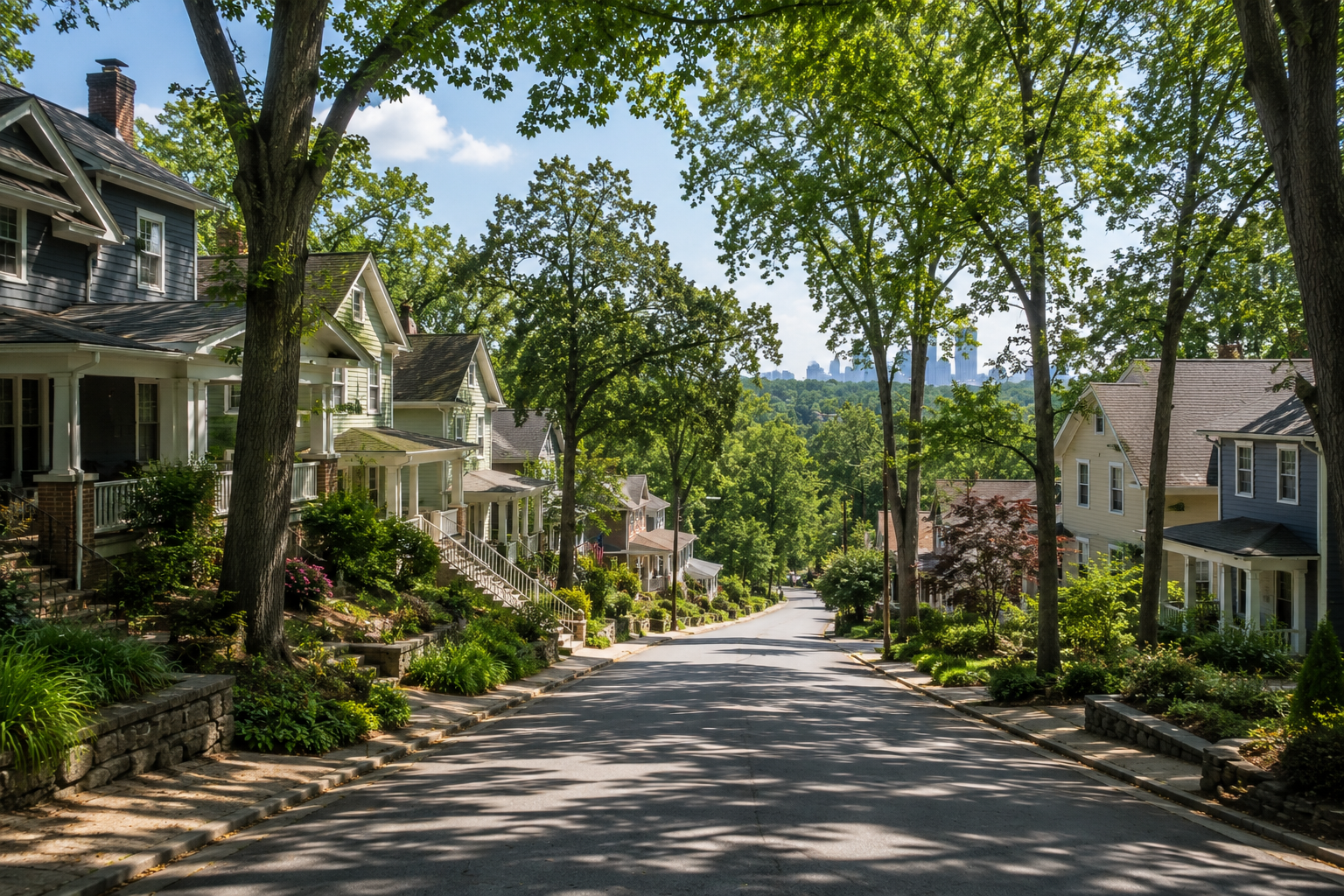
The name is the first thing buyers ask about, and the answer is a small piece of Atlanta trivia worth knowing. There is no lake in Lake Claire and there never was. The name is shorthand for the intersection of Lakeshore Drive and Claire Drive, two of the original streets in the neighborhood. People expect a body of water and there isn't one. What you get instead is a heavily wooded, hilly grid of streets where the tree canopy is genuinely part of the appeal.
The neighborhood is compact, with about 1,200 homes total. To put that in perspective, Lake Claire is smaller than most single subdivisions you would find in the North Fulton suburbs. That scale matters for buyers. It means inventory is limited, turnover is low, and when a home in a desirable spot hits the market, it tends to move. A portion of the neighborhood falls within the Candler Park Historic District, which is listed on the National Register of Historic Places, and that designation shapes how some homes can be renovated and expanded.
The closest thing Lake Claire has to a commercial core is the small cluster of shops and restaurants at the McLendon Avenue and Clifton Road intersection, which technically straddles the Candler Park line. Beyond that, residents rely on Candler Park, Little Five Points, and Decatur for dining, groceries, and retail. That is not a drawback for most Lake Claire buyers. The lack of commercial development inside the neighborhood is precisely why it stays as quiet as it does.
What Defines Lake Claire: The Feel of the Neighborhood
The single best way to understand Lake Claire is to understand what it is not. It is not a walkable main-street neighborhood with a commercial heart, the way Kirkwood is built around Hosea Williams Drive or the way Decatur is built around its square. It is not a high-density, development-driven neighborhood like Old Fourth Ward. Lake Claire is residential, full stop. The defining experience here is the street, the trees, the porches, and the neighbors.
The housing stock is eclectic in the truest sense. You will find 1920s and 1930s Craftsman bungalows, American Foursquares, mid-century cottages, Tudors, and a meaningful amount of newer infill construction built on previously vacant or teardown lots. Unlike some intown neighborhoods where the architecture is uniform block to block, Lake Claire streets often mix a 1925 bungalow, a 1950s ranch, and a 2015 modern build within the same stretch. Some buyers love that variety. Others find it harder to comp. Either way, you should expect it.
The neighborhood's social identity is anchored by the Lake Claire Community Land Trust, a 1.5-acre green space on Arizona Avenue that a group of neighbors purchased and preserved starting in the mid-1980s. It is one of the more unusual community institutions in Atlanta. The land trust includes community garden beds, a children's playground, walking paths, a "Peace Pond," and an outdoor amphitheater that hosts what is widely considered Atlanta's longest-running monthly drum circle, a tradition dating to the early 1990s. For decades the land trust was also home to Big Lou, a resident emu who became a genuine local celebrity. Big Lou has since passed away, but the land trust continues to operate, and its founding generation has been openly discussing succession and the search for a new wave of stewards.
I mention all of this because it tells you something real about the neighborhood. Lake Claire residents are organized, engaged, and protective of their green space and their quiet. The neighborhood association, Lake Claire Neighbors, is active. If you are buying here, you are buying into a place where people show up to community workdays and pay attention to development proposals. That is a feature for buyers who want that kind of neighborhood, and it is worth knowing for buyers who would rather keep to themselves.
The other thing worth understanding about Lake Claire's feel is the topography. This is a hilly, wooded neighborhood, and the streets follow the terrain rather than a flat grid. That has practical consequences for buyers. Lots can be steep, some homes sit well above or below street level, and basements, drainage, and grading are real considerations on certain properties. The flip side is that the hills and the mature tree canopy are exactly what give Lake Claire its character. When buyers tell me they want a neighborhood that feels tucked away and green despite being minutes from the city, this terrain is a big part of what they are responding to.
Lake Claire also sits on the Eastern Continental Divide, a piece of geography that locals like to point out. Rainwater on one side of the divide eventually drains toward the Gulf of Mexico and on the other side toward the Atlantic. It is trivia rather than a buying factor, but it speaks to how engaged this neighborhood is with its own identity. People here know the history of their streets, the founding of their land trust, and the geography under their feet, and that level of local knowledge tends to come up in conversation when you tour homes here.
What Does Lake Claire Cost? Home Prices in 2026
Lake Claire is one of the more expensive neighborhoods in intown Atlanta, and buyers should set expectations accordingly before they start touring.
Recent market data puts the median sale price for homes in Lake Claire in the range of roughly $895,000 to $1,000,000, depending on the source and the rolling time window measured. Twelve-month median figures have hovered around the $895,000 to $920,000 mark, while shorter 30-day windows have at times shown medians both above and below that, which is normal in a neighborhood this small where a handful of sales can swing the number significantly. Price per square foot has run in the range of roughly $360 to $370. Days on market have been short, frequently in the two-to-four-week range, and well below the broader City of Atlanta average, which has recently been closer to 70 days.
To frame the contrast: the City of Atlanta median sale price has recently been around $434,000. Lake Claire's median runs roughly double that. This is not a budget neighborhood, and the "quiet residential" character does not translate to lower prices. If anything, the scarcity of inventory pushes the other direction.
A few things drive Lake Claire's pricing. First, supply is genuinely constrained. With only about 1,200 homes and low turnover, there is rarely much on the market at once. Second, the Mary Lin Elementary attendance zone is a powerful demand driver, and I will cover that in detail below. Third, the location is hard to replicate: you get a genuinely quiet residential setting that is still minutes from Decatur, Little Five Points, and the in-progress BeltLine connections.
Because this is a small market, I want to be direct about the data. Neighborhood-level statistics from sites like Redfin, Homes.com, and others can differ meaningfully month to month because the sample size is small. A median based on eight sales is not a stable number. If you are seriously evaluating Lake Claire, the right move is to look at address-level comps for the specific street and home type you are considering, not a neighborhood-wide median. I am happy to pull current, property-specific comparables for any home you are looking at.
A word on how the broader market backdrop affects a neighborhood like this. Across Metro Atlanta in 2026, inventory has been rising and the overall market has shifted somewhat toward buyers, with longer average days on market and modest price softening in many areas. Interest rates have shaped affordability for roughly two years now, and that pressure is real. But high-demand, supply-constrained intown neighborhoods like Lake Claire tend to be more insulated from those swings than the metro as a whole. When inventory is structurally tight, a softer overall market does not necessarily translate into a softer Lake Claire market. That is not a guarantee, and it is not a reason to skip careful comp analysis. It is simply a reason not to assume that a headline about the Atlanta market cooling applies evenly to every neighborhood inside it. It usually does not.
What this means for you as a buyer is straightforward. In Lake Claire, you should be prepared to move decisively on the right home, you should have your financing fully in order before you tour, and you should not expect the deep negotiating room that exists in slower parts of the metro. Sellers here know what they have. At the same time, you should not overpay out of urgency. The discipline of grounding every offer in real comparables is what protects you, and that is exactly the part of the process I handle for my buyers.
What You Get for the Money: Price Tiers in Lake Claire
Because Lake Claire's housing stock is so varied, price tells you less here than it would in a more uniform neighborhood. Here is a realistic breakdown of what different budgets tend to buy, recognizing that any specific home depends heavily on lot, condition, renovation level, and exact location.
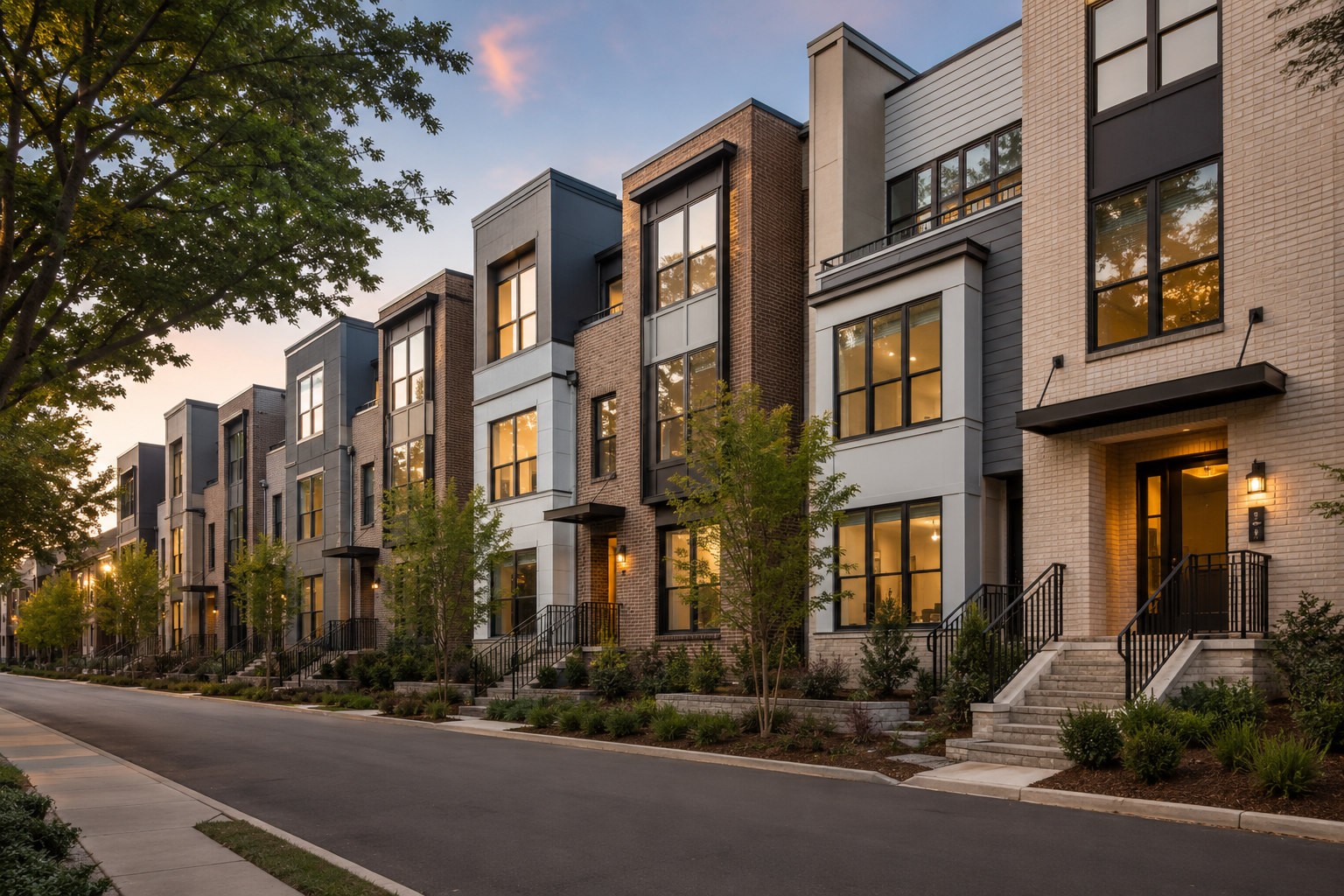
Roughly $550,000 to $750,000. At the lower end of the Lake Claire range, you are most often looking at townhomes, particularly the newer townhome communities along the DeKalb Avenue corridor at the southern edge of the neighborhood, or smaller, older homes that may need updating. Two- and three-bedroom townhomes built in the 2000s and 2010s frequently land in this band. For buyers who want the 30307 location and the school zoning without a single-family-home price, these townhomes are often the entry point. They appeal especially to first-time buyers, professionals who want intown proximity, and buyers who want to be in the neighborhood without taking on the maintenance of an older single-family home. The tradeoff is the obvious one: less land, less privacy, and in some cases proximity to the busier DeKalb Avenue corridor. For the right buyer, that tradeoff is well worth it.
Roughly $750,000 to $1,100,000. This is the heart of the Lake Claire single-family market. In this range you are typically looking at renovated bungalows, mid-century cottages, and Foursquares with three to four bedrooms, or newer infill homes that need some finishing. Condition varies widely. A move-in-ready, fully renovated bungalow on a good street will sit toward the top of this band or above it. A home that needs work, or sits on a less desirable lot, will fall toward the bottom.
Roughly $1,100,000 and up. The upper tier of Lake Claire is larger newer-construction homes and substantially expanded historic homes, often with four or five bedrooms, finished basements, and significant square footage. New infill builds on larger lots, and major renovations of older homes, can push well past $1.5 million. Buyers at this level are usually choosing Lake Claire over comparable spend in Druid Hills, Morningside, or Decatur, and the tradeoffs between those neighborhoods are worth thinking through carefully.
One specific dynamic to understand: because of Atlanta's 75-foot stream buffer regulations, some homes in Lake Claire that sit near creeks are limited in how they can be expanded, and a number of newer homes were built on the original footprint of older structures for exactly this reason. If you are buying with an eye toward expanding later, this is a question to ask early, before you are under contract.
Getting Around: Commutes and BeltLine Access from Lake Claire
Lake Claire's location is one of its strongest selling points, but I always give buyers honest, rush-hour numbers rather than the optimistic off-peak version.
Downtown Atlanta: Roughly 10 to 15 minutes off-peak. During the morning rush, 7 to 9 AM, expect 20 to 30 minutes depending on your exact destination and route. Downtown is genuinely close from here.
Midtown Atlanta: Roughly 12 to 18 minutes off-peak, and 25 to 35 minutes in heavy morning traffic. Ponce de Leon Avenue and the connector are your main routes.
Emory University and the CDC: This is one of Lake Claire's quietest advantages. Emory's main campus and the CDC are only a few miles north through Druid Hills, typically a 10-to-20-minute drive. For the significant number of intown households connected to Emory, this is a major reason Lake Claire and the surrounding neighborhoods stay in demand.
Hartsfield-Jackson Atlanta International Airport: Roughly 25 to 35 minutes via I-20, longer during peak periods. Reasonable for an intown neighborhood.
Decatur: Five to ten minutes. Downtown Decatur and its square are essentially next door, which expands your everyday dining, shopping, and grocery options considerably.
For transit, Lake Claire is served by the MARTA rail system through two nearby stations: the Edgewood-Candler Park station and the East Lake station, both on the Blue Line. Neither is in the immediate walking radius of most Lake Claire homes, so transit-dependent buyers should verify the actual walk or drive from any specific address. DeKalb Avenue, which forms the southern boundary of the neighborhood, is a major east-west corridor and a primary route in and out.
On the BeltLine, set expectations correctly. Lake Claire does not sit directly on a completed, paved BeltLine trail segment the way some westside and southside neighborhoods now do. What it has is connectivity. The PATH Freedom Park Trail runs through the broader Candler Park and Freedom Parkway area and provides a low-stress walking and cycling connection toward the BeltLine and Midtown. The BeltLine's eventual Eastside extensions continue to develop, and Lake Claire's position just off the Candler Park edge means residents are well placed to use those connections as they come online. If direct, current BeltLine-adjacency is your top priority, you should verify trail proximity for any specific home rather than assuming it.
The honest summary on commuting: Lake Claire works extremely well if your life is oriented toward intown Atlanta, Decatur, or Emory. It works less well if you are commuting daily to the northern suburbs like Alpharetta or Marietta, where you would be fighting traffic in the wrong direction every morning.
Things to Do In and Around Lake Claire
Because Lake Claire itself is almost entirely residential, "things to do" really means the ring of options just outside its borders, and that ring is strong.
The Lake Claire Community Land Trust is the neighborhood's own anchor. Beyond the monthly drum circle, the land trust hosts open mic nights, movie screenings, music festival fundraisers, and community workdays. The garden beds, playground, and walking paths are open green space woven directly into the neighborhood.
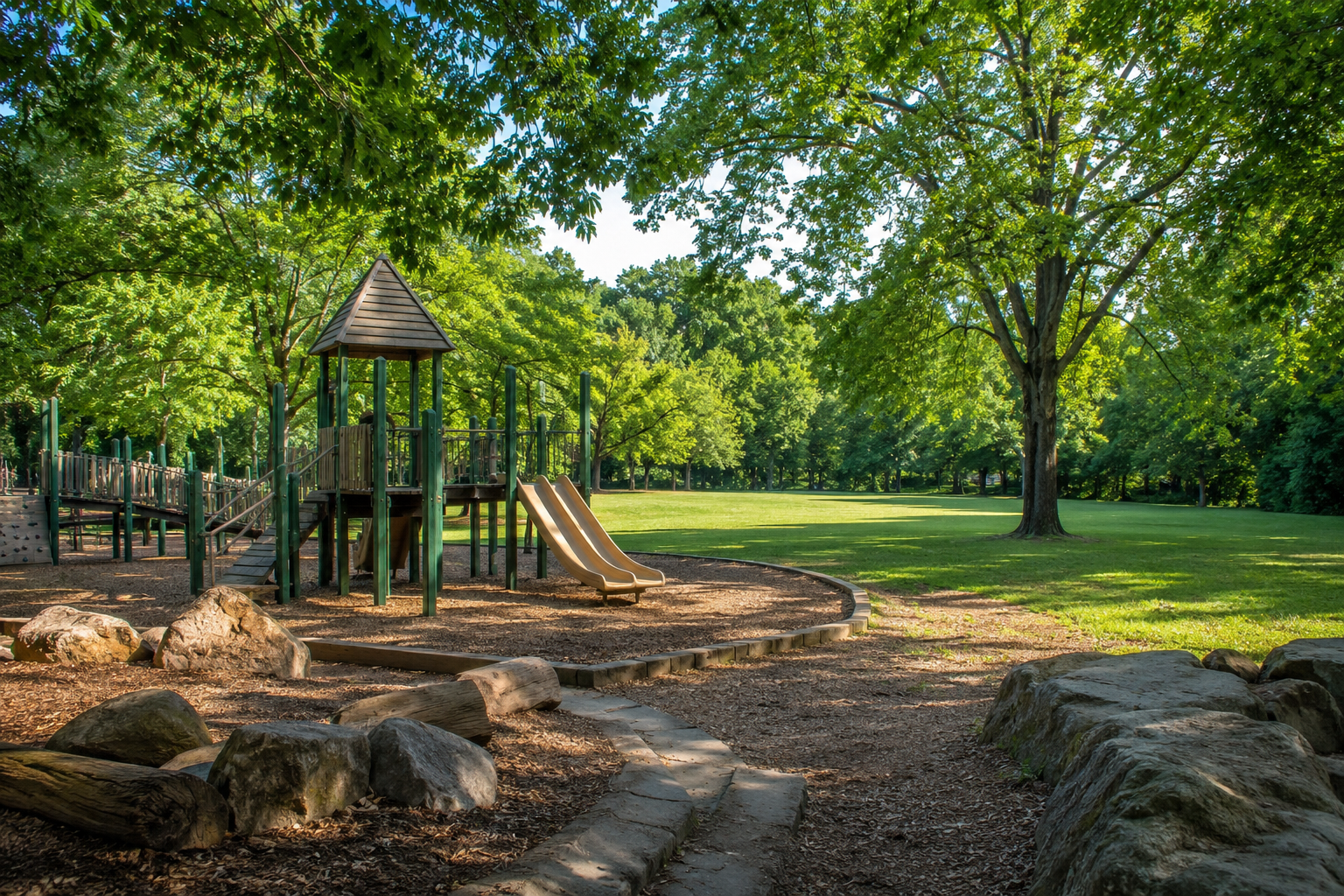
Lake Claire Park is the neighborhood's public park, with a renovated playground, tennis courts, ball fields, and open green space. It is a genuine everyday amenity for families here.
The Candler Park and McLendon Avenue corridor is the closest dining cluster. Local mainstays in and around this edge include Flying Biscuit Cafe, a longtime breakfast and brunch institution, Gato, a small and well-regarded breakfast and lunch spot, and Fellini's Pizza and La Fonda Latina nearby on Ponce de Leon. Dr. Bombay's Underwater Tea Party is a quirky neighborhood tea house. Candler Park Market is the closest small grocery and a true neighborhood store.
Candler Park itself, the green space next door, includes a public golf course, a swimming pool, a playground, tennis courts, and sports fields. It is one of the larger pieces of accessible park space on this side of intown.
Little Five Points is roughly a mile or so away and brings the independent music venues, vintage and record shops, restaurants, and the general counterculture energy that the area is known for. Fox Bros. Bar-B-Q, a destination barbecue spot, is in this orbit.
Downtown Decatur, minutes east, adds a full second downtown's worth of restaurants, the Decatur square, bookstores, and seasonal festivals.
Frazer Forest and the Frazer Center sit at the neighborhood's edge, a stretch of old-growth forest and a center known for inclusive early childhood education and outdoor learning.
The PATH Freedom Park Trail deserves a mention as a recreational amenity in its own right, not just a commuting route. Freedom Park is one of the largest urban parks in Atlanta by land area, a green corridor of trails and open space that connects much of the east side. For Lake Claire residents who run, walk, or cycle, it is a genuine everyday asset, and it links the neighborhood into a much larger network of intown green space and public art.
The practical point for buyers: in Lake Claire you trade an in-neighborhood commercial scene for a quiet residential one, but you are never more than a short walk or a five-minute drive from a deep set of dining, grocery, and entertainment options. That combination, quiet at home and a full menu of options a few minutes away, is the core of what Lake Claire offers and the reason buyers who want it are willing to pay for it.
Schools: The Mary Lin Factor
For a large share of Lake Claire buyers, schools are not a side consideration. They are the reason. So let's be precise about this.
Lake Claire is part of Atlanta Public Schools. The neighborhood has long been associated with the Midtown High School cluster, also historically known as the Grady cluster. The schools generally serving the Lake Claire area are:
Mary Lin Elementary School (grades K-5), located at 586 Candler Park Drive NE in the adjacent Candler Park neighborhood. Mary Lin serves students from Lake Claire, Candler Park, and Inman Park, and it is one of the most sought-after elementary attendance zones in intown Atlanta. The Mary Lin zone is, in my experience, the single biggest driver of family demand for Lake Claire real estate. Families specifically target homes inside this zone, and that demand is built into the prices.
Middle school: Lake Claire's middle school assignment has been affected by APS rezoning in recent years. The area has historically been associated with Inman Middle School, and more recent zoning discussions and changes have involved David T. Howard Middle School. Because middle school assignment is exactly the kind of thing that has shifted, this is not something to take on faith from a neighborhood guide or a listing.
Midtown High School (grades 9-12), located at 929 Charles Allen Drive NE in Midtown, serves the broader cluster that includes Lake Claire, Candler Park, Inman Park, Virginia-Highland, and other intown neighborhoods.
There are also private school options near the neighborhood. The Paideia School, a well-regarded private school serving pre-K through 12th grade, sits within walking distance of parts of Lake Claire. The Frazer Center offers inclusive early childhood education on its forested campus at the neighborhood's edge.
Here is the critical instruction, and I give this to every buyer who is buying for schools: APS attendance zones are assigned at the individual address level, and they have been adjusted in recent years. Two homes a few blocks apart can fall into different zones. Do not rely on a neighborhood-wide generalization, a listing description, or even this post. Verify the exact zoning for any specific property directly with Atlanta Public Schools before you write an offer. Research and visit schools to determine fit for your family. Always verify zoning by specific property address.
Lake Claire Compared: How It Stacks Up Against Nearby Neighborhoods
Lake Claire rarely gets evaluated in isolation. Buyers looking here are almost always also considering one or more of the neighborhoods that surround it. Here is how I frame the comparisons.
Lake Claire vs. Candler Park. These two are the closest comparison, and they share school zoning, ZIP code, and a great deal of their commercial life. The honest difference is character and price entry point. Candler Park has the larger public park with the golf course and pool, a slightly more recognizable commercial edge around McLendon, and a more established "destination" identity. Lake Claire is quieter, more purely residential, and has the land trust as its social anchor. Pricing in both runs high and they often overlap. For many buyers the choice comes down to which specific home, on which specific street, comes available first.
Lake Claire vs. Kirkwood.Kirkwood, directly to the south, gives you a true walkable main street on Hosea Williams Drive and has historically offered a somewhat lower price entry point than Lake Claire, though that gap has narrowed. Kirkwood is also in DeKalb County but is in a different school cluster. Buyers who want a commercial main street they can walk to often lean Kirkwood; buyers focused specifically on the Mary Lin zone lean Lake Claire.
Lake Claire vs. Druid Hills.Druid Hills, to the north, is the Olmsted-designed historic district with larger lots, grander homes, and a generally higher price ceiling. Druid Hills is also split across jurisdictions, with some portions unincorporated DeKalb. If you want scale, formality, and historic grandeur, Druid Hills delivers it. If you want a tighter-knit, more modestly scaled residential neighborhood, Lake Claire is the better fit.
Lake Claire vs. the City of Decatur.Decatur is the major decision point for a lot of families looking in this area, and it is genuinely a different proposition. Decatur is its own incorporated city with its own independent school system, City Schools of Decatur, and its own property tax structure. Lake Claire homes are City of Atlanta and Atlanta Public Schools. Families weighing the two are really weighing two different school systems and two different tax bills, and that comparison deserves a careful, numbers-based conversation rather than a quick generalization.
Lake Claire vs. Morningside-Lenox Park.Morningside-Lenox Park, a bit to the northwest, is another family-oriented intown option with its own strong school association. It is generally a larger neighborhood with a different street feel. Buyers cross-shop these two when they want intown, tree-lined, and family-focused but are flexible on which exact pocket.
Streets and Sub-Areas of Lake Claire
Lake Claire is small enough that there are not really distinct "sub-neighborhoods," but the streets do have their own personalities, and a few patterns are worth knowing.
The core residential streets, names like Hardendorf Avenue, Marlbrook Drive, Leonardo Avenue, Harold Avenue, Claire Drive, Lakeshore Drive, and Connecticut Avenue, carry the heart of the single-family housing stock: the bungalows, Foursquares, cottages, and infill builds that define the neighborhood. The exact mix on any given block varies, and that is part of what makes Lake Claire harder to comp than a uniform neighborhood. A renovated home next to an unrenovated one next to a 2015 build is normal here.
The DeKalb Avenue corridor along the southern edge is where you find most of the newer townhome communities. This is the more accessible price point in the neighborhood and the part of Lake Claire that most resembles standard intown infill development. Buyers should be aware that DeKalb Avenue is a busy through-corridor, so homes closer to it trade some quiet for a lower price and easier access.
Arizona Avenue is worth knowing as the home of the Lake Claire Community Land Trust. Streets near the land trust and near Lake Claire Park put you closest to the neighborhood's two main green spaces.
Because parts of Lake Claire fall within the Candler Park Historic District, and because of stream buffer regulations near creeks, the rules governing renovation and expansion are not uniform across the neighborhood. If your plan involves significantly changing or adding onto a home, the specific street and lot matter, and you should get clarity on the applicable rules before you commit.
Buying in Lake Claire: What to Expect From the Process
If you decide Lake Claire is your target, a few things about the buying process here are worth preparing for.
First, expect to wait for the right home. With only about 1,200 homes and low turnover, there may not be much on the market in your price band and your preferred section at any given moment. Buyers who succeed in Lake Claire usually do two things: they get fully pre-approved and ready to act before they start looking, and they set up alerts so they see new listings the day they hit the market rather than a week later. In a small, competitive neighborhood, timing is often the difference between getting the home and watching it go to someone else.
Second, take the inspection seriously, especially on the older housing stock. A 1925 bungalow and a 2015 infill build are very different inspection conversations. With the older homes, you are looking closely at foundations, the condition of any additions, electrical and plumbing systems, drainage on hilly lots, and the quality of past renovation work. With newer infill, the questions are different but no less important: build quality, the lot it was placed on, and any constraints from the original footprint. A thorough inspection is not a formality here. It is how you avoid an expensive surprise.
Third, understand what you are buying when it comes to renovation potential. If part of your plan is to expand or substantially renovate down the line, the Candler Park Historic District boundaries, the 75-foot stream buffer rules near creeks, and standard City of Atlanta permitting all come into play, and they vary by property. The time to get clarity on what you can and cannot do is before you are under contract, not after. I make sure my buyers ask those questions early.
Finally, be realistic about the negotiating dynamic. Lake Claire is a desirable, supply-constrained neighborhood, and on the right homes you should not expect significant price concessions. The protection for you is not aggressive lowballing. It is disciplined, comp-based pricing and a clear-eyed read on each specific property. That is the work I do with every buyer: making sure the offer reflects what the home is actually worth, so you compete effectively without overpaying.
Who Is Lake Claire Right For?
Lake Claire tends to be the right fit when:
You want a genuinely quiet, residential, tree-covered neighborhood but still want to be intown, not in the suburbs.
The Mary Lin Elementary attendance zone is a priority, and you have verified the zoning for the specific home you are considering.
Your daily life is oriented toward intown Atlanta, Decatur, or Emory rather than the northern suburbs.
You value community institutions and neighborhood involvement, and a place like the Lake Claire Community Land Trust appeals to you.
You appreciate architectural variety and are comfortable with a neighborhood where housing styles and ages mix block to block.
Your budget realistically supports an intown neighborhood with a median around or above the $900,000 mark, whether through a single-family home or one of the more accessible townhomes.
Think carefully about Lake Claire if:
You want a walkable commercial main street inside your own neighborhood. Lake Claire does not have one; you would be walking or driving to Candler Park, Little Five Points, or Decatur.
You are commuting daily to Alpharetta, Marietta, or other northern-suburb job centers. The traffic direction works against you.
You need direct, current, paved BeltLine frontage as a non-negotiable. Lake Claire offers connectivity, not direct adjacency, and you should verify trail access by address.
You are looking for an entry-level intown price point. The townhomes are the more accessible option, but this is not a low-cost neighborhood.
You want a large lot or a grand, formal home. For that scale, Druid Hills is the more natural fit.
Frequently Asked Questions About Living in Lake Claire
Is there actually a lake in Lake Claire? No. There is no lake in Lake Claire and there never was one. The name comes from the intersection of Lakeshore Drive and Claire Drive, two original streets in the neighborhood. Buyers expecting a body of water are often surprised, so it is worth knowing upfront.
What is the median home price in Lake Claire in 2026? Recent data places the median sale price roughly in the $895,000 to $1,000,000 range, depending on the source and time window measured, with price per square foot generally in the $360 to $370 range. Because Lake Claire is a small neighborhood with relatively few sales, these numbers can swing month to month. For an accurate read on a specific home, you need address-level comparables, which I can pull for you.
Why is Lake Claire so expensive? Three main reasons. First, supply is limited, with only about 1,200 homes and low turnover. Second, the Mary Lin Elementary attendance zone drives strong, consistent family demand. Third, the location is hard to replicate, offering a quiet residential setting minutes from Decatur, Little Five Points, and Emory. Together those factors keep prices well above the City of Atlanta median.
What school zone is Lake Claire in? Lake Claire is part of Atlanta Public Schools and has long been associated with the Midtown High School cluster. The area is generally served by Mary Lin Elementary, with middle school assignment affected by recent APS rezoning, and Midtown High School. Attendance zones in APS are assigned by individual address and have changed in recent years, so you must verify the exact zoning for any specific property directly with APS before making an offer.
Does Lake Claire have BeltLine access? Lake Claire does not sit directly on a completed, paved BeltLine trail segment. What it has is connectivity. The PATH Freedom Park Trail provides a low-stress walking and cycling route toward the BeltLine and Midtown, and the neighborhood's position just off Candler Park positions it well for the BeltLine's continuing Eastside development. If direct trail adjacency matters to you, verify it for the specific home.
What is the Lake Claire Community Land Trust? It is a roughly 1.5-acre community green space on Arizona Avenue that neighbors purchased and preserved starting in the mid-1980s. It includes community garden beds, a playground, walking paths, a small pond, and an outdoor amphitheater that hosts Atlanta's longest-running monthly drum circle, a tradition dating to the early 1990s. It is one of the neighborhood's defining institutions and a real reflection of how organized and engaged Lake Claire residents are.
How long do homes stay on the market in Lake Claire? Lake Claire is a competitive market. Days on market have frequently run in the two-to-four-week range, well below the broader City of Atlanta average. Well-priced, move-in-ready homes in the strongest locations can move faster than that. Because the neighborhood is small, the pace can vary, so current conditions are worth checking before you start your search.
Is Lake Claire a good neighborhood for families? It is a popular choice for families, largely because of the Mary Lin Elementary attendance zone, Lake Claire Park, and the quiet residential streets. As with any neighborhood, the right fit depends on your specific priorities, your budget, and confirmed school zoning for the home you are considering. I always encourage families to research and visit schools directly to determine fit.
What types of homes are in Lake Claire? The housing stock is eclectic. You will find 1920s and 1930s Craftsman bungalows, American Foursquares, mid-century cottages, Tudors, and newer infill construction, often mixed within the same block. Newer townhome communities cluster along the DeKalb Avenue corridor at the southern edge of the neighborhood and represent the more accessible price point.
How is the commute from Lake Claire to Downtown or Midtown? Downtown Atlanta is roughly 10 to 15 minutes off-peak and 20 to 30 minutes in the morning rush. Midtown is roughly 12 to 18 minutes off-peak and 25 to 35 minutes in heavy traffic. Lake Claire is also only a few miles from Emory University and the CDC, which is one of its quieter advantages.
What is the difference between Lake Claire and Candler Park? They are neighbors that share school zoning, ZIP code, and much of their commercial life, so the differences are mostly character and feel. Candler Park has the larger public park with a golf course and pool and a more recognizable commercial edge. Lake Claire is quieter and more purely residential, with the land trust as its social anchor. Pricing in both runs high and frequently overlaps.
Should I consider Lake Claire or Decatur? This is a common decision, and it is genuinely a comparison of two different systems. Lake Claire is City of Atlanta and Atlanta Public Schools. The City of Decatur is its own incorporated city with its own independent school system and tax structure. Families weighing the two are really weighing two different school systems and two different property tax bills, which deserves a careful, numbers-based conversation. I am glad to walk through that comparison in detail.
Is Lake Claire a good investment? Lake Claire has shown the characteristics buyers tend to look for in a stable intown market: limited supply, consistent demand driven by school zoning, and a desirable location. That said, it is a higher-priced neighborhood, and any purchase decision should be grounded in current, property-specific data and your own financial picture rather than a general assumption. I can help you evaluate a specific home with that lens.
Thinking About Lake Claire?
Lake Claire rewards buyers who know exactly what they want: a quiet, tree-covered, residential neighborhood inside the city, with strong school zoning and a real sense of community, and a budget that matches an intown market priced well above the Atlanta median. I work with buyers throughout Metro Atlanta, I know how Lake Claire compares to Candler Park, Kirkwood, Druid Hills, and Decatur, and I can give you honest, address-level guidance on pricing and school zoning so you make the decision with real information.
Visit kristenjohnsonrealestate.com or reach out directly. Come as you are, come on home.
Looking for more Metro Atlanta neighborhood guides? I've covered the intown Atlanta cluster in depth, including Candler Park, Kirkwood, Druid Hills, and the City of Decatur. Browse the full guide series at kristenjohnsonrealestate.com.