

Living in South Fulton GA: New City Identity, Affordability & What Homes Cost in 2026
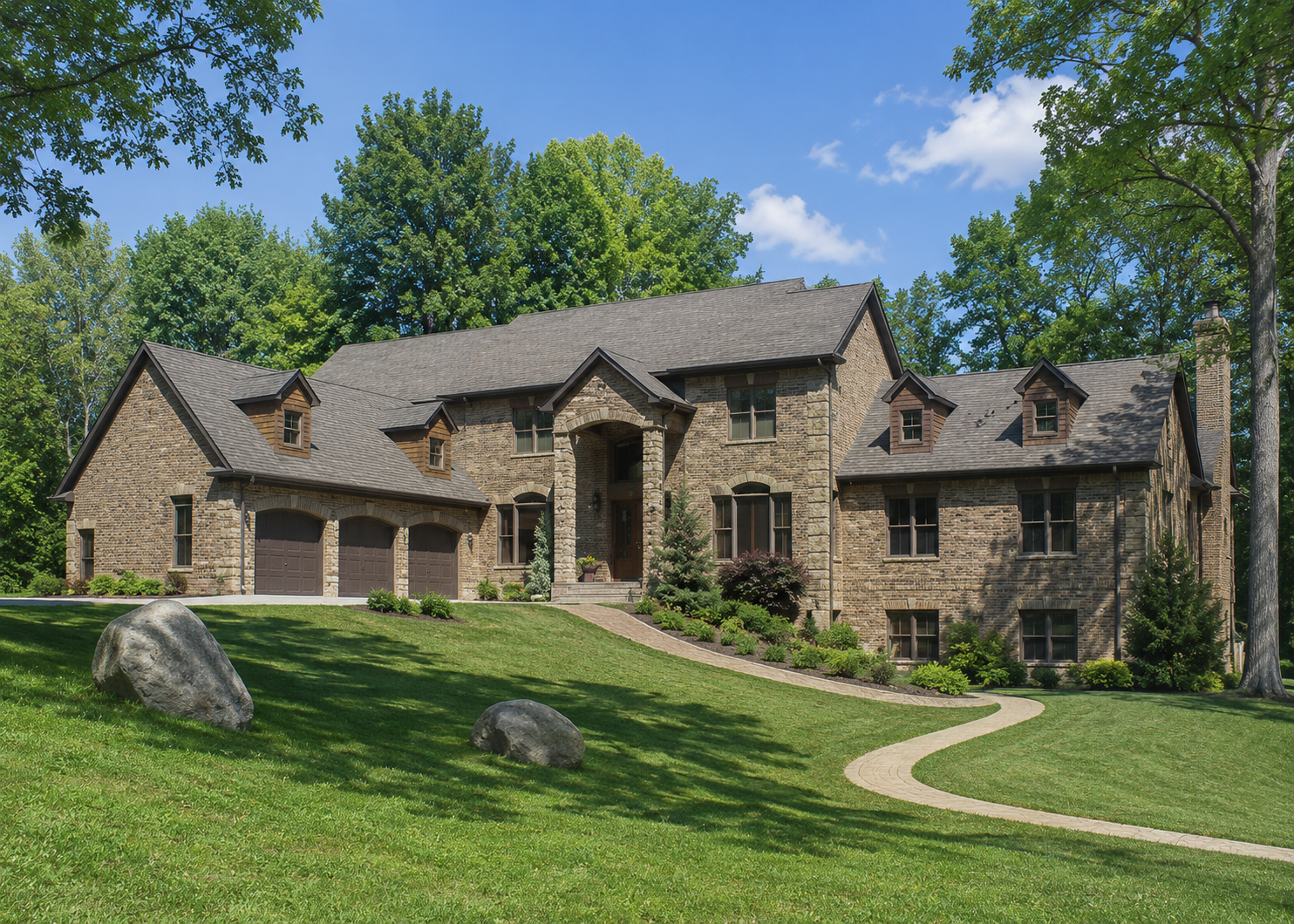
If you've been searching homes in southwest Atlanta and kept seeing two ZIP codes pop up over and over, 30331 and 30349, you've been looking at the City of South Fulton. It's Georgia's newest large city, incorporated in 2017, and at over 115,000 residents spread across more than 90 square miles, it's now one of the largest municipalities in the state. For relocation buyers especially, the confusion is real. Half the listings still say "Atlanta, GA" in the address line because the U.S. Postal Service hasn't fully caught up to the city boundaries. So before we talk about prices, schools, or which corners of 30331 and 30349 hold the higher-end homes, let's clear up what you're actually buying into.
I work with buyers across Metro Atlanta, and South Fulton is a market I know well, not from a Zillow search but from showing homes in Niskey Lake, Sandtown, Cascade, Stonewall Tell, and the new construction communities going up off Camp Creek Parkway. It's a city full of buyers who want acreage, brick-front square footage, and a sub-twenty-minute drive to Hartsfield-Jackson, and they want it for less than what intown Atlanta or North Fulton charges for half the house.
Nearly a decade helping Metro Atlanta buyers means I understand the trade-offs here that the data alone won't surface: which subdivisions hold value, where the new construction price points actually land, and how the City of Atlanta versus City of South Fulton school zoning splits inside a single ZIP code can change everything about which house you should pursue.
Here's what you need to know.
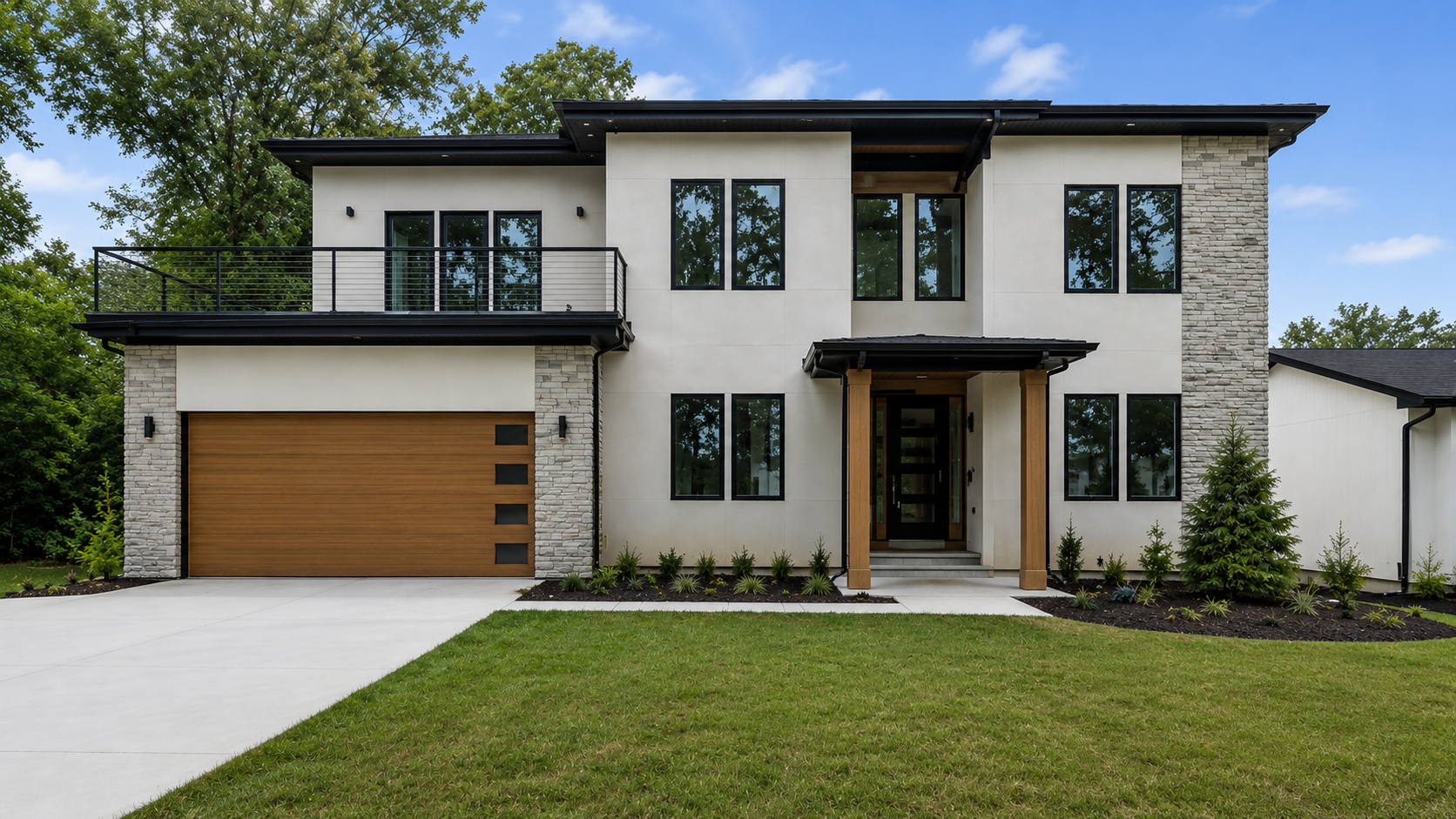
What Is the City of South Fulton, and What's Inside 30331 and 30349?
The City of South Fulton was created by referendum and officially incorporated on May 1, 2017, pulling together a large swath of previously unincorporated southwest Fulton County. The chartered city includes the communities of Red Oak, Cooks Crossing, Stonewall, Tell, Fife, part of Campbellton, Ben Hill, Sandtown, Cliftondale, and Peters Woods, and all remaining unincorporated land in southwest Fulton County with the exception of the Fulton Industrial Boulevard corridor. In January 2026, Mayor Carmalitha Gumbs was sworn in as the first woman to serve as mayor since the city's incorporation, alongside a new council, marking what city leadership has called a new era for the municipality.
Here is the part that trips buyers up. The 30331 ZIP code straddles two cities. Part of it sits inside the City of Atlanta (with Atlanta Public Schools zoning), and part of it sits inside the City of South Fulton (with Fulton County Schools zoning). The 30349 ZIP is more clearly weighted toward the City of South Fulton, but again, some addresses fall under the City of Atlanta. This is why two listings five minutes apart can attend completely different high schools, sit under different city governments, and even carry different tax structures. When I tour clients here, I verify city limits and school attendance zone by exact property address before we ever write an offer. Never assume based on the ZIP.
The city's character is built around three things: significantly more affordable square footage than intown or North Fulton, large lots with mature tree canopy, and direct proximity to Hartsfield-Jackson Atlanta International Airport, which is roughly fifteen to twenty minutes from most South Fulton addresses. The city spans over 90 square miles, offering a unique blend of urban and rural landscapes, including the largest expanse of undeveloped land on the southern edge of metro Atlanta. That undeveloped land matters. It's why builders are still able to deliver new construction on one-acre lots at price points you cannot replicate inside the perimeter.
The other thing the city has that few of its peers can claim: a deep, established cultural and political identity. Communities along Cascade Road and inside the Sandtown and Cliftondale neighborhoods have been home to generations of Black professional, civic, and creative leadership in Atlanta. Former mayors, civil rights leaders, professional athletes, business executives, and major entertainment figures have lived in this corridor for decades. When I talk to buyers relocating from cities like Washington D.C., New York, or Houston, this is often the part of the South Fulton story that closes the deal for them. The square footage matters. The price per foot matters. But the sense that you're moving into a community with real cultural weight, not a brand-new subdivision with no history, is often what pushes a buyer to choose this side of town over the north side.
What you do not get in South Fulton is intown Atlanta walkability. Most of the city is suburban in feel. You drive to dinner. You drive to the grocery store. The Beltline does not extend out here, although the planned Campbellton Road Bus Rapid Transit and the long-term completion of the Beltline's Westside Trail will eventually change that on the eastern edge of the city. If walkable, restaurant-dense, urban-feeling neighborhoods are non-negotiable for you, look intown. If acreage, square footage, and a manageable commute to the airport and downtown matter more, South Fulton is exactly where you should be looking.
South Fulton Home Prices in 2026: The Honest Numbers
I'll give you the real numbers and where they come from.
According to Redfin's most recent reporting on the South Fulton submarket, the median sale price was approximately $310,000, down 6.1% year-over-year, with a median price per square foot of $141 and homes averaging 75 days on market. That's the citywide median, pulling in everything from entry-level townhomes to estate homes. For broader context, Fulton County as a whole had a January 2026 median sale price of $412,000, up 1.7% year-over-year, with homes averaging 87 days on market.
So South Fulton is selling for roughly 75% of the Fulton County median. That's the affordability story in one number.
But here's what the citywide median hides. South Fulton has real range. You can find a renovated 3-bedroom on a small lot in the $200,000s, and you can also find a 7,000-square-foot custom estate on two acres for over $1.5 million. The 30331 and 30349 ZIP codes both contain the full price spectrum, and the higher-end communities are where most buyers don't realize how much house their money will actually buy.
A few price reference points pulled from recent activity:
Entry level / starter homes: $200,000 to $325,000. Often older ranches on small lots, condos, or townhomes. School zone, age of mechanicals, and renovation status drive most of the variance. This is the tier where I see the most first-time buyers and investors transact.
Mid-tier single-family: $325,000 to $500,000. This is where most buyers transact: 2,500 to 3,500 square feet, often newer construction in established subdivisions like Wolf Creek, Cascade Ridge, or Union Crossing. Many of these homes have basements, two-car garages, and HOA-maintained common areas.
Higher-end / executive homes: $500,000 to $850,000. Larger square footage, often new construction or recently renovated, in communities like Champions Park, Cascade Park, the gated sections near Wolf Creek, and pockets along Niskey Lake Road. This is also the tier where you see custom builds on quarter-acre to half-acre lots with high-end finishes.
Estate / luxury tier: $850,000 to $2 million-plus. Niskey Lake, Le Jardin, the most exclusive sections of Sandtown, and one-acre-plus custom builds. Inventory at this tier is thin, sometimes only a handful of homes citywide at any given moment, which is one reason these properties hold value differently than the broader market.
A note on data: the citywide median is sliding because we're still working through a rate-driven affordability reset that started in 2023 and 2024. South Fulton is not unique in this. Most of southwest Atlanta and intown is showing similar pricing pressure. What's important to understand is that the higher-end South Fulton tier has held up better than the entry-level tier, which is the opposite of what most relocation buyers assume. Entry-level inventory has been hit hardest because the buyer pool at that price point is the most rate-sensitive. The $700,000-plus buyer pool is largely paying with significant equity from a previous sale, often relocating from a more expensive coastal market, and is less affected by mortgage rate movement.
The other data point worth flagging: 30331 and 30349 are two of the strongest rental markets in Fulton County. According to migration analysis, New York homebuyers have searched to move into South Fulton more than any other inbound metro, followed by Los Angeles and Washington. That out-of-state migration is meaningful for two reasons. First, it puts a floor under prices because the buyer pool is broader than just local Atlanta. Second, it sustains rental demand because not every relocation buyer purchases right away; many rent for twelve to twenty-four months first.
For the current month's actual median, days on market, and active inventory specific to your target price point, reach out and I'll pull the live numbers for you.
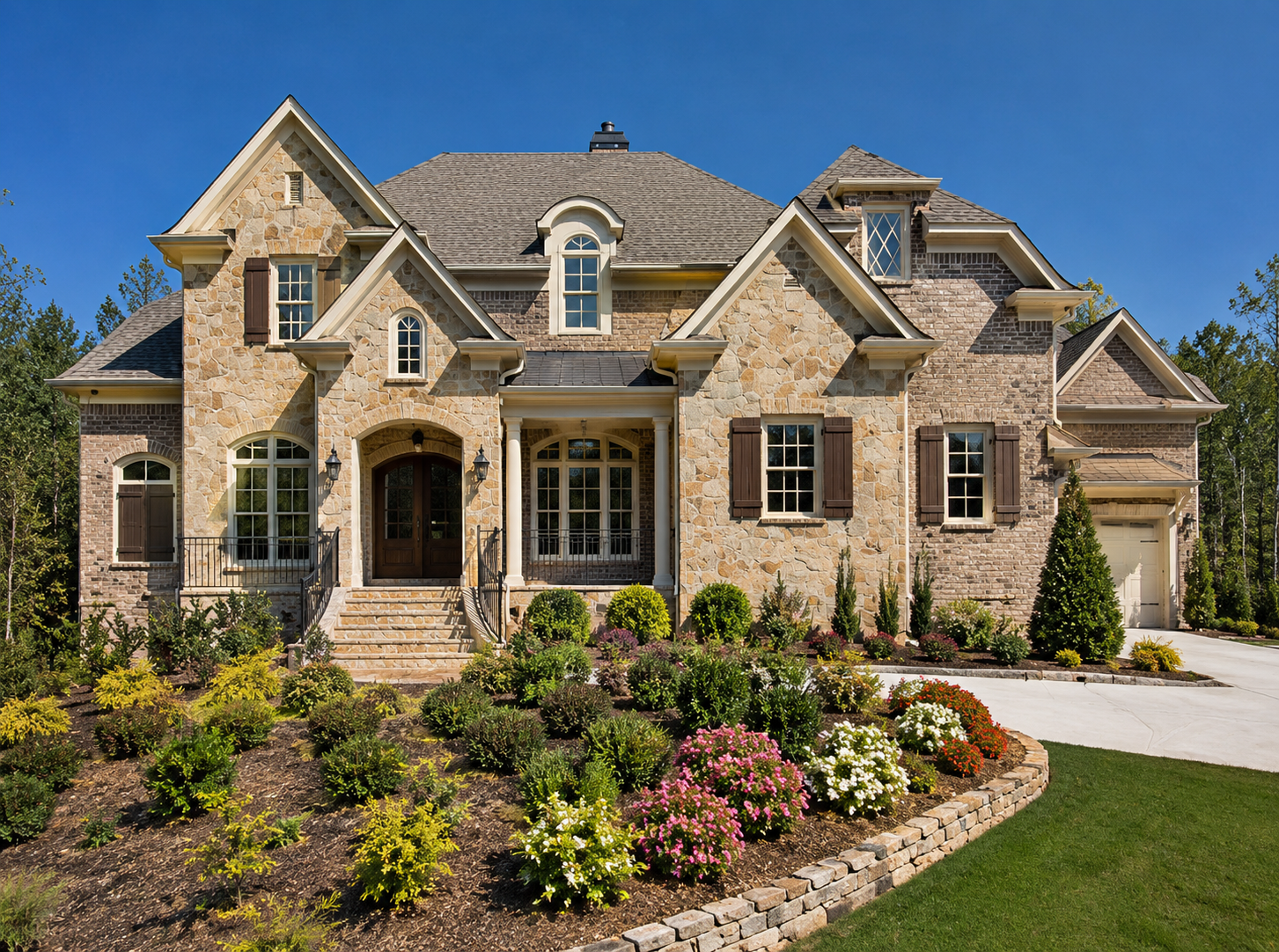
The Higher-End Communities in 30331
When buyers tell me they want a $700,000-plus home in 30331, they're usually circling one of a handful of communities. Here are the ones that matter.
Niskey Lake and Niskey Lake Falls
Niskey Lake is the address. This is the most established higher-end pocket in 30331, sitting just outside the perimeter off Cascade Road. Lot sizes here are large, often a half-acre to two-plus acres, with mature trees and a quiet, almost rural feel despite being fifteen to twenty minutes from downtown. Recent activity has included custom modern new construction at $469,990 for a 3,303-square-foot multigenerational home on Lake Cove Drive, and undeveloped homesites on Lanark Drive available for buyers wanting to build custom on over half an acre surrounded by established luxury residences.
The very top of the Niskey Lake tier sits in the gated enclave of Niskey Lake Falls, plus newer custom-built homes in Wellpointe at Niskey Lake and Elysian Estates. A 4-bedroom, 4.5-bath modern home at 1610 Niskey Lake Road, with 7,239 square feet and a full daylight basement with 15-foot ceilings, has been listed at $1,037,000, with the seller offering to contribute toward closing costs and interest rate buydowns. Comparable new builds in Wellpointe have closed at the $975,000 to $1,000,000 range. These are not cookie-cutter subdivisions. The newer construction here is being built one or two homes at a time on infill lots, which is exactly why pricing is holding.
The streets to know in this pocket: Niskey Lake Road itself, Heatherland Drive, Danforth Road, New Hope Road, Lake Cove Drive, and Lanark Drive. Some sections of Niskey Lake have an HOA; many do not, which is rare for a higher-end Atlanta neighborhood and one of the things buyers either love or find disorienting. The "no HOA" sections give you flexibility on what you build, how you landscape, and how you maintain the property; they also mean less guaranteed consistency on neighboring properties. If consistent curb appeal across every house on the street is critical to you, target the HOA-governed sections specifically.
One detail buyers need to understand: the Niskey Lake address technically sits inside the City of Atlanta limits, not the City of South Fulton, which means Atlanta Public Schools zoning (Deerwood Academy, Bunche Middle, Therrell High) rather than Fulton County Schools. Verify by address. This matters because some Niskey Lake buyers are specifically targeting the Atlanta Public Schools side for the International Baccalaureate program at Therrell, while others want the Fulton County Schools side to be zoned for Westlake. The line between the two cuts through this area, and a half-mile difference in address can put you on either side of it.
Cascade Park and the Cascade Road Corridor
The Cascade Road corridor running west from I-285 toward the South Fulton city limits is the heart of Black professional Atlanta. I cover the legacy in detail in a dedicated section later in this guide, but it bears repeating here as you evaluate real estate: this is one of the most historically significant Black professional and political communities in the country, and the residential market reflects that. The road itself, originally the path of the ancient Sandtown Trail running from Stone Mountain to the Creek village of Sandtown on the Chattahoochee River, has been a major southwest Atlanta artery since long before the city existed.
Once you cross outside the perimeter heading west on Cascade Road, you enter the 30331 portion that mixes Atlanta and South Fulton addresses. Cascade Park, the streets around Regency Center Drive, and the Midwest Cascade area are where you'll find executive homes from the $450,000 to $750,000 range, often on large lots with established landscaping. Midwest Cascade was annexed into the City of Atlanta in 2006 and was the fastest-growing Neighborhood Planning Unit in Atlanta from 2000 to 2010. Cascade Ridge at Niskey Lake, a newer Rockhaven Homes community, has been delivering brick-front single-family homes from the $370,000s to $500,000s with side-entry garages and basements. The pricing here is being held in part by limited new construction inventory; Cascade Ridge has been one of the few active developments delivering at this price point along the corridor.
Streets and subdivisions to know along the western Cascade corridor: Niskey Lake Road, Cascade Park Drive, Regency Center Drive, Heatherland Drive, Lanark Drive SW, and the smaller streets feeding off County Line Road as Cascade approaches the I-285 boundary. Buyers in this part of the corridor often tell me they want to be "on Cascade" specifically, meaning they want a home with a Cascade Road, Niskey Lake Road, or feeder-street address as part of their identity in the city. That's not unusual. It's the address.
Summer Estates, Le Jardin, and the Custom-Build Pockets
The 30331 luxury tier also includes smaller enclaves that don't show up in citywide data because they transact too rarely. Summer Estates holds a handful of one-acre-plus traditional and modern homes. Le Jardin, off the south end of the ZIP, has delivered all-brick executive homes in the $700,000 to $1 million-plus range. These are the listings I send to clients moving in from out of state who tell me, "I'm coming from a 5,000-square-foot house and I'm not downsizing." South Fulton can deliver that footprint at a price intown Atlanta no longer offers.
The Higher-End Communities in 30349
The 30349 ZIP runs further south and west, anchored by Camp Creek Parkway, Stonewall Tell Road, and the Wolf Creek area. This is where you'll find the newest construction, the largest gated subdivisions, and proximity to Hartsfield-Jackson.
Wolf Creek / Wolf Creek Country Club
Wolf Creek is the country club community in this part of South Fulton, anchored by Wolf Creek Golf Club, a municipally-affiliated 18-hole course. The subdivisions around the course, including Wolf Creek and Wolf Creek Estates, hold larger executive homes from the $400,000s to mid-$600,000s, with the higher tier reaching $800,000-plus for the largest brick-fronts on the course. A 4-bedroom, 2,843-square-foot home at 3123 Wolf Club Drive SW, built in 2003 and recently remodeled, has been listed at $430,000, zoned to Stonewall Tell, Sandtown, and Westlake. The Wolf Creek section is one of the most consistent value plays in 30349: high-ceiling, two-story foyers, gourmet kitchens, basement lots, and golf course proximity at a fraction of what comparable golf community homes cost in North Fulton.
The streets to know inside Wolf Creek include Wolf Club Drive, Wolf Creek Drive, Wolf Trail, Wolf Creek Boulevard, and the cul-de-sacs running off the main course access roads. Many of these homes back directly to fairways or wooded buffer zones. Lot sizes typically run from a quarter-acre to half-acre, though some of the older custom builds in the area sit on a full acre or more. The course itself is a relatively well-maintained public-access option that has hosted Georgia state tournaments, and the surrounding clubhouse and amenities make Wolf Creek one of the few golf-anchored residential communities in southwest Atlanta. For buyers who want a true country club lifestyle, this is essentially the only address in the area that delivers it at this price point.
Sandtown
Sandtown is one of the oldest community names in this part of Fulton County. The name itself traces back to the Creek village of Sandtown on the Chattahoochee River, which gave its name to the trail that later became Cascade Road. The neighborhood today, sitting in the heart of 30349, is full of mid-century contemporaries, custom builds on acre-plus lots, and quiet cul-de-sacs that feel a world removed from the airport corridor. A 4-bedroom, 3-bath contemporary on 1.2 acres in the heart of Sandtown, brought back to life through a designer-led restoration and including a pool, recently came to market as a creative renovation project. Sandtown sits behind a heavy tree line off Old Bill Cook Road and Enon Road, and the larger custom homes here trade in the $600,000 to $1.2 million range when they come up.
Sandtown is where many of the South Fulton estate-tier homes actually live. The lot sizes are larger than what you'll find in Wolf Creek or even most of Niskey Lake. One-acre, two-acre, and occasionally five-acre properties show up here when they come to market, which is rarely. Many of these homes were custom-built in the 1980s and 1990s by Atlanta-area Black professionals who wanted privacy, space, and a southwest Atlanta address. They're now turning over to a second generation of buyers, often relocators, who recognize the value of acreage at this price point.
The streets to know in Sandtown include Wolf Trail, Enon Road, Old Bill Cook Road, Sandtown Road itself, and the cul-de-sac sections branching off these arteries. Sandtown is zoned almost entirely to Westlake High School, with Sandtown Middle School as the feeder. Sandtown Middle is also the feeder for many of the Niskey Lake and Cascade Ridge homes, which means students from a wide geographic area converge here.
Champions Park
Champions Park is one of the newer high-end subdivisions in 30349, with all-brick executive homes on substantial lots. A 5-bedroom, 4.5-bath modern transitional home in Champions Park, built by Atlanta custom builder Samkins Construction Inc., with 5,046 heated square feet, a three-car side-entry garage, and a full unfinished walkout basement, is set for completion in April 2026. This is the tier that competes directly with what you'd find in newer East Cobb or South Forsyth construction, but at meaningfully lower per-square-foot pricing.
Ruby Creek Estates and Artistry at Le Jardin
Ruby Creek Estates is a Stephen Elliott Homes community with twenty-five homesites on one-acre lots zoned to Westlake High School. The Wynward and Brookdale plans deliver five-bedroom, four-bath homes with luxury LVP, 42-inch cabinetry, and the kind of finishes that hold appraised value. Artistry at Le Jardin is another all-brick executive community in this pocket, and both communities are roughly twenty minutes from downtown Atlanta and Hartsfield-Jackson.
Camp Creek Village and Stonewall Tell Pockets
Camp Creek Parkway is the spine of 30349, running east from I-285 out toward Union City. Around the parkway you'll find Camp Creek Village, Stonewall Tell area subdivisions, and a long list of newer-build communities priced from the $300,000s to mid-$500,000s. Bedford Estates, Cherry Hills, and Camp Creek Village all fall into this band. Buyers who want the convenience of Camp Creek Marketplace shopping (Costco, Target, restaurants), an easy I-285 commute, and a brand-new build with builder warranties tend to land here.
Getting Around: The Honest Commute Numbers
Proximity to Hartsfield-Jackson is the single biggest geographic advantage of living in 30331 and 30349. If you fly often, work in airport-adjacent corridors, or have a hybrid schedule that involves downtown three days a week, this matters. Here are the realistic drive times.
Hartsfield-Jackson Atlanta International Airport: 12–20 minutes from most South Fulton addresses, off-peak. Peak morning rush adds 5–10 minutes.
Downtown Atlanta: 18–25 minutes off-peak via I-285 to I-20, or via Cascade Road through southwest Atlanta. Morning rush from 30349 can push 35–40 minutes.
Midtown: 22–30 minutes off-peak. Morning rush 35–45 minutes.
Buckhead: 25–35 minutes off-peak. This is the longer trip. Morning rush will hit 45–55 minutes if you're crossing the Connector.
Perimeter / Sandy Springs: 35–45 minutes off-peak, longer in rush.
Tyler Perry Studios (former Fort McPherson, East Point): 10–15 minutes.
The main highways serving South Fulton are I-285 (the Perimeter, forming the city's eastern boundary), I-20 (running east-west and providing the fastest route to downtown), and South Fulton Parkway (Highway 14 / Highway 92), which runs southwest from the airport to Palmetto and Fairburn. The major surface arteries are Cascade Road, Campbellton Road, Camp Creek Parkway, Stonewall Tell Road, and Old National Highway.
MARTA rail access in South Fulton is limited to the airport rail line at the College Park, East Point, and Lakewood/Fort McPherson stations, all on the edges of the city. MARTA bus service runs throughout South Fulton, but most residents drive. The planned Campbellton Road Bus Rapid Transit (BRT) line, which has been in regional transit planning for several years, is the project to watch. If and when BRT delivers, it will meaningfully change commute options for the Cascade Road and Campbellton corridor.
The honest summary: South Fulton works exceptionally well for anyone who flies frequently, works hybrid downtown, or is at Tyler Perry Studios. It works less well if your daily commute is to Buckhead, Sandy Springs, or further north. Most of my buyers in this area are doing one of three things: flying frequently for work, working hybrid downtown two or three days a week, or working remote with occasional in-office days. The buyers who struggle are the ones with a daily Buckhead or Perimeter commute, because the Connector traffic combined with the geographic distance adds up to a serious daily time cost.
One more practical note: South Fulton has plenty of road infrastructure, but you should know that surface road traffic on Cascade, Campbellton, and Camp Creek can be heavy at school release times (between 3:00 PM and 4:30 PM) because of the volume of schools served by these arteries. If you have a tight school pickup window, factor that into your house search.
Schools: How the Zoning Actually Works
This is where I have to be especially careful, because in South Fulton, school zoning is genuinely complicated and varies street by street.
The City of Atlanta portion of 30331 (which includes Niskey Lake and parts of Cascade Road) is zoned to Atlanta Public Schools, with high schools typically being D.M. Therrell High School. Niskey Lake addresses generally fall into the Deerwood Academy, Bunche Middle, Therrell High pathway. Therrell is an Atlanta Public Schools high school offering an International Baccalaureate program.
The Fulton County Schools portion of 30331 and most of 30349 is zoned to Westlake High School. Westlake is a four-year comprehensive public high school in South Fulton, accredited by the Georgia Department of Education and the Southern Association of Colleges and Schools, serving 2,156 students in grades 9–12 with a 91% graduation rate, compared to the Georgia state average of 84%. Westlake has an AP participation rate of 41%, and U.S. News & World Report has ranked it 122nd within Georgia. Westlake also operates a Math/Science Magnet Program designed to prepare students for STEM career fields, and students wishing to participate in the magnet program must live in Fulton County and meet specific academic criteria, including having taken Algebra I in 8th grade.
Other Fulton County Schools serving 30349 and the South Fulton portion of 30331 include:
Westlake High School (primary South Fulton high school)
Sandtown Middle School
Camp Creek Middle School
Stonewall Tell Elementary
Wolf Creek Elementary
A note on private and charter options: Woodward Academy in nearby College Park is one of the largest independent K-12 schools in the country and is within fifteen minutes of most South Fulton addresses. Several charter options also serve the area, including Fulton Leadership Academy.
Always verify your specific address's school assignment before writing an offer. Fulton County Schools and Atlanta Public Schools both publish school finder tools, but I confirm by exact address through the district before we commit. Research and visit schools to determine fit for your family.
Things to Do and the Day-to-Day Texture
The day-to-day rhythm of life in South Fulton has changed considerably in the last five years. A few anchor points:
Camp Creek Marketplace at the eastern end of Camp Creek Parkway is the major shopping and dining anchor for the city, with Costco, Target, Home Depot, Bed Bath & Beyond, and a long list of national chain restaurants. It's where most South Fulton residents go for big-box and weekly errands. The Marketplace continues to expand, with new tenants coming online steadily over the last several years.
Cascade Springs Nature Preserve sits on the Atlanta side of Cascade Road but is heavily used by South Fulton residents. It's a 125-acre preserve with hiking trails and Atlanta's only natural waterfall. The preserve was protected from urbanization in the 1970s when Atlanta's first Black mayor, Maynard H. Jackson Jr., and a committee of local citizens worked together to bring the land into public ownership, securing it as a public greenspace for generations.
Wolf Creek Golf Club in 30349 is a public-access 18-hole course used heavily by area residents. It hosts tournaments and league play throughout the year.
John A. White Golf Course, just inside the Atlanta city limits off Cascade Road, is a public 9-hole course that has been operating since 1929. Affordable green fees, walkable layout, and a long history make it a favorite local option for casual players.
Tyler Perry Studios at the former Fort McPherson, in adjacent East Point, has been one of the largest catalysts for southwest Atlanta investment over the last decade. It directly employs thousands and indirectly supports a significant local creative economy. South Fulton has become a residential market of choice for many of the production crews, talent, and creative professionals working at Tyler Perry, which has shaped the demographics of the area's higher-end buyer pool.
The planned Six West development in adjacent College Park is the largest single mixed-use project in the region. Six West is a $1.5 billion mixed-use development on reclaimed residential land west of Hartsfield-Jackson, with plans calling for 3 million square feet of office space, up to six hotels, 548,000 square feet of retail, and 450 residential units including apartments, townhomes, and single-family and senior living residences. Delivery timelines have shifted, but Six West will be transformative for the south side when it executes. The infrastructure investment supporting Six West, including a new road built by the city, has already shifted the corridor.
The Welcome Center at 4800 Campbell Drive, broken ground by the City of South Fulton in March 2026, is intended to serve as a central gathering place connecting residents and visitors to the past, present, and future of the City of South Fulton's historic district. It is one of several civic projects the new mayoral administration has prioritized.
The Southwest Arts Center on Cascade Road hosts community events, including acting and improv classes, performances, and arts education programs.
Restaurants and small businesses worth knowing: Original Big Daddy's Dish for soul food, Buzz Coffee and Wine on Cascade Road, Spice House for Caribbean (located in a converted gas station off Cascade Road), J.R. Crickets at Cascade and Benjamin E. Mays Drive, and the growing restaurant scene at Camp Creek Marketplace. The Cascade Heights Historic Commercial District at the intersection of Benjamin E. Mays Drive and Cascade Road is the long-time commercial anchor of southwest Atlanta and continues to draw new restaurants and retail. Banking, retail, CVS Pharmacy, and a mix of locally owned eateries cluster here, with the area's second-highest tree canopy coverage in the City of Atlanta surrounding the commercial corridor.
The Beltline's Westside Trail, while not yet extending into the heart of South Fulton, is gradually pushing west and will eventually reach the Cascade Springs area, which will reshape commercial development in the corridor. That extension is years out but it's the kind of long-horizon investment that affects long-term property values.
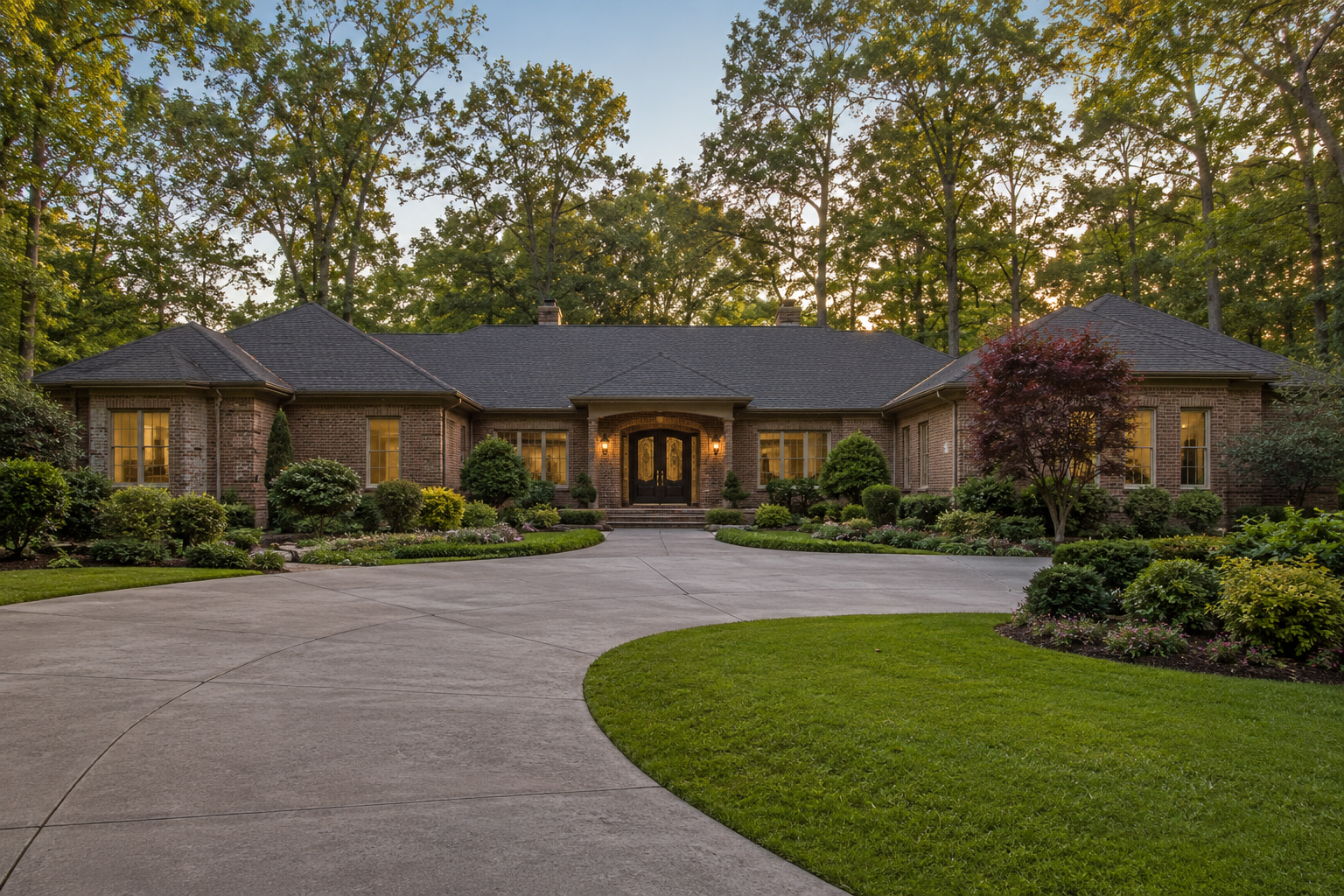
A Legacy of Black Atlanta: Why Cascade and Southwest Atlanta Matter
If you're buying a home in 30331 or 30349, you're moving into one of the most consequential Black communities in American history. This is not a marketing line. It's the documented record of the corridor, and it's part of what you're investing in when you buy here.
The Cascade Road corridor and the surrounding southwest Atlanta neighborhoods have been home to generations of Black political, intellectual, and cultural leadership. Dr. Benjamin E. Mays, longtime president of Morehouse College and a mentor to Dr. Martin Luther King Jr., lived in this area. His name is carried by Benjamin E. Mays Drive, which intersects Cascade Road at the heart of the historic commercial district. Maynard H. Jackson Jr., Atlanta's first Black mayor, made his home here and worked through this community to protect Cascade Springs Nature Preserve from urbanization in the 1970s. Andrew Young, civil rights leader, former U.N. Ambassador, and former mayor, has been a longtime Cascade resident. Shirley Franklin, Atlanta's first Black woman mayor, has lived in the corridor. Hank Aaron called Cascade home. C.A. Scott, founder of the Atlanta Daily World (one of the oldest Black-owned newspapers in the country), lived in this community. Reverend C.T. Vivian, civil rights leader and SCLC strategist, was also a Cascade resident.
These were not coincidences. The corridor became this kind of community through deliberate organizing. In 1962 and 1963, when Mayor Ivan Allen ordered barricades erected on Peyton Road and Harlan Road to restrict Black homebuyers from accessing Cascade Heights from Gordon Road (now M.L. King Drive), it was Black homeowners, civil rights organizations, and a federal court that brought those walls down. The barriers were nicknamed "the Atlanta Wall" and drew national attention before being ruled unconstitutional. After they came down, the Cascade corridor and broader southwest Atlanta became home to the Black professional and political class that has shaped this city for sixty years. That's the ground you're buying into.
The cultural infrastructure follows the same legacy. The Atlanta University Center, anchored by Spelman College, Morehouse College, Clark Atlanta University, and Morehouse School of Medicine, sits just east of the corridor, and many AUC alumni and faculty live in 30331 and 30349. Tyler Perry Studios at the former Fort McPherson, in adjacent East Point, is the largest Black-owned film studio in the country and one of the most significant production facilities in the Southeast. The studio has reshaped southwest Atlanta's residential and commercial market, drawing creative professionals, executives, and talent into Cascade, Niskey Lake, Sandtown, and Wolf Creek. Spelman alumnae are well represented across the corridor's professional community, which (as a Spelman mom myself) is something I notice every time I show homes here.
The City of South Fulton itself reflects this legacy in its governance. In January 2026, Mayor Carmalitha Gumbs was sworn in as the first woman to serve as mayor of the City of South Fulton, alongside a new council. South Fulton also made national headlines after its incorporation as the first city in U.S. history where every department head of the criminal justice system was a Black woman, including the judge, public defender, solicitor, court administrator, and chief clerk. That's the kind of municipal identity you're buying into.
When buyers from out of state ask me why the South Fulton corridor matters beyond the square footage and the airport proximity, this is the answer. You are not buying into a brand-new suburb with no history. You are buying into one of the most established Black communities in the country, with the institutions, the leadership pipeline, the cultural anchors, and the generational wealth to back it up. The home you buy here sits in a neighborhood that has been shaped, defended, and built by Black homeowners and Black civic leadership for decades. That is part of the value.
Nearby Neighborhoods to Compare
Most South Fulton buyers I work with are also considering one or two of these alternatives. Here's how they compare.
South Fulton vs. East Point
East Point sits between South Fulton and the City of Atlanta. It's smaller, denser, closer to the airport, and has its own historic walkable downtown. Pricing is similar at the entry level but East Point doesn't have the larger acreage or new construction estate inventory that South Fulton offers. East Point wins on walkability and historic charm. South Fulton wins on square footage and new construction.
South Fulton vs. Douglasville / Lithia Springs
Crossing west on I-20 into Douglas County, you'll find similar price points and similar lot sizes, but a longer commute to the airport (25–35 minutes versus 15–20) and less of the South Atlanta cultural fabric. Douglasville works for buyers prioritizing West Cobb access or working in west metro. South Fulton works for buyers who want airport proximity and the southwest Atlanta texture.
South Fulton vs. Fairburn / Union City
Fairburn and Union City sit just south of South Fulton along Highway 138 and Highway 92. Both are smaller, have their own city governance, and offer comparable new construction at similar price points. South Fulton is closer to Hartsfield and intown. Fairburn and Union City offer more rural-feeling acreage.
South Fulton vs. Stockbridge / Henry County
Crossing southeast into Henry County, you'll find more new construction, lower property taxes, but a meaningfully longer commute to downtown Atlanta (35–50 minutes versus 18–25). Henry County wins on taxes and new home inventory. South Fulton wins on commute and proximity to airport employment corridors.
South Fulton vs. Intown Atlanta (Cascade Heights / Adair Park)
This is the most common comparison I get. Buyers who can afford intown often consider Cascade Heights, Adair Park, West End, or Oakland City as alternatives. Intown wins on walkability, Beltline access, and historic homes. South Fulton wins on square footage, new construction, and price per square foot. I've covered several of these intown areas in this series, including Cascade Heights' neighbor West End, Adair Park, and Oakland City on the blog.
Who Is South Fulton Right For?
Based on the buyers I've worked with in 30331 and 30349, South Fulton is the right fit when:
You're flying frequently and want to be 15–20 minutes from Hartsfield-Jackson
You work at or near Tyler Perry Studios, the airport corridor, or hybrid downtown
You want significantly more square footage and lot size than your budget would buy intown
You want new construction or a recently renovated executive home in the $450,000–$900,000 range
You're relocating from a larger market (DMV, NYC, Houston, LA) and your equity goes farther here than it would intown
You want to be part of one of Atlanta's most established Black professional communities along the Cascade corridor
You're an investor: rental yields in 30331 and 30349 have been among the strongest in Fulton County
Think carefully about South Fulton if:
Your daily commute is to Buckhead, Sandy Springs, or further north (you'll fight traffic both ways)
You want a true urban walkable lifestyle with restaurants and shopping at your doorstep
You want intown Atlanta's nightlife or Beltline access as part of your daily routine
You're set on a specific Atlanta Public Schools attendance zone that this area doesn't include
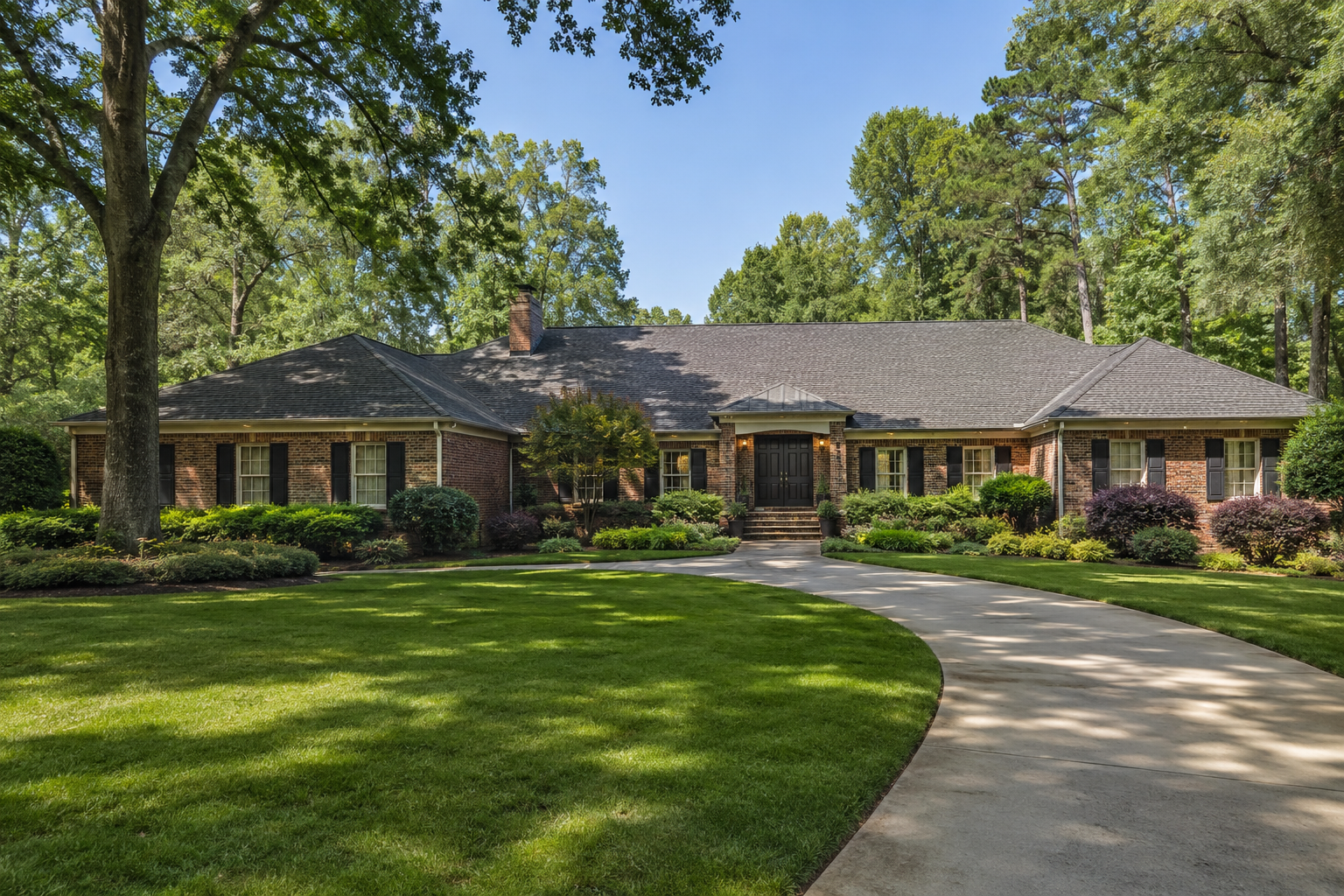
Frequently Asked Questions
Is South Fulton a good place to live? Yes, for the right buyer. The city offers significant value: large square footage, large lots, proximity to Hartsfield-Jackson, and a strong cultural fabric. It works best for buyers who fly often, work hybrid downtown, or are looking for new construction at price points that intown Atlanta no longer offers. It works less well for buyers commuting to Buckhead or further north.
What's the difference between South Fulton and Atlanta in 30331? The 30331 ZIP code straddles two cities. Part of it sits inside the City of Atlanta (with Atlanta Public Schools zoning and Atlanta property tax structure). Part of it sits inside the City of South Fulton (with Fulton County Schools zoning). Two listings five minutes apart can attend different high schools and pay different taxes. I always verify by exact property address before writing an offer.
What's the median home price in South Fulton in 2026? Most recent reporting puts the South Fulton median sale price near $310,000, with citywide range running from the low $200,000s for entry-level homes to $1.5 million-plus for estate-tier properties in Niskey Lake, Sandtown, or Champions Park. For current numbers specific to your target price range, reach out and I'll pull live data.
What are the higher-end neighborhoods in 30331? Niskey Lake (including Niskey Lake Falls, Wellpointe at Niskey Lake, and Elysian Estates), the Cascade Road corridor (including Midwest Cascade and Cascade Park), Summer Estates, and Le Jardin. New construction in this tier typically runs $700,000 to $1.5 million-plus.
What are the higher-end neighborhoods in 30349? Wolf Creek and Wolf Creek Country Club, Sandtown, Champions Park, Ruby Creek Estates, and Artistry at Le Jardin. The Wolf Creek section is the most consistent country-club-style executive inventory. Sandtown holds the largest custom-built acre-plus homes.
What high school does South Fulton attend? Most of the City of South Fulton is zoned to Westlake High School (Fulton County Schools). The City of Atlanta portion of 30331 is zoned to D.M. Therrell High School (Atlanta Public Schools). Always verify by exact property address.
How long is the commute from South Fulton to downtown Atlanta? Off-peak, 18–25 minutes via I-285 to I-20. Morning rush from 30349 can push 35–40 minutes. To Hartsfield-Jackson Airport, the drive is typically 12–20 minutes from most South Fulton addresses, making it one of the closest residential markets to the airport in Metro Atlanta.
Is South Fulton a good investment? Rental yields in 30331 and 30349 have historically been among the stronger sub-markets in Fulton County, driven by airport-adjacent rental demand, Tyler Perry Studios employment, and lower entry pricing relative to Fulton County's median. Investors should run market-specific cap rate analysis on their target ZIP and price tier.
Is new construction available in South Fulton? Yes, significantly. The city has the largest expanse of developable land on the southern edge of Metro Atlanta. Active new-construction communities include Cascade Ridge at Niskey Lake (Rockhaven Homes, $370,000s–$500,000s), Ruby Creek Estates (Stephen Elliott Homes, one-acre lots), Whisper Creek (starting in the high $300,000s), Champions Park ($800,000s–$1 million-plus), and Wellpointe at Niskey Lake (custom new construction at $900,000-plus).
Is South Fulton safe? Like any large city, conditions vary by neighborhood. The higher-end residential communities in 30331 and 30349 (Niskey Lake, Sandtown, Wolf Creek, Champions Park, the Cascade corridor) have historically had lower property crime rates than the citywide average. Specific data is available through Fulton County Police, South Fulton Police, and the FBI's Uniform Crime Reporting program. I always recommend buyers spend time in any neighborhood at multiple times of day before committing.
Does MARTA serve South Fulton? MARTA rail does not run through the City of South Fulton itself, but the airport rail line stops in adjacent College Park, East Point, and Lakewood/Fort McPherson stations on the edges of the city. MARTA bus service runs throughout South Fulton, and the planned Campbellton Road Bus Rapid Transit (BRT) line is in regional transit planning.
What's the property tax situation in South Fulton? South Fulton residents pay City of South Fulton millage, Fulton County millage, and Fulton County School millage. The combined rate is comparable to other Fulton County municipalities and meaningfully different from City of Atlanta rates (which apply to Atlanta-portion 30331 addresses). Always verify the exact tax structure for your specific address before writing an offer.
Will Six West affect home values in South Fulton? Six West is being developed in adjacent College Park, not inside South Fulton city limits, but its proximity will affect southwest Atlanta home values broadly when the project delivers. The $1.5 billion mixed-use development is planned to include 3 million square feet of office space, up to six hotels, 548,000 square feet of retail, and 450 residential units. Delivery timeline has shifted; track current status before assuming a specific completion date.
Can I buy a luxury home in South Fulton for under $1 million? Yes, and that's one of the reasons buyers come here. A 5,000-square-foot new-construction executive home on a one-acre lot with high-end finishes routinely transacts in the $750,000 to $950,000 range in 30331 and 30349, particularly in Champions Park, Ruby Creek Estates, Wolf Creek, and Sandtown. That same home in East Cobb, Alpharetta, or Buckhead would price at $1.4 to $2 million-plus.
Closing
I work with buyers throughout Metro Atlanta, and South Fulton is one of the markets where local knowledge changes which house you buy. Knowing which side of a ZIP code line a property sits on, which subdivision holds value, and where the genuine higher-end pockets are inside 30331 and 30349 is the difference between a smart purchase and an expensive mistake. If you're relocating, considering South Fulton among several options, or ready to start your search, let's talk.
Visit kristenjohnsonrealestate.com or reach out directly. Come as you are, come on home.
Looking for more Metro Atlanta neighborhood guides? I've covered the Westside Atlanta cluster, including West End, Adair Park, and Oakland City. Browse the full guide series at kristenjohnsonrealestate.com.