

Living in the City of Decatur, GA: What You Need to Know Before You Buy
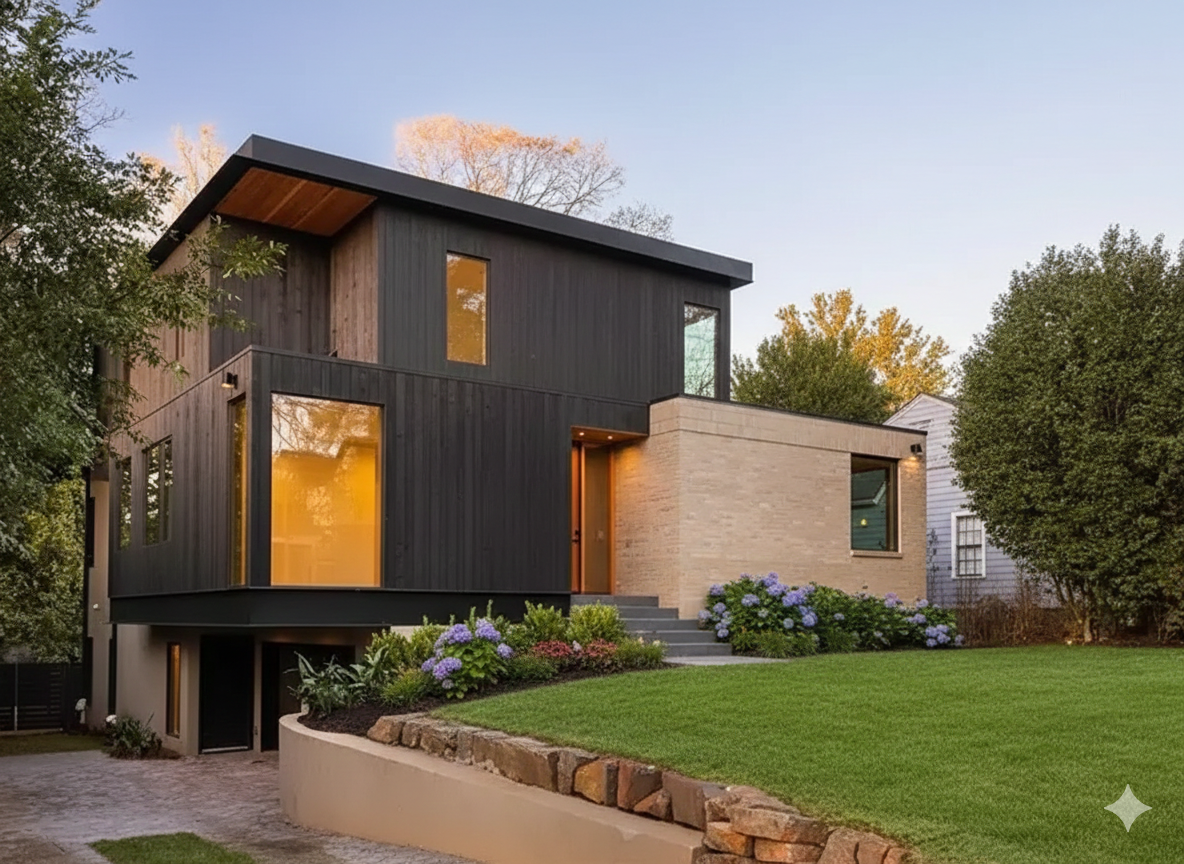
If you've been searching "Decatur GA real estate" online, you've probably noticed something confusing: the numbers don't add up. One source shows a median home price of $289,000. Another shows $635,000. Both claim to be showing you Decatur, Georgia.
This isn't a data glitch. It's the single most important thing to understand before you start your Decatur home search — and getting it wrong will cost you time, money, and a lot of frustration.
There are two very different things people mean when they say "Decatur, GA." The City of Decatur is a small, independent municipality of about 4.2 square miles with its own government, its own school district, and its own tax base. Then there is a much larger area of unincorporated DeKalb County that uses a Decatur mailing address and a 30030 or 30033 zip code but is NOT the City of Decatur. Those are two entirely different markets with different schools, different pricing, and different lifestyle profiles.
I'm Kristen Johnson, a full-time Metro Atlanta real estate agent with Compass. I have nearly 10 years of experience and over $50 million in sales. When buyers ask me about Decatur, the first question I ask is: which Decatur? Because the answer determines everything.
This guide is specifically about the City of Decatur — the 4.2-square-mile incorporated city, zip code 30030, served by City Schools of Decatur. It's one of the most compelling real estate markets in Metro Atlanta, and one of the most misunderstood. Here's what you actually need to know.
The City of Decatur vs. "Decatur Address": Why This Matters So Much
Before anything else, let's settle this clearly.
City of Decatur (30030):
Incorporated municipality, established 1823
4.2 square miles, approximately 25,000 residents
Own city government, own police department, own services
Served by City Schools of Decatur (CSD) — a separate, independent school district
Median sold price: approximately $540K–$635K (2025 data)
DeKalb County's county seat
Unincorporated DeKalb County with Decatur mailing address:
Much larger area surrounding the city
Uses Decatur mailing address but is NOT the City of Decatur
Served by DeKalb County Schools — entirely different district
Median prices significantly lower — $280K–$330K in many areas
Different tax rates, different services, different schools
When Zillow shows you a $294K median for "Decatur, GA," it is aggregating the much larger unincorporated area. When you're looking at homes zoned to City Schools of Decatur, you are in a completely different market.
Why this matters for buyers: If you're searching "Decatur GA homes" on Zillow or Realtor.com without filtering by city boundaries, you will see homes in both markets mixed together. You can spend weeks looking at homes at $350K thinking you're in City of Decatur territory, only to discover those homes are in unincorporated DeKalb with DeKalb County Schools. This is one of the most common points of confusion I help buyers navigate.
The bottom line: if City Schools of Decatur is a priority for your family — and for many buyers it is the primary reason they want Decatur — you need to verify the exact school district for every address you consider. I do this for every client, without exception.
What Is the City of Decatur?
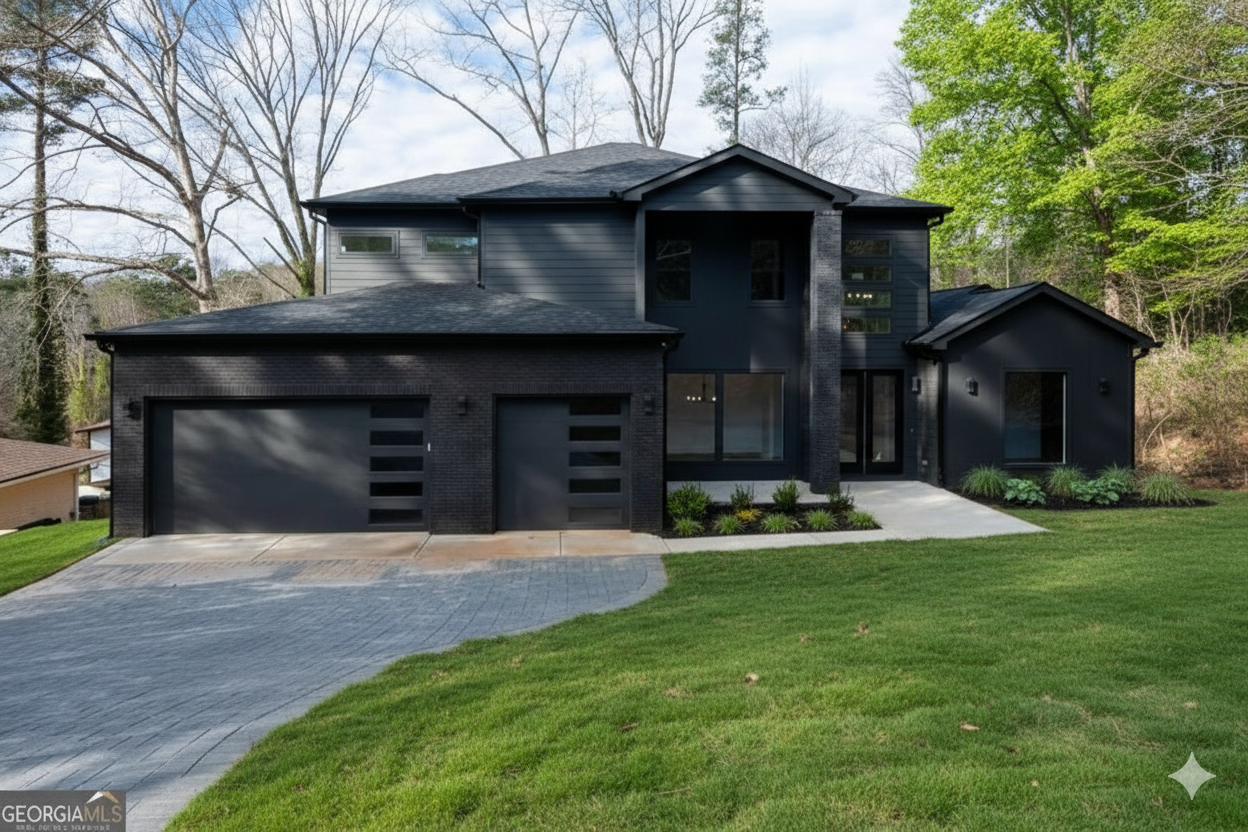
The City of Decatur sits approximately 6 miles east of Downtown Atlanta. It is DeKalb County's county seat and one of the oldest cities in Georgia, incorporated in 1823. Despite being completely surrounded by Metro Atlanta, Decatur has maintained a distinct identity — part college town (Agnes Scott College sits within the city), part walkable urban village, part established residential community with deep neighborhood roots.
Decatur's downtown square is genuine. Not manufactured, not redeveloped into something it isn't — an actual small-city downtown with independent restaurants, boutique retail, a farmers market, live music, and the kind of street life that most Atlanta suburbs have spent decades trying to replicate. The Decatur Square hosts some of the best-attended festivals in the Southeast: the Decatur Book Festival (one of the largest independent book festivals in the country), the Decatur Arts Festival, and AJC Decatur Beer Festival, among others.
MARTA serves Decatur with the Decatur station on the East-West rail line, and the Avondale station sits on the city's eastern edge. For buyers who want genuine transit access — not just theoretical transit access — Decatur delivers. You can realistically commute to Midtown or Downtown Atlanta without a car, which is genuinely rare in Metro Atlanta.
Agnes Scott College is a small liberal arts college for women located directly in Decatur, contributing to the city's intellectual, cultural, and community character. Emory University is approximately 2 miles northwest and is one of the area's largest employers, making Decatur a natural home base for Emory faculty, staff, and affiliated healthcare professionals.
City of Decatur Real Estate Market: The Current Numbers
The data here reflects 30030 zip code / City of Decatur specifically — not the broader Decatur address area.
Current Market Snapshot (2025):
Median sold price (30030): Approximately $603K–$635K (Zillow/Redfin, 2025)
Price per square foot: Approximately $359 (30030, August 2025)
Days on market: Approximately 32–50 days depending on price point and season
Market character: Transitioning from peak seller's market to more balanced conditions
What the numbers tell you: City of Decatur (30030) experienced significant appreciation over the past decade and is now in a period of correction and stabilization. Prices pulled back from peak levels in late 2024 and into 2025, giving buyers more negotiating leverage than they've had in years. Inventory is up, days on market are longer, and the frantic multiple-offer dynamic of 2021–2023 has largely passed.
One important nuance: homes that are genuinely walkable to Decatur Square command a meaningful premium within the 30030 market. The $603K–$635K median reflects the full 4.2-square-mile city. Properties within comfortable walking distance of downtown — particularly in the blocks surrounding the square and in parts of Oakhurst and Glennwood Estates — consistently trade at or above that median. If walkability to the square is a priority, plan for that premium in your budget.
What $500K–$650K buys you: Entry-level City of Decatur. Condos, townhomes, and smaller or older single-family homes that need updating. This is the realistic floor for single-family in 30030, and competition at this range remains active.
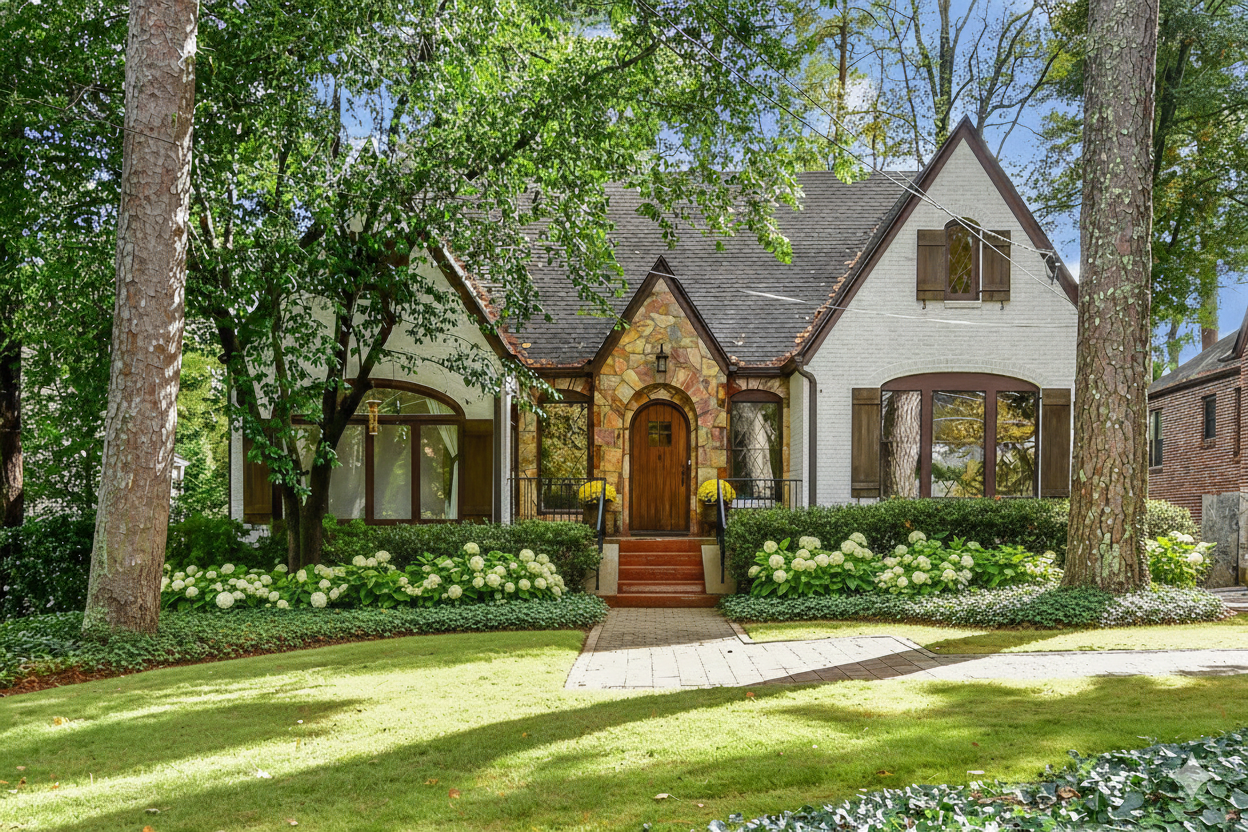
What $650K–$900K buys you: The core City of Decatur single-family market. Renovated craftsman bungalows, Tudor revivals, and well-maintained older homes in Oakhurst, Winnona Park, and Glennwood Estates. Move-in ready condition, established neighborhoods, CSD school access. This is where most of the transaction volume lives.
What $900K–$1.5M+ buys you: Premium and extensively renovated properties — larger footprints, premium lots, high-end finishes, prime proximity to downtown. The top of the City of Decatur market for buyers who want maximum condition, space, and walkability in one package.
Condos and townhomes: Available from approximately $350K–$600K. A realistic entry point for buyers who want CSD school access and walkability at a lower price point than single-family.
Market trend to watch: City of Decatur remains one of the most fundamentally resilient submarkets in Metro Atlanta. Walkability, City Schools of Decatur, MARTA, and community character all provide durable long-term demand. The current correction is from extraordinary appreciation levels, not a signal of weakness in the underlying market. Buyers entering now have options and leverage they didn't have two years ago.
City Schools of Decatur: What Buyers Need to Know
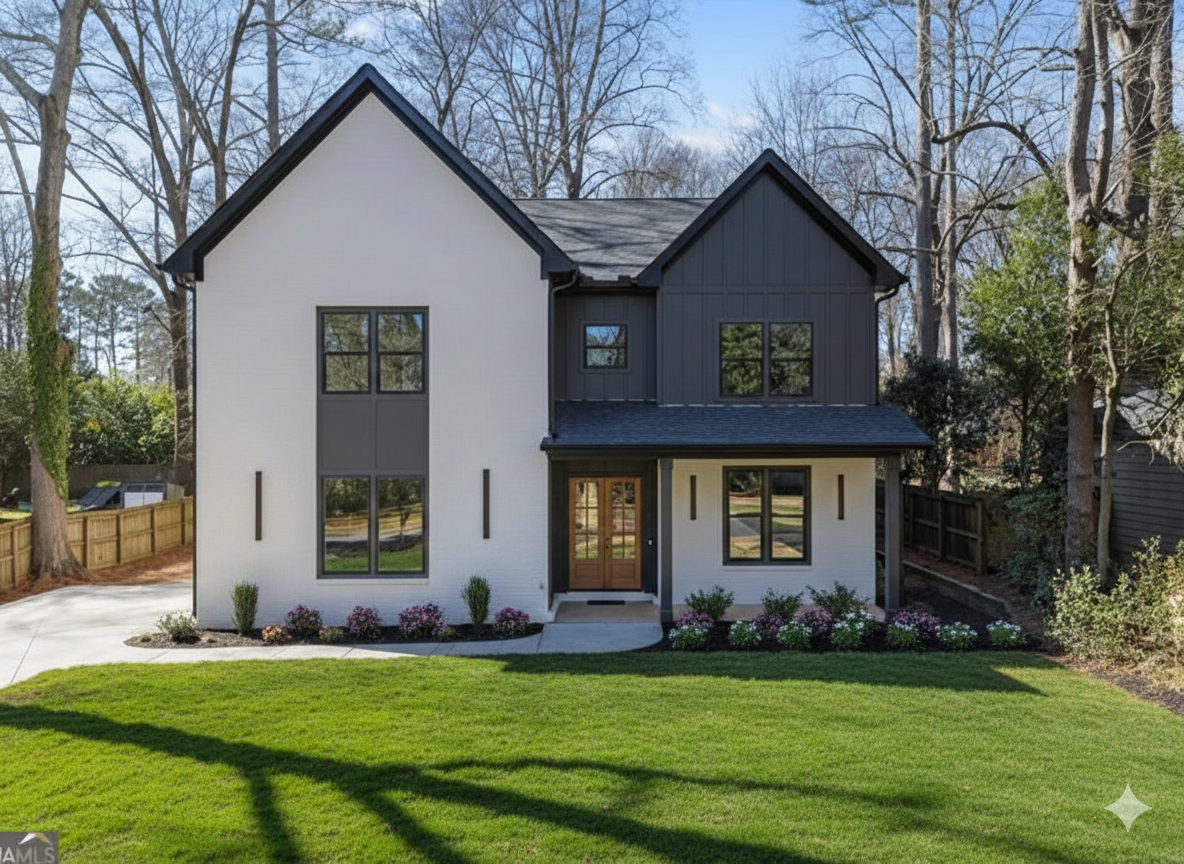
City Schools of Decatur (CSD) is one of the primary reasons buyers specifically seek out the City of Decatur over surrounding unincorporated areas. It is a separate, independent school district — not part of DeKalb County Schools — and its academic performance is exceptional by any measure.
District overview:
Founded 1901, public charter school district
Approximately 5,500 students within the city's 4.2-square-mile area
Consistently ranks among the top 10 school districts in Georgia
94%+ graduation rate sustained for over a decade
2025 academic performance highlights:
Ranked #1 in Georgia for SAT scores (2025) — mean score of 1,181 among the graduating class, outpacing metro and national averages
#1 in Metro RESA region for grades 3-8 ELA — ranking among top 5 statewide
Top 4 in Georgia for Math results
Exceeds state and MetroRESA averages in every content area
Decatur High School:
Only high school in the City Schools of Decatur district
Ranked #39 in Georgia (US News), #40 in Georgia (Niche 2026)
International Baccalaureate (IB) program — 65% IB participation rate
Graduation rate: 94.9%–96.7% over the past 5 years
Top 20% of all Georgia public high schools for test scores
1,834 students enrolled
$12,629 spent per student annually
Elementary schools: CSD operates four neighborhood elementary schools serving the city: Winnona Park Elementary, Oakhurst Elementary, Clairemont Elementary, and Westchester Elementary. Fourth and fifth graders attend Glennwood Academy. All are part of the City Schools of Decatur system.
Middle school: Beacon Hill Middle School (formerly Renfroe Middle) serves grades 6-8.
Critical point for buyers: Because the City of Decatur is 4.2 square miles and surrounded by unincorporated DeKalb County, the school district boundary is exact and non-negotiable. A house one street outside the city limits is in DeKalb County Schools, not City Schools of Decatur. Verify every address directly with CSD before going under contract if this is a priority for your family.
Buyers should also understand that CSD is the school district for residents who live within the city limits of Decatur. Non-residents cannot access CSD by choice. Residency within the city boundaries is the requirement.
Decatur's Neighborhoods: A Practical Breakdown
The City of Decatur is small enough that neighborhood distinctions are more about character and proximity than dramatically different price points. Here's how the key areas break down.
Downtown Decatur and Adjacent Areas
The blocks immediately surrounding Decatur Square represent the most walkable and urban part of the city. Homes here tend to be older (1910s-1930s) and sit on smaller lots, with immediate walking access to restaurants, retail, the farmers market, and the MARTA station. These are among the most coveted addresses in the city for buyers who want to truly live without a car.
Clairemont-Great Lakes, which borders downtown to the south, offers a mix of updated mid-century homes and modern condos with direct proximity to the dining scene and downtown amenities.
Oakhurst
Oakhurst is Decatur's most vibrant residential neighborhood — walkable, diverse, community-oriented, and anchored by Oakhurst Village, a commercial node with restaurants, a farmers market, and a genuine neighborhood center. The Oakhurst Porchfest and Oakhurst Jazz Festival are beloved annual events that reflect the neighborhood's character.
Homes in Oakhurst are primarily craftsman bungalows, with active renovation and new construction mixed in. The Oakhurst Neighborhood Association is active and engaged. Oakhurst Elementary serves the area. Proximity to the Wylde Center's Hawk Hollow — a natural habitat with woodland paths and a butterfly garden — is a unique local amenity.
Winnona Park
Winnona Park sits in the southeastern portion of the city, listed on the National Register of Historic Places since 1983. The neighborhood was developed as a streetcar suburb in the early 1900s and features Colonial, Georgian Revival, and Craftsman-style homes on tree-lined streets. Agnes Scott College is proximate, and Winnona Park Elementary serves the area.
The neighborhood has a distinctly quieter, more residential character than Oakhurst, with the same strong community identity. The Winnona Park Neighborhood Association is active. For buyers who want City of Decatur schools and community character with a slightly more tucked-away feel, Winnona Park consistently comes up.
Glennwood Estates
Glennwood Estates occupies the northeastern section of the city, with homes primarily built from the 1920s onward. The neighborhood borders both Glenlake Park and the Glenn Creek Nature Preserve, a two-acre bio reserve with walking trails accessible to residents. The Avondale MARTA station is within the neighborhood's proximity.
Glennwood Estates attracts buyers who want City of Decatur school access combined with green space and a quieter residential feel. The neighborhood association is active in maintaining the area's character.
Westchester Hills and Chelsea Heights
These adjacent neighborhoods cover a large area of northwest Decatur, bounded by Scott Boulevard. Family-oriented, primarily single-family homes, with Hidden Cove Park separating the two communities. Note that a portion of Chelsea Heights is in unincorporated DeKalb County — another example of why address-by-address verification matters in this area.
Commute and Location
Decatur's location is one of its strongest practical advantages for Metro Atlanta buyers.
To Downtown Atlanta: 6 miles, typically 15–25 minutes by car; 20–30 minutes by MARTA East-West line (Decatur station)
To Midtown Atlanta: 7 miles, typically 20–30 minutes by car; 25–35 minutes via MARTA
To Emory University: Approximately 2 miles, 5–10 minutes
To Buckhead: 10 miles, 20–30 minutes
To Hartsfield-Jackson Airport: 20 miles, 35–50 minutes via I-285
MARTA access: The Decatur station on the East-West rail line provides direct service to Downtown, Midtown, the Airport, and connections throughout the MARTA network. The Avondale station serves the eastern side of the city. For buyers who commute to employment centers served by MARTA, Decatur is among the best-positioned suburbs in Metro Atlanta. This is real, functional transit access — not a station you drive 20 minutes to reach.
Traffic reality: Decatur sits east of Atlanta rather than north, which means commute patterns are slightly different from North Fulton suburbs. East-West traffic on Ponce de Leon and Scott Boulevard can be congested during peak hours, but the overall commute burden is significantly lighter than driving from Alpharetta or Milton.
Grocery, Retail, and Day-to-Day Living
Grocery: Decatur has strong grocery access. The Dekalb Farmers Market — Your DeKalb Farmers Market — is a Metro Atlanta institution located on Ponce de Leon Avenue in Decatur, offering produce, meats, seafood, and specialty items from around the world at excellent prices. Whole Foods, Kroger, and Publix are all within a short drive. Downtown Decatur itself has specialty food options.
Dining: Downtown Decatur's restaurant scene is genuinely strong and independent-forward. Chai Pani (award-winning Indian street food), No. 246 (Italian), The Pinewood (craft bar and gastropub), Leon's Full Service (American gastropub), Kimball House (cocktails and oysters), and many others. Decatur's dining scene is a draw in itself, not just an amenity for residents.
Retail: Downtown Decatur has independent boutiques and specialty retail. For larger-scale shopping, the Toco Hills area and surrounding commercial corridors provide Publix, Target, and other retailers within a short drive.
Walkability: For Metro Atlanta, Decatur has unusually high walkability scores, particularly in and around downtown. Residents near the square can walk to groceries, dining, entertainment, and MARTA without getting in a car. This is not marketing language — it is the practical daily reality for residents within walking distance of downtown.
What to Expect When Buying in Decatur
City vs. county boundary verification: I will say it one more time: verify that any home you're seriously considering is within the City of Decatur limits if CSD school access is important to your family. Use the City of Decatur's official resources or ask me to confirm — this is a standard part of how I work with Decatur buyers.
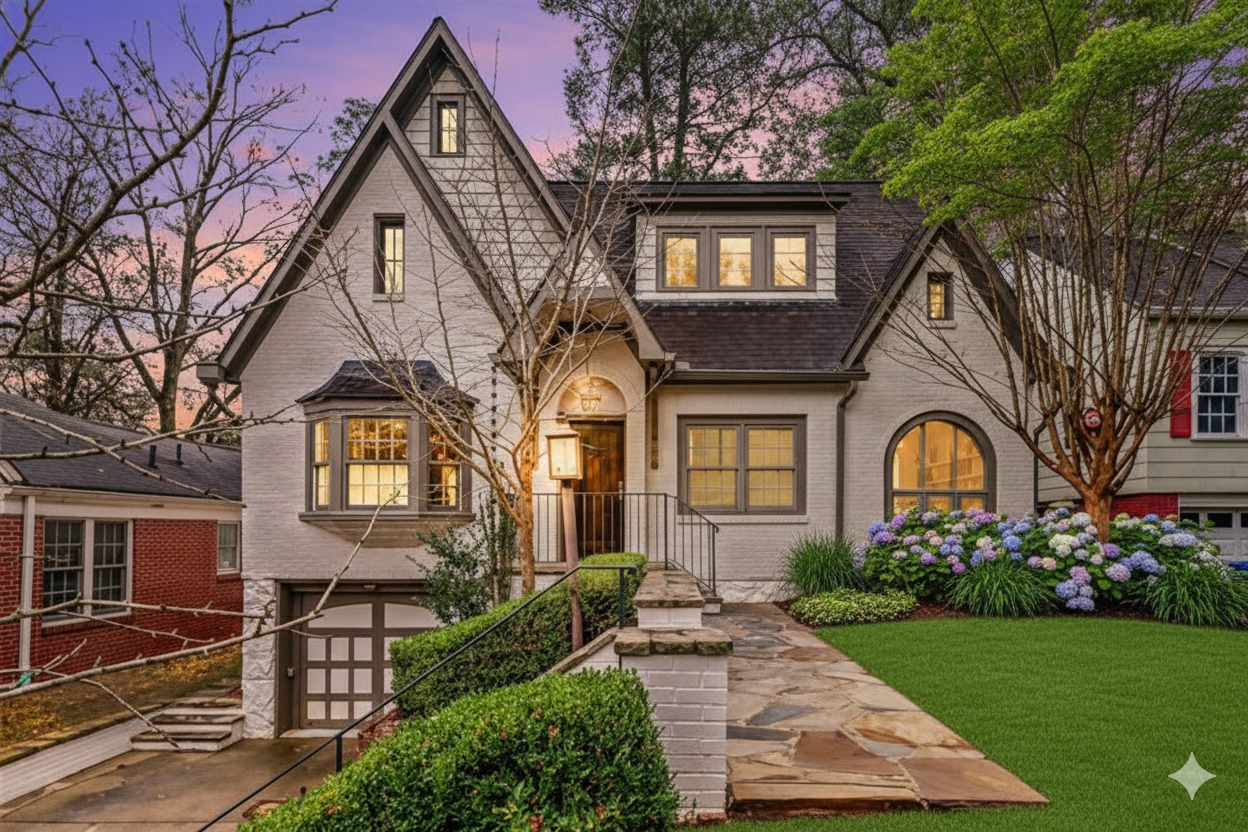
Historic home considerations: A significant portion of Decatur's housing stock is 80–100+ years old. Craftsman bungalows and Tudor revivals built in the 1910s–1940s are charming and hold value well, but they require experienced inspectors familiar with older construction: pier-and-beam foundations, knob-and-tube wiring in some cases, original plumbing configurations, and older HVAC systems. Budget accordingly for pre-purchase inspections and ongoing maintenance.
Lot sizes: City of Decatur lots are typically smaller than suburban alternatives — many homes sit on 0.15–0.25 acre lots. This is consistent with the urban-village character and high walkability. Buyers expecting suburban-scale yards should calibrate expectations.
Market positioning: With the market having corrected from peak levels, buyers have more leverage than they've had since 2019–2020. Well-priced homes in good condition are still moving in 30–45 days, but the days of waived contingencies and blind overbidding are largely behind us. This is a market where due diligence can actually be done.
HOA fees: Many of Decatur's single-family neighborhoods do not have HOAs or HOA fees. Condos and townhomes typically do. Confirm HOA status and fees for any attached product you're considering.
Who Is City of Decatur the Right Fit For?
Decatur works well for:
Buyers who prioritize walkability and MARTA access as functional daily realities, not just theoretical amenities
Families specifically seeking City Schools of Decatur — one of the top-performing school districts in Georgia
Emory University faculty, staff, and affiliated healthcare professionals
Buyers relocating from genuinely urban environments (Chicago, New York, DC) who want the closest Atlanta equivalent to walkable city living with single-family homes
Buyers who value independent restaurant culture, arts, community events, and a strong neighborhood identity
Investors and long-term buyers who value fundamental market resilience over short-term appreciation
Decatur is probably not the right fit for:
Buyers who need large lot sizes or suburban-scale space — Decatur lots are small by design
Buyers with budgets under $400K looking for single-family homes zoned to City Schools of Decatur — options are limited at that price point within city limits
Buyers who prioritize new construction — Decatur's housing stock is predominantly older, historic homes
Buyers who want maximum square footage per dollar — Decatur prices reflect location and lifestyle, not square footage efficiency
Buyers who confuse "Decatur mailing address" with "City of Decatur" — understanding this distinction upfront saves significant time
The Bottom Line on Decatur
City of Decatur is one of the most authentic communities in Metro Atlanta. It has a walkable downtown that developed organically over 200 years, not in a 5-year development cycle. It has a school district that ranks #1 in Georgia for SAT scores. It has genuine MARTA connectivity. It has a neighborhood culture — festivals, block parties, neighborhood associations, farmers markets — that creates the kind of community most Atlanta suburbs aspire to but rarely achieve.
The market has corrected from peak levels, which means buyers entering now have options and leverage they didn't have two years ago. The fundamentals haven't changed. The price has.
If the lifestyle fits — and for the right buyer it fits exceptionally well — Decatur is hard to replicate anywhere in Metro Atlanta.
If you're considering City of Decatur and want to understand the city-vs-county boundary, evaluate specific neighborhoods, verify school zoning for addresses you're considering, or understand what your budget realistically gets you right now, reach out. This is a market I know well and navigate regularly.
Ready to Explore City of Decatur Real Estate?
I'm Kristen Johnson with Kristen Johnson Real Estate at Compass. I work with buyers throughout Metro Atlanta, including City of Decatur, Oakhurst, Winnona Park, and the surrounding intown and eastern Atlanta communities.
I provide honest assessments of the city-vs-county boundary issue, help buyers understand City Schools of Decatur zoning, evaluate older housing stock for renovation potential, and develop practical strategies in a market that rewards patience and preparation over speed.
Let's discuss your Decatur home search:
City of Decatur boundary and school district verification
Neighborhood comparisons and tours
Historic home inspection and renovation guidance
Market analysis and current pricing benchmarks
Offer strategy for well-positioned listings
You might also like:
Reynoldstown Real Estate: Your Guide to This BeltLine Intown Atlanta Neighborhood
Living in Roswell, Georgia: Historic Downtown, Fulton County Schools, and What $500K-$1M Buys
Johns Creek, GA: Why This North Fulton Suburb Ranks #1 Best Place to Live in Georgia
Moving to Milton, GA: Everything You Need to Know Before You Buy