

Moving to Alpharetta, GA: Everything You Need to Know Before You Buy in 2026
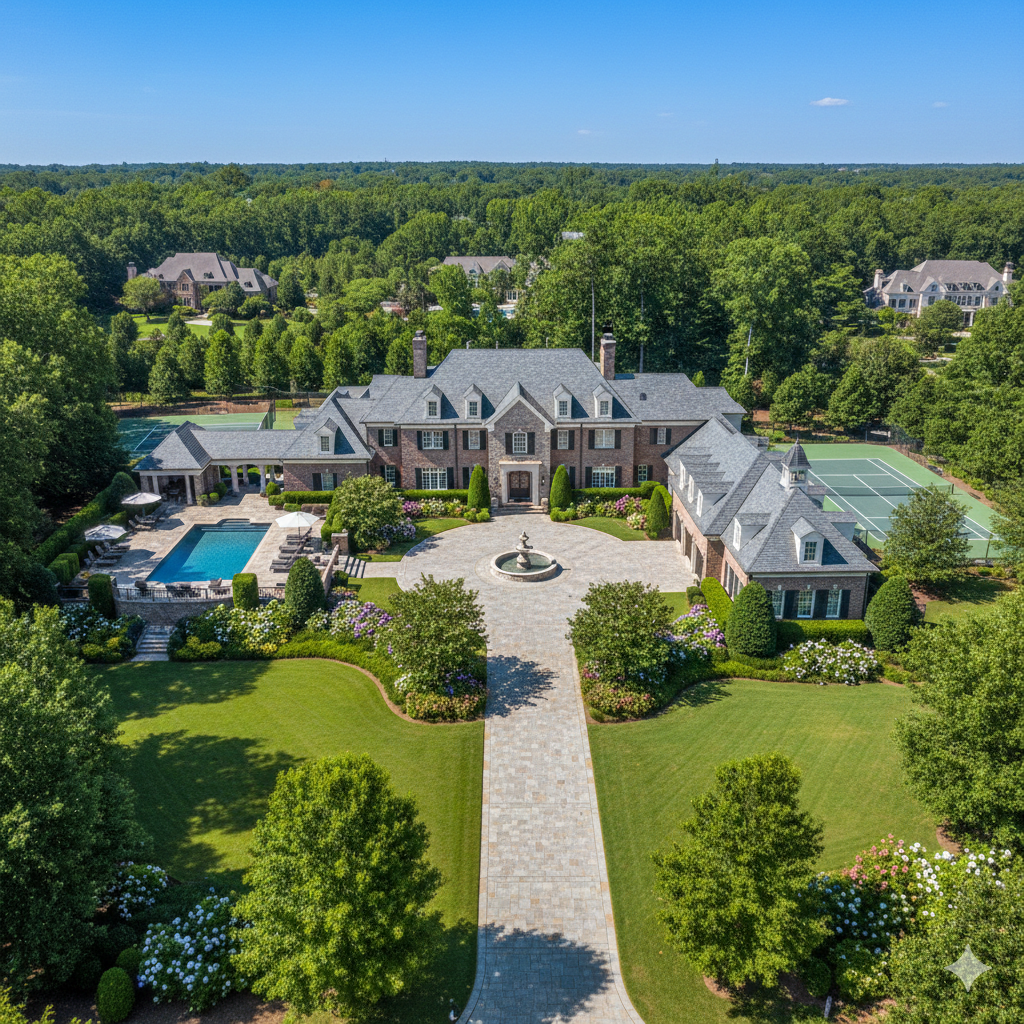
If you've been researching North Fulton County and Alpharetta keeps rising to the top of your list, that's not a coincidence. Alpharetta has earned its reputation — it's one of the most consistently desirable suburbs in the entire Southeast, and the data backs that up year after year. But "Alpharetta" gets applied loosely in a lot of real estate conversations, and the reality of what you're buying, where, and at what price point is more nuanced than the marketing suggests.
Alpharetta is not a single housing market. It's a city with distinct pockets — from the walkable energy of Downtown Alpharetta and Avalon to the master-planned sprawl of Windward, the golf estates of Crooked Creek, and the newer luxury builds along the Webb Bridge corridor. What you get for $650K is a completely different product than what you get for $1.1M, and where you land affects your commute, your school zone, and your day-to-day quality of life in ways that a Zillow listing won't tell you.
This guide covers what you actually need to know: the market data, the neighborhoods, the schools, the commute reality, the honest Alpharetta vs. Roswell comparison that buyers ask about constantly, and who Alpharetta is genuinely the right fit for.
What Is Alpharetta, Georgia?
Alpharetta is a city in northern Fulton County, about 25 miles north of Downtown Atlanta on GA-400. It incorporated in 1858, which makes it one of Metro Atlanta's older suburbs — but its modern identity has almost nothing to do with that history. What Alpharetta is today was built in the 1990s and 2000s, when it became the anchor of Georgia's technology corridor. And that decision — to welcome corporate expansion, invest in infrastructure, and position itself as a destination for high-growth companies — shaped everything that followed.
Drive through Alpharetta now and what you see is the result of that bet paying off. Office parks and corporate campuses line the GA-400 corridor. Avalon — a mixed-use development that drew national attention when it opened in 2014 — brought luxury retail and dining to a suburb that was already outperforming the region. Downtown Alpharetta got a deliberate refresh. And the residential market kept climbing, year after year, because the people working at those 700+ technology companies needed somewhere to live.
The "Technology City of the South" nickname is not marketing. It's accurate. ADP, LexisNexis, Verizon, NCR Voyix, McKesson — these are not satellite offices. These are significant operations with thousands of employees. Seven of Metro Atlanta's top 25 technology employers call Alpharetta home. More than 1.9 million workers live within a 40-minute drive. About 31.5% of city residents hold a graduate or professional degree. The median household income is around $113,000. In early 2026, Alpharetta was ranked the #1 career powerhouse city in the U.S. among nearly 300 cities studied. None of that is a coincidence — and all of it matters to anyone trying to understand why Alpharetta's housing market behaves the way it does.
What Alpharetta is not: a budget-friendly option. If your ceiling is under $450K, your choices inside Alpharetta proper are going to be limited and will require flexibility on product type and condition. That doesn't mean it's impossible — it means you need to know what you're working with. I'll be straight with you throughout this guide about when Alpharetta makes sense and when somewhere like Roswell or Canton will serve you better.
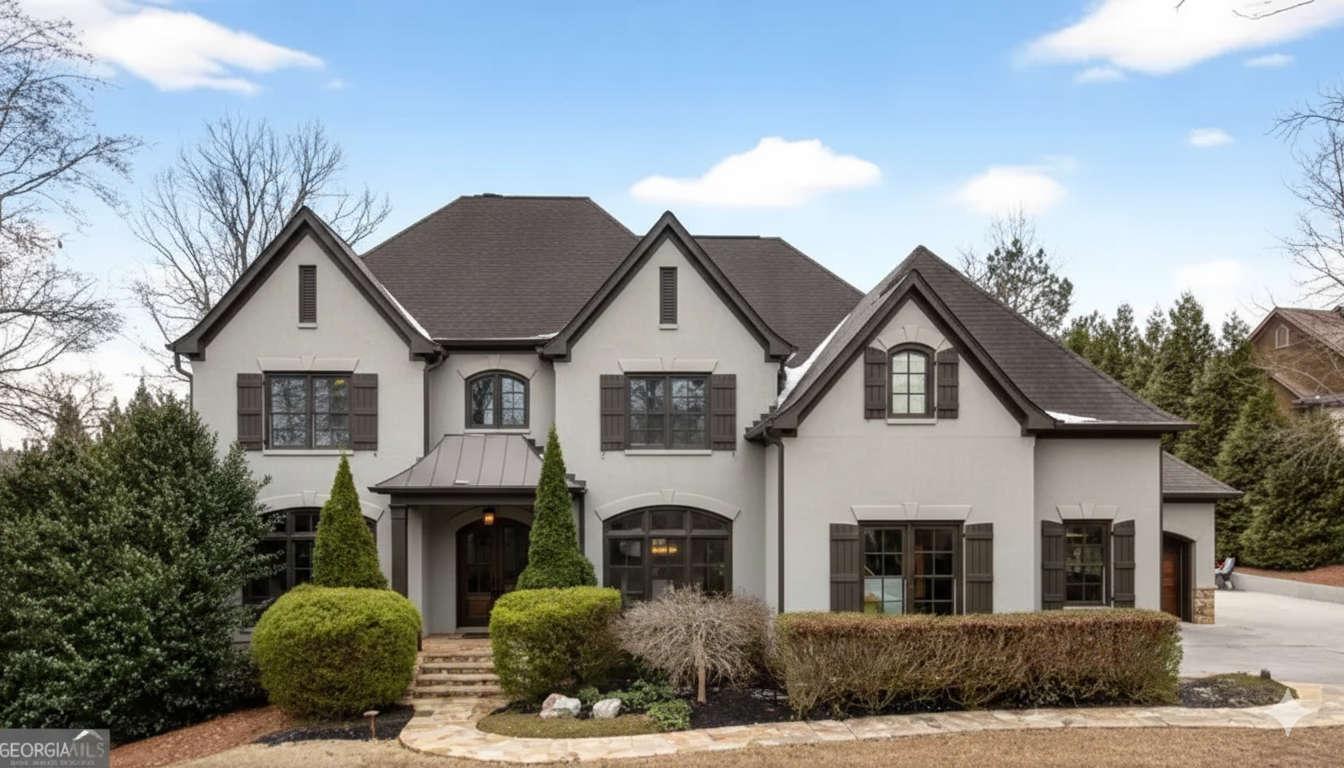
Alpharetta Real Estate Market: What Buyers Need to Know in 2026
Alpharetta's market is in a measured transitional phase that's creating genuine opportunity for buyers who are paying attention — without the collapse in values that has been predicted and hasn't materialized.
Current Market Snapshot:
Median sold price: Approximately $700K–$753K citywide (Redfin and MLS data, late 2025–January 2026)
Median price, 30009 zip code (Downtown Alpharetta area): Approximately $800K (Redfin, December 2025)
Average home value: Approximately $656K–$775K depending on source and methodology
Average price per square foot: Approximately $242–$277
Average days on market: 68–87 days (up significantly from 31–53 days one year ago)
List-to-sale price ratio: Approximately 97% — buyers have real but modest negotiating room
Homes selling above asking: Still approximately 36% of all sales
Year-over-year appreciation: Average home values up approximately 2.6–8% depending on segment; the market has bifurcated between well-priced and overpriced inventory
What the numbers tell you: Alpharetta has transitioned from a frenzied seller's market to something more balanced — but "balanced" does not mean "soft." This is critical to understand. Well-priced homes in strong condition in desirable neighborhoods are still moving in 30 days or less. Overpriced homes are sitting for 90+ days and requiring price reductions. The era of throwing any number at the wall and collecting multiple offers regardless of condition or price is behind us.
To understand how far this market has traveled: in 2021, Alpharetta saw months where more than 100% of active listings sold — sellers were so thoroughly in control that inventory was being absorbed faster than it appeared. By late 2024 and into 2025, the sold-to-active ratio settled closer to 30%. Supply has crept back up. That doesn't mean distress — it means the market has returned to something resembling what it looked like from 2015 to 2019, before the pandemic-era run-up. That's not a bad market. That's a healthy one.
For buyers, the shift matters practically: inspection contingencies are back on the table, appraisal gaps are less common, and there's real room to negotiate on homes that have been sitting. For sellers, pricing strategy has never mattered more — the market will tell you quickly and publicly if you've misjudged. In this environment, your list price is your first impression, and it's nearly impossible to recover from sitting too long at the wrong number.
Price range reality in Alpharetta:
Under $500K: Limited inventory — primarily older condos, some townhomes requiring updates, occasionally a smaller single-family in a less central location. Patience and flexibility required. This is a real entry into Alpharetta's school zones but a different product than most buyers are picturing.
$500K–$700K: The broadest selection — established single-family neighborhoods, solid square footage, some newer townhomes near Avalon and Downtown. This is where first-time buyers and young families compete most actively.
$700K–$900K: Newer construction, larger lots, strong school zones, generally move-in ready condition. The most active and competitive segment of the market.
$900K–$1.2M: Upscale master-planned communities, golf course neighborhoods, larger estate-style properties. More days on market at this level but steady demand from established buyers.
$1.2M+: Custom builds, gated communities including The Manor, estate properties in the Webb Bridge corridor and north Alpharetta. Smaller buyer pool, longer selling timelines, but resilient values in the right locations.
Market trajectory context: Prices in Alpharetta have risen from under $400,000 average in 2015 to well above $900,000 average by 2024. Even accounting for modest softening in some segments in 2025, that appreciation trajectory reflects a market with structural demand drivers that aren't going away. The employer base is here. The schools are here. The lifestyle infrastructure is here. Alpharetta is not a market built on speculation — it was built on corporate expansion and professional relocation, and those fundamentals remain intact.
My take as your agent: Alpharetta's wide price range is both its strength and its complication for buyers. Two homes listed at the same price can represent completely different products — different lot sizes, different school zones, different neighborhood character, different HOA structures, different proximity to the GA-400 traffic corridor. Understanding what you're actually buying at a given price point is exactly where working with the right agent makes a real difference.

The Schools: What Buyers in Alpharetta Actually Need to Know
Schools are one of the primary reasons buyers choose Alpharetta, and the Fulton County School System performs genuinely well here. But Alpharetta has multiple high school zones — and which school a specific address feeds into matters, both for your family's daily experience and for your resale value down the road. This is not a detail to figure out after you're under contract.
High schools serving Alpharetta addresses:
Alpharetta High School
9/10 rating from GreatSchools; A+ rating from Niche
96% graduation rate
Ranked among the top 10 public high schools in Georgia for college preparation (Niche)
Strong STEM curriculum with robust AP and dual enrollment course offerings
Part of Fulton County Schools
Milton High School (serves portions of north Alpharetta near the Milton boundary)
Ranked top 5% of all Georgia high schools for test scores
Math proficiency: 69% (vs. 39% state average)
Reading proficiency: 76% (vs. 40% state average)
Part of Fulton County Schools; serves addresses where Alpharetta and Milton boundaries overlap
Cambridge High School (serves some Alpharetta addresses near the Forsyth County line)
Ranked #21 in Georgia by Niche (2026)
Ranked #30 in Georgia by US News
97–98% graduation rate
69% AP participation rate
A+ Niche rating, 9/10 GreatSchools
All three of these high schools are genuinely strong. The conversation between them is not about quality — it's about which one serves your specific address. Some buyers in north Alpharetta specifically target Cambridge or Milton High School zones; others are focused on Alpharetta High. The point is that the zone you land in is address-specific, not assumption-friendly.
Middle schools serving Alpharetta:
Webb Bridge Middle School — A rating from Niche; feeds primarily from the Windward corridor and eastern Alpharetta
Hopewell Middle School — Serves areas in central and west Alpharetta
Northwestern Middle School — Serves portions of north Alpharetta near the Milton boundary; consistently highly rated
Elementary schools: Fulton County has strong elementary options throughout Alpharetta. Creek View Elementary is among the most recognized — frequently cited as one of the top elementary schools in Georgia, with about 600 students and exceptional parent involvement. Lake Windward Elementary, Manning Oaks Elementary (over 700 students representing 50+ countries), New Prospect Elementary, and Alpharetta Elementary are all part of a system that consistently outperforms state averages. The overall elementary performance across this part of Fulton County is one of the key value drivers for Alpharetta real estate.
Important zoning note: School assignments in Alpharetta are address-specific, not neighborhood-wide. Two homes on the same street can occasionally feed into different schools depending on how zone lines fall. Communities near the Milton or Forsyth County boundaries may be zoned to Milton High or Cambridge rather than Alpharetta High — which some buyers actively seek and others don't realize until they're already under contract. This has happened. Don't let it happen to you.
Always verify the exact school assignment for any specific address before going under contract. Don't assume based on subdivision name, distance from a campus, or what a listing agent tells you without documentation. Verify directly with Fulton County Schools.
Private school options: King's Ridge Christian School is a faith-based private option founded with involvement from Hall of Fame Braves pitcher John Smoltz, serving approximately 800 students. Fulton Science Academy is a high-performing private school with approximately 1,000 students, widely recognized as one of the top private schools in Georgia for academics and college prep. Both draw families from across North Fulton.
School data reflects current performance. Rankings and assignments can change. Verify directly with Fulton County Schools for any address you're seriously considering.
Alpharetta's Neighborhoods: What They Are and What They Cost
Alpharetta covers a lot of geographic and demographic ground. The community you end up in shapes daily life significantly — your commute, your neighbors, your school zone, your HOA obligations, and your access to amenities. Here's what you need to know about the major areas.
Downtown Alpharetta
Downtown Alpharetta is the city's historic core and its most walkable district — and one of the few places in all of North Fulton where you genuinely don't need a car for every errand. That's not a small thing up here. The downtown area has been deliberately invested in over the last decade, and it shows. More than 30 locally-owned shops and restaurants line the main corridor. There's a Saturday farmers market running spring through fall, community events at the City Center plaza throughout the year, and a street-level energy that most suburbs in this corridor simply don't have.
A downtown office building sold for $16 million in January 2026 — a Georgia record for price per square foot on a vacant office building. That's not just a real estate transaction. It's a signal about where institutional money thinks this district is headed.
Housing here is a mix of historic cottages, renovated older homes on small lots, newer infill construction, and townhomes. The Voysey community — 42 luxury homes with an English farmhouse aesthetic right in the heart of Downtown — offers a sense of village character that's genuinely rare in North Atlanta. Prices typically run $600K–$950K, with newer luxury construction pushing above $1M.
The buyer who fits here is the professional or couple who wants intown-adjacent energy — real walkability, real neighborhood life — without the intown Atlanta price tag or commute. If you're coming from Virginia-Highland or Inman Park and considering a move north for schools or space, Downtown Alpharetta is the closest this corridor gets to what you're leaving.
Key dining worth knowing: Table & Main, Craft Dining Room, The Painted Pin. The Saturday Farmers Market is legitimately worth your time.
Avalon
Avalon changed Alpharetta when it opened in 2014, and it's still the benchmark for what a mixed-use suburban development can look like when it's done right. It's not just a shopping center. It's a walkable environment with upscale retail — Pottery Barn, Lululemon, Tesla, REI, Anthropologie — high-end dining including Rumi's Kitchen and Oak Steakhouse, a boutique hotel, a movie theater, and a year-round events calendar that actually draws people out of their houses.
Living at or directly adjacent to Avalon means you have access to that level of amenity on a Tuesday night without getting in a car. The Foundry community, directly across on Westside Parkway, offers new single-family homes and townhomes with walkable access to everything Avalon offers. The developer behind Avalon is already building his next project at Medley in Johns Creek — which tells you something about the confidence in this model.
Residential purchase prices at Avalon and in immediately adjacent communities typically run $700K–$1.1M+. This is a lifestyle decision as much as a real estate one. The buyer who fits here wants walkability, wants energy, and is willing to pay for consistent access to both.
Windward
Windward is Alpharetta's most established master-planned community, and it's earned that reputation over decades. It spans more than 3,400 acres — 20 distinct sub-neighborhoods, each with their own character and price range — built around Lake Windward, a 195-acre private lake with a marina, swimming, and paddleboarding.
The Windward Lake Club gives residents access to multiple pools and a full tennis center. The Golf Club of Georgia within Windward is a semi-private 36-hole facility that has hosted PGA Tour qualifying events. The trail system throughout Windward connects directly to the Big Creek Greenway, so residents have access to over 8 miles of additional trail without leaving the broader community.
Price range within Windward is genuinely wide. Entry-level homes on standard lots start in the $500K–$600K range. Mid-range updated single-family runs $650K–$900K. The executive sub-neighborhoods of Bay Pointe and Lakeshore — custom European-style homes with lakefront positions — push well above $1M and into $2M+ territory for the best water-frontage.
Creek View Elementary, consistently recognized among Georgia's top elementary schools, feeds from much of Windward. Webb Bridge Middle feeds into Alpharetta High. For families, that combination is a significant driver of Windward's sustained demand.
One thing to understand: Windward is large. The character of Bay Pointe on the lake is genuinely different from a standard lot street in another part of the community. Drive the specific streets before you decide, not just the main entrance.
Crooked Creek
Crooked Creek is a gated golf course community straddling the Alpharetta/Milton boundary, founded in 1993 on about 500 acres. The 18-hole private club course is the centerpiece — full clubhouse, pool, tennis. It's one of the few gated communities in this area, and it has direct access to the Big Creek Greenway, which gives residents both the security of a gated environment and the openness of the city's best trail system. That combination is unusual and genuinely attractive to a specific buyer.
Homes here are predominantly traditional architecture — brick and shingle, large footprints, generous lots with mature landscaping. Prices run $700K–$1.2M+, with golf-frontage homes carrying a premium. The buyer is typically the established suburban professional household that wants club lifestyle and gated access without moving all the way into Milton's higher-priced estate communities.
The Manor Golf and Country Club
The Manor sits primarily in Milton but includes addresses that fall within Alpharetta's boundaries, so if you're searching this corridor you'll encounter Manor listings marketed under both city names. It's the most prestigious gated community in the area — a Tom Watson-designed course, a 32,000-square-foot clubhouse, two junior Olympic pools, 21 tennis courts, a full fitness center, and a social calendar that rivals private clubs in any major U.S. market.
Estate homes here are custom-built, typically 5,000–8,000+ square feet on large lots. Median pricing runs $1.5M+, with significant inventory in the $2M–$4M range. The buyer is a high-net-worth executive, physician, or business owner who wants resort-quality amenities and 24-hour gated security — and who is benchmarking North Fulton against comparable homes in Houston, Dallas, or Northern Virginia and finding the value compelling.
HOA fees and mandatory club membership dues are layered on top of the purchase price. Get full written disclosure of all recurring costs before you fall in love with a listing.
Kimball Bridge and Park Brooke
Kimball Bridge and Park Brooke are Alpharetta's workhorses — well-maintained, traditional architecture, swim/tennis communities, strong schools, easy GA-400 access. They're not glamorous, but they hold their value because they appeal to the widest possible buyer pool. For the family that wants functional suburban living in a proven community without the country club overhead, these neighborhoods consistently deliver. Prices generally run $550K–$800K.
Haynes Bridge and North Alpharetta
Head north of Windward toward the Milton and Forsyth County lines and the character shifts. Lots get bigger. The density drops. Newer subdivisions sit alongside established communities, and you start to feel the beginning of the rural character that fully emerges in Milton just a few miles further.
This area — communities like Buice Lake, Providence, Glen Abbey — attracts buyers who want more land without paying Milton estate prices. School zones here may include Cambridge or Milton High School rather than Alpharetta High, which some buyers specifically target and others only discover after they're under contract. Check the zone before you fall in love with a house.
Price ranges run broadly: $600K for standard single-family up to $1.5M+ for custom estate homes on larger parcels.
Webb Bridge Area
The Webb Bridge corridor in eastern Alpharetta toward the Johns Creek boundary offers established neighborhoods and newer construction with generally larger lots than you'll find closer to Downtown. The feel is quieter and more residential while still maintaining easy access to GA-400 and the employment corridor. Traditional and ranch-style homes at a range of price points, mostly feeding into Webb Bridge Middle and Alpharetta High. Prices run $600K–$1.1M+ depending on size, age, and lot.
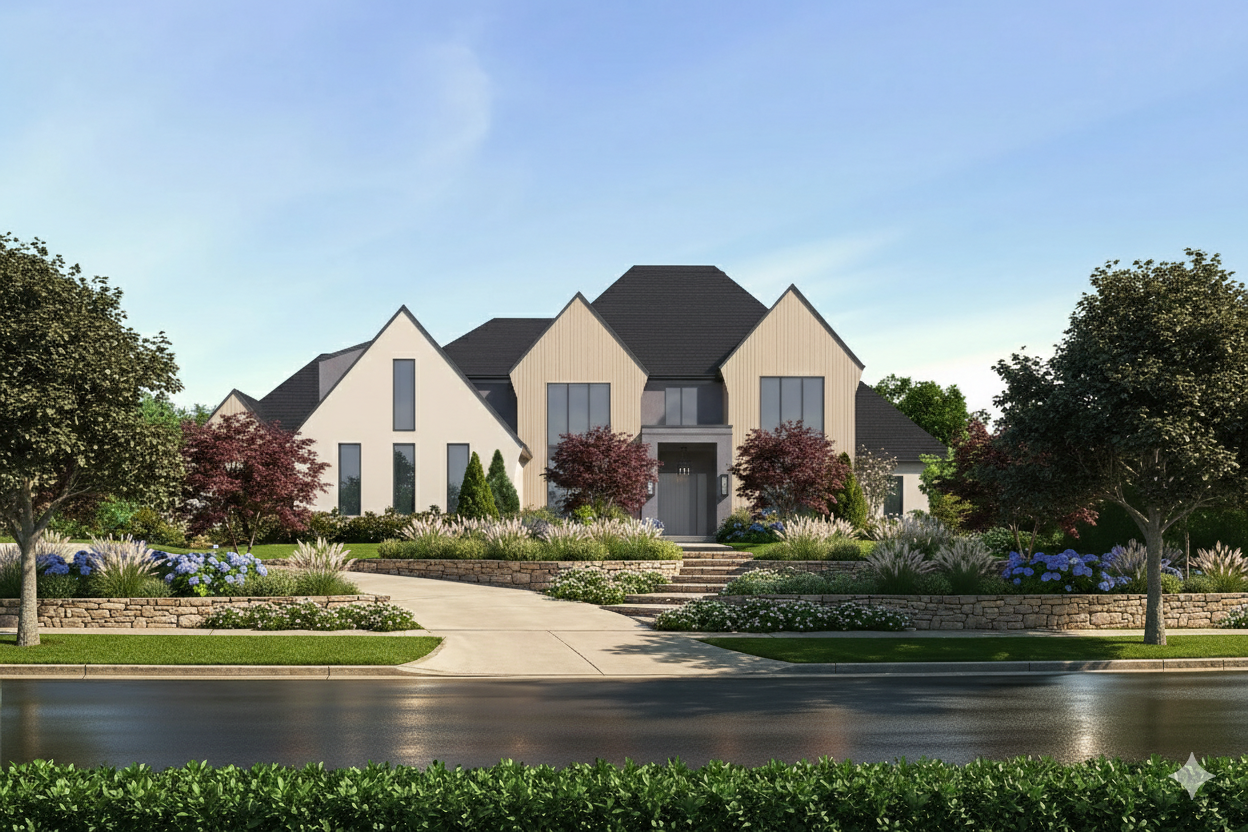
Alpharetta vs. Roswell: The Honest Comparison
This is the question I get constantly from buyers looking in North Fulton. Here's the real answer — not the version designed to get you to pick one and make an offer.
Price: Roswell runs approximately 5–10% lower than Alpharetta on comparable housing. On a $750K Alpharetta home, a similar product in Roswell might come in at $675K–$700K. That's real money, and for buyers near their ceiling it matters over the life of a mortgage.
Schools: Alpharetta has a documented edge here. Alpharetta High School consistently earns 9–10/10 ratings and ranks among Georgia's top 10 public high schools. Roswell High earns a 7/10. Both are in Fulton County Schools — same district, meaningfully different performance. For families where school rankings are a primary driver, this difference is consistent and shows up in resale demand.
Historic character: Roswell wins here. Downtown Roswell is genuinely charming — preserved 19th century architecture, walkable streets, Vickery Creek mill ruins and trail system, strong independent restaurant scene. It has a historic depth that Downtown Alpharetta, for all its investment, doesn't have. If neighborhood character and authenticity are what you're chasing, Roswell delivers more of it.
Tech corridor proximity: Alpharetta wins, and it's not close. If you're working in the GA-400 tech corridor — ADP, LexisNexis, NCR, any of the 700+ companies — you're likely 10–15 minutes from your office in Alpharetta and 20–30 minutes from Roswell. That compounds over years.
The honest bottom line: If your budget is $550K–$700K and you're stretching, Roswell gives you more house for the money with a similar lifestyle and solid schools. If schools are your primary driver and your budget can reach $700K+, Alpharetta's documented edge is real. If you're working in the tech corridor, Alpharetta's proximity to your employer is a daily quality-of-life factor worth weighing seriously.
Neither is a wrong choice. They're different answers to the same question, and the right one depends on what you're actually prioritizing.
Alpharetta vs. Milton vs. Johns Creek: The North Fulton Comparison
Buyers in this range almost always compare all three North Fulton cities before deciding. Here's how they actually differ.
Alpharetta is the most commercially developed and accessible of the three. It has the most walkable district, the most prominent mixed-use development, the deepest employer base, and the widest price range. The tradeoff is density — Alpharetta has grown fast and it shows. Traffic on GA-400 and Route 9 is real. But for the buyer who wants lifestyle amenities, career proximity, and proven resale strength, Alpharetta is the anchor of the North Fulton conversation.
Milton is the most distinctive. Lowest density, most rural character, one-acre minimum lot requirements in significant portions of the city, highest median price point. Two excellent high schools rather than three zone options. Very limited walkable commercial outside of Crabapple. But for the buyer who wants estate-scale space and genuine rural character within 30 minutes of Atlanta's employment core, Milton is in its own category.
Johns Creek is the most school-focused. Three high school zones — Johns Creek High (#13 in Georgia), Chattahoochee High (#7 in Georgia), Northview High (#22 in Georgia) — the highest median household income in North Fulton, and a very competitive market driven by family demand. Less commercial character than Alpharetta, less rural character than Milton. For the buyer whose absolute priority is school-zone optionality and access to the highest-ranked schools in North Fulton, Johns Creek competes directly.
The choice comes down to lifestyle priorities. Walkability and employer proximity — Alpharetta. Estate space and privacy — Milton. Maximum school-zone optionality — Johns Creek.
Commute and Location: The Honest Picture
Alpharetta is about 25 miles north of Downtown Atlanta and GA-400 is your primary artery. The commute is good if you're working in Alpharetta or the North Fulton corridor. It's a real consideration if you're making the full run into the city every day.
Typical travel times from Alpharetta:
Alpharetta to Roswell: 10–15 minutes
Alpharetta to Sandy Springs/Perimeter: 25–35 minutes
Alpharetta to Buckhead: 35–50 minutes
Alpharetta to Midtown Atlanta: 45–65 minutes (peak hour)
Alpharetta to Downtown Atlanta: 50–70 minutes (peak hour)
Alpharetta to Hartsfield-Jackson Airport: 50–70 minutes
GA-400 southbound in the morning is the variable. The Windward Parkway area is both a destination for thousands of employees and a through-route toward Atlanta — double traffic pressure at peak hours. The GA-400 Express Lanes have improved predictability for commuters heading south; if you're going to be on that road every day, understand the pricing and schedule before you buy.
Here's the thing that changes the math for a lot of buyers: Alpharetta's employer base is so deep that many residents never get on GA-400 during rush hour at all. If you're relocating to work at one of the hundreds of companies with Alpharetta operations, your commute might be 10 minutes. That's a completely different quality-of-life calculation than someone driving to Midtown every morning.
Drive your actual commute at your actual commute time before you commit to an address. It matters where you land within Alpharetta relative to where you're going. A home near Windward Parkway is not the same commute as a home in north Alpharetta when you're heading south toward the Perimeter.
MARTA: No MARTA in Alpharetta. Nearest stations are North Springs and Sandy Springs on the Red Line, 15–20 miles south. Alpharetta is car-dependent. Plan accordingly.
What to Expect When Buying in Alpharetta
Budget reality: The median runs $700K–$750K citywide. If you're at $450K–$550K, you're in a limited and competitive slice of the market — older condos, some townhomes, homes that may need work. That's a real entry into Alpharetta's school zones, but it's not the single-family suburban experience most buyers picture when they say "Alpharetta." Know what you're working with at that price point.
School zoning: Verify the exact school assignment for the specific address before you go under contract. Not based on the subdivision name. Not based on proximity. Not based on what the listing agent says. Directly with Fulton County Schools. Zone lines fall where they fall, and getting surprised after you're under contract is avoidable.
HOA and membership costs: The Manor, Crooked Creek, and Windward's Golf Club all carry HOA fees. Country club communities layer membership dues on top. Get full written disclosure of every recurring cost before you make an offer. Your actual monthly cost of ownership in some of these communities is meaningfully higher than the mortgage payment alone suggests.
New construction vs. resale: New construction in north Alpharetta and the Webb Bridge corridor offers modern floor plans and builder warranties. The tradeoffs are typically smaller lots, higher price per square foot, and longer drives to the GA-400 employment core. Resale in established communities like Windward often gives you more land and mature landscaping at a lower per-square-foot cost — but may need updates.
Inspect thoroughly: Homes here range from 1980s construction to 2025–2026 new builds. Older homes in established communities can carry significant deferred maintenance that doesn't show at a showing. Commission a real inspection — all HVAC systems, roofing, pool, any structural concerns on older builds. A $1.5M home deserves more than a $400 inspection.
Market tempo by price point: The $600K–$850K range is the most active right now. The $1M+ segment moves slower — the buyer pool is smaller and buyers at that level take their time. Well-priced homes at any level still attract multiple offers. Overpriced homes at any level are sitting and taking public price cuts. Your list price is your first impression, and 45+ days on market is very difficult to recover from in this environment.
Who Is Alpharetta the Right Fit For?
Alpharetta works well for a specific set of buyer profiles. I'd be doing you a disservice if I said it was right for everyone.
Alpharetta works well for:
Professional households — dual income, school-age children, wanting suburban stability with real lifestyle access — relocating to the North Fulton employment corridor
Corporate relocation buyers from high-cost markets (New York, Boston, San Francisco, Chicago, Northern Virginia) who are benchmarking against comparable suburbs and finding Alpharetta's value proposition compelling — more space, comparable or better schools, dramatically lower cost per square foot
Buyers upsizing from intown Atlanta neighborhoods who want more space without giving up walkability entirely — Downtown Alpharetta is the best answer in North Fulton for that transition
First-time buyers with budgets in the $500K–$650K range who want strong Fulton County Schools and are open to townhomes or smaller single-family
Investors looking at long-term appreciation in a market with consistent employer-driven demand — median Alpharetta rent runs approximately $2,590/month, well above the national median
Relocation buyers purchasing sight-unseen who need a stable, well-documented market — Alpharetta is one of the most straightforward markets in Metro Atlanta to evaluate remotely because of the depth of available data and the consistency of its established communities
Alpharetta is probably not the right fit for:
Buyers whose primary driver is being close to Downtown Atlanta — the commute is real and adds up
Buyers under $400K who need genuine single-family options — Roswell, East Cobb, and Marietta will serve you better at that price point
Buyers looking for the intown energy of Reynoldstown, Candler Park, or Old Fourth Ward — Alpharetta is suburban, full stop
Buyers who want rural space, large acreage, or equestrian property — that's Milton
Buyers who are car-averse or need transit access
Grocery, Retail, and Day-to-Day Living
Grocery: You're not going to struggle here. Multiple Publix locations throughout the city. Kroger along Route 9 and Haynes Bridge. Whole Foods and Trader Joe's in Alpharetta and adjacent Roswell. Sprouts in the corridor. For specialty and international grocery — H Mart, Indian grocery, halal options — the GA-400 corridor toward Duluth and Suwanee has expanded significantly and is typically 20–25 minutes.
Shopping: Alpharetta is the retail anchor for all of North Fulton. Avalon handles the high end — Pottery Barn, Tesla, Anthropologie, Lululemon, REI, Apple, independent boutiques, all walkable. North Point Mall covers mid-range national retail. Route 9/Main Street handles everyday needs. For serious luxury shopping, Buckhead is under an hour.
Dining: The restaurant scene has improved dramatically over the last decade. Avalon has Rumi's Kitchen — one of the best Persian restaurants in the Southeast — Oak Steakhouse, Kona Grille, and a range of others. Downtown Alpharetta has Table & Main, Craft Dining Room, The Painted Pin. Just over the Milton line, Milton's Cuisine and Cocktails and Campania Milton are worth knowing about for north Alpharetta residents. For more variety, Roswell is 10–15 minutes away.
Golf: Crooked Creek's private club course, the Golf Club of Georgia in Windward (semi-private, 36 holes, PGA Tour qualifier history), Atlanta National (Pete and P.B. Dye design near the Milton boundary), TopGolf on GA-400 for something more casual, and access to The Manor and White Columns in Milton for residents in those communities.
Parks and trails: The Big Creek Greenway is Alpharetta's signature amenity — over 8 miles of paved multi-use trail connecting neighborhoods, parks, and green space. It's in daily use and consistently shows up as one of the primary reasons people choose Alpharetta over other North Fulton options. Wills Park is the central community anchor with athletic fields, a dog park, playgrounds, and a full equestrian center. Total citywide parkland exceeds 750 acres.
Fitness: Dense and well-distributed — Orange Theory, F45, Pure Barre, SoulCycle, yoga, CrossFit, large-format gyms. Wherever you land in Alpharetta, quality fitness options are within a reasonable drive.
Entertainment: Ameris Bank Amphitheatre is one of the Southeast's best outdoor concert venues. Major national and international touring acts spring through fall, and for Alpharetta residents it's essentially in the backyard. No Downtown Atlanta traffic. No long drive home after a show. That's a real quality-of-life factor that doesn't show up in any ranking but matters to a lot of people on a lot of Friday nights.
Alpharetta Community Events and Culture
Alpharetta is not a suburb that goes dark after business hours. The events calendar is active and genuinely well-attended:
Taste of Alpharetta — The city's signature annual food festival, drawing tens of thousands to Downtown. One of the most attended community events in all of North Fulton.
Downtown Alpharetta Farmers Market — Every Saturday, spring through fall. Local produce, prepared food, artisan vendors. Worth building a Saturday morning around.
Ameris Bank Amphitheatre — Major concert programming spring through fall. The caliber of acts here rivals venues in much larger cities.
Avalon Events — Year-round programming: seasonal markets, outdoor movies, live music, fitness events, family activations. Avalon's calendar is consistently active.
Alpharetta Arts Streetfest — Annual outdoor arts festival in Downtown.
City Center Events — Rotating community programming at the plaza throughout the year.
There's a civic identity here. People actually show up and engage with their community. That matters when you're thinking about where to put down roots.
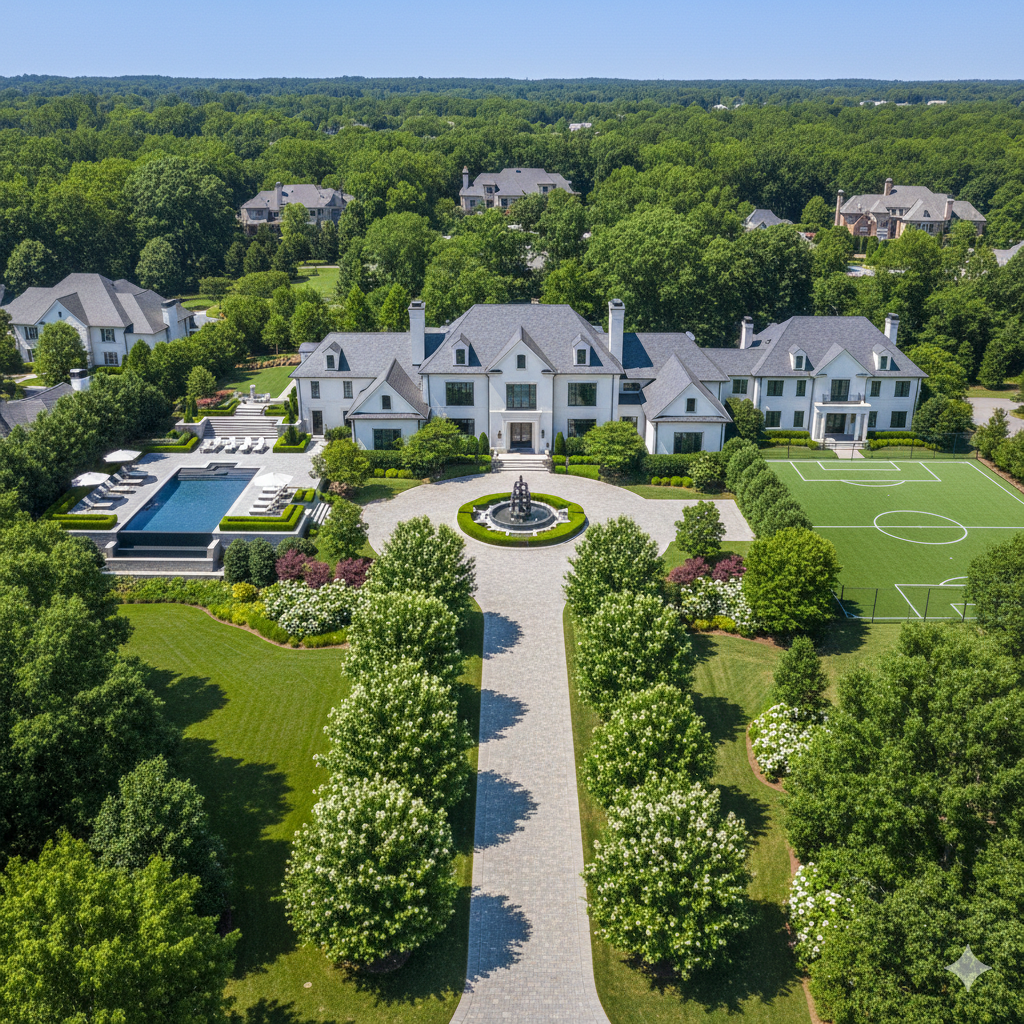
The Bottom Line on Alpharetta
Alpharetta's reputation is earned. The combination of a deep employer base, consistently strong schools, genuine lifestyle amenities, and proven appreciation makes it one of the most reliable housing markets in Metro Atlanta. It has held value through interest rate pressure that hit other suburban markets harder, and the corporate relocation pipeline continues to provide a floor of demand that insulates it from the volatility affecting more speculative markets.
The nuance is in understanding which Alpharetta you're buying into. Downtown Alpharetta and Avalon are different products than Windward or the Webb Bridge corridor. A townhome at $650K and an estate at $1.2M are both "Alpharetta" — but they're fundamentally different purchases for different buyer profiles at different life stages. Getting specific about neighborhood, school zone, and commute relative to where you actually work is the difference between a purchase you're proud of in five years and one you're rationalizing.
If you're considering Alpharetta and want to understand school zones for specific addresses, compare neighborhoods at your price point, get an honest read on the commute for your specific work location, or just benchmark what this market actually looks like right now — reach out. This is a market I know well, and the details here matter.
Ready to Explore Alpharetta Real Estate?
I'm Kristen Johnson with Kristen Johnson Real Estate at Compass. I work with buyers and sellers across all of Metro Atlanta, with deep experience in Alpharetta and the broader North Fulton corridor — Roswell, Milton, Johns Creek, and the intown neighborhoods buyers frequently benchmark against these suburbs before making a final decision.
Let's discuss your Alpharetta home search:
Neighborhood tours and community comparisons
School zoning verification by address
Market analysis and current pricing benchmarks
Offer strategy for competitive listings
Relocation support including sight-unseen purchase process
You might also like: