

City of Decatur vs. Virginia-Highland: School Districts, Walkability & Home Prices in 2026
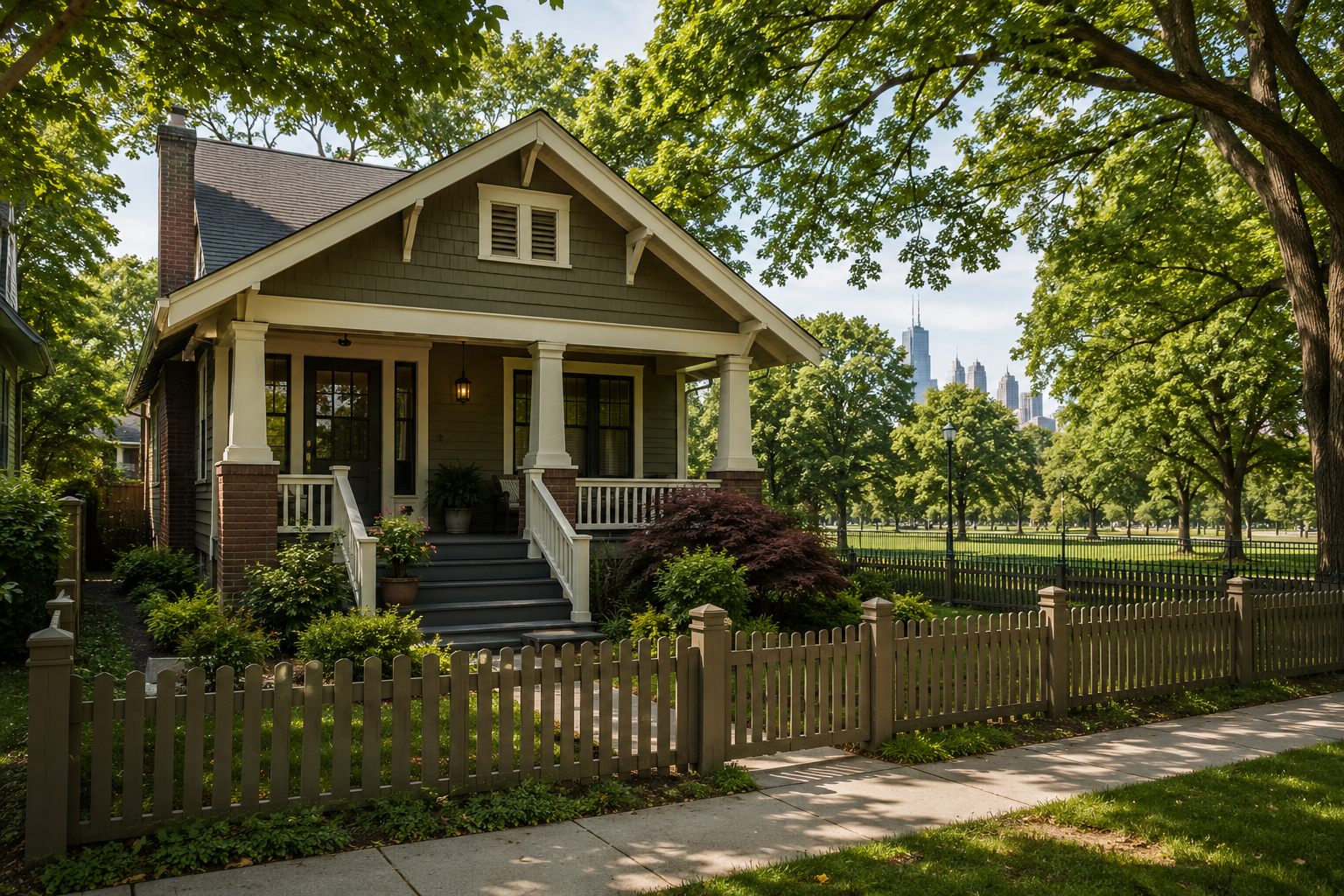
The single biggest difference between the City of Decatur and Virginia-Highland is which school system serves them: Decatur runs its own independent district, City Schools of Decatur, while Virginia-Highland is part of Atlanta Public Schools. That one structural fact drives a lot of what people are really asking when they put these two next to each other, so I want to start there and then walk through everything else that actually separates them.
I work with buyers all over Metro Atlanta, and these two come up together constantly. Both are intown, both are walkable in their own way, both hold their value, and both attract buyers who want to live close to the core without committing to a high-rise or a long suburban commute. On a map they look like neighbors. In practice they function very differently, and the gap between them shows up in price, in housing stock, in how you get around, and in what your tax bill looks like every year.
Here is the part most online searches get wrong before they even start: "Decatur" on Zillow is not the same place as the City of Decatur. I will explain that in detail below, because it changes every number you think you know.
Here's what you need to know.
The Quick Version: How City of Decatur and Virginia-Highland Compare
If you only have two minutes, this table covers the differences that matter most. Each line is explained in full further down.
| Factor | City of Decatur | Virginia-Highland |
|---|---|---|
| Where it is | Its own incorporated city in DeKalb County, about 4 square miles | A neighborhood inside the City of Atlanta, Fulton County, about 1 square mile |
| School system | City Schools of Decatur (independent charter district) | Atlanta Public Schools, Midtown cluster |
| Median sale price, all home types (spring 2026) | Around $625K in the 30030 ZIP code | Around $750K |
| Typical detached single-family | Roughly $700K and up, into the $1M+ range for renovated and new construction | Roughly $1M and up, with renovated Craftsman homes commonly $1.1M to $2M |
| Housing stock | Mix of 1920s to 1950s cottages and bungalows, mid-century ranches, newer infill, condos and townhomes near downtown | Predominantly 1910s to 1930s Craftsman bungalows and historic homes, plus older condos and a limited number of new builds |
| Walkability | Concentrated around the downtown square and a few pockets like Oakhurst; the rest is sidewalk-connected residential | Walkable village layout throughout, Walk Score around 77 |
| MARTA rail | Yes: Decatur, Avondale, and East Lake stations on the Blue Line | No station inside the neighborhood; nearest rail is a drive or bus ride away |
| Property tax structure | City of Decatur taxes (city plus CSD school millage) on top of DeKalb County taxes; 50% assessment ratio | City of Atlanta and Fulton County taxes; standard 40% assessment ratio |
| Known for | A true small-city downtown with a courthouse square, its own school district, and direct rail access | A historic walkable village with a dense restaurant and retail strip and proximity to Piedmont Park and the BeltLine |
First, Let's Be Clear About Which Decatur We're Talking About
This trips up almost every out-of-town buyer, and plenty of local ones too. When you search "Decatur, GA" on Zillow or Redfin, you usually get the postal city of Decatur, which is an enormous chunk of unincorporated DeKalb County stretching across ZIP codes like 30032 and 30034. That broad "Decatur" shows median home values in the high $200Ks to low $300Ks. People see that number, get excited, and then get confused when the homes they actually want are double or triple that.
The City of Decatur is a separate, incorporated municipality of about four square miles, centered on the historic courthouse square, mostly inside the 30030 ZIP code. It has its own mayor, its own city government, and most importantly its own school district. The homes there are not in the $200Ks. As of spring 2026, the median sale price in 30030 was around $625K, with a price per square foot near $327, according to Redfin's March 2026 data. Detached single-family homes routinely sell above $700K.
So when this guide says Decatur, I mean the City of Decatur, the small incorporated city, not the sprawling postal version. If you have been comparing a $290K "Decatur" listing to a $900K Virginia-Highland bungalow and wondering how that is even a contest, this is your answer. They were never the same market.
Address matters down to the parcel here. Two homes a few hundred feet apart can sit on opposite sides of the city line, which means different schools, different taxes, and different resale stories. I check the actual city limits and school zone on every property before a client falls in love with it, because the marketing photos do not tell you which side of the line you are on.
What Does It Cost to Buy in the City of Decatur vs. Virginia-Highland in 2026?
Both are premium intown markets, and both have softened from the frenzy of 2021 and 2022. Inventory has loosened across Metro Atlanta, days on market have stretched out, and buyers have more room to negotiate than they did two years ago. Neither place is cheap, but the entry points and the ceilings differ.
Here is how the price tiers break down as of spring 2026. These are working ranges to orient you, not appraisals. Small monthly sample sizes make neighborhood medians swing, so treat any single month's figure with caution and reach out to me for current, address-specific numbers before you make decisions.
| Price Tier | City of Decatur | Virginia-Highland |
|---|---|---|
| Entry (condos and townhomes) | Roughly $300K to $500K, mostly near downtown | Roughly $400K to $800K, often older historic condos |
| Smaller cottages and original bungalows | Roughly $500K to $750K | Roughly $700K to $1M for unrenovated original homes |
| Renovated and larger single-family | Roughly $800K to $1.3M | Roughly $1.1M to $2M |
| Top of the market and new construction | $1.5M to $2M+ | $2M+ |
The headline is straightforward. Dollar for dollar, the City of Decatur gives you a lower entry point and more square footage than Virginia-Highland at the same price. A renovated four-bedroom that lists around $900K in Decatur would often push past $1.2M in Virginia-Highland, and the Decatur home will frequently sit on a larger lot. Virginia-Highland charges a premium for its walkable village layout and its location between Midtown and the BeltLine, and the limited supply of land keeps that premium intact.
One number to handle with care: you may see a recent three-month median sale price for the City of Decatur quoted around $700K, up sharply year over year. That kind of jump in a small market usually reflects which homes happened to close that quarter rather than a true 30% surge in value. Larger detached homes closing in a given window pull the median up. The ZIP-level figure near $625K and the steadier price-per-square-foot trend are better gauges of where the market actually sits.
What Do You Get for the Money in Each?
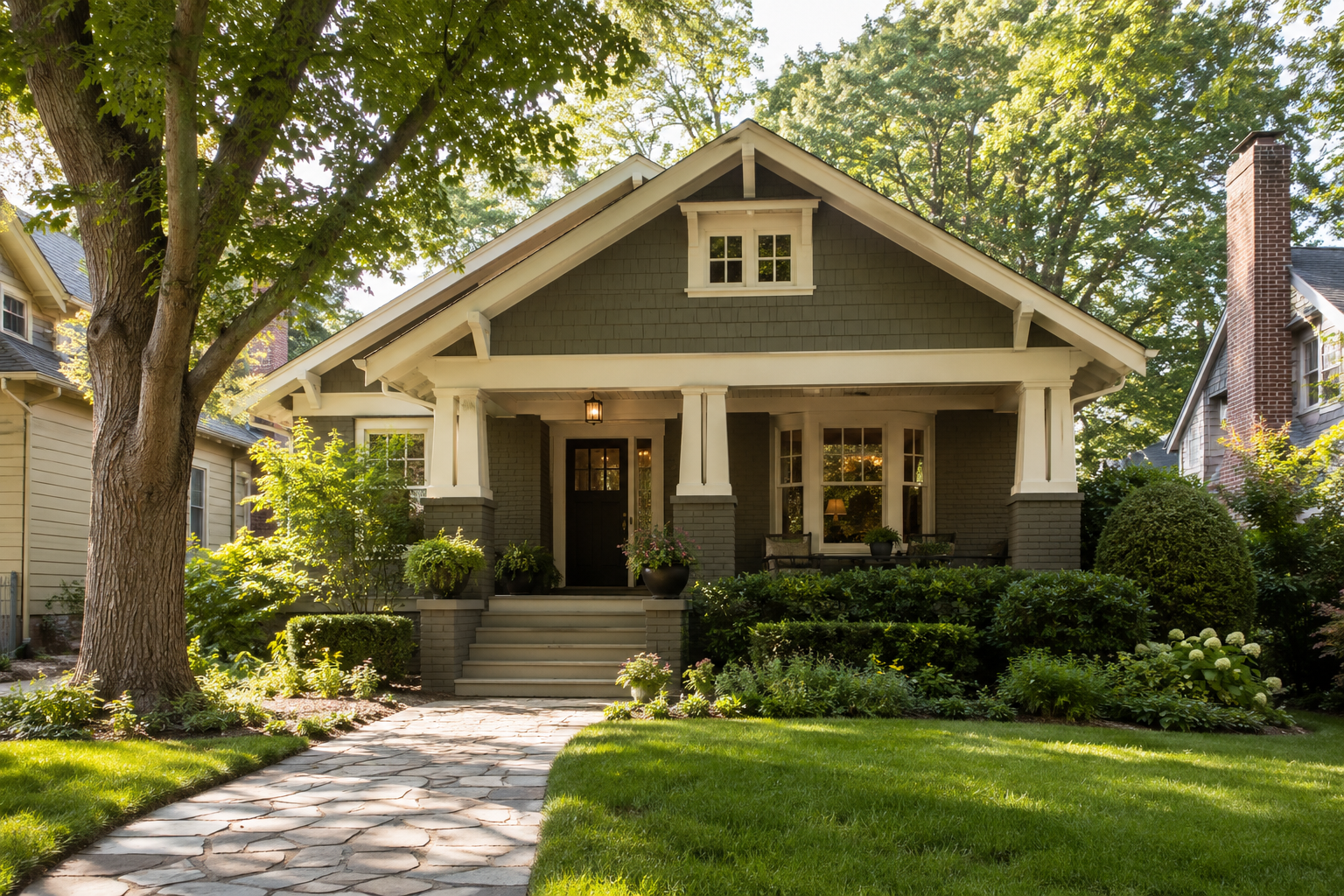
Virginia-Highland is, at its core, a historic district of 1910s to 1930s homes. The signature property is a Craftsman bungalow on a modest lot, often 0.15 to 0.25 acres, frequently renovated and expanded over the decades. You will also find Tudor and colonial revival homes, a stock of older condos and a few small condo buildings, and a limited number of newer infill homes where older houses were torn down and replaced. The architecture is the product, and the National Register historic district designation shapes what owners can and cannot change on the exterior in protected portions.
The City of Decatur covers more ground and more eras, so the housing is more varied. Around the square and in neighborhoods like Oakhurst and Winnona Park you get early-20th-century cottages and bungalows similar in spirit to Virginia-Highland. Push outward and you find mid-century ranches, split levels, and pockets of newer construction where builders have added modern homes to older streets. Lots tend to run larger than in Virginia-Highland, and there is simply more inventory across price points because the city is roughly four times the land area. That variety is part of why the entry point is lower: there are more modest homes and more condo and townhome options to choose from.
If your priority is a turnkey historic bungalow inside a tight walkable grid, Virginia-Highland delivers that specific thing better than almost anywhere in Atlanta. If your priority is more house, more yard, and more options per dollar inside a self-contained small city, Decatur is the stronger value.
Schools: The Real Difference Between These Two
This is the section most buyers came for, so let me lay out the facts cleanly and let you draw your own conclusions. I will describe how each system is structured and share publicly available data. I will not rank one against the other, and you should verify everything by specific address and visit the schools yourself before deciding what fits.
The City of Decatur is served by City Schools of Decatur (CSD), an independent public charter district founded in 1901 that operates only within the city's roughly four-square-mile footprint. It serves about 5,300 students. Because it is small, it is organized differently than most metro districts. There is an Early Childhood Learning Center for the youngest students, several neighborhood elementary schools covering kindergarten through third grade, a single upper-elementary campus for fourth and fifth grade (Talley Street Upper Elementary), a single middle school, and a single high school, Decatur High School at 310 North McDonough Street, which had an enrollment around 1,834 in recent reporting and a student-to-teacher ratio near 14 to 1. Publicly reported figures include a graduation rate above 90% over the past decade and per-pupil spending around $16,986 according to U.S. News. Because CSD is a charter system, school assignments and program details can change, so confirm current zoning with the district.
Virginia-Highland is served by Atlanta Public Schools (APS) as part of the Midtown cluster. Elementary assignment splits at Highland Avenue: homes on one side are zoned to Springdale Park Elementary (SPARK) and homes on the other to Virginia-Highland Elementary, with a small number of homes zoned to Morningside Elementary. From there students feed into Howard Middle School and then Midtown High School at 929 Charles Allen Drive, the school formerly known as Grady High, which had an enrollment around 1,658 in recent reporting and a student-to-teacher ratio near 15.6 to 1. APS uses a cluster model, so students at a given elementary generally matriculate together through the same middle and high school.
The practical distinction is structural. In the City of Decatur, the entire city is one small district funneling into one high school, which is part of why the school system is so closely tied to the city's identity and its home values. In Virginia-Highland, your schools depend on which side of Highland Avenue you are on, and you are part of a much larger district. Neither of those facts makes one place better than the other. They make them different, and the right answer depends on your own situation.
Research and visit schools to determine fit for your family. Always verify zoning by specific property address, because both systems can and do adjust boundaries, and in Decatur the city line itself determines whether a home is in CSD at all.
Walkability and Getting Around: City of Decatur vs. Virginia-Highland
Both places sell themselves on not having to drive everywhere, but they deliver it in different shapes.
Virginia-Highland is walkable in the classic village sense, with a Walk Score around 77. The commercial heart sits at the intersection of North Highland Avenue and Virginia Avenue, where restaurants, bars, coffee shops, boutiques, a hardware store, and a CVS line a few walkable blocks. From most of the neighborhood you can reach that strip, a park, and a coffee shop on foot. The layout is continuous, so walkability is spread fairly evenly across the residential streets rather than concentrated in one node.
The City of Decatur organizes its walkability around the downtown square and the old DeKalb County courthouse. The square is genuinely a town center, with a dense cluster of restaurants, shops, a regular farmers market, and civic events. Oakhurst has its own smaller commercial village a short distance away. Between those nodes, the city is residential and sidewalk-connected, so the experience is more like a small town with distinct centers than a single continuous village. Depending on where in the city you live, you may walk to the square daily or you may drive five minutes to it.
The transit difference is the one buyers underestimate. The City of Decatur has direct MARTA heavy rail. The Decatur, Avondale, and East Lake stations on the Blue Line put you a single train ride from Downtown, the airport connection, and the rest of the system. That is a real, durable infrastructure advantage. Virginia-Highland has no rail station inside it. The nearest stations, such as Midtown, require a bus connection or a drive, so residents lean on cars and buses for most trips outside the neighborhood.
On commute times, both are genuinely intown and both beat the suburbs by a wide margin. From Virginia-Highland, Midtown is only a few minutes by car off-peak, and Downtown is typically 10 to 20 minutes depending on traffic. From the City of Decatur, Downtown is roughly 15 to 25 minutes by car off-peak via DeKalb Avenue or East Ponce de Leon, or about 20 minutes on the train, with morning rush adding meaningful time on the roads. If a one-seat train ride to Downtown or the airport matters to you, Decatur has it and Virginia-Highland does not.
Things to Do: Restaurants, Parks, and Daily Life
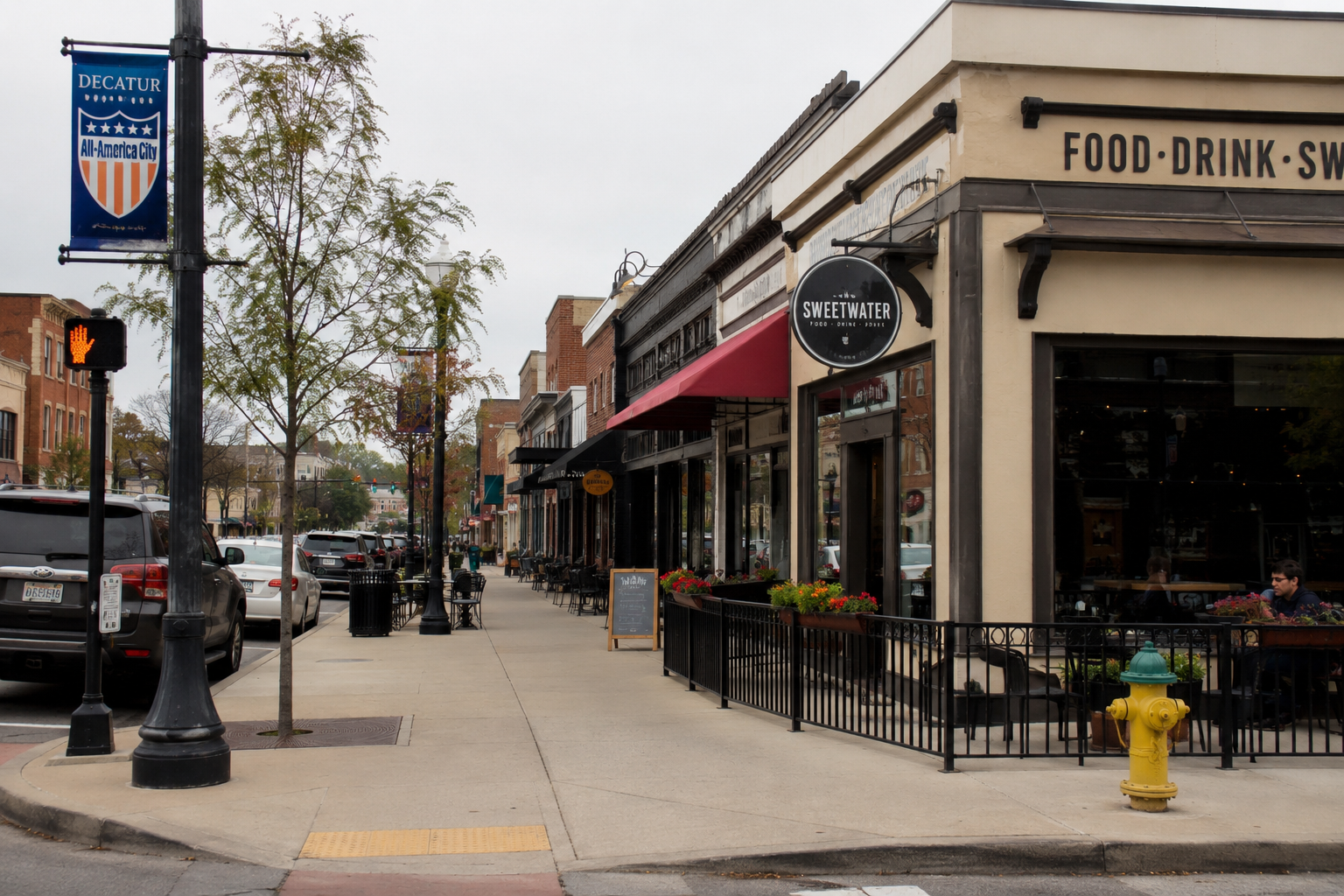
Virginia-Highland's daily life centers on its restaurant and bar strip. Atkins Park is one of the oldest continually licensed taverns in Atlanta. Murphy's is a long-running neighborhood brunch and dinner anchor. You also have spots like Highland Tap, La Tavola, and a string of coffee shops and boutiques along North Highland. The neighborhood hosts Summerfest, a large annual festival. For green space and bigger outings, Piedmont Park and Ponce City Market sit just to the west, and the BeltLine Eastside Trail is reachable at the neighborhood's edge. John Howell Park and Orme Park provide smaller neighborhood green space inside Virginia-Highland itself.
The City of Decatur's social life runs through the square. Brick Store Pub is a nationally known beer bar, Leon's Full Service and the Iberian Pig are local dining staples, Kimball House is a destination for oysters and cocktails, and Eddie's Attic is a well-regarded live music venue that has launched plenty of careers. The square hosts a strong farmers market and a calendar of festivals and events through the year. Oakhurst adds its own cluster of neighborhood restaurants and bars. For green space, Glenlake Park and a network of smaller parks serve the city, and the broader DeKalb trail and park system is close by.
The honest summary: Virginia-Highland concentrates more restaurant and nightlife density into a smaller, more walkable footprint and puts you closer to Piedmont Park and the BeltLine. The City of Decatur spreads its amenities across a larger area anchored by a true town square, and pairs them with the civic feel of living in an actual small city rather than a neighborhood of a big one.
Property Taxes and Cost of Ownership in the City of Decatur
This is a cost difference that catches buyers off guard, so it deserves its own section. Because the City of Decatur is its own municipality with its own school district, homeowners there pay City of Decatur property taxes, which include both city and CSD school millage, in addition to DeKalb County taxes. The city also assesses property at 50% of fair market value, compared with the 40% assessment ratio used by DeKalb County and most of Georgia, and it bills in two installments per year.
Decatur does offer homestead exemptions that reduce taxable value, including a general homestead exemption and additional exemptions based on age, income, and disability, with some seniors qualifying for relief on the school portion of their bill. The application deadline for new exemptions is early in the year, so timing matters. Statewide changes are also in motion: a floating homestead exemption took effect in recent years to limit how fast taxable value can grow, though local governments, including Decatur, have had the option to opt out, and the details continue to shift through the legislature.
Virginia-Highland homeowners pay City of Atlanta and Fulton County taxes at the standard 40% assessment ratio, without a separate independent school district layered on top.
I am not a tax advisor, and your actual bill depends on your home's assessed value, the current millage rates, and which exemptions you qualify for. Before you buy in either place, get a realistic estimate of the annual property tax from the relevant tax authority and factor it into your monthly budget alongside the mortgage. I am glad to help you find current figures for a specific property so there are no surprises.

Who Each Neighborhood Tends to Fit
I describe these as lifestyle and priority matches, not as a verdict on who belongs where. Both places welcome a wide range of buyers. The question is which set of tradeoffs lines up with what you actually want.
The City of Decatur tends to be the right fit when:
You want the structure and identity of an independent small city with its own school district, and you value that the school system is tightly tied to the city footprint.
You want more house and more yard per dollar than Virginia-Highland offers.
Direct MARTA rail access to Downtown and the airport connection is a priority.
You like the idea of a true town square as your social and civic center, plus a secondary village in Oakhurst.
You are comfortable with a higher annual property tax structure in exchange for what the city and its schools provide.
Think carefully about the City of Decatur if:
You want walkability spread evenly across every block rather than concentrated around the square and a few pockets.
The independent district's higher assessment ratio and combined city-plus-school tax bill would strain your budget.
You specifically want to be steps from Piedmont Park, the BeltLine Eastside Trail, and Midtown.
Virginia-Highland tends to be the right fit when:
You want a turnkey historic Craftsman bungalow inside a continuously walkable village grid.
Being minutes from Midtown, Piedmont Park, Ponce City Market, and the BeltLine matters to you.
You prefer the dense restaurant and nightlife strip of North Highland within easy walking distance.
You are comfortable paying a premium for location and walkability and are not counting on a larger lot.
Think carefully about Virginia-Highland if:
You need a one-seat train ride to Downtown or the airport, since there is no rail station in the neighborhood.
You want maximum square footage and yard for your dollar.
You want a self-contained small-city setup with a single unified school district rather than a neighborhood within a large district.
Nearby Neighborhoods to Consider
If you are weighing these two, a few other intown areas usually belong in the same conversation. Kirkwood and East Lake sit between the two and offer historic homes at price points that often land below both. Candler Park and Lake Claire give you a similar bungalow-and-walkability feel near Virginia-Highland with their own characters. Inman Park and the broader Highland corridor connect Virginia-Highland to the BeltLine and Old Fourth Ward. And within the City of Decatur, Oakhurst and Winnona Park each function as distinct neighborhoods worth looking at on their own. I have written detailed guides on several of these, and I am happy to point you to the right ones based on what you are prioritizing.
Frequently Asked Questions
Is the City of Decatur the same as the Decatur I see on Zillow? No, and this is the most important thing to understand. Zillow's "Decatur, GA" usually covers a large area of unincorporated DeKalb County with much lower home values. The City of Decatur is a separate incorporated city of about four square miles, mostly in the 30030 ZIP code, with its own government and school district and a spring 2026 median sale price around $625K. Always confirm whether a home is inside the actual city limits.
Which is more expensive, the City of Decatur or Virginia-Highland? Virginia-Highland is generally more expensive per home and per square foot. Its spring 2026 all-home-types median sat around $750K, and detached single-family homes commonly run $1M and up. The City of Decatur's 30030 median was closer to $625K, with detached homes typically starting around $700K. You get more house and yard per dollar in Decatur.
What is the difference in schools between the two? The City of Decatur has its own independent district, City Schools of Decatur, serving only the city, with one high school, Decatur High. Virginia-Highland is part of Atlanta Public Schools' Midtown cluster, where elementary assignment splits at Highland Avenue between Springdale Park and Virginia-Highland Elementary, feeding into Howard Middle and Midtown High. Verify zoning by address and visit the schools to judge fit yourself.
Does Virginia-Highland have a MARTA station? No. There is no rail station inside Virginia-Highland. Residents reach rail by bus or car, with Midtown station being one of the nearer options. The City of Decatur, by contrast, has the Decatur, Avondale, and East Lake stations on the MARTA Blue Line.
Are property taxes higher in the City of Decatur? The City of Decatur layers its own city and school district taxes on top of DeKalb County taxes and assesses property at 50% of fair market value rather than the standard 40%, so the overall structure is heavier than in many areas. Homestead and age-based exemptions can reduce the bill. Virginia-Highland pays City of Atlanta and Fulton County taxes at the 40% ratio. Get a property-specific estimate before you buy.
Which has better walkability? Virginia-Highland is more uniformly walkable, with a Walk Score around 77 and a continuous village layout. The City of Decatur's walkability is concentrated around the downtown square and the Oakhurst village, with sidewalk-connected residential areas in between. Both let you live with less driving than the suburbs require.
What kind of homes will I find in each? Virginia-Highland is mostly 1910s to 1930s Craftsman bungalows and historic homes on smaller lots, plus older condos and a few new builds. The City of Decatur has a wider range, including early-20th-century cottages, mid-century ranches, newer infill construction, and condos and townhomes near downtown, generally on larger lots.
Which is the better investment? Both have held value well and appreciated steadily over the long term, with Virginia-Highland's limited land supply supporting its premium and the City of Decatur's independent schools and rail access supporting its demand. The better choice depends on your budget, your timeline, and what you want from the home. I can pull recent comparable sales and appreciation trends for either so you can decide with real numbers.
How far is the commute to Downtown Atlanta from each? From Virginia-Highland, expect roughly 10 to 20 minutes to Downtown by car off-peak, with Midtown only a few minutes away. From the City of Decatur, expect roughly 15 to 25 minutes by car off-peak or about 20 minutes on MARTA rail. Rush hour adds time on the roads in both cases.
Can you help me decide between them sight unseen if I am relocating? Yes. I work with relocation buyers regularly and can walk you through both areas over video, send targeted listings, and tour homes on FaceTime so you can compare them in real time before you ever land. I will also flag the things photos hide, like which side of a street or a city line a home actually sits on.
Let's Find Your Spot
Both the City of Decatur and Virginia-Highland are strong intown choices, and the right one comes down to your budget, your priorities on schools and walkability, and how much the independent-city setup and rail access matter to you. I know both markets in detail, down to the block and the parcel, and I will give you honest numbers and a clear read on the tradeoffs rather than a sales pitch.
Visit kristenjohnsonrealestate.com or reach out directly. Come as you are, come on home.
Looking for more Metro Atlanta neighborhood guides? I have covered the intown cluster in depth, including Kirkwood, East Lake, Candler Park, Inman Park, and the City of Decatur and Virginia-Highland on their own. Browse the full guide series at kristenjohnsonrealestate.com.