

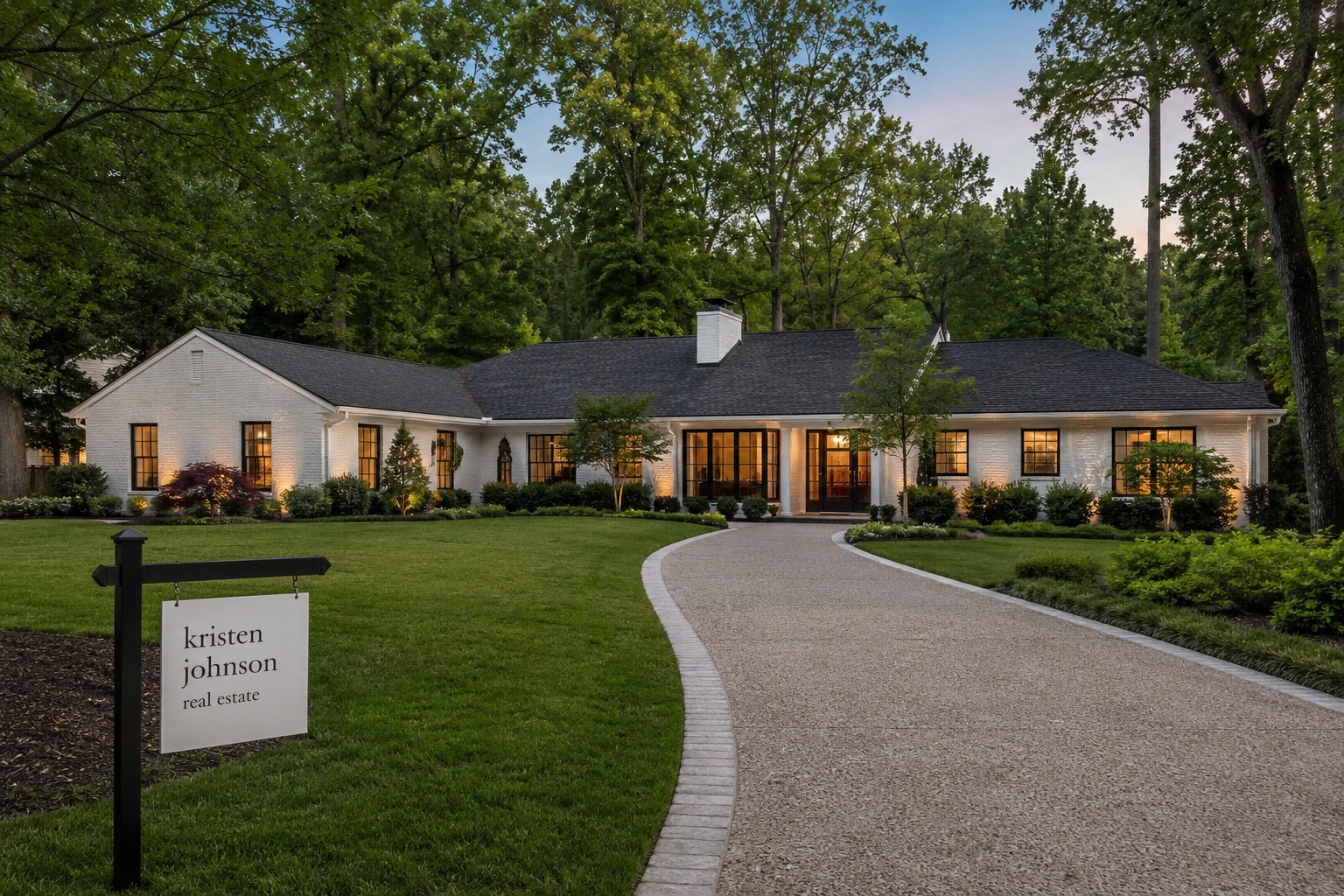
Why Are Some Atlanta Homes Selling in a Month While Others Sit 100+ Days in 2026?
Two Atlanta homes on the same street can have completely different outcomes in 2026: one sells in three weeks, the other sits four months and takes two price cuts. The market did not treat them differently. The way they were brought to market did. With the metro now near a balanced 4-month supply and almost 40 percent of listings carrying price reductions, "days on market" has split into two groups, fast and stale, and the gap comes down to price, condition, and exposure. Nearly a decade helping buyers and sellers across Metro Atlanta means I can tell you which group your home will land in, and why. Here's what you need to know.
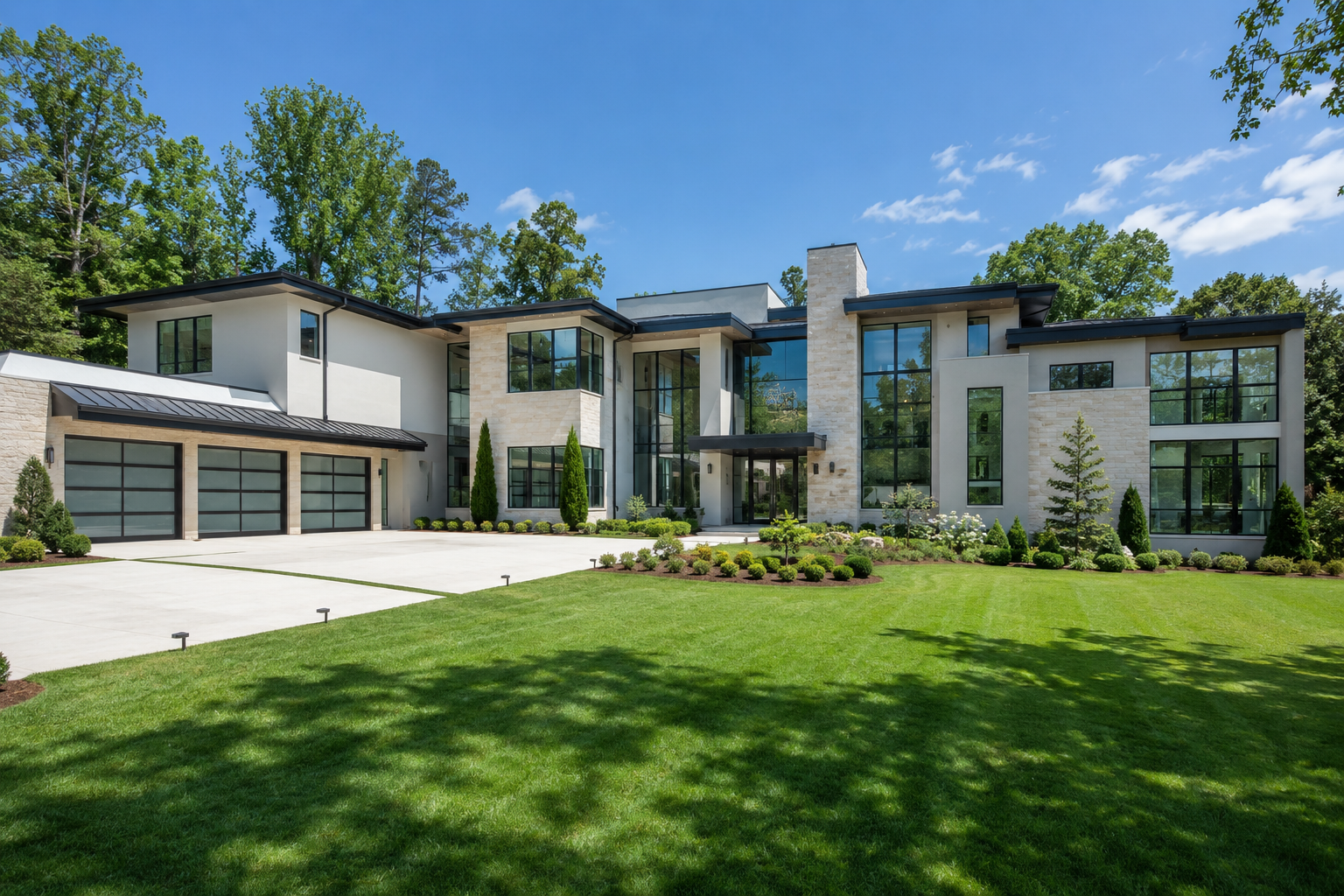
Buckhead vs. Sandy Springs: Which Is the Better Luxury Buy in 2026?
Buckhead and Sandy Springs share a border, sit in the same county, and land on every "most prestigious Atlanta" list, so relocation buyers often treat them as interchangeable. They aren't. The tax bills, the school districts, the housing stock, and the resale story are all different. Nearly a decade helping Atlanta buyers means I know what the numbers don't show: the City of Atlanta tax overlay that adds thousands a year on the Buckhead side, the way the same budget buys far more land in Sandy Springs, and why citywide medians mislead at the luxury tier. Buckhead luxury runs near $1.72M; Sandy Springs estates reach $5M+ on more acreage for less tax. This is the Buckhead vs. Sandy Springs decision. Here's what you need to know.
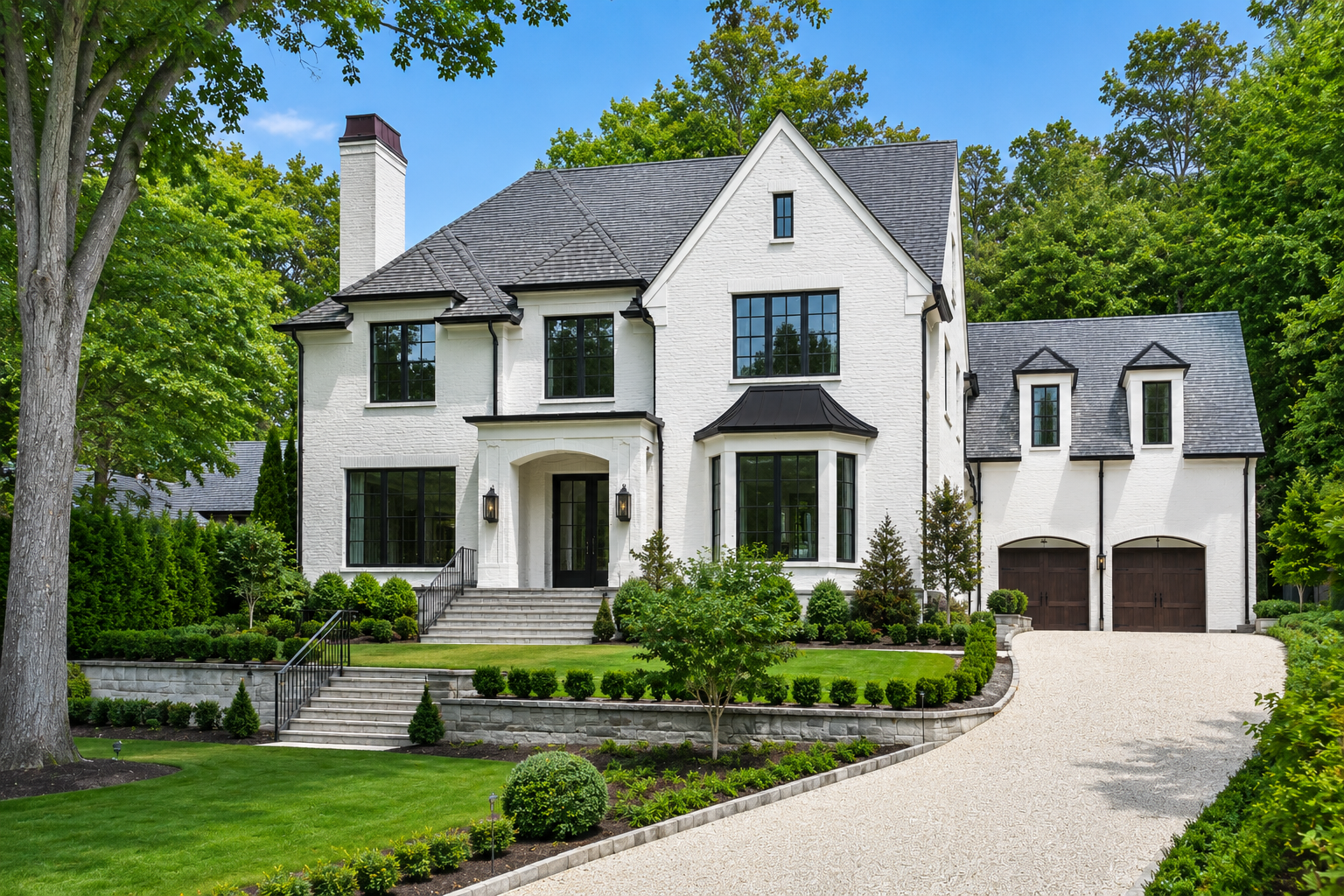
How Are Jumbo Mortgage Rates Shaping Atlanta Luxury Deals in 2026?
Jumbo rates are shaping Atlanta luxury deals less than buyers expect, because the gap between jumbo and conforming rates has nearly closed. As of late May 2026, a 30-year fixed jumbo in Metro Atlanta runs roughly 6.45 to 6.55 percent against a conforming rate near 6.3 percent, a fraction of a point, not the old half-to-full-point penalty. Nearly a decade helping Atlanta buyers and sellers means I know the financing is no longer the obstacle. What shapes these deals now is the down payment, the reserves, the appraisal, and the leverage buyers have in a luxury segment that has tilted their way. This is jumbo financing in Atlanta. Here's what you need to know.
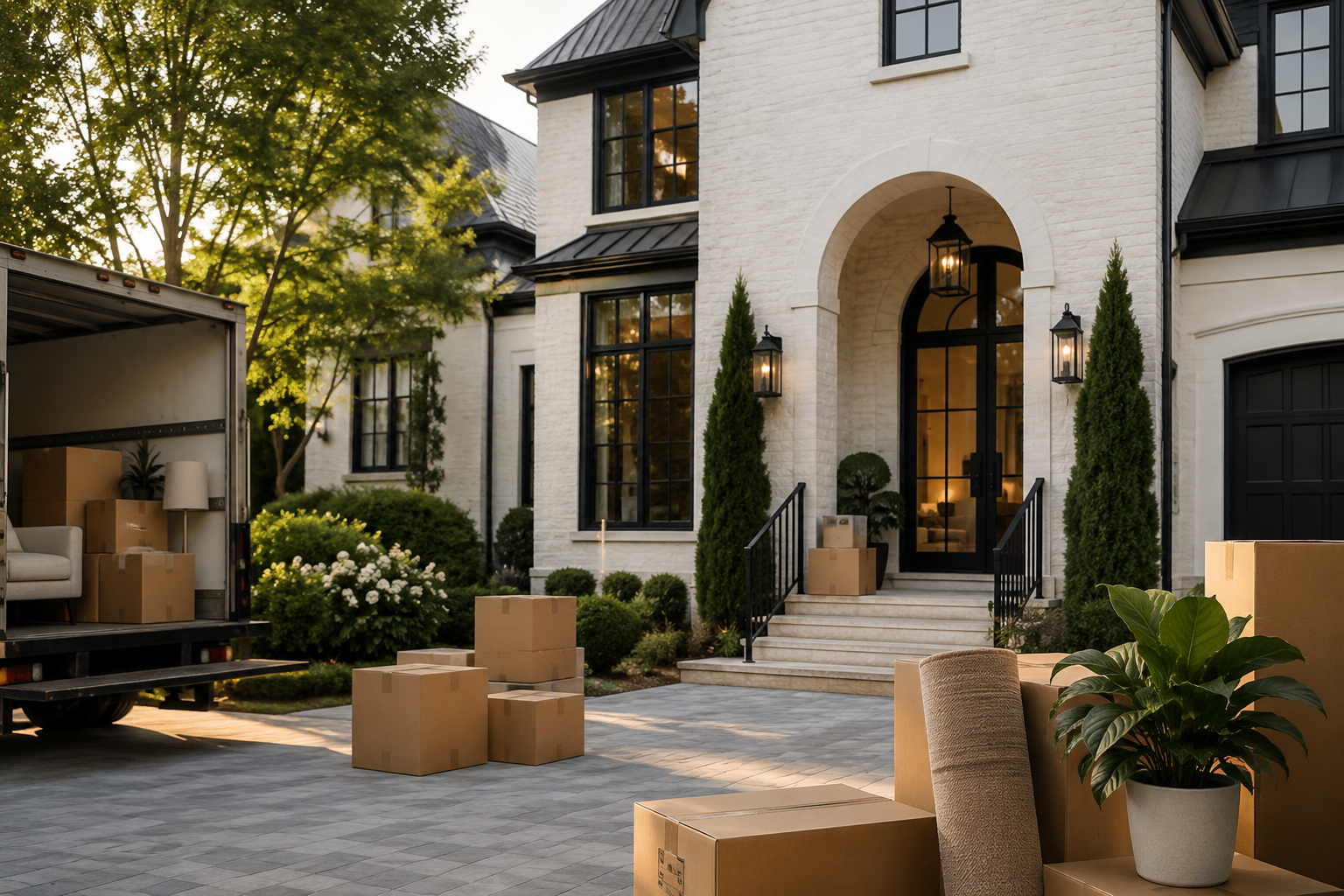
Why Are Life Transitions and Lifestyle Now Driving Moves in Metro Atlanta? What's Changed in 2026
For three years, the mortgage rate ran every move-or-stay decision in Metro Atlanta. In 2026, that flipped. The lock-in effect is easing, the share of mortgages above 6 percent has hit an all-time high, and metro inventory has climbed to roughly 4 months of supply. With the rate penalty shrinking, the real engines of moving are back in charge: growing families, marriages, divorces, retirements, job changes, and aging parents to care for. Nearly a decade helping Atlanta buyers and sellers has taught me the market headline is rarely why anyone actually moves. People move because their life moved first. Here's what you need to know.
How Fragmented Is Atlanta's Luxury Market by ZIP, and How Should I Price My Home in 2026?
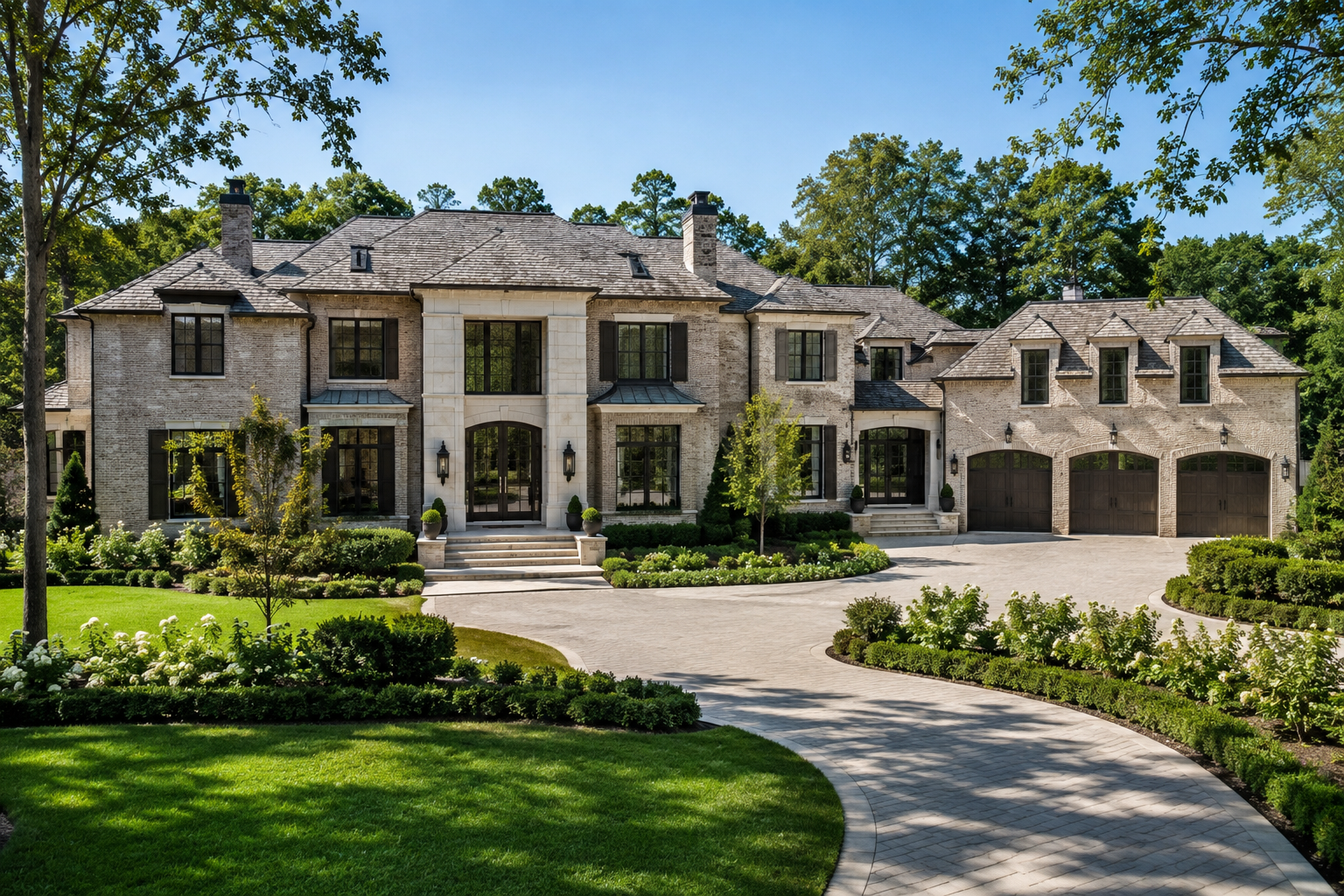
Atlanta luxury is not one market, it is dozens of small ones, and the price that makes you the top sale on one street can make you the longest-sitting listing two ZIP codes over. Inside Buckhead alone, medians run from the high $300,000s in the Lenox and Phipps condo corridor to a 12-month trailing figure near $2.68 million in Northwest Buckhead, and a million dollars means luxury in one area and ordinary in another. Nearly a decade pricing homes across Metro Atlanta means I know that the agents who get luxury wrong price to a metro headline instead of the specific ZIP, sub-market, and condition tier. With luxury now in balanced territory, the launch price is everything. Here's what you need to know.
Is Atlanta Luxury Cooling or Still Strong? What the 2026 Numbers Actually Show
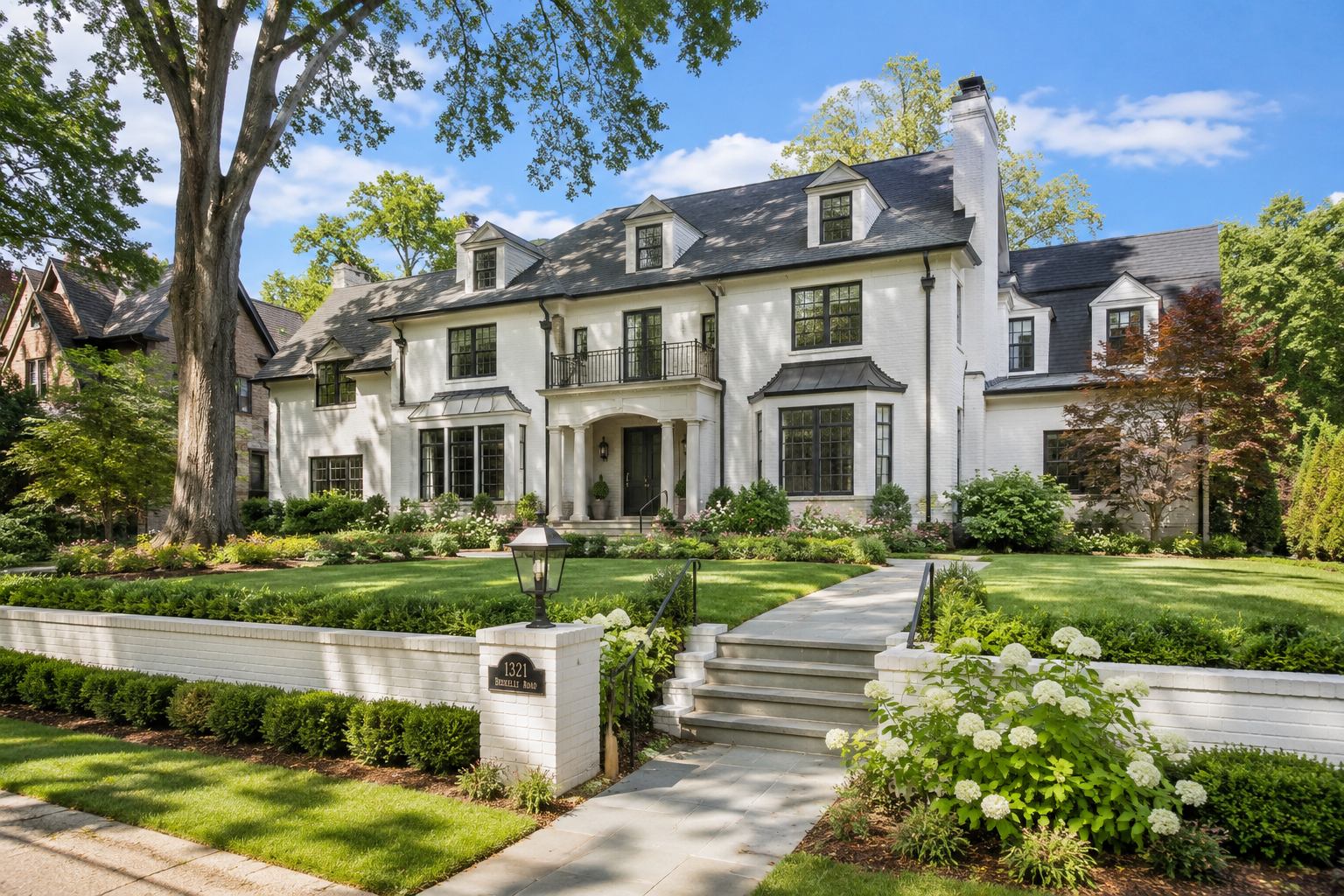
Atlanta's luxury market is rebalancing, not crashing, and the distinction is everything if you are transacting above $1 million. The metro is now K-shaped: tight and seller-leaning below $600K, but tipped toward buyers at the top, where inventory has grown, homes sell at roughly 97 percent of asking, and bidding wars have faded. Prices still rise in the $1M to $2M range, slow in the $2M to $3M range, and go flat above $3M. Nearly a decade working Atlanta's luxury submarkets means I read these numbers at the street level, not the headline level. Here's what buyers and sellers need to know.
Do Private Exclusives Work for Atlanta Luxury? What Sellers Need to Know in 2026
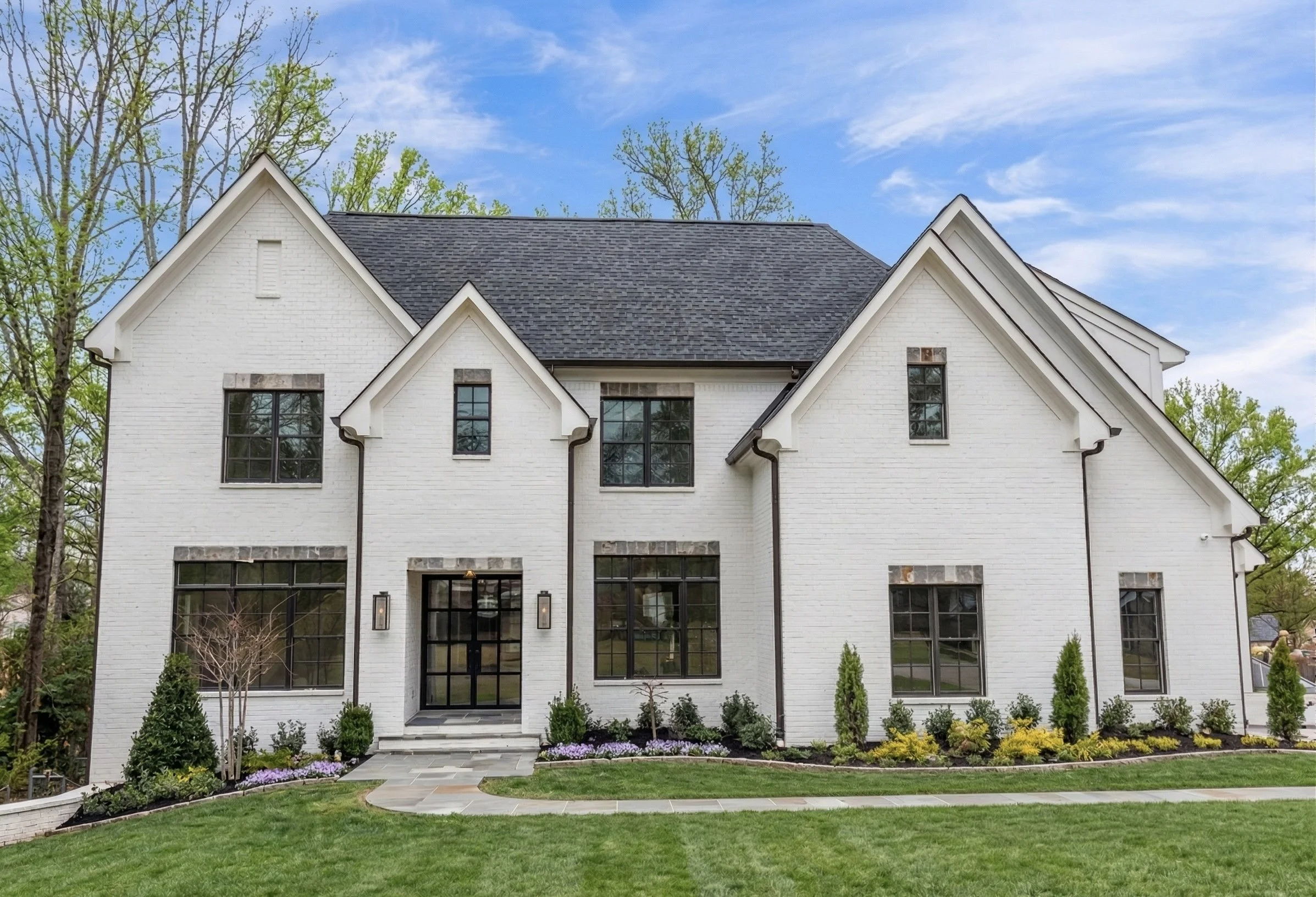
Do private exclusives work for Atlanta luxury? Yes, for the right seller, and luxury is where they fit best. A private or pre-market strategy lets you sell discreetly and on your own timing, and at the top of the market the price tradeoff that costs an ordinary home shrinks to almost nothing. The real question is fit, not yes or no. I break down the data, the new NAR delayed-marketing rules, the ongoing Zillow and portal fight that has touched Georgia listings, and exactly when going private serves an Atlanta luxury seller and when full exposure wins. This is the private exclusive question. Here's what you need to know.
Which Atlanta Neighborhoods Are Truly "Blue-Chip" Luxury? A 2026 Guide for High-End Buyers
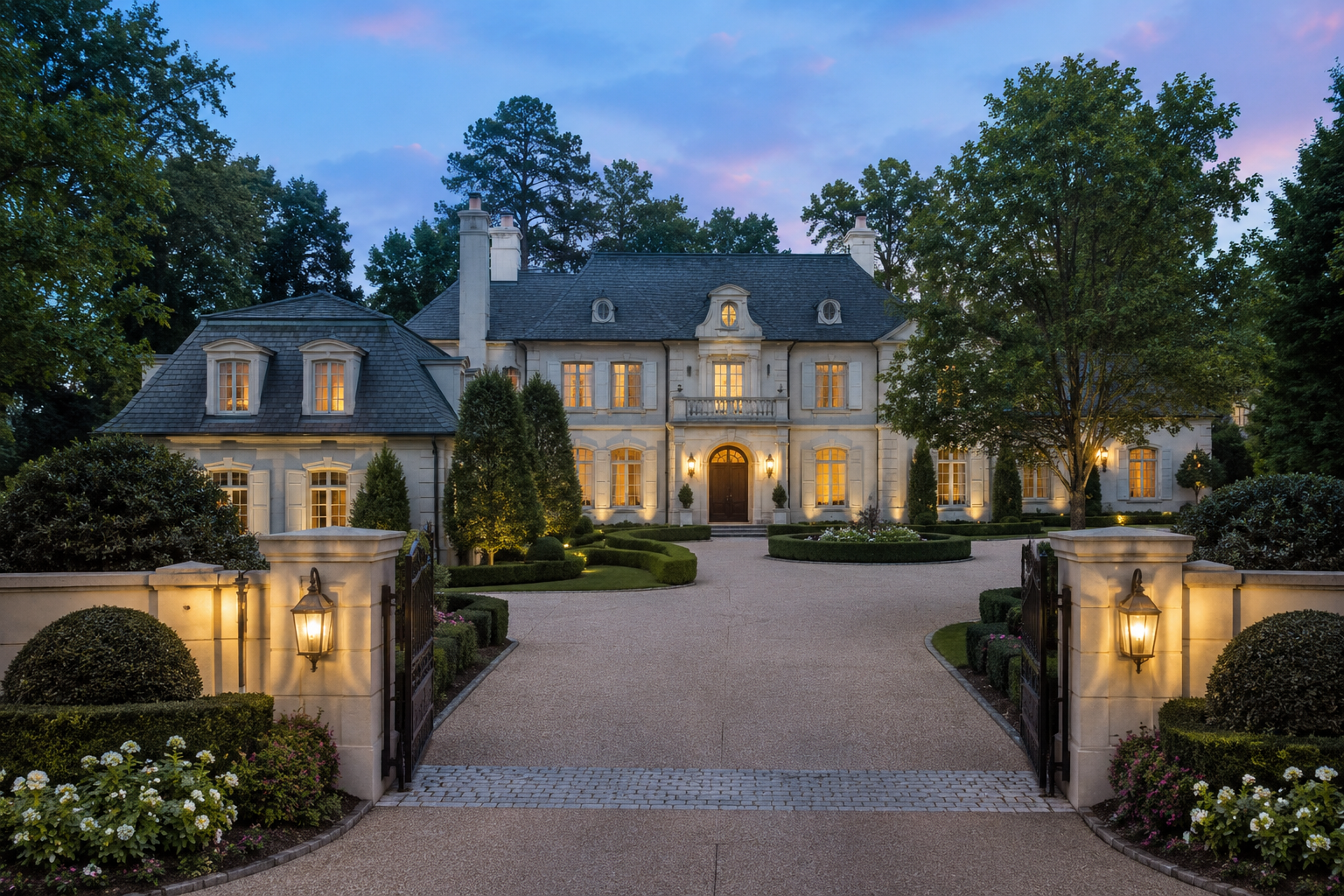
Atlanta's blue-chip luxury short list is small: Tuxedo Park, Chastain Park, Haynes Manor, Argonne Forest, the West Paces Ferry corridor, Historic Brookhaven, and Ansley Park, with Morningside, Garden Hills, and Druid Hills just below. Everything else is luxury-priced, not blue-chip. Nearly a decade helping Atlanta buyers means I have watched these neighborhoods absorb shocks while newer luxury developments did not always recover as cleanly. Median Tuxedo Park sales run $1.4M to $4.4M, with the metro's all-time residential record set there. This is Atlanta's blue-chip luxury market. Here's what you need to know.
Why Does My Area Feel Flat If Atlanta Is "Still Expensive"? What's Really Happening in Metro Atlanta 2026
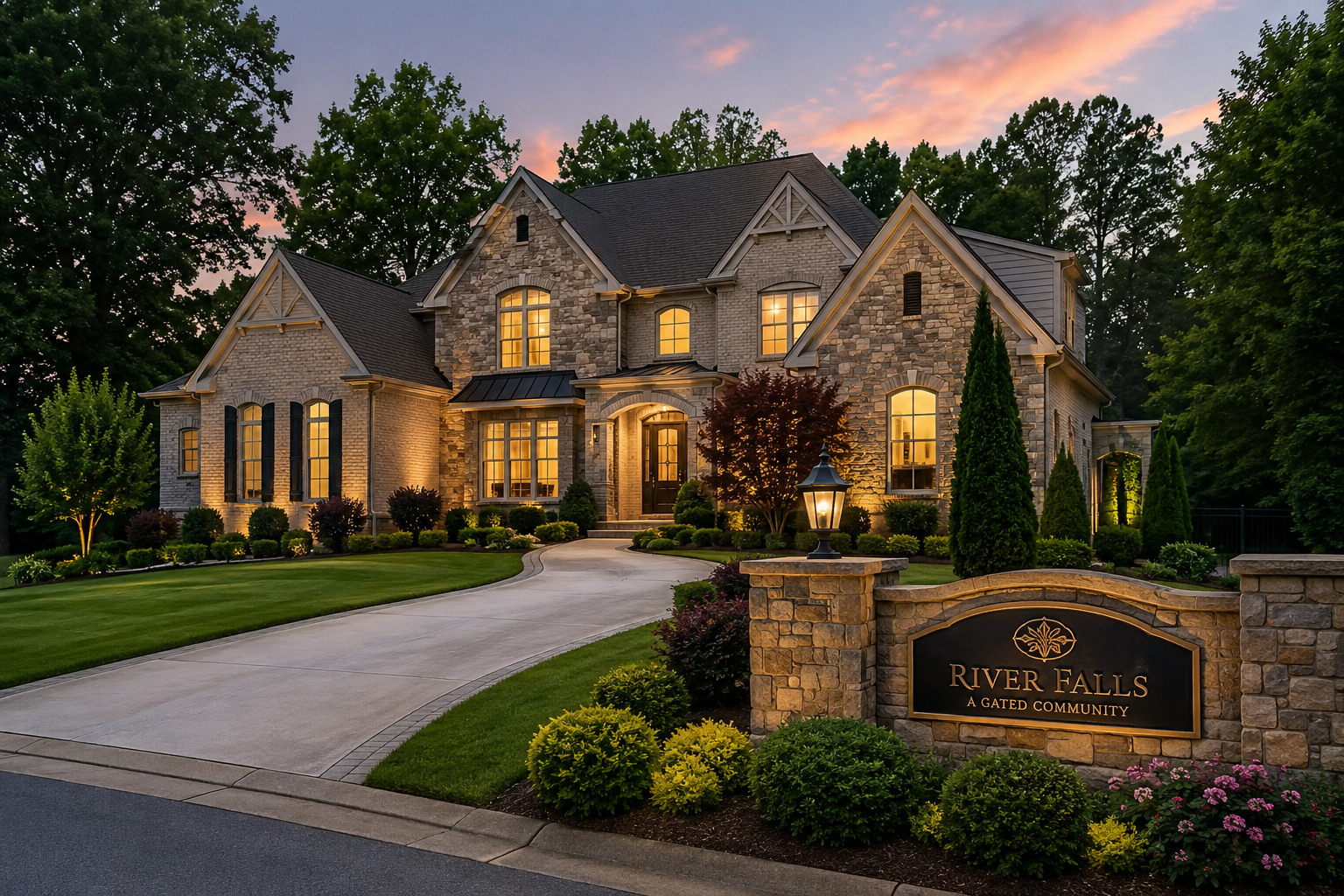
Atlanta is "still expensive" and your area feels flat at the same time, and both are true. Metro Atlanta is not one housing market. It's hundreds of submarkets averaged into a single misleading median. In 2026 they've split into a clear K shape: an April 2026 map of 207 Atlanta neighborhoods found top areas appreciating 5 to 6 percent a year while some affordable areas lost as much as 7 percent. Nearly 10 years helping buyers and sellers across Metro Atlanta means I read the block-by-block data, not the headline. Here's why your area feels stuck, what's actually driving the split, and how to find out what your specific street is really doing.
Are Investors or Low Supply Really Behind Atlanta's Prices? What the Data Actually Shows in 2026
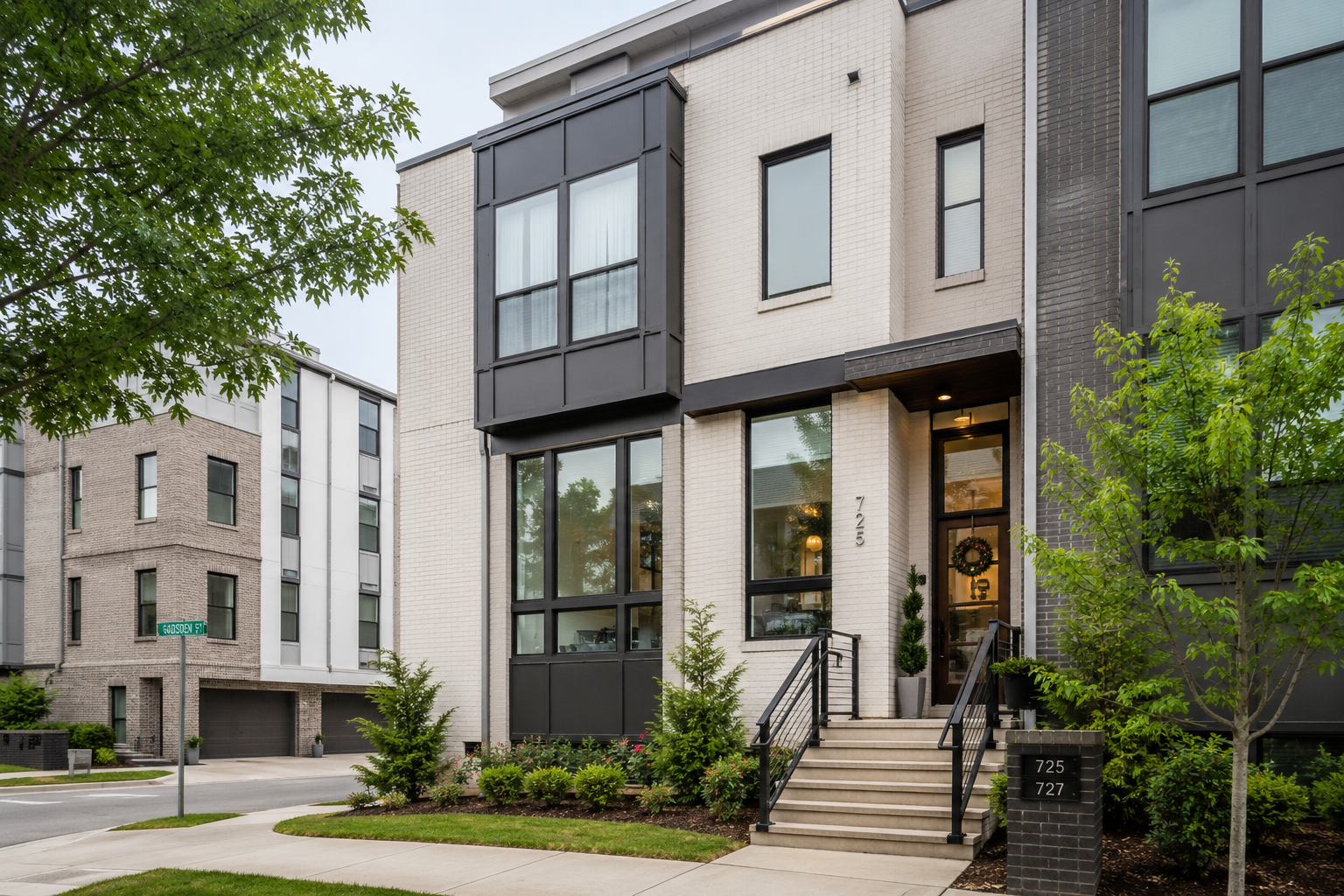
Investors and low supply are both blamed for Metro Atlanta's home prices, but they are not the same kind of problem. The housing shortage, more than a decade of underbuilding against strong population growth, is the structural, region-wide cause. Institutional investors own about 4.4 percent of all single-family homes here, six times the national average, but they concentrate heavily in specific counties: south DeKalb, Clayton, south Fulton, Henry, Douglas, parts of Gwinnett and Cobb. The 2026 numbers tell the story: as inventory rose to a 4-month supply, prices softened. This is what is actually driving Atlanta's prices. Here's what you need to know.
Why Is North Metro Atlanta Inventory Rising, and How Should Sellers React in 2026?
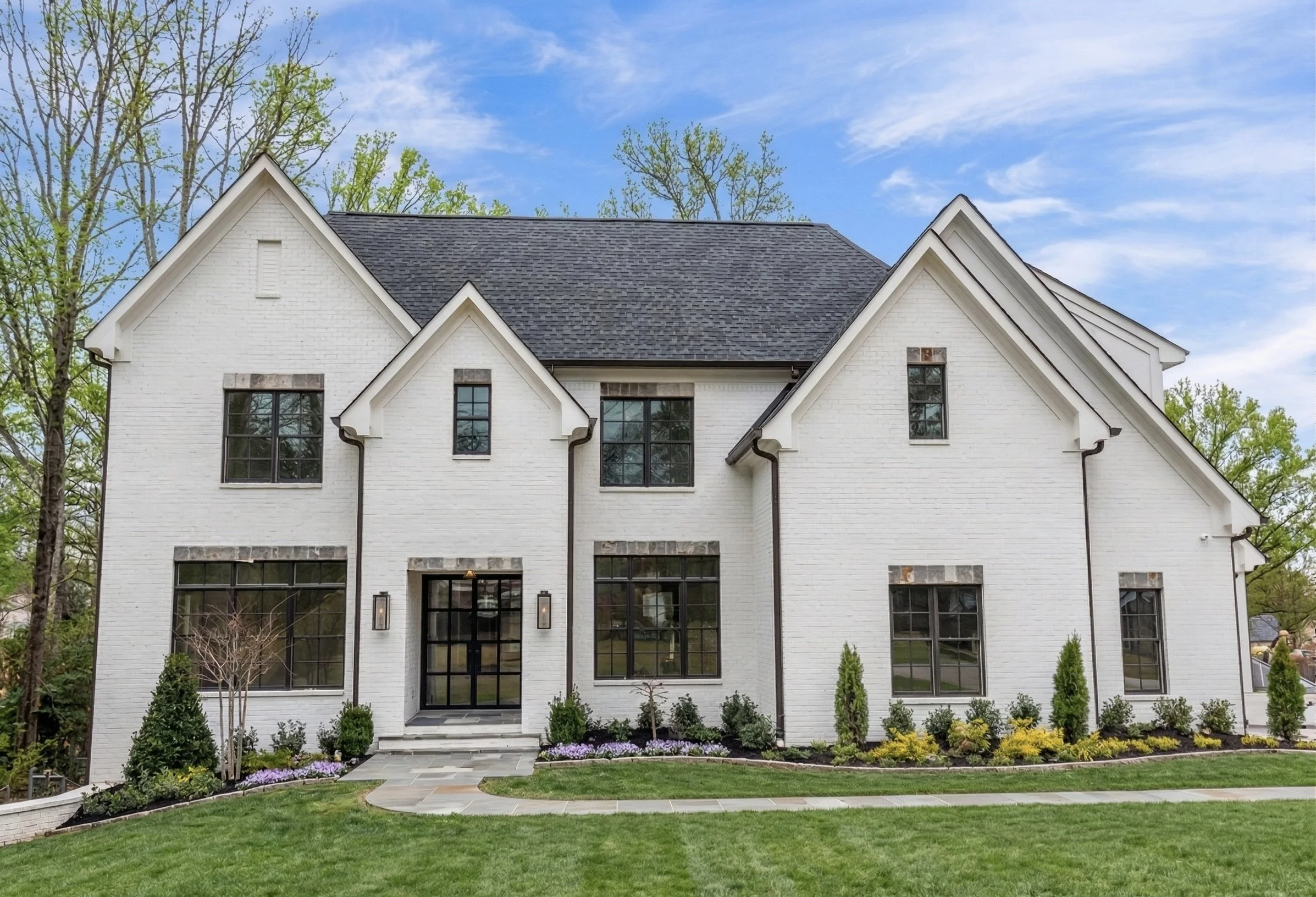
North Metro Atlanta inventory is rising, and sellers want to know why and what to do about it. The short version: the mortgage rate lock-in effect is loosening, builders never stopped delivering new homes, and buyer demand pulled back from the 2021 frenzy. The 11-county metro sat at a 4.0-month supply in March 2026, with North Fulton active listings up roughly 40% year over year. None of that is a crash. Prices have held relatively stable near a $418,000 metro median. Nearly a decade helping Atlanta sellers means I know what the numbers do not show: the market did not turn against sellers, it turned honest. This is the 2026 North Metro market. Here's what you need to know.
Should I Buy a Home Now at 6%, or Wait for Rates to Drop? An Atlanta Buyer's Guide for 2026
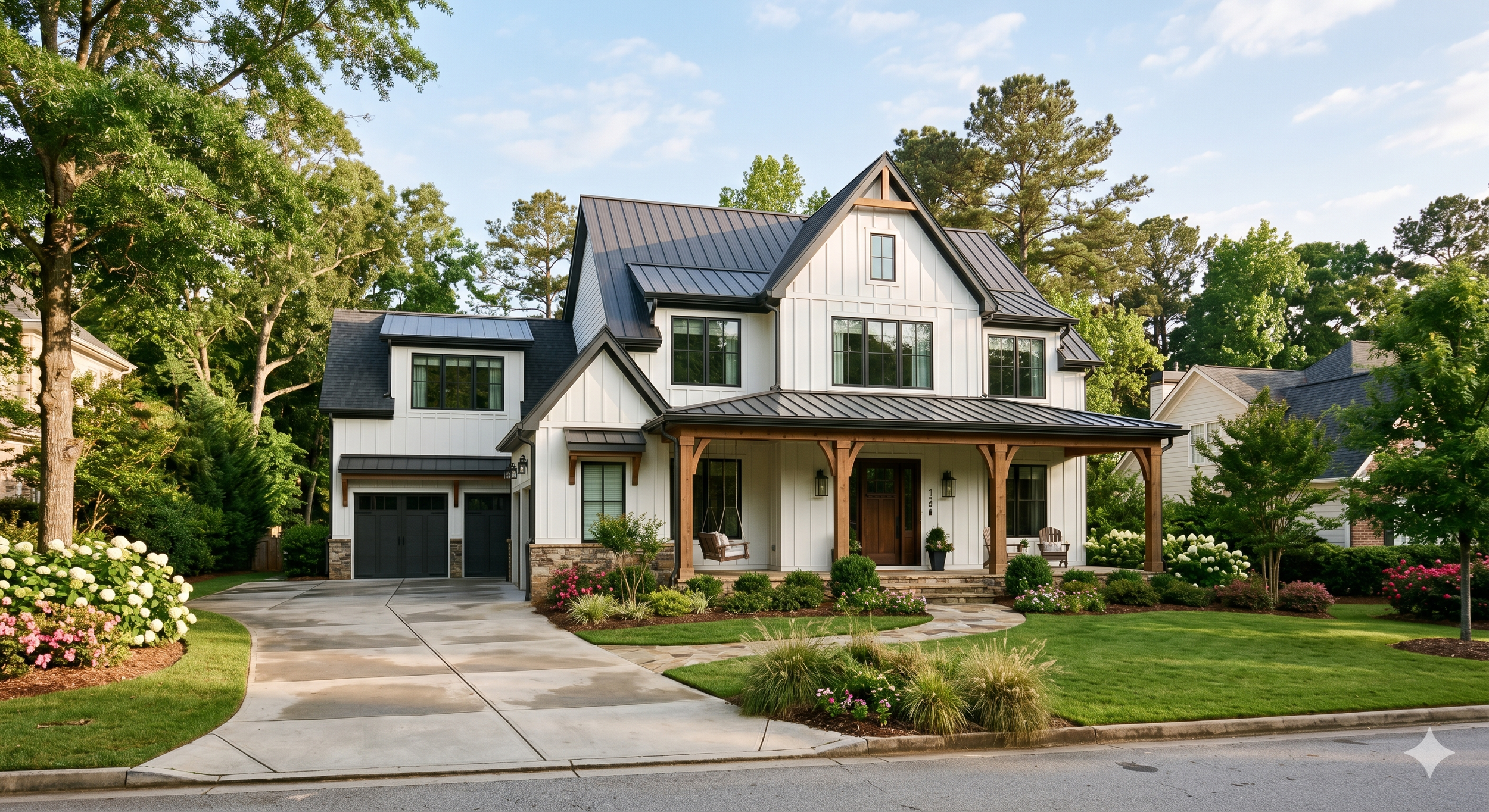
Waiting for mortgage rates to fall before you buy is a bet, not a plan, and it is a bet most Atlanta buyers have lost over the last three years. Nearly a decade of helping Metro Atlanta buyers has shown me the rate question is rarely the right question: when rates drop, more buyers compete and prices rise, often erasing the savings. You can refinance a rate later. You cannot change a higher purchase price, ever. With Atlanta inventory up for a third straight year and homes averaging 60-plus days on market, buyers have real leverage right now. This is the buy-now-or-wait decision. Here's what you need to know.
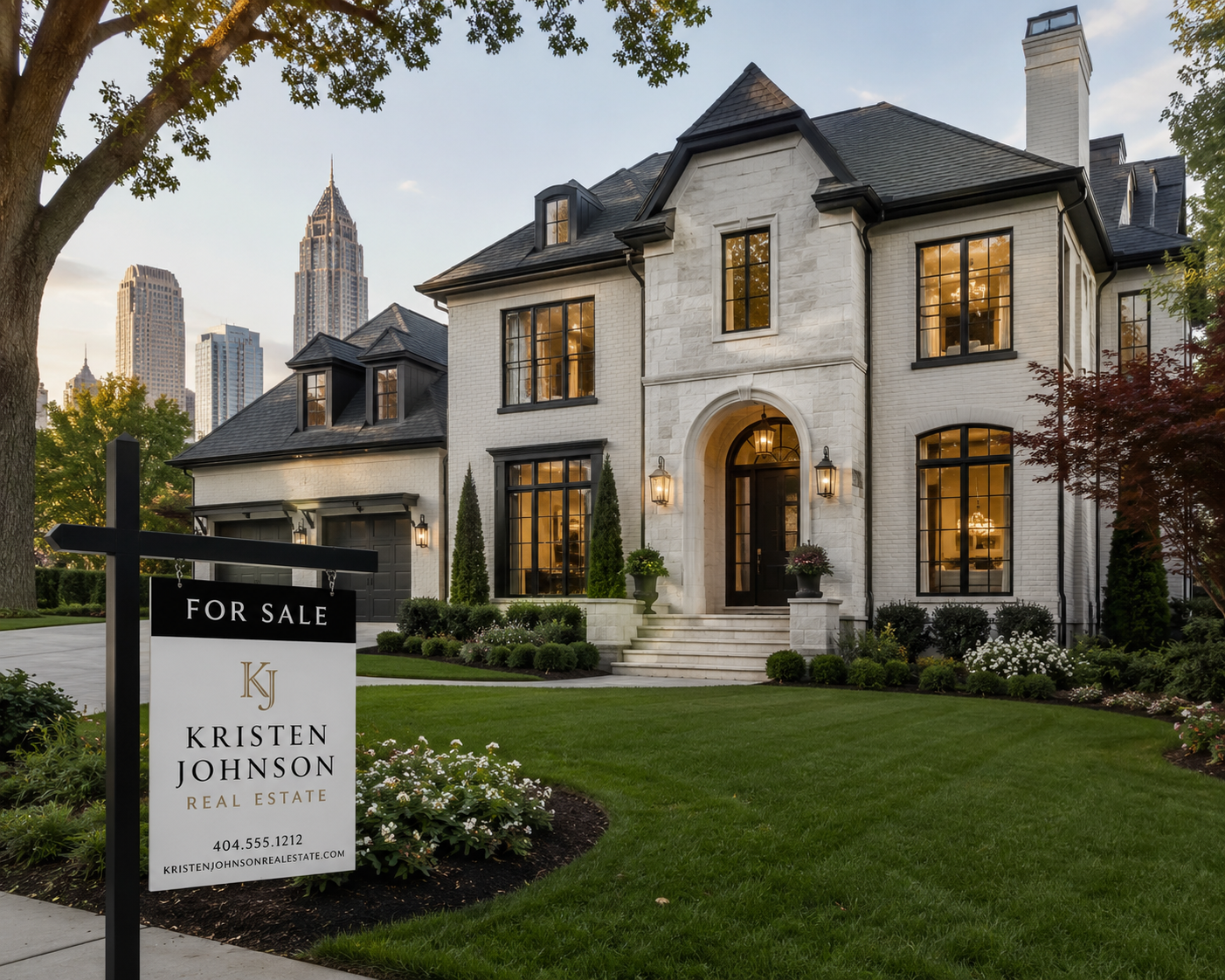
Are Atlanta Prices Dropping or Just Normalizing? What the 2026 Numbers Actually Show
Atlanta home prices are not crashing. They are normalizing, and confusing the two will cost you money whether you are buying or selling. Headlines disagree because they measure different geographies, but the pattern is consistent: median prices roughly flat to modestly down, inventory back to a balanced 4-month range, and homes taking around 70 days to sell because buyers finally have choices and protections again. Nearly 10 years working this market means I can tell you what the metro-wide median hides: condos softened far more than single-family homes, the entry level feels affordability pressure the upper end does not, and your specific street behaves nothing like the headline. This is the 2026 Atlanta market. Here's what you need to know.
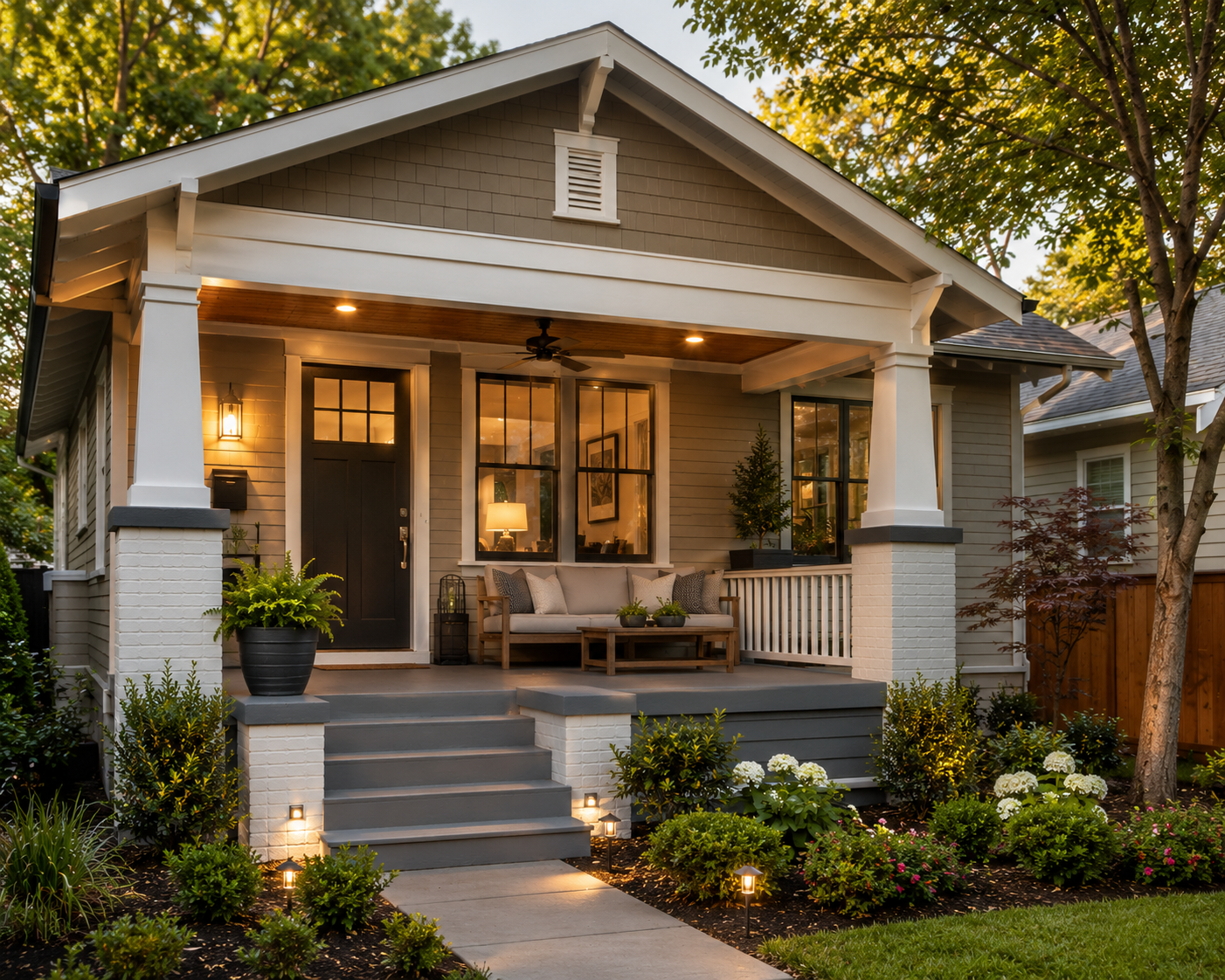
Living in Mozley Park Atlanta GA: Westside History, Mozley Park Greenway & Home Prices 2026
Mozley Park is one of Atlanta's most historic Westside neighborhoods: a National Register district of Craftsman bungalows and Folk Victorian cottages, three miles from downtown, with the BeltLine's Westside Trail running along its edge. Nearly a decade helping Atlanta buyers means I know what the numbers miss here: the six-figure gap between a renovated bungalow and an untouched original, what BeltLine completion actually guarantees, and the weight of the history under these streets. Typical homes run in the $300Ks. This is Mozley Park. Here's what you need to know.
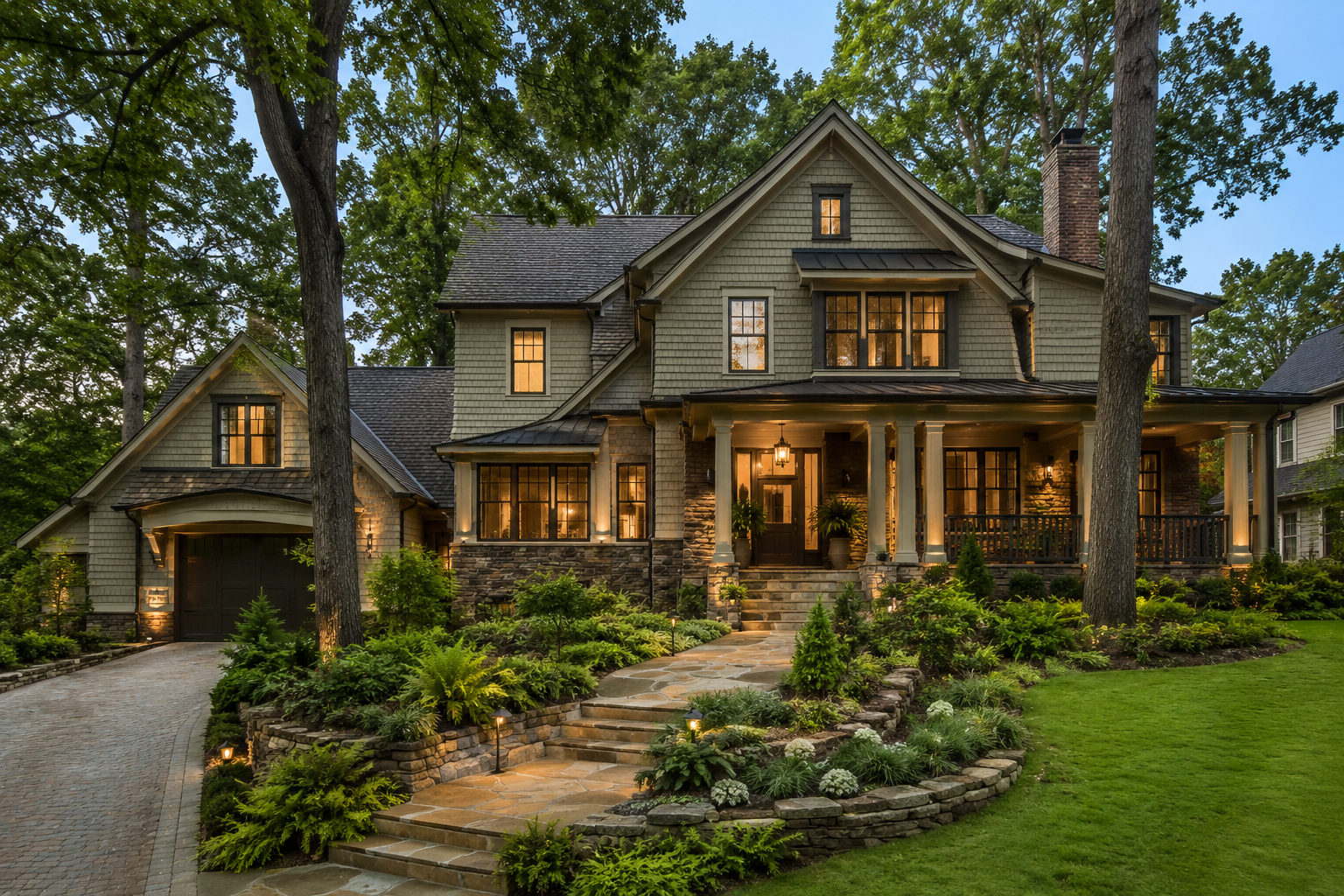
Living in Lake Claire Atlanta GA: Candler Park's Quiet Neighbor, BeltLine Access & Home Prices 2026
Lake Claire is intown Atlanta's quiet residential pocket: roughly 1,200 homes east of Candler Park, no commercial strip, a hilly tree canopy, and a community land trust that hosts the city's longest-running drum circle. Nearly 10 years helping buyers across Metro Atlanta means I know what the numbers don't show: the block-by-block mix of bungalows and infill, why the Mary Lin school zone drives prices, and how to verify zoning before you write an offer. Median sale prices run roughly $895K to $1M, with homes often selling in two to four weeks. This is Lake Claire. Here's what you need to know.
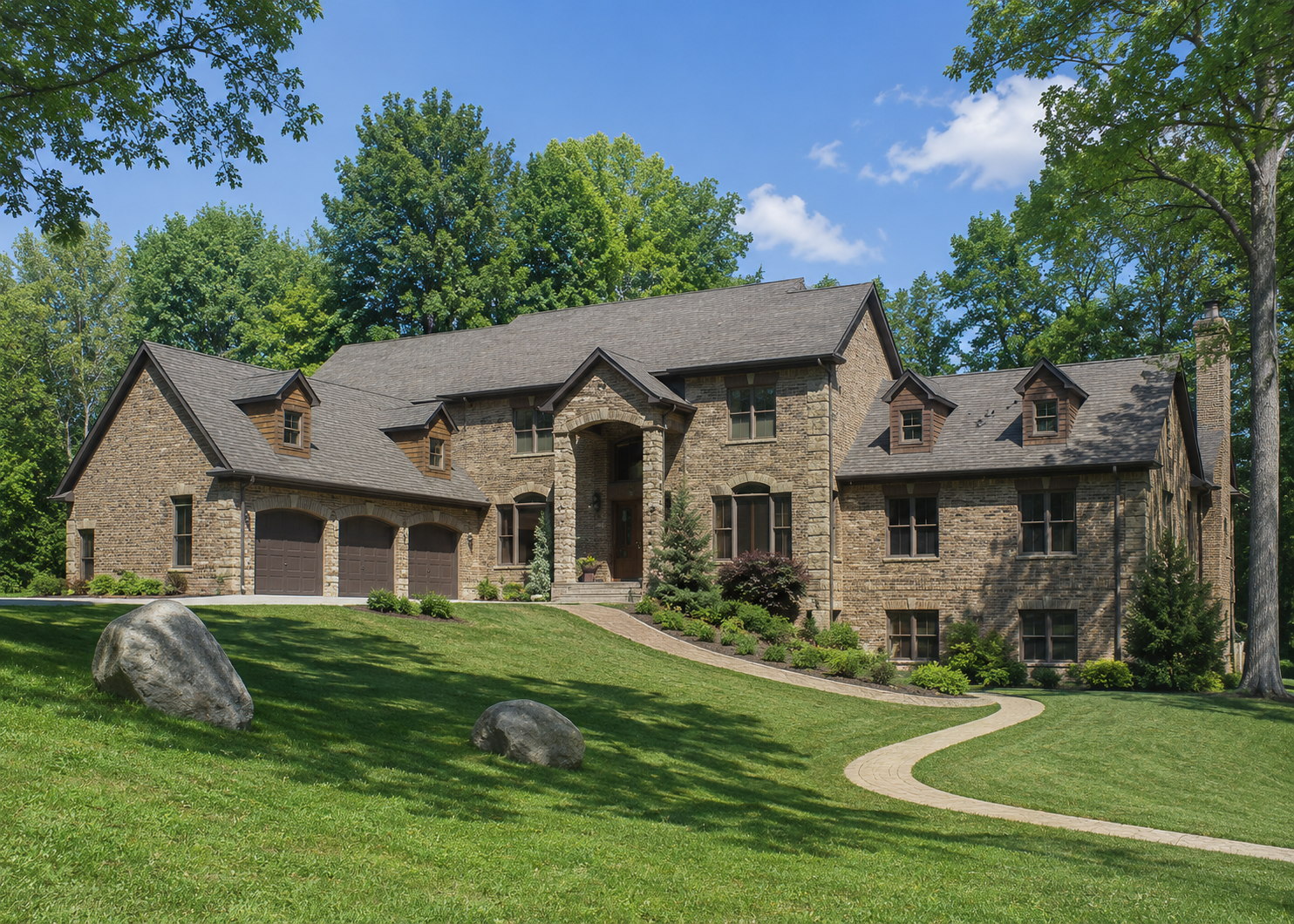
Living in South Fulton GA: New City Identity, Affordability & What Homes Cost in 2026
South Fulton became Georgia's newest large city in 2017, pulling Niskey Lake, Sandtown, Wolf Creek, and the Cascade Road corridor into one 90-square-mile municipality with airport-adjacent acreage and the largest expanse of undeveloped land on Atlanta's south side. Nearly 10 years helping Metro Atlanta buyers means I know what the citywide median hides: the higher-end pockets in 30331 and 30349 deliver custom 5,000+ square-foot estates for what intown Atlanta charges for half the house. Citywide median around $310K, 75 days on market, luxury tier reaching $1.5M+ in Niskey Lake Falls and Champions Park. This is South Fulton. Here's what you need to know.
Living in Fayetteville GA: Fayette County Schools, Trilith & What Homes Cost in 2026
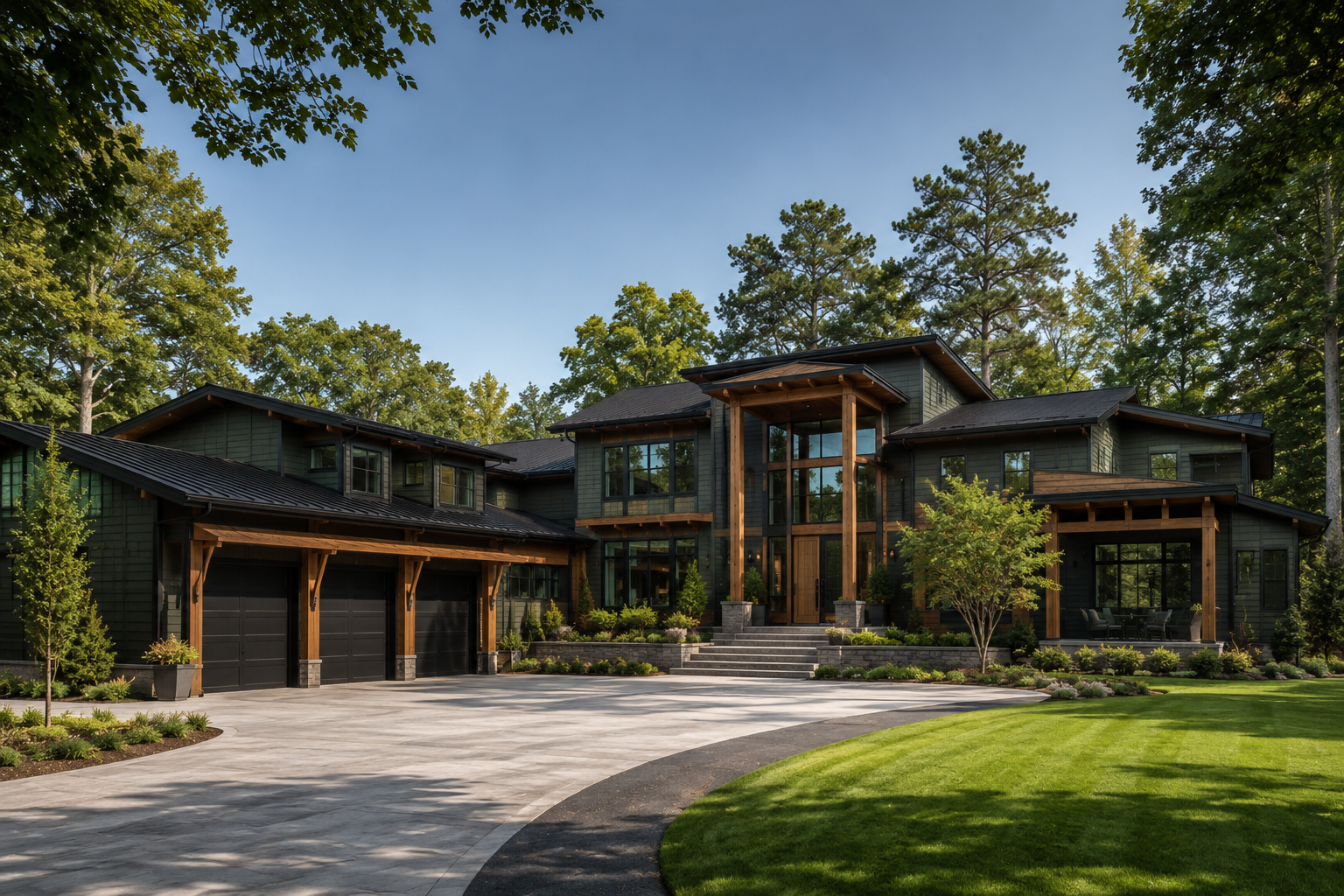
Fayetteville is south metro Atlanta's school-district town with the oldest courthouse in Georgia and the largest film studio outside Hollywood at its doorstep. The city sits 22 miles south of downtown and 15 miles from Hartsfield-Jackson, with Fayette County Public Schools ranking in the top 5% of Georgia districts and five high schools (McIntosh, Starr's Mill, Whitewater, Sandy Creek, Fayette County High) all in the U.S. News top 100. City median home value sits around $448K, with Trilith's new urbanist community pulling the high end past $1.4M. Nearly a decade of helping Atlanta buyers means I know what the numbers don't show. This is Fayetteville. Here's what you need to know.

What You Should Know Before Buying a Condo in Midtown or Buckhead Atlanta
Buying a condo in Midtown or Buckhead Atlanta is not the same transaction as buying a single-family home. You're buying into an HOA, a master insurance policy, and a building that has to be warrantable for most buyers to finance. Midtown's condo market sits around a $390K median with 214 active listings; Buckhead's luxury tier runs from the $600s into the $5M+ range at the Ritz-Carlton Residences and Waldorf Astoria. Nearly a decade of helping Atlanta buyers means I know where these deals fall apart and what to check before you offer. Here's what you need to know.
What Are the Best 55+ Communities in Metro Atlanta? A 2026 Buyer's Guide
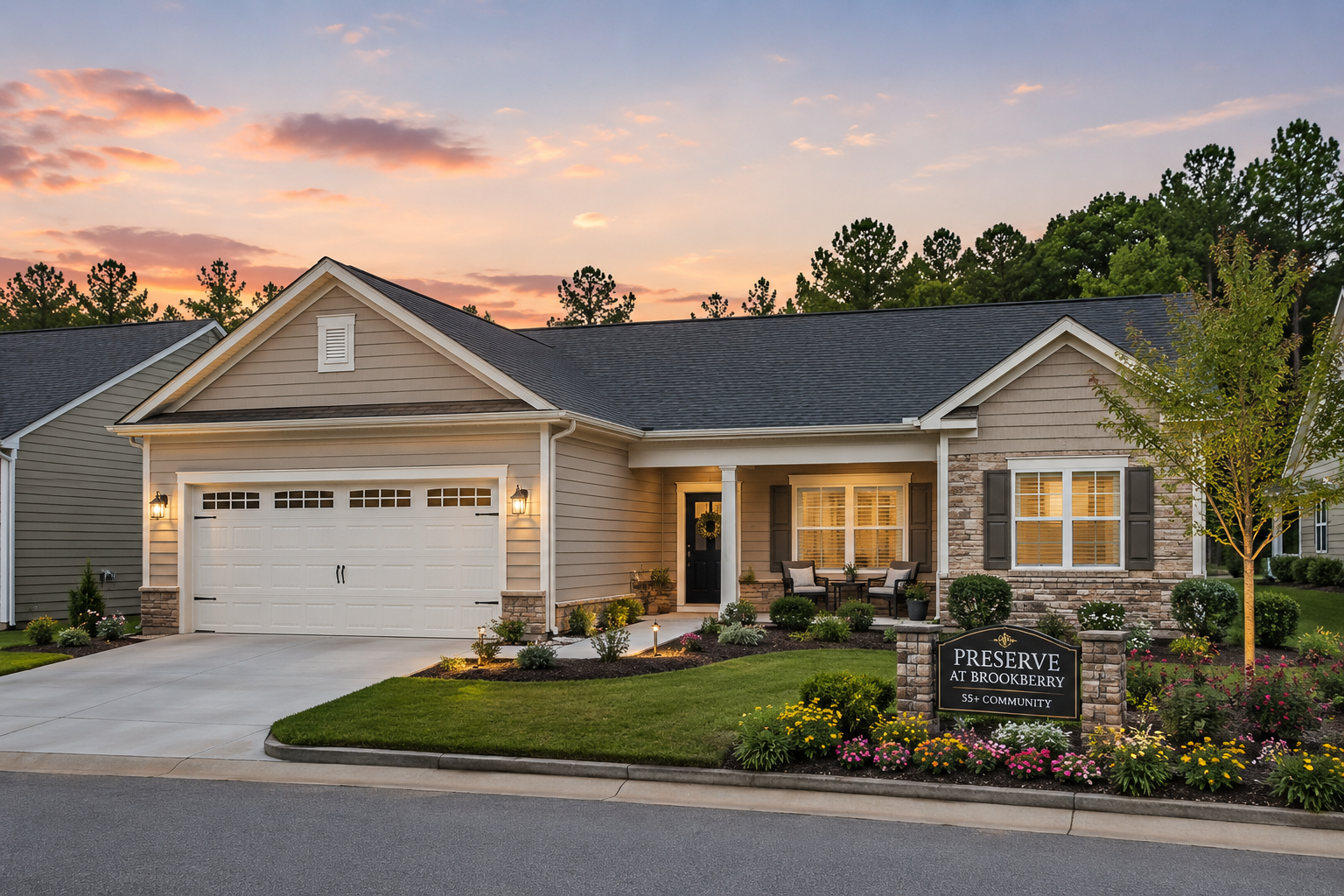
Metro Atlanta has eight or nine resort-style 55+ communities worth touring, anchored by Del Webb Chateau Elan, Cresswind Georgia at Twin Lakes, Cresswind Peachtree City, and Sun City Peachtree. Prices in 2026 range from the high $200s in Griffin to over $1 million on lake or golf lots. Nearly 10 years of helping Atlanta buyers means I know the trade-offs by community: the commute reality from Hoschton to Buckhead, which counties give the best senior tax breaks, and which HOAs are run well enough that home values hold. This is your 2026 buyer's guide. Here's what you need to know.
Townhome vs. Single-Family Home in Atlanta: What's the Real Cost Difference?
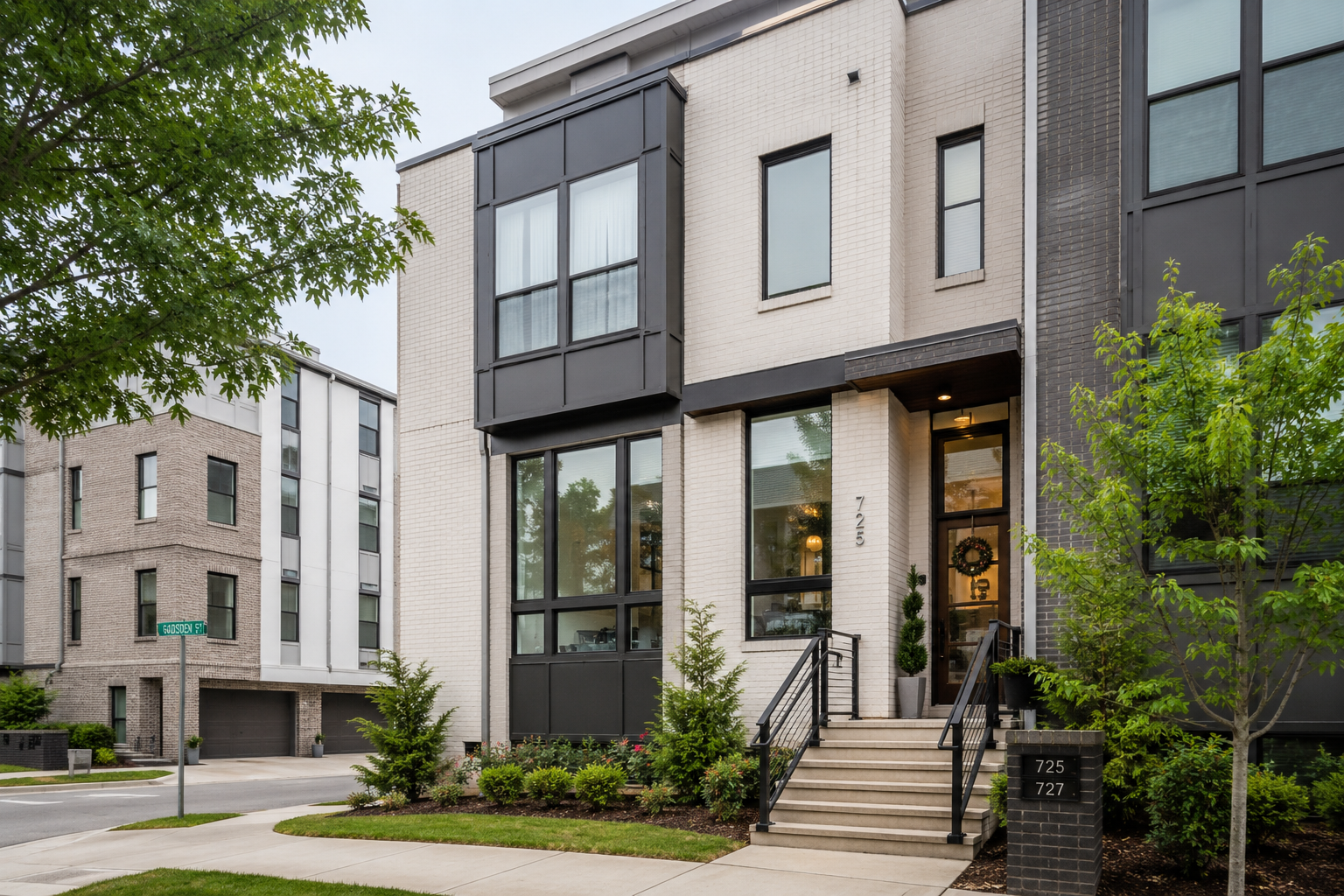
A new construction townhome in Old Fourth Ward might list at the high $700,000s while a renovated single-family home around the corner pushes past $1 million. In Smyrna or Marietta, the gap narrows to $50,000 or $75,000. The Metro Atlanta median HOA fee climbed to $135 in 2025, with townhome dues typically running $200 to $400, while townhome insurance averages $100 to $150 less per month than single-family. Nearly a decade helping Atlanta buyers means I run this comparison weekly across budget tiers and neighborhoods. The real cost gap is rarely what the listing prices suggest. Here's what you need to know.