

What You Should Know Before Buying a Condo in Midtown or Buckhead Atlanta
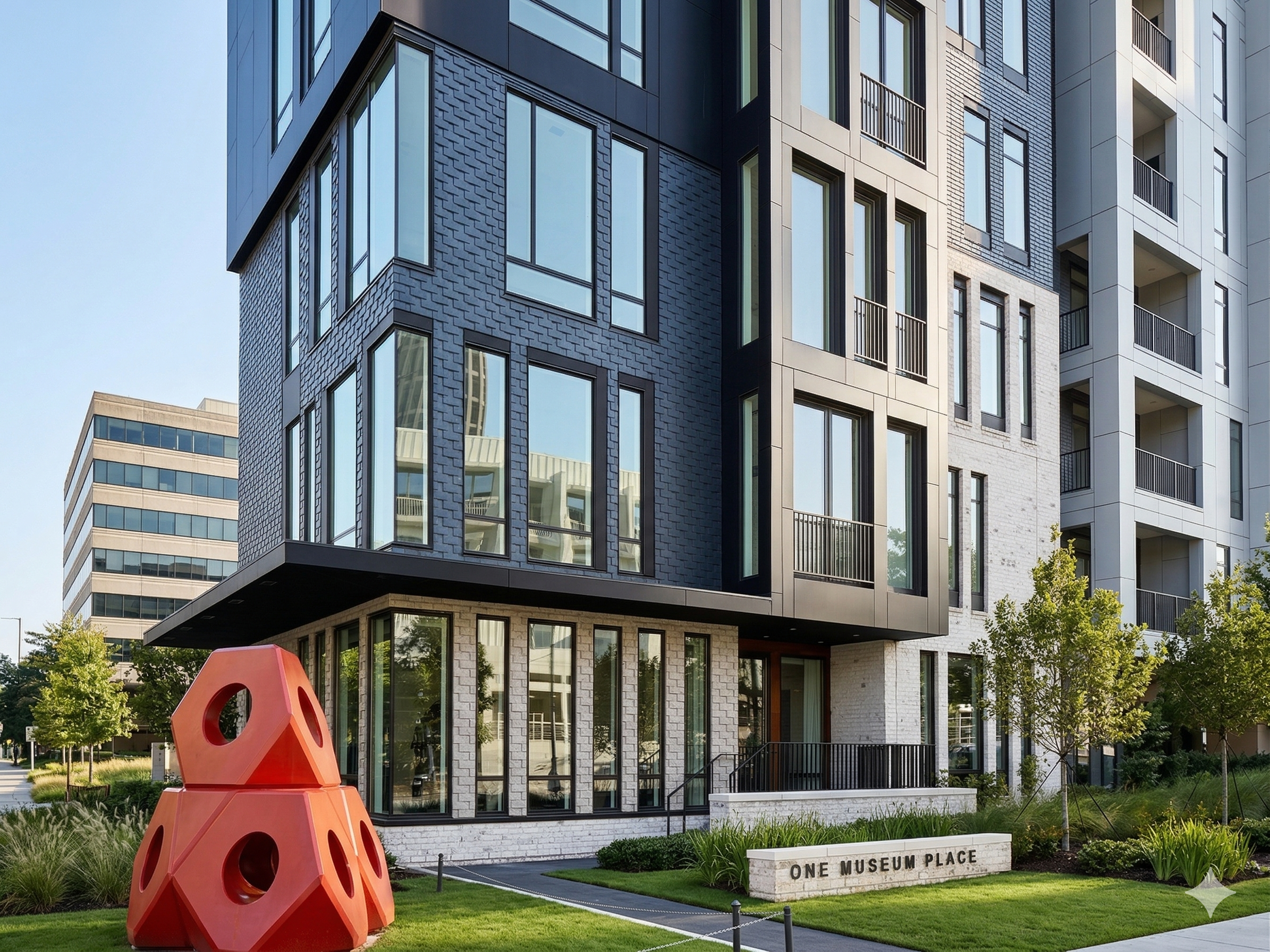
Buying a condo in Midtown or Buckhead is not the same transaction as buying a single-family home. The unit itself is only part of what you're buying. You're also buying into a financial entity, a set of governing documents, a master insurance policy, and a building that has to be FHA or Fannie Mae warrantable for most buyers to even qualify for the loan. The price on the listing is the start of the conversation, not the end of it.
I work with buyers across Metro Atlanta, and condo transactions in Midtown and Buckhead come up constantly. Some buyers are relocating from out of state and want lock-and-leave convenience near the airport and corporate headquarters. Some are first-time buyers who can afford a $300,000 condo in Midtown but not a $500,000 single-family home in the same school zone. Some are move-up buyers who already own a house and want a luxury pied-à-terre in the Ritz-Carlton Residences or the Sovereign. The price points are different, the buildings are different, but the due diligence is the same.
Nearly a decade of helping Atlanta buyers means I've watched financing fall apart on the back end of a condo deal because of something the buyer never thought to ask about in the first week. I've also watched buyers walk into a building, fall in love with a unit, and then learn three weeks later that the HOA is mid-litigation, the reserves are underfunded, or a $40,000 special assessment is about to land. Most of that is preventable if you know what to look at before you make an offer.
Here's what you need to know.
What You're Actually Buying in a Condo Transaction
When you buy a condo, you're buying a unit, an undivided percentage interest in the common elements, and membership in the homeowners association that governs the building. The unit is yours. The roof, the elevators, the hallways, the parking deck, the rooftop pool, the lobby finishes, and the building's structural systems are not yours individually, they're shared. The HOA owns and maintains them on behalf of the owners, funded by your monthly dues.
That structure has practical consequences. You don't replace the roof when it leaks, the HOA does. You don't repaint the building exterior, the HOA does. You don't decide on your own to replace the elevators or upgrade the lobby. Those are board decisions, funded out of reserves or special assessments levied on every owner.
What you can control inside your unit varies by building. Most condo documents define exactly where your ownership stops, often at the drywall or the unit-side of the windows. Window replacement, balcony waterproofing, and even some plumbing components may be common-element responsibilities, not yours. Renovation usually requires HOA board approval, and high-rise buildings often restrict when contractors can work, what materials can be used, and how trash and debris have to be removed.
This is the part single-family buyers most often underestimate. You're not just buying a home, you're agreeing to a shared governance structure that controls a meaningful portion of your monthly cost and your future use of the property.
HOA Fees: What They Cover and Why They Vary So Much
HOA fees in Midtown and Buckhead condos vary widely because the buildings vary widely. A boutique mid-rise with 30 units, no concierge, and minimal amenities runs very differently from a 36-story luxury tower with 24-hour staffing, valet, two pools, a clubroom, and a full fitness center.
Typical Atlanta condo HOA fee ranges by building type:
| Building Type | Typical Monthly HOA | What's Usually Included |
|---|---|---|
| Ultra-luxury high-rise (Ritz-Carlton, Waldorf Astoria, Sovereign, St. Regis) | $1,500 to $3,000+ | 24-hour concierge, valet, full hotel-style services, water, trash, master insurance, reserves, amenities |
| Luxury high-rise (Viewpoint, Spire, 1010 Midtown, Aqua, Buckhead Grand) | $500 to $1,500 | Concierge, pool, fitness, water, trash, master insurance, reserves, common-area utilities |
| Mid-rise and boutique buildings | $300 to $600 | Limited staffing, exterior maintenance, master insurance, common utilities, possibly pool/fitness |
| Loft conversions and smaller buildings | $200 to $450 | Exterior maintenance, master insurance, minimal amenities, sometimes water and trash |
What HOA fees typically cover: building and common-area maintenance, master insurance policy on the structure and common elements, common-area utilities, elevator service contracts, fire and life-safety systems, landscaping, trash and recycling, management company fees, amenity upkeep, staffing where applicable, and contributions to the reserve fund. Many buildings also include water and sewer for individual units if the property is master-metered, and some include gas.
What HOA fees do not cover: your individual electricity bill (almost always separate), your interior insurance policy (the HO-6 you have to carry on top of the master), your property taxes, your mortgage, your internet and cable, and anything inside the walls of your unit that's defined as your responsibility in the condo documents.
The lower-fee building is not automatically the better deal. Buildings that keep dues artificially low to please current owners often underfund reserves, which sets up special assessments down the road. A $400 HOA that hits you with a $25,000 special assessment in year three is more expensive than a $700 HOA that's been properly maintained the whole time.
Reserves and Special Assessments: The Biggest Hidden Risk
This is the question I want every condo buyer asking before they fall in love with a unit: how well-funded are the reserves, and what major capital projects are coming?
A reserve study is a professional inspection of every major building component, with projected timing and cost for repair or replacement of each one. The roof, the elevators, the exterior paint and façade, the plumbing risers, the parking deck, the pool equipment, the boilers, the HVAC systems in common areas. All of it. The reserve study tells the HOA how much it needs to be saving each year so that when these components reach the end of their useful life, the money is already there.
Buildings with healthy reserves are stable. Buildings with underfunded reserves get hit with special assessments, which are one-time fees levied on every owner to cover a capital expense the reserves cannot absorb. Special assessments in Atlanta luxury condo buildings have ranged from a few thousand dollars per unit to over $100,000 per unit in extreme cases involving major façade or structural work.
What to ask for before you make an offer:
The most recent reserve study, ideally within the last three to five years
The reserve fund balance and what percentage of the reserve study recommendation it represents
The annual budget, including how much is being contributed to reserves each year
Special assessment history for at least the past five years
Any pending or anticipated special assessments
The last two years of HOA meeting minutes, where major capital projects are usually discussed before they're approved
If the seller or listing agent cannot produce these documents, that's information by itself. Well-run buildings have this paperwork ready. Buildings that drag their feet on it often have something to hide.
FHA requires at least 10 percent of the budget to be allocated to reserves for the building to qualify for FHA financing. Fannie Mae and Freddie Mac have similar but somewhat more flexible reserve requirements. A building that doesn't meet these thresholds is essentially closed to FHA buyers and may face conventional financing challenges as well, which shrinks your buyer pool when you eventually sell.

Condo Financing: Why Loans Fall Apart on Otherwise Qualified Buyers
You can be the most creditworthy buyer in Atlanta and still have your condo loan denied if the building doesn't meet lender standards. This catches buyers off guard every time, and it's one of the most common reasons condo deals fall apart in the final weeks before closing.
Lenders evaluate the building, not just the borrower. Here's what they're looking at:
FHA approval status. FHA loans for condos require either the entire building to be on HUD's approved list (recertified every three years) or a single-unit approval, which is a unit-by-unit process that requires the building to meet most FHA standards even if it isn't formally on the list. You can search HUD's database to confirm whether a building is FHA-approved. If you're planning to use FHA financing, this is the first thing to check.
Conventional loan warrantability. Fannie Mae and Freddie Mac require buildings to meet warrantability standards for conventional loans to be salable on the secondary market. Common reasons a building becomes non-warrantable: more than 35 to 50 percent commercial space, a single owner or entity owning more than 10 percent of the units, ongoing litigation involving the HOA, high short-term rental activity (Airbnb-heavy buildings), underfunded reserves, or high HOA delinquency rates. A non-warrantable building closes off most traditional financing and forces buyers into portfolio loans or cash purchases, which significantly shrinks your buyer pool at resale.
Owner-occupancy ratios. FHA generally requires at least 50 percent of units to be owner-occupied (with some exceptions allowing 35 percent for buildings with strong financials and current reserve studies). Buildings dominated by investor-owned rental units often fail this test. Some buildings track this number actively; others don't, which is its own red flag.
HOA delinquency rate. Lenders want to see that no more than 15 percent of unit owners are more than 60 days late on their HOA dues. High delinquency suggests financial instability across the ownership base and can disqualify a building from FHA and conventional financing.
Litigation. Any lawsuit against the HOA involving the structural integrity of the building, major systems, or significant financial exposure is usually a deal-breaker for conventional financing. Minor slip-and-fall claims covered by master insurance are typically fine. Construction defect litigation, façade lawsuits, or large insurance disputes are not.
Insurance coverage. The master policy has to cover at least 100 percent of replacement cost on the structure. The HOA also needs general liability coverage and, in buildings with 20+ units, a fidelity bond to protect against fraud. Flood insurance is required if the building is in a FEMA flood zone, which most Midtown and Buckhead high-rises are not.
Your lender will send a condo questionnaire to the HOA or management company asking about all of these issues. If the HOA is slow to respond or any answer is wrong, the loan can stall or die. Building this lead time into your timeline matters.
Insurance: The Two-Policy Reality of Condo Ownership
Condo insurance is structured differently from single-family home insurance, and a lot of buyers don't fully understand the split until something goes wrong.
The HOA carries a master policy on the building. That policy typically covers the structure, the roof, exterior walls, common elements, and shared mechanical systems. Master policies vary in scope. A "bare walls" policy covers only the building shell and leaves everything inside your unit as your responsibility. A "studs in" or "all-in" policy covers more, including some interior fixtures and finishes installed by the developer.
You carry an HO-6 policy on your unit. This covers your interior finishes (everything past where the master policy stops), your personal property, your liability, and loss of use if your unit becomes uninhabitable. It also typically covers your share of the master policy deductible, which can be significant in luxury buildings where deductibles run $25,000 to $100,000 or more per loss event.
Read the master policy declarations page before closing. Know exactly where your coverage starts and where the building's stops. Your HO-6 needs to fill the gap, and the right coverage amount depends on what the master policy covers and what your specific unit's finishes are worth.
Rental Rules: What You Can and Cannot Do With Your Unit
This matters whether you plan to rent the unit out or not, because rental rules also affect resale value and lender approval.
Most Midtown and Buckhead condo buildings have rental caps, typically allowing somewhere between 10 and 30 percent of units to be rented at any given time. When a building hits its cap, no new owner can rent the unit until another owner stops renting and creates an opening. Some buildings maintain waiting lists. Some require a minimum ownership period (often one to two years) before you can rent at all.
Short-term rental rules are a separate issue. Most condo buildings in Midtown and Buckhead prohibit Airbnb and short-term rentals (defined as anything under 30 days, sometimes under 90 days or six months). The few buildings that allow short-term rentals attract investor buyers and tend to have higher resale liquidity for investors but lower owner-occupancy ratios, which can hurt FHA approval. The City of Atlanta also has short-term rental licensing requirements that apply on top of HOA rules.
If you plan to rent out the unit at any point, read the condo documents and the HOA's current rental policy before you offer. If you don't plan to rent it out, you still want to know the cap, because a building dominated by investor renters operates very differently from a primarily owner-occupied one, both day-to-day and at resale.
Parking and Storage: Confirm What Conveys
Parking and storage configurations in Midtown and Buckhead condo buildings vary, and the distinction matters financially.
Deeded parking spaces are part of the unit. They convey with the sale and have a tax-assessed value. You own the space the same way you own the unit.
Assigned parking is owned by the HOA and licensed to your unit. You have exclusive use, but you don't own it. Assignment can sometimes change. Resale value implications are different.
Some buildings have a mix, and some allow owners to buy or sell additional parking spaces independently of the unit. Mathieson Exchange, the Ritz-Carlton Residences, and several Buckhead and Midtown buildings have varying configurations.
Confirm before you close:
How many parking spaces convey with the unit
Whether they're deeded or assigned
Whether they're in a covered garage, surface lot, or mechanical stacker system
Whether there's a monthly parking fee on top of HOA dues (some buildings charge $100 to $300 per month per space)
Whether storage units are deeded or assigned
Whether EV charging is available or coming
This is easy to overlook in the rush of an offer and easy to verify if you ask the right questions early.
Midtown vs. Buckhead: Which Submarket Fits Which Buyer
Midtown and Buckhead are both major Atlanta condo markets, and they serve different buyers.
Midtown is dense, walkable, and built around Peachtree Street, Piedmont Park, and the cultural anchors that include the Fox Theatre, the Atlanta Symphony, the High Museum, and the Woodruff Arts Center. The MARTA red and gold lines run through Midtown with three stations (North Avenue, Midtown, Arts Center) inside the neighborhood. Tech Square, Georgia Tech, and the Midtown Mile commercial corridor drive daytime activity. Walkability is genuinely strong. Buyers who want to live without a car or use one minimally can do that here in a way that's much harder in Buckhead.
As of March 2026, the Midtown condo market had approximately 214 condos for sale with a median list price around $390,000 and an average sale price around $501,500. Days on market averaged 63. Listings ranged from around $125,000 for smaller units in older buildings to nearly $4 million in top-tier buildings like 40 West 12th and One Museum Place. Buildings span from boutique loft conversions to full-service luxury towers including Viewpoint, Spire, 1010 Midtown, Metropolis, Aqua Midtown, Plaza Midtown, Park Central, and The Atlantic in Atlantic Station.
Buckhead is a larger, more car-dependent market with a higher overall price point and a concentration of ultra-luxury high-rises along the Peachtree Road corridor. The condo market is anchored by the Ritz-Carlton Residences, the Waldorf Astoria Residences (formerly Mandarin Oriental), the Sovereign, the Residences at St. Regis, Buckhead Grand, Eclipse, 2828 Peachtree, 2500 Peachtree, the Realm, Park Avenue, Park Place on Peachtree, Park Regency, Mathieson Exchange, and a long list of mid-rise and boutique buildings. The Lenox MARTA station and the Buckhead MARTA station give transit access, but Buckhead is fundamentally a car-oriented submarket. Most residents drive.
Buckhead's luxury entry point is higher. Ultra-luxury buildings like the Ritz-Carlton Residences start around $600,000 and run past $5 million for penthouses, with HOA dues that reflect the staffing and services. The mid-range buildings (Buckhead Grand, 2828 Peachtree, the Park Avenue and Park Place buildings) compete more directly with Midtown's luxury tier. Older mid-rises and loft conversions offer some entry-level price points, but the volume of sub-$300,000 inventory is smaller than in Midtown.
The Midtown buyer who wants walkability, density, and access to cultural amenities will find Buckhead frustrating. The Buckhead buyer who wants concierge service, larger floor plans, and a quieter residential corridor adjacent to Lenox and Phipps will find Midtown's pace too dense. Both are valid choices for the right buyer.
What to Tour and What to Ask During Showings
When you tour a Midtown or Buckhead condo, look beyond the unit. The unit is one decision; the building is the bigger one.
In the unit:
View, light, and balcony orientation (east, west, north, south, each behaves differently in Atlanta heat)
Sound transmission from neighboring units, hallways, and the street
Window seal condition (older high-rises sometimes have failing seals that look cloudy)
Electrical capacity and the panel location
HVAC system age and type (some buildings have central systems with shared chillers; some have individual unit HVAC)
Water pressure and any signs of past leaks (look at ceilings near plumbing chases)
In the building:
How clean the hallways and common areas are at different times of day (a Saturday afternoon tour shows you very little; ask to come back Tuesday morning)
The state of the lobby finishes, elevators, and amenity spaces
Elevator speed and reliability (in 30+ story buildings, this matters daily)
Concierge or front desk presence and attentiveness
Smell. Older buildings with HVAC or trash issues will tell you
Parking deck condition (any structural cracks, water damage, peeling paint)
Whether residents seem engaged or disengaged with the building
Documents to request:
Two most recent years of HOA budgets and financial statements
Reserve study
Two years of board meeting minutes
Master insurance declarations page
Condo declarations, bylaws, and rules and regulations
Move-in/move-out policies and any associated fees
Pending capital projects list
Special assessment history
Current rental cap status (if you're considering renting)
Your agent should be requesting all of this on your behalf as part of due diligence, ideally before you waive your due diligence period.
Closing Costs and Ongoing Costs to Budget For
Beyond the down payment and standard closing costs, condo buyers should plan for:
Move-in fee: $250 to $1,000+ in most high-rise buildings, non-refundable
Move-in deposit: $250 to $1,000, refundable if there's no damage to common areas
Application or transfer fee: $100 to $500 paid to the HOA or management company
Estoppel certificate fee: $200 to $500, required to confirm seller is current on HOA dues
Capital contribution: Some buildings charge a one-time fee (often equivalent to two to three months of HOA dues) at closing to fund reserves
HO-6 insurance: typically $300 to $1,500 per year depending on coverage
Parking fees: $100 to $300 per month per space if not included with the unit
Storage fees: $25 to $150 per month if separately assigned
Property taxes: assessed on the unit at the standard Fulton County millage rate; condos receive the same homestead exemption single-family properties do if owner-occupied
The monthly carrying cost on a $400,000 Midtown condo is meaningfully different from the carrying cost on a $400,000 single-family home in the same school zone. Mortgage and taxes will be lower (no land value), but HOA dues and parking can add $600 to $1,200 or more per month. Run the actual numbers before you compare price tags.

Who Condos in Midtown and Buckhead Are Right For
The right fit for Midtown or Buckhead condo living tends to be:
Buyers who value walkability, transit access, and proximity to restaurants, culture, or employment over yard space and square footage
Lock-and-leave buyers who travel for work or have a second home and don't want to maintain a primary residence
Down-sizers transitioning from larger homes who want simpler ownership with handled exterior maintenance
First-time buyers in Midtown specifically, where price points start lower than single-family options in comparable intown neighborhoods
Investors targeting buildings with permissive rental policies and stable management
Think carefully about a Midtown or Buckhead condo if:
You need to qualify for an FHA loan and the building isn't approved (check before you offer)
You want full control over renovations and exterior choices
HOA fees materially affect your debt-to-income ratio or qualifying power
You're sensitive to noise from neighbors, elevators, or street traffic
You're not comfortable with shared governance and board-driven decisions
You expect to want to convert the unit to a short-term rental (most buildings prohibit this)
The building has weak reserves, high delinquency, ongoing litigation, or recent special assessments without clear cause
The condo that works for your closest friend may not be the condo that works for you. Buildings vary dramatically in financial health, governance quality, and day-to-day experience, even in the same neighborhood at similar price points.
FAQ
Are condos in Midtown or Buckhead a good investment in 2026?
Condos historically appreciate more slowly than single-family homes in Metro Atlanta, but Midtown and Buckhead have stronger long-term demand than most condo markets because of employment concentration, cultural amenities, and transit access. The buildings that hold value best tend to be well-managed, well-reserved, and architecturally distinctive. Buildings with chronic special assessments, litigation history, or weak financials underperform regardless of location. The building matters more than the neighborhood for appreciation.
What's the difference between FHA-approved and warrantable when buying a condo?
FHA approval is a specific designation from HUD that allows the entire building to qualify for FHA financing. Warrantability is a broader concept covering whether a building meets Fannie Mae or Freddie Mac standards for conventional loan financing. A building can be FHA-approved and warrantable, warrantable but not FHA-approved, or non-warrantable (which closes off most traditional financing and forces buyers into cash or portfolio loans).
How much should I budget for HOA dues in a Midtown or Buckhead condo?
It depends entirely on the building. Boutique mid-rises and loft conversions often run $300 to $600 per month. Luxury high-rises run $500 to $1,500. Ultra-luxury full-service buildings like the Ritz-Carlton Residences, Waldorf Astoria Residences, Sovereign, and St. Regis Residences run $1,500 to $3,000 per month and sometimes higher. Compare per-square-foot HOA cost across buildings to get a sense of what you're paying for and request the budget to confirm what's included.
What is a special assessment, and how do I avoid getting hit with one?
A special assessment is a one-time fee levied on every owner in a building to fund a capital expense the reserves can't absorb. You can't fully eliminate the risk, but you can dramatically reduce it by reviewing the reserve study, looking at reserve fund balance versus the study's recommendation, reading recent board meeting minutes for upcoming capital projects, and looking at the building's special assessment history. Buildings with healthy reserves and disciplined boards rarely surprise owners with major assessments.
Can I rent out my Midtown or Buckhead condo as an Airbnb?
Almost certainly not in most buildings. The majority of Midtown and Buckhead condo buildings prohibit short-term rentals through their condo documents. The few buildings that allow them attract investor capital but often have higher owner turnover and lower owner-occupancy ratios, which affects FHA eligibility. The City of Atlanta also has short-term rental licensing requirements that operate independently of HOA rules. If short-term rental is part of your investment thesis, read the condo documents carefully before you offer.
What's the minimum down payment for a condo in Midtown or Buckhead?
Down payment minimums depend on the loan program and the building. FHA financing on approved buildings allows as little as 3.5 percent down. Conventional loans on warrantable buildings can go as low as 3 to 5 percent for primary residence buyers and typically require 10 to 15 percent for second homes and 20 to 25 percent for investment purchases. Non-warrantable buildings usually require 20 percent or more, and ultra-luxury buildings often have lender-imposed minimums of 25 to 30 percent because of loan size.
How long does it take to close on a condo compared to a single-family home?
Plan for 30 to 45 days from contract to closing, similar to single-family timelines, but build in extra lead time for the condo questionnaire and HOA document delivery. The HOA or management company has to respond to the lender's questionnaire and produce the estoppel certificate, the budget, and the reserve study. Some HOAs respond within a few days; some take three to four weeks. If your contract has a tight closing window and the HOA is slow, the deal can stall.
What is an HO-6 insurance policy, and why do I need one?
An HO-6 is a condo unit owner's insurance policy. It covers everything the HOA's master policy doesn't, typically including interior finishes, your personal property, your liability, loss of use, and your share of the master policy deductible. Even buildings with strong master policies require unit owners to carry an HO-6. The right coverage amount depends on what the master policy covers and the value of your unit's interior finishes.
Do condo HOA fees count against my mortgage qualification?
Yes. Lenders include monthly HOA dues in your housing expense calculation and in your overall debt-to-income ratio. Higher dues reduce your qualifying loan amount at the same income level. Some lenders also require additional cash reserves measured in months of principal, interest, taxes, insurance, and HOA dues, especially for condo, second home, and investment purchases. Run pre-approval with the actual HOA number for the building you're considering, not a generic estimate.
Are loft conversions a good way to buy into Midtown affordably?
Loft conversions in older Midtown buildings can offer character, lower price points, and lower HOA dues than luxury high-rises, but they come with their own due diligence. Older buildings often have lower reserves, deferred maintenance, and aging systems (HVAC, plumbing, windows) that may need significant capital projects. Some are non-warrantable, which closes off conventional financing. The price advantage is real, and so is the risk profile. Both deserve careful analysis.
Which Midtown buildings have the best reputations for financial management?
I won't single out specific buildings as "best" because financial health changes from year to year based on board decisions, reserve studies, and capital project cycles. What I'll say is that the metrics to look at are consistent across every building: reserve fund balance versus reserve study recommendation, special assessment history, delinquency rate, master policy quality, and board meeting minutes for the last two years. A building with strong numbers on all five is in good shape regardless of name recognition. A famous building with weak numbers is still a financial risk.
What's the resale liquidity like for condos in Midtown vs. Buckhead?
Midtown's condo market has more inventory turnover and a broader buyer pool at lower price points, which generally means faster resale liquidity in the $250,000 to $600,000 range. Buckhead's luxury condo market is thinner at the top end ($2 million and up), and ultra-luxury units in buildings like the Ritz-Carlton Residences and Waldorf Astoria Residences sometimes sit for 6 to 12 months or longer. The mid-range Buckhead buildings ($400,000 to $1 million) have liquidity comparable to Midtown's luxury tier. Resale liquidity is also building-specific, not just neighborhood-specific.
Should I work with an agent who specializes in condos specifically?
You should work with an agent who understands the due diligence required, who knows what documents to request and when, who can read a reserve study and a condo budget, and who has guided enough condo transactions to anticipate where they fall apart. That doesn't have to mean an agent who only sells condos, but it does mean an agent who treats condo transactions with the additional scrutiny they require.

Working With Me on a Midtown or Buckhead Condo Purchase
I work with buyers across Metro Atlanta and have nearly a decade of experience guiding clients through condo transactions, from first-time buyers in $250,000 Midtown units to luxury buyers in seven-figure Buckhead high-rises. The due diligence is non-negotiable regardless of price point. The buildings vary, the financial health varies, the rules vary, and the difference between a clean transaction and a painful one often comes down to what you knew before you wrote the offer.
If you're considering a Midtown or Buckhead condo, let's talk before you start touring. The questions to ask, the documents to request, and the buildings worth a closer look are easier to navigate with someone who's been through this many times.
Visit kristenjohnsonrealestate.com or reach out directly. Come as you are, come on home.
Looking for more Atlanta buyer education? I've written guides on how much house you can afford in Atlanta, FHA vs. conventional loans, and first-time home buyer mistakes to avoid in Atlanta. For neighborhood-specific guides, browse the full series at kristenjohnsonrealestate.com.