

Living in East Cobb GA: Walton, Pope & Lassiter Schools, Parks, and What Homes Cost in 2026
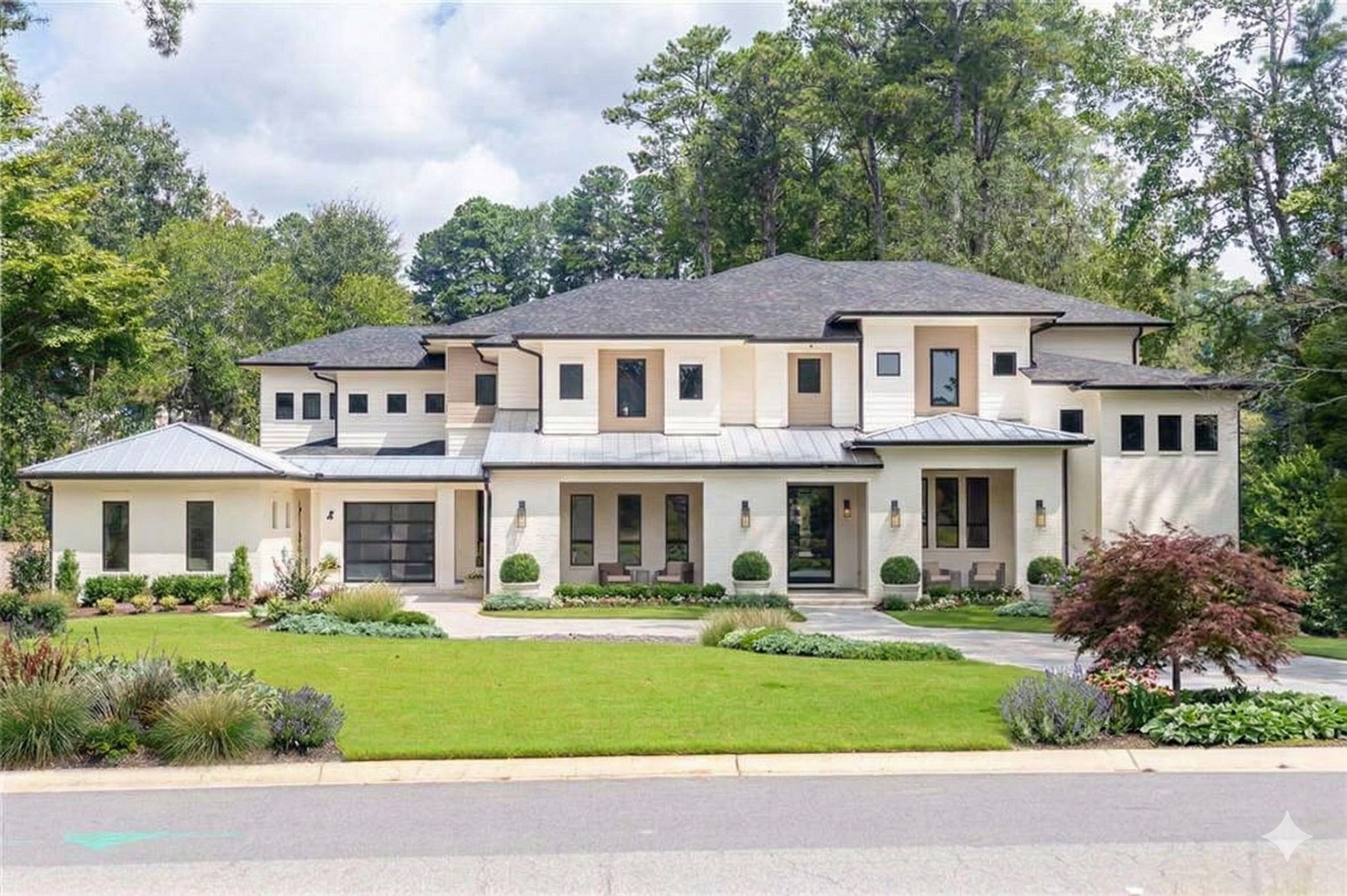
If you're relocating to Metro Atlanta and you have school-age kids, East Cobb is probably already on your list. It's the suburb people mean when they talk about Cobb County schools — specifically Walton, Pope, and Lassiter High Schools, which have driven residential demand here for decades and draw corporate relocation buyers from across the country. I work with families who've done their research before they ever call me, and East Cobb is almost always in the conversation.
But here's what I want you to understand before we get into the specifics: East Cobb is not a neighborhood. It's not a city. It's a large unincorporated community of over 164,000 people spread across a substantial chunk of Cobb County, and the experience of living here varies considerably depending on which part you're in — and more specifically, which high school attendance zone your address falls into. Two houses on different sides of the same road can be zoned to different schools, and that matters for how you search and what you offer.
Nearly ten years helping Atlanta buyers means I've worked with a lot of families navigating this specific complexity. I've walked them through the school district map, explained the difference between the "Big 3" zones and the broader area, helped them understand what their money buys in each sub-market, and made sure they went to the closing table knowing exactly what they were getting. That context is what I'm sharing here.
East Cobb is one of the most stable real estate sub-markets in Metro Atlanta. It's OTP — outside the perimeter — which matters to some buyers and not at all to others. The commute is real and I'll give you honest numbers. The outdoor access is genuinely exceptional. The shopping and dining scene is more developed than most suburban Atlanta markets. And the schools, when you verify your specific address zoning, are among the most sought-after in the state.
Here's what you need to know.
What Is East Cobb, and Where Is It?
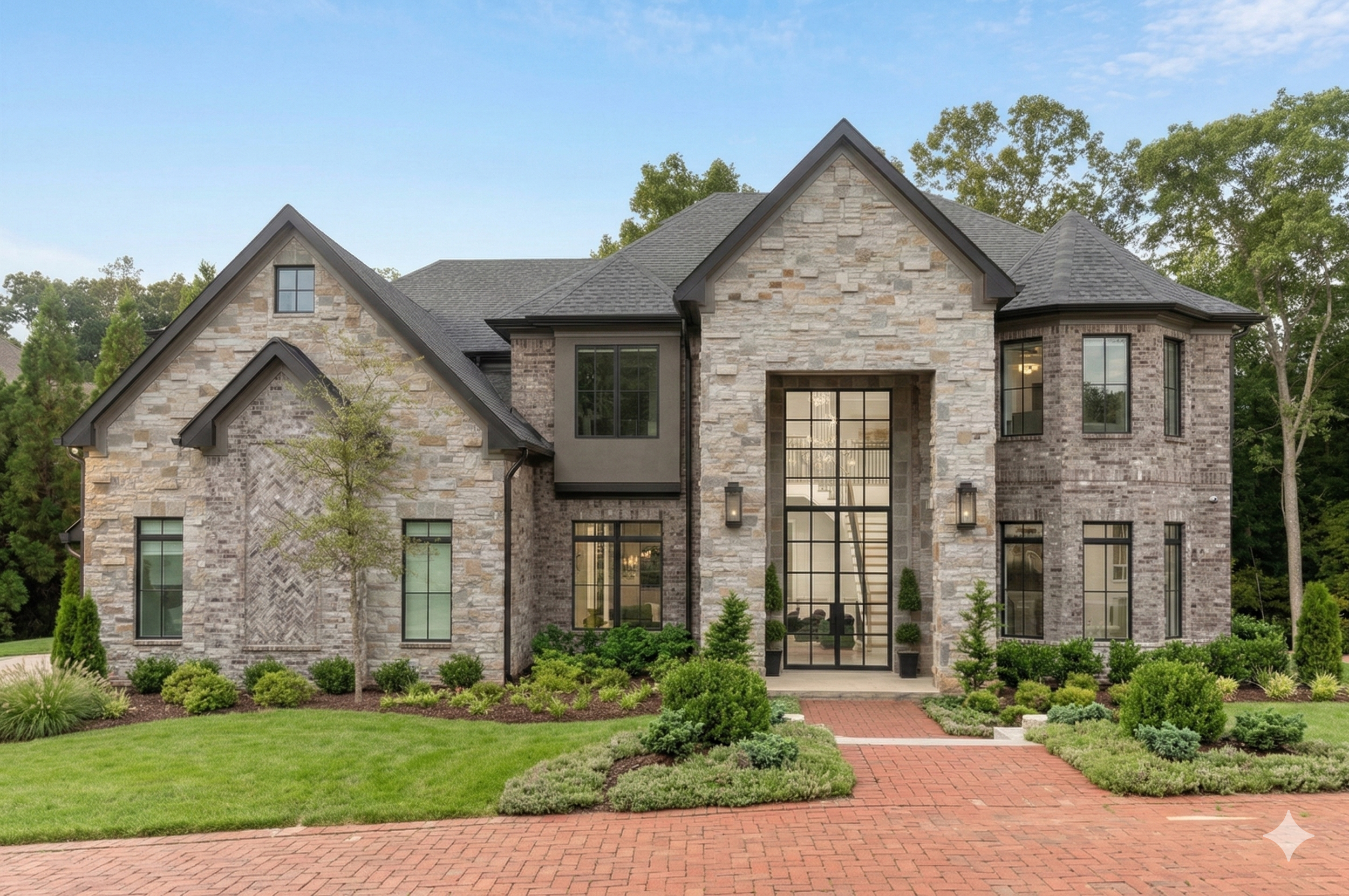
East Cobb is an unincorporated community in Cobb County, Georgia, located north and northeast of Marietta, west of Roswell, south of Cherokee County, and north of the I-285 perimeter. It is not an incorporated city — it has no city hall, no mayor, no city limits in the legal sense. Residents of East Cobb typically carry a Marietta mailing address but live outside Marietta city limits entirely.
If East Cobb were incorporated as a city, it would be the second largest in the Atlanta metro area after the City of Atlanta itself. That tells you something about its scale. The population is approximately 164,000-200,000 depending on which boundaries you draw, making it larger than most cities in Georgia.
The area is bounded roughly by Cherokee County to the north, Interstate 575 and Interstate 75 and the City of Marietta to the west and southwest, the Chattahoochee River to the southeast, and Fulton County to the east. That Fulton County boundary matters: parts of East Cobb are genuinely close to North Fulton cities like Roswell. Some East Cobb neighborhoods have a Roswell mailing address but are actually in Cobb County — an important distinction for school zoning, taxes, and county services.
ZIP codes that include East Cobb areas: 30062, 30066, 30067, 30068, and portions of 30075. A Roswell ZIP code does not mean Roswell schools. A Marietta address does not mean Marietta City Schools. This distinction causes real problems for buyers who don't know to ask. Always verify county and school district by specific property address before purchasing.
The cityhood question: In 2022, East Cobb residents voted on whether to incorporate as a city. The referendum failed with 73% of voters opposing cityhood. East Cobb remains unincorporated, governed at the county level by the Cobb County Commission (Districts 2 and 3).
Why People Move to East Cobb
The answer is almost always some combination of three things: schools, space, and stability.
On space: East Cobb offers more of it per dollar than comparable OTP Atlanta suburbs with similar access to employment centers. The housing stock runs from entry-level townhomes and ranch homes from the 1970s-1990s to genuine custom luxury estates on wooded lots. Most of the established neighborhoods have swim/tennis amenities, mature tree canopy, and the kind of settled suburban character that comes from decades of owner-occupied families who plan to stay.
On stability: East Cobb is consistently described as one of the most stable real estate sub-markets in Metro Atlanta. Values held during downturns better than most areas. Families buy here intending to stay through the school years, which means lower turnover and more established community identity. Money Magazine named it the best place to live in Georgia in 2016. The fundamentals that drove that recognition haven't changed.
On the Chattahoochee River: The western and southern edges of East Cobb border the Chattahoochee River National Recreation Area, which gives residents direct access to one of the most significant outdoor recreation corridors in Metro Atlanta. I'll cover that in detail below.
On location: East Cobb sits directly outside the northwest perimeter with multiple interstate access routes. It's not convenient to everything — Downtown Atlanta and the airport require real commutes — but it's genuinely well-positioned for the Perimeter/Cumberland employment corridor, Midtown, and Buckhead.
The School District Picture: What You Actually Need to Know
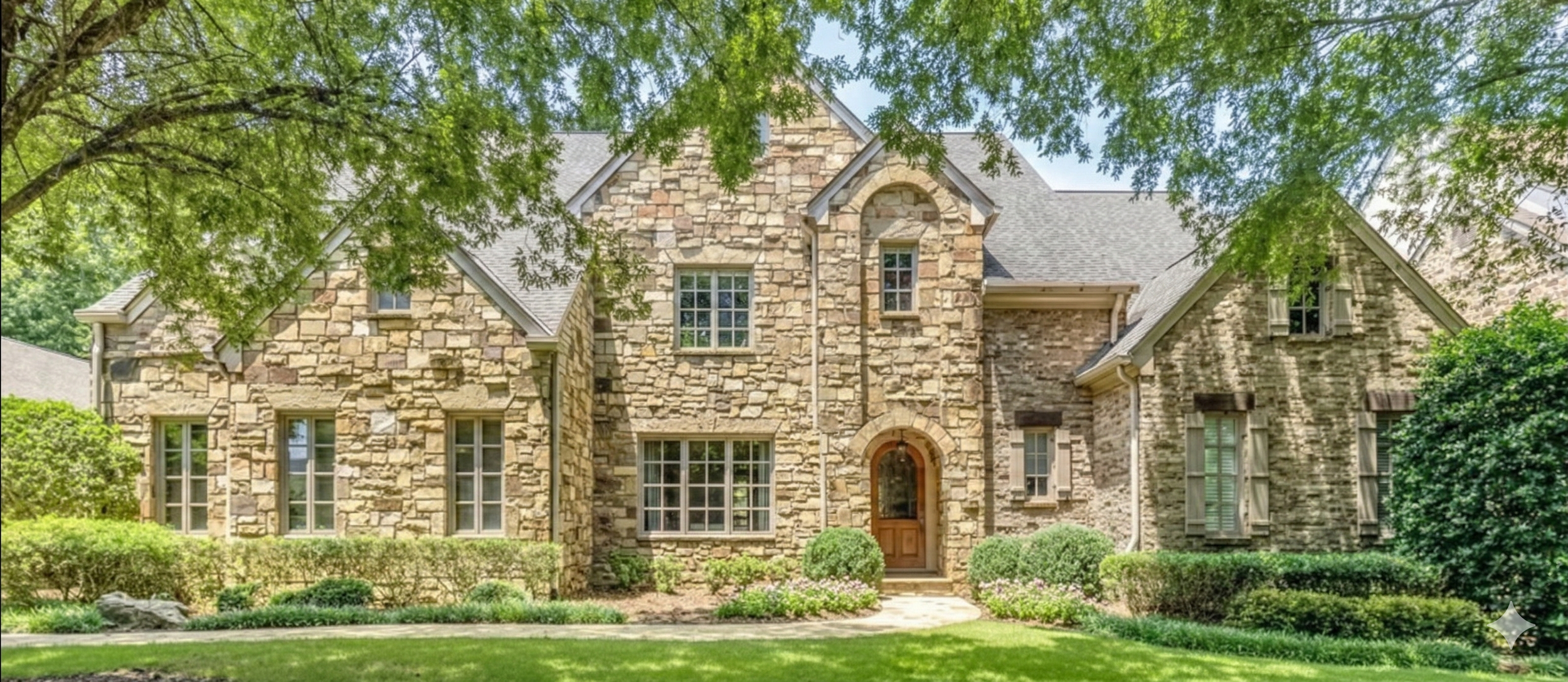
Let me be direct: school zoning in East Cobb is more complex than the "top schools" reputation suggests, and getting it wrong is one of the most common and expensive mistakes buyers make in this market.
East Cobb is served entirely by the Cobb County School District (CCSD) — the second largest school district in Georgia, serving over 105,000 students across 110+ schools. CCSD is consistently ranked among the highest-performing large districts in the state.
However — and this is the part that matters — East Cobb encompasses multiple high school attendance zones, and property values, neighborhood character, and buyer demand vary meaningfully by zone. The high school zones serving East Cobb include:
Walton High School (1590 Bill Murdock Road, Marietta 30062)
Pope High School (3001 Hembree Road NE, Marietta 30062)
Lassiter High School (2601 Shallowford Road, Marietta 30066)
Wheeler High School (375 Holt Road, Marietta 30068)
Sprayberry High School (2500 Sandy Plains Road, Marietta 30066)
Kell High School (4770 Lee Waters Road, Marietta 30066) — partial
The "Big 3" in buyer search behavior are Walton, Pope, and Lassiter. These three generate the most search traffic, the most corporate relocation inquiries, and the strongest price premiums. I'll give you objective data on each — but understand that the right school for your family is something only you can determine, and you should research and visit schools to determine fit. Always verify zoning by specific property address using the Cobb County School District's online locator at edulogwebs1.cobbk12.org/edulog/webquery or by contacting CCSD at Planning.Operations@cobbk12.org.
Walton High School Walton is a charter high school with approximately 2,500 students in grades 9-12. It ranks among the highest-performing high schools in Cobb County and consistently places in the top tier of Georgia high school rankings. Walton has one of the highest AP participation rates in the district. The Walton attendance zone covers the southwestern portion of East Cobb, generally along and south of Johnson Ferry Road, and commands the highest home prices in East Cobb. The feeder pattern runs primarily through Dickerson Middle School, with some Dodgen Middle School students feeding to Walton as well.
Pope High School Pope High School was established in 1987 and is named for Alan C. Pope, a former Cobb County educator. Pope serves approximately 1,781 students and is recognized for academic strength in college preparatory and AP coursework, as well as strong athletics and fine arts programs. It ranks among the top public high schools in Cobb County and in Georgia. The Pope zone covers a central portion of East Cobb, with Hightower Trail Middle School feeding primarily to Pope.
Lassiter High School Lassiter serves approximately 2,000 students and ranks #2 in Cobb County and in the top 15 in Georgia. The school's award-winning band and theater programs are recognized across the state, and it has strong AP participation and college readiness outcomes. Lassiter's zone covers the northern portion of East Cobb along the Shallowford Road corridor, with Mabry Middle School feeding to Lassiter.
Wheeler High School Wheeler covers the eastern/southeastern portion of East Cobb near the Chattahoochee River boundary. Wheeler is notable for Georgia's top STEM Magnet Program with direct connections to Georgia Tech — a significant differentiator for families with students interested in STEM pathways. East Cobb Middle School feeds to Wheeler.
Sprayberry and Kell Sprayberry covers a northern/central portion of East Cobb with Simpson and McCleskey Middle Schools in the feeder pattern. Kell's primary zone lies partly outside East Cobb to the west, with only a sliver of East Cobb falling in the Kell zone.
Middle School Feeder Patterns
The middle school feeder patterns in East Cobb are important and often overlooked by buyers focused only on high schools:
Dickerson Middle → primarily Walton
Dodgen Middle → approximately 67% Walton, 33% Pope
Hightower Trail Middle → Pope
Mabry Middle → Lassiter
Simpson Middle → approximately 60% Lassiter, 40% Sprayberry
McCleskey Middle → approximately 86% Kell, 14% Sprayberry
East Cobb Middle → Wheeler
Note that feeder patterns can include split feeds — two students at the same middle school may attend different high schools depending on their home address. Verify your complete K-12 pathway, not just the high school, before purchasing.
Private School Options
East Cobb has a strong private school presence for families who want options beyond the public district:
The Walker School (K-12, Marietta) — ranked #1 Best Private High School in Cobb County by Niche
Mount Paran Christian School (K-12, Marietta) — #2 Best Private High School in Cobb County
East Cobb Christian School — faith-based education, smaller class sizes
Numerous other independent and faith-based options throughout the area
Private school enrollment does not require residing in a specific zone but does require independent application, acceptance, and tuition. Contact individual schools for current enrollment and tuition information.
The Non-Negotiable Rule: Research and visit schools to determine fit for your family. Do not rely on general reputation or ZIP code. Use the CCSD online locator to verify your exact K-12 pathway before submitting an offer.
What Does East Cobb Cost? Home Prices by Zone in 2026
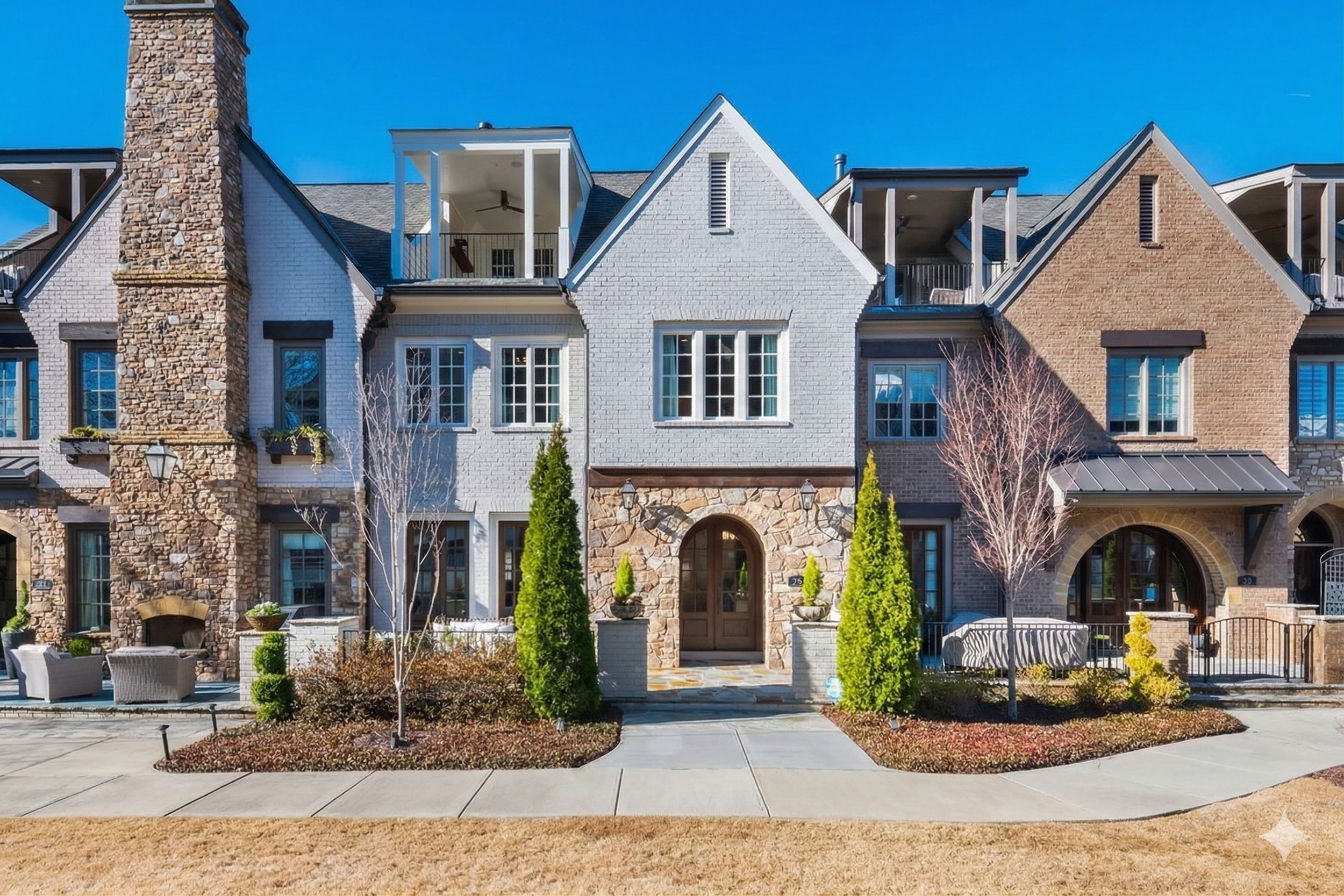
East Cobb has one of the widest price ranges of any Metro Atlanta sub-market, running from entry-level starter homes in the high $200,000s to custom luxury estates above $5 million. The range depends heavily on school zone, lot size, age and condition of the home, and the specific neighborhood.
Current Market Snapshot (Early 2026)
The East Cobb market has normalized from the frenzy of 2021-2022, when homes sold in days with multiple offers well above asking. The current market is more balanced, with homes sitting longer before selling and sellers more open to negotiation than they were two years ago. That said, well-priced homes in the Walton zone still move with competitive interest.
Median home price: approximately $500,000-$503,000 (Redfin, late 2025/early 2026)
Average days on market: 39-40 days (versus 14-21 days at the 2021 peak)
Sale-to-list ratio: homes typically sell at or slightly below list price; hot homes sell around 99-100% of asking
Market competitiveness: 60 out of 100 (Redfin), described as "somewhat competitive"
Price Ranges by Sub-Market
Entry-level / starter (primarily Sprayberry/Kell/peripheral zones): Older ranch homes, townhomes, and condos from the late 1970s through 1990s. Generally 1,400-2,200 sq ft, 3-4 bedrooms, may need updating. Range: high $200,000s to $400,000s. Best value for buyers more focused on location and lot than school zone.
Mid-range (Pope and Lassiter zones): The broadest category. Established swim/tennis neighborhood homes, typically 2,400-3,800 sq ft, 4-5 bedrooms, mix of original and updated homes. Many homes in traditional and contemporary styles on wooded lots. Range: $450,000-$700,000 for the majority of the market. New construction in this zone starts around $600,000-$700,000+.
Premium (Walton zone and upper Lassiter): East Cobb's most sought-after price tier. Homes here typically run 3,000-5,000+ sq ft on larger lots with higher-end finishes, custom builds, golf course communities. Range: $600,000-$1.5 million+ for most; custom luxury extends to $5 million and above. The Paper Mill Road mansion sale at nearly $8 million in late 2025 is an outlier but illustrates the ceiling.
New construction: Limited new construction exists within East Cobb due to limited available land. New construction starts around $600,000-$700,000 and extends above $1 million for custom builds on infill or remaining lots.
Property Taxes
East Cobb's property tax rate is lower than most comparable Metro Atlanta areas. The effective property tax rate is approximately 0.84% — compared to Fulton County's approximately 1.09%. On a $600,000 home, this means roughly $5,040 annually in East Cobb versus approximately $6,540 in Fulton County — a meaningful difference for buyers comparing East Cobb to Roswell, Johns Creek, or Alpharetta at similar price points.
The Price-Per-Zone Reality
Home prices in East Cobb are directly tied to school zone. The Walton zone commands the highest premiums. Pope and Lassiter are closely competitive. Wheeler, Sprayberry, and Kell zones offer more affordability. This means a buyer's price range may go further in one zone than another, and the decision of which zone to target is worth making consciously rather than stumbling into by accident.
What Are East Cobb Neighborhoods Like?
East Cobb's housing stock was primarily built from the 1960s through the 1990s, with the strongest suburban development boom occurring in the 1970s and 1980s. Most neighborhoods follow the classic suburban Atlanta pattern: cul-de-sac streets, two-car garages, wooded lots with mature tree canopy, and HOA-governed communities with swim and tennis amenities. The swim/tennis community model is deeply embedded in East Cobb culture — it's where neighbors know each other, where kids grow up together, and where the community identity gets built.
The Established Core
The heart of East Cobb residential life runs along the Johnson Ferry Road, Lower Roswell Road, and Sandy Plains Road corridors. These established neighborhoods from the 1970s-1990s sit on generous lots (typically a quarter to three-quarter acre), with mature hardwood canopy that makes the area feel more wooded than most suburban Atlanta communities. Homes range from classic ranch and split-level designs to larger traditional two-stories. Many have been substantially updated; others offer opportunity for buyers who want to renovate at a lower entry price.
Neighborhoods here are characterized by strong HOA participation, active social calendars built around community pools, and residents who have often been there for 10-20+ years. The multi-generational ownership pattern is real — adult children frequently return to buy homes near where they grew up.
The Chattahoochee River Corridor
The southeastern portion of East Cobb borders the river, and homes in this area offer a level of natural setting that's genuinely rare in suburban Atlanta. Paper Mill Road, Columns Drive, and neighborhoods near Cochran Shoals and Sope Creek units of the Chattahoochee River National Recreation Area give residents walking or biking distance access to federal parkland. This is a meaningful quality-of-life differentiator. Home prices in this corridor are affected by the school zone (primarily Wheeler) but the outdoor access commands its own premium.
The Shallowford Corridor (Lassiter Zone)
Moving north along Shallowford Road into the Sandy Plains area, the Lassiter zone has its own distinct character: slightly larger lots, more of the Sandy Springs-adjacent feel, and a growing dining and retail scene anchored by the Shallowford-area shopping centers. This area has seen continued strong demand from families specifically researching Lassiter's arts and band programs.
The Upper East Cobb (Approaching Cherokee County)
The northernmost portions of East Cobb, pushing toward Canton Road and the Cherokee County line, offer the most affordable entry points. Lots tend to be larger, homes older, and the suburban character less polished than the core. This area attracts buyers priced out of the Big 3 zones who still want access to East Cobb's county infrastructure and general quality of life.
Swim/Tennis Communities
Worth noting for buyers unfamiliar with suburban Atlanta: the swim/tennis community model is essentially standard in East Cobb. Most established neighborhoods have a community pool and tennis courts managed by an HOA, with annual dues typically running $400-$1,200 per year. These amenities are not luxury add-ons — they're the social infrastructure of the community. Before-school swim team, summer pool days, tennis leagues, and neighborhood events rotate around these facilities throughout the year. If a home is not in a swim/tennis community, that's worth noting in your search.
Golf Communities
East Cobb has several established golf communities worth mentioning for buyers seeking that specific lifestyle:
Indian Hills Country Club — established golf community off Lower Roswell Road
Atlanta Country Club Estates — along Paper Mill Road, one of the oldest and most prestigious in the area
Marietta Country Club — serving portions of the northern East Cobb/Cherokee boundary area
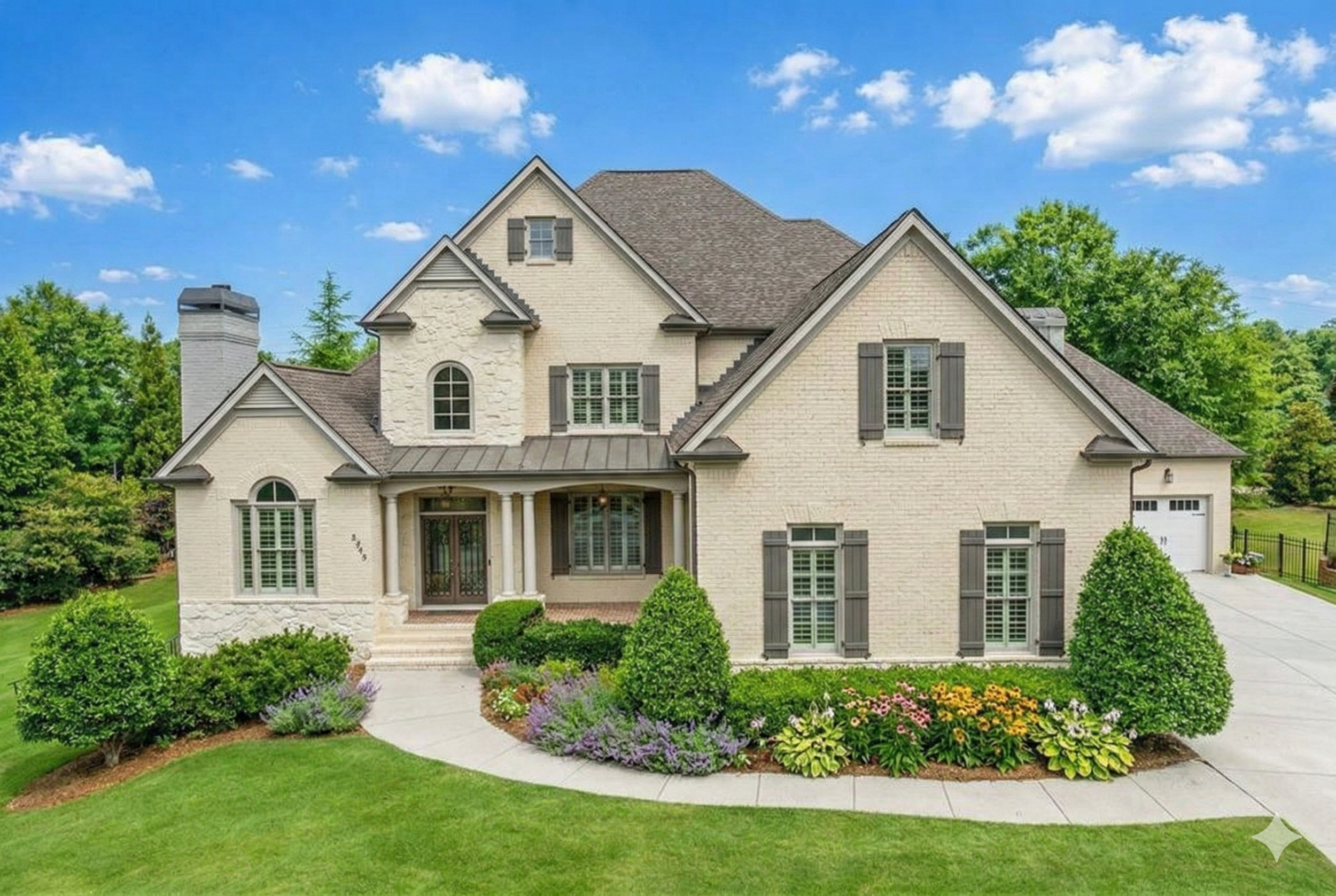
Golf community homes command premiums both for the amenity and the prestige of the address, and tend to be in the $700,000-$2 million+ range.
Commuting from East Cobb: Honest Numbers
East Cobb is OTP, which means you are driving to most major Atlanta employment centers. There is no MARTA rail service in East Cobb. CobbLinc bus service (Cobb County's transit system) provides routes to Midtown and Downtown Atlanta and connects to MARTA rail at Cumberland/Galleria, but the vast majority of East Cobb residents drive.
Here are realistic commute ranges for the most common destinations:
Downtown Atlanta: 25-40 minutes off-peak via I-75 South. During morning rush (7:00-9:00 AM inbound), expect 40-60 minutes. The I-75 corridor through Cobb County is a significant commute route and traffic is genuinely heavy at peak hours.
Midtown Atlanta: Similar to Downtown — 25-40 minutes off-peak, 40-55 minutes during rush. Midtown is a major employer destination (Tech Square, Peachtree Road corridor), and this commute is one of the most common for East Cobb professionals.
Buckhead: 25-35 minutes off-peak via Johnson Ferry Road or I-285. This is one of East Cobb's better commute stories — the Buckhead employment corridor (financial services, law, real estate, Piedmont Road) is genuinely accessible.
Perimeter Center/Dunwoody: 20-30 minutes via I-285 East or Powers Ferry Road. This is East Cobb's best commute story. The Perimeter Center employment corridor (corporate headquarters, professional services, healthcare) is a natural employment hub for East Cobb residents. Many families in East Cobb have one parent working in Perimeter and one in Midtown, which works.
Cumberland/Galleria (Cobb County employment hub): 15-25 minutes. Cumberland is the primary employment center immediately adjacent to East Cobb — Truist Park and the Battery are here, plus a large concentration of corporate offices, hotels, and retail employment.
Hartsfield-Jackson Airport: 45-60+ minutes via I-285 or I-75. This is the commute story that gives frequent flyers pause. The airport is on the opposite end of Metro Atlanta from East Cobb. Budget at least 45 minutes off-peak and plan for significantly more during rush hour.
CobbLinc Transit: For commuters who want to skip the I-75/I-285 drive, CobbLinc operates express routes to Downtown and Midtown Atlanta connecting through MARTA at Cumberland. Travel times are longer than driving off-peak but significantly more predictable during rush hour than sitting in I-75 traffic.
The Honest Assessment: East Cobb commutes work well for Perimeter, Cumberland, Buckhead, and Marietta employment. They are manageable for Midtown. They require real planning for Downtown Atlanta. They are genuinely challenging for the airport. If your job is primarily remote or Perimeter/Cumberland-based, East Cobb commutes are among the best in suburban Atlanta. If you're going Downtown every day, factor 40-60 minutes each way into your quality-of-life calculus.
Outdoor Recreation: The Chattahoochee River and Beyond
This is one of the things about East Cobb that surprises people who haven't lived here. The outdoor access is exceptional for a suburb of this size.
Chattahoochee River National Recreation Area
The Chattahoochee River NRA is a National Park Service unit — one of the few in Metro Atlanta — preserving a 48-mile stretch of the Chattahoochee River with multiple access points, trails, and recreation areas. Several units are directly accessible from East Cobb:
Cochran Shoals / Sope Creek Unit: The largest and most popular unit of the entire NRA. Multiple access points including:
Sope Creek (3726 Paper Mill Road SE, Marietta 30067): Hiking and biking trails, Civil War ruins of the Marietta Paper Mill (burned by Federal troops in July 1864 — the first point where Union forces crossed the Chattahoochee during Sherman's Atlanta Campaign), scenic pond, wooded trails up and down rolling terrain.
Columns Drive (150 Columns Drive SE, Marietta 30067): The signature fitness loop — a wide, flat 3-mile paved trail along the Chattahoochee River, used by runners, walkers, and cyclists and considered one of the best urban running trails in Metro Atlanta. Views of the river's angular rock shoals throughout.
Interstate North (1956 Eugene Gunby Road, Marietta 30067): Additional trailhead accessing the Cochran Shoals fitness loop.
Powers Island (5450 Interstate N Pkwy, Sandy Springs 30328): The primary canoe and kayak launch on this stretch of the river, with a scenic 2.5-mile loop trail.
Day passes are $5 per vehicle. America the Beautiful annual passes are honored. The trails are maintained by the Chattahoochee National Park Conservancy in partnership with the NPS.
The Chattahoochee River is one of Georgia's premier trout streams — one of the southernmost rivers in the U.S. where cold-water releases from Buford Dam sustain a year-round trout fishery. Species include rainbow trout (stocked annually) and naturally reproducing brown trout. A Georgia fishing license with a trout stamp is required for ages 16+. The river also offers bass and catfish fishing and is popular for tubing between Powers Island and Paces Mill in summer.
Fullers Park
A well-used Cobb County park with baseball/softball fields, tennis courts, playgrounds, picnic shelters, and walking paths. Located in the Walton zone area, it's a center of community recreational life.
East Cobb Park and East Cobb Park Athletic Complex
Multiple county parks throughout East Cobb serve youth sports leagues, fitness activities, and community recreation. East Cobb's youth sports culture is significant — soccer, lacrosse, baseball, and tennis leagues draw participation from a large portion of the community's families.
The Battery Atlanta and Truist Park
On the western edge of East Cobb's proximity, Truist Park (home of the Atlanta Braves) and the Battery Atlanta development sit at the I-285/I-75 intersection. This is technically in the Cumberland/Smyrna area but is genuinely minutes from most East Cobb neighborhoods. Access to major league baseball without fighting Downtown traffic is a legitimate quality-of-life point for East Cobb residents.
Shopping and Dining in East Cobb
East Cobb has a more developed retail and dining scene than most comparable OTP suburbs, concentrated in several commercial nodes along the Johnson Ferry, Roswell Road, and Sandy Plains corridors.
The Avenue East Cobb (4475 Roswell Road, Marietta 30062)
An outdoor lifestyle center with approximately 50 stores and restaurants, managed by North American Properties (the same group that revitalized Atlantic Station). The Avenue is now at approximately 96% leased capacity — a significant recovery from 75% when the current ownership took over in 2021. Recent additions include Italian bakery Giulia, its sister restaurant Luga, and Tenku Sushi Elevation. Retail includes Barnes & Noble, Boll & Branch, and a mix of national and specialty brands. Shake Shack is in the pipeline for the Merchant's Walk area nearby.
Merchant's Walk (1289 Johnson Ferry Road, Marietta 30068)
A 367,600-square-foot open-air center anchored by Whole Foods and Kohl's, with SEED Kitchen & Bar, Stem Wine Bar, Marlow's Tavern, and Chipotle as dining anchors. Also includes a 14-screen AMC movie theater, salon services, and specialty retail. Merchant's Walk and the adjacent Market Plaza — which includes Fuji Hana Steak & Sushi Bar, Mediterranean Grill, and Pho Hoa — function as a combined commercial hub at the Johnson Ferry/Powers Ferry intersection.
Paper Mill Village (255 Village Parkway NE, Marietta 30067)
Often called "East Cobb's Main Street," Paper Mill Village is a collection of 33 buildings connected by over a mile of pedestrian walkways, built around a mixed-use village concept. Restaurants include Camps Kitchen and Bar, Moxie Burger, Moxie Taco, Sugar Benders Bakery, and Cafe at Pharr. The village hosts Food Truck Mondays several times a year with live music and community events. The pedestrian-friendly layout distinguishes it from East Cobb's strip mall norm.
Shallowford-Area Shopping Centers
The Sandy Plains and Shallowford Road corridor serves the Lassiter zone with Shallowford Corners (anchored by Publix), Shallowford Falls (anchored by Kroger), and a range of independent dining options. Chicago's Steak and Seafood, Eggs Up Grill, Smokehouse Q, and Yeero Village Greek Restaurant are among the area staples here.
Grocery
East Cobb has exceptional grocery access. Eight Publix locations and eight Kroger locations serve the area, plus Whole Foods at Merchant's Walk, multiple international and specialty markets, and the weekly Marietta Square Farmers Market just minutes away.
Dining Highlights
East Cobb's dining scene leans toward family-friendly and casual-upscale rather than the trendier food halls and chef-driven concepts you find ITP, but there are genuinely good options:
SEED Kitchen & Bar (Merchant's Walk): Consistently one of East Cobb's highest-rated restaurants. Elevated American menu, strong wine program, warm atmosphere. The kind of place you go for a date night or client dinner without driving to Buckhead.
Stem Wine Bar (Merchant's Walk): Thoughtfully curated wine list, charcuterie and small plates, neighborhood favorite for low-key evening out.
Camps Kitchen and Bar (Paper Mill Village): American gastropub in Paper Mill's anchor dining spot, dependable and welcoming.
Marlow's Tavern (multiple East Cobb locations): The Gold Standard of Atlanta neighborhood gastropubs. Consistent, thoughtful menu, good bar program, reliable for families and groups.
Fuji Hana Steak & Sushi (Market Plaza): Long-running East Cobb Japanese steakhouse and sushi destination.
Green Coyote Cantina (Paper Mill Village): Mexican fare with good queso — Paper Mill Village's casual Mexican anchor.
Giulia (Avenue East Cobb): Italian bakery with pastries, croissants, and coffee drinks — the most recent addition drawing attention at the Avenue.
For bigger nights out, Downtown Roswell's Canton Street (15-20 minutes from most East Cobb) offers independent restaurants, wine bars, and a more vibrant evening scene. The Battery Atlanta is under 20 minutes for concerts, Braves games, and entertainment.
East Cobb vs. Comparable Metro Atlanta Suburbs
East Cobb vs. Roswell
Both are established OTP North Atlanta suburbs with strong school reputations and access to the Chattahoochee River. The key differences: Roswell is an incorporated city with a defined historic downtown (Canton Street) that East Cobb lacks. Roswell is in Fulton County (different school district, higher property taxes). East Cobb has lower property taxes, a broader school zone story (six high schools versus Roswell High), and tends to run slightly lower on median home prices for comparable square footage. Buyers researching both should note the county distinction — Fulton County Schools vs. Cobb County School District is a meaningful difference in program offerings and district culture. If historic downtown walkability matters, Roswell wins. If you want lower property taxes and more school zone options, East Cobb wins.
East Cobb vs. Johns Creek
Johns Creek is in Fulton County, newer planned development (2006 incorporation), with its own strong school district story. Johns Creek feels more polished and planned than East Cobb's organic suburban development. East Cobb offers a more varied housing stock, lower property taxes, and access to the Battery/Truist Park that Johns Creek doesn't have. Both attract corporate relocation families researching schools. Johns Creek is better positioned for GA-400 commutes; East Cobb is better for I-75/I-285 and Perimeter/Cumberland employment.
East Cobb vs. Milton
Milton is Fulton County, newer incorporated city (2006), more rural/equestrian character, and significantly higher home prices on average. Milton's estate and horse property market starts where East Cobb's luxury market peaks. East Cobb offers more entry points and established suburban infrastructure. Milton buyers are typically looking for larger lots, more land, and a more intentionally rural lifestyle. Both are positioned for GA-400 and Perimeter commutes, though East Cobb is closer to I-75 access.
East Cobb vs. Alpharetta
Alpharella is the tech corridor — closer to the GA-400/Tech Corridor employment cluster, more walkable downtown with Avalon, and a newer demographic skew. East Cobb is more established, more schools-driven, and less tech-centric in its buyer profile. Alpharella is a better fit for tech workers wanting walkable suburban amenities. East Cobb is a better fit for families wanting the established suburban school zone story with slightly lower entry prices and deeper swim/tennis community infrastructure.
East Cobb vs. Smyrna/Vinings
Smyrna and Vinings sit between East Cobb and Atlanta on the I-285 corridor. Both are partly ITP or immediately adjacent, with more nightlife options, slightly shorter Downtown commutes, and a different residential character. Smyrna has Downtown Smyrna Market Village, a genuinely good walkable commercial district. Both areas are more affordable on the lower end. For buyers who don't have a strong school zone priority and want more city access, Smyrna/Vinings can beat East Cobb on commute and price per square foot. For families prioritizing the Big 3 school zones, East Cobb wins on that specific factor.
Buyer Warnings: What to Know Before You Buy in East Cobb
Verify school zoning by specific address, not neighborhood name or ZIP code. This is the most important thing in this entire post. East Cobb has six high school attendance zones with real differences in program offerings. Two houses one street apart can be in different zones. Use the CCSD online locator or contact the district directly. A good buyer's agent will verify this as part of any offer process — but you should understand it well enough to check yourself.
The Marietta address confusion is real. Most East Cobb homes carry a Marietta mailing address. This does not mean you are in the City of Marietta, do not attend Marietta City Schools, and do not pay Marietta city taxes. Marietta City Schools is a separate, smaller school district serving homes within actual Marietta city limits. If you want Marietta City Schools, you need to specifically verify the address is within city limits — not just that it has a Marietta address. This confusion trips up buyers regularly.
The Roswell address confusion is also real. Some East Cobb homes carry a Roswell ZIP code (30075) but are in Cobb County, not Fulton County. These homes are served by CCSD, not Fulton County Schools, and pay Cobb County property taxes, not Fulton. Verify county by address, not ZIP code.
Understand which sub-market you're in. East Cobb's price range is wide enough that a buyer searching "$400,000-$550,000 in East Cobb" is in a very different market than one searching "$700,000-$900,000." The days on market, competition level, and negotiating dynamics differ meaningfully by price tier. Upper-end properties over $750,000 are still moving with competitive interest. The mid-range is more balanced. Entry-level has slowed. Know which sub-market you're shopping in and calibrate expectations accordingly.
HOA rules and swim/tennis amenities matter. Most East Cobb neighborhoods have active HOAs. Dues, rules, enforcement culture, and amenity quality vary. Ask for the HOA documents and financials as part of due diligence. A well-run HOA with a healthy reserve fund and maintained amenities protects value. A poorly managed HOA with deferred maintenance and contentious governance is a warning sign.
Commute planning is non-negotiable. Drive your actual commute route at actual rush hour before committing to a specific neighborhood. I-75 and I-285 at 8:00 AM are not the same as Google Maps at noon. East Cobb's commute story varies enough by specific neighborhood that being 2-3 miles closer to the I-285 interchange can make a meaningful difference. Ask your agent about proximity to your primary commute corridor.
New construction inventory is limited. Unlike Alpharella or South Cherokee County, East Cobb has limited available land for new development. Most of what's available within the established areas is infill — custom builds on individual lots that start around $700,000-$800,000 and go up from there. If new construction is your primary preference and budget is the driver, East Cobb will be limiting.
The market has normalized — use it. 2021-2022 buyers paid 5-10% above list with no contingencies in escalation-war situations. Today's market gives buyers more leverage, more time to inspect, and more willingness from sellers to negotiate. The urgency that drove decisions in prior years is gone. Take the time to verify school zoning, review HOA documents, and do thorough inspections. This is a more deliberate market and that benefits buyers who are prepared.
Who Is East Cobb Right For?
East Cobb tends to be the right fit when:
School zone is a primary driver and you want to research the Big 3 (Walton, Pope, Lassiter) for your family
You're relocating for a Perimeter Center, Cumberland, or Buckhead-area job and want more space than intown pricing allows
You want established suburban character with swim/tennis amenities, mature tree canopy, and strong community identity
Outdoor recreation access matters — Chattahoochee River trails, parks, and the NRA are meaningful quality-of-life factors
Lower property taxes than comparable Fulton County suburbs are part of the value calculation
You want proximity to Truist Park and the Battery without committing to the ITP price points
Think carefully about East Cobb if:
Your job is primarily Downtown Atlanta or the airport corridor — the commute is real and matters
Walkable urban living is a priority — East Cobb is car-dependent by design
You need MARTA rail access — it's not here
Your budget tops out around $350,000-$400,000 — you'll have options but they're limited and may not fall in the Big 3 zones
Nightlife and an urban social scene are high on your list — East Cobb evenings are quiet by design
Frequently Asked Questions About East Cobb Georgia
Is East Cobb Georgia a good place to live?
East Cobb is consistently ranked among the best places to live in Georgia. It offers strong public schools (Cobb County School District), extensive outdoor recreation via the Chattahoochee River National Recreation Area, established suburban neighborhoods with swim/tennis amenities, lower property taxes than comparable Fulton County suburbs, and access to major Atlanta employment corridors. Money Magazine named it the best place to live in Georgia in 2016. It is best suited for families with school-age children and professionals who work in the Perimeter/Cumberland or Buckhead employment corridors.
Is East Cobb a city?
No. East Cobb is an unincorporated community in Cobb County, Georgia. It has no city government, city hall, or mayor. Residents typically have Marietta mailing addresses but are not within Marietta city limits. A 2022 referendum on cityhood failed with 73% of voters opposing incorporation. East Cobb is governed by the Cobb County Commission.
What county is East Cobb in?
East Cobb is entirely in Cobb County, Georgia. Some East Cobb neighborhoods have Roswell mailing addresses (ZIP code 30075) but are still in Cobb County, not Fulton County. Always verify county by specific property address, not ZIP code.
What are the best schools in East Cobb?
East Cobb is served by the Cobb County School District, the second largest school district in Georgia. High school attendance zones in East Cobb include Walton, Pope, Lassiter, Wheeler, Sprayberry, and Kell. The most sought-after zones in buyer search behavior are Walton (charter high school, approximately 2,500 students), Pope (approximately 1,781 students, strong AP and fine arts programs), and Lassiter (#2 in Cobb County, #13 in Georgia, award-winning band and theater programs, approximately 2,000 students). Wheeler has Georgia's top STEM Magnet Program. Always verify school zoning by specific property address at the CCSD online locator, and research and visit schools to determine fit for your family.
How much do homes cost in East Cobb Georgia?
The median home price in East Cobb is approximately $500,000-$503,000 as of late 2025/early 2026. Entry-level homes (primarily older ranch and split-level in outer zones) start in the high $200,000s. Mid-range homes in the Pope and Lassiter zones run $450,000-$700,000 for established swim/tennis neighborhood homes of 2,400-3,800 sq ft. Premium homes in the Walton zone and golf communities run $600,000-$1.5 million+, with custom luxury extending to $5 million and above. Property taxes are lower than Fulton County — approximately 0.84% effective rate versus Fulton's 1.09%.
Does East Cobb have MARTA?
No. East Cobb has no MARTA rail service. CobbLinc (Cobb County's transit system) provides bus routes including express service to Midtown and Downtown Atlanta, connecting to MARTA rail at the Cumberland Transfer Center. The majority of East Cobb residents drive to their destinations.
What is the commute from East Cobb to Downtown Atlanta?
The commute from East Cobb to Downtown Atlanta via I-75 South is approximately 25-40 minutes off-peak. During morning rush hour (7:00-9:00 AM), budget 40-60 minutes. The I-75 corridor through Cobb County is a heavy commute route. East Cobb commutes work better for the Perimeter Center/Dunwoody and Cumberland/Galleria employment corridors, where travel times run 15-30 minutes.
Is East Cobb inside or outside the perimeter?
East Cobb is outside the perimeter (OTP). Interstate 285 forms the southeastern boundary, with East Cobb positioned north and northwest of the perimeter. The most southern portions of East Cobb near Paces Mill/Cochran Shoals sit just north of I-285.
What ZIP codes are in East Cobb?
East Cobb includes unincorporated portions of ZIP codes 30062, 30066, 30067, 30068, and parts of 30075. Note that some homes with 30075 (Roswell) ZIP codes are in Cobb County (East Cobb), not Fulton County. Always verify county and school district by specific address, not ZIP code.
Ready to Find Your East Cobb Home?
East Cobb's school zone complexity, wide price range, and varied sub-market dynamics make having the right agent matter more here than in most markets. Getting the school zoning verified, understanding which sub-market your price range actually puts you in, and navigating the currently more balanced conditions all require someone who knows this specific area well.
I work with buyers throughout Metro Atlanta and know East Cobb's neighborhoods, school zones, and market dynamics in detail. If you're relocating, considering East Cobb among several options, or ready to start your search, let's talk.
Visit kristenjohnsonrealestate.com or reach out directly. Come as you are, come on home.
Looking for more Metro Atlanta neighborhood guides? I've covered the full North Fulton cluster — Roswell, Johns Creek, Milton, and Alpharetta — as well as neighborhoods across the Atlanta area from Candler Park and Reynoldstown to Brookhaven and Buford. Browse the full guide series at kristenjohnsonrealestate.com.