

Living in Buford Georgia: Buford City Schools, Lake Lanier, and What $400K–$650K Buys in 2026
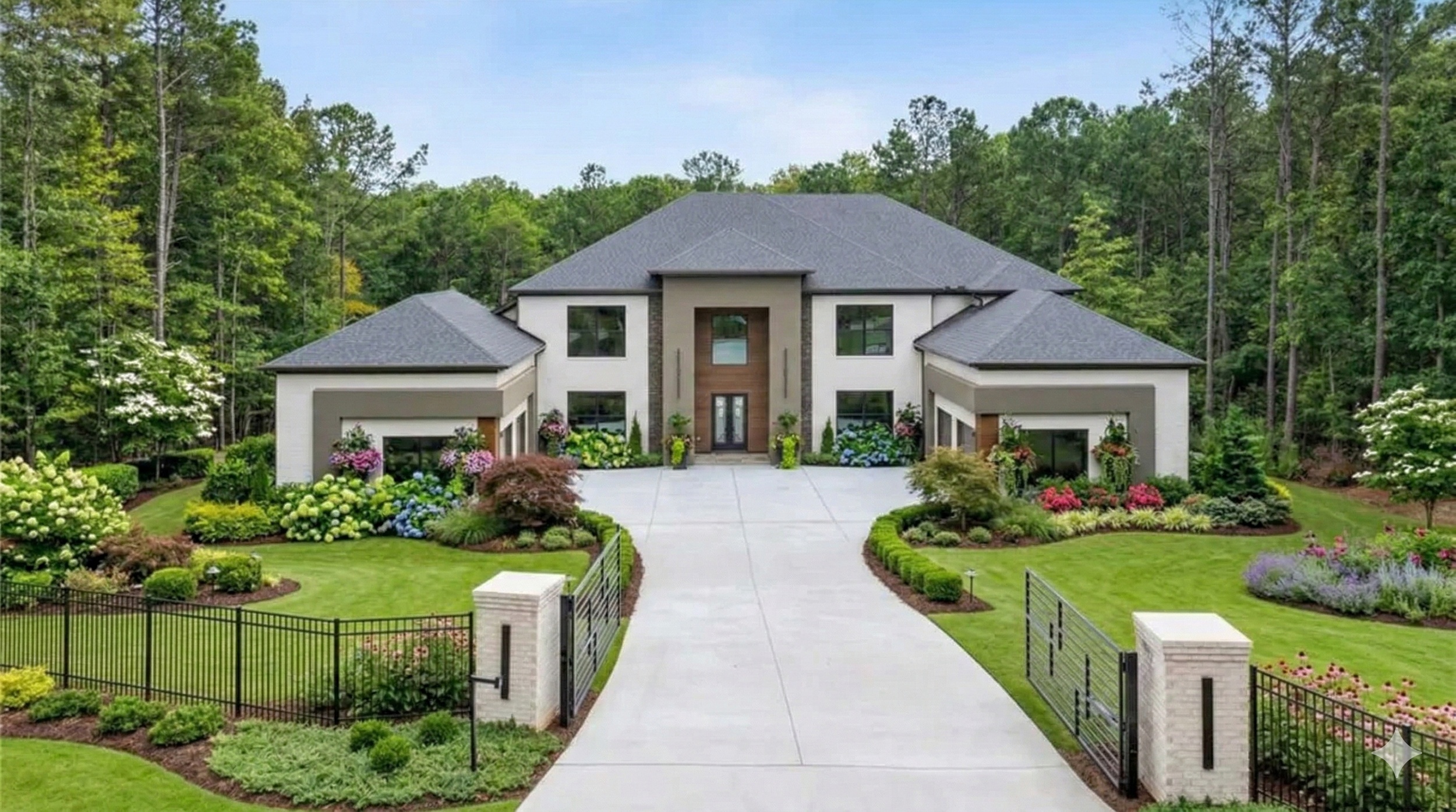
If you've spent any time researching schools in Metro Atlanta, you've already heard the name. Buford City Schools. Number one in Georgia — eleven years running. It's the kind of ranking that makes buyers drive forty minutes farther north than they originally planned, recalculate their commute math, and decide the tradeoff is worth it.
I get it. I've been having that conversation with buyers for nearly a decade. And what I tell every single one of them before we start writing offers is this: a Buford mailing address and a Buford City Schools address are not the same thing. That distinction will shape everything about your search, your offer strategy, and ultimately your investment.
This guide covers everything you need to know about actually living in Buford in 2026 — the schools, the market, the commute reality, the neighborhoods, the lake, the downtown, and who this city is and isn't right for. Let's get into it.
Where Is Buford, Georgia?
Buford sits at the northern edge of Gwinnett County, roughly 35 miles northeast of Downtown Atlanta. Most of the city falls in Gwinnett County, though a sliver extends into Hall County — a geographic detail that matters significantly for school zoning. The city spans both the 30518 and 30519 ZIP codes, but both ZIP codes extend well beyond city limits into unincorporated Gwinnett County. That's the source of most buyer confusion here, and we'll come back to it repeatedly.
Major access points: I-85 and I-985 run through or adjacent to the city, GA-20 connects east-west, and Buford Drive ties it all together at the Mall of Georgia interchange. To the south is Suwanee and Sugar Hill. To the east and north, you reach Lake Lanier within minutes.
The city of Buford operates its own municipal government, police, fire, water system, and natural gas utility. Buford runs Georgia's third-largest municipal gas system — over 46,000 customers across five counties — at rates meaningfully below private providers like Atlanta Gas Light. That's a utility savings most out-of-town buyers don't discover until their first bill.
Is Buford Georgia a Good Place to Live?
The short answer: yes — for the right buyer.
Buford consistently ranks among the best places to live in Georgia. Niche rates the city highly for schools, outdoor recreation, and community character. Residents tend to own their homes, the demographics skew toward families, and there's a genuine hometown feeling that's rare in a city this close to a major metro.
The longer answer: whether Buford is right for you depends on three things — whether your specific property is zoned for Buford City Schools, whether the commute to your workplace is workable, and whether car-dependent suburban living fits your lifestyle. If you can check all three boxes, Buford delivers real value.
What residents consistently highlight:
Buford City Schools performance and community investment
Lake Lanier access within minutes of most addresses
Historic Downtown Buford's small-town character
Strong sense of civic pride, especially around athletics
More home for the money than North Fulton comparables
What requires honest evaluation:
Atlanta commute can hit 60–90 minutes in peak traffic
No MARTA rail service
ZIP code does not equal school district — must verify
Smaller yards than rural alternatives
Summer lake and Mall of Georgia corridor traffic
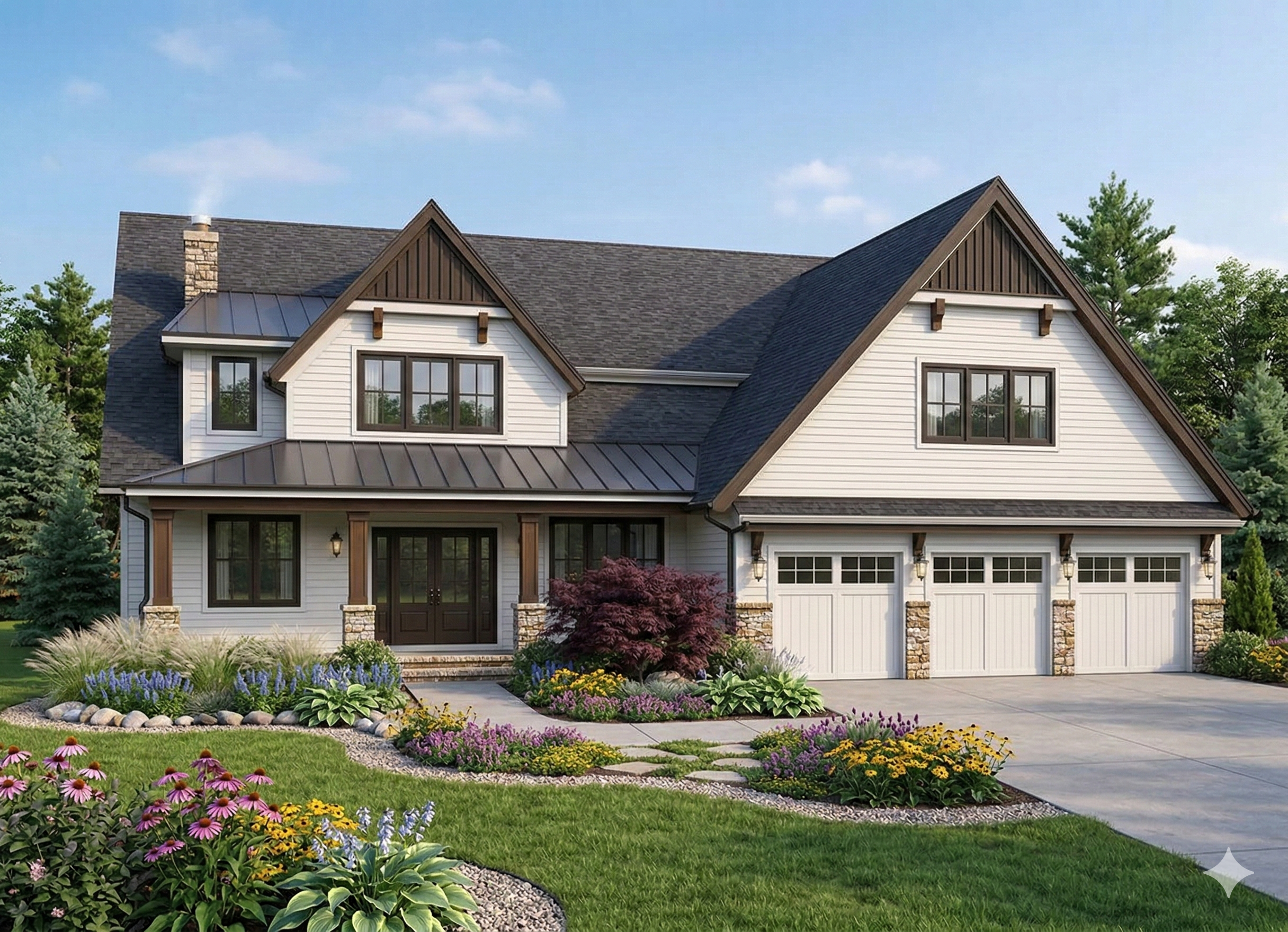
Does a Buford GA Address Mean Buford City Schools?
No. This is the single most important thing to understand before buying in Buford.
Buford City School District serves only students living within incorporated city limits. The 30518 and 30519 ZIP codes extend significantly beyond those limits into unincorporated Gwinnett County (served by Gwinnett County Public Schools) and unincorporated Hall County (served by Hall County Schools). Two houses on the same street can be zoned to different school districts — this happens regularly in Buford.
Homes with confirmed Buford City Schools zoning command a $50,000–$100,000+ premium over otherwise comparable properties in adjacent county systems. You are specifically paying for that district access, which means you need to confirm it actually exists before writing an offer.
How to verify:
Use the address lookup tool at the Buford City Schools official website (bufordcityschools.org)
Call the district directly: (770) 945-5035
Ask your agent to confirm from the school district — not from the MLS listing or the seller
Never rely on ZIP code, mailing address, listing descriptions, or seller representations as confirmation of school zoning. Verify at the parcel level, every time.
Buford City Schools: What the #1 Ranking Actually Means
Buford City Schools has been named the #1 Best School District in Georgia by Niche for eleven consecutive years as of 2026. A 2025 Wiingy analysis ranked it the best school district in the United States, achieving perfect scores in eight of nine categories evaluated. Nationally, Niche currently places it among the top 25 districts in the country.
These rankings are based on state test scores, student-teacher ratios, teacher quality, diversity, and parent/student reviews — with academics weighted at 50%.
District snapshot (2025–2026 data):
The district serves approximately 6,100 students across five campuses. Student-teacher ratio: 18:1. District-wide math proficiency: 70% (vs. Georgia state average of 38%). Reading proficiency: 65% (vs. Georgia average of 40%). Graduation rate: 95.06%. Average SAT: 1,155. Average ACT: 24.8. Per-pupil spending: approximately $12,216 — below the national average, making Buford a frequently cited model for efficient high-performing public education.
By campus:
CampusNiche RankingKey StatsBuford Senior Academy (elementary)#1 Elementary in GeorgiaA+ overallBuford Academy (elementary)#2 Elementary in GeorgiaA+ overallBuford Middle School#2 Middle School in Georgia, #1 in Atlanta area72% math / 62% reading proficiencyBuford High School#10 High School in Georgia, #1 for Athletes in Georgia1,923 students, 68% math / 71% reading, 95% graduation
Athletics: Buford High School's athletics culture is genuinely distinctive. The district is ranked #1 in Georgia for student athletes. Football has produced multiple state championships and consistent Division I college placements. The $62 million Phillip Beard Stadium opened fall 2025 with 10,000 seats — a facility that rivals many college venues. For families where strong athletics alongside strong academics is the goal, this combination is rare at the public school level.
What Buford City Schools is not: It's a small, intentional district — approximately 6,100 students total across all five campuses. That compactness creates community cohesion. It is not a large comprehensive county system with dozens of magnet programs and varied school-by-school performance. It's one focused district, performing at a very high level across the board.
All school data reflects currently available information. Boundaries and performance data change periodically. Verify current zoning for any property through official district sources, and visit campuses that interest your family before making decisions.
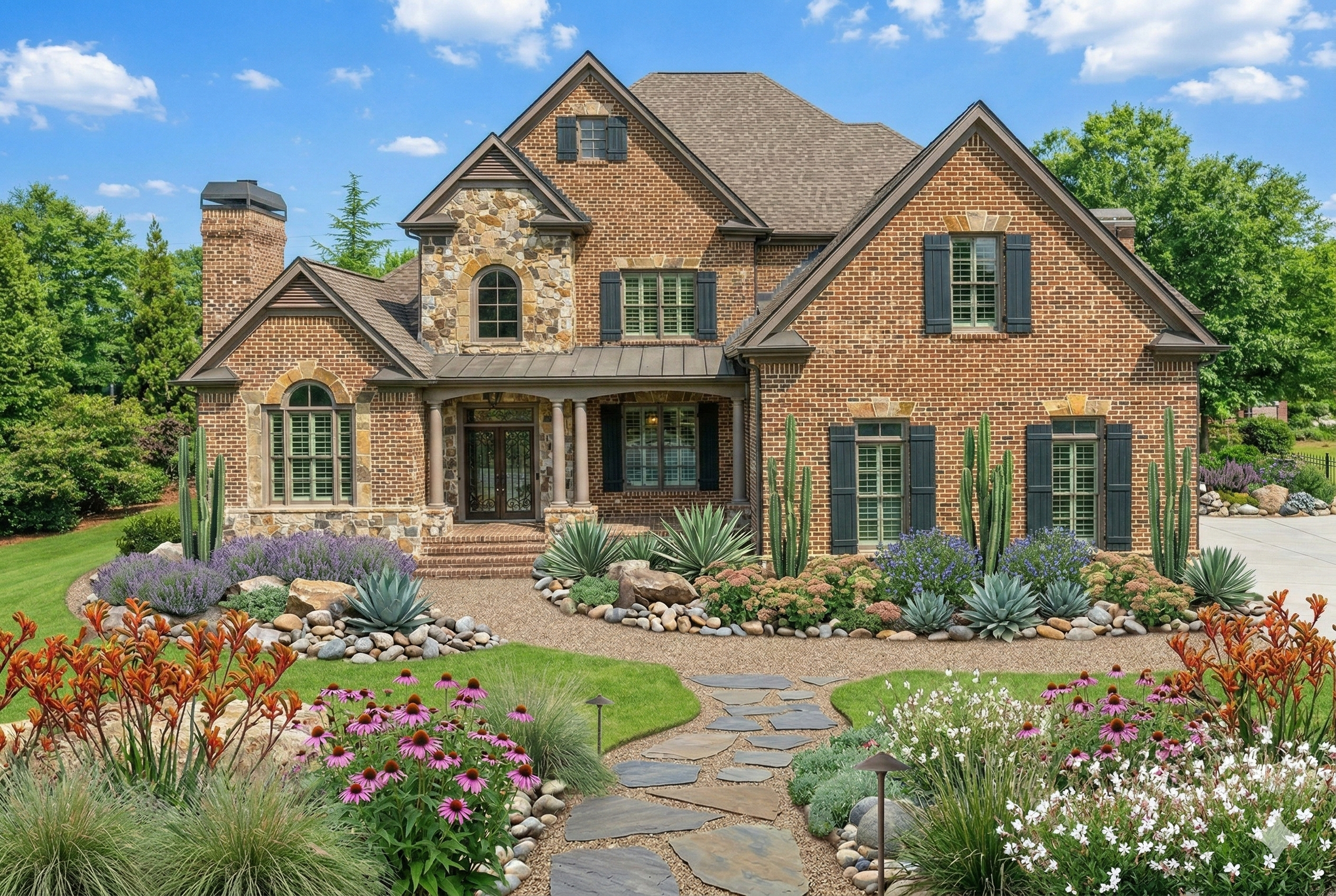
How Much Do Homes Cost in Buford Georgia in 2026?
Buford covers a wide geographic area with meaningfully different market segments. The honest answer is "it depends on which Buford and which product type" — here's the breakdown.
Market snapshot (late 2025 / early 2026):
Median sold prices ranged from approximately $475,000–$580,000 across sources and time frames. The variance reflects a segmented market, not data error. Redfin tracked $580K median (January 2026, up 24.7% YoY). ZIP 30519 showed $475K median (October 2025). Recent rolling data from Orchard: $477,857–$504,088. The median list price is currently around $545,000–$579,000 with active inventory at 300–400+ listings.
Price by segment:
SegmentPrice RangeTypical HomeDOMEntry / Value$350K–$450K4BR/2BA, ~2,200 sq ft, older, may need updating75–97 daysCore Family$450K–$530K4BR/3BA, ~2,900 sq ft, established neighborhood, pool/tennis community60–75 daysUpper-Mid / Newer$530K–$650K4-5BR/3BA, 3,000+ sq ft, newer construction, confirmed BCS zoning90–105 daysUpper / Lakefront$700K–$2M+Custom builds, lake access, executive neighborhoodsVaries
Market conditions:
The Buford market as of early 2026 is more balanced than the 2021–2022 peak. The Market Action Index tracked at approximately 29 — just below the 30 threshold that marks a buyer's advantage zone. Price reductions are more common: roughly 37–45% of active listings have reduced prices. Sale-to-list price ratios are hovering around 96–98%. Days on market have extended from the 28–49 day norms of 2022–2023.
The best properties — confirmed Buford City Schools zoning, updated condition, good location — still move decisively. The buyer's leverage applies most strongly to properties with deferred maintenance, weaker school zoning confirmation, or aggressive pricing.
Price per square foot: $197–$205.
Long-term appreciation: Buford properties have appreciated approximately 151% over the past decade, roughly 9.68% average annual rate — top 10% of U.S. cities for real estate appreciation.
Property taxes: Within Buford city limits (Gwinnett portion), effective rate approximately 1.08% of assessed value. A $500,000 home: roughly $5,400 annually. This is offset partially by Buford's municipal gas utility savings ($240–$480/year vs. private providers).
How Long Is the Commute from Buford to Atlanta?
Buford is approximately 35 miles northeast of Downtown Atlanta via I-985 South to I-85 South.
Realistic commute times:
DestinationOff-PeakMorning Rush (7–9:30 AM)Afternoon Rush (4–7 PM)Downtown Atlanta35–45 min60–90 min70–100 minMidtown40–50 min65–90 min70–100 minBuckhead35–45 min55–80 min60–90 minPerimeter (I-285/GA-400)30–40 min50–70 min55–80 minGwinnett (Duluth/Suwanee/Lawrenceville)15–30 min25–45 min25–45 min
The consistent bottleneck is Spaghetti Junction — the I-85/I-285 interchange — and the Downtown Connector where I-75 and I-85 merge. Atlanta consistently ranks in the top 10 most congested U.S. cities. Morning rush begins as early as 6:30 AM and runs to 9:30 AM; afternoon rush 4:00 PM to 7:00 PM.
No MARTA rail. Buford has no rail service. Gwinnett County Transit and Xpress buses connect to MARTA at Doraville, but this is not a practical daily commuting option for most Buford residents. This is a car-dependent city.
The bottom line: Buford works well for buyers with Gwinnett or North Atlanta suburban employment, remote/hybrid schedules, or genuine willingness to budget the commute time. It is not the right fit for buyers who need to be in Downtown Atlanta or Midtown by 8:30 AM every day and haven't stress-tested the reality.
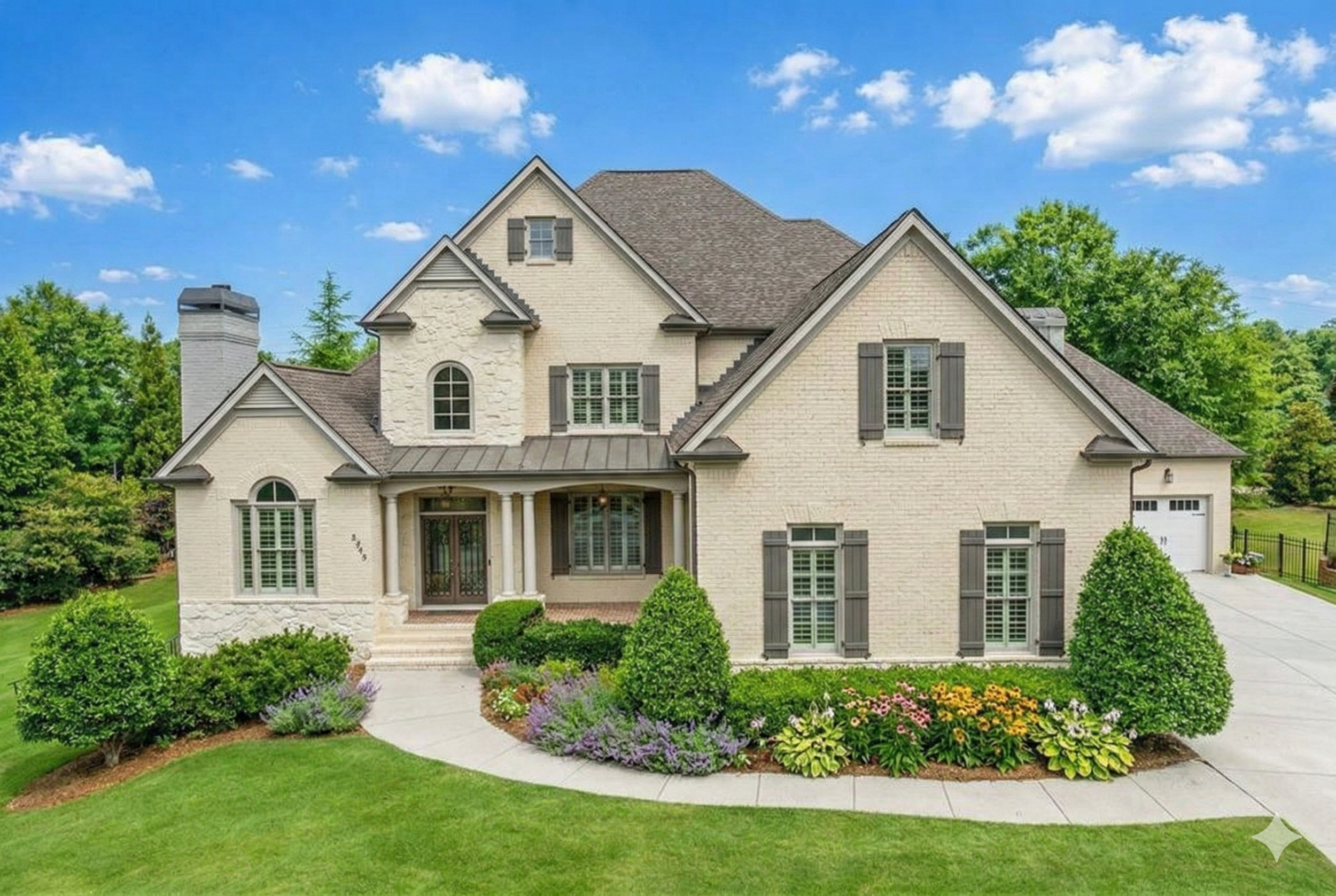
Buford Georgia Neighborhoods and Housing Stock
Historic Downtown Buford
The original city core — Main Street lined with 19th-century brick buildings now home to restaurants, boutiques, galleries, and breweries. Tannery Row Artist Colony is the cultural anchor: 17 member artists in open studios working in woodworking, pottery, stained glass, and oil painting. The Buford Community Center and Town Park hosts free outdoor concerts, movies, and ticketed performances. The Bona Allen Mansion anchors the end of Main Street — a historic showpiece and private event venue. The city's 2045 Comprehensive Plan includes continued Downtown walkability improvements; at least seven pedestrian projects have been completed since 2019.
Homes near or walkable to Historic Downtown are limited, older, and coveted. When they come to market, they move.
Dining highlights: Bare Bones Steakhouse (historic bank building, rooftop patio, 101 E. Main), Rico's World Kitchen (globally inspired, rotating daily specials, 306 W. Main), Tannery Row Ale House (craft beers, neighborhood gathering), 37 Main – A Rock Café (live music), Aqua Terra Bistro (upscale).
Mall of Georgia / GA-20 Corridor
The majority of Buford's suburban residential development. Pool and tennis HOA communities dominate — brick and traditional-style single-family homes, 2,000–3,500 sq ft, typically with HOA amenities. Subdivision names in this corridor include Aberrone, Autumnbrooke, Barringer Park, Bogan Meadows, Brickton Station, Chandler Grove, Clearwater Plantation, Ellsworth Glen, Hamilton Fields, Hedgerows, Hidden Falls, Meranova at Mill Creek, Morningbrooke, Parkside at Lanier Springs, Providence Walk, Wildwood, and Windrush.
Many subdivisions in this corridor have confirmed Buford City Schools zoning — but not all. Verify every address individually regardless of proximity to others that are confirmed.
The Mall of Georgia (3333 Buford Drive) anchors the commercial side: Georgia's largest mall at 2M+ square feet, 200+ stores, 20-screen Regal Cinema with IMAX, Village Amphitheatre for year-round events. The Gwinnett Environmental and Heritage Center sits nearby — a LEED-certified educational facility with interactive exhibits and greenways, free admission (parking fee), excellent for families.
Lake Lanier Edge
The city's northeastern boundary touches Lake Sidney Lanier. Lakefront and lake-access properties represent Buford's premium tier — $700K to $2M+ depending on dock access, waterfront footage, lot size, and condition. A different buyer profile: water recreation enthusiasts, second-home purchasers, buyers where lifestyle amenities outrank commute proximity.
Buford City Park Area
City-managed parks: Buford City Park (5th St & 3rd Ave, downtown-adjacent) with trails and playground; Bogan Park with indoor aquatic center, double gym, dance room, outdoor basketball; Buford Youth Sports Complex with full-sized soccer, lacrosse, and football fields; 12 public tennis courts on Shawnee Avenue.

Lake Lanier: Buford's Lifestyle Differentiator
Lake Sidney Lanier is 38,000 acres with 692 miles of shoreline. It receives approximately 11.8 million visitors annually and serves as Atlanta's emergency water supply — which ensures ongoing federal maintenance. For Buford residents, it's 5–10 minutes away.
That's not a "day trip to the lake." That's Tuesday evening on the water.
Activities: boating, fishing, kayaking, paddleboarding, wakeboarding, sailing, swimming at designated beaches, lakeside dining. Margaritaville Resort at Lanier Islands (7650 Lanier Islands Pkwy) anchors the entertainment side — waterpark, beach, tiki bars, live entertainment, and the annual Magical Night of Lights holiday event that draws visitors from across the state. Public access: Buford Dam Park (1120 Buford Dam Road) for hiking, scenic views, and water access; Lazy Days Park and Marina for boat launches; Pinewood Avenue boat ramps.
For buyers relocating from coastal cities — South Florida, Pacific Northwest, Northeast — the ability to replicate water lifestyle without coastal pricing is a meaningful draw. The lake is not a weekend amenity. It's a daily quality-of-life differentiator that separates Buford from most Metro Atlanta suburbs.
Buford vs. Suwanee, Sugar Hill, and Johns Creek
Buford vs. Suwanee
Suwanee sits immediately south on I-985. It's served by Gwinnett County Schools (A+, not Buford City), has a highly regarded mixed-use Town Center development, and generally runs slightly lower home prices in comparable segments. Suwanee wins on commute (a few miles closer to Atlanta) and has strong community programming. Buford wins on Buford City Schools specifically and Lake Lanier proximity. If BCS is your driver, Buford is the call. If it isn't, Suwanee deserves a serious look.
Buford vs. Sugar Hill
Another Gwinnett city, also served by Gwinnett County Schools. Good parks, growing downtown, generally more affordable than Buford across segments. Lake Lanier is accessible but not as immediately adjacent. For buyers where Buford City Schools isn't the primary factor, Sugar Hill offers solid value.
Buford vs. Johns Creek
Johns Creek is a direct competitor for the "best schools in Metro Atlanta" buyer. It's served by Fulton County Schools, which includes some of the state's highest-performing individual schools — but it's a large county district, so performance varies by address. Johns Creek's median prices are higher than Buford's in comparable segments. Buford offers a small unified district with consistent performance at generally lower acquisition costs. The tradeoff: Buford requires more commute to North Fulton employment centers; Johns Creek buyers are closer to Alpharetta, Milton, and GA-400.
Buford vs. Alpharetta / Milton
North Fulton has seen significant price appreciation. Buyers who want comparable school performance, suburban character, and northern suburban lifestyle are increasingly finding Buford's $450K–$600K range more accessible than equivalent North Fulton options. The school system structure differs — Buford City is compact and unified; Fulton County is a large district with variation by address. Commute direction matters here too: Buford is better for Northeast corridor employment; Alpharetta/Milton is better for GA-400 corridor employment.
What $400K–$650K Buys in Buford Right Now
$350K–$450K: Older homes, smaller footprints (1,600–2,200 sq ft), some needing updating. Investor-active. May or may not have confirmed BCS zoning — verify. Good for buyers with renovation capacity. Some price flexibility with sellers.
$450K–$530K: Established neighborhood single-family, ~2,900 sq ft, 4BR/3BA, 0.25–0.5 acre lots, pool/tennis HOA community typical, approximately 18 years old average. Confirmed Buford City Schools zoning available — you're specifically searching for it. Well-maintained move-in ready. This is Buford's core family sweet spot.
$530K–$650K: Newer construction or heavily renovated, 3,000–3,200+ sq ft, updated systems and finishes. BCS zoning most commonly confirmed here. Where corporate relocation buyers cluster. More competitive for best options in this range.
$650K–$900K: Custom builds, executive neighborhoods, some lake proximity. Larger lots, higher-end finishes, 3,500–4,500+ sq ft. Limited inventory, patient market.
$900K–$2M+: True Lake Lanier waterfront with dock access, custom construction, resort-adjacent. Different buyer profile. Limited inventory.

Who Buford Is Right For
Families with school-age children where Buford City Schools is a primary driver. This is the core buyer. The system is small enough to be community-oriented, strong enough to produce exceptional outcomes. Just confirm zoning before you fall in love with a house.
Buyers with Gwinnett or North Atlanta suburban employment. Suwanee, Duluth, Gainesville, Lawrenceville, Braselton, and the I-85/I-985 corridor are all accessible without battling the Downtown Connector. If your employer is in this zone, the commute math works significantly better than anything intown or North Fulton.
Remote or hybrid workers. If you're in Atlanta one or two days a week, Buford's price-per-square-foot advantage becomes compelling. More home, lake access in minutes, a community with genuine civic identity. Save the parking fees for two days a week.
Lake lifestyle buyers. If water recreation is central to how you want to live, Buford is one of the few Metro Atlanta options where that lifestyle is genuinely accessible daily — not just on weekends.
Corporate relocation families. Buford City Schools' national reputation means families moving from New York, LA, Chicago, and D.C. specifically search this district. The relocation community here is active and well-established.
Buyers priced out of North Fulton. The school performance is comparable. The price points are more accessible. If commute direction is flexible, Buford is worth the comparison.
Who Should Think Carefully Before Committing
Downtown Atlanta or Midtown daily commuters. Run the commute math before falling in love with a property. A 60–90 minute drive each way, five days a week, is a meaningful part of your life. Make sure you've stress-tested peak-hour reality — not just Google Maps at noon.
Buyers who need MARTA rail. No rail in Buford. No confirmed near-term timeline for Gwinnett County expansion. If transit is non-negotiable, this isn't your city.
Buyers who want walkable urban living. Historic Downtown Buford is charming, but this is fundamentally car-dependent outside that corridor. If walking to coffee, restaurants, and errands is your vision of daily life, Buford will frustrate you.
Buyers assuming ZIP code = school district. I've said it three times. I'll say it one more time because it matters: verify at the parcel level before making any decisions based on school access.
Frequently Asked Questions About Living in Buford Georgia
Is Buford Georgia a safe place to live?
Buford has a crime rate approximately 2% lower than the Georgia state average, with violent crime roughly 12% lower than the national average. Property crime runs slightly above average. The City of Buford operates its own police department. Conditions vary by corridor and neighborhood — as with any city, some areas are stronger than others. For current crime data, reference Buford PD and Gwinnett County Police reports directly.
What is the population of Buford Georgia?
The City of Buford proper has a population of approximately 17,997–18,000 (Niche/census data). The broader Buford mailing address area including unincorporated Gwinnett and Hall County portions encompasses significantly more residents — sources citing 113,000+ reflect the extended ZIP code area, not the incorporated city.
Is Buford Georgia expensive to live in?
By Metro Atlanta suburban standards, Buford is mid-to-upper tier on housing costs. Median home prices around $475K–$580K place it above many Gwinnett County options but generally below comparable North Fulton suburbs. The cost of living overall runs slightly below the national average despite home prices, partly due to municipal utility cost advantages. Property taxes at roughly 1.08% of assessed value are moderate.
What school district is Buford Georgia in?
The City of Buford is served by Buford City School District — #1 in Georgia for eleven consecutive years. Properties in unincorporated areas with Buford mailing addresses may be served by Gwinnett County Public Schools (A+) or Hall County Schools instead. Always verify school zoning at the parcel level through official district sources before purchasing.
What ZIP codes are in Buford Georgia?
Buford primarily uses 30518 and 30519. Both ZIP codes extend beyond incorporated city limits into unincorporated Gwinnett and Hall counties. A 30518 or 30519 address does not confirm you are within Buford city limits or within Buford City Schools attendance boundaries.
How far is Buford Georgia from Atlanta?
Approximately 35 miles northeast of Downtown Atlanta. Off-peak drive time: 35–45 minutes. Peak rush hour: 60–90+ minutes. No MARTA rail connection.
Ready to Find Your Buford Home?
Buford is a serious suburb for serious buyers. If the school district is your anchor, the lake is your lifestyle bonus, and you've stress-tested the commute reality for your specific employment — this city can deliver something genuinely hard to find in Metro Atlanta.
But the details matter more here than almost anywhere else I work. School zoning verification. County versus city limits. ZIP code versus actual address. The difference between paying market rate and paying a $100,000 premium for school access you assumed but didn't confirm.
That's exactly the work I do with every buyer I take to Buford.
If you're ready to start the search — or just want to have an honest conversation about whether Buford is the right fit for your situation — reach out. I'm happy to talk through the commute math, the school zoning process, and what your budget actually gets you with confirmed zoning.
Come as you are, come on home.
Kristen Johnson, Kristen Johnson Real Estate at Compass. Nearly 10 years serving Metro Atlanta buyers and sellers. www.kristenjohnsonrealestate.com