

Living in Duluth GA: The Town Green, Sugarloaf Country Club & Home Prices 2026
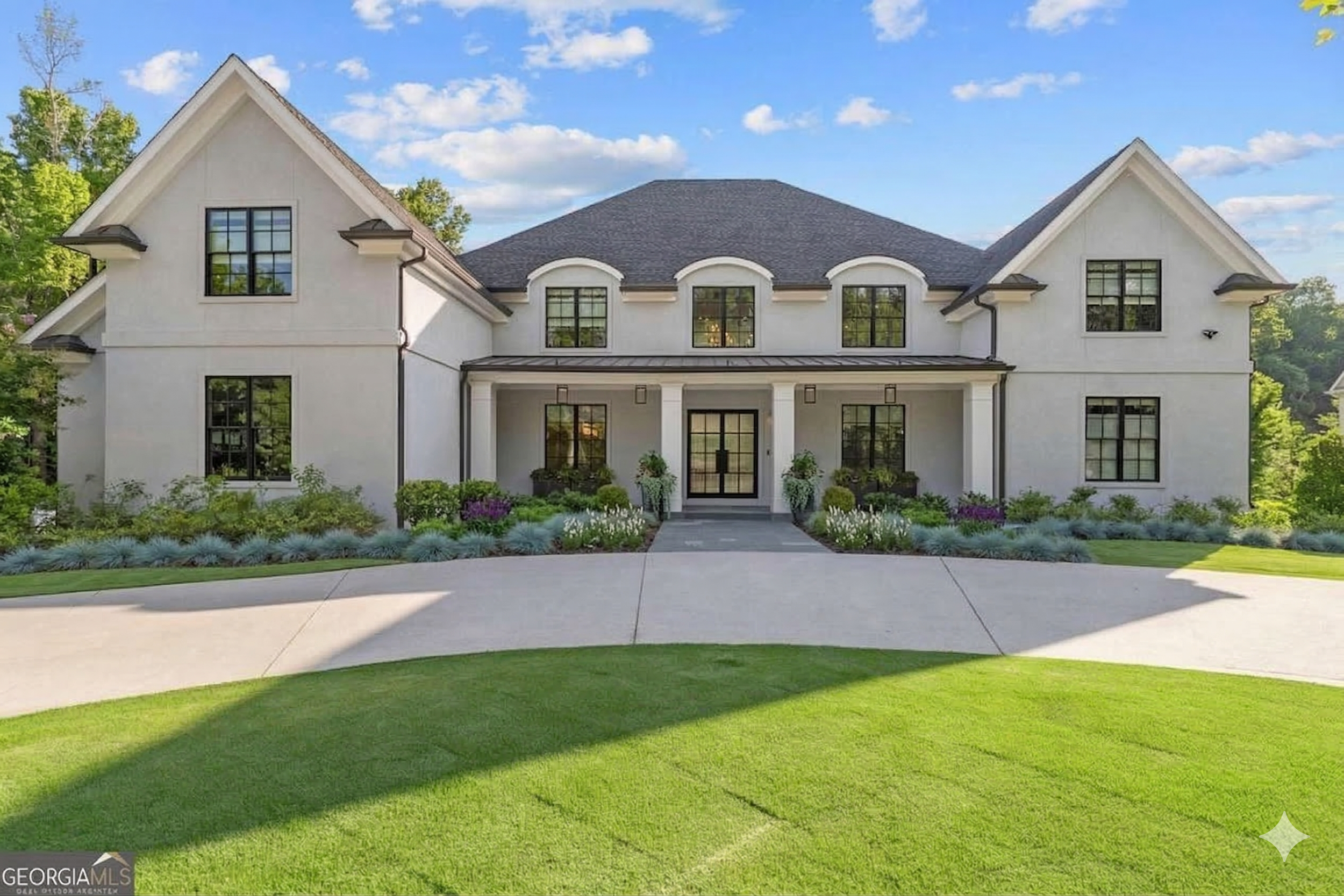
If you're researching Gwinnett County and Duluth keeps coming up, there's a reason. It consistently lands on best-of lists, it draws corporate relocation buyers from across the country, and it's one of the most culturally diverse cities in the entire metro. But a lot of what gets written about Duluth is surface-level — Town Green, good schools, I-85 access — and then it stops. That's not enough to make a real decision.
Here's what I want you to actually understand about Duluth before you start searching: this city has more range than its reputation suggests. The housing market runs from condos in the $200s to custom estates above $1 million in Sugarloaf Country Club. The commute story is genuinely strong for some employment corridors and genuinely hard for others. The cultural diversity here — particularly the deep-rooted Korean American community along the Buford Highway and Pleasant Hill corridors — is a real differentiator from most other Gwinnett cities, and it shows up in the restaurant scene, the grocery options, and the character of the community in ways that matter for quality of life.
I work with relocation buyers throughout Gwinnett County regularly, and Duluth almost always comes up alongside Suwanee, Peachtree Corners, and Buford. Where it lands in that conversation depends on what you're prioritizing. That's exactly what I'm laying out here.
Here's what you need to know.
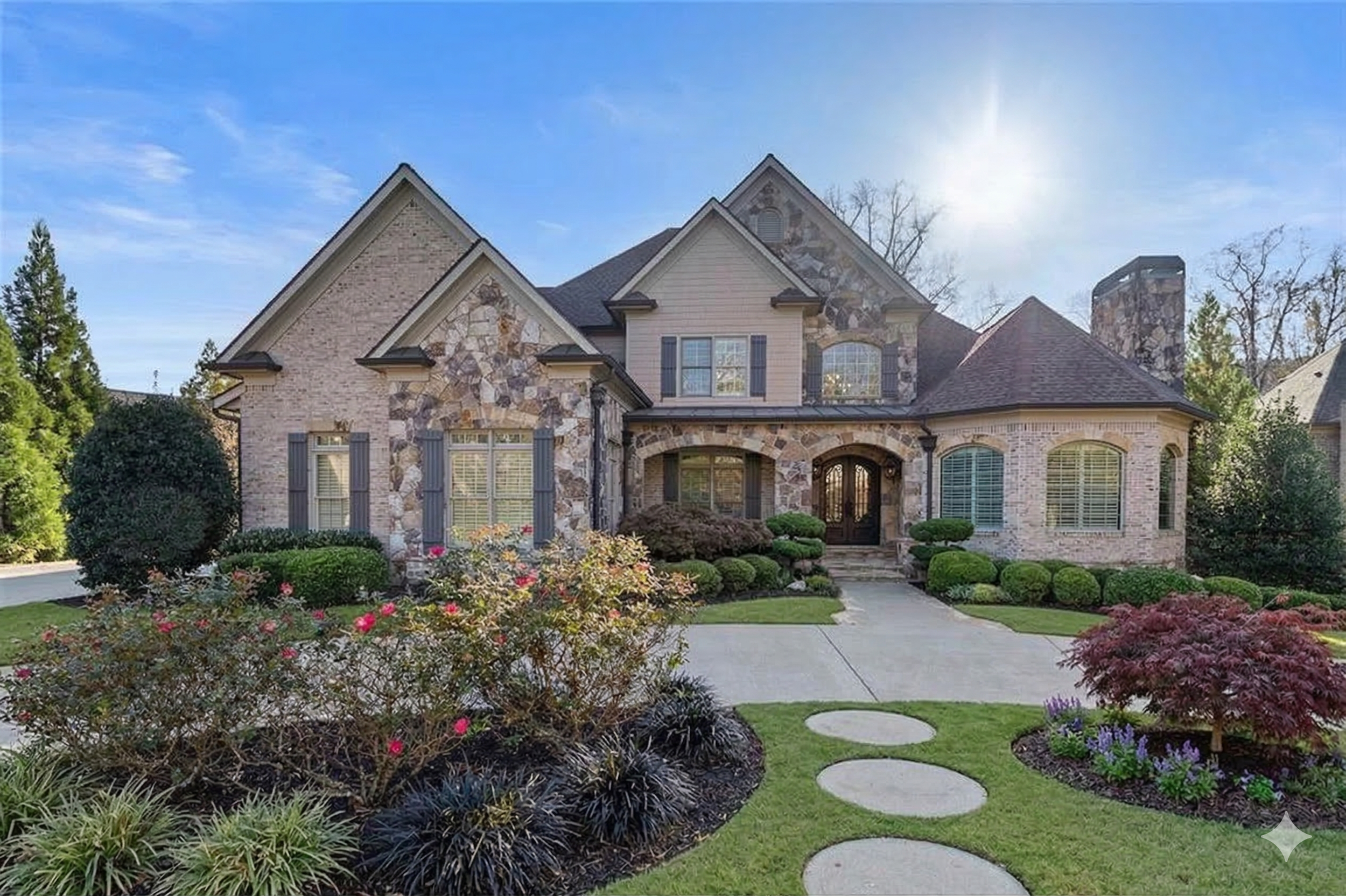
What Is Duluth, and Where Is It?
Duluth is a city in western Gwinnett County, Georgia, positioned along I-85 northeast of Atlanta. It sits east of the Chattahoochee River from Johns Creek, south of Suwanee, and north of Norcross. The city itself covers about 10 square miles, but the mailing address situation is more complicated than the city limits — several surrounding unincorporated areas in both Gwinnett and portions of Forsyth County use Duluth ZIP codes, and Johns Creek (incorporated in 2006) shares some of those same ZIP codes. If you're searching by ZIP code alone, you'll pick up listings outside Duluth city limits.
ZIP codes associated with Duluth: 30095, 30096, 30097, 30098, 30099. Not every property with these ZIP codes is within Duluth city limits or even in Gwinnett County. Verify county and city by specific property address.
The city has a population of around 30,000, but the broader Duluth-mailing-address area is significantly larger. What most people mean when they say "Duluth" includes the city proper and the surrounding Gwinnett County communities that identify with the Duluth name, school cluster, and commercial corridor.
What makes the location work for buyers: Duluth sits at the intersection of I-85 and several major surface roads — Peachtree Industrial Boulevard, Pleasant Hill Road, Buford Highway — giving it genuine multi-directional access. For buyers whose jobs are in the Perimeter, Alpharetta, or North Fulton corridors, this location is one of the strongest commute setups in Gwinnett.
The Duluth Real Estate Market in 2026
Where Prices Stand
The median list price in Duluth is approximately $469,000 as of early 2026. Homes have been spending around 49 days on market — meaningfully more than the 10–15 days that defined 2021 and 2022, and that shift matters for buyers. You have more time to think, more room to negotiate, and more ability to do due diligence than you did during the peak years. That's not a market with structural problems. That's a market returning to normal after an extraordinary run.
Here's how the price tiers break down in practice:
Under $350,000: Condos, older townhomes, and a handful of smaller single-family homes in established neighborhoods. This tier exists in Duluth more than in some comparable Gwinnett cities. Viable for first-time buyers and investors looking for rental income.
$350,000–$500,000: The core of the Duluth market. Solid single-family homes in swim/tennis communities, updated ranch homes on larger lots near downtown, newer townhome communities. Expect 3–4 bedrooms, 2–3 baths, and good bones. This is where most families searching Duluth are landing.
$500,000–$750,000: Move-up territory. Larger homes in established communities, some with golf access, most with updated finishes. Sugarloaf Park and similar neighborhoods are in this tier.
$750,000 and above: Duluth has a real luxury market, anchored by Sugarloaf Country Club and St. Marlo Country Club. Custom estates in Sugarloaf top out well above $1 million. If you're buying at this level, you're getting guard-gated access, country club amenities, and custom construction that doesn't exist at this price point in most Gwinnett cities.
What's Available
The inventory mix here is diverse. Single-family homes make up the majority, but Duluth has genuine townhome and condo supply — something that's not true in every Gwinnett city. New construction is active near downtown, where developments like Evanshire by The Providence Group are bringing urban-style townhomes to a walkable location. For buyers who want new construction without driving all the way to Forsyth or Hall County, Duluth is worth knowing.
Investors should note: Duluth has strong rental demand. The combination of GCPS schools, Perimeter proximity, and cultural amenities creates a tenant pool that supports single-family and townhome rentals year-round.
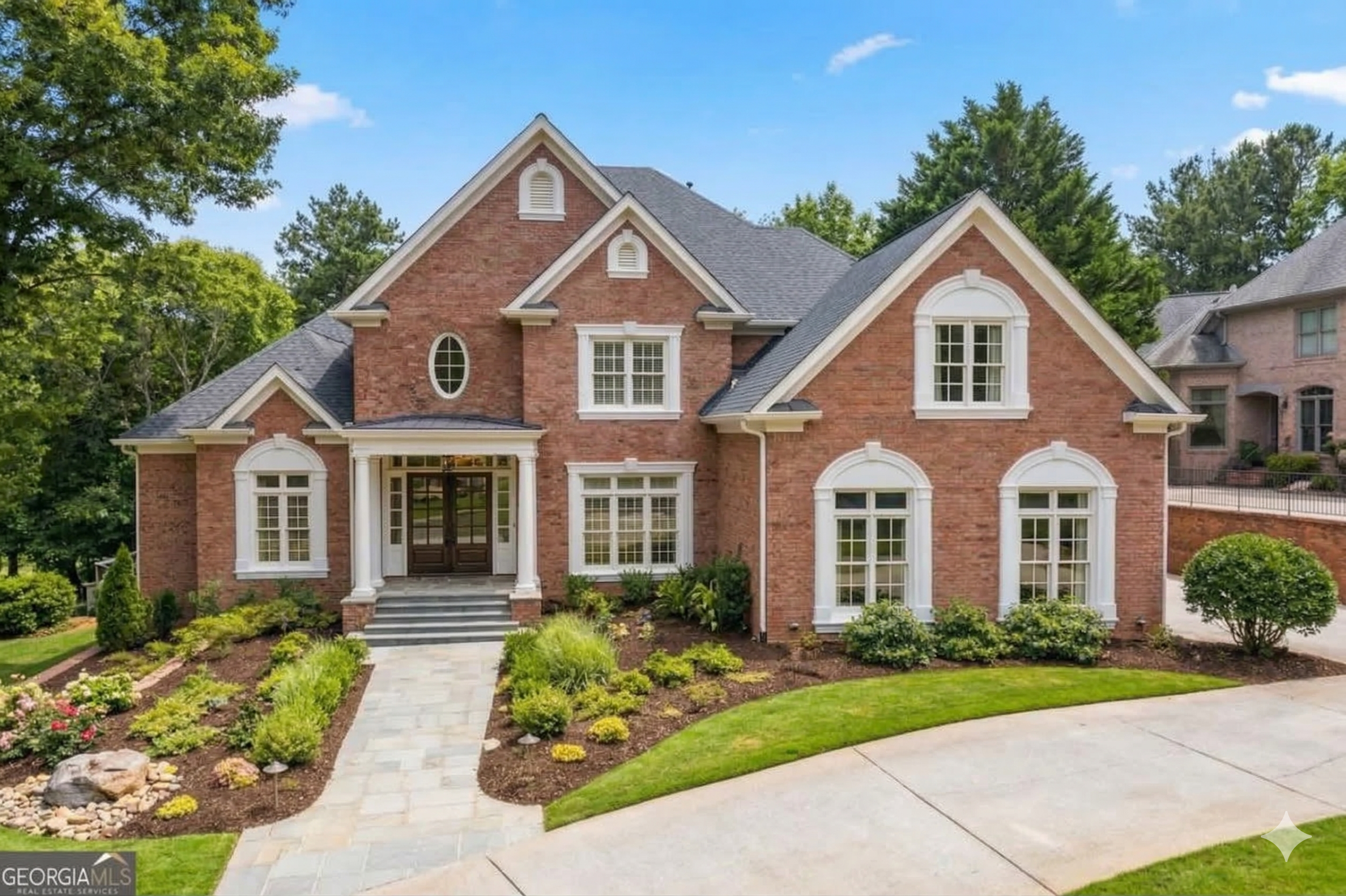
Duluth's Downtown: The Town Green and What It Actually Means
The Town Green is real, and it matters in a way that's hard to fully appreciate until you've seen how many suburban Atlanta communities are still trying to build the equivalent.
Located along Main Street adjacent to City Hall, the Town Green is an active, well-maintained community gathering space that anchors a walkable downtown. Concerts, festivals, farmers markets, holiday events — it's used consistently throughout the year, not just for one signature event. The Duluth Fall Festival, Art Week, Howl on the Green, and the Muddbuggs and Music Crawfish Festival are among the annual events that draw the community out.
Surrounding the Green: the Red Clay Music Foundry (one of the better mid-size music venues in the suburbs), Good Word Brewing & Public House, and Maple Street Biscuit Company are the kinds of anchor businesses that signal a real downtown, not a strip-mall approximation of one. Art galleries, gift stores, and local cafes fill in around them.
For buyers moving from cities who want a suburb that still has a pulse, the Town Green area is Duluth's strongest argument. It's not Midtown. It's not Canton Street in Roswell. But it's more than most of Gwinnett has, and it's been there long enough to feel established rather than aspirational.
Cultural Diversity: What Actually Makes Duluth Different
This is the thing that doesn't show up cleanly in most real estate write-ups, and it's one of the most meaningful differentiators for buyers who care about it.
Duluth has one of the most significant Korean American communities in metro Atlanta. The corridor along Buford Highway and Pleasant Hill Road is lined with authentic Korean restaurants, grocery stores, and businesses — the kind of deep-rooted community presence that comes from decades of settlement, not recent development. H Mart and a dense concentration of Korean, Japanese, Chinese, and other Asian restaurants make this area genuinely comparable to what you'd find in major metro destinations for Asian food and culture.
Beyond the Korean American community, Duluth has significant South Asian, Latino, and East Asian populations woven into the fabric of neighborhoods and schools. This shows up in who your neighbors are, what your kids' schools look like, what restaurants and grocery stores are accessible to you, and the general character of the community.
If diversity of culture and cuisine is part of how you think about where you want to live, Duluth delivers in a way that Suwanee, Peachtree Corners, and most of North Gwinnett simply don't.

Neighborhoods Worth Knowing
Sugarloaf Country Club
Duluth's signature luxury community and one of the most recognizable addresses in Gwinnett County. Close to 1,000 homes, its own ZIP code, a Tom Fazio-designed golf course, and amenities that give it a small-city-within-a-city feel. Homes range from the mid-$500s to well above $1 million depending on the lot and custom finishes. If a gated, golf-centric lifestyle is on your criteria list, Sugarloaf is the standard by which other Gwinnett communities get measured.
St. Marlo Country Club
Duluth's other high-end country club community. Also gated, also golf-centric, with homes that run toward the large traditional estate style. Strong resale history and a well-managed HOA. Buyers deciding between St. Marlo and Sugarloaf usually come down to personal preference on course, community size, and architectural style — both are strong options at the top of the Duluth market.
Sugarloaf Park
Smaller than Sugarloaf Country Club but adjacent to it — traditionally styled 4-sided brick homes in a quieter setting, with sales running solidly in the $500,000–$700,000 range. Good option for buyers who want the aesthetic and the address without the full country club commitment.
Cardinal Lake Estates
An established neighborhood off Duluth Highway with over 650 homes — a mix of ranch, two-story, and split-level designs including traditional brick ranches and mid-century moderns. More affordable than the country club tier, with steady appreciation and HOA amenities including lake access. Good for buyers who want established trees, larger lots, and real neighborhood character without a country club price tag.
Olde Towne Village
One of Duluth's most walkable options, located close to downtown. Townhomes and smaller single-family homes for buyers who want to walk to the Town Green, restaurants, and events. The entry point for the downtown Duluth lifestyle buyer.
Warsaw, Riverbrooke, Nesbit Lakes
The solid middle of the Duluth market — established swim/tennis communities with good HOA management, consistent buyer demand, and easy I-85 access. If you're relocating and need a turnkey home in a functioning neighborhood with good schools and a manageable commute, this is the tier where most families land.
Schools in Duluth
Duluth is served by Gwinnett County Public Schools (GCPS) — the largest school district in Georgia, with over 182,000 students and 140+ school buildings. GCPS is consistently rated A+ by Niche and ranked among the top 25 school systems in Georgia. It's also one of only two districts in the country to have won the Broad Prize for Urban Education twice.
Within the Duluth cluster specifically:
B.B. Harris Elementary and Berkeley Lake Elementary serve as primary feeders
Coleman Middle School — rated A on Niche, strong academic programs, approximately 750 students
Duluth High School — rated A on Niche, 39% AP participation rate, 2,666 students, known for its diversity and strong community culture
McClure Health Science High School — a specialized magnet program rated A- on Niche, strong college-prep outcomes for students interested in healthcare pathways, approximately 1,232 students
One critical thing to understand about school assignments in Duluth: the ZIP codes here overlap with Johns Creek, unincorporated Gwinnett, and portions of Forsyth County. School zoning is determined by your specific property address — not your ZIP code. Always verify your exact K-12 pathway at the GCPS address locator before submitting an offer.
Research and visit schools to determine fit for your family. Data tells part of the story; the environment and culture of a specific school is something only you can assess in person.
Commuting from Duluth: Honest Numbers
Duluth's I-85 positioning is genuinely one of its strongest selling points — but let me give you the real version of what that means, not the Google Maps off-peak version.
To the Perimeter (Dunwoody / Sandy Springs / I-285 corridor): This is Duluth's best commute story. Major employers in healthcare, tech, finance, and professional services along the Perimeter are typically 20–30 minutes from most of Duluth under normal conditions. If your job is in this corridor, Duluth makes a lot of sense.
To Alpharetta and North Fulton: Even better — 15–25 minutes depending on your specific origin and destination. Buyers whose jobs are along GA-400 in Alpharetta, Roswell, or Johns Creek are extremely well-positioned from Duluth.
To Midtown Atlanta: Manageable but real. Plan on 35–50 minutes during morning rush hour heading south on I-85. For a once or twice a week office situation it's fine. For a five-day-a-week grind it adds up.
To Downtown Atlanta: This is where you need to be honest with yourself. I-85 south toward downtown is one of the most congested stretches in the metro. During peak rush hour, budget 45–75 minutes. Gwinnett County Transit (GCT) operates express bus routes connecting to MARTA rail — a real option for downtown commuters who want to skip the I-85 crawl. MARTA rail itself does not extend to Duluth.
To Hartsfield-Jackson: Under 40 minutes under normal conditions. Frequent travelers should build buffer time during peak hours and plan accordingly.
Major local employers include Comcast, Amazon, UPS, and Northside Hospital Duluth — which provides full-service care including emergency services, women's health, orthopedics, and surgery and is one of Gwinnett County's primary healthcare anchors.
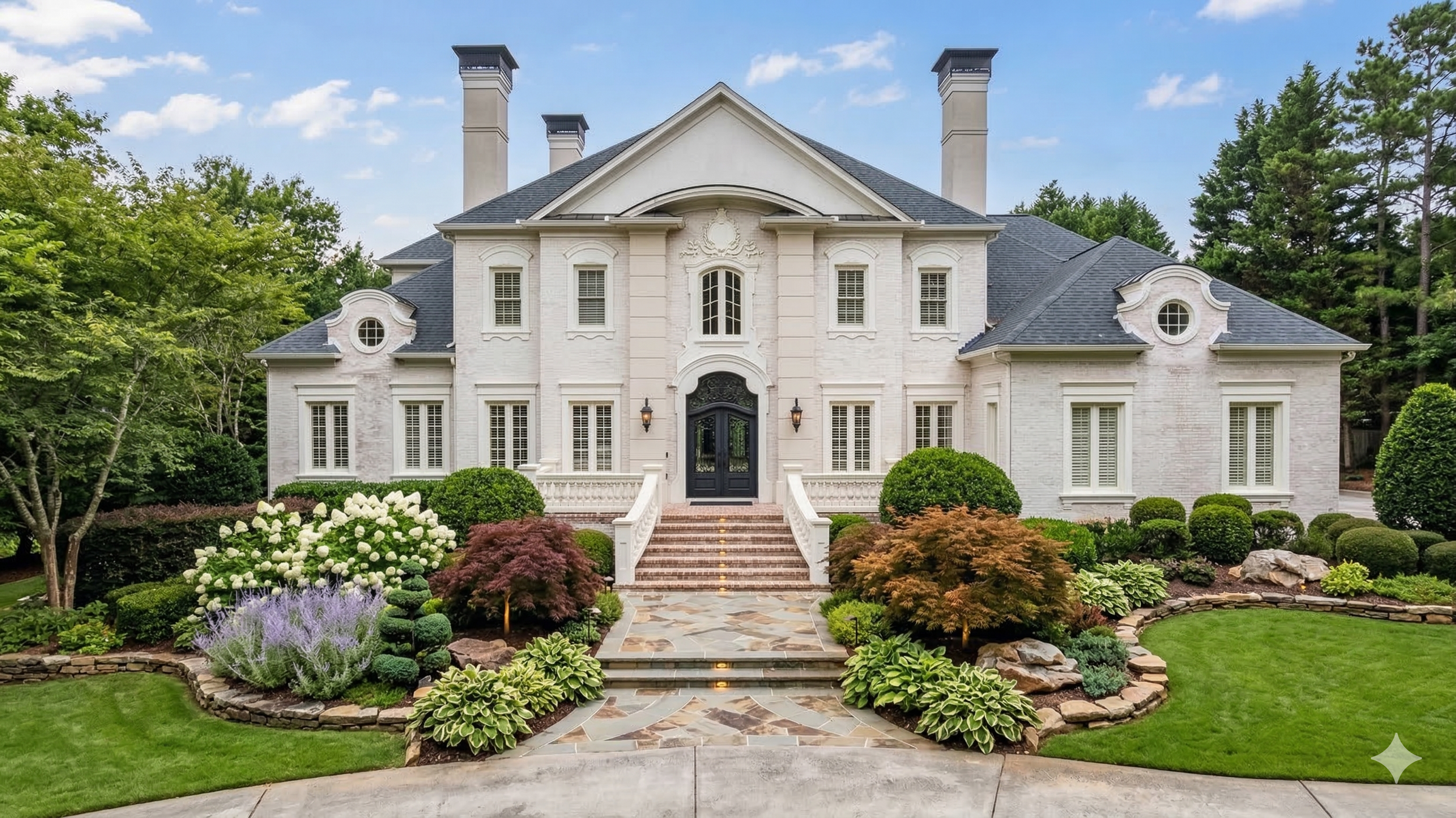
Duluth vs. Other Gwinnett Cities
Duluth vs. Suwanee
Suwanee is often mentioned alongside Duluth as a top Gwinnett destination, and it's a fair comparison. Both have GCPS schools, both have strong community infrastructure, both attract similar buyer profiles. Suwanee skews slightly more homogeneous and has a more planned, newer feel. Duluth wins on cultural diversity and has a more developed downtown entertainment and restaurant scene. Suwanee's Town Center is solid but newer and smaller. Both are strong — they attract slightly different buyers.
Duluth vs. Peachtree Corners
Peachtree Corners is directly south of Duluth and closer to the Perimeter — shorter commute to some employment centers, lower price points in some pockets, good schools. It lacks Duluth's downtown energy and cultural depth. For buyers who are primarily commute-driven and less concerned about walkable amenities, Peachtree Corners competes well. For buyers who want the full Duluth package, there's not a close equivalent.
Duluth vs. Buford
Buford has its own city school system — Buford City Schools — which is one of the highest-performing in Georgia and a genuine differentiator for families where schools are the primary driver. But Buford is farther north, the drive to the Perimeter is longer, and the downtown is less developed. If Buford City Schools specifically is what you're after, the comparison is worth making. If GCPS serves your family's needs, Duluth wins on location and lifestyle.
Duluth vs. Lawrenceville
Lawrenceville is the Gwinnett County seat and is actively investing in downtown revitalization right now — historic courthouse square, growing restaurant scene, genuine momentum. But Duluth's downtown is already there. The investment has happened, the businesses are established, the Town Green is a proven anchor. Lawrenceville is catching up. Duluth has the head start.
Who Is Duluth Right For?
Duluth tends to be the right fit when:
You're relocating and want a suburb that feels like a complete community — real downtown, cultural diversity, good schools, airport access — rather than just a collection of subdivisions
Your job is in the Perimeter, Alpharetta, or North Fulton corridor, where Duluth's commute is genuinely strong
Cultural diversity is meaningful to you and you want a community where that's real, not aspirational
You're a move-up buyer stepping into larger homes in established communities without going all the way to Forsyth or Cherokee County
You're a first-time buyer who wants GCPS school access and a lifestyle-forward suburb at a more accessible price point than most North Fulton cities
You're an investor — strong rental demand and a variety of housing types give you real options
Think carefully about Duluth if:
Your job is Downtown Atlanta five days a week — the I-85 grind is real
MARTA rail access is a necessity — it's not here
A quieter, more rural setting is what you're after — Duluth is active and has the density that comes with being on I-85
Your budget for a single-family home tops out around $250,000 — options are limited at that level, and we'd likely look further east or south in Gwinnett for more range
Frequently Asked Questions About Duluth GA
Is Duluth GA a good place to buy a home in 2026?
Yes, with context. The market has moderated from the 2021–2022 peak, which creates real opportunity — more room to negotiate, more time to be deliberate, sellers more willing to work. The fundamentals are solid: I-85 access to major employment corridors, GCPS schools rated among the best in Georgia, genuine cultural diversity, and a revitalized downtown with a Town Green that's one of the best in suburban Gwinnett. Median prices around $469,000 as of early 2026, with a range from condos in the $200s to luxury estates above $1 million.
What are the best neighborhoods in Duluth GA?
It depends on what you're looking for. Sugarloaf Country Club and St. Marlo are Duluth's flagship luxury communities — gated, golf-centric, custom construction. Sugarloaf Park and Cardinal Lake Estates offer established suburban character at a lower price point. Olde Towne Village puts you walking distance to downtown. Warsaw, Riverbrooke, and Nesbit Lakes are proven mid-market swim/tennis communities with consistent buyer demand.
What schools serve Duluth GA?
Duluth is served by Gwinnett County Public Schools, the largest district in Georgia. The Duluth cluster includes Coleman Middle School and Duluth High School (both rated A on Niche) and McClure Health Science High School as a specialized magnet option. Always verify your specific school assignment by address at the GCPS locator — ZIP code alone doesn't determine zoning in Duluth. Research and visit schools to determine fit for your family.
How is the commute from Duluth to Atlanta?
Depends on where in Atlanta. Perimeter/Dunwoody is 20–30 minutes under normal conditions — Duluth's strongest commute story. Alpharetta and North Fulton are 15–25 minutes. Midtown runs 35–50 minutes during rush hour. Downtown Atlanta is 45–75 minutes during peak I-85 traffic — be honest about this one. GCT express bus service to MARTA rail is an option for downtown commuters.
Does MARTA serve Duluth?
MARTA rail does not reach Duluth. Gwinnett County Transit (GCT) operates bus routes including express service connecting to MARTA rail stations. The majority of Duluth residents drive. If transit-dependent living is a requirement, Duluth is not the right fit.
What is the median home price in Duluth GA in 2026?
Approximately $469,000 as of early 2026, with homes spending a median of around 49 days on market. The range runs from condos in the $200s–$300s up through luxury custom estates above $1 million in Sugarloaf Country Club and St. Marlo. More time on market means more room to negotiate — use it.
Is there new construction in Duluth GA?
Yes. New construction is most active near downtown Duluth, where The Providence Group's Evanshire development is bringing urban-style townhomes to a walkable location. Additional new construction options exist across broader Duluth at various price points. In any new construction transaction, having your own buyer's agent — not just the builder's on-site agent — matters. I work with buyers on new construction purchases regularly.
What's the difference between Duluth city limits and Duluth mailing addresses?
Several areas with Duluth ZIP codes are in unincorporated Gwinnett County, in Johns Creek, or in Forsyth County — not the City of Duluth. This typically doesn't affect school assignments (which follow GCPS attendance boundaries), but it can affect city services, voting districts, and certain zoning matters. Always verify jurisdiction by specific property address, not ZIP code.
I work with buyers throughout Metro Atlanta, and Duluth is a market I know well — the neighborhoods, the school zoning picture, the commute reality, and what your money actually buys at each price point. If you're relocating to Gwinnett County, weighing Duluth against other options, or ready to start your search, let's have a real conversation about it.
Visit kristenjohnsonrealestate.com or reach out directly. Come as you are, come on home.
Looking for more Gwinnett County guides? I've also covered Buford and have the full series across Metro Atlanta — from East Cobb and Marietta in Cobb County to intown neighborhoods like Kirkwood and Old Fourth Ward. Browse the full guide series at kristenjohnsonrealestate.com.