

Is Now a Good Time to Buy a Home in Atlanta, or Should You Wait? (2026 Buyer's Market Guide)

Inman Park
Quick Answer:
Whether now is a good time to buy a home in Atlanta depends on your specific situation, target neighborhood, and financial readiness—not on trying to time the market perfectly. As of January 2026, Atlanta offers varied buyer conditions: competitive intown neighborhoods (Virginia-Highland, Candler Park, Inman Park) still move quickly with limited inventory, while suburban areas and higher price points ($900K+) offer more negotiation leverage. Buyers who waited in 2023 for prices to drop often paid more in 2024, and buyers still waiting are watching homes sell to someone else. If you're financially ready, planning to stay 3-5+ years, and buying in a neighborhood with strong fundamentals, now is a good time—regardless of interest rates. The cost of waiting (rising rents, appreciation, opportunity cost) often exceeds the benefit of "perfect" market timing that rarely comes. Focus on affordability, location fundamentals, and long-term plans rather than short-term rate fluctuations.
If you're waiting for the "perfect" time to buy in Atlanta, I'm going to save you some time: it doesn't exist.
What does exist? Buyers who waited in 2023 for prices to drop, only to pay more in 2024. And buyers who are still renting, still waiting, and watching the homes they wanted sell to someone else.
Here's the truth: if you're looking in Virginia-Highland, Candler Park, Inman Park, or anywhere in the 30306 ZIP code, these neighborhoods don't drop. Inventory is limited. Demand is driven by walkability, character, and lifestyle, not just affordability. The buyers who win in this market aren't the ones who time it perfectly. They're the ones who know what they want, move with confidence, and work with someone who knows how to negotiate.
Let me break down what's actually happening in Atlanta's market right now, why waiting often backfires, and how to make a smart decision based on your situation—not market noise.
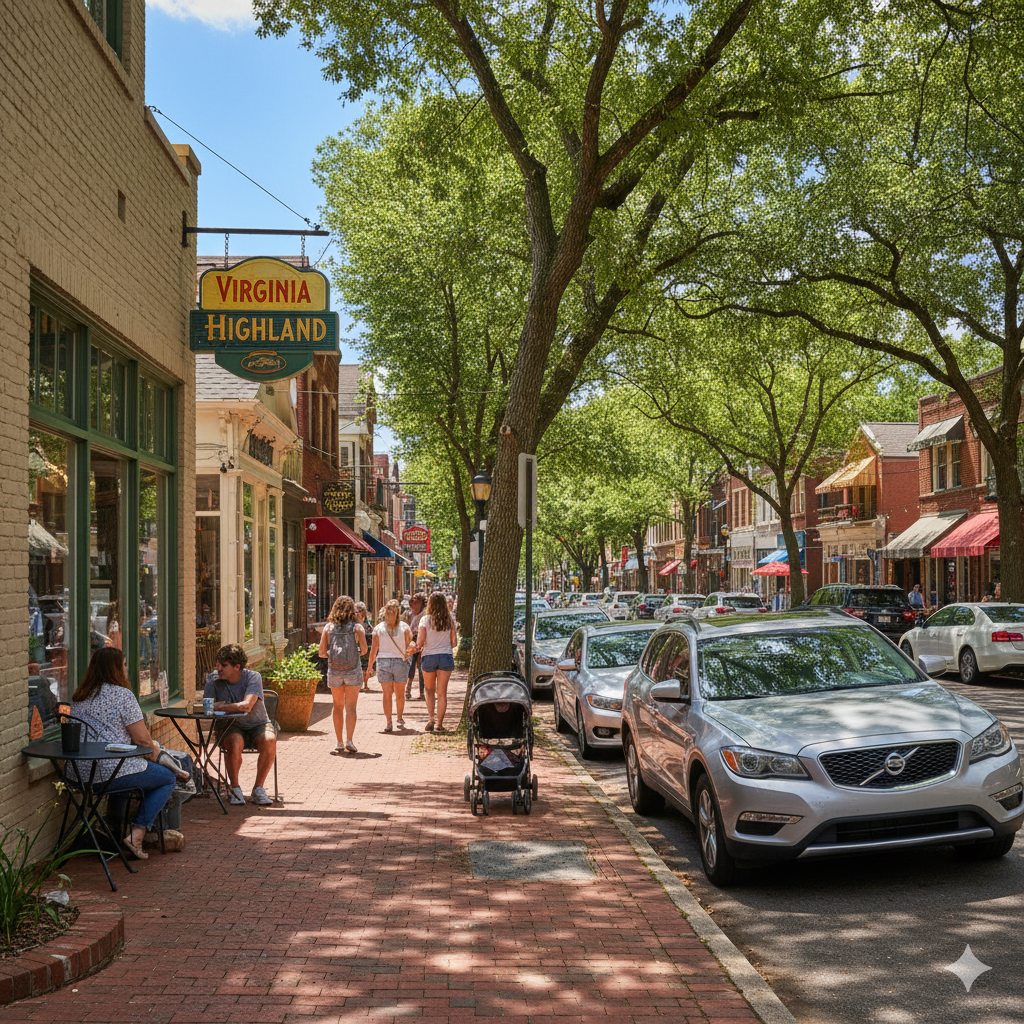
Virginia Highland
Current Atlanta Buyer Market Reality (January 2026)
Here's what's actually happening in Metro Atlanta right now:
Overall Market Stats:
Average days on market: 25-45 days (well-priced homes); 60-90+ days (overpriced homes)
Inventory levels: Moderate and increasing compared to 2021-2023
Buyer leverage: Varies dramatically by neighborhood and price point
Interest rates: Hovering around 6.5-7.25% for conventional 30-year mortgages
Price trends: Stabilizing after rapid 2020-2022 growth; some neighborhoods seeing slight softening, others holding strong
[Source: Atlanta MLS, Mortgage News Daily, January 2026]
Market Conditions by Area:
Intown Competitive Neighborhoods (Virginia-Highland, Candler Park, Inman Park, Morningside, Druid Hills):
Buyer conditions: Still competitive; well-priced homes receive multiple offers
Average days on market: 15-30 days
Negotiation leverage: Low—sellers have power
Inventory: Very limited; high demand outpaces supply
North Fulton Family Suburbs (Alpharetta, Milton, Roswell, Johns Creek):
Buyer conditions: Moderate; more balance between buyers and sellers
Average days on market: 30-50 days
Negotiation leverage: Moderate—buyers can negotiate on inspection items, closing costs
Inventory: Increasing
Luxury Market ($1M+, Buckhead, Tuxedo Park, Milton Estates):
Buyer conditions: Buyer-favorable; significant negotiation power
Average days on market: 45-90 days
Negotiation leverage: High—sellers are flexible on price, terms, repairs
Inventory: Abundant relative to demand
Starter/Affordable Markets (East Atlanta, Decatur, East Point, Southwest Atlanta):
Buyer conditions: Competitive for updated homes under $400K
Average days on market: 20-35 days
Negotiation leverage: Low to moderate
Inventory: Limited for move-in-ready homes
What this means:
Atlanta is not one housing market. Buyer conditions vary significantly by neighborhood, price point, property type, and inventory levels. Some areas remain competitive, while others offer buyers substantial leverage and negotiating room.
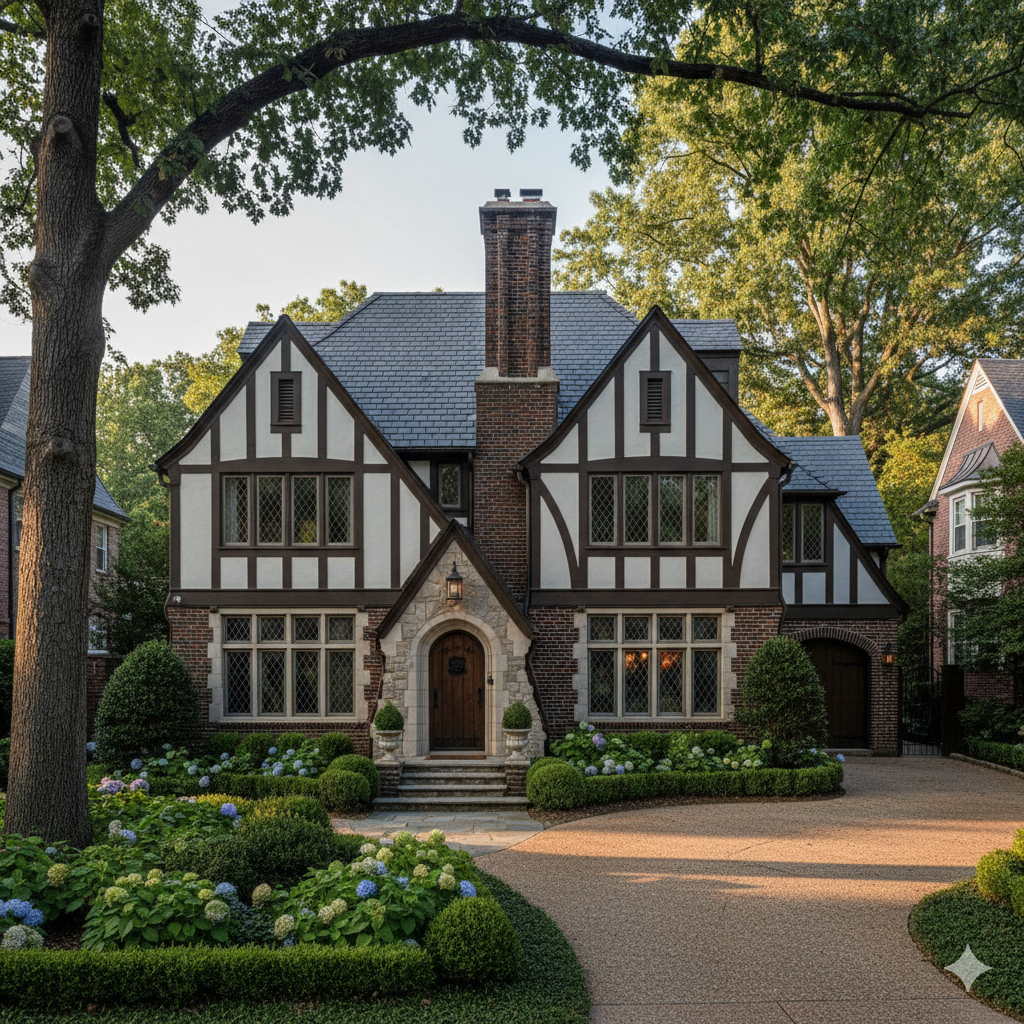
Morningside
Why Atlanta Is Not One Housing Market
Atlanta does not move as a single market. Buyer conditions vary significantly depending on:
1. Neighborhood and Location
Intown walkable areas: Still competitive, limited inventory, prices holding strong
Suburban family areas: More balanced, increasing inventory, more negotiation room
Luxury markets: Buyer-favorable, sellers willing to negotiate significantly
Emerging neighborhoods: Variable—some hot, some cooling
2. Price Point
Under $400K: Highly competitive, multiple offers common
$400K-$700K: Moderate competition, some negotiation possible
$700K-$1M: Balanced to buyer-favorable depending on location
$1M+: Strongly buyer-favorable, significant negotiation leverage
3. Property Type
Single-family homes in top school districts: Still competitive
Condos and townhomes: More inventory, longer market times
New construction: Builders offering incentives (rate buydowns, closing cost credits)
Renovated vs. needs-work: Renovated homes move fast; fixer-uppers sit longer
4. Inventory Levels
Some neighborhoods have 2 months of inventory (competitive seller's market). Others have 6+ months (buyer's market). This matters more than metro-wide averages.
The right time to buy in Atlanta depends more on where and what you're buying than on overall market news.
Why Waiting for the "Right Time" Often Backfires
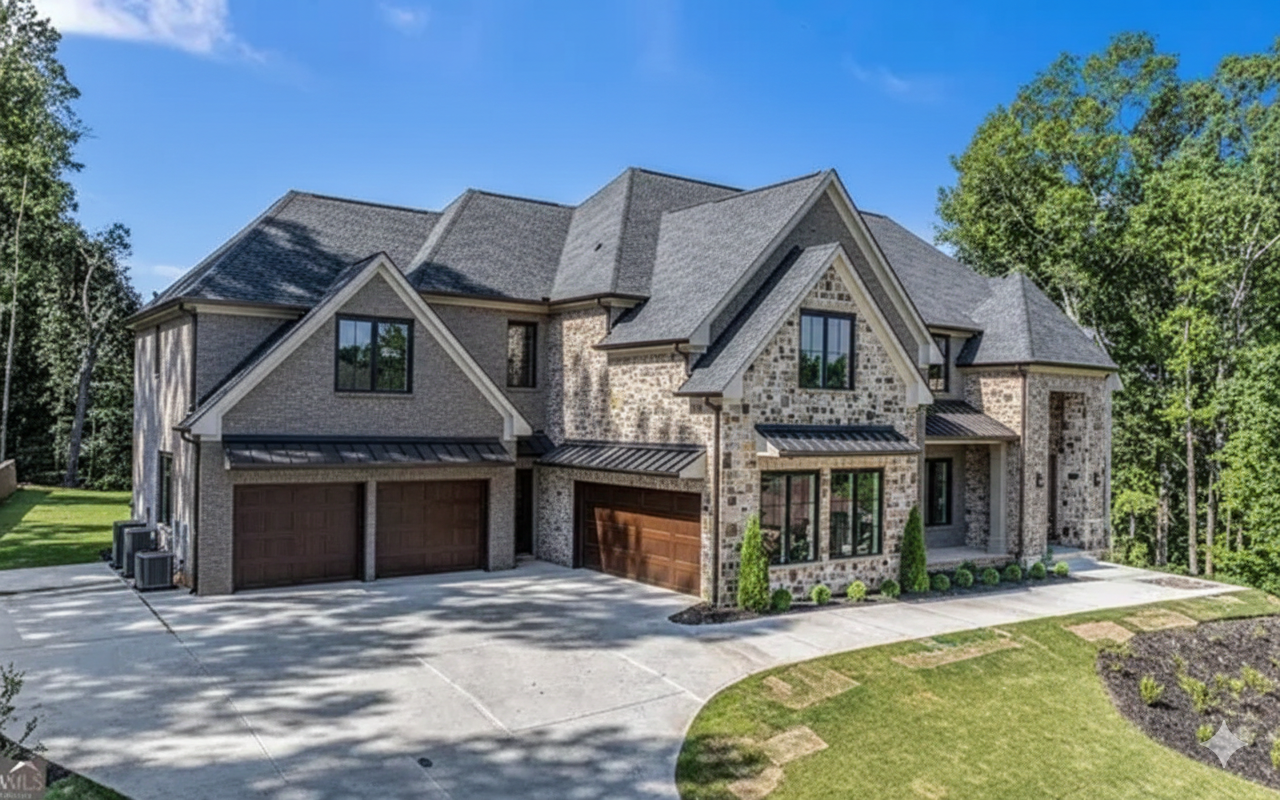
Many buyers delay purchasing while waiting for interest rates to drop or prices to fall. The challenge is that market conditions rarely shift in isolation.
What Happens When Rates Drop:
When rates drop, buyer demand typically increases. More demand often leads to:
Increased competition for the same homes
Multiple offers becoming common again
Upward pressure on prices (negating rate savings)
Bidding wars and waived contingencies
Less negotiation leverage on inspection items
Real Example:
In late 2023, rates briefly dipped from 7.5% to 6.8%. Within two weeks, showing activity in Virginia-Highland and Decatur doubled. Homes that were sitting 30-40 days suddenly went under contract in 7-14 days with multiple offers. Buyers who had been waiting found themselves competing against 3-5 other offers, paying $20K-$40K over asking, and waiving inspection contingencies.
By the time rates settled back up to 7%, those same buyers had missed their window—and the homes they wanted were gone.
The Cost of Waiting:
Let's run real numbers on a $500K home:
Scenario A: Buy now at 7% interest
Purchase price: $500K
Monthly payment (P&I): $3,327
Total paid over 5 years: $199,620
Scenario B: Wait 1 year for rates to drop to 6%, but prices increase 3%
Purchase price: $515K (3% appreciation)
Monthly payment (P&I): $3,083 (saves $244/month)
Total paid over 5 years: $185,000
But you paid $52,620 in rent while waiting (assuming $4,385/month rent)
Net result: You paid $53,620 more to wait for lower rates, and you have zero equity to show for it.
In Atlanta, buyers who wait for ideal conditions frequently find themselves competing harder for the same homes—or priced out entirely.
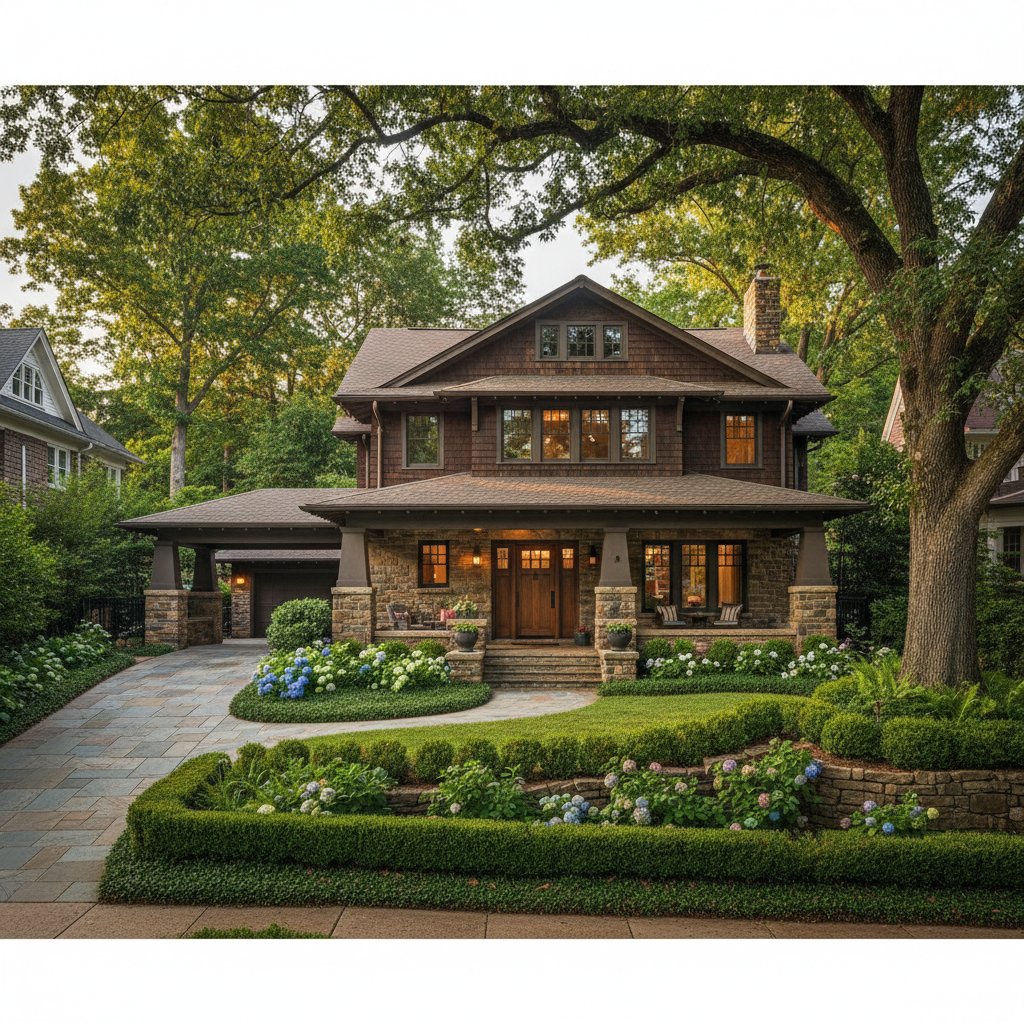
Inman Park
What Actually Makes It a Good Time to Buy in Atlanta
Buying conditions tend to be most favorable when:
1. Inventory Has Increased in Your Target Neighborhood
More inventory = more options and less competition. Check active listings in your target area. If inventory is 4+ months of supply, you have leverage.
2. Homes Are Sitting Longer Than They Did Previously
If homes in your price range are taking 45-60+ days to sell (instead of 15-25 days), sellers are getting nervous and more willing to negotiate.
3. Sellers Are More Flexible on Price or Terms
Look for signs:
Price reductions (30-40% of listings in some areas have reduced prices)
"Motivated seller" language
Seller offering to pay closing costs or provide credits
Homes sitting 60+ days without offers
4. You Have Clarity on Budget, Financing, and Timeline
The best time to buy is when YOU are ready:
Pre-approved with strong financing
6+ months of reserves for emergencies
Clear on where you want to live and why
Planning to stay 3-5+ years minimum
In these situations, buyers often gain leverage—even if interest rates aren't perfect.
The Most Common Mistake Atlanta Buyers Make

The biggest mistake I see buyers make is waiting for certainty that doesn't exist.
Real Estate Markets Are Driven By:
Supply (how many homes are available)
Demand (how many buyers are competing)
Confidence (whether buyers and sellers believe now is the right time)
None of these factors are predictable or guaranteed.
What I Hear From Buyers Who Waited:
"We waited for rates to drop in 2023..." Rates didn't drop meaningfully. They paid 18 months of rent with nothing to show for it. The homes they wanted in Decatur went up $50K while they waited.
"We're waiting for prices to come down..." Intown Atlanta prices don't crash. They hold or grow slowly. Meanwhile, rent increases 5-8% annually, eating away at savings.
"We're waiting until after the election/recession/market correction..." Markets don't crash on schedule. By the time a "correction" happens (if it happens), interest rates might be higher, inventory might be lower, and you've lost 1-2 years of equity building.
In Atlanta, buyers who focus on affordability, neighborhood fundamentals, and long-term plans tend to make stronger decisions than those trying to time short-term market shifts.
Why Intown Neighborhoods Like Virginia-Highland Don't Follow the Same Rules
If you're looking in Virginia-Highland, Candler Park, Inman Park, Morningside, Druid Hills, or anywhere in the 30306 ZIP code, you need to understand something:
These neighborhoods don't drop.
Why Intown Atlanta Holds Value:
Inventory is severely limited — There are only so many walkable bungalows in Virginia-Highland
Demand is lifestyle-driven, not just price-driven — Buyers pay premiums for walkability, character, proximity to restaurants/parks
High barriers to entry — You can't build more Virginia-Highland; supply is fixed
Strong historical appreciation — These neighborhoods recover faster and appreciate more consistently than suburbs
Buyers are willing to wait and pay — When the right home comes up, buyers move fast
What This Means for Buyers:
When buyers want a renovated Tudor or a Craftsman within walking distance to shops and parks, they're willing to pay for it. Even when the broader metro market slows down, premium intown areas hold value and recover faster. Always have. Always will.
If you're waiting for Virginia-Highland prices to drop 10-15%, you're going to be waiting a very long time—and likely get priced out in the process.

Inman Park
Should You Buy Now or Wait? (Decision Framework)
Buying Now May Make Sense If:
✅ You plan to stay in the home long enough to ride out market cycles (3-5+ years minimum)
✅ You're financially comfortable with the monthly payment (following 28/36 rule: housing costs ≤28% gross income)
✅ You're buying in a location with consistent buyer demand (good schools, walkability, job access, amenities)
✅ You're prepared to act when the right home appears (pre-approved, funds ready, flexible on timing)
✅ You're tired of paying rent with nothing to show for it (rent is 100% interest; you're not building equity)
✅ Inventory and competition have eased in your target area (more leverage to negotiate)
✅ You've found a home you love in a neighborhood you want to be in long-term
Waiting May Make Sense If:
❌ Your finances aren't settled (unstable income, high debt, no emergency fund)
❌ Your timeline is uncertain (job change likely, might relocate in 1-2 years)
❌ You're not ready to commit to a location or lifestyle (still exploring neighborhoods)
❌ You're chasing a specific market condition (waiting for 5% rates, 20% price drop) that may never come
❌ You're buying purely for investment/speculation (short-term flip, quick profit)
❌ Inventory is extremely limited and you're not willing to compete (if you need time to be patient, renting gives you that)
There is no universal answer—only the answer that fits your situation and current market reality.
Buyer Type Specific Guidance
First-Time Buyers
If you're renting right now and waiting for the stars to align, remember this:
Rent is 100% interest. You're not building equity. You're not locking in your housing cost. And you're not benefiting from appreciation.
Example:
Renting: $2,200/month = $26,400/year with $0 equity
Buying (same home): $2,400/month payment, but $8,000-$12,000/year goes toward principal (equity you keep)
Even if your home doesn't appreciate for 3 years, you've built $24K-$36K in equity just from paying down the mortgage.
If the payment works comfortably in your budget today and you're planning to stay put for at least 3-5 years, buying now makes sense. You can always refinance later if rates drop, but you can't go back in time and buy the house at today's price.
Relocation Buyers
If you're moving to Atlanta and you don't know the neighborhoods yet, renting for 3-6 months can be smart. But don't wait too long.
Here's what I see happen: Relocation buyers spend six months getting to know the city, fall in love with Virginia-Highland or Decatur, and by the time they're ready to buy, they've been priced out or face heavy competition.
My recommendation:
Rent short-term (3-6 months max) to learn neighborhoods
Tour extensively during that time
Get pre-approved immediately
When you know where you want to be, act fast
If you know where you want to be and you're financially ready, don't overthink it. A strong inspection strategy and a good agent will protect you—you don't need to wait for "perfect" market timing.
Move-Up Buyers
If you're selling your current home and buying your next one, timing matters more for coordination than market conditions.
Considerations:
Can you afford both mortgages temporarily if needed?
Do you have equity from your current home to use as down payment?
Are you willing to rent temporarily between homes?
Is your target neighborhood competitive or buyer-favorable?
Strategy: In most cases, sell first to know your exact budget, then buy. Use contingencies or bridge financing if needed.
Luxury Buyers ($1M+)

You have more leverage than you think right now.
Sellers in the luxury market are more flexible on:
Closing timelines (can accommodate your schedule)
Repairs (willing to handle issues or provide credits)
Price adjustments (many luxury homes have reduced 5-15% from original list)
Contingencies (inspection, appraisal, sale of current home)
If you're a cash buyer or you have strong financing, you stand out. This is your market to work. Focus on negotiating favorable terms, not just price. Get inspection credits, extended due diligence, flexible closing dates.
Investor Buyers
The investor market in Atlanta is cooling in some areas, heating up in others.
Hot for investors:
East Point, College Park, Southwest Atlanta (cash flow positive)
Emerging neighborhoods near Beltline expansion
Teardown opportunities in established intown areas
Cooling for investors:
Luxury Airbnb properties (regulations tightening)
Speculative flips in suburbs (longer hold times, tighter margins)
Key: Run numbers conservatively. Don't assume 2021-2022 appreciation rates. Focus on cash flow and fundamentals.
What If Rates Drop After I Buy?
This is the #1 question I get from hesitant buyers.
Simple answer: Refinance.
If you buy at 7% and rates drop to 5.5% in two years, you refinance. It takes 2-3 weeks and costs $2,000-$5,000 in closing costs. You lower your payment and move on.
What you CAN'T do: Go back in time and buy the house at today's price if prices go up 5-10% while you wait for rates to drop.
You can refinance your rate. You can't refinance your purchase price.
The Opportunity Cost of Waiting
Let's look at real numbers over 3 years:
Scenario: $500K home, 20% down
If you buy now:
Purchase price: $500K
Rent paid while waiting: $0
Equity after 3 years (3% appreciation + principal paydown): ~$60K-$75K
Net position: +$60K-$75K
If you wait 3 years:
Purchase price: $545K (assuming 3% annual appreciation)
Rent paid while waiting: $79,200 (assuming $2,200/month with 5% annual increases)
Equity after buying: $0 (just purchased)
Net position: -$79,200 + opportunity cost of $60K-$75K in lost equity = -$139K to -$154K worse off
Waiting for "perfect timing" often costs $100K-$150K+ in opportunity cost over 3-5 years.
Action Steps: How to Decide If Now Is the Right Time
Step 1: Assess Your Financial Readiness
Pre-approval in hand with strong credit
20% down payment saved (or comfortable with PMI)
6+ months emergency fund
Debt-to-income ratio under 43%
Stable income and employment
Step 2: Define Your Long-Term Plans
Planning to stay in Atlanta 3-5+ years minimum?
Clear on which neighborhoods fit your lifestyle?
Life changes anticipated (kids, job change, aging parents)?
Step 3: Research Target Neighborhoods
Tour extensively—see 20+ homes before making offers
Understand inventory levels and competition
Know school districts, commute times, walkability
Step 4: Analyze Current Market Conditions in Your Target Area
How long are homes sitting on market?
Are sellers reducing prices?
How many buyers are competing for homes in your range?
Step 5: Run the Numbers
What's your comfortable monthly payment?
How does buying vs. renting compare financially?
Can you afford potential rate changes, HOA increases, repairs?
Step 6: Make a Decision Based on YOUR Situation Not on market noise, not on headlines, not on fear. Based on your finances, timeline, and goals.
Frequently Asked Questions
Q: Should I wait for interest rates to drop before buying?
A: Probably not. When rates drop, competition increases, prices rise, and you lose negotiating leverage. You can refinance your rate later, but you can't refinance your purchase price. If you're financially ready and planning to stay 3-5+ years, buy now.
Q: Are home prices going to drop in Atlanta?
A: Unlikely in desirable neighborhoods. Intown areas (Virginia-Highland, Candler Park, Decatur) have never experienced significant drops and recover fastest from any softening. Suburban areas may see slight corrections in overpriced segments, but fundamentals remain strong. Waiting for 15-20% drops will likely mean waiting indefinitely.
Q: How much do I need for a down payment in Atlanta?
A: Conventional loans require 3-20% down (20% avoids PMI). FHA loans require 3.5% down. VA and USDA loans offer 0% down for qualified buyers. Aim for 20% if possible, but don't let lack of 20% stop you if you're otherwise ready.
Q: Is it better to rent or buy in Atlanta right now?
A: If you're planning to stay 3-5+ years and you're financially ready, buying usually makes more sense. Rent increases 5-8% annually in Atlanta with no equity gained. Buying locks in your housing cost and builds equity, even if your home doesn't appreciate.
Q: What if I buy and prices drop?
A: If you're staying long-term (5+ years), short-term price fluctuations don't matter. Real estate appreciates over time. Focus on buying a home you love in a neighborhood with strong fundamentals. Trying to time the absolute bottom is a losing game.
Q: How competitive is the Atlanta market right now?
A: It varies by neighborhood and price. Intown areas under $700K are still competitive. Luxury ($1M+) and suburban homes have more negotiation room. Work with an agent who knows your target area specifically.
Q: Should first-time buyers wait for better conditions?
A: No. First-time buyers benefit most from buying as soon as they're financially ready because they have the most years to build equity and benefit from appreciation. Waiting costs you rent payments and equity building.
Q: What neighborhoods in Atlanta are best for buyers right now?
A: Neighborhoods with good fundamentals and increasing inventory: parts of Alpharetta, Roswell, Brookhaven, East Atlanta. Avoid areas with declining schools, limited job access, or oversupply of inventory. Intown walkable areas remain competitive but hold value best long-term.
Key Takeaways for Atlanta Buyers
✅ Atlanta buying conditions vary dramatically by neighborhood and price point
✅ Interest rates matter, but they are not the only factor—or even the most important
✅ Waiting for perfect conditions often increases competition and costs you equity
✅ You can refinance your rate, but you can't refinance your purchase price
✅ Strong decisions come from strategy and financial readiness, not market timing
✅ Intown neighborhoods (Virginia-Highland, Candler Park, Decatur) don't follow suburban price patterns
✅ Focus on affordability, neighborhood fundamentals, and your long-term plans
Ready to Stop Waiting and Start Buying?
If you're weighing whether now is the right time to buy or whether waiting makes more sense, the next step is a clear, honest look at your goals, budget, and options in today's Atlanta market.
I work with buyers at every stage—first-timers figuring out the process, relocation buyers learning Atlanta neighborhoods, and move-up buyers ready for more space. Let's talk about what you want, what you can afford, and how to position yourself to win when the right home comes up.
No pressure, no obligation—just honest guidance from someone who's been helping Atlanta buyers navigate this market since 2018.
Contact Kristen Johnson Real Estate
📧 info@kristenjohnsonrealestate.com
📞 (404) 790-0080
🌐 www.kristenjohnsonrealestate.com