

When Is the Best Time to Sell Your Home in Atlanta? (2026 Market Timing Guide)
Quick Answer:
The best time to sell your home in Atlanta depends on market conditions, your personal timeline, and seasonal buyer activity. Spring (March through May) is traditionally the strongest selling season in Atlanta. However, motivated sellers can succeed in any season with the right pricing and preparation strategy.
Atlanta Home Selling Timing Facts 2026
Spring (March to May) generates the most buyer activity in Atlanta
Homes listed in April and May sell 20 percent faster than winter listings
Summer buyers are often more motivated due to school-year transitions
Fall (September to October) sees a second wave of serious buyers
Winter listings face less competition but fewer total buyers
Interest rates impact selling timelines more than seasonality in 2026
Atlanta homes sell fastest when inventory is below 3 months of supply
Tax refunds in February and March boost buyer purchasing power
Listing before major holidays reduces showing activity by 40 percent
Your equity position matters more than perfect timing for most sellers
Waiting for a "better market" can cost you 6 to 12 months of mortgage payments
Life events (job relocation, divorce, upsizing) should drive timing over seasonality
I get asked this all the time: "Kristen, when's the best time to sell my home in Atlanta?"
Here's the straight answer: it depends less on the season and more on your pricing, your home's condition, and what's actually happening in your specific neighborhood right now.
Homes that are priced correctly and show well are selling year-round. Homes that aren't? They sit—no matter what month it is.
Yes, spring is traditionally the busiest season in Atlanta real estate. But I've closed deals in January, July, November, and every month in between. The market doesn't stop because it's December. What stops momentum is bad pricing, poor presentation, or waiting for a "perfect" market condition that never comes.
If you're trying to time the market perfectly, you'll be waiting forever. What matters is understanding the market dynamics right now and positioning your home strategically.
Current Atlanta Market Reality (January 2026)
Here's what's actually happening in Metro Atlanta right now:
Overall Market Stats:
Average days on market: 25-45 days for well-priced homes; 60-90+ days for overpriced listings
Inventory levels: Increasing compared to 2022-2023, giving buyers more options
Buyer activity: Moderate and selective—buyers are touring multiple homes and negotiating more aggressively
Seasonal patterns: Still exist, but less pronounced than in previous years
Price adjustments: Approximately 30-40% of listings have reduced prices in the past 90 days
Market type: Strategy market—not a seller's market, not a buyer's market
[Source: Atlanta MLS, Georgia MLS, January 2026]
What this means:
We're not in the 2021-2022 frenzy where anything listed sold in 48 hours with multiple offers. We're also not in a buyer's market where homes sit for months. It's a strategy market. Homes priced right, prepared well, and marketed effectively are still selling quickly. Homes that miss the mark on any of these factors are sitting.
The Truth About "Best Time to Sell" in Atlanta
Let's break down what actually matters:
What Matters MOST:
Your home's pricing (accounts for 70% of your success)
Your home's condition and presentation (accounts for 20% of your success)
Current competition in your neighborhood (accounts for 10% of your success)
What Matters LESS:
Whether it's March or November
Interest rates (you can't control them)
What the national news says about housing
Waiting for "the perfect time"
The biggest mistake I see sellers make? Waiting for some imaginary perfect market condition while their home sits, accumulates carrying costs, and becomes stale inventory.
Real Example:
I worked with a seller last year who wanted to wait until "rates came down" before listing. Six months later, rates hadn't dropped, but her home had depreciated $15K based on market shifts, and she paid $8K in carrying costs (mortgage, taxes, insurance) while waiting. She would have netted $23K more if she'd listed when her home was ready, regardless of rates.
Atlanta's Seasonal Selling Patterns (And What They Actually Mean)
Yes, there are seasonal patterns in Atlanta real estate. Here's the reality:
Spring (March–May): Peak Buyer Activity
Buyer Activity Level: ⭐⭐⭐⭐⭐ (Highest)
Competition Level: ⭐⭐⭐⭐⭐ (Highest)
Average Days on Market: 18-30 days (well-priced homes)
Pros:
Highest number of active buyers in the market
Families want to move before school starts in August
Homes show better with blooming landscaping and longer daylight
Traditionally the fastest time to sell
Strong showing activity on weekends
Cons:
Highest competition from other sellers
If your home is overpriced or shows poorly, it'll get overlooked fast
You're competing with new construction and move-in-ready listings
Multiple homes in same neighborhood often hit market simultaneously
My take: Spring is busy, but that doesn't guarantee your home sells faster. If there are 10 similar homes listed in your neighborhood, you're competing harder even with more buyers. Last April, I had a client who insisted on waiting until spring to list. When we finally hit the market, there were four other comparable homes in her subdivision—all priced better. Her home sat for 52 days and we had to reduce price twice. If we'd listed in February with no competition, we would have sold in three weeks.
Best for: Move-up buyers, families with school-age kids, sellers with turnkey homes in competitive neighborhoods
Summer (June–August): Still Active, But Slower
Buyer Activity Level: ⭐⭐⭐ (Moderate)
Competition Level: ⭐⭐⭐ (Moderate)
Average Days on Market: 30-45 days (well-priced homes)
Pros:
Serious buyers are still looking (relocations, job transfers)
Less competition from other sellers
If priced right, you can stand out
Relocation buyers have urgency to close before fall
Cons:
Families with school-age kids are less motivated to move mid-summer
Vacation season means fewer weekend showings
Atlanta heat can make curb appeal harder if landscaping isn't maintained
Buyer pool is smaller than spring
My take: Summer isn't dead. I've closed multiple deals in July and August. The key is pricing aggressively and making sure your home shows well despite the heat. Keep the AC at 72°F during showings, ensure landscaping is maintained, and don't expect the same showing volume as spring—but the buyers who are looking are serious.
Best for: Relocation sellers, empty nesters, sellers who missed spring window
Fall (September–November): Second Peak Season
Buyer Activity Level: ⭐⭐⭐⭐ (High)
Competition Level: ⭐⭐⭐ (Moderate to High)
Average Days on Market: 22-35 days (well-priced homes)
Pros:
Buyers who missed spring are re-entering the market
Weather is ideal for showings (perfect Atlanta weather)
Less competition than spring
Serious buyers motivated to close before the holidays
Beautiful landscaping and lighting for photos
Cons:
Buyer urgency drops sharply after Thanksgiving
Shorter daylight hours by November affect showing times
Holiday season interrupts momentum
My take: Fall is one of my favorite times to list. Buyers are serious, there's less competition, and homes show beautifully. September and October are prime months. If you list in early November, expect momentum to slow after Thanksgiving—but you can still close deals in December.
Best for: Sellers with updated homes, those who want to close before year-end, anyone who missed spring
Winter (December–February): The "Off-Season" That Still Sells Homes
Buyer Activity Level: ⭐⭐ (Lower, but serious)
Competition Level: ⭐ (Very Low)
Average Days on Market: 28-40 days (well-priced homes)
Pros:
Serious buyers only (no one tours homes in January for fun)
Minimal competition—your home stands out
Buyers are often relocating for work or have urgent needs
You can list, get it under contract, and close before spring competition hits
Less negotiation on price—buyers know inventory is limited
Cons:
Fewer overall buyers in the market
Holiday season (late December) sees almost no activity
Curb appeal is harder with dormant landscaping
Shorter days mean homes show darker
Cold weather can reveal heating issues
My take: Don't sleep on winter. Last January, I listed a home in Edgewood and had it under contract in 18 days with a full-price offer. The buyer was relocating from New York and needed to close by March. We had zero competition. If your home is priced right and shows well, winter buyers are some of the most motivated you'll find.
Best for: Relocating sellers, urgent situations, homes in excellent condition, sellers who want to beat spring competition
What Actually Matters More Than Timing
1. Pricing Strategy (70% of Your Success)
This is the single most important factor. If you price your home correctly, it'll sell regardless of season. If you overprice, it'll sit in March just as easily as it sits in November.
How Pricing Affects Timeline:
Priced 5-10% below market: Multiple offers in 7-14 days
Priced at market: Reasonable showings, offer in 15-30 days
Priced 5-10% above market: Slow showings, 45-60+ days, likely price reduction
Priced 15%+ above market: Few showings, 75-120+ days, multiple price reductions
Real Example: Last spring, I had two listings in Kirkwood. One seller trusted my pricing recommendation ($575K). The other insisted on $625K because "it's spring and we'll get multiple offers."
The $575K home sold in 12 days with two offers at $585K. The $625K home sat for 67 days, reduced twice, and finally sold for $568K.
Timing didn't matter—pricing did. The seller who overpriced ended up netting $17K less PLUS paid two extra months of mortgage, taxes, and insurance ($4,500). Total cost of overpricing: $21,500+.
2. Home Condition and Presentation (20% of Your Success)
Buyers expect move-in-ready homes in 2026, especially at higher price points. Fresh paint, decluttered spaces, updated fixtures, and professional photos are non-negotiable.
What Turns Off Buyers Fast:
Outdated finishes (original 1990s kitchens and baths)
Deferred maintenance (old HVAC, roof issues, plumbing leaks)
Clutter and personal items everywhere
Poor curb appeal (overgrown landscaping, peeling paint)
Dark, uninviting photos
Pets and pet odors during showings
What Sells Homes Fast:
Neutral, fresh paint throughout
Updated kitchens and primary baths
Clean, decluttered, staged spaces
Professional photography and virtual tours
Well-maintained landscaping
Temperature-controlled during showings (68-72°F)
ROI on Pre-Listing Improvements:
Fresh paint: $1,500-$3,000 investment → $5K-$10K perceived value increase
Professional staging: $1,000-$2,500 → Sells 7-14 days faster
Landscaping refresh: $500-$1,500 → Critical first impression
Deep cleaning: $200-$400 → Non-negotiable
3. Current Competition in Your Neighborhood (10% of Your Success)
This is the factor most sellers ignore. You're not competing against "the market"—you're competing against the three other homes listed in your subdivision or school cluster right now.
Before You List, Ask:
How many similar homes are currently active in my neighborhood?
How are they priced?
How do they show compared to mine?
How long have they been sitting?
What feedback are they getting?
Competition Scenarios:
Low Competition (0-2 comparable homes listed):
You have pricing power
List at market value or slightly above
Expect faster sale and stronger offers
Moderate Competition (3-5 comparable homes listed):
Price at market or slightly below to stand out
Ensure your home shows better than competition
Expect normal timeline (25-35 days)
High Competition (6+ comparable homes listed):
Consider waiting 1-2 months for inventory to clear
If you must list now, price aggressively (5-7% below market)
Invest heavily in staging and presentation
Real Example: I had a client in Milton with a 5-acre estate. When we were ready to list, there were zero comparable properties on the market. We priced at market value ($1.4M) and had two offers within 10 days, closing at $1.42M. Three months later, three similar properties hit the market—all sat 60+ days and sold below their list prices.
When You Should DEFINITELY Sell (Regardless of Season)
Sell Immediately If:
Your home is priced correctly and shows well — Don't wait. List now.
There's low competition in your neighborhood — Take advantage of limited inventory before it changes.
You have a life change requiring a move — Job relocation, growing family, downsizing, divorce, health issues—don't delay for "perfect timing."
You've built significant equity (20%+) — If you've owned your home 5+ years in Atlanta, you likely have substantial equity to leverage.
Interest rates drop and buyer activity spikes — If rates fall and showings increase, list quickly before competition floods the market.
You're financially ready and emotionally prepared — Selling requires both—if you have both, go.
Consider Waiting If:
Your home needs significant repairs or updates — Fix major issues first (roof, HVAC, foundation), or price accordingly as-is and expect 10-20% reduction.
Heavy competition in your neighborhood — If 5+ similar homes are listed, wait for inventory to clear or price very aggressively.
You're emotionally not ready — Selling is stressful. If you're not mentally prepared, take time to get there.
You're chasing a specific net number that's unrealistic — If you need to net $X but market value is 20% lower, you'll sit on the market indefinitely.
Major market disruption is imminent — Economic recession, major employer leaving Atlanta, etc. (rare situations)
Common Atlanta Seller Timing Mistakes
Mistake #1: Waiting for Interest Rates to Drop
You can't control rates. Waiting for them to fall to 5% might mean waiting years. Focus on what you can control: pricing and presentation. The buyers in the market today are already pre-approved at current rates—they're your buyers.
Mistake #2: Listing in Spring Just Because "That's What Everyone Does"
Spring has the most competition. If your home isn't perfectly priced and presented, you'll get lost in the noise. I've seen homes sell faster in February with zero competition than in April with ten competitors.
Mistake #3: Pulling Your Home Off the Market in Fall/Winter
Winter buyers are serious. Don't assume the market "stops" after Thanksgiving. Some of the smoothest, fastest closings I've had were in January and February.
Mistake #4: Waiting for Your Neighbor's Home to Sell First
Your neighbor's sale won't dictate your success. In fact, if they're priced wrong or showing poorly, their presence helps you stand out. Focus on your own strategy.
Mistake #5: Listening to National Housing Headlines Instead of Local Data
National trends don't determine what's happening in Edgewood, Alpharetta, or Kirkwood. Hyperlocal data matters. Atlanta's market can be strong while national headlines are negative.
Mistake #6: Waiting Until Your Home is "Perfect"
There's a difference between strategic updates and perfection. Don't delay six months for a full kitchen remodel if your home is otherwise competitive. Price reflects condition—you don't need perfection to sell.
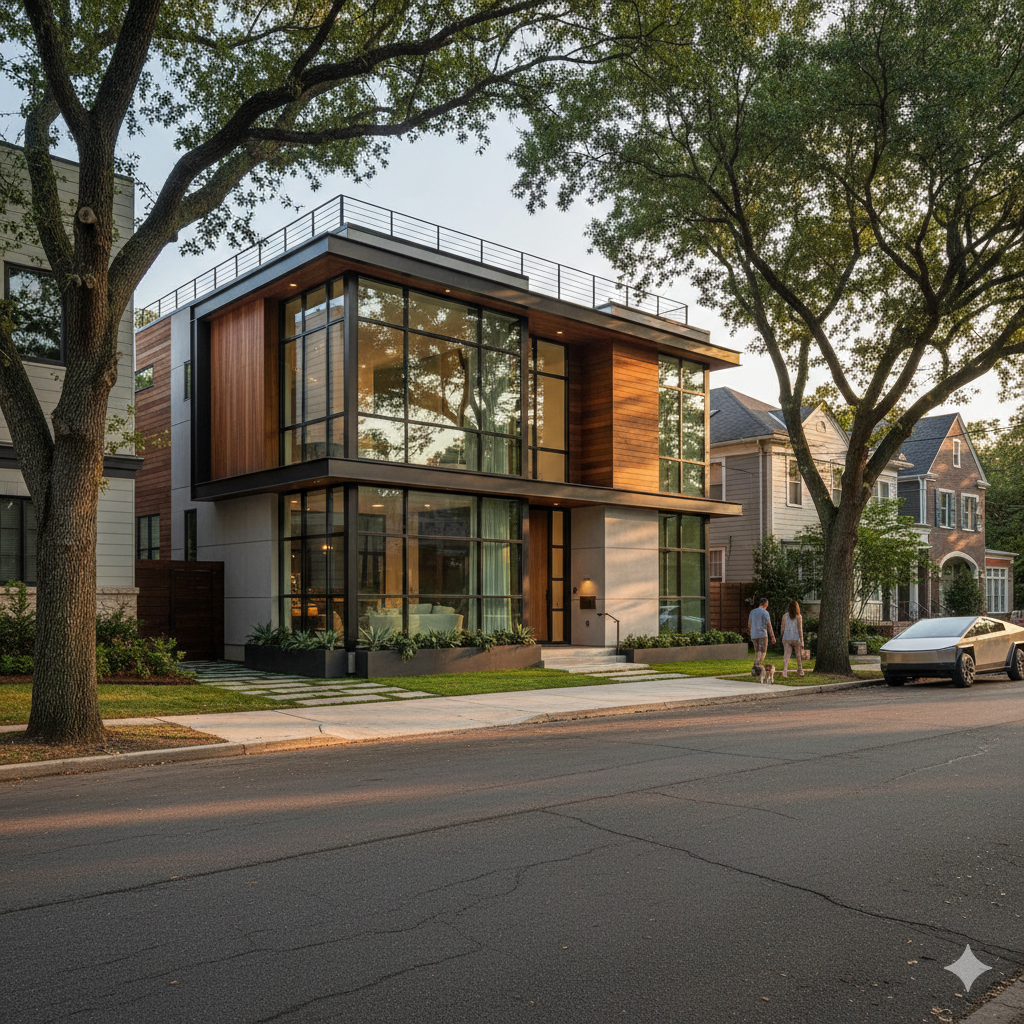
The Best Time to Sell by Neighborhood Type
Intown Walkable Neighborhoods (Virginia-Highland, Candler Park, Edgewood):
Best months: March-May, September-October
Why: High buyer demand year-round, but spring/fall maximize showing activity. Winter is also strong for serious buyers.
North Fulton Family Suburbs (Alpharetta, Milton, Roswell):
Best months: February-April, August-September
Why: Families want to move before school starts. Listing in late winter/early spring gives them time to close by summer.
Luxury Markets (Buckhead, Tuxedo Park, Milton Estates):
Best months: September-November, March-May
Why: Luxury buyers aren't as time-constrained. Fall and spring offer beautiful showing conditions for high-end properties.
Investment-Friendly Areas (East Point, College Park, Southwest Atlanta):
Best months: Year-round, avoid late December
Why: Investor buyers are active year-round and less seasonal. Just avoid holiday weeks.
Action Steps: How to Determine Your Best Time to Sell
Step 1: Assess Your Home's Readiness
Walk through your home objectively. Does it need updates? Repairs? Deep cleaning? Staging? Make a list and budget for improvements. If your home is move-in ready, don't wait.
Step 2: Research Current Competition
Look at active listings in your neighborhood. How many are there? How are they priced? How do they show? This tells you if now is a good time or if you should wait.
Step 3: Get a Pricing Consultation
Work with a local agent (me) to get an accurate CMA based on recent sales, active competition, and current buyer demand in your area.
Step 4: Evaluate Your Personal Timeline
Do you need to sell by a specific date? Are you flexible? Your personal timeline matters more than trying to "time the market."
Step 5: Make a Strategic Decision
Based on all of the above, decide: List now, wait a few months, or make improvements first. There's no one-size-fits-all answer—it's about your specific situation.
Frequently Asked Questions
Q: Is spring really the best time to sell in Atlanta?
A: Spring sees the highest buyer activity, but it also has the most competition from other sellers. Well-priced homes sell year-round. If your home is ready and there's low competition in your neighborhood, don't wait for spring—list immediately.
Q: Will my home sell in winter?
A: Yes. Winter buyers are serious and motivated (relocations, job changes, urgent needs). You'll have fewer showings but higher quality buyers. I've closed multiple winter deals in 15-25 days with full-price offers. Winter 2025, I had three listings go under contract in January averaging 19 days on market.
Q: Should I wait for interest rates to drop before selling?
A: No. You can't control rates, and waiting could cost you equity if home values soften. Price your home correctly for today's market and today's buyers. The buyers who are looking now are already pre-approved and ready to move. Rate changes affect affordability, but serious buyers adjust their price range accordingly.
Q: What is the average time to sell a house in Atlanta?
A: Well-priced homes in desirable neighborhoods (Edgewood, Kirkwood, Virginia-Highland, Alpharetta, Milton, Buckhead) are averaging 20-35 days on market in January 2026. Overpriced or poorly presented homes are sitting 60-90+ days and requiring price reductions.
Q: What if I list and it doesn't sell in 30 days?
A: If your home doesn't sell in the first 30 days, it's almost always a pricing or presentation issue. We reassess competition, adjust pricing if needed, or make improvements to the home or marketing strategy. The first 2-3 weeks are most critical for buyer interest.
Q: Should I sell first or buy first?
A: It depends on your financial situation and market conditions. In most cases, selling first gives you clarity on your budget and eliminates the stress of carrying two mortgages. We can discuss contingency strategies if you're nervous about timing. I can also help you find temporary housing if needed.
Q: How do I know if my neighborhood is competitive right now?
A: I can pull active listing data for your neighborhood and show you exactly how many comparable homes are on the market, how they're priced, and how long they've been sitting. This tells us if now is the right time or if we should wait 1-2 months.
Q: Does it matter what month I close?
A: Slightly. Closing at the end of a month means less prepaid interest at closing. Closing before year-end can have tax implications. But these factors are minor compared to getting the right price and terms.
Metro Atlanta Seasonal Selling Calendar at a Glance
January-February: ⭐⭐ Low buyer activity, minimal competition, serious buyers only
March-May: ⭐⭐⭐⭐⭐ Peak season, highest activity, highest competition
June-August: ⭐⭐⭐ Moderate activity, relocation buyers, less competition
September-October: ⭐⭐⭐⭐ Second peak, serious buyers, good weather
November: ⭐⭐⭐ Slowing after Thanksgiving, close before holidays
December: ⭐ Very slow, holiday focus, list only if urgent
Ready to Talk Strategy?
Trying to time the Atlanta real estate market perfectly is a losing game. What wins? Pricing correctly, preparing your home, and understanding what's actually happening in your specific neighborhood right now.
If you're thinking about selling in 2026—whether that's February, May, or October—let's talk. I'll give you honest feedback on your home's readiness, current competition, and the best strategic timing for your situation.
No pressure, no obligation—just data-backed insight so you can make the smartest decision.
Contact Kristen Johnson Real Estate
📧 info@kristenjohnsonrealestate.com
📞 (404) 790-0080
🌐 www.kristenjohnsonrealestate.com