

Living in Ansley Park Atlanta: What Luxury Buyers Need to Know About This Historic Midtown Neighborhood
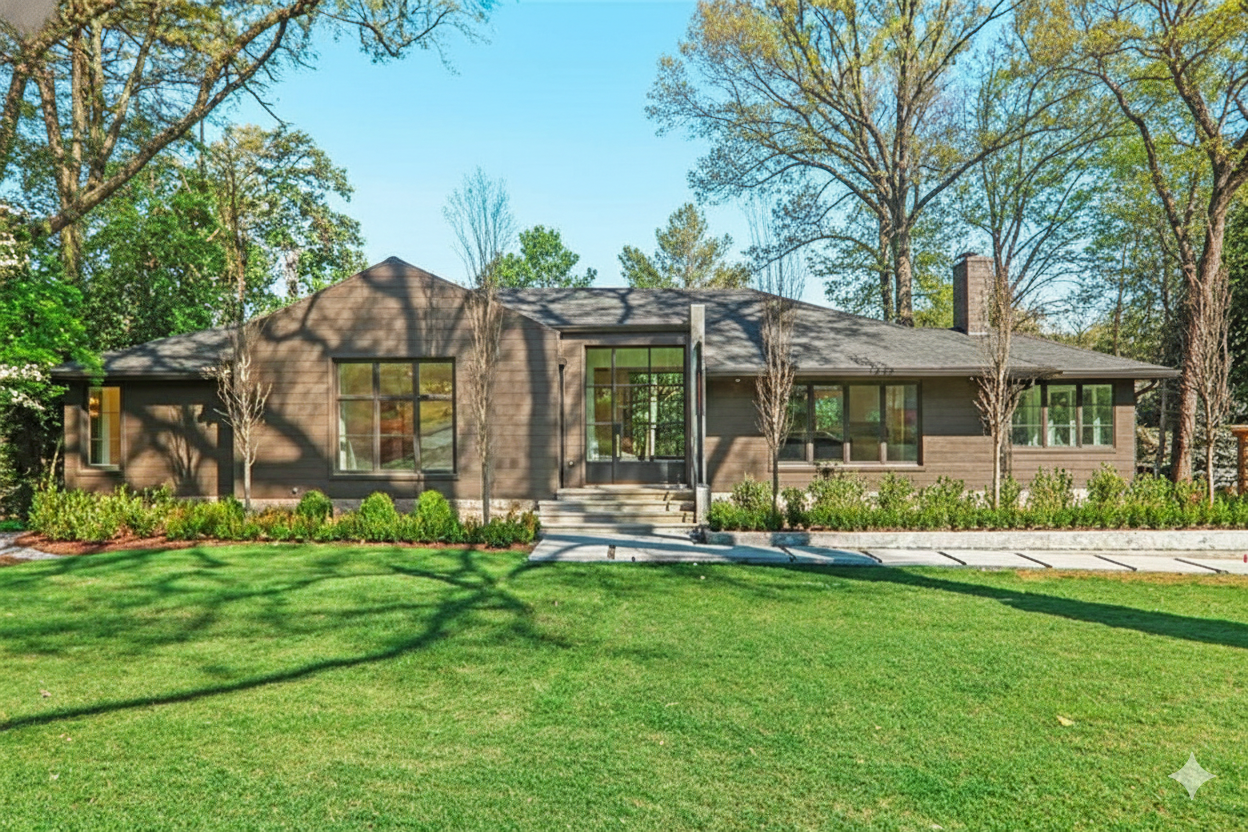
Ansley Park sits less than a mile from Midtown's skyscrapers, but driving its winding, tree-canopied streets feels like stepping into a different era. This isn't accidental. When developer Edwin Ansley designed this neighborhood in 1904, he created Atlanta's first automobile suburb—wide curvilinear streets, parkways lined with granite curbs, and 14 neighborhood parks woven throughout 275 acres. More than 120 years later, those same design principles make Ansley Park one of Atlanta's most architecturally significant and sought-after luxury neighborhoods.
Nearly 10 years helping Atlanta buyers means I've watched neighborhoods where historic preservation protected property values versus areas where teardowns created instability. Ansley Park represents both the benefits of preservation and the ongoing debate about how to balance architectural integrity with property rights. If you're considering a luxury home in intown Atlanta, here's what you need to know about this National Register Historic District.
What Makes Ansley Park Different
Location and Boundaries
Ansley Park occupies 275 acres between Piedmont Avenue and Peachtree Street, directly west of Piedmont Park and immediately east of Midtown. The neighborhood is bounded by:
North: I-85
South: Ponce de Leon Avenue and 15th Street
East: Piedmont Avenue (Piedmont Park across the street)
West: Peachtree Street (Midtown business district)
This location puts you within walking distance of:
Piedmont Park (Atlanta's premiere urban park)
Midtown restaurants, shopping, and cultural venues
BeltLine Eastside Trail access
MARTA Arts Center and Midtown stations
Atlanta Botanical Garden
Ansley Mall shopping center
The 45-acre Ansley Golf Club occupies a significant portion of the neighborhood's northern section, creating a green buffer that adds to the secluded feel despite being surrounded by urban density.
The Original Vision: Atlanta's First Car Suburb
Edwin Ansley developed this neighborhood between 1904 and 1913, and it was substantially complete by 1930. Unlike older Atlanta neighborhoods designed around streetcar lines with traditional grid patterns, Ansley Park was planned specifically for automobile ownership—a revolutionary concept in 1904.
The street system reflects this vision:
Primary streets (The Prado, Peachtree Circle, 15th Street) are wide with gentle curves and easy grades, designed for the primary flow of traffic through the neighborhood.
Secondary streets (Westminster Drive, Lafayette Drive, Inman Circle, others) branch off primary streets with narrower widths but still comfortable curves.
Tertiary streets (Barksdale Drive, Walker Terrace, Yonah Drive) are narrow residential streets that may have sharp corners or steep grades, providing access to smaller lots tucked into the hills and valleys.
This hierarchical street system creates a sense of discovery—there's always another winding street to explore, another hidden park around the corner. It also naturally controls traffic flow. Through-traffic sticks to primary streets, while residential streets remain quiet.
Parks Throughout the Neighborhood
Ansley deliberately designed the neighborhood so no home sits more than a 10-minute walk from one of 14 parks. These aren't just green spaces—they're integrated into the street system, often occupying hilltops, steep slopes, or stream valleys that couldn't accommodate building lots.
Key parks include:
Winn Park: Long, narrow greenspace extending deep into the neighborhood
McClatchey Park: Another linear park following the natural topography
Multiple smaller parks and greenswards throughout
The parks serve multiple purposes. They preserve the natural landscape that defines the neighborhood's character. They provide gathering spaces for community events (the annual Tour of Homes and Art in the Park festival). And they protect property values by ensuring the tree canopy and green character remain intact even as the surrounding city densifies.
Architectural Significance
This is where Ansley Park separates itself from other luxury Atlanta neighborhoods. The homes here weren't just expensive when they were built—they represent the work of some of the South's most important early 20th-century architects.
Neel Reid designed multiple homes in Ansley Park, including residences at:
17 Inman Circle
109 Peachtree Circle
186 15th Street
1 South Prado
262 The Prado
230 The Prado
218 15th Street
Reid is considered one of the South's most influential architects, and his work defined Southern neoclassical residential design. Owning a Neel Reid home isn't just about square footage—it's about owning a piece of architectural history.
Philip Trammell Shutze also designed several Ansley Park homes, including:
108 17th Street (his own residence)
78 Peachtree Circle
31 Peachtree Circle
31 Lafayette Drive
Shutze designed the iconic Swan House at the Atlanta History Center and multiple other Atlanta landmarks. His Ansley Park homes showcase his mastery of Italianate and neoclassical styles.
A. Ten Eyck Brown lived in Ansley Park and designed homes including:
100 17th Street
128 17th Street
Edwin Ansley's own "Granite Mansion" (1910, demolished 1969)
P. Thornton Marye designed the Fox Theatre and several Ansley Park homes.
Beyond these signature architects, the neighborhood showcases a full range of early 20th-century architectural styles:
Colonial Revival
Federal
Neoclassical
Italian Renaissance
Baroque
Queen Anne
Tudor Revival
Craftsman
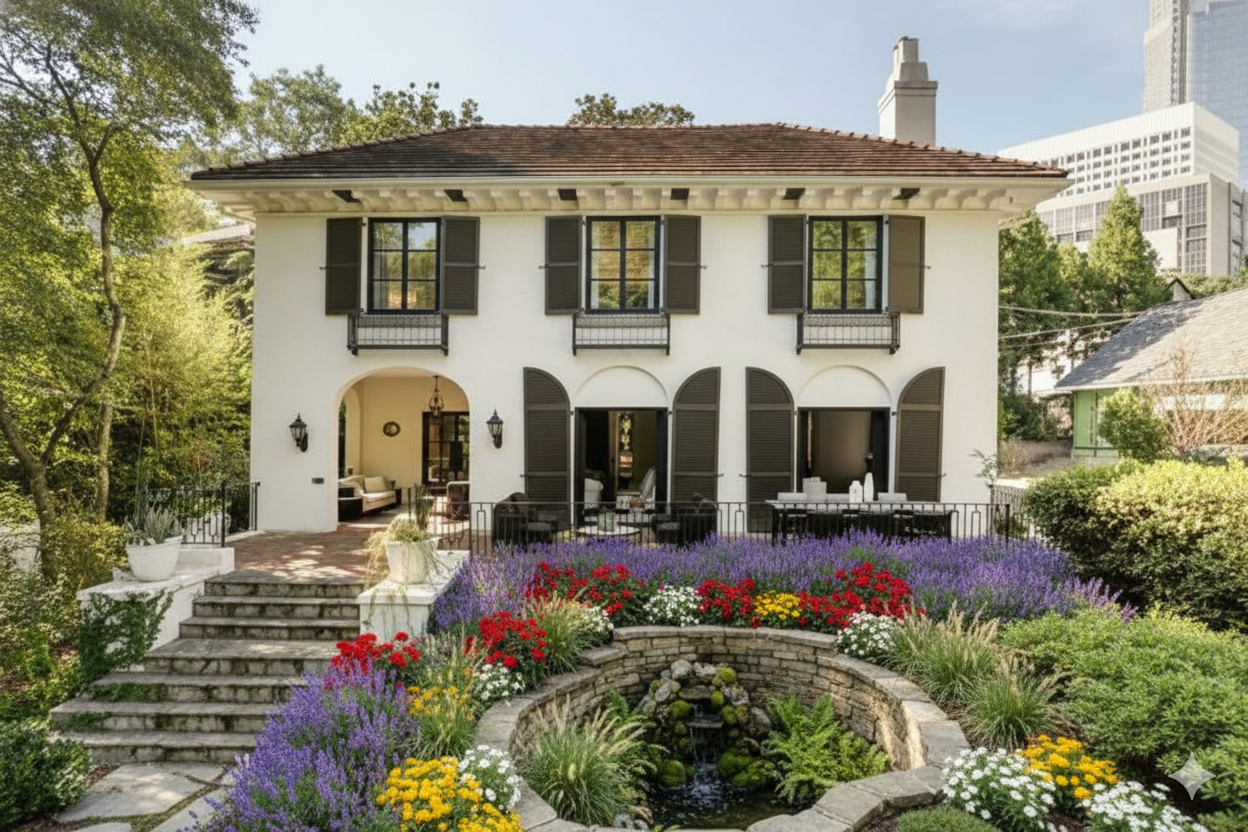
This architectural diversity within a cohesive landscape design creates a neighborhood that feels both varied and harmonious. You won't find cookie-cutter homes here.
Current Market Reality: What Homes Actually Cost
Price Ranges (2026 Market)
Ansley Park operates in luxury territory, though there's more price variation than many buyers expect.
Entry Point: $800,000 - $1.2 million
Smaller homes (1,800-2,500 sq ft)
Often original homes with period details intact
May need updating but architecturally significant
Typically on smaller or less prominent lots
Mid-Range: $1.2 million - $2.5 million
3,000-4,500 sq ft
Mix of beautifully renovated historic homes and newer construction
Prime locations on primary streets or near parks
Updated systems with original character preserved (or new construction)
High-End: $2.5 million - $4 million+
4,500+ sq ft
Architect-designed historic homes (Reid, Shutze, etc.) that have been meticulously restored
Premier lots with views or exceptional landscaping
Top-tier finishes throughout
Ultra-Luxury: $4 million+
Rare significant estates
Multiple acres (unusual for intown Atlanta)
Architectural landmarks
Often historic homes with modern additions thoughtfully integrated
2008 Median Household Income
The most recent comprehensive data showed Ansley Park's median household income at $226,335 in 2008. Current household incomes are likely higher given Atlanta's growth and the neighborhood's continued appreciation, but updated census data isn't available yet. This income level reflects the professional class that dominates the neighborhood—executives, physicians, attorneys, successful entrepreneurs.
What You Get at Different Price Points
$800,000-$1,000,000: You're buying history and location more than square footage. Expect 1,800-2,500 sq ft, likely needing cosmetic updates or potentially significant renovation. Original hardwood floors, plaster walls, period details like built-ins or original tile work. Kitchens and bathrooms probably dated. Systems (HVAC, electrical, plumbing) may need attention.
The value here: You're in Ansley Park. You own an architecturally significant home on a street designed by a renowned landscape planner. You're walking to Piedmont Park and Midtown. The bones are solid—these homes were built to last—and you can update on your timeline.
$1,200,000-$1,800,000: The sweet spot for many buyers. You're getting either a historic home that's been thoughtfully updated (new kitchen, renovated bathrooms, updated systems) while preserving original character, or you're getting newer construction (2000s-2020s) that fits the neighborhood scale.
Expect 3,000-3,800 sq ft, 4-5 bedrooms, 3-4 bathrooms. Modern conveniences without sacrificing the neighborhood's character. Chef's kitchens, primary suites with spa bathrooms, finished basements, landscaped yards.
$1,800,000-$2,500,000: You're getting either a significant historic home that's been fully restored with high-end finishes throughout, or you're getting new construction designed to complement the neighborhood's architectural heritage.
At this level: 4,000-5,000+ sq ft, exceptional interior finishes (custom millwork, high-end appliances, designer lighting, luxury bathrooms), professionally landscaped grounds, potentially a pool, finished basement with additional living space, three-car garage or carriage house.
The homes at this price point often sit on the best lots—corner locations, park-adjacent properties, or streets with particularly dramatic landscaping.
$2,500,000+: You're buying architectural significance. These are the Neel Reid homes. The Philip Shutze residences. The estate-scale properties with grounds that feel like private parks.
Expect meticulous restoration work—original details preserved or recreated by craftsmen who understand historic architecture. Modern systems and amenities integrated seamlessly. Professional landscaping that complements the home's period. These aren't just houses. They're Atlanta landmarks.
Property Taxes
Fulton County property taxes in Ansley Park typically run 1.1-1.3% of assessed value annually. On a $1.5 million home, expect $16,500-$19,500 per year in property taxes. On a $2.5 million home, expect $27,500-$32,500 annually.
The city millage rate, county millage rate, and school district millage rate all contribute to your total tax bill. Atlanta Public Schools funding is included in your property tax—you don't pay separately for schools even though many Ansley Park families choose private schools.
Property tax is deductible on your federal income tax return up to $10,000 annually (combined with state income tax under current federal tax law).
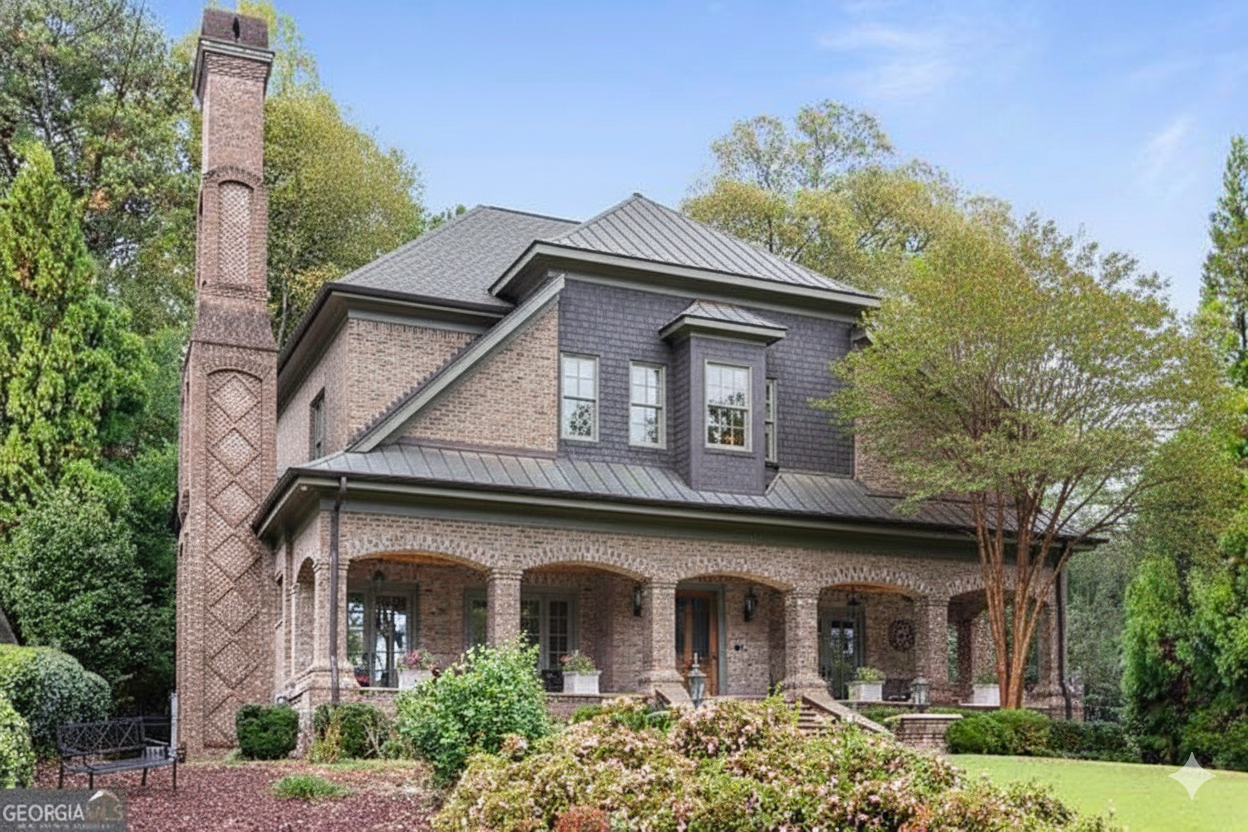
The Historic Preservation Debate: What Buyers Need to Know
This is where Ansley Park gets complicated, and if you're considering buying here, you need to understand what's at stake.
Current Status: Two Levels of Historic Designation
Ansley Park has been listed on the National Register of Historic Places since 1979. This is a federal designation that:
Recognizes the neighborhood's historical and architectural significance
Makes properties eligible for federal historic tax credits for rehabilitation
Provides no protection against demolition
Does not restrict what owners can do with their properties
What Ansley Park does NOT have is Local Historic District designation from the City of Atlanta. This is a city-level designation that would:
Require owners to seek approval from the Atlanta Urban Design Commission for exterior changes, additions, or demolitions
Protect contributing historic homes from being torn down
Regulate new construction to ensure it's compatible with the neighborhood's historic character
Give the city enforcement power to prevent inappropriate alterations
The Preservation Argument
Organizations like Ansley Park Forever (APF) and the Georgia Trust for Historic Preservation argue that local historic designation is necessary to preserve what makes Ansley Park special.
Their concerns:
Teardowns are accelerating. Over the past decade, numerous architecturally significant homes have been demolished and replaced with new construction that doesn't match the neighborhood's scale or character. Some new homes are significantly larger than the originals (the "McMansion" issue), built out to maximum lot coverage, and designed in contemporary styles that clash with the historic streetscape.
National Register status is at risk. If too many contributing historic buildings are demolished, the entire neighborhood could lose its National Register designation. This would eliminate access to federal historic tax credits and remove one of the factors that makes Ansley Park nationally recognized.
Irreplaceable architecture is being lost. Once a Neel Reid home or Philip Shutze residence is demolished, it's gone. These aren't just old houses—they're works of art by masters of their craft. The craftsmanship, materials, and design sensibility can't be recreated.
Property values benefit from preservation. Nearly 10 years helping Atlanta buyers means I've seen this pattern repeatedly: neighborhoods with strong preservation standards tend to hold value better than areas where teardowns and incompatible new construction are common. Buyers pay premiums for architectural integrity and neighborhood cohesion. When a street has a mix of carefully preserved historic homes and new construction that respects the scale and style of the originals, values stay strong. When teardowns create a hodgepodge of styles and scales, buyer confidence weakens.
The Georgia Trust specifically warns that Ansley Park is "nearing a point of no return" where too much of the historic fabric will be lost to preserve the neighborhood's character.
The Property Rights Argument
Advocates for Ansley Park (AAP) and many individual homeowners oppose local historic designation.
Their concerns:
Loss of control over your own property. With local historic designation, you'd need city approval to:
Change exterior paint colors
Replace windows or doors
Add an addition
Build a garage or accessory structure
Alter rooflines
Change landscaping features (in some cases)
Demolish your home (even if it's falling apart)
The Atlanta Urban Design Commission would have final say on whether your proposed changes are "appropriate" for the historic district. Even if you own the property, you wouldn't have sole authority over design decisions.
Neighbor litigation risk. In historic districts, neighbors can challenge your Certificate of Appropriateness (the city approval for changes) in court. Even if the city approves your renovation, a neighbor who disagrees with the design can sue to block it. You could end up in lengthy legal battles over your own property improvements.
"The train has left the station." Opponents argue that too many homes have already been demolished or significantly altered for historic designation to be meaningful. Roughly half the homes in parts of Ansley Park are newer construction or heavily modified. Trying to impose historic standards now feels like closing the barn door after the horses have escaped.
Existing homes can be protected without historic designation. Some residents argue that better code enforcement, neighborhood design guidelines, and selective demolition review could protect Ansley Park's character without the bureaucracy and restrictions of full historic designation.
Exclusionary history. Some critics point out that Ansley Park's original development included racist and classist deed restrictions (common in that era) that explicitly excluded Black families and Jewish families. There's concern that historic preservation efforts, however well-intentioned, can perpetuate exclusionary patterns by making renovations more expensive and limiting housing options.
What This Means for You as a Buyer
The historic preservation debate isn't resolved, and as of 2026, it remains an active conversation in the neighborhood. Here's what you need to consider:
If you want a historic home and plan minimal changes: The debate probably won't affect you much. You're buying for the architecture and character, and you're not planning major alterations. Whether local designation happens or not, you're getting what you want.
If you want to significantly renovate or add on: Pay close attention. If local historic designation passes after you buy, your renovation plans could require city approval and potentially face neighbor opposition. Factor this uncertainty into your decision.
If you're buying with plans to tear down and rebuild: Understand that this is the exact scenario driving the preservation debate. Even without local designation, you may face neighborhood opposition. If local designation passes, teardowns would require city approval and likely face significant barriers.
If you're buying new construction or recently built homes: You're not subject to the same considerations as historic home buyers. Your home isn't a contributing structure to the historic character. But the debate could affect the overall neighborhood feel and property values depending on how it resolves.
My Take as Your Agent
I don't have a dog in this fight politically—I represent buyers and sellers on both sides of this debate. But I have watched what happens to property values in neighborhoods where preservation is strong versus areas where anything goes.
Historic character is an asset that's hard to get back once it's gone. Ansley Park's architectural significance is a major reason luxury buyers pay premium prices here. The Neel Reid homes, the Philip Shutze residences, the cohesive landscape design—these create value.
At the same time, property owners deserve a voice in what happens with restrictions on their properties. The process for considering local historic designation should be transparent, with full neighborhood input, not decided by a small group.
If you're buying in Ansley Park, go in with your eyes open. Understand that this is a neighborhood where people care deeply about preservation, where architectural significance matters, and where the debate about how to balance property rights with historic protection is ongoing. That passion is part of what makes Ansley Park special, but it also creates uncertainty about future regulations.
Schools: Atlanta Public Schools with Private School Reality
Ansley Park is zoned to Atlanta Public Schools:
Elementary: Morningside Elementary School Middle: Inman Middle School
High School: Grady High School
The reality: Many Ansley Park families choose private schools. The neighborhood's median household income supports private school tuition, and Atlanta's strong private school options (Pace Academy, The Westminster Schools, The Lovett School, Woodward Academy, among others) attract families who can afford $25,000-$35,000+ per child annually.
This doesn't mean the public schools are bad. Grady High School has strong programs and sends graduates to excellent colleges. Morningside Elementary has involved parents and solid academics. But the private school culture is strong in this neighborhood.
If public schools are a priority, research the current performance data, visit the schools, and talk to parents whose kids attend. School quality can shift, and you want current information, not assumptions based on old data.
If you're planning on private schools, factor $30,000-$40,000+ per child per year into your budget. This is on top of your mortgage, property taxes, and other housing costs. Many buyers focus so heavily on what they can afford for a home that they underestimate the total cost of the lifestyle they're buying into.
Community and Culture
Who Lives Here
Ansley Park attracts:
Established professionals: Executives, physicians, attorneys, business owners who can afford $1 million+ homes and value architectural significance, walkability, and proximity to Midtown offices.
Empty nesters and retirees: Ansley Park's walkability, community culture, and proximity to Piedmont Park make it attractive for older adults who want an urban lifestyle without dealing with high-rise condo living.
Young families with high incomes: Tech executives, private equity professionals, dual-income professional couples who want historic character, excellent walkability, and proximity to private schools.
Preservation-minded buyers: People who specifically seek out historic homes and appreciate architectural details, craftsmanship, and neighborhood cohesion.
You won't find many first-time buyers here—the price points exclude them. You won't find many young professionals just starting out—they're in Virginia-Highland condos or East Atlanta bungalows. Ansley Park is for buyers who've already succeeded and want a home that reflects that success.
Community Engagement
The Ansley Park Civic Association (APCA) was founded in 1915 and remains highly active. Membership includes most neighborhood residents, and the association organizes:
Annual Tour of Homes (spring event showcasing significant properties)
Art in the Park festival
Dining clubs and social events
Poetry readings and cultural programs
Security patrol (funded by resident contributions)
Neighborhood planning and advocacy
The APCA hired renowned urban planner Leon Eplan in 1964 to create a long-range neighborhood plan, and that plan continues to guide neighborhood development decisions. In 2011, Ansley Park was named one of the 10 Best Neighborhoods in the United States by the American Planning Association, largely because of the community's commitment to preserving the original vision while adapting to modern needs.
This level of community engagement is unusual. Most Atlanta neighborhoods have civic associations that struggle to get people involved. Ansley Park's residents actively participate in shaping the neighborhood's future. If you value community input and organized advocacy, this is a strength. If you prefer to keep to yourself and don't want neighborhood politics, understand that Ansley Park has a strong culture of involvement.
Walkability and Lifestyle
This is where Ansley Park's location shines. You're walking distance to:
Piedmont Park: Atlanta's premiere urban park with walking trails, sports fields, dog parks, the Saturday Green Market, festivals and concerts, and Piedmont Park Conservancy programming.
Midtown restaurants and entertainment: Dozens of restaurants, bars, live music venues, and cultural attractions within a 10-15 minute walk.
BeltLine Eastside Trail: Direct access to Atlanta's 22-mile trail loop connecting neighborhoods across the city. Walk or bike to Ponce City Market, Old Fourth Ward Park, or other BeltLine destinations.
Ansley Mall: Small neighborhood shopping center with everyday needs (grocery, dry cleaning, restaurants).
MARTA: Arts Center and Midtown stations are walkable, giving you public transit access to the airport, downtown, and other MARTA-served areas.
The curvilinear street design and extensive tree canopy make walking pleasant even in summer heat. Sidewalks throughout the neighborhood (not always a given in Atlanta). Low traffic on residential streets makes it safe for running, walking dogs, or letting kids bike.
You can live in Ansley Park without a car if you work in Midtown or can MARTA to your office. Most residents still own cars—you'll need one for suburban errands, traveling outside the city, or reaching areas MARTA doesn't serve—but daily life doesn't require constant driving.
The Social Side: Ansley Golf Club
The private Ansley Golf Club anchors the northern section of the neighborhood. Edwin Ansley broke ground on this 45-acre course in 1910 as part of his original neighborhood vision.
Current membership has a reported five-year waitlist. Initiation fees are substantial (specific numbers aren't publicly disclosed, but expect $50,000+ based on comparable Atlanta private clubs). Annual dues run $10,000-$15,000+ for full golf membership.
Living in Ansley Park doesn't grant automatic membership—the club is private and selective. But proximity to the club is part of the neighborhood's appeal, and many residents are members. The club's green space also serves as a buffer, preventing development on 45 acres in the heart of the neighborhood.
If golf club membership matters to you, start the membership process before you buy. That five-year waitlist is real, and you don't want to move into the neighborhood assuming you'll join next year only to discover you're looking at 2030.
Practical Considerations
Commuting from Ansley Park
To Midtown: 5-15 minutes depending on specific Midtown location. Many residents walk or bike to Midtown offices.
To Downtown: 10-15 minutes via I-75/I-85 (longer during rush hour). MARTA is also an option (walk to Arts Center or Midtown station, ride to downtown stations).
To Buckhead: 15-20 minutes via Peachtree Street or I-85 northbound (longer during rush hour).
To Perimeter/North Fulton suburbs: 25-40 minutes via I-85 northbound or GA-400 (significantly longer during rush hour).
To Airport: 20-30 minutes via I-75/I-85 southbound (allow extra time during rush hour). MARTA also an option (15-20 minutes to Arts Center station, then 20-25 minutes on MARTA to airport).
If you're commuting to the suburbs daily, Ansley Park's intown location works against you. You're driving against reverse commute traffic (inbound in morning, outbound in evening), which helps, but you're still looking at 30-60 minutes each way to North Fulton or Gwinnett.
If you're working in Midtown, downtown, or can work remotely, the commute is minimal or nonexistent.
Parking Challenges
Ansley Park was designed before every household owned multiple cars. Many historic homes have:
Single-car garages or carriage houses (not two-car)
On-street parking as primary option for second/third vehicles
Driveways that don't accommodate modern SUVs or trucks
Newer construction and renovated homes typically include two-car garages, but this often required creative design to fit modern garage needs onto historic lot configurations.
Street parking is generally available on residential streets but can be tight during neighborhood events or when multiple homes on a block are hosting guests.
If you own multiple vehicles or regularly entertain, verify garage and parking capacity before you buy. A beautifully restored 1920s home with a single-car carriage house may be charming, but if you and your spouse both drive and you have teenagers with cars, you're playing musical parking spots.
Home Maintenance Reality
Historic homes require different maintenance than newer construction.
Expect:
Plaster walls (can crack, require skilled repair)
Original hardwood floors (beautiful but may need refinishing)
Older plumbing and electrical systems (may need upgrading)
Single-pane or old double-pane windows (energy inefficiency, potential lead paint concerns)
Slate, tile, or old asphalt roofs (specialized repair/replacement)
Foundation settling (common in 100-year-old homes, monitor but usually not structural)
Budget for:
Higher insurance costs (replacement cost for historic homes is expensive due to custom millwork, plaster, period details)
Specialized contractors who understand historic home systems and materials
Higher utility bills if the home hasn't been updated with modern insulation and efficient HVAC
Periodic maintenance on items like slate roofs, historic windows, original tile work
Many buyers underestimate the cost of maintaining an architecturally significant historic home. The $1.5 million purchase price is just the start. You'll spend $15,000-$30,000+ annually on maintenance, repairs, and updates beyond basic utilities and property taxes.
If you're buying new construction or a fully renovated home, maintenance costs will be lower—modern systems, builder warranties, energy-efficient windows and insulation. But you're paying for that upfront in the purchase price.
HOAs and Deed Restrictions
Ansley Park doesn't have a traditional homeowners association with mandatory dues covering common area maintenance. The Ansley Park Civic Association is a voluntary membership organization.
However, many properties have deed restrictions dating to the original development. These restrictions may include:
Minimum setback requirements
Architectural style guidelines (often outdated or unenforced)
Restrictions on commercial use
Minimum square footage requirements
Some of these restrictions are actively enforced, others aren't. Your real estate attorney should review deed restrictions during the purchase process to identify any that could affect your plans for the property.
The voluntary civic association security patrol is funded by resident contributions (around $500-$800 annually per household). Participation is voluntary but strongly encouraged—the security patrol provides an additional layer of neighborhood safety beyond Atlanta Police Department coverage.
Why Buyers Choose Ansley Park (And Why Some Don't)
You Should Buy in Ansley Park If:
Architectural significance matters to you. You appreciate the difference between a generic luxury home and a Neel Reid-designed residence. You value craftsmanship, period details, and homes designed by masters of their craft.
You want intown living with a suburban feel. The winding streets, extensive tree canopy, and abundant parks create a sense of seclusion despite being surrounded by urban density. You get Midtown walkability without feeling like you're in the middle of a city.
Walkability is a priority. You want to walk to Piedmont Park, Midtown restaurants, the BeltLine, and MARTA. You want a lifestyle where daily errands don't require driving.
Community engagement appeals to you. You want neighbors who care about the neighborhood's future, organize events, and participate in civic planning. The strong community culture is a plus, not a burden.
You're buying for the long term. Ansley Park's architectural significance and location mean property values hold well over time. Historic character and proximity to Atlanta's core aren't going away. If you're planning to stay 10+ years, the initial premium you pay likely appreciates.
You value privacy and green space. The large lots, mature landscaping, and park system create privacy unusual for intown Atlanta. You're not looking at your neighbor's window from your bedroom.
You Probably Shouldn't Buy in Ansley Park If:
You need absolute flexibility to renovate. The preservation debate creates uncertainty about future restrictions, and even without local historic designation, this is a neighborhood where significant changes to historic homes face community scrutiny.
You want modern, low-maintenance living. If you want a new construction home with builder warranties, modern systems, and minimal upkeep, there are better neighborhoods. Ansley Park is about character and history, which comes with maintenance requirements.
You're commuting to the suburbs daily. That 45-minute drive to Alpharetta or 50-minute drive to Gwinnett gets old fast. Ansley Park's location is optimized for working in Midtown or downtown, not for suburban commutes.
You want maximum square footage for your money. At $1.5 million in Ansley Park, you're getting 3,000-3,500 sq ft. At $1.5 million in East Cobb or North Fulton, you're getting 5,000-6,000 sq ft. You're paying for location and architectural significance, not pure square footage.
Community involvement feels like interference. If the thought of neighborhood meetings, historic preservation debates, and active civic associations sounds exhausting rather than appealing, you might prefer a neighborhood with less community engagement.
You need great public schools without question. If public school quality is non-negotiable and you're not planning on private schools, research current school performance carefully. Many Ansley Park families choose private schools, so the public school experience may not match your expectations.
Comparing Ansley Park to Other Luxury Atlanta Neighborhoods
Ansley Park vs. Buckhead
Buckhead is Atlanta's traditional luxury address. Larger lots, bigger homes, more suburban feel despite being in the city limits. Neighborhoods like Tuxedo Park, Chastain Park, and Brookhaven have estate-scale properties with 5,000-10,000+ sq ft homes.
Ansley Park offers more architectural history, better walkability, and closer proximity to Midtown and downtown. Smaller lots and homes on average, but more integrated into the urban core.
If you want the biggest house and the most square footage, Buckhead wins. If you want architectural significance and walkability to urban amenities, Ansley Park wins.
Ansley Park vs. Virginia-Highland
Virginia-Highland shares some similarities—historic bungalows, walkable intown location, strong community culture. But Virginia-Highland skews younger, more casual, and less expensive (though still pricey). Most Virginia-Highland homes are 1,500-2,500 sq ft bungalows at $700,000-$1.2 million.
Ansley Park is larger homes, more architectural variety, more expensive, and more estate-like. Virginia-Highland feels like a friendly village. Ansley Park feels like an exclusive enclave.
Ansley Park vs. Druid Hills
Druid Hills (particularly the section near Emory University) shares Ansley Park's curvilinear street design, architectural significance, and historic character. Also designed by renowned landscape architects and featuring significant early 20th-century homes.
Ansley Park has better walkability to Midtown and urban amenities. Druid Hills is closer to Emory and Decatur but feels more suburban.
If you work at Emory or prefer Decatur's vibe, Druid Hills may fit better. If you want proximity to Midtown and Piedmont Park, Ansley Park wins.
Ansley Park vs. Inman Park
Inman Park is Atlanta's first planned suburb (pre-dating Ansley Park), with Victorian and Craftsman homes, walkable business district along N. Highland Avenue, and direct BeltLine access. More eclectic community culture, younger demographic, and more racial/economic diversity than Ansley Park.
Ansley Park is more expensive, more architecturally grand, and more established luxury. Inman Park has more edge, more restaurants/nightlife within the neighborhood itself, and a more bohemian vibe.
If you want the coolest intown neighborhood with the most local dining and nightlife options, Inman Park wins. If you want traditional luxury with architectural gravitas, Ansley Park wins.
Final Thoughts: Is Ansley Park Right for You?
Nearly 10 years helping Atlanta buyers means I've learned that the "best" neighborhood is the one that matches your actual lifestyle, not the one with the most prestige or the biggest houses.
Ansley Park is objectively one of Atlanta's most significant neighborhoods. The architecture. The landscape design. The location. The community culture. The walkability. These things are real and create genuine value.
But Ansley Park isn't for everyone. The historic preservation debate creates uncertainty. The maintenance requirements for older homes can be substantial. The community engagement culture can feel intense if you prefer privacy. The prices are high, and you're paying for location and character more than pure square footage.
If you're considering Ansley Park, spend time in the neighborhood. Walk the streets. Attend an Art in the Park event or the Tour of Homes. Talk to residents about what it's really like to live here. Drive the commute to your office at rush hour. Visit the public schools if that matters to you.
Don't buy here because it's prestigious or because someone told you it's a good investment. Buy here because the winding streets lined with 100-year-old oaks make you feel at home. Because you walk into a Neel Reid house and understand why architectural significance matters. Because you can picture yourself walking to Piedmont Park on Saturday mornings and dinner in Midtown on Friday nights.
That's when Ansley Park makes sense—when the lifestyle matches who you are and how you want to live, not when you're checking boxes on a luxury neighborhood list.
If you want to talk through whether Ansley Park fits your situation, let's schedule time. Nearly 10 years helping Atlanta buyers means I can show you what you're really getting at different price points, which streets have the best character, what renovation projects make sense versus ones that become money pits, and how to evaluate historic homes for structural issues versus cosmetic needs.
Ansley Park is special. The question is whether it's special in the ways that matter to you.