

What Luxury Buyers Want in Atlanta Right Now — And Why They're Not Compromising
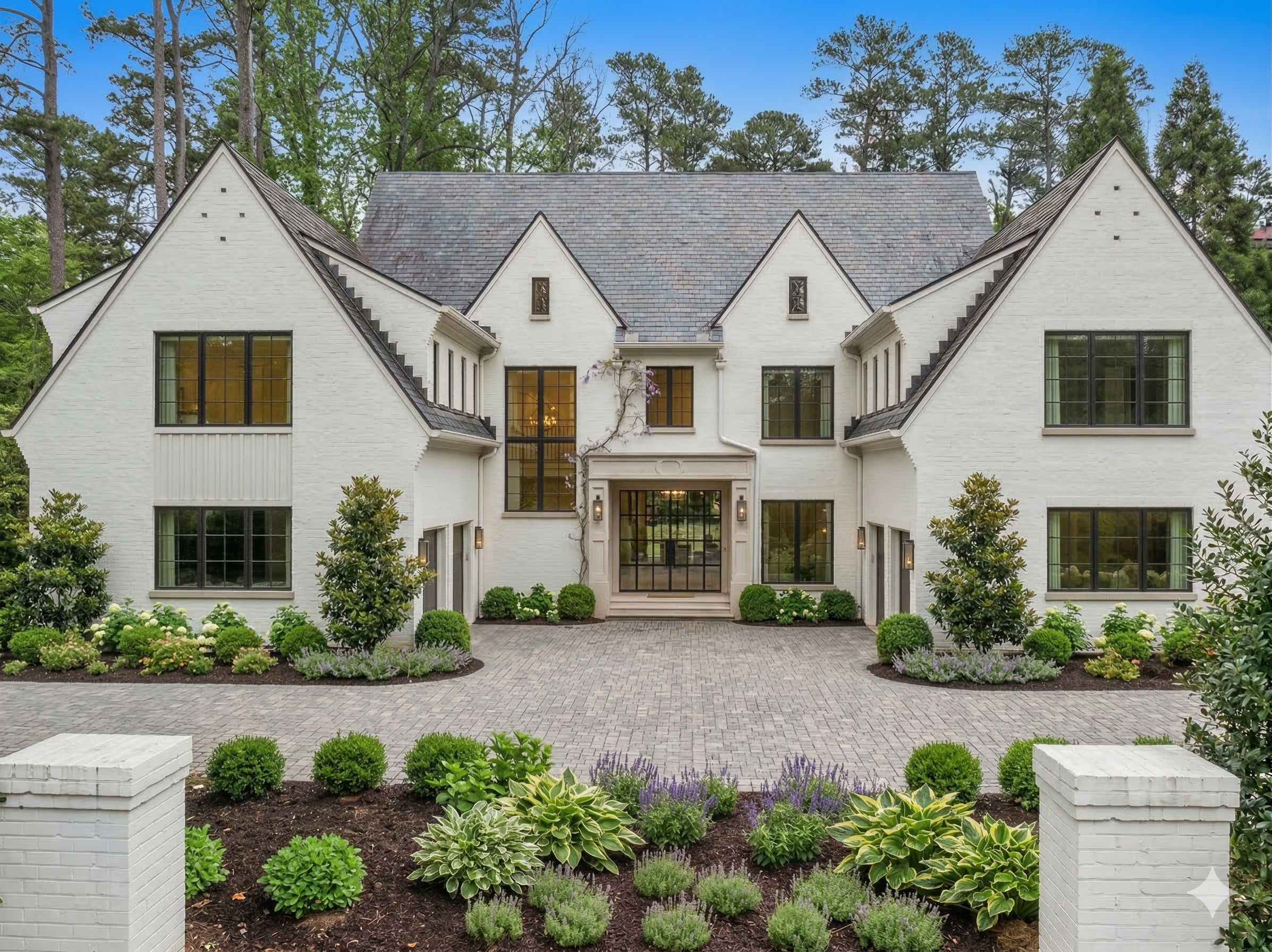
Luxury buyers in Atlanta in 2026 are not desperate, and they know it. They've watched the market normalize. They've watched inventory rise. They have more options than they've had in three years — and they're using that position to be deliberate in ways that would have been impossible at the height of the market frenzy.
I work with buyers across Metro Atlanta's luxury price band, from the $700Ks up through the multi-millions, and the pattern I'm seeing is consistent: these buyers have a clear picture of what they want, they've done significant research before ever talking to me, and they are not going to talk themselves into a home that doesn't check their specific boxes just because a seller is motivated or a price looks attractive.
That is a meaningful shift from where we were. And if you're selling a luxury home right now — or thinking about buying one — understanding what this buyer actually looks like is the difference between closing and sitting.
Nearly a decade helping Atlanta buyers across all price points means I've watched luxury buyer psychology move through several cycles. What's happening right now is specific, and it's worth understanding in detail.
Here's what you need to know.
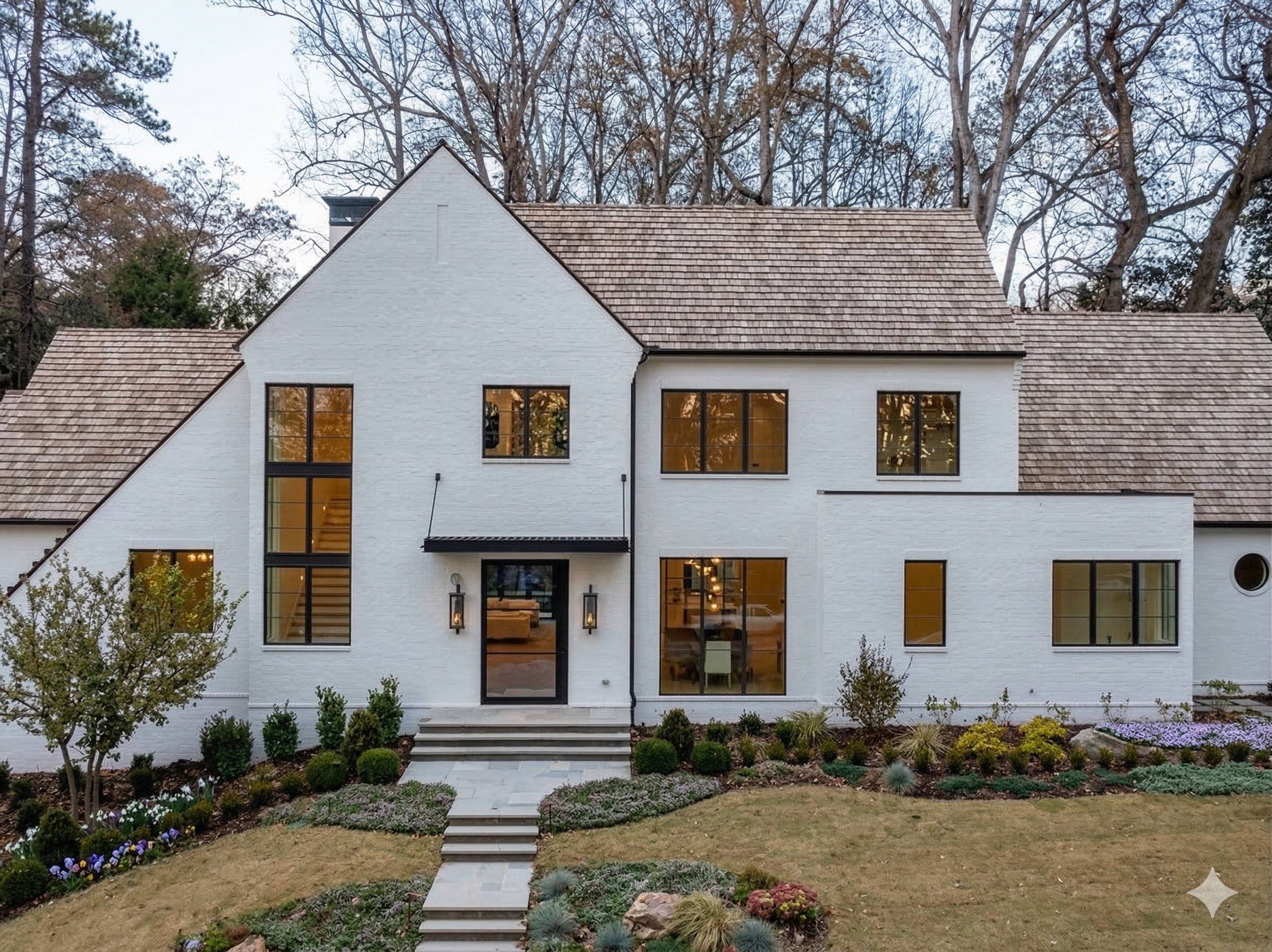
Luxury Buyers Are Not Browsing. They're Deciding.
The first thing to understand about today's Atlanta luxury buyer is that by the time they're scheduling showings, they are not in exploration mode. They have already spent weeks — sometimes months — researching neighborhoods, pulling public records, reviewing sold comps, watching YouTube walkthroughs of comparable properties, and forming a clear picture of value in their target submarket.
This is not the 2021 buyer who needed to move fast and had to make decisions with incomplete information. This buyer has time. Days on market across the $1 million-plus segment in North Atlanta are running in the 60 to 90 day range in many areas. There is no forcing function pushing them to decide before they're ready.
What this means practically: luxury buyers today do not fall in love with a house and talk themselves into it. They identify what they want, they measure every home against that criteria, and they pass on anything that doesn't meet it — no matter how much the seller has reduced the price or how motivated they appear. A motivated seller is not a reason to buy a home that doesn't fit. At the luxury price point, buyers know they can wait.
The implication for sellers is direct: a luxury home needs to be positioned for the buyer who will actually want it, not priced low enough to attract buyers who are settling. Those buyers don't exist at $1.5 million.
What They Won't Compromise On: The Non-Negotiables
Through working with buyers in this price range across Buckhead, Sandy Springs, Brookhaven, Alpharetta, Milton, and the broader North Atlanta corridor, certain things come up again and again as genuinely non-negotiable. These aren't features buyers hope for. They're features buyers will walk away without.
Turnkey condition. This is the single biggest theme in the 2026 luxury market, and it shows up in the data: homes that are move-in ready are selling faster and holding price better than homes with deferred maintenance or dated finishes — even when the dated home is priced lower. Atlanta's luxury buyers in 2026 are renovation-fatigued. They've watched friends and family manage $200,000 renovation projects through the supply chain chaos of the past few years. They've seen those projects take twice as long and cost 30% more than the original estimate. They are not interested in managing that process on top of a seven-figure purchase, regardless of the potential upside. If a home needs significant work, it needs to be priced to reflect that reality — not priced at a discount off aspirational finished value.
Primary suite placement. Across Milton, parts of Alpharetta, and increasingly throughout the North Atlanta luxury market, homes with a primary suite on the main floor are consistently outperforming comparable homes where the primary is upstairs. This is not a coincidence or a trend — it's a demographic reality. Buyers who can afford $1.5 million and above skew toward ages and life stages where main-floor primary access matters: aging parents, knee and hip considerations, multigenerational living, and simply the preference that comes from having lived in enough two-story homes to know what you'd do differently. Sellers of two-story homes with upstairs-only primaries should be aware that this pool is narrower than it used to be.
Privacy and lot quality. At the luxury price point, buyers are not purchasing a home in isolation — they're purchasing the land it sits on, the sight lines from the primary spaces, the relationship between the house and its neighbors. A beautifully renovated interior on a lot with poor positioning, adjacent to a commercial corridor, or with compromised privacy from neighboring construction is going to sit. Lot quality — mature trees, generous setbacks, privacy screening — is a genuine value driver that buyers in this segment weigh heavily, and it cannot be staged or upgraded after the fact.
Functional outdoor living. This is one of the clearest post-pandemic permanent shifts in luxury buyer preferences, and it has not reversed. Covered outdoor spaces, outdoor kitchens, pools, screened porches, fire features, and landscaping designed for both privacy and use are now expected at price points where they used to be exceptional. Atlanta's climate — where outdoor living is genuinely possible across a longer season than most comparable cities — reinforces this. Buyers are comparing homes on the quality of their outdoor experience as much as their interior finishes.
Flexibility for how they actually live. The open-concept-only floor plan has been somewhat reconsidered. What luxury buyers want now is thoughtful flexibility: open in the right places, closed in others. A proper home office with soundproofing and light — not a converted bedroom with a desk. A space that can function as a gym, a creative studio, or a secondary family room depending on stage of life. Guest quarters that offer genuine separation, not just a room down the hall. Multigenerational considerations — whether for parents, adult children returning home, or extended family visits — are shaping how buyers evaluate floor plans in ways they weren't even five years ago.
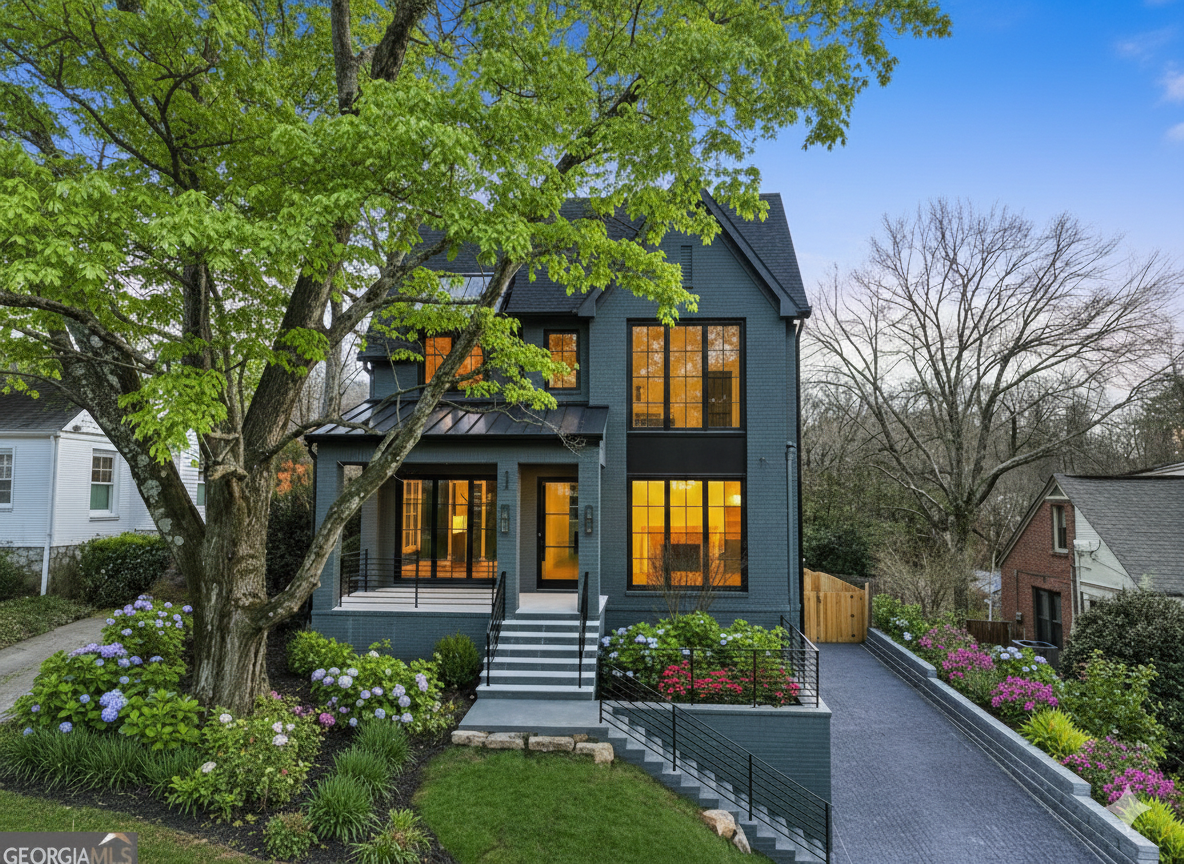
What They Want But Won't Always Say Out Loud
Beyond the non-negotiables, there's a second tier of priorities that luxury buyers hold but don't always articulate directly. These are the things that tip a decision when two homes are otherwise comparable.
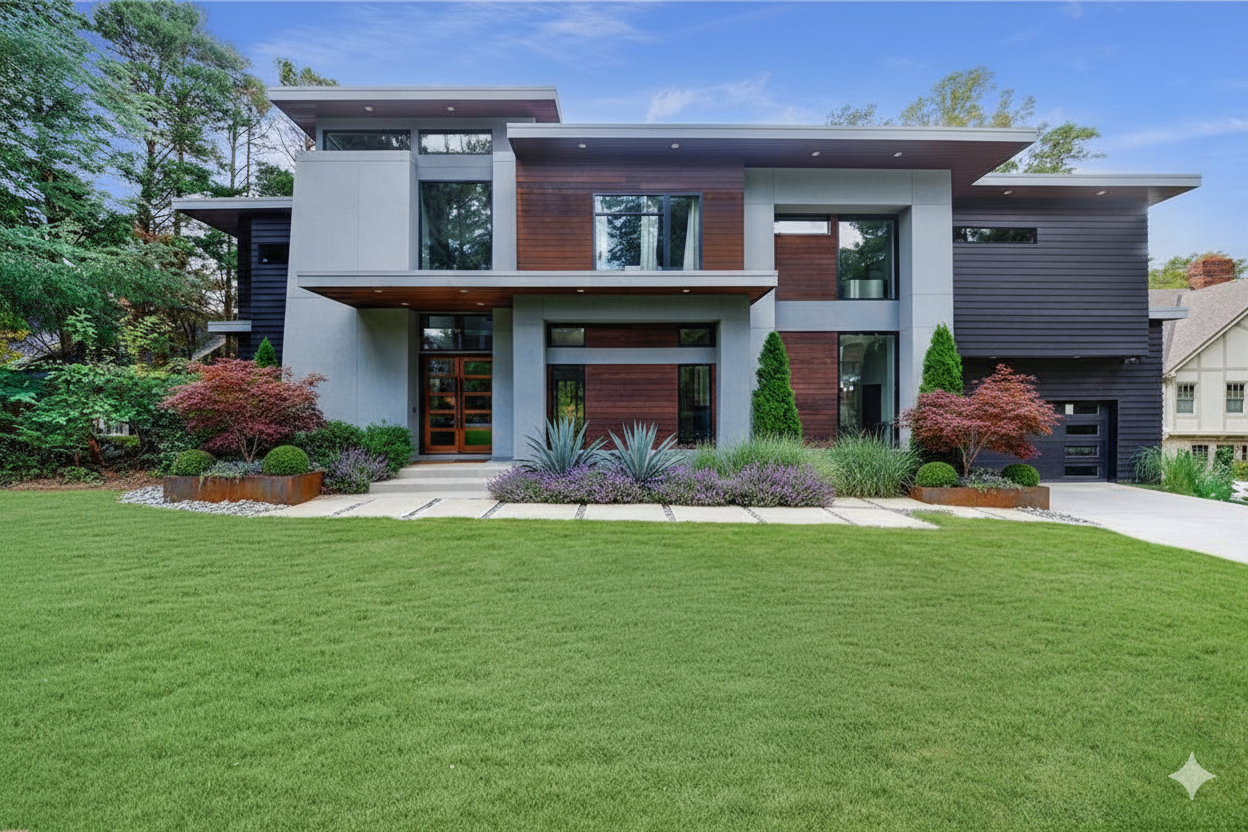
Architectural character. Atlanta's luxury real estate professionals have been consistent about this in 2026: homes with distinctive architectural identity — whether that's a Buckhead traditional with the right proportions, a Mid-Century Modern with intact original character, or a thoughtfully designed contemporary — are outperforming generic production luxury. As one Atlanta agent noted to Rough Draft Atlanta, turnkey homes with architectural character draw strong interest while homes that feel dated are sitting longer. "Bespoke" is not a marketing word to this buyer — it's a genuine value signal. Custom cabinetry, statement lighting, materials with provenance and specificity: these matter.
Technology that works invisibly. Smart home technology is expected at the luxury price point, but buyers have become sophisticated enough to distinguish between systems installed for the listing sheet and systems that actually function reliably day to day. Integrated lighting, climate control, security, and entertainment systems that work seamlessly are a positive. Systems that require a manual or a technician to operate are a liability. The buyer who wants to be impressed by a list of features is not your buyer. The buyer who wants to walk in, connect to the network, and have everything work is.
Energy efficiency as a baseline, not a premium. High-performance windows, advanced insulation, solar integration, and energy-efficient HVAC are now expected in newly constructed or recently renovated luxury homes. This is no longer a differentiator — it's table stakes. Older luxury homes without these upgrades will face questions about operating costs, and buyers will factor estimated utility spend into their value analysis. Georgia's summer climate makes HVAC efficiency particularly material: buyers who've lived in a poorly insulated house through an Atlanta August know exactly what that costs.
Proximity to the specific lifestyle they're optimizing for. Luxury buyers in Atlanta are not choosing a neighborhood in the abstract — they're choosing a location that serves a specific life. The Buckhead buyer who needs proximity to private school drop-off and wants walkability to restaurants is making a fundamentally different calculation than the Milton buyer who wants acreage, equestrian access, and distance from density. The Brookhaven buyer who wants to be walking distance to Dresden Drive is not the same buyer as the Sandy Springs buyer who wants proximity to Northside Hospital and private school corridors. Understanding which life your home serves — and positioning it clearly for that buyer — is more important than trying to appeal broadly.
A home that photographs and presents well from the start. This buyer is doing most of their initial filtering online. The homes that get showings are the ones with exceptional photography, accurate video, and a digital presence that conveys the quality of the property before a foot is set inside. Homes that look average online — regardless of what they are in person — are getting filtered out before they ever get a chance to be seen. Professional photography, video walkthroughs, drone footage for properties with strong site and lot character: these are not optional at the luxury price point in 2026.
What Atlanta's Luxury Markets Are Actually Competing On
The luxury buyer in 2026 has real optionality across Atlanta's submarkets, and they're comparing meaningfully different value propositions when they do.
Buckhead and Sandy Springs compete on prestige, location, school access, and proximity to luxury amenities. The buyer choosing this submarket is often a corporate relocator or established Atlanta executive who knows the market and is optimizing for address, school district, and lifestyle infrastructure. They are willing to pay a premium for Buckhead because Buckhead delivers specific things that other submarkets don't. But they are not willing to overpay for a Buckhead home that is not well-maintained or well-positioned within that submarket.
Brookhaven competes on intown access with a residential feel — proximity to Buckhead amenities, Capital City Club, Dresden Drive dining, and top private schools, while offering slightly more square footage per dollar than core Buckhead. The buyer here is often a young family who has done well financially, wants to be close to everything, and is willing to pay for the combination of location and lot quality that Brookhaven delivers at its best.
Alpharetta and Johns Creek compete on school districts, technology corridor proximity, and lifestyle amenity concentration along the GA-400 corridor. The buyer here is often a tech executive or corporate professional who moved to Atlanta for a specific employer, has a family school-age children, and is optimizing for school zone and commute convenience. New construction in this submarket is a genuine option for this buyer, which means resale homes need to be competitive on condition and finish quality.
Milton competes on a different axis entirely: land, space, privacy, and a lifestyle that is simply not replicable closer in. A five-acre property with a pool, a horse pasture, and a custom home is not a product you can find in Buckhead at any price. The buyer choosing Milton has made a conscious decision to trade urban proximity for a specific quality of life. They are not compromising on the lifestyle experience — they will wait for the right property rather than settle for something that doesn't deliver the Milton they're actually looking for.
What This Means If You're Selling a Luxury Home Right Now
The buyers I've described above are active in your market. They are not waiting for rates to come down further, they are not waiting for the "right time" in some abstract sense. They are looking at specific homes in specific locations, and they will buy when they find the right one at a price that reflects honest market reality.
What they will not do is talk themselves into a home with significant issues because the price looks attractive, because the seller is flexible, or because an agent tells them this is the best deal they'll find. That argument does not work with a buyer who has done their research, is not in a hurry, and knows that more inventory exists. The homes that are sitting in today's luxury market are almost universally either priced incorrectly for their condition, or suffering from a condition or positioning problem that price alone won't fix.
The homes that are moving are the ones that give this buyer nothing to say no to. Turnkey condition. Correct pricing relative to current comps — not aspirational pricing relative to what someone paid in 2022. Professional presentation from day one. And a clear positioning story that matches the specific buyer whose life this home actually serves.
That's the formula that's working right now. It requires preparation, honest pricing, and a willingness to think about the buyer before you think about the number. The sellers who approach it that way are closing. The ones who don't are reducing — sometimes more than once — before they find a buyer willing to take on what they wouldn't fix before they listed.
Frequently Asked Questions About Atlanta Luxury Buyers in 2026
What price point is considered "luxury" in Atlanta right now?
The conventional threshold is $1 million and above, but in practice the luxury buyer experience — extended time to decide, heightened expectations for condition and finish, more deliberate comparison across options — begins closer to $700,000 to $750,000 in Metro Atlanta. At that price point, buyers are no longer competing in bidding wars for entry-level inventory, and their expectations for what they're getting escalate accordingly. True luxury positioning — homes that compete on architectural character, quality of finishes, lot quality, and lifestyle offering — generally begins around $1.2 million to $1.5 million across most North Atlanta submarkets.
Are luxury buyers in Atlanta still paying over asking price?
Rarely, and only for homes that are exceptionally well-positioned and priced accurately from the start. The broad over-asking dynamic of 2021 and early 2022 is gone at this price point. The Atlanta luxury market data shows homes selling at or near list price when they're correctly priced — and well below list price when they're not. The sale-to-list ratio across the $1 million-plus segment reflects a market where sellers need to price correctly from day one, not start high and negotiate down.
What renovation or improvement has the best return for Atlanta luxury sellers right now?
Condition and presentation are the highest-return investments in the current market. A home that is structurally sound, mechanically updated, and move-in ready will outperform a comparable home that needs work — even at a higher list price — because the buyer pool for turnkey homes is meaningfully larger. Specific improvements with strong return: kitchen updates that align with current design standards rather than personal taste, primary bath upgrades, outdoor living space additions or enhancements, and any deferred maintenance that would show up on an inspection report. Cosmetic upgrades for personal style that don't align with buyer expectations in that submarket are lower return.
How important are schools to luxury buyers in Atlanta in 2026?
Critically important for a specific buyer profile — and largely irrelevant for others. Luxury buyers with school-age children are often choosing their Atlanta submarket specifically because of school access: Walton, Pope, and Lassiter in East Cobb; Alpharetta and Cambridge in North Fulton; the private school corridors of Buckhead and Sandy Springs; Druid Hills for access to the APS magnet system. For these buyers, the school situation is a near-hard constraint, not a preference. For buyers without children, or with children past school age, school district access can matter for resale value but is not driving the location decision. Know which buyer your home is positioned for.
What do luxury buyers in Atlanta say they can't find enough of?
In conversations with buyers at this price point, three things come up consistently as hard to find: main-floor primary suites in otherwise well-appointed homes; genuinely private lots with mature tree coverage in desirable intown and close-in suburban locations; and homes that are both architecturally distinctive and move-in ready — not one or the other. Most architecturally interesting homes in Atlanta's established luxury neighborhoods need updating. Most updated homes feel generic. The intersection of character and condition is where the strongest buyer competition still exists.
How long should a luxury seller expect their home to be on the market in 2026?
The honest answer is: it depends entirely on pricing and positioning. A correctly priced, well-presented luxury home in a high-demand submarket can still sell in 30 to 45 days. A home that starts high and reduces can take six months or longer — and those price reductions become part of the home's market history, which sophisticated buyers research and use in their offers. The most expensive mistakes in today's luxury market are made in the first 30 days: overpricing, underinvesting in presentation, or failing to target the listing clearly at the buyer whose life this home actually serves. I work with sellers across Metro Atlanta's luxury price band and I'm direct about what the market will bear. That conversation, while sometimes uncomfortable, is the one that gets homes sold.
Atlanta's luxury buyers in 2026 are prepared, patient, and selective in ways that sellers need to take seriously. The inventory exists to support that selectivity. The buyers who are purchasing are doing so because they found the right home, well-positioned, honestly priced. That home is still selling. Everything else is waiting.
I'm Kristen Johnson, Real Estate Agent, and I work with buyers and sellers across Metro Atlanta's luxury market. If you're trying to understand what your home is worth to today's buyer — or trying to navigate this market as a buyer who knows what you want but hasn't found it yet — let's talk.
Visit kristenjohnsonrealestate.com to get started.
Come as you are, come on home.
Want to go deeper on the Atlanta luxury market? I've also covered Why Luxury Inventory Is Rising in North Atlanta and the specific neighborhoods driving luxury demand — including Living in Buckhead Forest & North Buckhead, Living in Haynes Manor, and Living in Chastain Park. Browse the full guide series at kristenjohnsonrealestate.com