

Atlanta 2026 Buyer's Market Report: Inventory, Price Cuts & Where Negotiating Power Is Highest
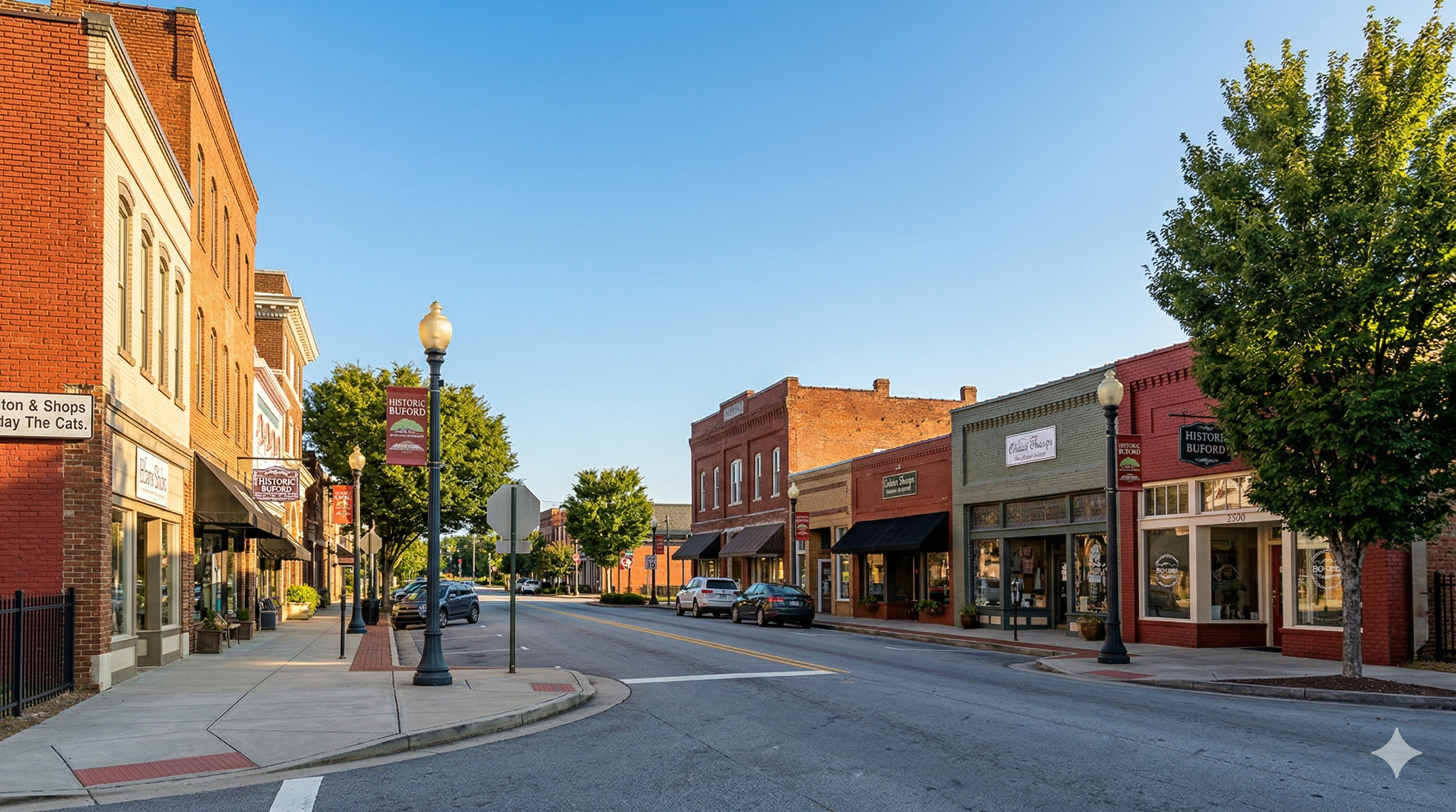
Atlanta is a buyer's market in 2026. Not "shifting toward" one, not "softening." A buyer's market. And if you're shopping for a home here right now, that single fact should be reshaping how you write offers, how you price your patience, and how you think about negotiation.
I work with buyers across Metro Atlanta, and the conversations I'm having in early 2026 sound nothing like the conversations I was having in 2022. In 2022, buyers came to me worried about getting beat on multiple offers and waiving inspection contingencies just to stay in the game. In 2026, buyers are coming to me asking how much they can realistically get off list price, whether they should wait another ninety days to see if it gets even better, and which builder in their target school zone is offering the fattest rate buydown.
Nearly a decade helping Atlanta buyers means I've worked through three distinct market environments: the post-2015 recovery, the 2020-2022 frenzy, and whatever this is. And whatever this is has a name. It's a buyer's market, and it's unevenly distributed. Some price bands and submarkets have given buyers enormous leverage. Others have barely budged. Knowing the difference is the whole game.
This report lays out what the data actually shows, which submarkets are the softest right now, where your negotiating leverage is real versus imaginary, and what a thoughtful 2026 buyer should do about it.
Here's what you need to know.

What Makes a Buyer's Market (And Is Atlanta Actually In One?)
There's no single definition, but the three metrics that matter most are months of supply, price reductions, and sale-to-list ratio. All three are firmly in buyer territory across Metro Atlanta right now.
Months of supply. This is the most important number in any market. It tells you how long it would take to sell every active listing at the current sales pace, assuming nothing new came on the market. Under 4 months is a seller's market. 4 to 6 months is balanced. Over 6 months is a buyer's market.
As of late 2025, Atlanta was sitting at 3.4 months of inventory per HousingWire, and 6.5 months per Houzeo for the City of Atlanta specifically. BHHS Georgia reported core-county active listings at 18,745 entering spring 2026, up 6.4% year over year. Atlanta Realtors Association data showed 19,734 active listings in September 2025 against a 4.4-month supply.
The numbers vary by source because they slice the market differently (MSA versus 11-county core versus City of Atlanta versus specific ZIP clusters), but the direction is unanimous. Inventory is up meaningfully, and in significant pockets, it is well into buyer's market territory.
Price reductions. This is the tell. When a healthy share of active listings have reduced their price at least once, sellers are competing for a smaller pool of motivated buyers. Patch reported in April 2026 that 34% of Atlanta-area listings had a price cut, with the median reduction at 6.4% of list price, or about $29,845. HousingWire reported 39.9% in December 2025. The Atlanta Real Estate Forum, citing GAMLS data, reported 41% of listings had seen price reductions since January 2025. In Cobb County specifically, 42% of active listings had reduced prices by early 2026.
For context: the long-run normal in Atlanta runs closer to 20 to 25%. We are well above that.
Sale-to-list ratio. This is the percentage of list price that homes actually sell for. Houzeo clocked Atlanta's December 2025 sale-to-list ratio at 96.7%, down 7.1% year over year. Cobb County's median sale-to-list ratio is 96.41%. Only 16.4% of Atlanta homes sold above list price, down from 16.9% the prior year, and down sharply from the 45%+ figures you'd see in 2021 and 2022.
When 96.7 cents on the dollar is the median, negotiating is not optional. It is the baseline. Buyers who write full-price offers with no contingencies are leaving real money and real protection on the table.
Put all three together, and you have a market that, for the first time in most buyers' recent memory, rewards patience, preparation, and a sharp pencil.
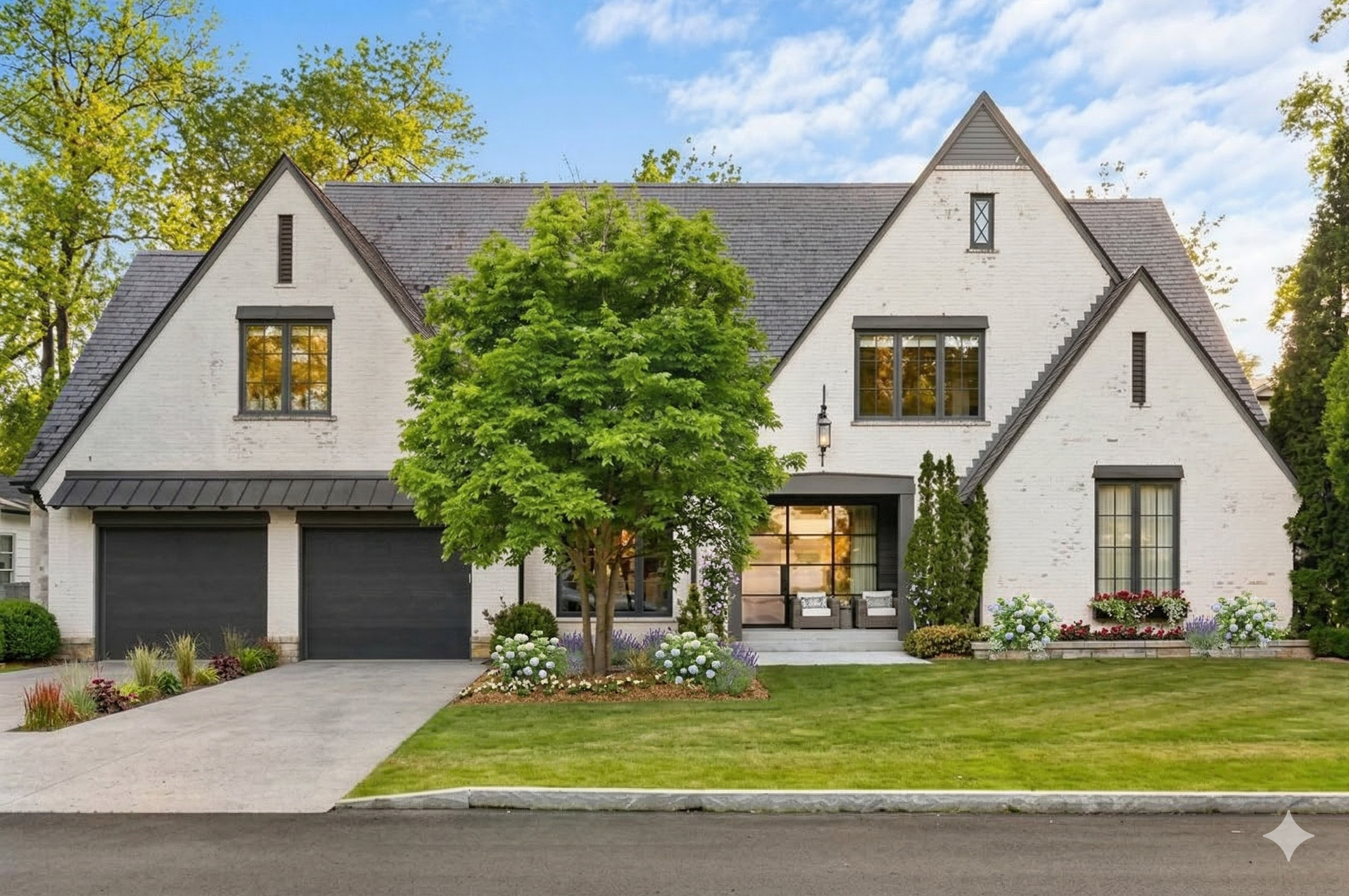
The Atlanta Buyer's Market Snapshot, Early 2026
Here is the current state of the Metro Atlanta market at a glance, pulled from Atlanta Realtors Association, GAMLS, BHHS Georgia, Redfin, Houzeo, and HousingWire data.
| Metric | Current Reading | What It Means |
|---|---|---|
| Median Sale Price (Metro Atlanta) | $400,000 – $438,000 | Stable year over year; growth has slowed from 2021–2022 pace |
| Median List Price | ~$430,000 | Slightly above national median of $425,000 |
| Median Price Per Square Foot | ~$188 | Well below national average of $210; you get more house per dollar |
| Months of Supply | 3.4 – 6.5 months | Balanced to buyer-favorable depending on submarket |
| Active Listings (11-county core) | ~18,745 | Up 6.4% year over year; up ~25% since summer 2024 |
| Median Days on Market | 42 – 84 days | Roughly double the pandemic low; more time to think and negotiate |
| Listings With Price Reductions | 34% – 41% | Far above long-run normal of 20–25%; seller pricing is catching up to market |
| Median Price Reduction | ~6.4% (~$29,845) | Meaningful discount off original list among reduced homes |
| Median Sale-to-List Ratio | 96.7% | Buyers paying ~3.3% under list on average; seller pricing power is weaker |
| Homes Sold Above List | 16.4% | Down from 45%+ at the pandemic peak; bidding wars are rare |
| Sales With Seller Concessions | 62% | Concessions are the default, not the exception; average ~$4,000 |
| Relisting Rate | 24.4% | Nearly 1 in 4 active listings has been taken off and relisted; well above typical 10% |
Sources: Atlanta REALTORS® Association, GAMLS, BHHS Georgia, Redfin, Houzeo, HousingWire, Path & Post (Q1 2026 data).
A few things stand out in this data that deserve direct commentary.
First, time on market has doubled from the pandemic lows. The Adams Realtors Intown report clocked average days on market at 42 in March 2026, up 3% from the prior year. Metro-wide time to contract sits at 67 to 84 days depending on source and geography. That is a market where buyers get real time to think, schedule second showings, compare with other listings, and walk through with an inspector before a contract is on the table.
Second, Atlanta's median list price is slightly above the national median ($430,000 vs $425,000) but the price per square foot is materially below ($188 vs $210). You get more house per dollar in Atlanta than you do in the country as a whole. That has been true for a while, and in 2026 it is still one of the strongest reasons Atlanta stays on corporate relocation lists even as costs have risen.
Third, seller concessions are not just common. They are the default. GAMLS reported 62% of 2025 sales closed with seller concessions averaging around $4,000. When you add builder incentives on new construction (which can hit $35,000 to $60,000 in flex cash, plus rate buydowns), the real economics of a 2026 purchase can be meaningfully better than the list price suggests.
Where Buyer Negotiating Power Is Highest (By Price Band)
Not every corner of Atlanta is soft. Buyer leverage in 2026 is concentrated, and knowing where it sits is how you turn market conditions into an actual discount on an actual house.
Here's how leverage stacks up by price band, based on current inventory dynamics, days on market, and price reduction rates.
| Price Band | Buyer Leverage | Typical Discount Off List | Best Negotiating Levers |
|---|---|---|---|
| Under $350K | Low | 0 – 2% | Stale listings (60+ days), seller-paid closing costs, DPA programs |
| $350K – $600K | Moderate | 2 – 4% | Price, closing costs, rate buydowns, inspection credits |
| $600K – $1M | Strong | 3 – 5% (more on 90+ DOM) | Price, 2-1 rate buydowns, inspection credits, stacked concessions |
| $1M – $2M | Very Strong | 5 – 10% | Price, long DOM leverage, seller paper concessions, closing flexibility |
| $2M+ | Highest | 8 – 15% (sometimes more) | Price, all-cash or clean financing leverage, time-based pressure on sellers |
Ranges reflect current Metro Atlanta market conditions (Q1–Q2 2026). Individual property negotiations depend on days on market, seller motivation, property condition, and submarket dynamics. Trophy luxury properties ($3M+) in top-tier enclaves may trade outside these ranges.
Under $350K
This is the most competitive segment in Metro Atlanta. Inventory is tighter here than anywhere else because affordability constraints concentrate buyers into this band. First-time buyers, down payment assistance applicants, and investors are all fishing in the same pool.
Expect homes under $350K in desirable submarkets (Decatur, East Atlanta, Ormewood Park, parts of Kirkwood) to sell close to list, sometimes with multiple offers if condition and location align. Homes in this band that are sitting are usually sitting for a reason (condition, location, or pricing). Your leverage comes from identifying the homes that have been sitting for 60-plus days and writing a well-structured offer that accounts for what the market is telling you.
$350K to $600K
This is the sweet spot of Metro Atlanta housing demand. The bulk of the region's median-priced inventory falls here, which also means the bulk of the relisting, price reduction, and stale inventory activity happens here.
Path & Post's March 2026 data called this price band "the most competitive area for buyers this spring," and that framing works if you flip it: in a market this size and this soft, competition means leverage for the informed buyer. You have options. Many options. That means you can afford to be selective, to push back on seller counter-offers, and to walk if terms don't work. The worst thing a buyer in this range can do in 2026 is fall in love with a single house.
$600K to $1M
Move-up buyer territory, and the first band where buyers have significant leverage on most listings, not just the stale ones. Homes in this range are sitting longer because the pool of qualified buyers at these price points has thinned with elevated interest rates. A $900,000 house carries a very different monthly payment at 6.75% than it did at 3%.
In this band, buyers can negotiate price, credits, rate buydowns, and repairs, often stacking multiple concessions into a single deal. Expect to see 3 to 5% off list as normal, with more on properties that have been sitting 90-plus days.
$1M to $2M
This is where buyer leverage gets interesting. Luxury inventory has been rising across North Atlanta (Alpharetta, Milton, Johns Creek, Buckhead micro-neighborhoods) and parts of Intown (Old Fourth Ward, Grant Park, Buckhead). Homes in this range are often sitting 90, 120, even 180 days before finding a buyer.
When a $1.4M listing has been on the market since last fall, the seller knows something. A well-researched offer at 90 to 92% of list, with clean terms and a demonstrated ability to close, gets taken seriously. Two or three years ago, that same offer would have been dismissed. In 2026, it starts a real conversation.
Over $2M
The luxury market is bifurcated. The top end of the top end, meaning the truly exceptional properties in Chastain Park, Haynes Manor, Milton's horse country, and the Buckhead trophy listings, still move on their own timeline and their own rules. But everything below that, the good-but-not-exceptional $2M to $5M range, is the softest segment of the entire Metro Atlanta market.
Time on market in this band routinely stretches past six months. Price reductions of 10% or more are not unusual. Buyers with the liquidity to play in this market have more leverage than they have had at any point since 2014, and sellers in this band, many of whom bought between 2020 and 2022 at peak pricing, are facing a market that will not pay what they paid.
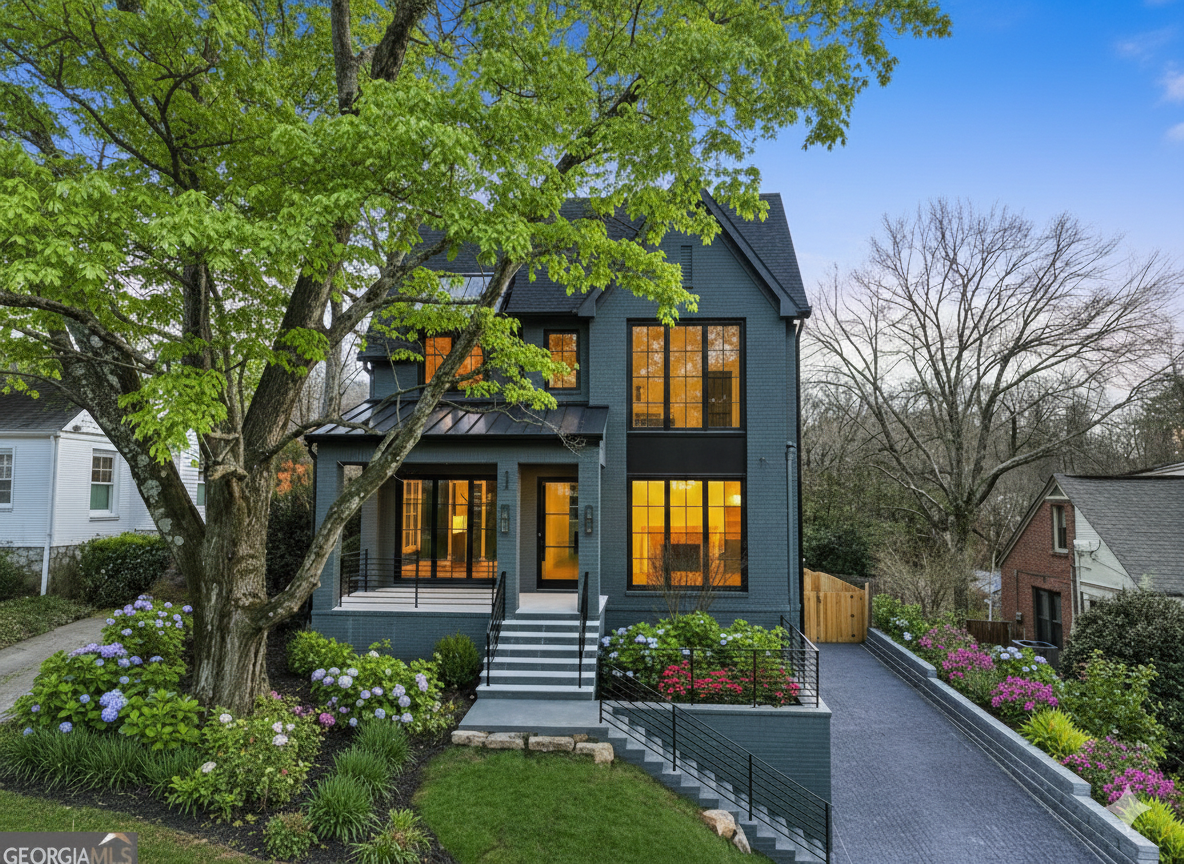
Where Buyer Negotiating Power Is Highest (By Submarket)
Price band is one lens. Geography is another. Atlanta is not a single market, it is a collection of 40-plus submarkets with their own dynamics. Here is where the softest conditions are showing up right now.
Luxury North Atlanta (Alpharetta, Milton, Johns Creek, Forsyth County)
Some of the softest conditions in the metro. Forsyth County median list price is $720,000 with a Market Action Index of 32 (Path & Post, March 2026), which reads as a lightly seller-leaning market, but the dynamics at individual price points tell a different story. $900K to $1.5M homes in Milton and Alpharetta are sitting. Canton, at $625K median, is in the same position. Inventory is up, time on market is up, and sellers are making price cuts. If you're a relocation buyer in the luxury band with kids targeting a specific school district, 2026 is a materially better year to be shopping than 2022 or 2023 was.
Southwest and South Atlanta (West End, Adair Park, Oakland City, Pittsburgh, Capitol View, Summer Hill)
This area tells a more complex story. On one hand, these are some of the most affordable BeltLine-adjacent neighborhoods in the city, and investor demand has supported pricing. On the other hand, the sellers in this area are often small-scale or first-time investors who misjudged what their renovation was worth, and homes sitting at aspirational pricing are common.
You can find real deals here. You can also overpay for a lipstick-and-finishes renovation if you don't know what you're looking at. This is the submarket where a sharp agent earns their fee.
For more on these neighborhoods specifically, I've written detailed guides on West End and the surrounding Westside historic cluster.
Intown Mid-to-Upper Tier (Grant Park, Ormewood Park, East Atlanta, Old Fourth Ward)
Mixed. The bottom tier of these neighborhoods (under $500K, well-located) still moves fast. The top tier ($700K to $1.2M) has softened noticeably. A renovated Craftsman in Grant Park that would have moved in a week in 2022 now sits for 30 to 60 days and usually takes a price adjustment. If your target neighborhood is in this tier and you've been waiting, 2026 is the year to engage.
Gwinnett, Henry, and South Metro Suburbs
Some of the softest per-dollar deals in the metro. Median Gwinnett and Henry County prices have compressed relative to Atlanta core, and inventory is up. New construction here is aggressive with incentives (flex cash, rate buydowns, closing cost credits). If your priorities include newer homes, larger lots, and commute tolerance, this is a buyer's market in the real sense.
Cobb County (East Cobb, Marietta, Vinings, Smyrna, Kennesaw)
Cobb County is holding value better than most submarkets thanks to the continued demand for Walton, Lassiter, and Pope school zones. East Cobb's median list price is holding, Marietta is still showing some seller leverage (MAI 37 per Path & Post), and Smyrna and Vinings inventory remains active. But even here, 42% of Cobb listings have had a price reduction. You negotiate differently in Cobb than you do in Forsyth or Henry, but you still negotiate.
The City of Atlanta Proper
The buyer's market is most visible inside the city. Houzeo's 6.5-month supply figure and 66% price reduction rate in December 2025 are numbers that, in any other era, would have signaled recession pricing. They don't mean a crash. They mean real leverage. If you are buying in the City of Atlanta in 2026 and not negotiating, you are leaving money on the table.
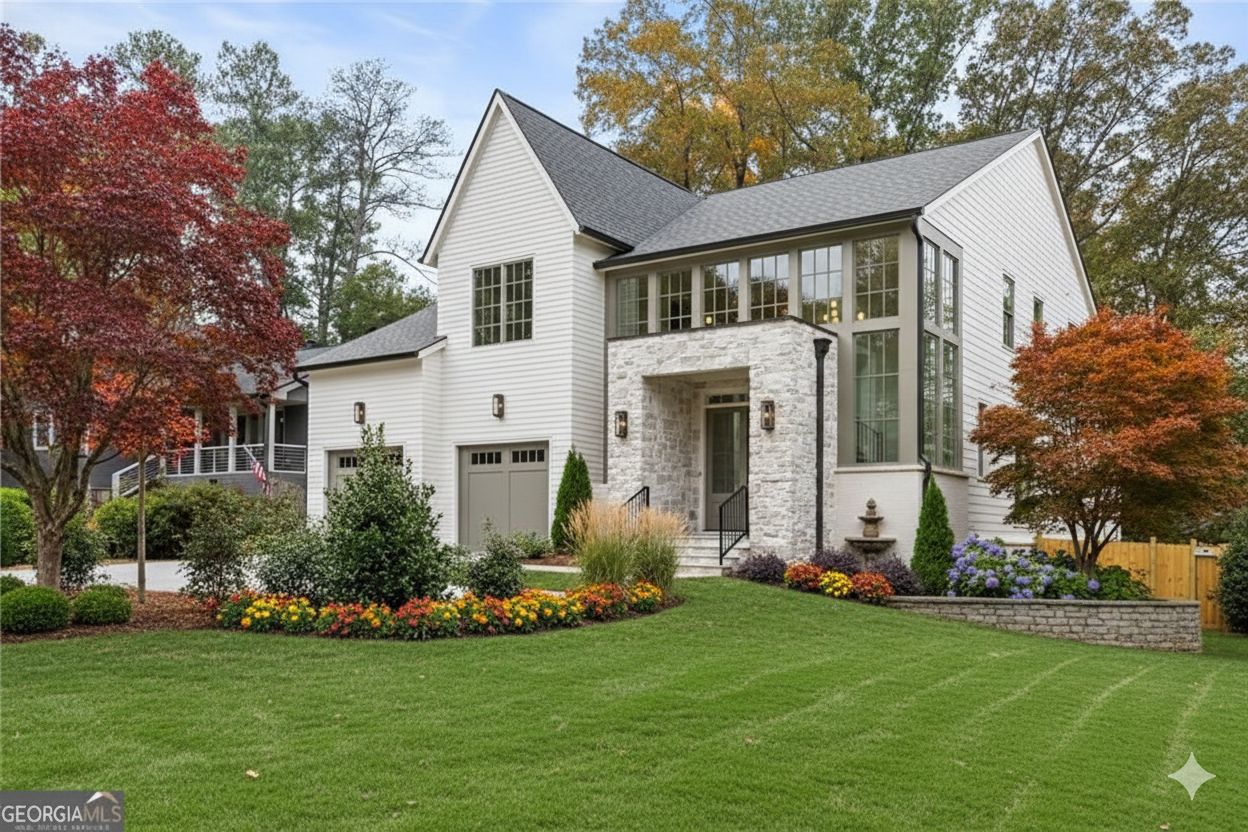
Why The Market Softened (And What It Does And Doesn't Mean)
Every buyer wants to understand if the softening is temporary or structural before they commit. Here's my honest read on what shifted and why.
Interest rates have reset buyer affordability
The single biggest factor. When mortgage rates went from 3% to 7% between 2021 and 2023, the monthly payment on a median-priced Atlanta home roughly doubled. That priced a lot of buyers out, pushed others to smaller homes, and pushed others to delay entirely. NAR projects rates to average around 6.1% in 2026, down from the 2023-2024 peaks but still materially above pandemic levels.
Atlanta's home prices never fell, but the pool of qualified buyers thinned significantly, and inventory caught up.
Inventory has genuinely rebuilt
For years, the narrative was housing shortage. In Atlanta, that has largely reversed in the core counties. Per the Atlanta Realtors Association, core-county active listings rose 25% year-over-year into summer 2025. New construction has kept pace. Resale sellers, many of whom held off listing during the pandemic, started listing in 2024 and 2025. The cumulative effect is a market with meaningfully more options for buyers than it had 24 months ago.
Seller pricing expectations are lagging the market
A lot of the price reduction activity comes from sellers who anchored to 2021-2022 peak pricing and are slowly accepting that 2026 is a different market. Path & Post reported a 24.4% relisting rate in March 2026 (nearly 1 in 4 homes taken off and put back on), well above the typical 10%. That's aspirational pricing meeting reality.
Metro Atlanta population growth is still strong
Here's what the softening doesn't mean: Atlanta is not a declining market. The Atlanta Regional Commission reported the 11-county region added 64,400 residents between April 2024 and April 2025, bringing total population above 5.28 million. The City of Atlanta grew 2% in one year, driven by multifamily housing in Midtown and along the BeltLine. Forsyth and Cherokee counties each grew 2.4%. ARC projects the region to hit 7.9 million by 2050.
Atlanta's buyer's market is about rebalancing, not retrenchment. The long-term demand fundamentals are intact. Corporate relocations continue, the 2026 FIFA World Cup is drawing investment and infrastructure spending, and new residents keep arriving. But the short-term picture, today, right now, gives buyers leverage they haven't had in years.
How to Actually Use Your Negotiating Power in 2026
Knowing the market is soft is one thing. Converting that into a better deal on a specific house is another. Here is what actually works in 2026, in the order it matters.
1. Get fully loan approved, not just pre-approved
This matters more than it ever has. The Atlanta housing market's biggest current friction point, as multiple local agents have confirmed, is contract terminations. Roughly one in five contracts in Metro Atlanta is falling apart during due diligence, largely because of financing issues, inspection surprises, and buyer cold feet.
If you want to stand out in a market where the last three offers on the same house fell through, come in with full loan approval, not pre-qualification. That signals to the seller you can actually close, and in a market where certainty is scarce, certainty is a negotiating lever.
2. Price your offer off the data, not the list price
Every offer I write in 2026 starts with a comp analysis of the last 90 days in that specific submarket, adjusted for condition, square footage, and lot. If the data supports $585K on a home listed at $625K, we offer $585K with clean terms. We don't reflexively come in at 95% of list because that's what we did in 2022. We come in at what the data says.
Sellers who are serious will counter. Sellers who are anchored to aspirational pricing will reject, and their home will sit for another 60 days before they come back to you.
3. Ask for rate buydowns, not just price reductions
This is where most buyers leave money on the table. A rate buydown, especially a 2-1 buydown where your rate is 2% lower in year one and 1% lower in year two, can save $300 to $800 per month in early ownership. On a $500,000 loan, a 2-1 buydown typically costs the seller around $15,000 to $20,000 in concessions, but it saves the buyer far more in cash flow during the years when it matters most.
A lot of sellers would rather give you $20,000 in a rate buydown than cut their list price by $20,000, because the comps for their neighbors look better with a higher sale price. Everyone wins. Ask for it.
4. Negotiate the inspection, every time
Georgia contracts give buyers a due diligence period with real leverage. In 2026, sellers are expecting you to come back after inspection with a repair or credit request. They are not expecting you to accept the home as-is. Your inspection report is the single most powerful negotiating tool in the back half of a Georgia real estate transaction. Use it.
This doesn't mean nickel and diming over a loose outlet cover. It does mean identifying the significant items (roof age, HVAC, plumbing, structural) and negotiating a credit or repair that reflects real cost. In this market, sellers who refuse to negotiate inspection items often end up back on the market at a lower list price a month later.
5. Write clean terms, save the dollars for negotiation
This is counterintuitive in a buyer's market, but it matters. When a seller is weighing two offers, even slightly, they favor the one that feels easier to close. A 30-day close with verified financing beats a 45-day close with financing contingencies most of the time. An appraisal contingency you waive on a home you're confident is priced right is a credibility signal.
You're not giving up negotiating power by writing clean terms, you're directing it. Use clean terms to justify a lower price. "We're offering $560K on a $595K ask, with a 25-day close and verified financing. That's a genuinely clean offer." That conversation is different from "We're offering $560K on a $595K ask with a dozen contingencies."
For a deeper dive on how negotiation is actually playing out in this market, my post on negotiating in the 2026 Atlanta market walks through specific tactics by buyer and seller type.
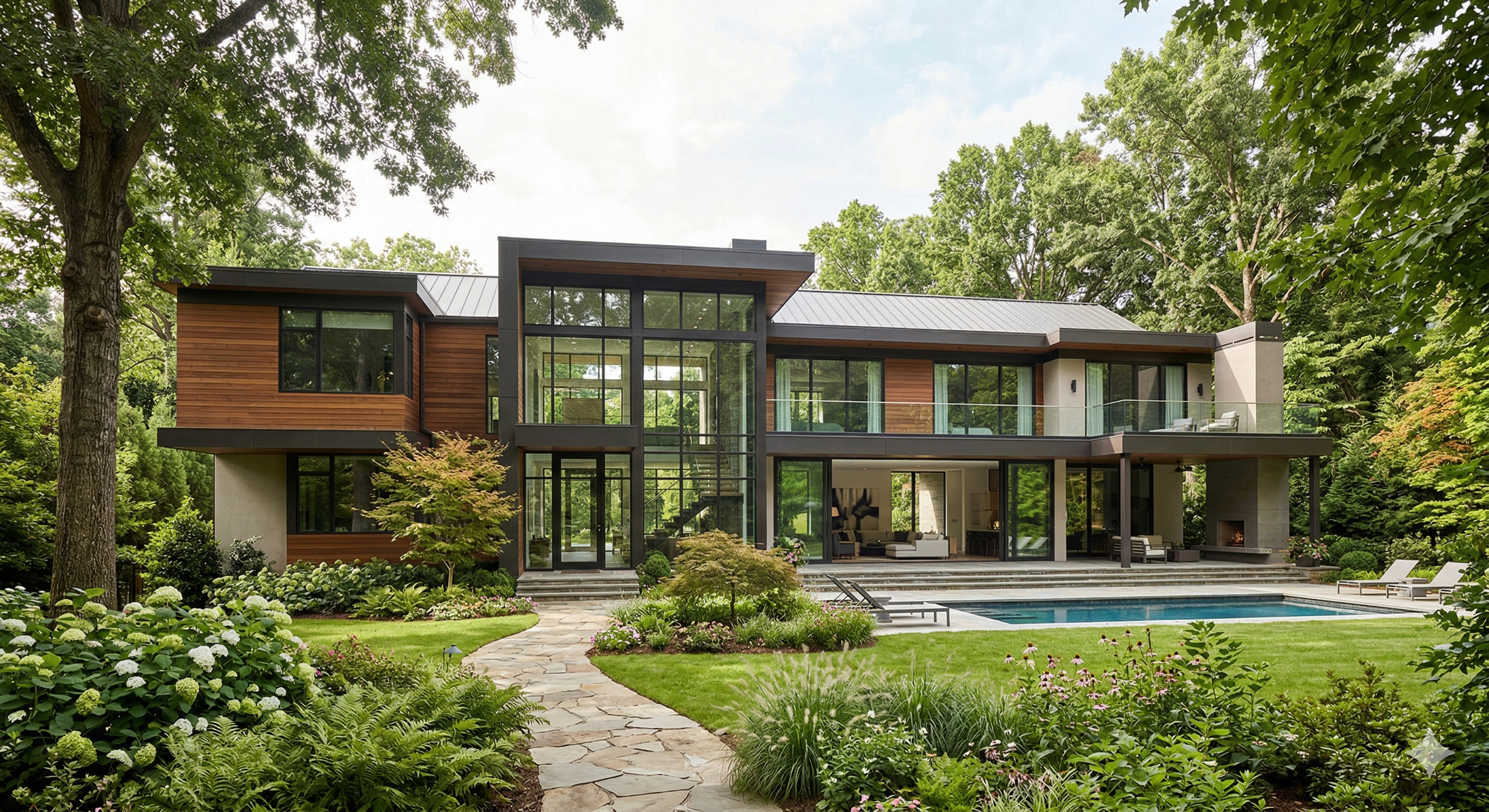
The New Construction Opportunity in 2026
New construction deserves its own section because the economics here are genuinely different, and a lot of buyers overlook them.
Nationally and in Atlanta, builders are competing harder than resale sellers for buyers. They carry the capital costs of finished inventory, they have quarterly sales targets, and they have access to in-house lenders who can structure rate buydowns that resale sellers simply can't match.
In Atlanta specifically, current builder incentives include:
Beazer Homes: $35K "Spend Your Way" flex cash on to-be-built homes
Ashton Woods: $60K flex cash at East Harbor II at Chestatee
Davidson Homes: zero down payment program for qualifying buyers
Smith Douglas: 3.99% 5/1 ARM with $0 closing costs on quick move-in homes
Taylor Morrison and others: rate buydowns, closing cost credits, design upgrades
When you add $30,000 to $60,000 in incentives on top of a builder base price that is often already 5 to 10% below resale comps for similar houses, the total buyer value can be significant.
A few things to understand about builder incentives:
They are almost always tied to using the builder's preferred lender
They apply the same whether you have a buyer's agent or not (you should have one; it does not reduce your leverage)
They can change fast, especially at quarter-end and year-end
They are not always the best deal (sometimes resale with a great price reduction wins, sometimes the builder is offering $60K because the community has problems)
If you're open to new construction, this is a strong year to consider it, particularly in Gwinnett, Cherokee, Forsyth, Paulding, and Henry counties, where builders are most aggressive. Just do the math carefully and don't let the incentive dollar amount be the only thing you evaluate.
What the Buyer's Market Is NOT
There's a narrative going around that buyers should wait because prices are going to fall further. Let me be direct: I don't buy it, and the data doesn't support it.
Atlanta is not crashing. Redfin's national housing market "reset" framing is the right read. Price growth is slowing, not reversing. NAR forecasts 4% national price appreciation in 2026. Atlanta's median sale price in September 2025 was $411,000 per the Atlanta Realtors Association, with a slight softening trend, but nothing resembling a 2008-style correction.
Inventory is rebuilding, not flooding. The 11-county core is at 4 to 6 months of supply depending on source, which is the textbook definition of a balanced-to-slightly-buyer-friendly market, not an oversupplied one. The City of Atlanta is in deeper buyer territory, but that's a specific subset of the metro.
Rates are expected to ease, which will bring buyers back. NAR projects average 2026 rates around 6.1%. If rates compress toward 5.5 to 5.75% later in the year, a meaningful wave of sidelined buyers re-enters the market. That tends to reabsorb inventory and reduce the buyer's leverage that currently exists.
If you're waiting for a 2008-style crash, you're likely going to be waiting a very long time, and in the meantime you'll miss the window where inventory is high and competition is low. That window is now.
The timing play for buyers is not to wait for prices to drop. It's to buy now while leverage is high, negotiate aggressively, and refinance if rates ease. Marry the house, date the rate.
Who Should Buy in 2026 (And Who Shouldn't)
The 2026 market rewards specific buyer profiles. It punishes others. Here's the honest cut.
2026 is an excellent year to buy if:
You have stable employment and plan to stay in the home 5-plus years
You're a relocation buyer who needs to move regardless of market timing
You're a move-up buyer with equity in your current home and targeting $600K to $2M
You're a first-time buyer willing to use down payment assistance and buy in a softer submarket
You're an investor targeting long-term hold (cash flow is harder than it was in 2019 but appreciation fundamentals are intact)
You're open to new construction with significant builder incentives
2026 is not a great year to buy if:
You're trying to flip in under 2 years (margins are thin and comp risk is real)
You can't qualify for a comfortable monthly payment at current rates and are planning to stretch
You're emotionally attached to a specific house in a specific tight submarket and cannot walk away from a bad deal
You're treating Atlanta like a growth stock and expecting 10%+ annual appreciation (that era is not this era)
For first-time buyers specifically, this market favors you more than any year in the last decade. Price cuts are common, sellers are offering concessions, and down payment assistance programs in Georgia remain accessible. If you're a first-time buyer sitting on the sidelines waiting for "better," the better you're waiting for is already here.
Where the Market Goes Next
I don't predict markets, and anyone who does should be held to their predictions six months later. But here's what the forward indicators suggest for the rest of 2026.
Inventory will likely peak in spring and ease by fall. Historical patterns plus builder delivery schedules suggest peak active listings in April-June. If rates compress, absorption picks up and by Q4 2026, inventory levels start normalizing.
Price reductions are likely to stay elevated through summer. Sellers who listed in late 2025 at aspirational pricing will cycle through reductions, relistings, and eventual realistic pricing over the next six months.
World Cup impact is real but localized. The FIFA 2026 World Cup brings real infrastructure spending and short-term rental demand to Atlanta, but that's concentrated in downtown, Summerhill, the BeltLine corridor, and West End near Mercedes-Benz Stadium. It doesn't broadly move the suburban market.
Rate cuts remain the most important variable. If the Fed cuts rates meaningfully in 2026 and mortgage rates follow toward 5.5%, this buyer's market window closes fast. If rates stay at 6 to 6.5%, current conditions persist.
The buyers getting the best deals in Atlanta right now are the ones who are engaged, preapproved, working with an agent who actually negotiates, and moving decisively when the right house appears at the right price. They aren't waiting for the perfect moment. They're recognizing that the current moment is already very good.
Frequently Asked Questions: Atlanta Buyer's Market 2026
Is Atlanta actually a buyer's market in 2026?
Yes. Multiple data points confirm it. Inventory is at 3.4 to 6.5 months of supply depending on geography, 34 to 40% of listings have had price reductions, the median sale-to-list ratio is 96.7%, and time on market averages 67 to 84 days. All of these point to buyer-favorable conditions, with particular strength in the City of Atlanta and in the $600K-plus price bands.
How much can I negotiate off list price in Atlanta right now?
It depends heavily on the price band, submarket, and how long the home has been listed. A realistic range across the metro is 2 to 6% off list on homes that have been active 30 to 60 days, and 6 to 12% off on homes active 90-plus days. Luxury homes over $2M with extended market time can negotiate further. Homes under $350K in desirable submarkets may still sell close to list with minimal concessions.
Which Atlanta submarkets give buyers the most leverage?
In order of softness: the $2M-plus luxury band broadly, $1M to $2M in North Fulton (Alpharetta, Milton, Johns Creek), the City of Atlanta generally, South Metro and Henry County at most price points, Gwinnett suburbs, and $600K to $1M move-up inventory across the metro. The submarkets where buyers have the least leverage are Cobb County's Walton/Lassiter/Pope school zones, under-$350K inventory in walkable Intown neighborhoods, and trophy luxury in Chastain Park, Haynes Manor, and top Buckhead pockets.
Should I wait for home prices to drop more before buying?
The data does not support waiting. National and local forecasts project flat to modestly positive price growth in 2026, not declines. Waiting also means missing the current leverage window: if rates ease in late 2026 or 2027, sidelined buyers re-enter, inventory absorbs, and seller leverage returns. The best move in 2026 is to buy while leverage is high and refinance if rates fall.
What are seller concessions and how much can I expect in 2026?
Seller concessions are credits the seller pays at closing that the buyer can apply to closing costs, a mortgage rate buydown, or specific repairs. In 2026, GAMLS data showed 62% of Atlanta sales closed with concessions averaging $4,000. On a $500,000 transaction, typical concessions run $5,000 to $15,000. New construction builder concessions can run significantly higher, often $20,000 to $60,000 in flex cash plus rate buydowns.
Is new construction or resale a better deal in Atlanta right now?
Both can work. New construction is particularly competitive in 2026 because builders are aggressively using incentives to move inventory. $35,000 to $60,000 in builder flex cash plus a rate buydown can beat a comparable resale deal on a dollar basis. Resale wins when you want an established neighborhood, mature trees, a specific school zone, or lower HOA exposure. I walk through both options with every buyer and the right answer depends on priorities.
How do mortgage rates affect my 2026 buying decision?
Rates are the single biggest variable in your monthly payment. At 6.1% (NAR's 2026 projection), a $450,000 mortgage runs about $2,725/month principal and interest. At 5.5%, that same loan runs $2,555/month, saving $170/month or about $2,000/year. The prevailing strategy in this market is to buy the right house now, negotiate a rate buydown for the early years, and refinance when rates improve. Waiting to buy until rates drop is risky because when rates drop, home prices rise and competition returns.
What should I look for in a home that has been sitting on the market?
Three things. First, the number of price reductions and the cumulative discount from original list (a home reduced three times has something going on). Second, the days on market total, not just since the last relist (relisting resets the public counter, not the actual time on market). Third, the specific reason it's sitting: condition, pricing, location, or seller inflexibility. Your agent can usually tell which one it is within one showing and a conversation with the listing agent. If it's pricing or seller inflexibility, you have real negotiating room. If it's condition, the price reflects real issues you need to price into your decision.
Is Atlanta going to have a housing crash like 2008?
No serious analyst is forecasting that, and the fundamentals don't support it. In 2008, Atlanta (and the country) had massive overbuilding, sub-prime lending abuse, and highly leveraged buyers. Today's market has thin inventory relative to long-term demand, conservative lending standards, and buyers with significantly more equity. What we have in 2026 is price moderation and a buyer-favorable rebalancing, not a structural collapse. That said, specific submarkets (pandemic-boom secondary cities, some Sun Belt overheated zones) may see larger corrections. Atlanta's core fundamentals, including population growth, corporate relocations, and infrastructure investment tied to the 2026 FIFA World Cup, remain strong.
How long will this buyer's market last?
Unknown, but the most likely window is through 2026 and potentially into early 2027. The two things that close the window are meaningful mortgage rate compression (below 5.5%) and a slowdown in new listing activity. If rates drop and inventory tightens simultaneously, the buyer's market can flip back to neutral or seller-leaning within 3 to 6 months. That's why decisive, well-prepared buyers are the ones winning in 2026.
What's the best price band to buy in for investment purposes in 2026?
For long-term rental hold, the $250,000 to $450,000 single-family band in Cobb, Gwinnett, and Forsyth counties is showing strong rent growth fundamentals per multiple analyses. CRE Daily projects Atlanta to rank second nationally for multifamily rent growth in 2026. For appreciation-focused investment, BeltLine-adjacent neighborhoods in Southwest Atlanta (Capitol View, Sylvan Hills, Pittsburgh) continue to offer value plays, though these require careful property-level due diligence. Investment strategy should always match your specific holding period, risk tolerance, and local market knowledge.
Does the 2026 FIFA World Cup affect Atlanta home prices?
Directly, it's a short-term event impact. Indirectly, the infrastructure investment tied to the World Cup (Centennial Yards, BeltLine acceleration, downtown improvements) has long-term effects on specific neighborhoods. Short-term rental demand in intown Atlanta has already spiked 1,000 to 5,000% per VRBO and Airbnb data. Long-term, the most durable impact is in Downtown, Summerhill, Vine City, West End, and BeltLine-adjacent neighborhoods, where the infrastructure spend will matter long after the tournament ends.
Bottom Line
Atlanta in 2026 is a buyer's market, with leverage concentrated in specific price bands and submarkets. Homes are sitting longer, price cuts are common, sellers are negotiating concessions and rate buydowns, and builder incentives are real money. The buyers who win this market are the ones who show up prepared, write data-driven offers, use their inspection leverage, and work with an agent who actually negotiates on their behalf.
I work with buyers throughout Metro Atlanta, and know the submarket-by-submarket dynamics in detail. Whether you're relocating, buying your first home, moving up, or investing, 2026 is a strong year to be buying in Atlanta if you approach it right.
Visit kristenjohnsonrealestate.com or reach out directly. Come as you are, come on home.
Looking for more Metro Atlanta market insight? I've written on negotiating in the 2026 Atlanta market, how much homes cost in Kirkwood, how much your Grant Park home is worth in 2026, and living in West End. Browse the full guide series at kristenjohnsonrealestate.com.