

Living in Clarkston GA: Refuge Coffee, International Food Corridor & Home Prices 2026
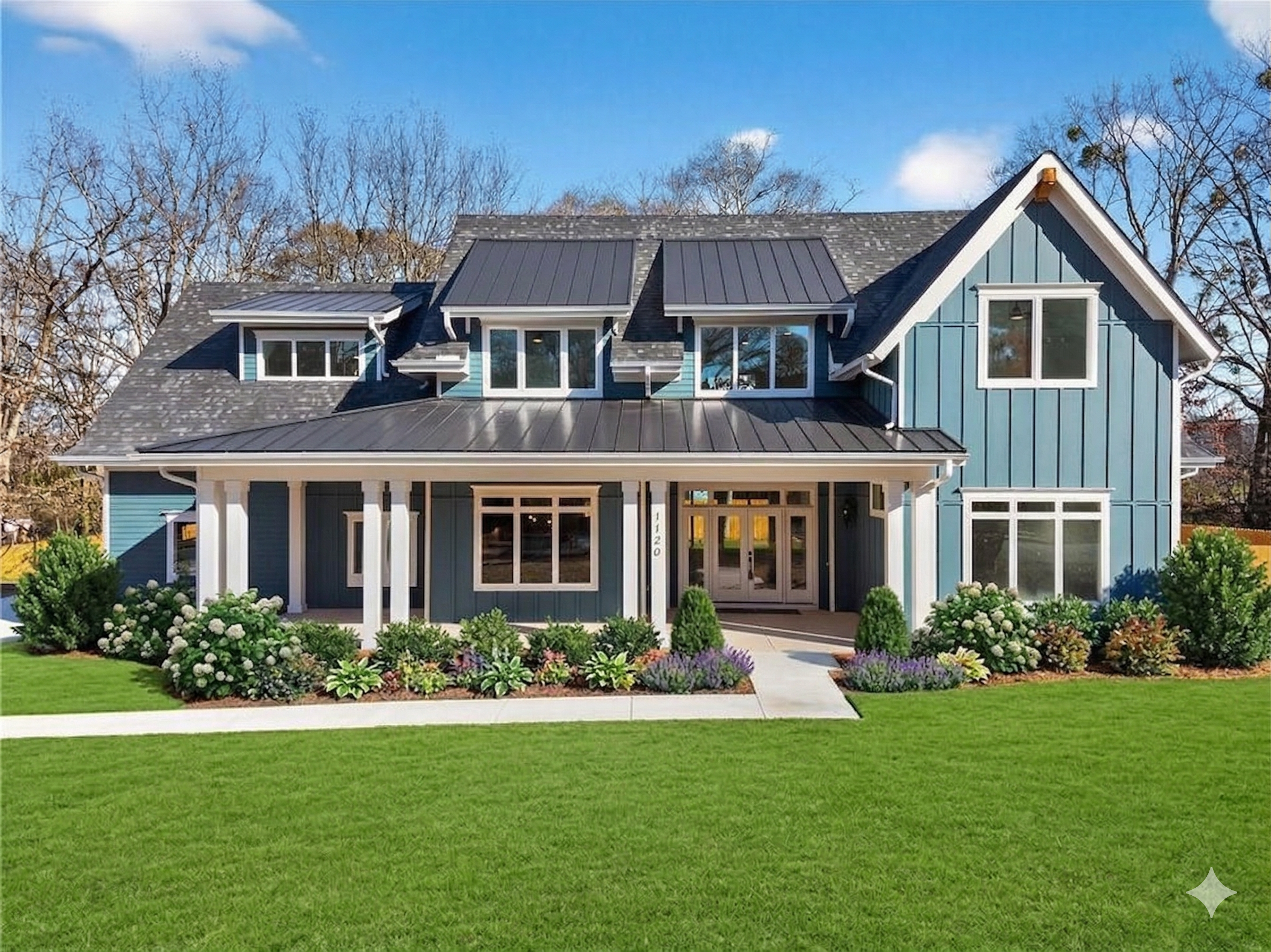
Clarkston sits about 10 miles east of downtown Atlanta, just inside DeKalb County and just outside the perimeter, and the first thing most people notice when they drive down East Ponce de Leon Avenue is that they're not in a typical Metro Atlanta suburb. The signs in the shopping centers are in Amharic, Arabic, Burmese, and Nepali. The restaurants serve injera, pho, jerk chicken, and hand-pulled noodles in the same strip. Refuge Coffee Co. — a nonprofit coffee shop that trains and employs newly arrived immigrants — anchors a corner of Market Street and has been the unofficial town center for years. If you've spent most of your Metro Atlanta house-hunting in Dunwoody or Decatur or East Cobb, Clarkston is going to feel different. That's not a warning. It's just the honest framing.
I work with buyers across Metro Atlanta, and Clarkston comes up in two very specific kinds of conversations. The first is with buyers looking for the most affordable single-family housing in DeKalb County with reasonable access to the city. The second is with buyers — often from outside Atlanta — who specifically want to live somewhere that doesn't look and feel like every other suburb in the metro. Clarkston is a place with a specific identity, a specific history, and a real community infrastructure around that identity.
Nearly a decade helping Atlanta buyers means I know what the numbers don't show, and in Clarkston that matters.
Here's what you need to know.
What Is Clarkston, and Where Is It?
Clarkston is an incorporated city in DeKalb County, covering approximately 1.4 square miles. That's it. It's small — one of the smallest municipalities in the metro — but it punches well above its size in terms of observable cultural infrastructure and community density.
It's bordered by Tucker to the north, Scottdale to the west, Stone Mountain to the east, and the unincorporated Briarwood/Memorial Drive corridor to the south. Its main commercial corridor runs along East Ponce de Leon Avenue, with secondary activity along North Indian Creek Drive and Church Street. I-285 sits about a mile and a half to the west, with the nearest on-ramp easily accessible via Memorial Drive. Stone Mountain Freeway (US-78) runs along the northern edge of the city.
The city's zip code is 30021. All public schools serving Clarkston are part of the DeKalb County School District.
What makes Clarkston's geography worth understanding: it is genuinely walkable in a way that most DeKalb suburbs are not. The city is small enough that you can get from one end to the other on foot, and the concentration of services, businesses, and amenities along East Ponce de Leon means a lot of daily needs are accessible without a car. That is unusual for this part of DeKalb County.
Clarkston also sits adjacent to the western edge of Stone Mountain Park — you're closer to the park entrance than most people who describe themselves as living "near Stone Mountain." The park's Cherokee Trail runs to the southern edge of the city.
The Story Behind Clarkston
Understanding what Clarkston is today requires knowing how it got there, because the observable character of this city didn't happen by accident.
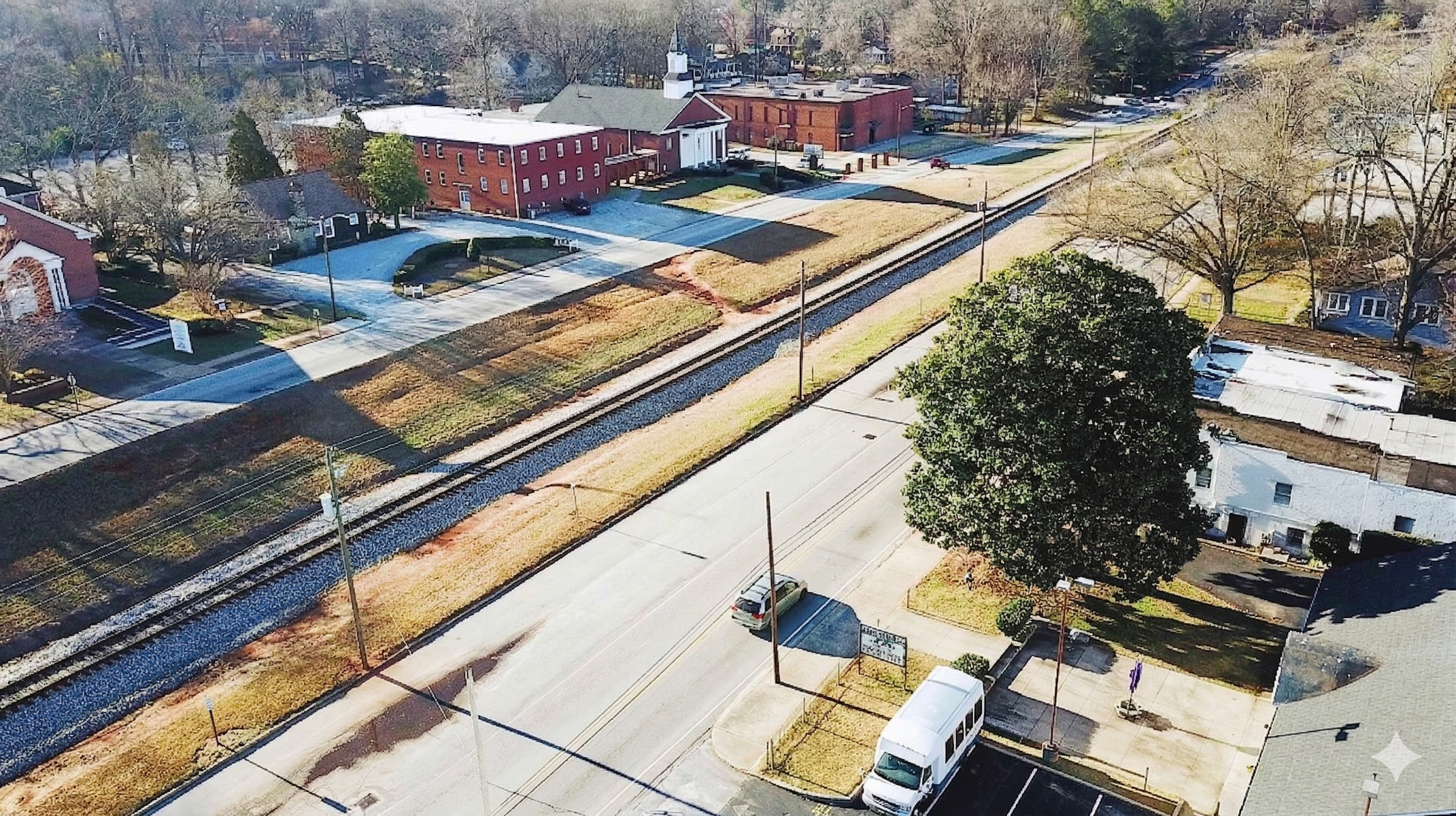
Clarkston's origins are conventional for a DeKalb suburb: it was incorporated in 1882, named after a Georgia Railroad director, and grew as a commuter suburb for people working in Atlanta. The Georgia Railroad made the commute viable, and for much of the 20th century Clarkston was a working-class white suburb — modest homes, small lots, older construction.
Beginning in the late 1980s and accelerating through the 1990s, that changed. Federal refugee resettlement agencies began identifying Clarkston as an ideal placement location: the housing stock was affordable, the proximity to Atlanta was good, and public bus transit on the MARTA network ran directly through town to employment centers. Families from Myanmar, Ethiopia, Somalia, Sudan, Bhutan, Vietnam, and dozens of other countries began arriving.
The volume of arrivals over four decades has been substantial — the city of Clarkston's own history documents the community transformation openly, and what exists on East Ponce de Leon Avenue today is a direct consequence of that history. The grocery stores, the halal butchers, the Ethiopian restaurants, the nonprofit organizations — these are businesses and institutions built to serve a specific community, and they've been there long enough to have permanence.
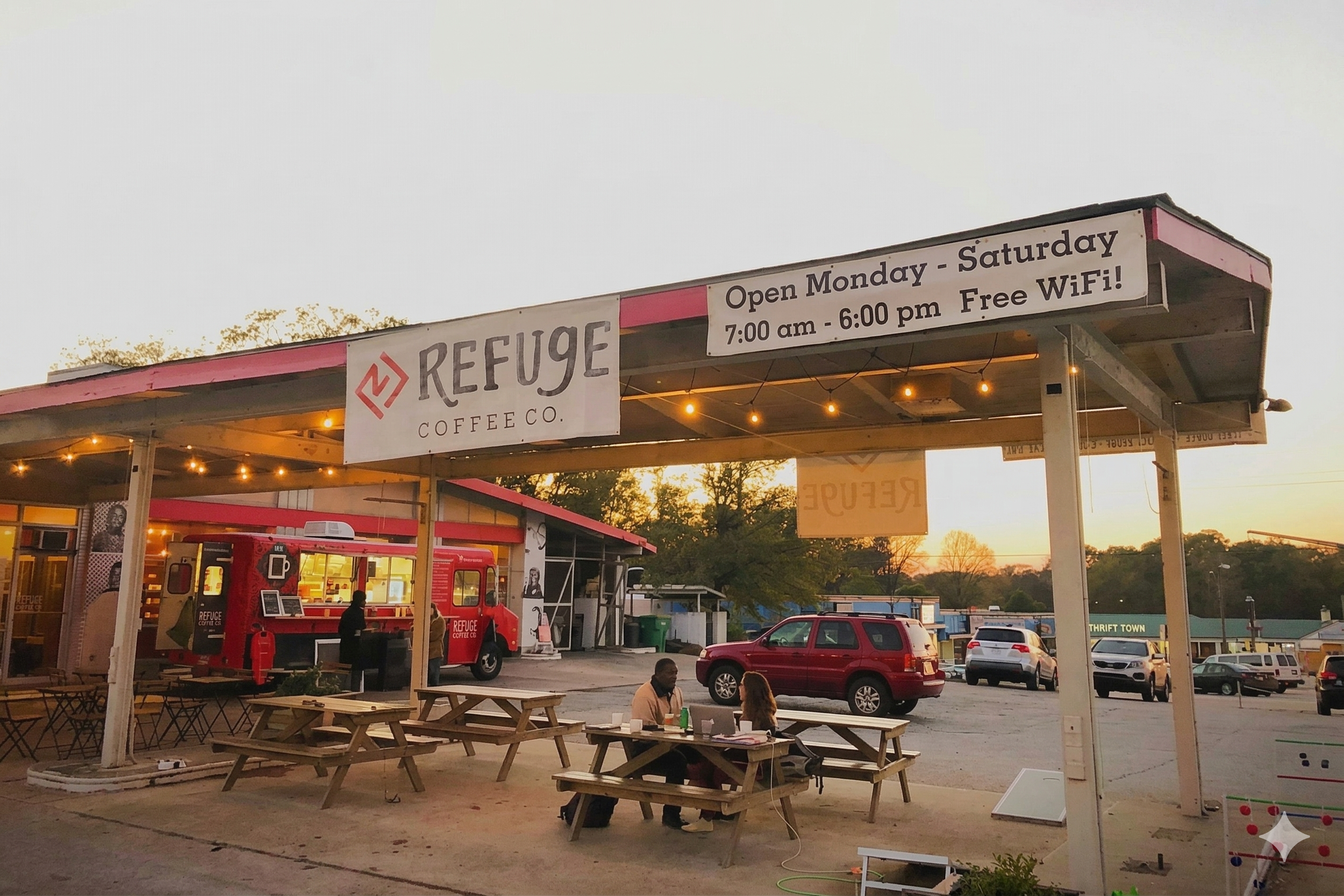
Organizations like Friends of Refugees, New American Pathways, and Refuge Coffee Co. grew up in Clarkston to support that transition process. Refuge Coffee specifically — founded as a nonprofit in 2014 at 4170 E Ponce de Leon Avenue — has become one of the most visible community institutions in the city, providing job training and employment to newly arrived immigrants alongside serving some of the best coffee in this part of DeKalb County.
What buyers evaluating Clarkston today are walking into is a city with a 40-year history of resettlement infrastructure, a specific retail and restaurant ecosystem built around that history, and a civic identity that leans into it.
What Does Clarkston Cost? Home Prices in 2026
Clarkston is one of the most affordable single-family markets in DeKalb County, and that's largely a function of its housing stock and its historical context.
Here's what the current data shows:
Median sale price: Depending on the source and time period, recent sale medians in Clarkston have run in the $270,000–$330,000 range. Redfin shows a median sale price around $275,000 for late 2025; Homes.com reports a 12-month median closer to $330,000. The variation reflects the small transaction volume — Clarkston doesn't have enough sales in any given month for the numbers to be highly stable. Plan for the true market price of a given property to depend more on the specific home and condition than on a single median.
Days on market: Homes in Clarkston are spending 44–94 days on market depending on the source and the period analyzed. This is longer than the metro average, which reflects the limited buyer pool and the specific product type. Homes in good condition and at the right price still move.
Price per square foot: Approximately $150–$165 per square foot for typical residential sales.
Price range: Active listings in Clarkston run from roughly $170,000–$180,000 (for smaller condominiums or older properties needing work) up to $400,000+ for the larger single-family homes or newer construction. Most single-family homes transact between $230,000 and $380,000.
Trend: Prices have softened modestly from peak levels. Year-over-year declines in some datasets reflect the normalizing Metro Atlanta market as much as Clarkston-specific dynamics.
The honest context for buyers: Clarkston's affordability is real, but so is its limited inventory. There are only about 3,900 total housing units in the city, and the mix skews heavily toward apartment and multi-family housing — single-family detached homes represent only about 19% of the total housing stock, with condominiums and apartments making up the majority. When single-family homes do come available, there's genuine competition.
For investors, Clarkston's rental demand is strong and consistent, driven by the resettlement infrastructure and the proximity to MARTA. Cap rates can be favorable here compared to other DeKalb submarkets. Do your due diligence on specific properties — the housing stock is older, and deferred maintenance is common.
Data sourced from Redfin, Zillow, Homes.com, and RocketHomes for the 2025–2026 period. Verify current figures directly — this market moves and a data pull from six months ago may not reflect today's conditions. Contact me at kristenjohnsonrealestate.com for a current market update specific to Clarkston.
What You Get for the Money: Price Tiers in Clarkston
Under $200,000 This range exists in Clarkston, primarily in the condominium and townhome inventory. You'll find smaller units with older finishes, properties that need cosmetic work, and some condominiums in complexes along the Memorial Drive corridor. Single-family detached homes at this price point are rare and typically need significant investment.
$200,000–$280,000 The entry point for single-family housing in Clarkston. In this range, expect smaller homes — 1,000–1,500 square feet — mostly built from the 1950s through the 1980s. Brick ranches are common. Finishes will be original or partially updated. Streets like Rowland Drive, Brockett Road, and the blocks off North Indian Creek Drive fall in this tier. These are houses that work well as rentals and entry-level ownership, and many have been maintained appropriately for their age.
$280,000–$380,000 Mid-range for Clarkston single-family. This is where you'll find the more updated homes — renovated kitchens and bathrooms, newer mechanical systems, maintained lots. Some newer construction and infill development has started to appear in this range. Expect 1,400–2,000 square feet, 3 bedrooms, a lot size typical of the 1960s–1980s suburban build-out.
$380,000+ The top of the Clarkston market. This price point represents the largest, most updated, or newest homes — some new construction, some extensively renovated older stock. Don't expect a large volume of listings here; it's thin at the top of this market. At this price point in Clarkston, you're often comparing against what $380,000–$400,000 buys in Tucker or Scottdale, and that comparison is worth making explicitly with your agent.
Getting Around: Commute from Clarkston
Clarkston's commute story is genuinely different from most DeKalb suburbs, and it matters to how you evaluate living here.
MARTA bus service runs directly through Clarkston via Route 125 (Clarkston), which connects to Kensington Station on the MARTA Blue Line. From Kensington, you have direct rail access to downtown Atlanta. Total trip time from a stop on E Ponce de Leon to Five Points station runs approximately 40–50 minutes including the bus leg and rail. This is slower than driving on a good day, but Clarkston has more reliable transit access than most of its neighboring communities, and that matters for buyers who commute by transit or who work for employers near MARTA rail stations. MARTA's NextGen Bus Network changes are rolling out in spring 2026 — verify current routing before you commit to a transit-based commute plan.
By car:
Downtown Atlanta: 20–25 minutes off-peak via I-285 West or US-78 West / Memorial Drive. During morning rush (7–9 AM), budget 35–50 minutes depending on your specific destination and entry point.
Midtown Atlanta: 25–35 minutes off-peak. Add 15–20 minutes during peak.
Decatur: 10–15 minutes. This is one of Clarkston's genuine commute advantages — access to Decatur's employment base and amenities is quick.
Emory / CDC: 15–20 minutes. Clarkston is closer to the Emory/Druid Hills corridor than many buyers expect.
Hartsfield-Jackson Airport: 30–40 minutes off-peak. I-285 South provides a relatively direct route.
Perimeter Center / Dunwoody: 25–35 minutes off-peak via I-285 North.
The honest picture: Clarkston works well for buyers commuting to downtown, Decatur, or the Emory corridor. It's less ideal for buyers whose daily drive takes them to the northwest suburbs (Marietta, Kennesaw, Alpharetta) without using I-285 as a connector — that's a legitimate 45–60+ minute commute each way.
Things to Do in Clarkston
The things-to-do story in Clarkston is mostly about food, community organizations, and proximity to Stone Mountain Park. It is not a nightlife destination, it does not have a walkable downtown in the Decatur or Kirkwood sense, and it doesn't have the kind of independent retail corridor that Oakhurst or Inman Park buyers expect.
What it has instead is real and specific.
Refuge Coffee Co. (4170 E Ponce de Leon Ave NE) — Already mentioned, but worth addressing as a place to spend time, not just a community institution. The coffee is excellent, the space has outdoor seating and good wifi, and it draws a genuinely eclectic mix of people. It's one of the better work-from-coffee-shop options on this side of DeKalb.
East Ponce de Leon Avenue food corridor — The stretch of E Ponce de Leon between Market Street and N Indian Creek Drive contains a concentration of restaurants representing cuisines from across East Africa, Southeast Asia, South Asia, and the Caribbean. Specific businesses change; the concentration of options does not. If you live in Clarkston and you eat at restaurants, this corridor will become a regular part of your life. Vietnamese, Burmese, Ethiopian, and Eritrean options are particularly well-represented.
International Farmers Market — Located just outside the city limits in Chamblee, but easily accessible and worth naming because Clarkston buyers frequently cite it as part of their grocery routine. One of the best international grocery options in the metro.
Stone Mountain Park — The western entrance and the Cherokee Trail are minutes from Clarkston proper. For buyers who want trail access and outdoor recreation without driving across the metro, this is a genuine asset. The park's 3,000+ acres include 15 miles of hiking trails, a lake, and recreational facilities.
Milam Park — Clarkston's original public park, opened in 1927 as DeKalb County's first public park. Small but functional, with a community center and recreational programming.
Friends of Refugees and other nonprofit community organizations host events, markets, and programming in Clarkston year-round. If that kind of civic engagement is part of what you're looking for in a neighborhood, it exists here in a form that's more developed than most Atlanta suburbs can claim.
Schools in Clarkston
Clarkston's public schools are part of the DeKalb County School District.
Jolly Elementary School serves the primary grades for much of the city. Verify zoning by specific property address — not every Clarkston address zones to the same elementary school.
Clarkston Middle School serves grades 6–8.
Clarkston High School (618 N Indian Creek Dr, Clarkston, GA 30021; 678-676-5302) serves grades 9–12. It is one of 28 high schools in the DeKalb County School District and enrolls approximately 1,400–1,440 students. The school serves students from more than 54 countries speaking 47+ languages, and is home to DeKalb County's only Hearing Impaired Program at the high school level. The AP participation rate is approximately 26%. U.S. News & World Report ranks Clarkston High School within a wide band in the Georgia state rankings; SchoolDigger places it 16th among ranked DeKalb County high schools.
Private and charter options accessible to Clarkston residents include Academe of the Oaks (Decatur), Fugees Academy (serving refugee and immigrant youth, located near Clarkston), and the range of options available in the broader DeKalb and metro Atlanta area.
Research and visit schools to determine fit for your family. Always verify zoning by specific property address.
How Clarkston Compares to Nearby Neighborhoods
Clarkston vs. Scottdale Both are affordable, both are in DeKalb County just east of the city, and both attract buyers who are looking for value near Atlanta. Scottdale has more single-family housing density and is slightly more established as a destination for Atlanta buyers making a first move toward ownership. Clarkston has better MARTA bus access and a more developed commercial corridor. Prices are comparable, though Scottdale has seen stronger appreciation momentum in recent years.
Clarkston vs. Tucker Tucker is larger, more established as a traditional suburb, and has more single-family inventory. Tucker's median prices are higher — typically $350,000–$450,000 range — reflecting better-maintained housing stock and a broader buyer pool. Tucker is the right pick if you want more suburban infrastructure and a more conventional neighborhood feel. Clarkston is right if budget is the primary driver and you're comfortable with the specific character of the market.
Clarkston vs. Avondale Estates No direct comparison in price — Avondale Estates is considerably more expensive, with medians well above $500,000. But buyers who are considering Clarkston for its walkability and proximity to Decatur sometimes also look at Avondale as an alternative with different trade-offs. Avondale is more polished with higher prices; Clarkston is more affordable with more cultural infrastructure.
Clarkston vs. Decatur (City of) Again, price puts these in different conversations — the City of Decatur has a median well above $600,000. But they share a commute advantage to Decatur's employment and amenity base, and some buyers evaluate them in sequence. If City of Decatur is out of reach, Clarkston is one of the closest affordable alternatives that still gives you quick access to downtown Decatur.
Clarkston vs. Stone Mountain (City/Village) Adjacent geographically. Stone Mountain Village has its own downtown and a different feel — more historic main street character, with different retail and dining. Prices are similar. Which community appeals depends on what kind of local atmosphere matters more to you.
Streets and Subdivisions in Clarkston
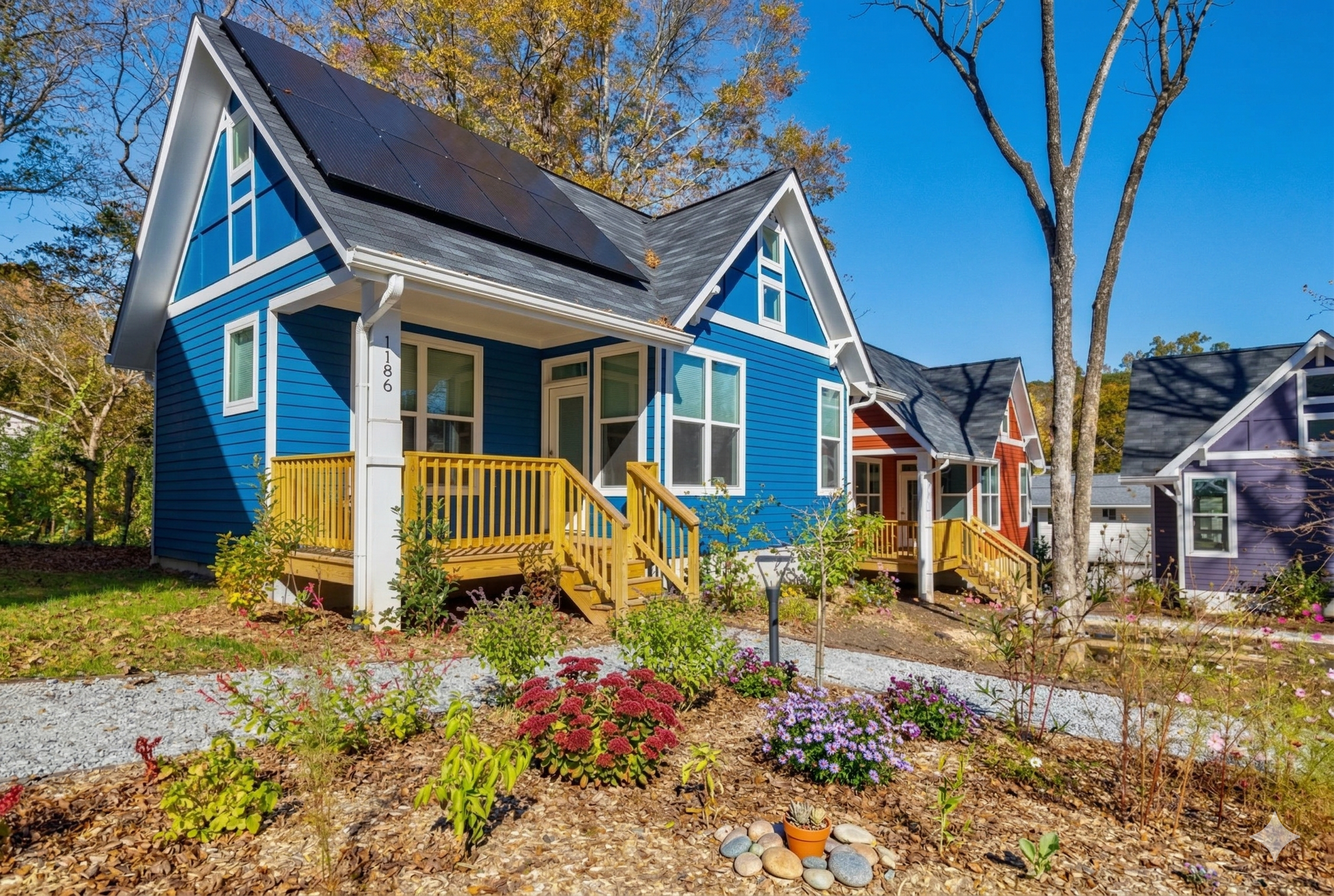
Clarkston's housing stock is almost entirely pre-1990. You are not going to find new-construction subdivisions with modern floor plans and HOA amenities inside the city limits. What you will find is a mix of solid older housing — mostly brick ranches, frame bungalows, and some 1970s–80s construction — at prices that reflect the age and location.
North Indian Creek Drive corridor — This runs through the center of the city and is the primary north-south artery. Residential streets off North Indian Creek are some of the most active in the market. Lot sizes are modest, homes are typically 3-bedroom, and the walk to E Ponce de Leon commercial activity is reasonable.
Brockett Road and surrounding streets — On the north side of the city, closer to the Tucker boundary. Slightly more suburban feel, larger lots in some sections. Good access to US-78.
Rowland Drive / Church Street area — Mid-city, closer to the MARTA bus corridor and the commercial strip. Higher density residential, mix of single-family and multi-family.
Memorial Drive corridor (southern edge) — More commercial and multi-family, with some single-family on the residential streets feeding off Memorial. This part of the city gets more traffic noise.
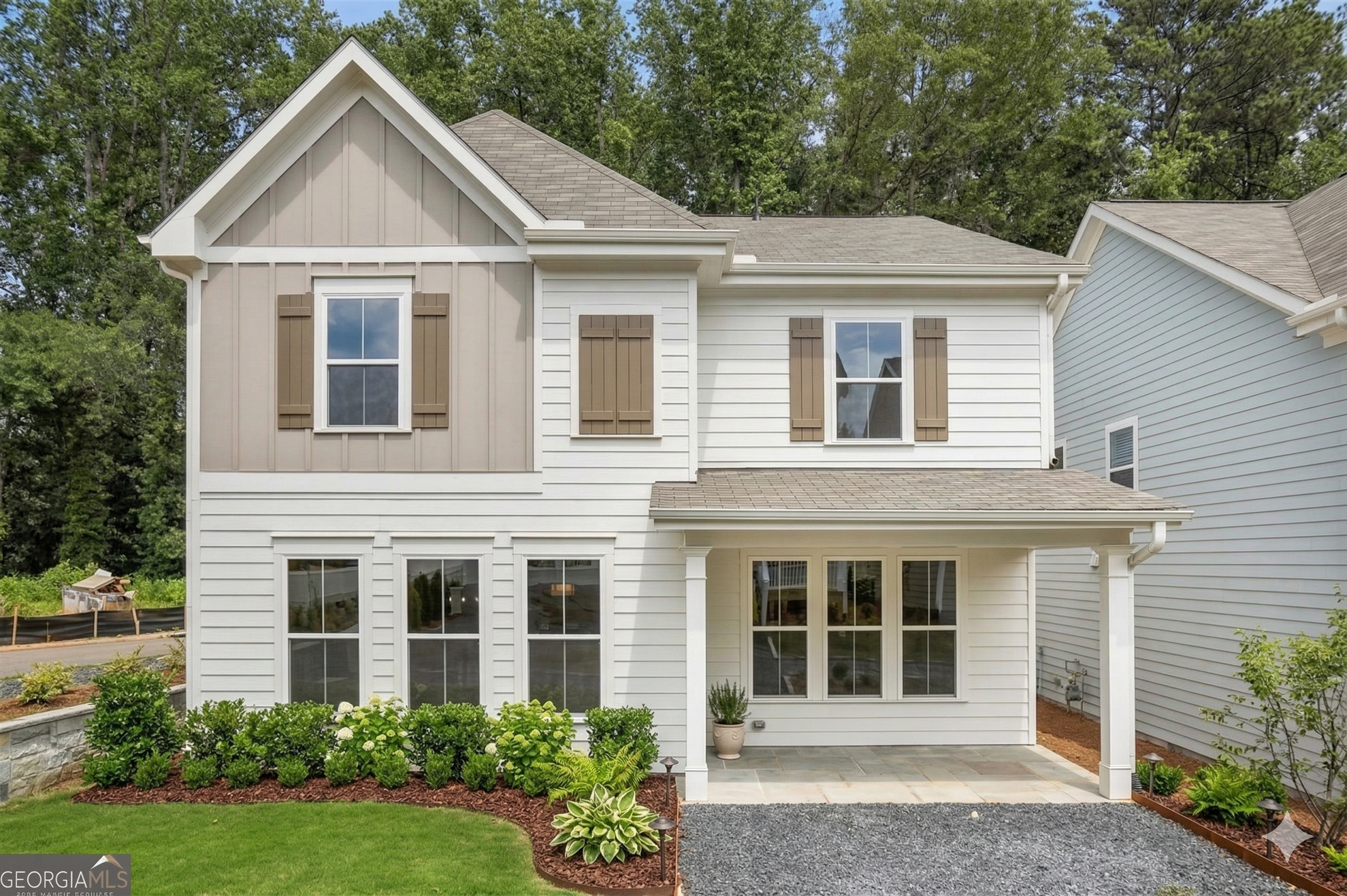
Newer infill / small-lot construction — There is some new construction and in-fill development scattered through Clarkston, primarily at the $350,000–$400,000+ range. These are worth tracking if you want newer construction without paying Avondale or Decatur prices.
One thing to know about the Clarkston condo market: multi-family housing dominates the city's total unit count, and some of the older apartment complexes have transitioned to condominium ownership. These units can offer extremely low entry prices, but HOA health and management quality vary significantly. Due diligence on the HOA financials is non-negotiable before making an offer on a Clarkston condo.
Who Is Clarkston Right For?
Clarkston is a good fit when:
Budget is a primary driver and DeKalb County location matters. If you need to own in DeKalb and you're working with a budget under $300,000 for single-family, Clarkston is one of the few markets where that's still achievable.
You commute to downtown Atlanta, Decatur, Emory, or the CDC. The commute math works for those destinations in a way it doesn't for buyers working in Cobb or North Fulton.
You want MARTA bus access without needing to be on the rail line. Clarkston's bus connections to Kensington Station give you transit options that most of its neighboring communities don't have.
The cultural infrastructure on E Ponce de Leon is a draw, not just neutral. Buyers who specifically want to live in a community with a dense international food and business corridor will find Clarkston more aligned with their preferences than anywhere else in this price range.
You're an investor looking for strong rental demand at an entry-level price point. The rental demand here is consistent, and cap rates can work in a way they don't in pricier DeKalb submarkets.
You want access to Stone Mountain Park without paying Stone Mountain prices. The park access from Clarkston is genuinely good.
Think carefully about Clarkston if:
Your daily commute goes northwest. Getting to Marietta, Kennesaw, Alpharetta, or Roswell from Clarkston involves navigating I-285 in a direction that doesn't run express from this side of the metro. It's doable, but plan honestly for 50–70+ minutes each way during rush.
You want a lot of single-family inventory to choose from. The market is small. There may be only 15–25 single-family homes for sale at any given time. If you need options and flexibility, this is a tight market.
You want newer construction with modern floor plans. Clarkston's housing stock is primarily pre-1990, and what newer construction exists is limited. This is older housing, and it comes with older-housing considerations: deferred maintenance, systems at end of life, renovation costs.
The surrounding commercial environment matters a lot to you aesthetically. The E Ponce de Leon corridor has a working, functional commercial character — it is not a curated, Instagrammable main street. Buyers who want a polished neighborhood retail experience will be better served in Decatur, Kirkwood, or Smyrna.
Frequently Asked Questions About Living in Clarkston, GA
What is the average home price in Clarkston, GA in 2026? Recent data shows median sale prices running approximately $270,000–$330,000 depending on the time period and data source. The market has limited transaction volume, so the median is more volatile than in larger markets. Active listing prices in March 2026 are running around $297,000 at median. For a specific property valuation or a current market snapshot, reach out to me directly at kristenjohnsonrealestate.com.
Is Clarkston, GA a good place to live? That depends on what you're optimizing for. For buyers who want affordable DeKalb County ownership near Atlanta, MARTA bus access, and a dense, walkable commercial corridor with international food and business options, Clarkston is a strong fit. For buyers who want newer construction, lots of single-family inventory to choose from, or a more conventional suburban feel, other options in DeKalb — Tucker, Lithonia, Stonecrest — may be better matches.
How far is Clarkston from downtown Atlanta? Approximately 10 miles. Off-peak driving time is 20–25 minutes via I-285 West or Memorial Drive. During morning rush hour, plan for 35–50 minutes. MARTA bus Route 125 connects to Kensington Station on the Blue Line, with a total transit trip to Five Points station running approximately 40–50 minutes.
What is Clarkston known for? Clarkston has been recognized as one of the most internationally diverse small cities in the United States, with an observable concentration of international businesses, restaurants, nonprofit organizations, and community infrastructure on its main commercial corridor. Refuge Coffee Co., a nonprofit that provides job training and employment to newly arrived immigrants, is one of the most well-known institutions in the city. The city's history as a refugee resettlement location — beginning in the 1980s — has shaped its current commercial and civic character.
What are the schools like in Clarkston, GA? Clarkston's public schools are part of the DeKalb County School District. Clarkston High School enrolls approximately 1,400 students in grades 9–12, serves students from more than 54 countries, and is home to DeKalb County's only high school-level Hearing Impaired Program. The AP participation rate is approximately 26%. Research and visit schools to determine fit for your family. Verify zoning by specific property address.
Is Clarkston, GA safe? Like any urban or near-urban DeKalb community, Clarkston has localized safety variations. I always recommend buyers research current crime data through the DeKalb County Police Department, drive the specific streets and blocks where you're considering buying at different times of day, and talk to current residents. Property crime in areas with higher rental density tends to run higher than in owner-occupied neighborhoods — that's worth factoring in as you evaluate specific blocks.
Is Clarkston a good place to invest in real estate? Clarkston has logged strong long-term appreciation — NeighborhoodScout data shows 10-year appreciation of over 150% — though more recent numbers reflect Metro Atlanta's cooling from peak. The rental demand is consistent, driven by the city's resettlement infrastructure and transit access. Entry prices are low relative to the rest of DeKalb. Cap rates can be favorable. The risks are the same as any older housing stock investment: deferred maintenance, older systems, and the need for thorough due diligence before closing. I work with investors throughout Metro Atlanta and am happy to walk through what the numbers look like in Clarkston specifically.
How does Clarkston compare to Tucker, GA? Tucker is larger, has more single-family inventory, and generally has a more conventional suburban feel with median prices in the $350,000–$450,000+ range. Clarkston is smaller, more affordable, and has a more distinct commercial character. Tucker is the better fit for buyers who want more choices and a more familiar suburban infrastructure; Clarkston is for buyers where budget is the priority and the specific character of the community is a fit.
Does Clarkston have MARTA access? Yes. MARTA Bus Route 125 serves Clarkston with connections to Kensington Station (Blue Line). From Kensington, you have direct rail access to the full MARTA rail network including downtown Atlanta, Midtown, and the airport. This makes Clarkston one of the more transit-accessible communities in this part of DeKalb County. Note that MARTA is implementing its NextGen Bus Network changes in spring 2026 — verify current routing through MARTA's trip planner before planning a transit commute.
What kind of homes are available in Clarkston, GA? Clarkston's housing stock is predominantly multi-family and apartment, with single-family detached homes representing roughly 19% of the city's total units. The single-family inventory is primarily older construction — brick ranches and frame homes built from the 1950s through the 1980s. Some new infill construction exists at the higher end of the market. Condominiums are available at the lowest price points, though HOA quality varies. Inventory at any given time is limited, so buyers who want single-family homes in Clarkston should be pre-qualified and ready to move quickly when the right property comes available.
What's the rental market like in Clarkston? Strong. Rental demand in Clarkston is consistent and driven by multiple factors: transit access, proximity to employment, affordability, and the ongoing population of newly arrived families seeking housing. Vacancy rates are generally low. If you're buying an investment property in Clarkston, the tenant pool is real — the question is on the asset side: older housing means higher maintenance cost and the need to price repairs carefully into your acquisition analysis.
Is Clarkston a good fit for first-time home buyers? It can be, particularly for buyers whose budget is under $300,000 and who are comfortable with older housing stock. The price point makes ownership accessible in a way that most of Metro Atlanta doesn't offer. The trade-offs are the limited inventory and the older construction — first-time buyers should budget for inspection findings and plan for ongoing maintenance costs. Down payment assistance programs are available in Georgia for buyers who qualify; I work with buyers using these programs regularly and can point you toward the right resources.
The Bottom Line on Clarkston
Clarkston is not a neighborhood guide that writes itself in the usual Metro Atlanta way. There's no Beltline access, no Whole Foods, no recently renovated bungalow corridor with coffee shops and cocktail bars. What's here is different: an affordable, dense, MARTA-accessible community with a 40-year history of international settlement that has built observable, real infrastructure in the form of restaurants, organizations, and commercial businesses you can find on East Ponce de Leon right now.
For buyers who are looking at DeKalb County with a budget under $300,000 — or investors looking for entry-level single-family with strong rental demand — Clarkston is a serious option that doesn't show up in enough conversations. I've worked with buyers who've been surprised by what they found here when they actually drove the streets and walked E Ponce de Leon on a Saturday morning. The community has a specific character. Whether that character fits your life is what you should be trying to figure out.
I work with buyers throughout Metro Atlanta and know this market specifically. If you're evaluating Clarkston — or comparing it against Scottdale, Tucker, Stone Mountain, or somewhere else in DeKalb County — let's talk through the numbers and the neighborhoods.
Visit kristenjohnsonrealestate.com to get started.
Come as you are, come on home.
Exploring more of Metro Atlanta? I've covered communities across DeKalb County and the broader metro, including Decatur, Collier Heights, and neighborhoods throughout the Intown Atlanta corridor. Browse the full guide series at kristenjohnsonrealestate.com