

Collier Heights, Atlanta GA: National Historic District, Mid-Century Architecture & Home Prices 2026
Collier Heights is one of the most architecturally significant neighborhoods in Atlanta — and one of the least understood by buyers who didn't grow up on the west side. I'm Kristen Johnson, Real Estate Agent with Compass Metro Atlanta, and I'll tell you what you actually need to know about this neighborhood before you decide whether it belongs on your list.
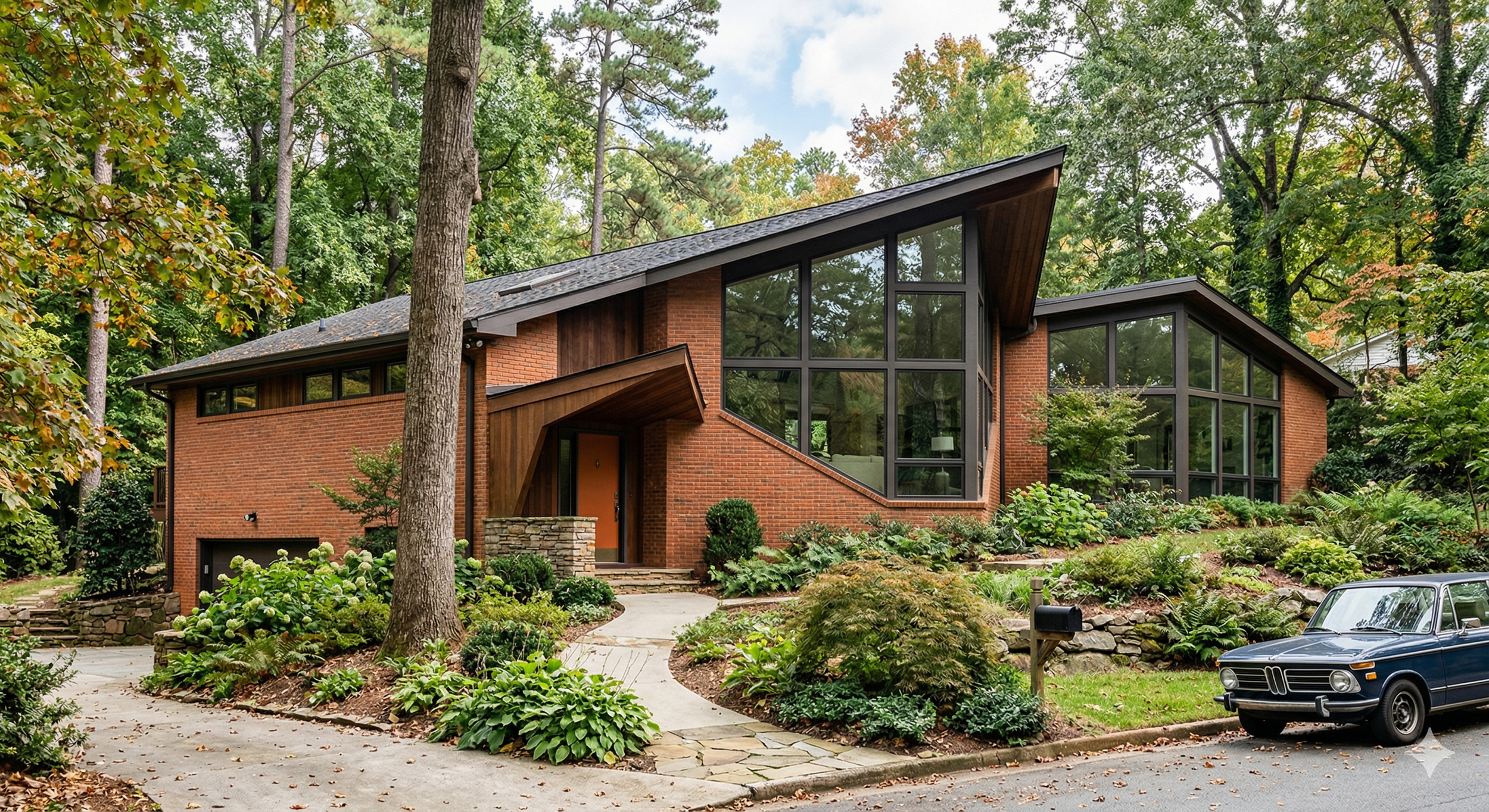
The brick ranch houses here were built in the 1950s and 1960s on hilly terrain in northwest Atlanta, and they are not ordinary. They were designed by Black architects, financed by Black-owned institutions, and built for Atlanta's emerging Black professional class at a time when Jim Crow made middle-class homeownership nearly inaccessible everywhere else. That history is not incidental to the neighborhood — it is the neighborhood. The architecture was purposeful. The basements were built large because residents couldn't gather at restaurants and hotels. The lots were deliberately developed to signal permanence and pride. In 2009, the Collier Heights Historic District was listed on the National Register of Historic Places. In 2013, the City of Atlanta added local historic district designation. Those aren't just honorary plaques. They mean that exterior changes require design review, and that the character of this neighborhood is protected.
I work with buyers across Metro Atlanta as Kristen Johnson, Real Estate Agent with Compass — and west side neighborhoods, including Collier Heights, come up more often now than they did five years ago. Buyers priced out of intown Atlanta's east side are looking west. Investors running BRRRR strategies are looking west. And buyers who know Atlanta history are looking at Collier Heights specifically, because the bones of these homes are genuinely different from the ranch houses you find elsewhere.
Nearly a decade helping Atlanta buyers means I've seen this neighborhood through several market cycles.
Here's what you need to know.
What Is Collier Heights, and What Makes It Different From Other West Side Neighborhoods?
Collier Heights is a roughly 1,750-home residential enclave in northwest Atlanta, bounded by Fairburn Road to the west, Hamilton E. Holmes Drive to the east, Donald L. Hollowell Parkway to the north, and Interstate 20 to the south. It sits in Fulton County within the City of Atlanta limits, served by Atlanta Public Schools.
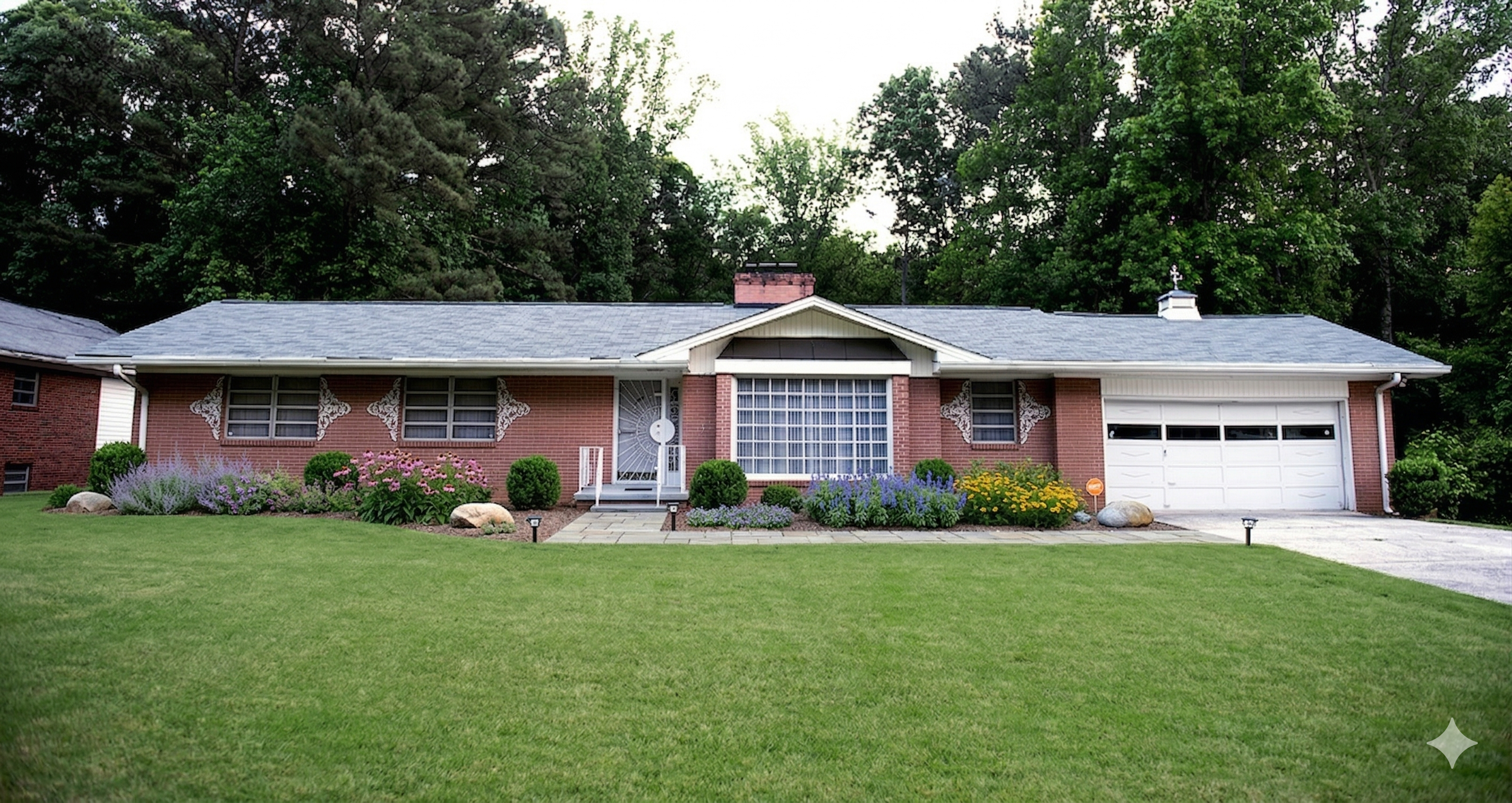
What distinguishes it from other west side neighborhoods is specific: it is one of the first upscale communities in the nation planned, designed, financed, and built by and for Black Americans. That origin story shapes everything — the architecture, the lot sizes, the street layout, the community associations, and the way longtime residents talk about the neighborhood today.
The development of Collier Heights began in earnest in 1951, when the Atlanta Urban League launched what was quietly called "Project X." A consortium of Black businessmen, lawyers, doctors, and professionals purchased thousands of acres of farmland on the western edge of Atlanta while white community associations were focused on established intown neighborhoods. By the mid-1950s, construction was underway on what would become Atlanta's — and arguably the nation's — premier middle-class Black residential development of the era.
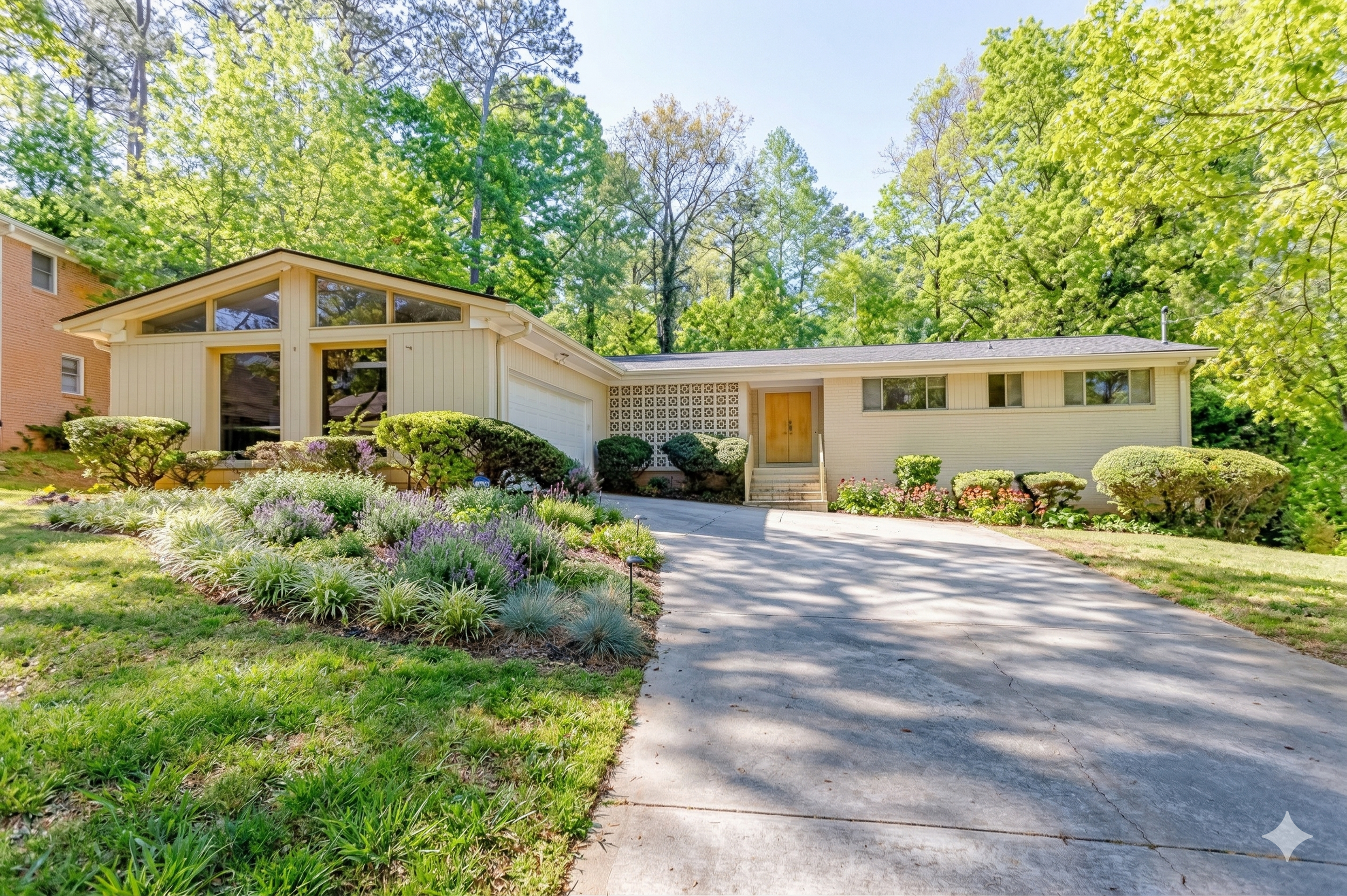
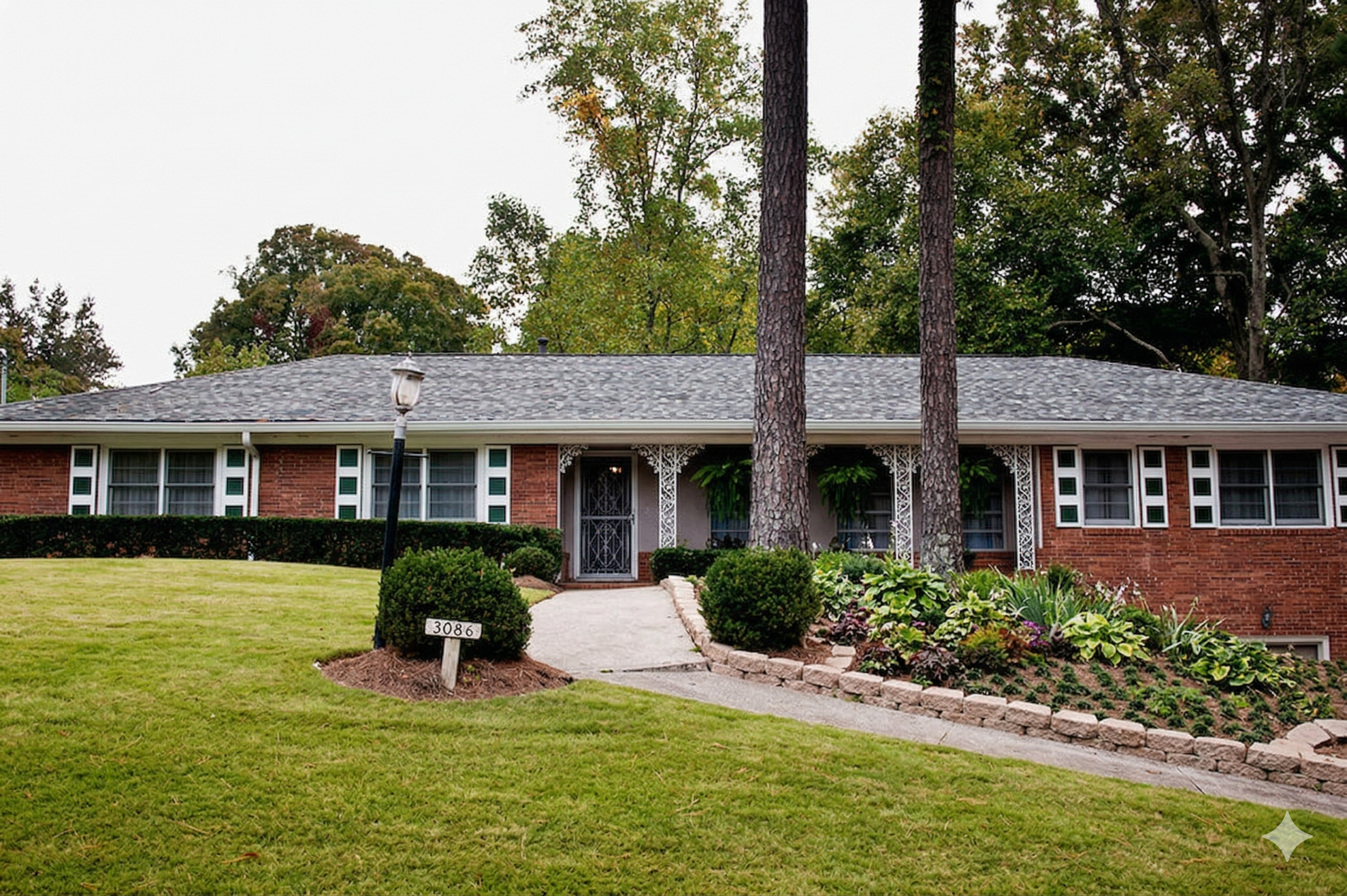
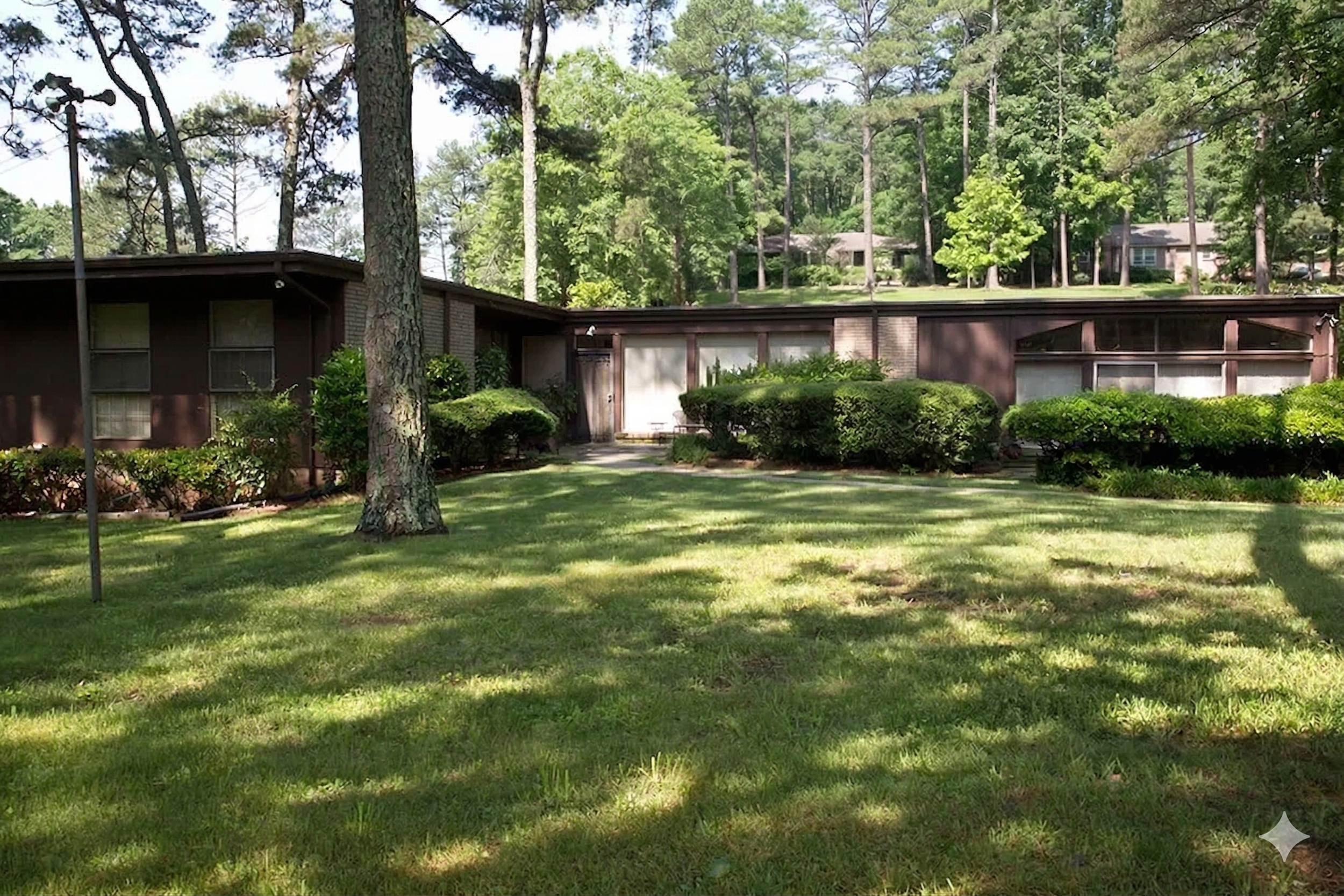
Architect Joseph W. Robinson, who was denied his professional license because of segregation but went on to design over 200 homes in the neighborhood before establishing J.W. Robinson & Associates in 1970, created homes that still stand out on the street. Look for the L-shaped "Alphabet Ranches," the Courtyard Ranches with their projecting wings, the sunburst steel doors, the ribbon windows, the decorative brick screens. These weren't tract houses — they were custom and semi-custom designs built for people who had waited a long time for the opportunity to own something worthy of what they'd built.
By the early 1960s, Collier Heights had been featured in the New York Times, Time magazine, Ebony, and Jet. Residents included the Reverend and Mrs. Martin Luther King Sr., civil rights attorney Donald Lee Hollowell, construction and real estate executive Herman J. Russell, Grady Hospital medical director Dr. Asa G. Yancey, and Georgia congressman Leroy R. Johnson, among many others whose names are woven into Atlanta's civic and civil rights history.
By the 1990s and 2000s, the neighborhood experienced serious decline: crime, disinvestment, and population loss as families left for southwest Atlanta and the suburbs. Since the 2010s, investment has begun to return. The historic designations have helped stabilize the architectural character. New buyers — some younger owner-occupants, some investors — are finding their way here.
What Do Homes Cost in Collier Heights in 2026?
Collier Heights is one of a small number of intown Atlanta neighborhoods where median prices remain below $300,000 — a combination increasingly rare this close to downtown.
Collier Heights market data (early 2026):
Median sale price: approximately $200,000–$246,000 depending on source and trailing period
Median price per square foot: approximately $160–$170
Days on market: 99–112 days (significantly elevated compared to recent years)
Sale-to-list ratio: approximately 82–83%, meaning homes regularly sell well below asking price
Inventory: approximately 51 active listings, up 21% year-over-year
Price reductions: approximately 71% of listed homes have had at least one price cut
I want to be straightforward with you about what those numbers mean. This is not a market where you're competing in multiple offers against nine other buyers. Days on market are long, sale-to-list ratios are low, and price reductions are common. That's a buyer's market — real negotiating leverage exists. It also means you need to go in with your eyes open. Some homes here have been sitting because they need significant work. Pricing on unrenovated homes does not always reflect the full cost of bringing them to a livable standard.
For comparison: a fully renovated 3-bedroom ranch in good condition currently lists in the $250,000–$350,000+ range. An unrenovated home in original 1950s–1960s condition can still be found for $150,000–$200,000. That's the gap investors are working with, and it's real — but renovation costs in Atlanta have not come down, so underwrite carefully before assuming the spread pencils out.
Always verify current numbers with me directly. I'm Kristen Johnson, Real Estate Agent with Compass Metro Atlanta, and I can pull current comps for specific streets and conditions before you make any decisions.
What Do You Actually Get for the Money in Collier Heights?
The homes here are primarily brick ranch and split-level designs, single-story from the street with significant square footage below grade. The hilly terrain was deliberately used by the architects — many homes that appear to be one story from the front reveal two or three floors when viewed from the rear. Basements are a defining feature, often larger than what you'd find in comparable-era homes elsewhere. They were originally designed as recreation rooms for entertaining, because during Jim Crow, there were essentially no public gathering spaces available to Black Atlantans outside of Auburn Avenue. These weren't afterthoughts — they were the heart of the house.
Under $200,000: Unrenovated homes in original or partial-update condition. Solid brick construction, hardwood floors under whatever's on top of them now, and often larger lots than anything you'd find at this price point elsewhere intown. Budget $50,000–$100,000+ for a meaningful renovation depending on scope.
$200,000–$300,000: A mix of partially updated homes and some fully renovated properties. At this tier you may find updated kitchens and bathrooms on original bones — hardwood floors, good natural light, full basements. These are the homes moving fastest in the current market.
$300,000+: Fully renovated homes with modern finishes and updated mechanicals. High-end renovations can push asking prices higher, though current market conditions make the above-$350K segment slow here.
Lot sizes are notably generous for intown Atlanta — quarter-acre to half-acre lots are not unusual, built into the original development's intent. Mature trees, established landscaping, and the neighborhood's natural topography give it a residential feel genuinely different from the denser intown neighborhoods further east.
What Does the Historic District Designation Mean for Buyers and Investors?
Two designations apply to Collier Heights: the National Register listing (2009) and the City of Atlanta local historic district (2013). They do different things.
The National Register listing is largely honorary for private property owners — it does not restrict what you can do with your home. It does make properties potentially eligible for federal historic tax credits if you're doing a qualifying rehabilitation on an income-producing property.
The City of Atlanta local historic district designation is what actually affects your renovation plans. Under local designation, any proposed exterior change — additions, demolitions, alterations to facades, new construction visible from the street — requires a Certificate of Appropriateness from the Atlanta Urban Design Commission (UDC) before you can proceed.
What this means practically:
Interior renovations are generally not subject to historic review. You can update kitchens, baths, mechanicals, and finishes without going through the UDC.
Exterior changes, including window replacements, door replacements, additions, and new structures, require UDC approval.
The review process takes time. Plan for it in your renovation timeline.
Not every property in the broader Collier Heights area falls within the local historic district boundaries. Verify for your specific address before purchasing.
For owner-occupants who want to update interiors and preserve exteriors, the designation is mostly a non-issue. For investors planning significant exterior alterations or additions, it adds process. Know what you're buying before you close.
How Do You Get Around from Collier Heights?
By car: Collier Heights sits near the junction of I-20 and I-285, which makes driving commutes practical for many destinations.
Downtown Atlanta (Five Points area): 15–20 minutes off-peak via I-20 East; 25–35 minutes during morning rush
Midtown Atlanta: 20–25 minutes off-peak; 30–45 minutes in traffic
Buckhead: 25–35 minutes off-peak; longer in rush hour
Hartsfield-Jackson Atlanta International Airport: 18–22 minutes via I-285 South. This is one of Collier Heights' genuine advantages — it's faster to the airport from here than from many intown neighborhoods.
Mercedes-Benz Stadium / Downtown sports/entertainment district: 15 minutes or less, depending on traffic and event day conditions
By transit: The Hamilton E. Holmes Station (MARTA Blue Line) is approximately 2 miles from the core of Collier Heights. Bus routes along Donald Lee Hollowell Parkway and Hamilton E. Holmes Drive connect to the station without requiring a car. From Hamilton E. Holmes, the Blue Line reaches Five Points in Downtown Atlanta in approximately 15 minutes. The station has free surface parking — over 1,400 spaces — which makes it usable even if you're driving to the station.
Walkability: Low. There is no walkable commercial corridor within the neighborhood boundaries. Errands require a car. The nearest grocery options — Buy Low Super Market on James Jackson Parkway, Wayfield Foods on MLK Jr. Drive — are accessible by car. For restaurants, West Midtown is the closest concentration of options.
What Is There to Do Near Collier Heights?
Collier Heights itself is primarily residential. The activity is in adjacent corridors and nearby neighborhoods.
Donald Lee Hollowell Parkway — the main commercial corridor on the neighborhood's northern edge — has been a focus of west side investment. Named for the civil rights attorney who lived in Collier Heights, the corridor has small businesses, service establishments, and is seeing incremental development.
Martin Luther King Jr. Drive — to the south — has local restaurants including The Bando, a west side institution that serves wings and soul food and operates its own food-focused TV channel and youth mentoring program. Ameen Fish and Wings is nearby.
West Midtown — 10–15 minutes by car — is the most accessible restaurant and nightlife corridor. Monday Night Brewing, Companion, the Westside Provisions District, and Chattahoochee Food Works are all in this range.
Westside Reservoir Park — Atlanta's largest park at 280 acres, built on the former Bellwood Quarry — is approximately 1–2 miles from Collier Heights and accessible via the Proctor Creek Greenway trail corridor. It's still under development with additional phases planned.
Mercedes-Benz Stadium, State Farm Arena, and the Vine City / English Avenue entertainment corridor are within 10–15 minutes. For buyers who care about proximity to Atlanta's sports and entertainment infrastructure, this location is genuinely strong.
The BeltLine Westside Trail does not run through Collier Heights. The closest access points are in West End and Adair Park, roughly 2–4 miles south.
What Schools Serve Collier Heights?
Collier Heights is zoned to Atlanta Public Schools.
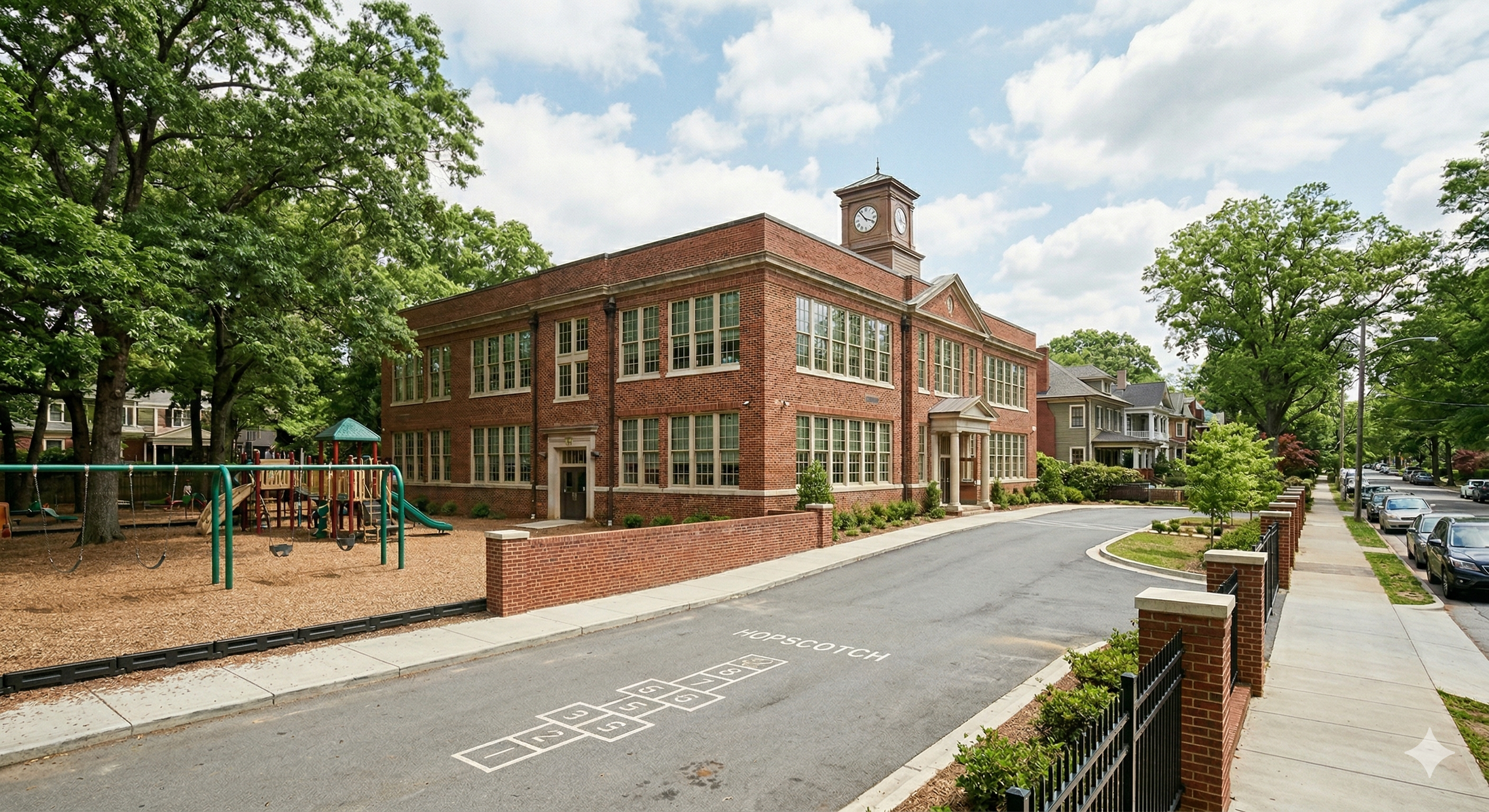
Elementary: Bazoline E. Usher/Collier Heights Elementary School (PreK–5), 631 Harwell Rd NW, Atlanta GA 30318. Enrollment approximately 390–405 students. Student-teacher ratio approximately 10:1. Offers extended STEAM curriculum.
Middle: John Lewis Invictus Academy (grades 6–8). STEAM-focused programming with career and technical education in business, marketing, and entrepreneurship.
High School: Frederick Douglass High School (grades 9–12), 225 Hamilton E. Holmes Dr NW, Atlanta GA 30318. Approximately 1,194 students. Established 1968. Listed on the National Register of Historic Places as part of the Collier Heights Historic District (2009). Includes learning communities in engineering and applied technology (CFEAT) and business and entrepreneurship programs.
Atlanta Public Schools offers school choice and magnet options throughout the district. Families in Collier Heights can apply through APS's enrollment process for schools beyond their zoned attendance schools. Several high-demand APS options — including application-based programs — are accessible from this part of the city.
Research and visit schools to determine fit for your family. Always verify attendance zone assignment by specific property address before making decisions based on school zoning.
How Does Collier Heights Compare to Nearby West Side Neighborhoods?
Collier Heights vs. West End
West End sits on the BeltLine Westside Trail with direct trail access, a more activated commercial corridor along Lee + White and Ralph David Abernathy Boulevard, and proximity to the Atlanta University Center. Median prices in West End are higher — generally $300,000–$450,000+ for renovated homes — driven largely by BeltLine access. Collier Heights has more architectural distinctiveness, lower entry prices, stronger historic protection, and larger lots. If BeltLine trail access is the priority, West End wins. If architectural character and price per square foot matter more, Collier Heights deserves a serious look.
Collier Heights vs. Adair Park
Adair Park also sits on the BeltLine Westside Trail and has appreciated significantly because of it. Renovated homes in Adair Park now regularly list in the $400,000s and above — pricing that competes with east side intown neighborhoods. Collier Heights offers more space and land for substantially less money, without BeltLine frontage. Two genuinely different value propositions.
→ Living in Adair Park Atlanta GA
Collier Heights vs. Vine City
Vine City is closer to Mercedes-Benz Stadium and the English Avenue/Vine City development corridor. It's more urban and denser than Collier Heights, with smaller lots and more commercial adjacency. Investment in Vine City has been substantial in recent years due to stadium proximity. Collier Heights has larger lots, more architectural variety, and stronger historic designation. Vine City has more walkability and is closer to transit.
Collier Heights vs. Oakland City
Oakland City is south of the West End BeltLine corridor with its own MARTA station (Oakland City, Green Line). Price points are comparable to Collier Heights. Oakland City has direct MARTA rail access but doesn't have the same architectural significance or historic designation. Both are worth evaluating for buyers optimizing for price and transit at the same time.
What Are the Key Streets and Subdivisions in Collier Heights?
Collier Drive is the neighborhood's main street and the one most associated with the historic district's architectural character. Homes along Collier Drive include some of the most intact original mid-century designs, on the hilly terrain that gives the neighborhood its characteristic look.
Waterford Road runs through one of the more intact residential sections, with a mix of well-maintained originals and renovated homes.
Royal Oaks Manor is one of the neighborhood's more notable subdivisions, developed in the 1960s with larger lots and homes built with the elaborate recreation rooms and formal entertaining spaces that defined the upper tier of Collier Heights development. Herman Russell's former home was in Royal Oaks Manor on Shorter Terrace.
Woodlawn Heights is an early development section with housing dating from the late 1950s.
Larchmont Drive and streets off Collier Drive contain examples of the classic Alphabet Ranch design — L-shaped homes that look modest from the street but carry significant below-grade square footage on the hilly lots.
Harwell Road runs near the elementary school and has a range of housing conditions from unrenovated to recently updated.
Most lots are larger than what you'll find in comparable-priced intown neighborhoods — the original development was intentionally built to give residents room, not just structures. Most homes have carports rather than garages, which is architecturally authentic to the era.
Who Is Collier Heights Right For?
Collier Heights tends to be the right fit when:
You're drawn to documented, historically significant architecture and want to own something that tells a real story. The bones of these homes — the custom designs, the brick construction, the lot sizes — are genuinely different from what you find in comparable-priced neighborhoods anywhere in intown Atlanta.
You're an investor or owner-occupant willing to renovate with a careful budget. Entry prices are real. So are renovation costs. Buyers who do well here have run a thorough cost-to-renovate analysis before making an offer, not after.
You need MARTA or airport access at an accessible price point. Hamilton E. Holmes Station and the I-20/I-285 junction make Collier Heights one of the best-connected neighborhoods at this price tier in the city.
You want intown Atlanta square footage and land. Lot sizes here regularly exceed what you'd find in Kirkwood, Grant Park, or Old Fourth Ward at twice the purchase price.
Think carefully about Collier Heights if:
You're expecting move-in ready without a renovation budget. A meaningful portion of what's on the market right now needs work. Be selective, and budget honestly.
Walkability is a top priority. Collier Heights is car-dependent for most daily needs. There is no walkable commercial corridor within the neighborhood.
You want to be close to east side intown Atlanta. Kirkwood, Edgewood, and Old Fourth Ward are 25–35 minutes in traffic. This is a different part of the city with a different daily experience.
You're sensitive to current crime data. Concerns vary block by block and by time of day. Visit the neighborhood at different times, review current City of Atlanta crime maps, and talk to residents before deciding.
Frequently Asked Questions About Collier Heights, Atlanta
What is the average home price in Collier Heights in 2026?
Current median sale prices run approximately $200,000–$246,000 depending on the trailing period. Price per square foot is approximately $160–$170. Contact Kristen Johnson, Real Estate Agent with Compass Metro Atlanta, for current comps on specific streets and conditions.
Is Collier Heights a good investment in 2026?
Entry prices are among the lowest for intown Atlanta, and the historic designations protect the neighborhood's architectural character. The current market shows long days on market (99–112 days), frequent price reductions (approximately 71% of listings), and a sale-to-list ratio around 82–83%. Renovation costs in Atlanta are real. Investors running BRRRR or flip strategies are active here, but the deals that work require thorough due diligence on true renovation cost — not assumptions based on purchase price alone.
Why is Collier Heights on the National Register of Historic Places?
The Collier Heights Historic District was listed in 2009 for its significance in architecture and social history. It is one of the first planned, upscale communities in the United States developed by and for Black Americans, containing an exceptionally intact collection of mid-twentieth-century residential architecture designed by Black architects including Joseph W. Robinson. The City of Atlanta added local historic district designation in 2013, requiring design review for exterior changes.
What MARTA access does Collier Heights have?
The Hamilton E. Holmes Station (Blue Line) is approximately 2 miles from Collier Heights. From Hamilton E. Holmes, the Blue Line reaches Five Points in Downtown Atlanta in approximately 15 minutes and connects to the full MARTA system. Bus service along Donald Lee Hollowell Parkway and Hamilton E. Holmes Drive provides additional transit access without driving to the station.
Are homes in Collier Heights hard to renovate because of the historic designation?
Interior renovations are generally not subject to historic review. Exterior changes — additions, demolitions, facade alterations, new construction — require a Certificate of Appropriateness from the Atlanta Urban Design Commission. Verify whether your specific property falls within the local historic district boundaries and understand the UDC review process before closing.
How close is Collier Heights to Westside Park?
Westside Reservoir Park — Atlanta's largest park at 280 acres, built on the former Bellwood Quarry site — is approximately 1–2 miles from Collier Heights and accessible via the Proctor Creek Greenway trail corridor.
What were Collier Heights homes originally designed for on the inside?
The basement recreation room is a defining interior feature. During Jim Crow, when Black residents could not gather in restaurants, hotels, or most public venues, homes were designed specifically to accommodate entertaining and community organizing. Many original homes included walk-in freezers, indoor pools in the most elaborate cases, and formal party rooms. Buyers purchasing original-condition homes should expect these basement spaces to be large, structurally solid, and often in need of cosmetic updating.
What notable people have lived in Collier Heights?
During its mid-century height, Collier Heights was home to Reverend Martin Luther King Sr., civil rights attorney Donald Lee Hollowell, construction executive Herman J. Russell, Dr. Asa G. Yancey, and Georgia congressman Leroy R. Johnson, among many others central to Atlanta's civic and civil rights history. More recent notable residents have included former Atlanta Mayor Keisha Lance Bottoms and current Mayor Andre Dickens.
Is Collier Heights close to the BeltLine?
Collier Heights does not have direct BeltLine frontage. The closest BeltLine trail is the Westside Trail, which runs further south and east through West End, Adair Park, and Oakland City. Residents can access the Westside Trail by car or bike, but Collier Heights is not a BeltLine-adjacent neighborhood in the same way West End or Adair Park are.
How do I know what I can and can't change on a Collier Heights home?
Verify whether the specific property falls within the local historic district boundaries before purchasing — most of the core neighborhood does. Any proposed exterior work requires a Certificate of Appropriateness from the Atlanta Urban Design Commission. Your buyer's agent should walk you through the UDC review process before you close.
Collier Heights is one of Atlanta's most historically layered real estate stories — and right now, one of its most buyer-friendly markets. I'm Kristen Johnson, Real Estate Agent with Compass Metro Atlanta, and I work with buyers across the west side who want to understand what's real here: where the opportunity is, what the renovation math actually looks like, and what the neighborhood feels like beyond the data. If you're exploring Collier Heights or comparing it to other west side options, let's talk.
Visit kristenjohnsonrealestate.com to get started.
Come as you are, come on home.
Looking for more Metro Atlanta neighborhood guides? I've also covered the west side and intown Atlanta, including Adair Park. Browse the full guide series at kristenjohnsonrealestate.com.