

Moving to Milton, GA: Everything You Need to Know Before You Buy
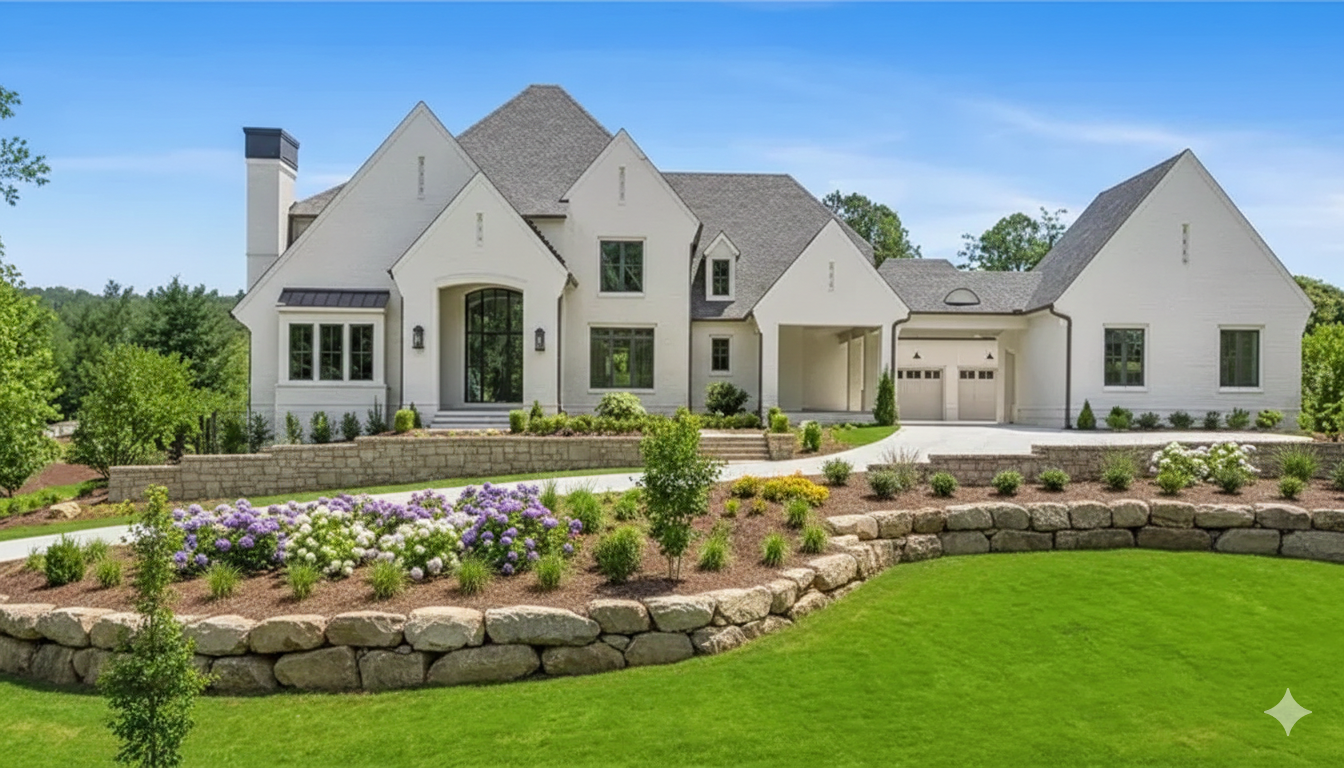
If you've been researching North Fulton County neighborhoods, you've probably noticed that Milton keeps coming up — but it's harder to pin down than Alpharetta or Johns Creek. That's because Milton is genuinely different from most Atlanta suburbs. It's the only city in Metro Atlanta where you can live on a one-acre minimum lot requirement, watch a horse ride past your neighbor's fence on a Tuesday morning, and still make it to a top-ranked school or a Michelin-worthy dinner in under 15 minutes.
Milton is not for everyone. It's not designed to be. But for the buyer who wants space, prestige, privacy, and proximity — without giving up access to strong schools and North Fulton's established economic corridor — it is hard to beat.
This guide covers what you actually need to know: the market data, the neighborhoods, the schools, the commute reality, and who Milton is genuinely the right fit for.
What Is Milton, Georgia?
Milton is a city in northern Fulton County, incorporated in 2006, sitting at the intersection of suburban affluence and genuine rural character. It borders Alpharetta to the south, Roswell to the southeast, Cherokee County to the north and west, and Forsyth County to the northeast.
The city covers roughly 23,000 acres and is intentionally low-density. Significant portions of Milton require minimum one-acre lot sizes by law — a policy the city has defended against development pressure for years. That's not an accident. It's a civic commitment.
The result is a city that feels qualitatively different from its neighbors. Drive from Alpharetta into Milton and you'll feel the shift: the road narrows, the trees thicken, the lots expand, and the horse farms start appearing between the country clubs.
Milton's population is approximately 40,000 residents. The median household income is well above the national average. The city consistently ranks among Georgia's safest municipalities and regularly appears on national "best places to live" lists — though it tends to fly under the radar compared to the more commercially visible Alpharetta.
Milton Real Estate Market: 2025-2026 Data
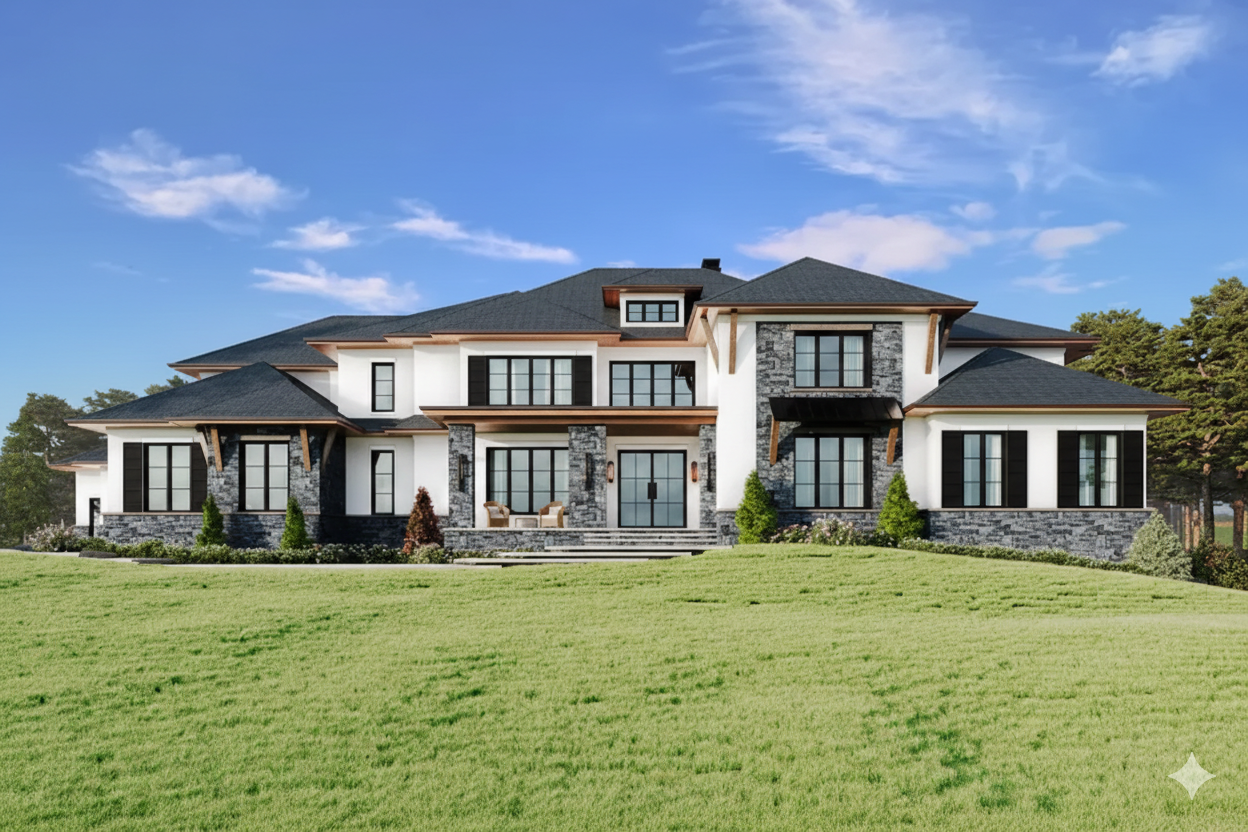
Milton is one of Metro Atlanta's most expensive residential markets, and the data reflects that clearly.
Current Market Snapshot:
Median sold price: Approximately $1.1M–$1.2M (Redfin, September 2025)
Average home value: Approximately $860K–$910K (Zillow/Rocket Homes, 2025)
Median list price: Approximately $1.4M (high end of active listings skewing upward)
Average price per square foot: Approximately $300–$318
Active inventory: Approximately 315–375 homes (May-September 2025)
Average days on market: 31–63 days depending on price point and season
Year-over-year appreciation: Up approximately 2–3% on average home value; sold prices up 20% in some segments (driven by luxury transactions)
What the numbers tell you: Milton's market has wide variance. Entry-level Milton — townhomes in Crabapple and Deerfield, smaller homes on standard lots — comes in $600K–$800K. Mid-range single-family on larger lots runs $800K–$1.2M. The estate market at The Manor, White Columns, and on raw acreage frequently exceeds $1.5M–$3M+.
This is not a market where buyers stretch into a starter home. Buyers here are typically established — executives, physicians, business owners, tech professionals — relocating from other high-cost markets or trading up from Alpharetta, Roswell, or Johns Creek.
Market tempo: Milton moves slower than Alpharetta or Johns Creek. Days on market are longer, partly because price points are higher and the buyer pool is smaller, and partly because buyers at this level take their time. Well-priced homes in strong condition still move in 30 days or less. Overpriced estates can sit for 90+ days.
Inventory trend: Inventory is up compared to 2023-2024. That's consistent with the broader North Fulton trend toward a more balanced market. Buyers in Milton have more options than they did two years ago, but well-positioned listings are not struggling.
My take as your agent: Milton is not a market where you make an offer without understanding what you're buying. The wide price range, the lot size variation, the school zoning complexity, and the differences between gated communities and open neighborhoods all matter. I've worked this market. I can tell you what $900K buys you versus $1.1M and what the actual differences are in day-to-day living.
The Schools: What Buyers in Milton Actually Need to Know
Schools are one of the primary reasons buyers choose Milton. Both high schools serving the city are highly ranked in Georgia, but the zoning split matters — and buyers need to verify it before going under contract.
The two high schools serving Milton:
Milton High School
Ranked top 5% of all Georgia high schools for test scores
Math proficiency: 69% (vs. 39% state average)
Reading proficiency: 76% (vs. 40% state average)
Graduation rate: High, exceeding state averages
Part of Fulton County Schools
Cambridge High School
Ranked #21 in Georgia by Niche (2026 rankings)
Ranked #30 in Georgia by US News
Top 10% of Georgia schools for overall test scores
Math proficiency: 65-66% (vs. 39% state average)
Reading proficiency: 75% (vs. 40% state average)
Graduation rate: 97-98.1%
69% AP participation rate
A+ rating from Niche, 9/10 from GreatSchools
Both schools are strong. Cambridge is newer, opened in 2012 to relieve overcrowding at Milton High and Alpharetta High. Some families have preferences between the two; others have no strong opinion. The point is that both are genuinely high-performing.
Middle and elementary schools: Northwestern Middle School and Birmingham Falls Elementary School are both consistently highly rated. Birmingham Falls regularly ranks among the top 22 elementary schools in Georgia and holds a 5-star rating from SchoolDigger.
Important zoning note: Your school assignment in Milton depends entirely on the specific address, not the general community or subdivision. Some neighborhoods have mixed zoning — different streets may feed different high schools. Always verify the exact school assignment for any address you're considering. Do not assume based on subdivision name or proximity. This is especially important in the Cambridge/Milton High School split areas.
Buyers should also understand that school data reflects current performance. Rankings and assignments can change. The responsible step is to verify directly with Fulton County Schools.
Milton's Neighborhoods: What They Are and What They Cost
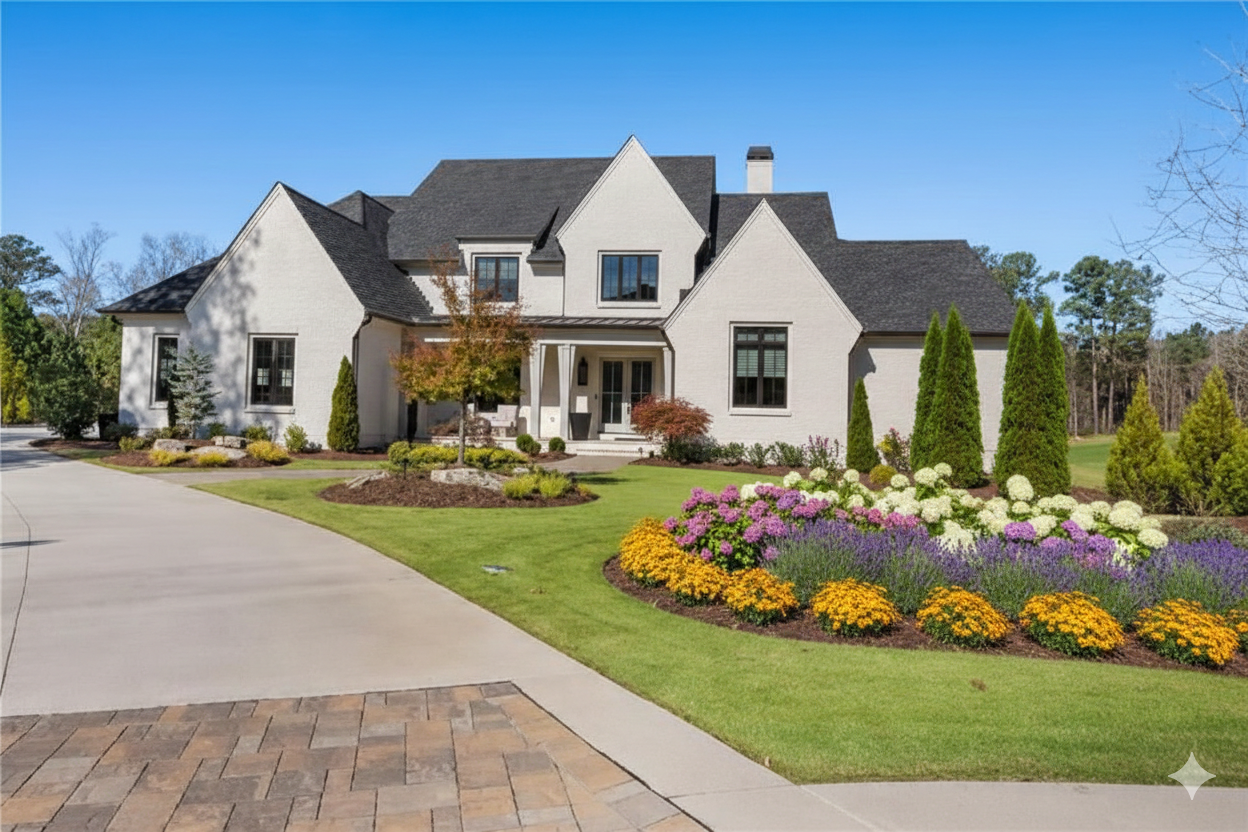
Milton is not one uniform housing market. The communities vary significantly in character, price, and lifestyle. Here's a practical breakdown of the key areas.
Crabapple
Crabapple is Milton's historic district and its most urban node — which, by Milton standards, means a charming village with boutique shops, local restaurants, a farmers market, and regular community events like Crabapple Fest. It's the closest Milton gets to walkable mixed-use.
Housing in Crabapple runs from historic homes and cottages to newer construction townhomes and single-family. Prices range from approximately $600K–$850K for most homes, with newer luxury construction and infill development pushing above $1M in some cases.
The Crabapple area has seen the most development pressure in Milton over the last decade. Townhome communities like Crabapple Crossing and Crabapple Station provide entry points into the Milton market at lower price points than the large-lot estate communities. The walkable retail corridor around Crabapple Road is a genuine lifestyle amenity that's rare in Milton overall.
Key dining in Crabapple: Milton's Cuisine and Cocktails (upscale Southern), Campania Milton (wood-fired pizza), Crabapple Tavern, Olde Blind Dog Irish Pub, Grand Champion BBQ. Six Bridges Brewing also has a location here.
White Columns
White Columns is a country club community straddling the Alpharetta-Milton boundary, centered on a Tom Fazio-designed 18-hole golf course. The 20,000-square-foot clubhouse includes casual and fine dining, a junior Olympic swimming pool, and tennis courts.
Homes in White Columns are large — many exceeding 4,000-5,000 square feet on generous lots — and architecturally traditional, with brick and shingle construction and wraparound porches common. This is the established executive neighborhood: gated entry, golf course access, strong HOA maintenance standards.
Prices in White Columns typically run $800K–$1.5M+, depending on lot, size, and updates. It attracts buyers who want club lifestyle without the ultra-premium pricing of The Manor.
The Manor Golf and Country Club
The Manor is Milton's most prestigious gated community. Designed by Tom Watson, the golf course anchors a master-planned community with a 32,000-square-foot clubhouse, two junior Olympic swimming pools, 21 tennis courts, a state-of-the-art fitness center, and a full social calendar.
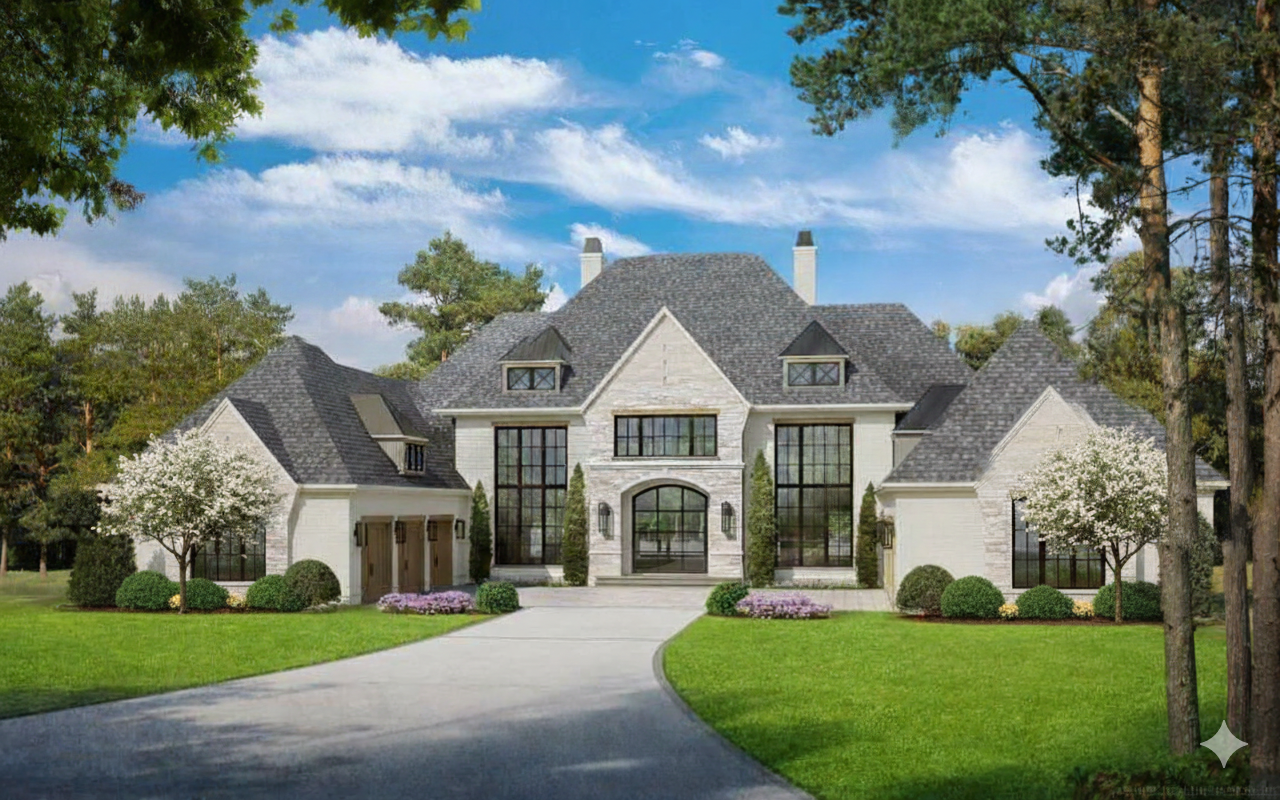
Estate homes in The Manor are custom-built, typically on large lots, often exceeding 5,000-7,000+ square feet. Median pricing in The Manor runs approximately $1.5M+, with significant listings in the $2M–$4M range.
The buyer for The Manor is typically a high-net-worth executive or professional who wants resort-quality amenities, 24-hour gated security, and the social infrastructure of an active private club. It's a complete lifestyle community.
Atlanta National
Atlanta National Golf Club, designed by Pete and P.B. Dye, sits on 240 acres in the Crabapple area near the Alpharetta-Milton boundary. It's known for its rolling terrain, natural hardwoods, and elevated course design. Homes in the Atlanta National community offer golf community living at generally more accessible price points than The Manor.
Triple Crown and Equestrian Communities
Triple Crown is one of Milton's equestrian neighborhoods — large lots, horse facilities, pastoral atmosphere. It reflects a part of Milton's identity that simply doesn't exist in Alpharetta or Johns Creek: working horse properties and equestrian estates that are also primary residences.
Milton has numerous equestrian properties — boarding facilities, riding trails, and working farms — integrated into residential neighborhoods. Birmingham Park allows horses on its trails. Wills Park (just across into Alpharetta) has a full equestrian center hosting competitions.
For buyers looking for genuine horse property — acreage, barns, paddocks, trail access — Milton is the only option within 30 miles of Atlanta's employment core. These properties vary widely in price ($800K–$5M+) depending on acreage, infrastructure, and improvements.
North Valley, Blue Valley, and Other Estate Communities
North Valley and Blue Valley are quieter, higher-end communities on larger lots, often one acre or more. Blue Valley in particular features newer construction estate homes on generous parcels with equestrian trails integrated into the community. These neighborhoods attract buyers who want the space and privacy of equestrian Milton without actively maintaining a horse operation.
Prices in these communities generally run $1M–$2.5M+.
Deerfield Area
The Deerfield area, near the Alpharetta boundary, includes more moderately priced townhome and smaller single-family communities. This is the most accessible entry into Milton's school zones, with prices running $500K–$700K for townhomes and smaller single-family. It's a practical choice for buyers who want Milton's schools and the North Fulton lifestyle but aren't at the estate price point.
Milton vs. Alpharetta vs. Johns Creek: The Real Differences
Buyers frequently compare these three North Fulton cities. Here's the honest breakdown:
Alpharetta is the most commercially developed and walkable of the three. Downtown Alpharetta is genuinely lively — restaurants, retail, live music, Avalon. It has better access to GA-400, more rental inventory, and a wider price range. The tradeoff is density and traffic. Alpharetta has grown fast and shows it.
Johns Creek is the most suburban and school-focused of the three. Excellent schools (three different high school zones), strong Indian-American community, very competitive market. Less character than Alpharetta or Milton, more oriented toward family functionality and school access.
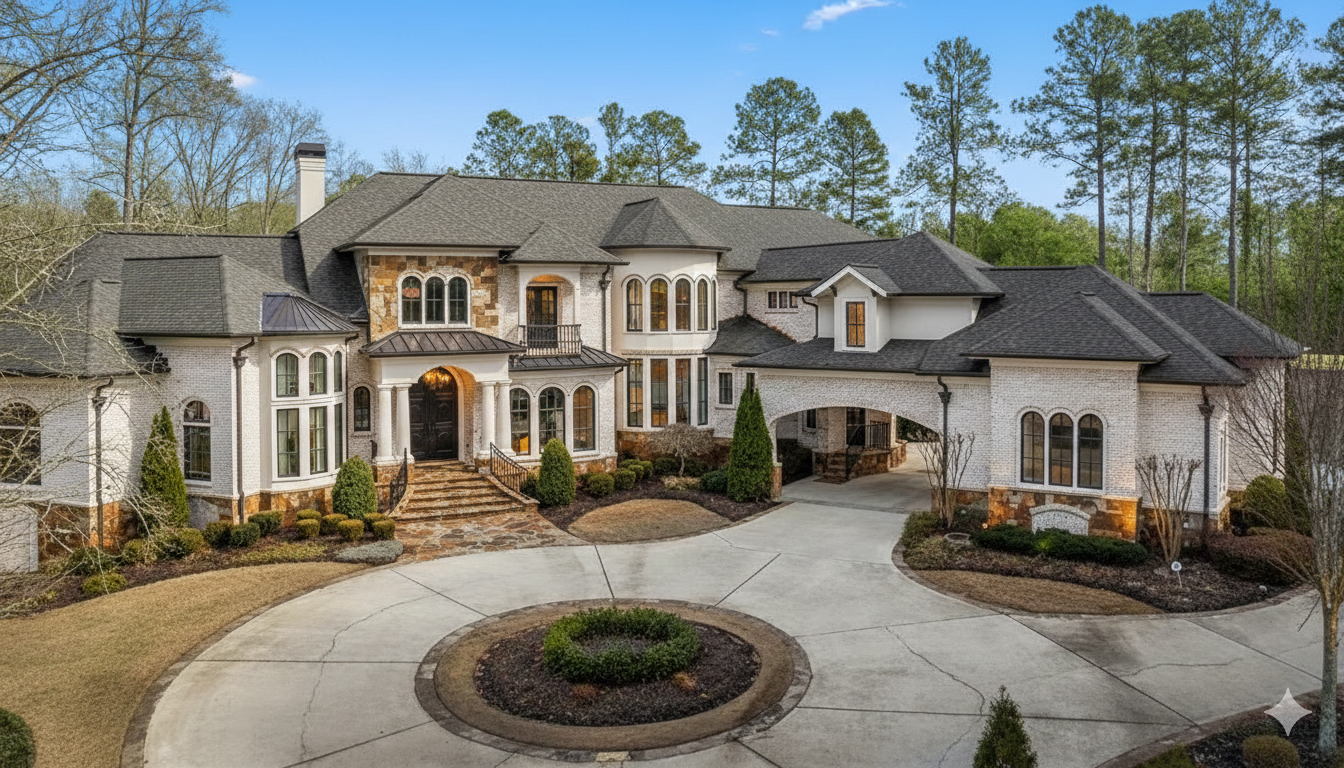
Milton is the most distinctive of the three. It has the most space, the least density, the most rural character, and the highest median price point. It has two excellent high schools rather than three. It has limited walkable commercial development outside of Crabapple. But it is the only one where you can have a one-acre estate with a horse barn, a Tom Watson-designed golf course a mile away, and a top-5% Georgia public school for your children — all in the same city.
The choice between these three cities ultimately comes down to lifestyle priorities. If walkability and urban energy matter, Alpharetta wins. If school-zone optionality and suburban function matter most, Johns Creek is strong. If space, prestige, and an intentionally low-density community with genuine rural character matter most, Milton is the answer.
Commute and Location: The Honest Picture
Milton sits approximately 30 miles north of downtown Atlanta. That distance is real, and buyers need to plan around it.
GA-400 is the primary artery. From Milton, you're typically looking at:
Downtown Alpharetta: 10–15 minutes
Roswell: 15–20 minutes
Sandy Springs/Perimeter area (major employment hub): 30–45 minutes
Buckhead: 40–55 minutes
Downtown Atlanta: 50–70 minutes
Traffic on GA-400 during peak hours is substantial. The Alpharetta area's dense employment base (Microsoft, NCR Voyix, Intuitive Surgical, Anthem, and dozens of others) means the GA-400 corridor is heavily used. Reverse commutes (from Atlanta toward Milton) move better.
Hartsfield-Jackson Airport is a meaningful haul from Milton — 55–75 minutes in normal conditions, longer during peak traffic. Frequent travelers should factor this in.
MARTA does not serve Milton. This is not a transit-accessible suburb. Car dependency is an operating assumption.
Alpharetta's employment corridor works in Milton's favor for many residents. The majority of Milton buyers who work locally are commuting to jobs in Alpharetta, Roswell, or the Perimeter area — not downtown Atlanta. For that segment, the commute is 15–30 minutes, which is entirely manageable given what they're getting in return.
What to Expect When Buying in Milton
Budget: Understand that Milton's median is around $1.1M. If your budget is $700K–$800K, you're looking at townhomes in Crabapple/Deerfield or smaller homes on standard lots. That's still a legitimate entry into the market and the school zones, but it's a different product than the estate properties that define Milton's identity.
Lot size matters: One of Milton's key differentiators is the minimum lot size requirement in many areas. Know whether the property you're considering is on a standard suburban lot, a minimum one-acre parcel, or larger acreage. This affects everything from privacy to maintenance load to resale.
Gated vs. non-gated: Several of Milton's most prominent communities (The Manor, White Columns) are gated. If gate access and 24-hour security are important to you, focus your search accordingly. Non-gated communities in Milton offer more price flexibility.
HOA structure: Country club communities have significant HOA and membership fees on top of the purchase price. The Manor and White Columns both require membership in their respective clubs, with monthly dues in addition to HOA fees. These are real costs that affect your total cost of ownership.
Inspect thoroughly: Older estate homes in Milton can have significant deferred maintenance. Large homes on large lots with pools, outbuildings, and extensive landscaping need comprehensive inspections — including the pool, the HVAC systems (multiple in larger homes), roofing, and any equestrian infrastructure.
School zoning verification: I will say this again: verify the school assignment for the specific address. Do not assume.
Who Is Milton the Right Fit For?
Milton is genuinely the right fit for a specific buyer profile. I'd be doing you a disservice if I told you it's for everyone — it's not.
Milton works well for:
Established buyers at $800K+ who are trading up from Alpharetta, Roswell, or another Atlanta suburb
Corporate relocations — executives and senior professionals who have been benchmarking against comparable markets in Houston, Dallas, Charlotte, and want space, prestige, and schools
Families where top-performing public high schools (not necessarily the absolute highest-ranked in Georgia, but genuinely excellent) are a priority
Buyers who actively value privacy, acreage, and low-density living — not just as a nice-to-have but as a genuine lifestyle priority
Horse owners or equestrian enthusiasts for whom horse property access is a functional requirement
Second-home or primary residence buyers looking for estate properties in the $1.5M–$4M range
Milton is probably not the right fit for:
Buyers who prioritize walkability, nightlife, and urban amenities — there is no equivalent of Avalon or Downtown Alpharetta in Milton
First-time buyers on a $400K–$600K budget (you'll find more options elsewhere in Metro Atlanta)
Buyers who need MARTA access or are car-averse
Buyers who want a dense, active suburban social scene centered around retail and restaurants
Buyers relocating from very urban environments (Chicago, New York, Boston) who expect that level of daily commercial access
Grocery, Retail, and Day-to-Day Living
Grocery: Milton has Publix options within the city. The Marketplace at Birmingham Village has a Publix that's technically in Milton, and there's a second Publix near Cambridge High School on the eastern side of the city. For broader grocery options — Kroger, Whole Foods, Trader Joe's, Sprouts — Alpharetta is 10–15 minutes away. The Milton Farmers Market is also a community staple for local produce and goods.
Shopping: For serious shopping, Alpharetta is the answer — Avalon, North Point Mall, and the Route 9 corridor. Milton itself is intentionally low on commercial density. That's a policy choice the city has made, and residents generally support it.
Dining: Crabapple has a genuine restaurant scene: Milton's Cuisine and Cocktails, Campania Milton, Olde Blind Dog Irish Pub, Crabapple Tavern, Grand Champion BBQ, Cue BBQ, Bobby G's. For more variety, Alpharetta and Roswell are 10–15 minutes away.
Golf: Milton has multiple country club courses — The Manor (Tom Watson design), White Columns (Tom Fazio design), Atlanta National (Pete and P.B. Dye design), and Iron Horse/Crooked Creek. The Painted Horse Winery adds a unique local amenity.
Parks and outdoors: Birmingham Park and Bell Memorial Park are the primary public parks. Birmingham Park allows horses on trails. Cyclists frequently use Milton's lower-traffic rolling roads, especially on weekends. The rural character is a lifestyle amenity in itself.
Milton Community Events and Culture
Milton has a strong civic identity and active community calendar:
Milton Hometown Jubilee: Annual community festival
Crabapple Fest: Major annual street festival in the Crabapple district
Christmas in Crabapple: Popular holiday tradition
Milton Farmers Market: Regular community gathering and local produce hub
These events reflect a city that genuinely values its small-town identity despite its affluence and proximity to Atlanta. There's a civic seriousness to Milton — the city fought to incorporate in 2006 specifically to gain more control over its own growth and development trajectory. That character shows up in local culture.
The Bottom Line on Milton
Milton is one of Metro Atlanta's best-kept open secrets — not because it's hidden, but because it doesn't market itself aggressively. The residents who are here generally want to be here, chose it deliberately, and tend to stay.
If the lifestyle fits — and for the right buyer it fits beautifully — Milton delivers something that very few suburbs anywhere in the Southeast can offer: estate-scale space, top-tier schools, a genuine sense of rural character, and 30 minutes to a major American city's employment base.
If you're considering Milton and want to understand how to navigate the school zones, evaluate specific neighborhoods, or benchmark what $900K versus $1.3M actually looks like on the ground, reach out. This is a market I know well, and it's one where having the right agent makes a real difference.
Ready to Explore Milton Real Estate?
I'm Kristen Johnson with Kristen Johnson Real Estate at Compass. I work with buyers across all of Metro Atlanta, including Milton, Alpharetta, Johns Creek, and Roswell. I provide honest assessments of North Fulton neighborhoods, help buyers understand school zoning, and develop competitive strategies in high-price-point markets.
Let's discuss your Milton home search:
Neighborhood tours and community comparisons
School zoning verification by address
Market analysis and pricing benchmarks
Offer strategy for competitive listings
Investment potential evaluation
You might also like: