

Should You Buy an Investment Property Through an LLC in Georgia?
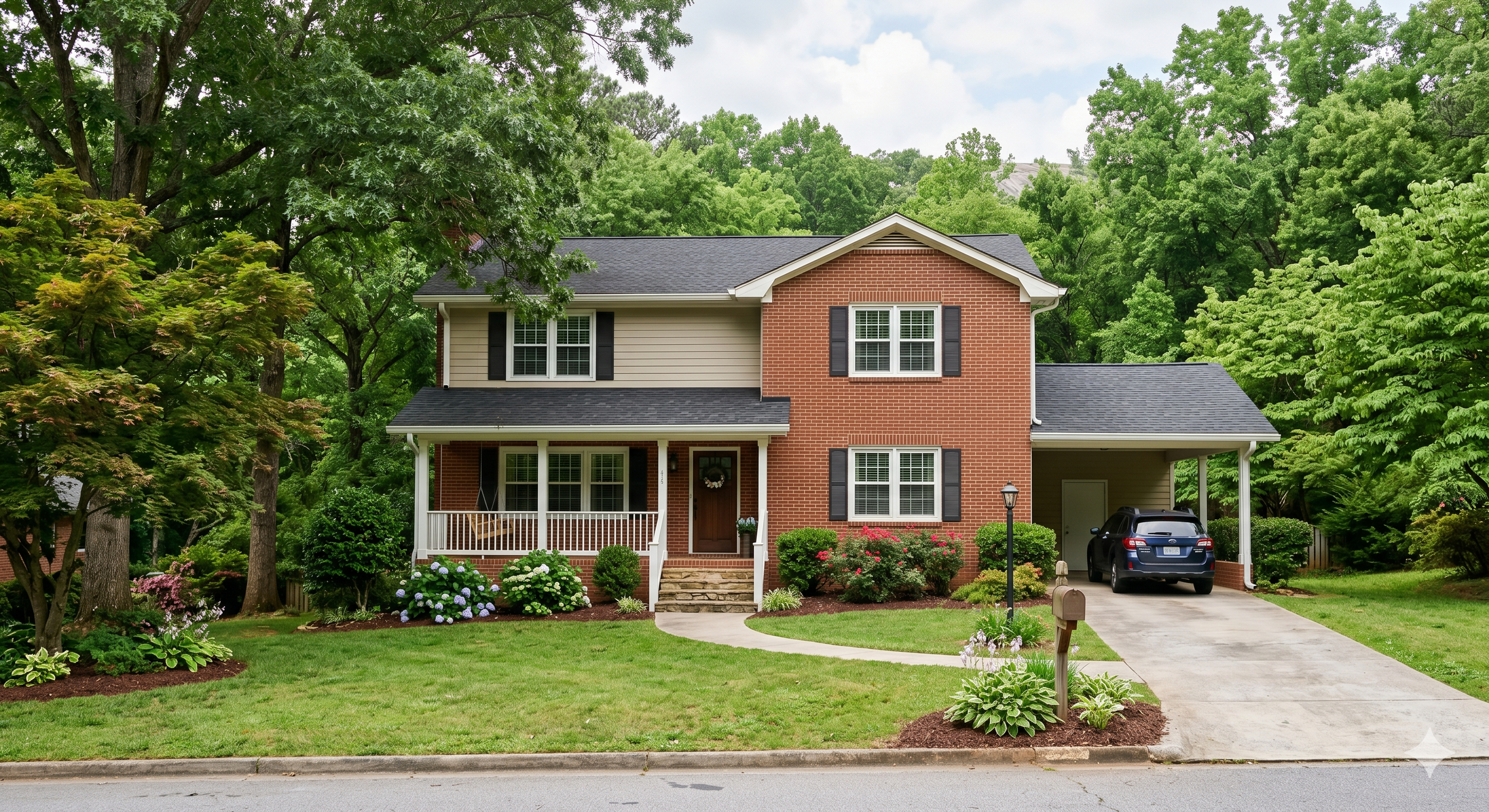
Most of my investor clients ask this question within the first three conversations: should the property be in my name, or in an LLC? The honest answer is that it depends on what stage you're at, how you're financing the purchase, and what you're actually trying to protect against. The "always use an LLC" advice you'll find on every real estate investing podcast skips over real Georgia-specific costs and lender realities that can either save you money or cost you the property.
I work with buyers across Metro Atlanta, including investors building rental portfolios in DeKalb, Fulton, Cobb, Gwinnett, Henry, and Douglas counties. The LLC question comes up most often with first-property buyers who are trying to do it "right" from the start, and with second- or third-property buyers who realized after closing that their structure isn't scalable.
Nearly a decade in this market.
Here's what you need to know.
What an LLC Actually Does (and What It Doesn't)
A limited liability company is a legal entity separate from you personally. When the LLC owns a rental property and a tenant or third party sues over something that happens at that property, the lawsuit is against the LLC. The plaintiff can reach the LLC's assets, which generally means the property itself and any cash in the LLC's bank account. They cannot reach your personal home, your personal bank accounts, your retirement accounts, or your other personal property, provided you've maintained the LLC correctly.
That last part matters more than most investors realize. The protection isn't automatic. If you treat the LLC like a personal checkbook, commingle funds, fail to maintain separate bank accounts, skip the operating agreement, or otherwise ignore corporate formalities, a plaintiff's attorney can ask a court to "pierce the corporate veil" and come after your personal assets anyway. Georgia courts have done this in cases where the LLC was essentially a paper shell.
What the LLC does not do: it doesn't protect the property itself, it doesn't protect anything you personally guarantee, and it doesn't shield you from liability for your own actions. If you personally signed the mortgage as a guarantor, you're still on the hook for that debt. If you personally performed maintenance work that caused an injury, you can still be sued personally for negligence. If you committed fraud or engaged in misconduct, the LLC won't save you.
The other thing the LLC doesn't replace: a good insurance policy. Landlord liability insurance with high limits is the first layer of protection. The LLC is the second layer. Investors who skip insurance because they have an LLC are setting themselves up for the exact scenario the LLC was meant to address, only without the resources to defend the lawsuit in the first place.

What It Costs to Set Up and Maintain an LLC in Georgia
Georgia is one of the cheaper states for LLC formation, and that's a real advantage for small investors building a portfolio.
Here are the actual numbers as of 2026:
Formation:
Articles of Organization filing fee: $100 online (plus a $5 service charge for online filing) or $110 by mail
Name reservation (optional, 30 days): $25 online
Registered agent: $0 if you serve as your own, or $100 to $300 per year if you hire a service
Ongoing:
Annual registration with the Georgia Secretary of State: $50, due between January 1 and April 1 each year, starting the year after formation
Late filing penalty: $25 if you miss the April 1 deadline
Failure to file can eventually result in administrative dissolution of the LLC
Additional setup costs to budget for:
EIN from the IRS: free, applied for online
Operating Agreement: not legally required in Georgia for a single-member LLC, but you should have one anyway. Templates range from free to $200; an attorney-drafted agreement runs $300 to $800
Separate business bank account: free at most banks if you maintain a minimum balance
Local business license (if your municipality requires one for rental property): varies by county and city
For a single-member LLC owning one rental property, you're looking at roughly $105 to $155 to form it and around $50 to $200 per year to maintain it, depending on whether you use a registered agent service. That's not nothing, but it's not the kind of number that should break the deal on a rental cash-flow analysis.
If you form one LLC per property (a strategy some investors use to isolate liability), multiply those costs by the number of properties. If you have five rentals each in their own LLC, you're managing five sets of formation paperwork, five annual registrations, five bank accounts, and five tax filings. That's where the operational drag becomes real.
Georgia's Transfer Tax Exemption: A Real Advantage
This is the part most national real estate investing content gets wrong because they treat all states the same. Georgia has a specific statutory exemption that makes transferring an existing property into your own LLC significantly less expensive than in many other states.
Georgia's real estate transfer tax is $1 per $1,000 of consideration plus an additional 10 cents per $100, which works out to roughly $1 per $1,000 of sale price. On a $400,000 property, that's about $400 in transfer tax at the time of recording, paid through the PT-61 form to the Clerk of Superior Court.
Under O.C.G.A. § 48-6-2(a)(11)(A), this transfer tax does not apply to a transfer from an individual to a corporation, partnership, or other entity if the individual transferring the property also holds a majority ownership interest in the entity receiving the property. In plain language: if you own a rental property in your personal name and you transfer it to an LLC that you own (whether as the sole member or majority member), the transfer is exempt from Georgia state transfer tax.
You still pay:
The $25 recording fee at the Clerk of Superior Court (the standard fee under O.C.G.A. § 15-6-77)
Any attorney fees for preparing the deed
The PT-61 filing, even though the tax owed will be zero. The form itself is still required
You do not pay the transfer tax that would otherwise apply on a sale of equivalent value. For a property worth $400,000, that's roughly $400 saved on the transfer alone. On a $750,000 property, it's about $750. For an investor with a multi-property portfolio, the exemption can save several thousand dollars in cumulative transfers.
This exemption is one of the practical reasons LLC ownership in Georgia is more accessible than in some Northeast or West Coast states where transfer taxes on entity transfers can run into the tens of thousands of dollars.
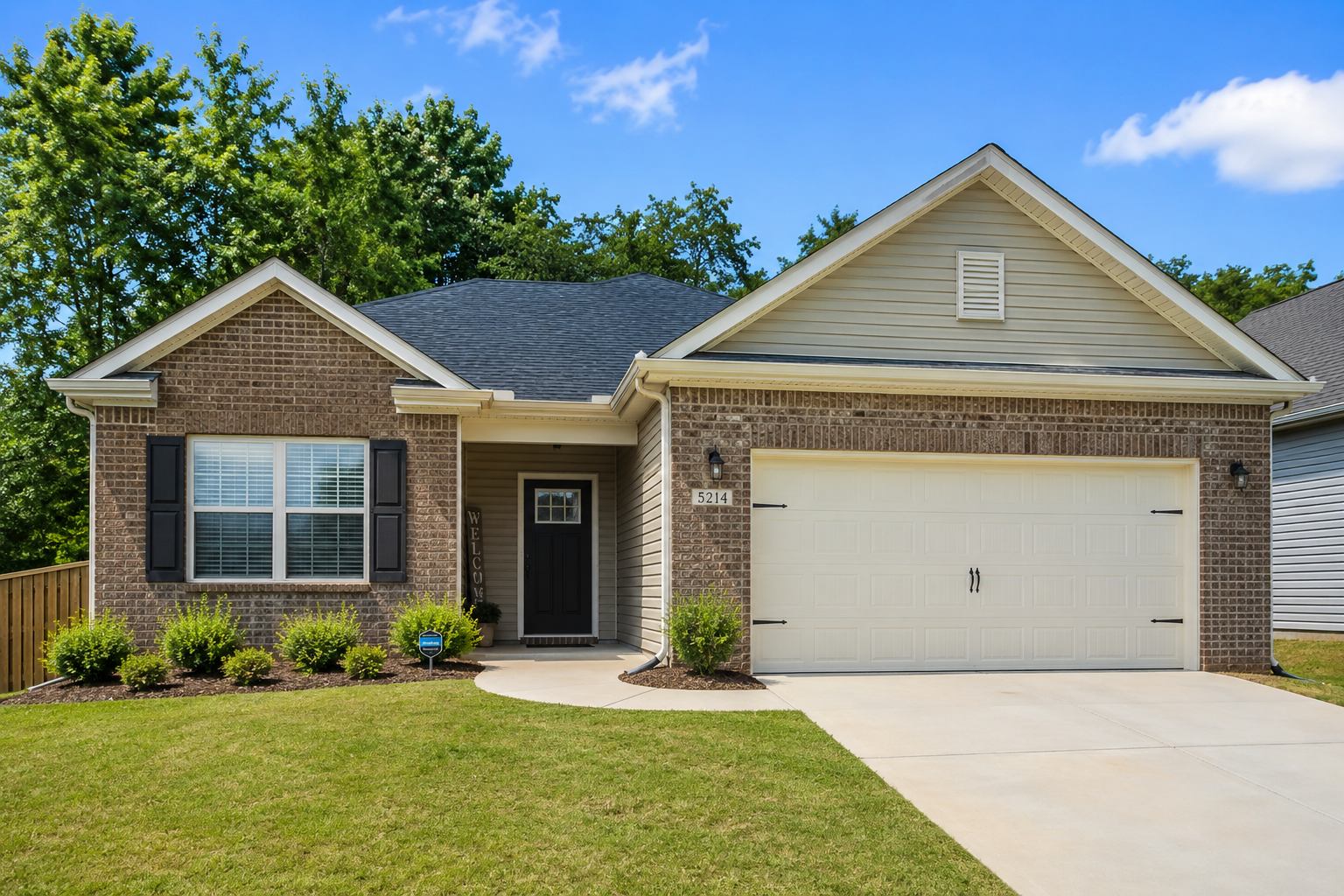
The Due-On-Sale Clause: The Biggest Real Risk for Existing Properties
Here's where most investors get into trouble. If you already own a rental property in your personal name and it has a mortgage, you cannot simply quitclaim the property into an LLC without considering the due-on-sale clause in your mortgage.
A due-on-sale clause is standard language in virtually every residential mortgage. It gives the lender the right to accelerate the loan, meaning demand immediate payment of the full outstanding balance, if you transfer ownership of the property without their consent. Transferring the property into an LLC, even one you own entirely, is technically a transfer of ownership and can trigger the clause.
There is a federal law, the Garn-St. Germain Depository Institutions Act of 1982, that protects certain transfers from due-on-sale enforcement. The relevant protections cover transfers to revocable living trusts where the borrower remains a beneficiary, transfers to a spouse or child, and a few other narrow categories. Transfers from an individual to their own LLC are not protected by Garn-St. Germain.
There are still some practical workarounds:
Fannie Mae and Freddie Mac exception. In 2017, Fannie Mae and Freddie Mac updated their servicing guidelines to permit transfers to LLCs without triggering the due-on-sale clause, provided certain conditions are met. The mortgage must have been purchased or securitized by Fannie Mae on or after June 1, 2016. The LLC must be controlled by, or majority owned by, the original borrower. The transfer cannot violate occupancy requirements in the security instrument (for example, if the loan was a primary residence loan with a 12-month occupancy requirement, you can't transfer to an LLC inside that window). Servicers must process these transfers without requiring lender approval.
This is meaningful, but the operative phrase is "purchased or securitized by Fannie Mae." Your loan may have been originated by a local lender and then sold into the secondary market, or it may have been held in portfolio. You won't always know without asking. The mortgage servicer can tell you whether the loan is Fannie- or Freddie-backed.
Lender consent. If your loan is not Fannie- or Freddie-backed, the safer route is to ask the lender for written consent before transferring. Many lenders will grant consent for an LLC transfer when the borrower remains the same person economically and continues making payments. Some will not. Asking first protects you from acceleration; not asking is gambling that the servicer either doesn't notice or chooses not to enforce.
Refinance into the LLC directly. If you can refinance the property under the LLC's name with a commercial or DSCR loan, you avoid the due-on-sale issue entirely because the new loan is in the LLC's name from origination. The trade-off: commercial and DSCR loans typically carry higher rates and require larger down payments, which I'll cover below.
The risk of doing the transfer without addressing the due-on-sale clause is not theoretical. If the lender discovers the transfer and chooses to enforce, the entire mortgage balance becomes due immediately. Most lenders do not enforce when payments are current. But "most lenders, most of the time" is not the basis I want any of my investor clients planning their portfolio around.
Financing a Property Already in an LLC
This is where the LLC question gets genuinely complicated for new investors, and where the strategy you choose affects the math on every deal you do going forward.
Conventional residential mortgages (Fannie Mae, Freddie Mac, FHA, VA). These loans are written to individuals, not entities. You cannot get a 30-year fixed conventional mortgage with a Fannie- or Freddie-backed rate while purchasing in the name of an LLC. The loan has to be in your personal name. The most common workaround is to close in your personal name and then transfer to the LLC after closing, navigating the due-on-sale issue described above.
DSCR loans. These are the most common loan product for investors who want to purchase directly under an LLC. DSCR stands for Debt Service Coverage Ratio. The lender qualifies the loan based on whether the property's rental income covers the mortgage payment, not based on your personal income, tax returns, or W-2s. As of mid-2026, DSCR loan rates typically range from about 6.0% to 8.0% depending on credit score, loan-to-value, and the property's cash flow. Down payment requirements are usually 20% to 25%, with some lenders going as low as 15% for strong borrowers. Most DSCR lenders allow or require closing under an LLC.
Commercial real estate loans. For larger multi-family properties (typically five units or more), or for investors buying through a more complex entity structure, commercial loans are written directly to the LLC. Rates and terms are negotiated; expect higher rates than residential, shorter terms (often 5 to 10 years with a balloon), and stricter underwriting on both the borrower and the property.
Portfolio loans. Some local and regional banks offer in-house portfolio loans to LLCs, particularly for investors with established relationships. Terms vary significantly. If you're building a portfolio in Metro Atlanta, building a relationship with a community bank that does in-house lending can be more valuable than chasing the lowest rate online.
The practical upshot: if you're buying your first rental and you want a 30-year fixed at conventional rates, you'll likely close in your personal name. If you're buying with DSCR financing, the LLC question is solved at origination. If you're refinancing an existing portfolio, the conversation with your lender comes before the conversation about the LLC.
Tax Treatment: What Changes (and What Doesn't)
A single-member LLC is, by default, a "disregarded entity" for federal income tax purposes. That means the IRS treats the LLC as if it doesn't exist for tax purposes. All rental income, expenses, depreciation, and pass-through items flow directly onto your personal Form 1040, Schedule E, exactly as they would if you owned the property in your personal name. There is no separate federal tax return for a single-member LLC unless you elect to be taxed as a corporation, which most investors should not do without specific advice from a CPA.
What this means in practice: your tax situation does not change when you put a property into a single-member LLC. You still depreciate the property over 27.5 years (residential), still deduct mortgage interest, property taxes, insurance, maintenance, and management fees, and still report rental income on Schedule E. The LLC is invisible to the IRS in a one-member structure.
A multi-member LLC (with two or more members, including spouses if you're not filing jointly) defaults to partnership taxation, which does require a separate federal return on Form 1065 and K-1s to each partner. That's a meaningful administrative cost. Partnership returns typically run $500 to $1,500 per year through a CPA.
Georgia state income tax treatment generally follows the federal treatment, so a single-member LLC has no separate Georgia tax filing.
Property tax treatment in Georgia does not change based on LLC ownership. The county tax assessor cares about the property, not who owns it. Your county property tax bill will be the same whether the deed names you personally or names "[Your Name] Investments LLC." Homestead exemption, however, is not available on rental property regardless of ownership structure, so that's not a factor for true investment property.
What About the Corporate Transparency Act?
The Corporate Transparency Act (CTA) created a federal beneficial ownership reporting requirement for LLCs and other entities. Originally, every domestic LLC was required to file a beneficial ownership information (BOI) report with FinCEN identifying the individuals who own or control the entity.
As of March 26, 2025, FinCEN issued an interim final rule that exempts domestic entities (including domestic LLCs and their U.S. beneficial owners) from the BOI reporting requirements. Only entities formed under foreign law that have registered to do business in a U.S. state are currently required to file. For a Georgia LLC formed by a U.S. person to hold a Georgia rental property, no FinCEN BOI report is currently required.
This is an area where the rules have shifted multiple times in the past two years, and there is ongoing litigation and the possibility of legislative or regulatory changes. Investors should confirm the current status with their attorney or CPA before assuming the exemption still applies at the time of their formation.
Title Insurance: A Detail Most Investors Overlook
Title insurance is a piece of the LLC transfer that almost no one talks about until something goes wrong. When you bought the property in your personal name, your closing attorney issued an owner's title insurance policy in your personal name. That policy is what protects you against title defects: undisclosed liens, missed easements, prior unrecorded transfers, forged signatures in the chain of title, and similar problems.
When you transfer the property to your LLC, the LLC is a different legal entity than you. Whether your existing title insurance policy continues to protect the LLC depends on the specific language in the policy. Some title insurance policies include the LLC automatically when the named insured is the sole member. Others do not. If you lose title coverage and a title defect surfaces later, you have no recourse against the title insurer because the LLC was never the insured party.
Before you record any deed transferring property into an LLC, contact the title insurer that issued your original policy and ask:
Does the existing policy continue to insure the LLC if the LLC is wholly owned by the original insured?
If not, can the policy be endorsed to add the LLC as an insured party? Most title companies offer an endorsement for this for a modest fee (often $100 to $300 depending on the company and the property value).
What does the title company need from you, such as a copy of the operating agreement, a certificate of formation, or other documentation, to issue the endorsement?
For investors who have been transferring properties into LLCs without addressing title insurance, this is the moment to call your closing attorney and your title insurer to confirm where your coverage actually stands. The cost of fixing it now is small. The cost of discovering a title defect on an LLC-held property with no insurance is significant.
House Hacking and Owner-Occupied Properties: A Different Conversation
I get this question regularly from first-time buyers in intown Atlanta neighborhoods like Edgewood, Kirkwood, East Atlanta, Reynoldstown, and the West End: "I want to buy a duplex or a property with a basement apartment, live in one unit, rent the other, and put the property in an LLC for protection. Can I do that?"
The short answer is that house hacking with an LLC structure is significantly more complicated than either pure investment property or pure primary residence, and the right strategy depends on which loan product you're using.
If you're buying a 2-4 unit property with an FHA loan, a VA loan, or a conventional owner-occupied loan, the loan requires you to live in the property as your primary residence, typically for at least 12 months. These loans cannot be in the name of an LLC at closing. The borrower has to be a natural person. You can house-hack with conventional or FHA financing, but you'll close in your personal name and remain in your personal name for as long as the occupancy clause requires.
Transferring an owner-occupied loan into an LLC during the occupancy period can violate the loan terms, even if you're technically still living in the property. The Fannie Mae LLC transfer exception specifically requires that the transfer not violate occupancy requirements in the security instrument. For owner-occupied financing, the LLC question typically gets deferred until you've satisfied the occupancy requirement and either refinanced or moved out.
What I see work for house hackers in Metro Atlanta:
Close in your personal name with an owner-occupied loan (FHA, VA, or conventional)
Carry strong landlord insurance and a personal umbrella policy through the occupancy period
After the occupancy requirement is satisfied (typically 12 months), either continue to occupy and operate as a personal residence with a tenant, or move out and convert to a pure rental
Once the property has converted to pure rental and the occupancy requirement is gone, consider refinancing to a DSCR loan in the LLC's name or transferring the deed (with lender consent) to an LLC
This is the path that works for buyers using the FHA 3.5% down structure to acquire a Metro Atlanta duplex or 2-4 unit property and build a rental portfolio incrementally. It is not the path that works for buyers who want to start with the LLC structure intact from day one and finance the property with low-down-payment owner-occupied lending. Those two goals are in conflict, and the financing structure has to come first.
When the LLC Actually Makes Sense
Based on what I see with investor clients in Metro Atlanta, the LLC question breaks down into a few distinct scenarios.
You're buying your first rental property with conventional financing. You'll close in your personal name because that's how the loan is written. After closing, you have a decision to make about whether to transfer to an LLC, and you'll need to address the due-on-sale issue. For many first-property investors, the right move is to start with strong landlord insurance ($1M+ liability per occurrence) and an umbrella policy, build six months of payments in reserves, then transfer to an LLC once you're comfortable with the loan structure.
You're buying with DSCR or commercial financing. Close directly under the LLC from day one. The lender expects it, the structure is clean from the start, and you avoid the transfer headache entirely. This is the standard play for investors using DSCR loans, which is the most common financing path for portfolio builders.
You have multiple properties in your personal name and want to reorganize. This is where the math gets interesting. Each transfer is a separate due-on-sale conversation with your lender. Each transfer is a separate quitclaim deed and PT-61 filing (no transfer tax in Georgia under the majority-ownership exemption, but still paperwork). For investors with three or more properties, the consolidation usually makes sense, but the order of operations matters. Handle the lender conversations before recording any deeds.
You're building a portfolio with significant assets to protect. Once your total exposure (combined equity across rental properties) is large enough that an uninsured loss would meaningfully damage your personal financial picture, the LLC structure starts paying for itself. Some investors use one LLC per property to isolate liability. Others use a single LLC holding multiple properties. Others use a "Series LLC" structure, which Georgia now permits, allowing separate protected cells within a single parent entity. The right answer depends on the value of the portfolio, the type of properties, and how you want to manage them.
You're a passive investor or have partners. Multi-member LLC structures become important when you're investing with a spouse (in a non-community property state like Georgia), a business partner, or a family member. The operating agreement governs how decisions are made, how distributions are calculated, and what happens if a partner wants to exit. This is not a DIY structure. Get an attorney involved.

When the LLC Probably Isn't the Right Move (Yet)
I get into honest conversations with first-time investors who read a few blogs and decide they need an LLC, an S-corp election, a series LLC structure, and a Wyoming holding company before they close on a single rental. That's putting the cart about ten miles ahead of the horse.
If you're buying your first rental, financing it with a conventional 30-year fixed in your personal name, carrying strong landlord insurance with high liability limits and an umbrella policy, and the property cash-flows reasonably, you don't need to form an LLC before closing. You can form one later, after you've proven that you actually enjoy being a landlord, after you've seen the property through a full year of operations, and after you have the cash flow to absorb the ongoing administrative costs.
The most expensive mistake I see new investors make isn't failing to form an LLC. It's overpaying for the property, underestimating capital expenditures, or buying in a market they don't understand. An LLC won't fix any of those problems.
How to Set Up a Georgia LLC for a Rental Property
If you've decided the LLC structure is right for your situation, here's the practical sequence:
Choose a name that complies with Georgia naming rules. The name must include "Limited Liability Company," "LLC," "L.L.C.," or one of the other authorized variations. Search the Georgia Secretary of State's business name database to confirm availability. Most investors use a name that doesn't broadcast the property address. "1234 Maple Street LLC" tells every plaintiff's attorney exactly which property to investigate. A neutral name (your initials + Investments LLC, a family name + Properties LLC) is the more common approach.
File the Articles of Organization online through the Georgia Secretary of State's Corporations Division at sos.ga.gov. The fee is $100 plus a $5 service charge for online filing.
Designate a registered agent with a Georgia street address. You can serve as your own agent if you have a Georgia address and are available during business hours, or hire a commercial registered agent service.
Obtain an EIN from the IRS online (free). You'll need this to open a business bank account and to report rental income to the LLC, even if the LLC is a disregarded entity for tax purposes.
Draft and execute an Operating Agreement, even as a single-member LLC. This document establishes the LLC's governance structure and helps demonstrate the LLC's separate legal existence if you ever face a piercing-the-veil challenge.
Open a separate business bank account in the LLC's name. All rental income should be deposited into this account. All expenses should be paid from this account. Do not commingle personal and LLC funds. This is the single most important step for preserving the liability shield.
Update insurance to name the LLC as the insured (or named additional insured, depending on policy language). Notify your insurance carrier of the ownership change.
If transferring an existing property: address the due-on-sale issue with your lender first, then execute and record a quitclaim or limited warranty deed conveying the property from yourself individually to the LLC. File the PT-61 form claiming the O.C.G.A. § 48-6-2(a)(11)(A) exemption. Pay the $25 recording fee.
File annual registrations with the Georgia Secretary of State each year between January 1 and April 1.
For most investors, working with a Georgia real estate attorney to handle the deed transfer and an accountant familiar with rental property taxation is well worth the cost. The DIY approach works for the LLC formation itself; the property transfer and tax planning benefit from professional guidance.

Structuring a Multi-Property Portfolio: One LLC, Many LLCs, or a Series LLC
For investors moving beyond the first or second property, the question shifts from "should I have an LLC" to "how should the LLC structure be organized across multiple properties." There are three common approaches, and each has trade-offs that play out differently depending on the size and value of the portfolio.
Single LLC holding all properties. The simplest structure. One Georgia LLC owns all rental properties. One bank account, one set of books, one annual registration, one tax return (on Schedule E for a single-member LLC, or on Form 1065 for multi-member). The downside: a claim against any one property potentially exposes the equity in every other property held by the LLC. If a tenant at Property A wins a six-figure judgment against the LLC, and the LLC's insurance doesn't cover the full amount, the plaintiff can pursue Property B, C, and D to satisfy the judgment. For investors with low equity in each property (recently purchased, high leverage), this matters less. For investors with substantial equity across the portfolio, the concentration of risk is real.
Separate LLC for each property. The most protective structure and the most operationally complex. Each property sits in its own Georgia LLC. A claim against the LLC holding Property A cannot reach Property B, C, or D, because each is held by a legally separate entity. The cost: multiplied formation fees ($105 each), multiplied annual registrations ($50 each per year), multiplied bank accounts, multiplied bookkeeping. For an investor with 10 properties, that's $1,050 in formation costs and $500 in annual registrations alone, plus the time cost of managing 10 separate sets of books. The administrative drag is the reason most investors with smaller portfolios don't take this approach. For investors with five or more properties of meaningful equity value, the protection often justifies the complexity.
Series LLC. Georgia now permits Series LLCs, which allow you to create separate protected "cells" or "series" within a single parent LLC. Each series has its own assets, its own liability shield, and operates as if it were a separate LLC for liability purposes, but the parent entity files one annual registration and (depending on tax election) potentially one tax return. In theory, this gives you the protection of separate LLCs with less administrative overhead. In practice, the Series LLC is relatively new in Georgia, has not been extensively tested in Georgia courts, and may be treated differently by lenders, insurance carriers, and out-of-state courts in litigation. Some investors are enthusiastic; some attorneys are cautious. This is a conversation to have with a Georgia real estate attorney before adopting the structure, not after.
Holding company structure. For larger portfolios, some investors use a two-tier structure: a parent holding LLC that owns membership interests in multiple property-level LLCs, with each property in its own subsidiary. This adds another layer of legal separation and can simplify estate planning and management. It also adds another layer of complexity, cost, and tax reporting. This structure is generally for investors with portfolios in the multi-million-dollar range or with specific estate planning needs.
Most Metro Atlanta investors I work with end up somewhere on a spectrum: a single LLC for the first one to three properties, separate LLCs starting at the fourth or fifth property as equity builds, and reconsideration of structure if and when the portfolio reaches the size where a holding company makes sense. There is no single right answer, and the structure can evolve as the portfolio grows.
Insurance: The Layer the LLC Doesn't Replace
I mentioned earlier that the LLC is the second layer of protection, with insurance being the first. Investors who skip the insurance conversation in favor of structural complexity are getting the priority backward.
For Metro Atlanta rental property, the standard insurance stack looks like this:
Landlord property insurance (DP-3 or equivalent). This is the rental-property equivalent of homeowners insurance. It covers the structure against fire, wind, hail, and other named perils, and it includes liability coverage for incidents at the property. Investors should look for replacement cost coverage on the structure (not actual cash value), loss of rents coverage (typically 12 months), and liability limits of at least $500,000 to $1 million per occurrence. Annual premiums for a typical Metro Atlanta single-family rental range from roughly $1,200 to $2,500 depending on the property value, location, and coverage level.
Personal umbrella policy. A personal umbrella policy provides liability coverage above and beyond the underlying landlord policy. For investors with multiple properties or substantial assets, an umbrella with $1 million to $5 million in additional liability coverage adds meaningful protection at relatively low cost (often $300 to $800 per year). Some carriers require a minimum number of underlying policies before they'll write an umbrella, and some will not extend the umbrella to LLC-owned properties unless the LLC is specifically named.
Commercial umbrella (for LLC-held properties). Once you have multiple rental properties held in LLCs, a personal umbrella may not extend coverage to the LLCs. A commercial umbrella policy written for the LLC provides liability coverage layered on top of the landlord policies. This is the structure most investors with three or more LLC-held rentals end up using.
General liability and other endorsements. Depending on the property type and rental strategy (long-term, short-term rental, multi-family), additional endorsements or stand-alone policies may be appropriate. Short-term rental properties in particular require specialized coverage that standard landlord policies often exclude.
The key insurance question to ask before transferring a property to an LLC: will my existing landlord policy continue to insure the property after the LLC takes title? In most cases, the policy needs to be updated or rewritten in the LLC's name. Notify your insurance agent in advance of the transfer, not after.
Common Mistakes I See Investors Make
A few patterns come up repeatedly with Metro Atlanta investors thinking through the LLC question:
Forming the LLC before talking to the lender. If you tell your loan officer mid-application that you want to close under an LLC, you'll learn quickly which loan products are available and which aren't. Have that conversation first.
Transferring a financed property without addressing due-on-sale. The risk is real even if the lender rarely enforces. If the loan is Fannie- or Freddie-backed post-June 2016, the transfer is permitted. If it's not, get lender consent in writing.
Commingling funds. Running rental income through your personal checking account, paying property expenses with your personal credit card, or using LLC funds to pay personal bills destroys the liability shield. The LLC becomes a paper entity that a court can disregard.
Skipping the operating agreement. Single-member LLCs in Georgia don't legally require one, but the absence of an operating agreement is one of the factors courts have weighed when piercing the corporate veil. Get one in place.
Skipping insurance. The LLC is not a substitute for liability insurance. You need both, and you need the insurance to be in force first, because by the time a claim is filed, you can't add coverage retroactively.
Forming the LLC in a different state for "privacy." Some out-of-state advisors push Wyoming or Delaware LLC structures for Georgia investment properties. For Georgia rental property, you'll still need to register the out-of-state LLC as a foreign LLC doing business in Georgia, which costs $225 in additional filing fees, plus the ongoing compliance burden of two states. The "privacy" benefits are usually overstated, and the cost-benefit rarely works out for small portfolios.
How I Work with Investor Clients
I work with investors at every stage: first-time rental buyers who are still deciding whether the math works, second- and third-property buyers building a portfolio, and out-of-state buyers acquiring Atlanta rentals from a distance. The LLC question is one piece of a much larger conversation that includes neighborhood selection, ZIP-level rental yield analysis, property condition assessment, financing strategy, and exit planning.
What I am not: a real estate attorney or a CPA. The structural and tax questions in this post should be reviewed with a Georgia attorney for the legal side and a tax professional for the federal and state tax side. I work with several locally that I refer investor clients to regularly. The right structure for your portfolio depends on facts I don't know yet: your other holdings, your tax bracket, your estate plan, your business partners, and your tolerance for administrative complexity.
What I bring to the conversation is the on-the-ground view of which Metro Atlanta neighborhoods are producing the rental yields investors are actually achieving, which properties cash-flow at current rates and which don't, which markets are seeing the strongest rent growth, and which financing strategies my investor clients are using successfully right now.
Frequently Asked Questions
Do I need to form an LLC before I buy my first rental property in Georgia?
No. Most first-time investors buying with conventional 30-year fixed financing close in their personal name because conventional loans are written to individuals, not entities. You can form an LLC and transfer the property later. The decision should weigh the cost of formation and ongoing maintenance against your specific risk profile and the size of your portfolio.
How much does it cost to form an LLC in Georgia in 2026?
The Georgia Secretary of State filing fee is $100 plus a $5 service charge for online filing, for a total of $105 to form the LLC. The annual registration fee is $50, due between January 1 and April 1 each year. If you hire a registered agent service, add $100 to $300 per year. Operating Agreement templates range from free to $200; attorney-drafted agreements run higher.
Does transferring my rental property into an LLC trigger Georgia transfer tax?
No, provided you hold a majority ownership interest in the LLC receiving the property. Under O.C.G.A. § 48-6-2(a)(11)(A), transfers from an individual to a corporation, partnership, or other entity are exempt from the state real estate transfer tax when the individual transferring the property also has a majority ownership interest in the receiving entity. You still pay the $25 recording fee and must file the PT-61 form, but no transfer tax is owed.
Will transferring my rental property to an LLC trigger the due-on-sale clause on my mortgage?
Potentially yes, if the loan is not Fannie- or Freddie-backed under the 2017 guidelines. Fannie Mae and Freddie Mac permit transfers to LLCs without triggering the due-on-sale clause if the loan was purchased or securitized on or after June 1, 2016, and the LLC is controlled by the original borrower. For loans not covered by this exception, you should request lender consent in writing before transferring. Transferring without consent risks the lender accelerating the loan, meaning the entire balance becomes due immediately.
Can I get a conventional 30-year fixed mortgage in the name of an LLC?
No. Fannie Mae and Freddie Mac conventional loans are written to individuals, not entities. To purchase directly under an LLC, you'll need a DSCR loan, a commercial loan, or a portfolio loan from a community bank. Expect higher rates (roughly 6.0% to 8.0% for DSCR loans in 2026), larger down payments (20% to 25%), and shorter terms than conventional financing.
Do I need a separate LLC for each rental property?
Not necessarily. Some investors use one LLC per property to isolate liability between properties. Others use a single LLC to hold multiple properties, which is operationally simpler but means a claim against one property potentially exposes the equity in all the others. Georgia now permits Series LLCs, which create separate protected cells within a single parent entity. The right structure depends on the value of your portfolio, your risk tolerance, and your tolerance for administrative complexity.
Does an LLC change how my rental income is taxed?
For a single-member LLC, no. The IRS treats single-member LLCs as disregarded entities by default, meaning rental income, expenses, and depreciation flow directly to your personal Form 1040, Schedule E, exactly as if you owned the property in your personal name. A multi-member LLC defaults to partnership taxation and requires a separate Form 1065 federal return plus K-1s to each member.
Do I need an Operating Agreement for a single-member LLC in Georgia?
It is not legally required, but you should have one. Courts have weighed the absence of an operating agreement as a factor in piercing the corporate veil. The agreement establishes the LLC's separate legal existence, sets governance procedures, and is often required when opening a business bank account or applying for financing.
What's the Corporate Transparency Act and does it apply to my Georgia LLC?
The Corporate Transparency Act originally required most LLCs to file a beneficial ownership information (BOI) report with FinCEN. As of March 26, 2025, FinCEN issued an interim final rule exempting domestic entities (including Georgia LLCs owned by U.S. persons) from the BOI reporting requirement. The rule could change, so confirm the current status with your attorney before assuming the exemption applies at the time of your formation.
Can I live in a property owned by my LLC?
Doing so creates significant complications. If you live in a property your LLC owns, you risk losing the liability protection (you're occupying the property personally), losing the homestead exemption (rental properties don't qualify), and potentially creating tax issues around the property's use. Investment properties held in LLCs should be investment properties, not personal residences.
Should I form a Wyoming or Delaware LLC for my Georgia rental property?
For most small portfolios, no. If you form an out-of-state LLC and use it to own Georgia real estate, you'll need to register the LLC as a foreign LLC doing business in Georgia, which costs $225 in filing fees plus ongoing compliance in two states. The privacy and asset protection benefits are usually overstated for typical rental property portfolios. Most Georgia investors are better served by a Georgia LLC.
What happens if I miss the annual registration deadline?
If you miss the April 1 deadline, Georgia charges a $25 late filing penalty. Continued failure to file can eventually lead to administrative dissolution of the LLC, which means you lose the liability protection and the legal status of the entity. Set a calendar reminder for March each year and file early.
Can I refinance an LLC-owned property with a conventional loan?
Generally no, while the property is held by the LLC. To refinance into a conventional 30-year fixed, you would typically need to transfer the property back into your personal name first. This is why investors using DSCR loans often plan for the property to be held in the LLC long-term, since the refinance options on LLC-owned property are generally limited to DSCR, commercial, or portfolio loan products.
If you're thinking about investment property in Metro Atlanta, I work with investors across DeKalb, Fulton, Cobb, Gwinnett, Henry, and the western counties. The LLC question is one of several structural decisions that affect how your portfolio performs, and the right answer depends on facts specific to your situation. Visit kristenjohnsonrealestate.com or reach out directly. Come as you are, come on home.
Looking for more investor and buyer education? I've covered related topics including FHA vs. Conventional loans in Atlanta, how much house you can afford in Atlanta, and whether now is a good time to buy in Atlanta. Browse the full guide series at kristenjohnsonrealestate.com.