

The Millennial Home Buyer in Atlanta 2026: What's Changed, What Hasn't
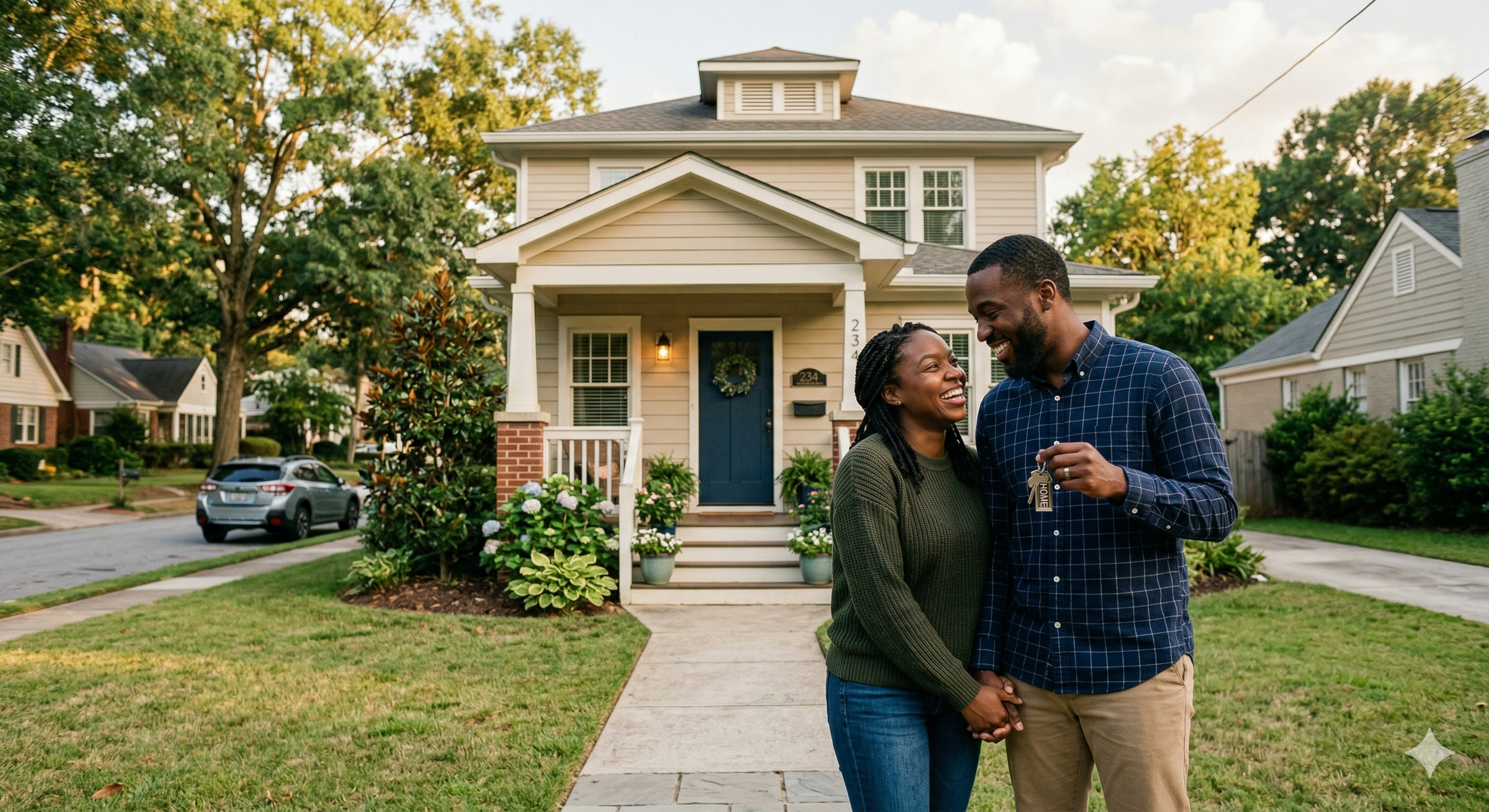
If you were born between 1981 and 1996, you've been hearing about homeownership your entire adult life — mostly in the form of reasons you can't have it. Student loans. The 2008 crash. Gig economy income. Avocado toast, if you believe the headlines.
And yet millennials are now the largest group of home buyers in the country. Not just first-timers — millennials buying again, millennials upgrading, millennials who've been in their starter homes for five or six years and are ready to move. In Metro Atlanta, I see this every day.
I work with buyers across Metro Atlanta, and a significant portion of them are millennials — either buying for the first time or making a move they've been planning for years. Nearly a decade in this market means I've watched this generation's relationship with homeownership shift in real time.
Here's what that actually looks like in 2026.
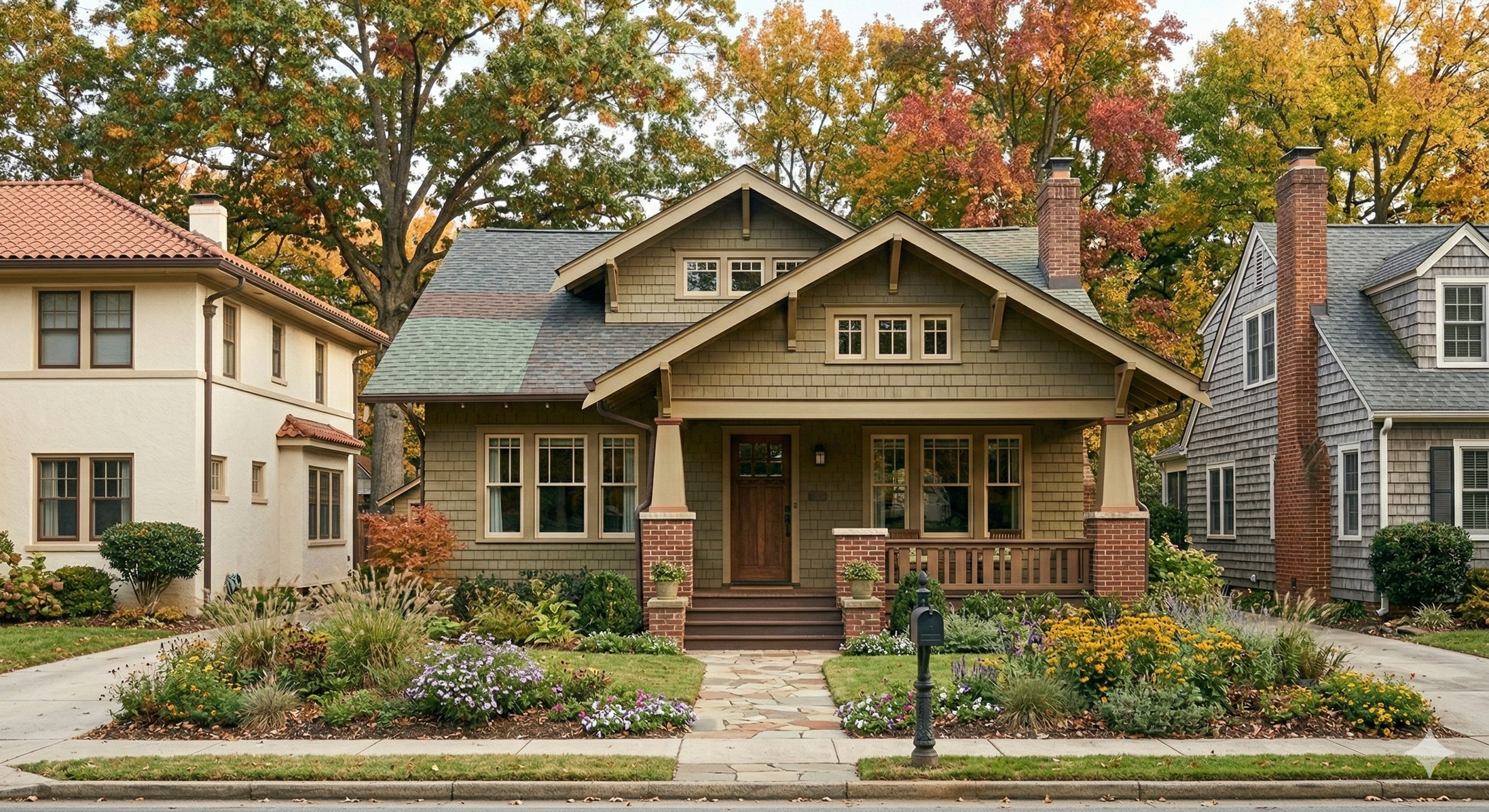
The Millennials Who Waited Are Moving Now — Fast
The oldest millennials are 44 this year. The youngest are 29. That's a wide range of life stages, and it shows up clearly in the buyer pool.
The millennials buying in Atlanta right now are not the same buyers from 2020 or 2021. They've had more time to save, more time to build credit, and for a lot of them, more time to get over the paralysis that rate increases caused between 2022 and 2024. They watched rates hit 7, 7.5, even 8 percent and decided to wait. Now they're recalculating.
Here's what I tell every buyer who waited: the market didn't pause while you were watching. Prices in Metro Atlanta have continued to climb in most intown and close-in suburban neighborhoods. Waiting for the "perfect" rate rarely plays out the way buyers hope. What actually happens is that by the time rates soften, prices have adjusted upward and competition has returned. You trade one problem for another.
The millennials who are moving now understand this. They're not waiting for perfect conditions. They're buying when their life demands it — a new job, a growing family, a lease that's finally ending on a unit they've outgrown — and they're making strategic decisions within actual market conditions, not hypothetical ones.
What Has Changed: Rate Acceptance and Payment Reality
Two years ago, I had buyers who would see a 6.5% rate and walk away from the conversation entirely. That's changed.
In 2026, millennial buyers have largely accepted that rates are not going back to 3%. The question has shifted from "When will rates drop?" to "What can I afford at this rate, and is this still a better long-term decision than renting?"
The math still works for most buyers — especially in Atlanta, where rent in intown neighborhoods has risen sharply. A buyer in Kirkwood or East Atlanta who was paying $1,900 a month for a 1-bedroom apartment is now looking at 2-bedroom homes in the low-to-mid $300s with mortgage payments in a similar range, depending on down payment. That calculation lands differently than it did three years ago.
What's shifted is the timeline. Millennial buyers in 2026 are thinking in longer windows — 7 to 10 years, not 3 to 5. They're buying homes they can grow into, not just homes they can afford today. That changes what they're prioritizing.
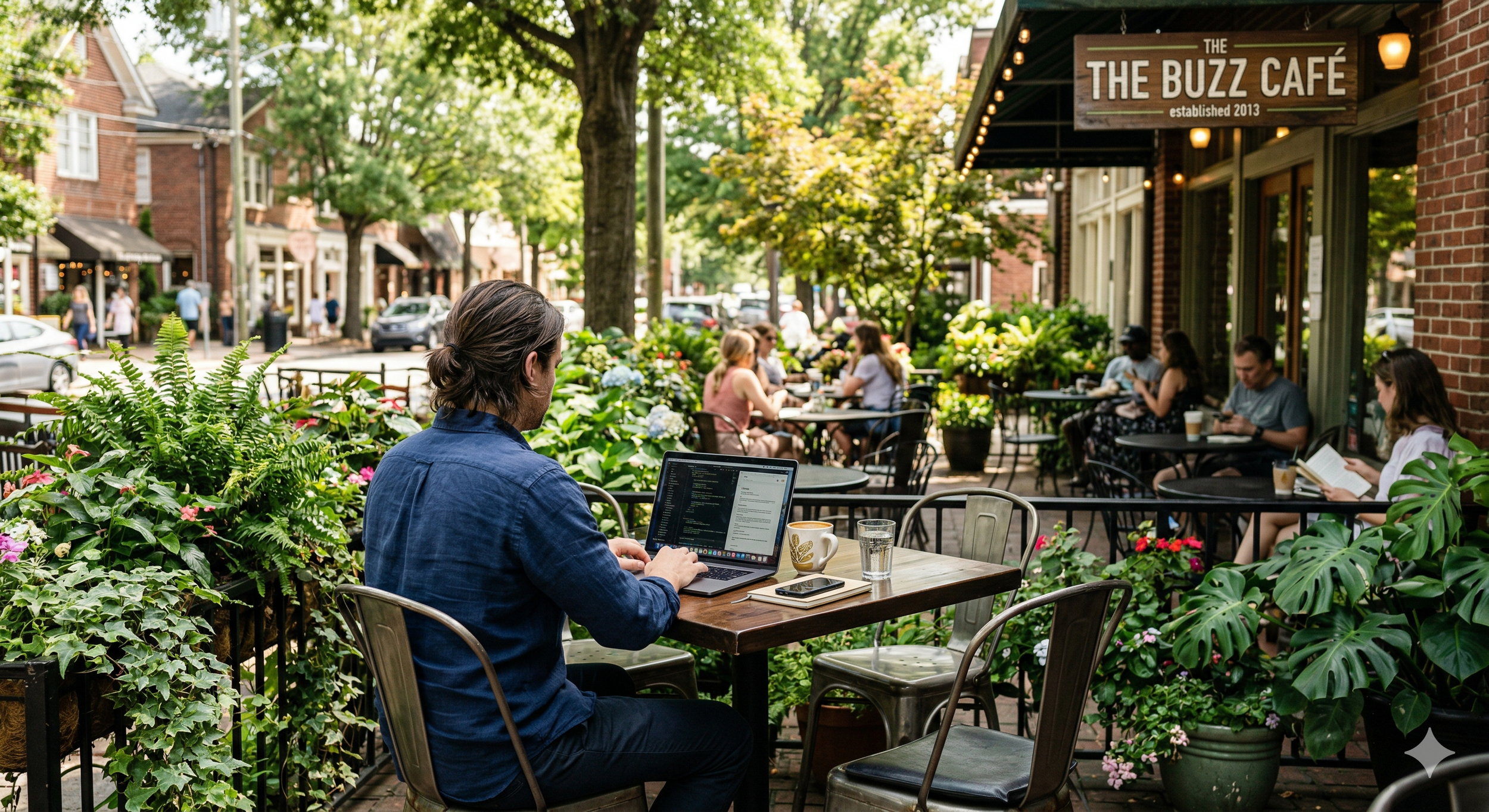
What Has Changed: Remote Work Is Reshaping the Geography
This is the biggest structural shift in millennial buying behavior since 2020, and it's still playing out.
When remote work became widespread, it opened up neighborhoods that had previously been off-limits due to commute. Buyers who needed to get to Midtown every day were looking at Inman Park, Old Fourth Ward, maybe Decatur. Buyers with full flexibility started looking at East Point, Mableton, Lithia Springs — places with dramatically lower price points and the same access to Atlanta's culture on weekends.
In 2026, most millennial buyers I work with are hybrid — some days in the office, some days remote. That changes the calculus. A buyer who commutes twice a week can tolerate a longer drive in a way that a daily commuter can't. I've had buyers move to Conyers, to McDonough, to Douglasville — places they would have dismissed five years ago — because they only have to make the drive two or three times a week.
But here's the nuance: the buyers who went furthest out during peak remote work have in some cases regretted it. Companies have pulled back return-to-office policies. Commutes that felt manageable twice a week became brutal at four days a week. I've had conversations with buyers who bought 40 miles out in 2021 and are now trying to get closer in.
The 2026 millennial buyer is smarter about this. They're asking more realistic questions upfront: What's my actual expected in-office schedule? What happens if that changes? They're choosing location with more margin built in.
What Has Changed: Down Payment Resources
Atlanta has more down payment assistance programs than most buyers realize, and millennial buyers are using them at a higher rate than any previous generation.
Georgia Dream, the city of Atlanta's down payment programs, Invest Atlanta — these aren't just for first-time buyers in the traditional sense. Many programs define "first-time buyer" as someone who hasn't owned a primary residence in the last three years. That means buyers who've rented for a few years after owning qualify. That means buyers who went through a divorce qualify. That's a category that includes a lot of millennials.
I walk every eligible buyer through what's available before we ever start looking at homes. Not because I assume they can't buy without assistance, but because leaving money on the table is a choice, and my job is to make sure they're making it intentionally.
The other shift: more millennial buyers are receiving family gifts for down payments. Generational wealth transfers are a real part of the current buyer pool, and I see it regularly — not in a vacuum, but as a factor that's allowing some buyers to move faster and with more flexibility than their income alone would suggest.
This is a real equity issue in the housing market and one I think about often. Not every buyer has family wealth to draw from. Down payment assistance programs matter precisely because they create a path for buyers who don't.
What Has Changed: The Inspection Reality
Millennial buyers in 2021 were waiving inspections to compete. In 2026, that's largely over, and buyers are negotiating again — sometimes aggressively.
The market has shifted enough in most Atlanta sub-markets that buyers have more room to ask for repairs, request credits, or renegotiate after an inspection. Not everywhere — certain intown Atlanta neighborhoods remain competitive and move fast. But broadly, millennial buyers are no longer walking into the market with the assumption that they have to accept whatever a seller is asking.
What I coach buyers through: the inspection is not a shopping list. You don't negotiate every item. You identify what's material — the roof, the HVAC, the foundation, the electrical, the plumbing — and you have a real conversation about those things. Small cosmetic issues don't belong in an inspection negotiation. Big safety or structural issues absolutely do.
Millennial buyers tend to be good at research and less good at deciding when to stop. The inspection is one place where working with an experienced agent makes a measurable difference. I've helped buyers prioritize what matters, let go of what doesn't, and avoid the deal-killing errors that come from overcorrecting in either direction.
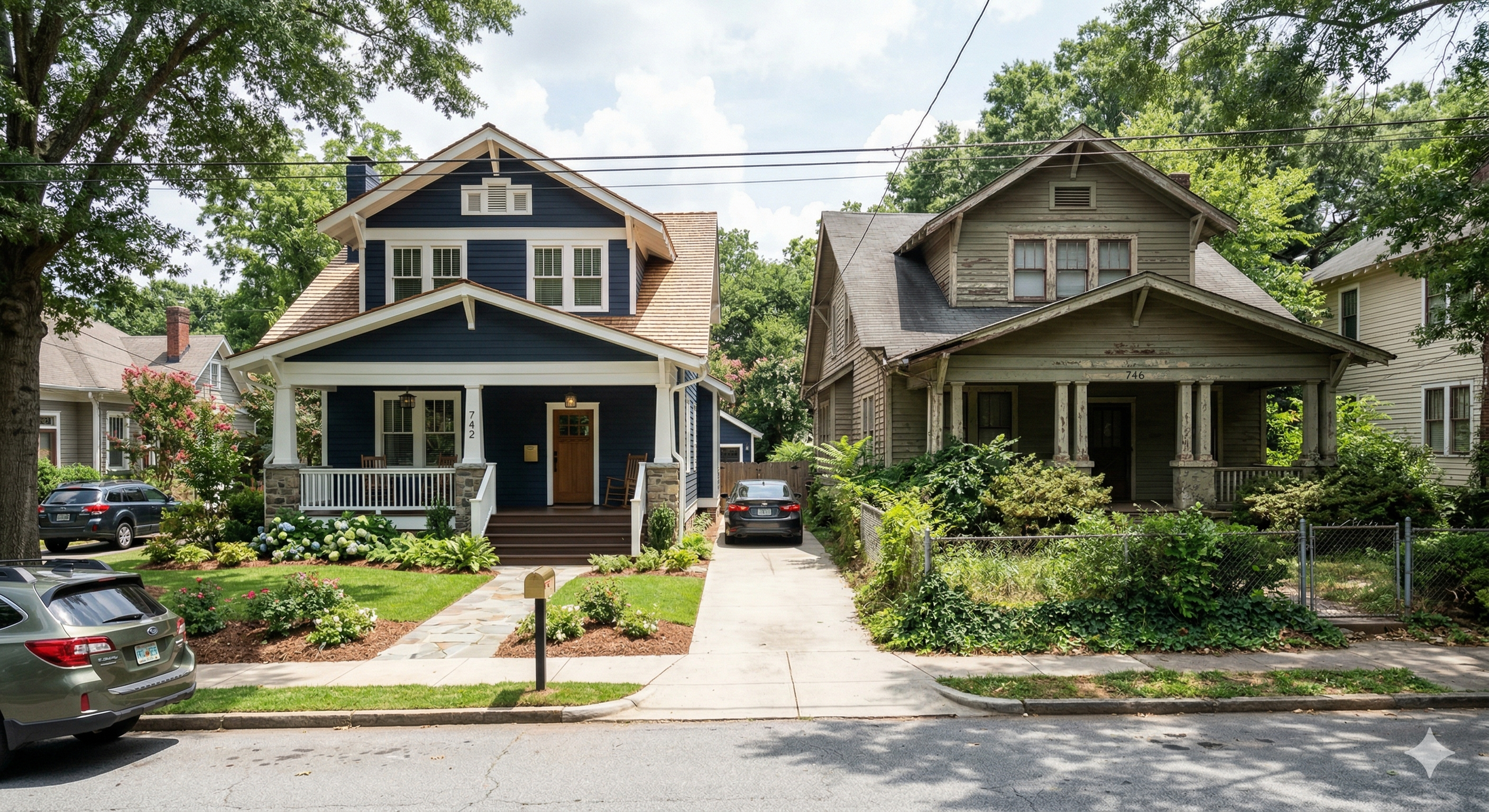
What Hasn't Changed: The Emotional Weight of the First Purchase
No matter how much financial literacy a buyer brings into the process, the first home purchase is still one of the most emotionally intense decisions most people make. That hasn't changed. It won't.
Millennial buyers are often extremely well-researched. They've read the articles, watched the YouTube videos, listened to the podcasts. They know what an earnest money deposit is. They understand the debt-to-income ratio. They've already looked at home prices on Zillow for six months before they call me.
And then the moment they make an offer — sometimes even the moment they fall in love with a house — all of that research goes quiet and the anxiety takes over. Did I offer enough? Did I offer too much? What if something's wrong with it? What if I get it and it's wrong? What if I lose it?
This is where I earn my keep in a different way. My background as a labor doula isn't a marketing angle — it's actually how I'm wired. I think in terms of process. I help people move through difficult moments with information and steadiness rather than panic. That skill set doesn't stop applying when I switched industries.
Millennial buyers, in particular, tend to need someone who will give them a direct answer — not hedge everything, not manage them into a decision, but actually say: here's what I see, here's what I'd do, here's what I think you should know. That's what I do.
What Hasn't Changed: Atlanta Is Still One of the Best Markets for Millennial Buyers
At a national level, the conversation about millennial homeownership is often pessimistic. Prices are too high. Supply is too low. The math doesn't work.
Atlanta is not that conversation.
Metro Atlanta remains one of the most accessible major metro markets in the country for buyers in the $300K–$600K range. That's the millennial sweet spot — buyers who are out of the starter price tier but not yet in luxury territory. In that price range, Atlanta offers something most comparable markets can't: genuine variety.
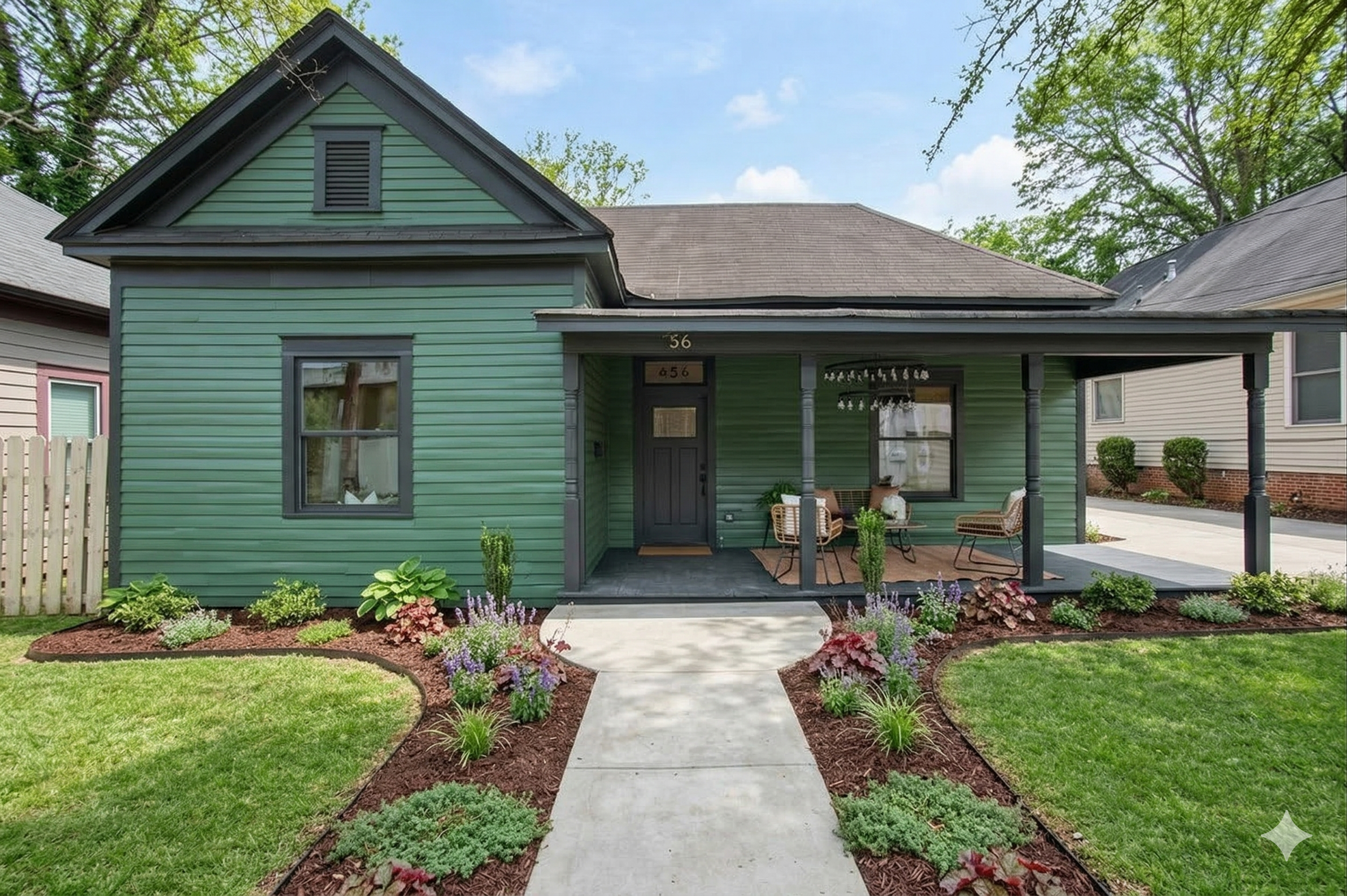
You can buy a renovated craftsman in East Atlanta for $420K and walk to restaurants and the Beltline. You can buy a 4-bedroom house in East Cobb for $480K and be in one of the most sought-after school districts in the state. You can buy a townhome in Smyrna for $350K and have I-285 access in four minutes. You can buy a fixer in Adamsville for $230K and build real equity if you're willing to put in the work.
That range doesn't exist in DC, New York, San Francisco, or Boston. It's part of why Atlanta continues to attract millennial buyers from other metros — people who've been priced out of their coastal cities and are bringing savings, remote income, and clear eyes about what they want.
What Hasn't Changed: The BeltLine Effect
If you are a millennial buyer in Atlanta, the BeltLine is probably on your list. It has been since the early trail segments opened, and it remains one of the most powerful price drivers in the intown market.
Neighborhoods within walkable distance of an active BeltLine trail segment carry a premium — and they've held it. Inman Park, Old Fourth Ward, Reynoldstown, Kirkwood, Grant Park, East Atlanta, West End. These neighborhoods were all affected by BeltLine proximity, and they've continued to price that in.
That's not changing. The BeltLine expansion is ongoing. As new segments open, new neighborhoods enter the premium zone. Buyers who want BeltLine access need to buy before a trail segment completes in their target area, not after. By the time the trail opens, the prices have already moved.
I advise buyers who are BeltLine-motivated to look at what's adjacent to active construction rather than what's already fully built out. The price points are different, and the upside is real.
What Hasn't Changed: You Need Someone Who Actually Knows This Market
Atlanta is enormous and it is not uniform. The experience of buying in Alpharetta is nothing like the experience of buying in Bankhead. The experience of buying in Decatur is nothing like buying in Douglasville. The price per square foot, the neighborhood dynamics, the offer strategy, the inspection norms, the HOA landscape — all of it varies, sometimes dramatically, within a few miles.
Millennial buyers do a lot of research, and I respect that. But research on Zillow and Reddit is not the same as knowledge of how a specific sub-market behaves. I know what's competitively priced versus overpriced in the neighborhoods I work. I know which streets to recommend and which ones need more scrutiny. I know how local sellers are responding to offers right now, not based on data from three months ago.
That's what representation is. Not just paperwork. Not just unlocking doors. Actual knowledge, applied to your specific situation, in real time.
The Bottom Line for Millennial Buyers in Atlanta Right Now
If you're a millennial sitting on the fence in 2026, here's my honest read:
Rates are not dropping to 3%. That ship has sailed. Waiting for it is a strategy that has cost buyers real money in appreciation over the last three years.
Atlanta prices in most intown and close-in neighborhoods are not going to correct significantly. Demand from in-migration, limited inventory in desirable areas, and continued development pressure all point the same direction.
If your life is ready — your income is stable, your savings are there, your timeline makes sense — the question isn't whether to buy. The question is how to buy strategically in the current market.
That's a conversation I'm very good at having.
Visit kristenjohnsonrealestate.com when you're ready to start.
Come as you are, come on home.
Looking for neighborhood-specific guidance? I've covered intown Atlanta neighborhoods including Kirkwood, Edgewood, East Atlanta, Old Fourth Ward, and Decatur, along with North Fulton suburbs like Alpharetta, Roswell, and Milton. Browse the full guide series at kristenjohnsonrealestate.com.