

Best North Fulton Cities for Relocating Families: Alpharetta, Milton, Roswell & Johns Creek Compared
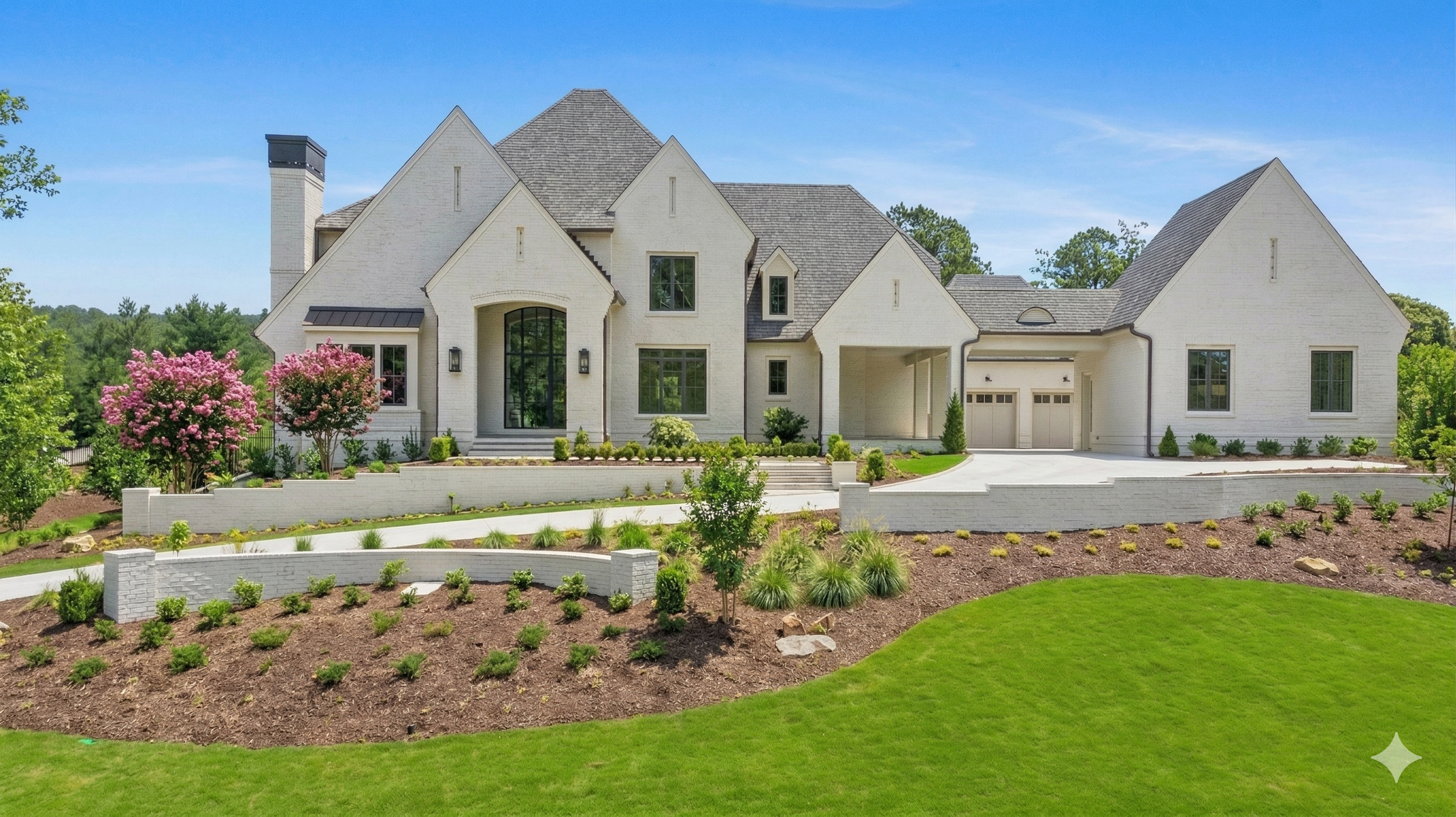
If you're relocating to Metro Atlanta and you have children, North Fulton County is almost certainly on your radar. Alpharetta, Milton, Roswell, and Johns Creek sit within a few miles of each other along the GA-400 corridor, share the Fulton County Schools district, and collectively represent the most consistently researched suburban destination for corporate relocation buyers I work with.
The problem most relocating families run into is this: the four cities look nearly identical from the outside. They're all in North Fulton. They all have access to nationally recognized schools. They all have strong employment corridors, newer construction, and easy access to GA-400. But they are not the same market, and the differences matter for your budget, your commute, and the specific lifestyle you're building.
I work with buyers across Metro Atlanta and handle a significant number of relocation clients, many of them moving from out of state and making decisions about North Fulton before they've ever set foot in the area. These are the conversations I have with every one of them.
Nearly a decade in this market means I've watched these four cities diverge in price, pace, and character in ways that aren't always obvious from the outside.
Here's what you need to know.
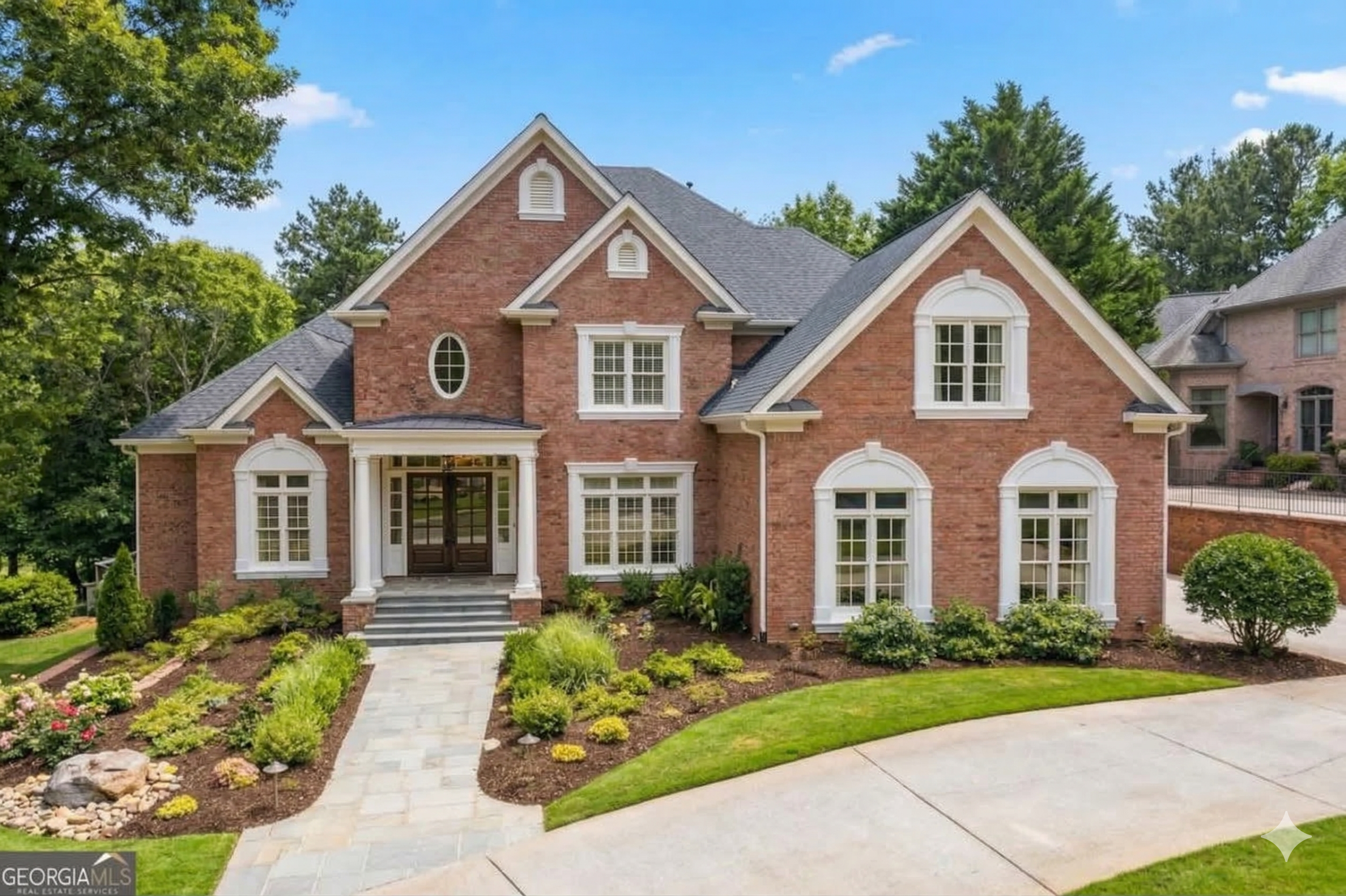
The 30-Second Version: How These Four Cities Compare
Before getting into the specifics, here's the honest framing:
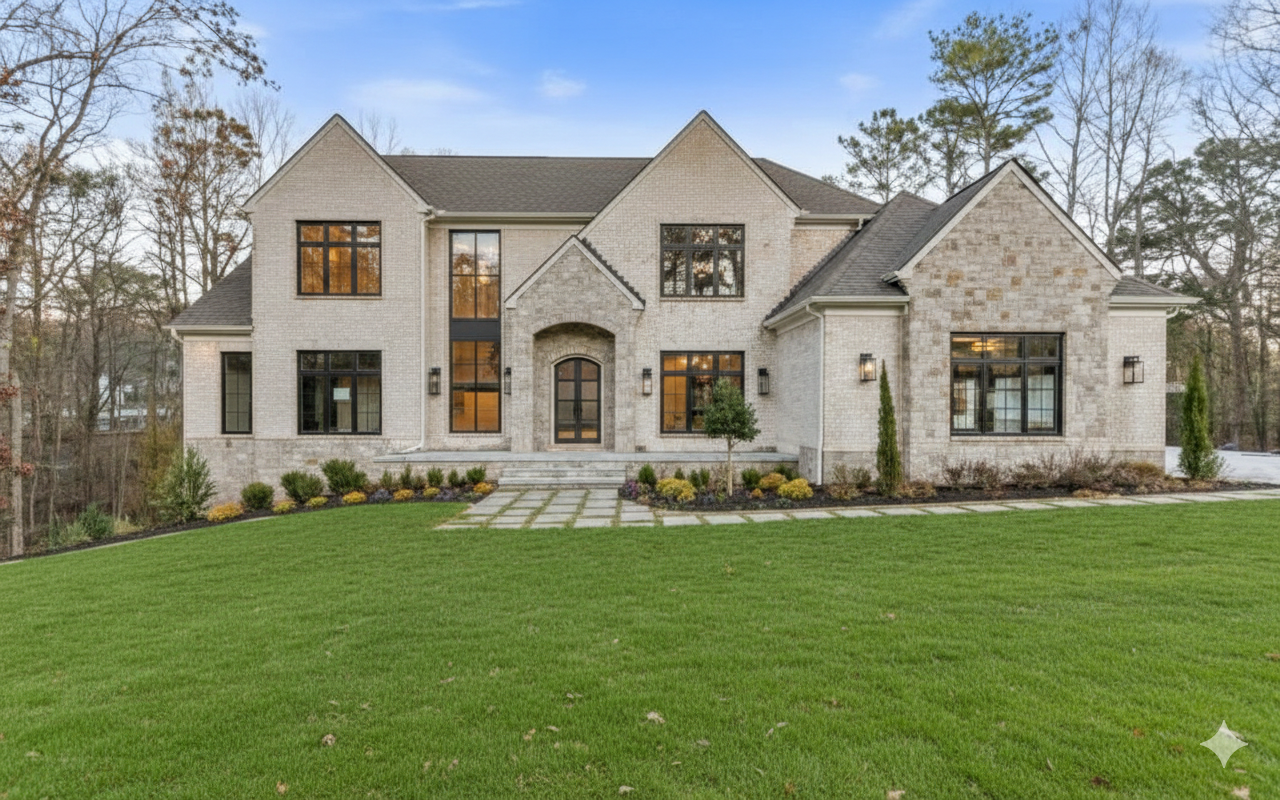
Alpharetta is the most developed, most urbanized, and the easiest city to settle into quickly. It has walkable retail in Downtown Alpharetta, Avalon, the Alpha Loop greenway, and a dense tech employment corridor. It also has the most diverse price range: you can find townhomes in the mid-$400s and single-family homes that push well past $1M. Median sale price: approximately $712,000–$750,000.
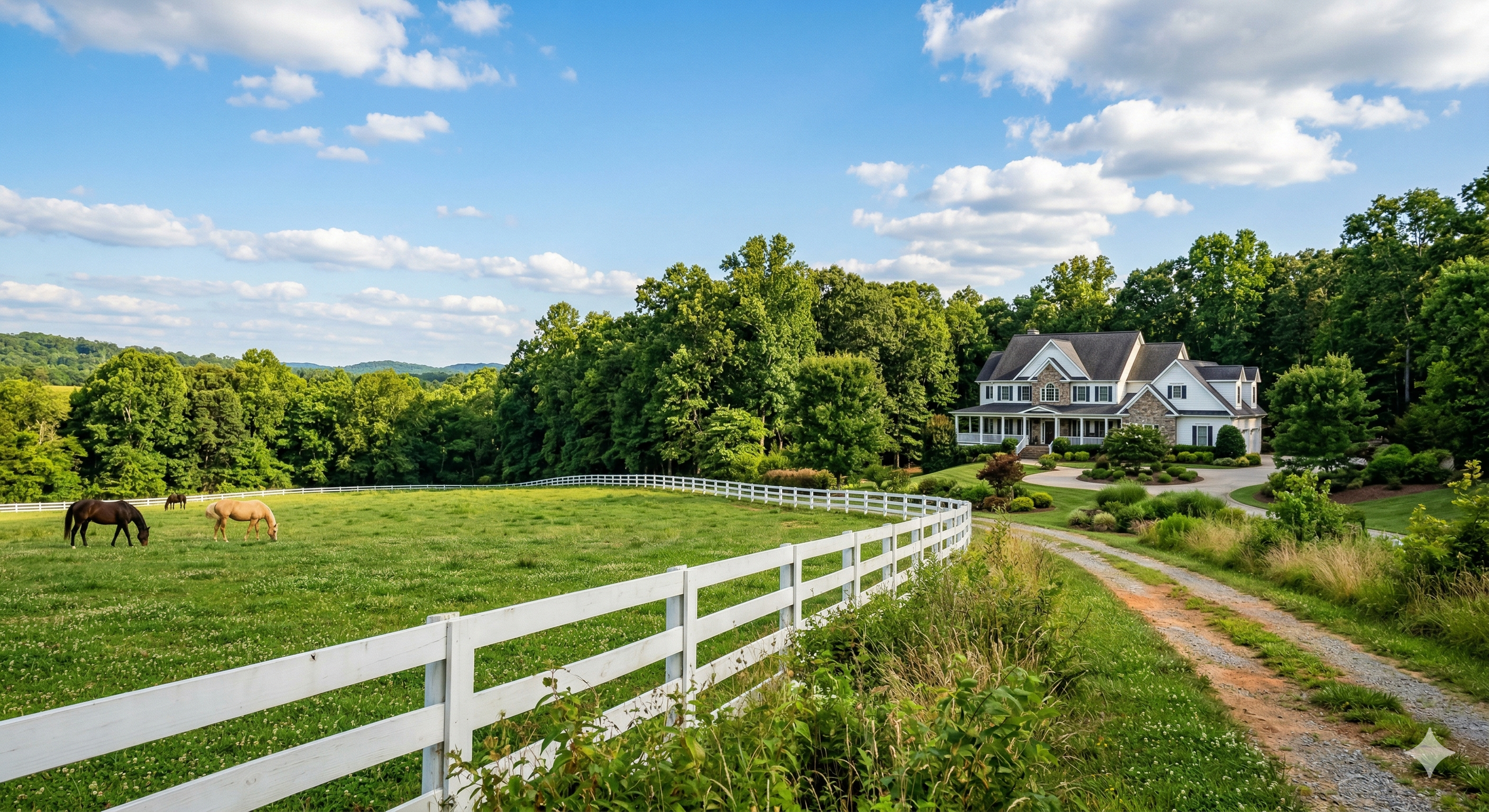
Milton is the most rural, most expensive, and most land-focused of the four. It was incorporated specifically to prevent urban sprawl, and that mission is still evident today in the horse farms, unpaved roads, and minimum lot sizes. You're not buying in Milton for downtown walkability. You're buying for space, privacy, and acreage. Median sale price: well above $1M, often ranging $850,000–$1.5M+ depending on the neighborhood.
Roswell is the most historically textured and architecturally diverse of the four. Canton Street in the Historic District is the best-developed walkable restaurant and retail corridor in North Fulton. Roswell also has the widest price range and the most established neighborhoods, including older inventory in the $400s alongside newer construction pushing $1M+. Median sale price: approximately $645,000–$650,000.
Johns Creek is the most family-focused and the quietest of the four. It was incorporated in 2006 specifically to preserve a residential character, and that intention still shapes the city. There's very little commercial development, limited walkability, and almost no entertainment district, but it has Northview High School and one of the most active youth athletic infrastructures in the region. Median sale price: approximately $700,000.
These are the broad strokes. Now let's go deeper.
Location, Geography & the GA-400 Question
All four cities are accessible via GA-400, but where you land on that corridor matters.
Roswell is the southernmost of the four, sitting roughly at the Holcomb Bridge Road and GA-400 interchange (Exit 7). It has the fastest access to Buckhead and Midtown, which makes it the default choice for buyers whose primary employment is inside the perimeter.
Alpharetta occupies the middle of the corridor, spanning the area from roughly Old Milton Parkway (Exit 10) north to Windward Parkway (Exit 11). It's the most accessible for buyers who work in Alpharetta's Tech Ridge corridor, the Windward area, or are commuting north.
Johns Creek sits east of the corridor entirely, off State Bridge Road and along SR-141. It's the least highway-dependent of the four cities in terms of daily life, but that also means GA-400 access requires a longer surface road drive.
Milton is the most spread out. Its boundaries run from the Birmingham Highway corridor along the Cobb County line through to Bethany Road and Deerfield Parkway. Depending on which part of Milton you're in, you could be 10 minutes from Alpharetta's core or 25 minutes from a GA-400 on-ramp.
The single most important piece of practical advice I give relocation buyers: the map makes North Fulton look compact. It isn't. Distances between neighborhoods that appear close on Google Maps can translate to 20–30 minute drives in morning traffic. Before committing to a specific neighborhood or subdivision, drive the commute you'll actually be making during rush hour. The GA-400 southbound bottleneck between Exit 7 and I-285 is a real constraint for any buyer commuting intown.
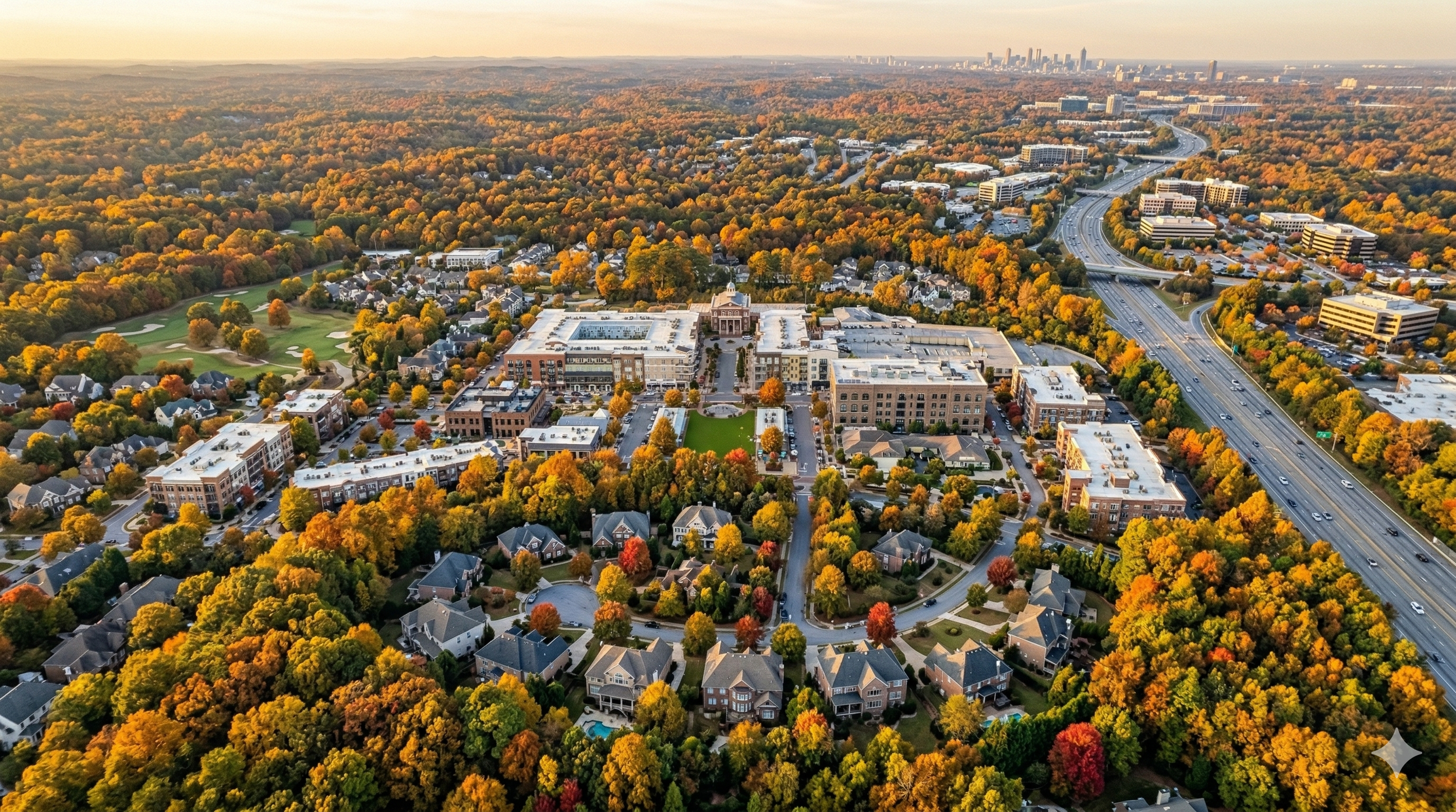
Alpharetta: The Tech Hub With an Urban Edge
What Alpharetta Is
Alpharetta is the economic and retail center of North Fulton. The city covers approximately 27 square miles in Fulton County, with a population of about 67,000. It's the home of over 700 technology companies, including McKesson, NCR Voyix, LexisNexis, Fiserv, and Comcast's southeastern operations. If you're relocating for a tech or financial services role, the odds are reasonable that your office is in Alpharetta.
Downtown Alpharetta along Milton Avenue and Main Street is a legitimately walkable 17-block district with independent restaurants, a dedicated event calendar, and a Saturday morning farmers market that runs spring through fall. Avalon, the mixed-use development on Old Milton Parkway, adds a more polished retail and dining experience: Rumi's Kitchen, Barcelona Wine Bar, and Tiny Lou's are among the restaurant tenants, alongside Whole Foods, Apple, and a boutique hotel.
The Alpha Loop, Alpharetta's multi-use greenway trail, connects Downtown Alpharetta, Avalon, and Technology Park, and is expanding. For buyers who want to walk or bike to restaurants and parks, Alpharetta is the most viable of the four cities on this list.
Alpharetta Market Data
As of early 2026, the Alpharetta housing market is sitting at approximately $712,000 median sale price (Redfin, January 2026), down slightly from a year-ago high, with homes averaging about 60–71 days on market. The Zillow Home Value Index pegs average home values around $656,000, reflecting the inclusion of townhomes and condos in that figure. Listing range runs from the mid-$400s for townhomes near Avalon to $2M+ for custom estate homes in neighborhoods like Windward and Steeplechase.
Active inventory is up. Alpharetta is not the frantic seller's market it was in 2021–2022. Homes that are priced correctly are still moving, and a sold-to-list ratio in the 97–98% range means buyers have modest negotiating room without the market being in free fall. Always verify current numbers with me directly before making any purchase decisions, as North Fulton inventory moves quickly when rates shift.
What You Get for the Money in Alpharetta
$400,000–$550,000: This range buys townhomes, primarily near Avalon and along Old Milton Parkway, in communities like Haynes Park, Orchards of Windward, and The Manor Golf & Country Club's townhome section. You're looking at 1,800–2,400 square feet, 2–3 bedrooms, often with HOA amenities. There are also single-family detached homes in this range in older, more established areas of east Alpharetta.
$550,000–$800,000: The broadest range of detached single-family homes. Subdivisions like Windward, Brookside at Windward, Devereaux Park, and Brighton Park offer traditional two-story construction with 2,500–3,800 square feet, suburban lots, and swim/tennis communities. This is where a significant percentage of relocation buyers land.
$800,000–$1.2M+: Larger lots, custom construction, and estate-adjacent properties. Manning Oaks, Hampton Hall, Chartwell, and The Country Club of the South (which sits between Alpharetta and Johns Creek) populate this range. Above $1.2M, you're moving into custom builds and land-intensive properties that start to overlap with Milton's inventory.
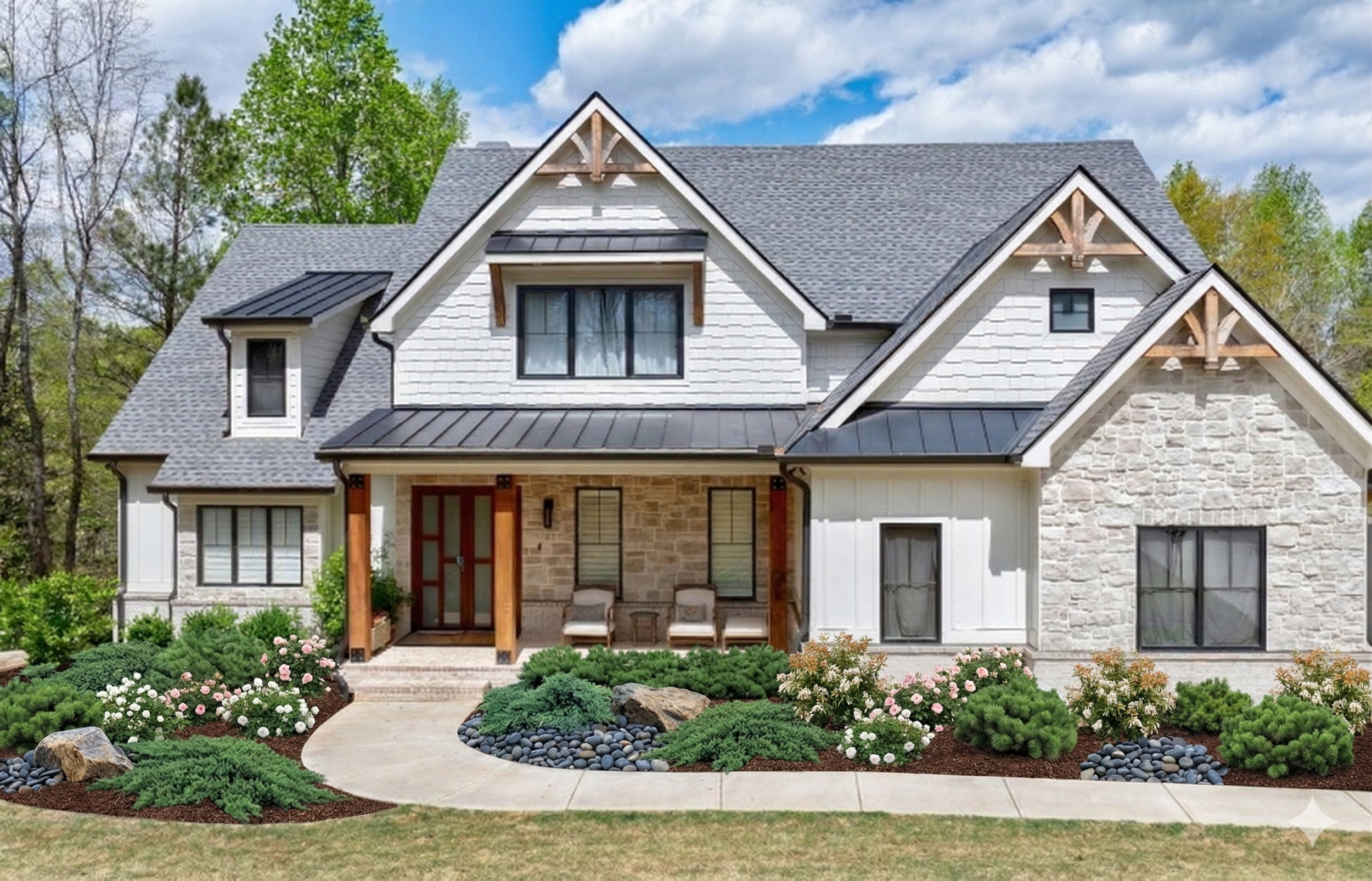
Getting Around: Alpharetta Commute Times
Downtown Atlanta (I-75/I-85 interchange): 40–50 minutes off-peak. Morning rush (7–9 AM) via GA-400 southbound: 55–75 minutes, depending on the day. Accident days on GA-400 can push this to 90+ minutes.
Midtown Atlanta: 35–45 minutes off-peak. Similar rush-hour constraints.
Buckhead: 30–40 minutes off-peak. The northern-most major employment node inside the perimeter, and the most practical intown destination for Alpharetta residents.
Alpharetta Tech Ridge / Windward: 5–15 minutes from most Alpharetta neighborhoods. This is the daily reality for buyers working in the Alpharetta employment corridor.
Hartsfield-Jackson International Airport: 50–65 minutes via I-285 west, more in peak travel periods.
Alpharetta does not have MARTA rail access. The 400 Corridor Express bus connects to the North Springs MARTA station, which is functional but requires planning. If your commute depends on MARTA, Alpharetta is not the right fit.
Schools in Alpharetta
Alpharetta sits within the Fulton County Schools district. The primary high school serving most of Alpharetta's core is Alpharetta High School (3595 Webb Bridge Road), ranked approximately 20th among Georgia high schools by U.S. News and World Report and recognized as an International Baccalaureate (IB) World School. The IB program is a meaningful distinction for families with students who want an internationally recognized curriculum.
Residents near the Windward Parkway corridor, particularly in the 30005 zip code, may be zoned for Centennial High School or feed into the Johns Creek cluster depending on specific address.
Middle schools serving Alpharetta include Webb Bridge Middle School and Hopewell Middle School, both consistently rated in the top tier of Fulton County middle schools.
Elementary schools include Manning Oaks Elementary, Lake Windward Elementary, and Dolvin Elementary, all of which have received strong ratings from GreatSchools and public school review sites.
Zoning is address-specific. Always verify the school assignment for any specific property before purchase. Research and visit schools to determine fit for your family.
Alpharetta: Things to Do
Downtown Alpharetta's restaurant row along South Main Street includes Old Rooster, Taziki's Mediterranean Café, and El Patron. Ameris Bank Amphitheatre (formerly Verizon Wireless Amphitheatre) hosts major touring acts from spring through fall and is one of the best outdoor music venues in the Southeast. The Big Creek Greenway offers 16+ miles of paved trail for running, cycling, and walking through the natural areas of southern Alpharetta and into Forsyth County.
Milton: Land, Privacy & the $1M Baseline
What Milton Is
Milton is the only city in Georgia that was incorporated primarily to preserve rural character. That's not marketing language. It's the founding rationale. When Cherokee County commissioners and Alpharetta residents pushed for more development along Birmingham Highway and Crabapple Road in the mid-2000s, residents successfully incorporated Milton in 2006 specifically to prevent it.
The result is a 38-square-mile city with a population of roughly 40,000, a substantial amount of protected open space, active equestrian communities, and a land-use approach that mandates larger lot sizes in most zones. You will find horse farms off Freemanville Road, unpaved roads in the Hopewell area, and custom-built homes on multi-acre parcels within 35 minutes of Buckhead. No other market in North Fulton delivers this combination.
Milton is organized around several distinct areas: Crabapple Road (the commercial heart, with local restaurants and the Crabapple Farmers Market), Birmingham Highway (estate homes and equestrian properties), Deerfield Parkway and Providence Road (closer to the Alpharetta border, newer construction, slightly more accessible price points), and the Hopewell Road corridor (rural, private, very expensive).
Milton Market Data
Milton is the most expensive of the four cities by a substantial margin. Redfin's data from late 2025 pegged median sale prices at approximately $1.2M, with average home prices pushing $1.28M. The Zillow Home Value Index tracks typical home values around $860,000, but this figure is pulled down by townhomes and smaller lots near the Deerfield corridor. Listings routinely range from $700,000 for smaller newer-construction homes near Deerfield to $3M–$5M+ for estate properties along Birmingham Highway and Freemanville Road.
Days on market run higher than Alpharetta and Johns Creek, typically 60–80 days, which reflects both the higher price point and the more limited buyer pool. Milton properties are not commodity purchases. They take longer to find the right buyer.
What You Get for the Money in Milton
$700,000–$900,000: Primarily newer townhomes and smaller single-family homes in the Deerfield Parkway area, near the Alpharetta border. Communities like Ashton Park and Bethany Creek offer townhome-style living with smaller lots. This is Milton's most accessible price tier.
$900,000–$1.4M: Where most of Milton's single-family homes transact. Traditional two-story construction on half-acre to 1-acre lots in communities along Providence Road, Cogburn Road, and Crabapple Road. Swim/tennis amenities, newer construction, and architecturally consistent streetscapes characterize this range.
$1.4M–$3M+: Estate properties, renovation opportunities on larger parcels, and custom builds. The Birmingham Highway corridor and Hopewell Road area dominate this range. Multi-acre lots, equestrian facilities, and significant privacy.
Getting Around: Milton Commute Times
Milton's commute times vary significantly depending on which neighborhood you're in.
From Crabapple / central Milton to Downtown Atlanta: 45–55 minutes off-peak. Rush hour adds 20–30 minutes.
From the Deerfield area to Downtown Atlanta: 40–50 minutes off-peak, similar to Alpharetta.
From Birmingham Highway / equestrian areas to Downtown Atlanta: 55–70 minutes off-peak. This is a genuine daily commitment.
Alpharetta's Tech Ridge: 10–20 minutes from most of Milton, making it workable for buyers employed locally.
The honest answer on Milton commutes: if you're commuting to a location south of Buckhead five days a week, Milton's most desirable neighborhoods become challenging. If you're working locally or doing a hybrid schedule with two to three days remote, the calculus changes significantly.
Schools in Milton
Milton High School (13025 Birmingham Highway, Alpharetta, GA 30004) serves most of Milton's residential areas and is ranked 28th among Georgia high schools by U.S. News. The school has 68% AP participation, a strong arts program, and a nationally recognized girls' lacrosse program with 14 state titles since 2005.
Some portions of Milton, particularly near the Deerfield corridor and SR-9 frontage, are zoned for Alpharetta High School or Cambridge High School.
Cambridge High School (5100 Kimball Bridge Road) serves portions of the Alpharetta/Johns Creek/Milton border area and is consistently ranked in Georgia's top 30 statewide.
Cogburn Woods Elementary, Birmingham Falls Elementary, and Crabapple Crossing Elementary serve Milton's elementary-age students and receive consistently strong ratings from parents and review organizations.
Hopewell Middle School is the primary middle school feeder for much of Milton.
Zoning is address-specific. Verify your specific property's school assignment directly with Fulton County Schools before purchasing. Research and visit schools to determine fit for your family.
Milton: Things to Do
Crabapple Road hosts a weekend farmers market, local restaurants including Crabapple Chase and local wine shops, and one of the most pleasant walkable streetscapes in North Fulton's suburban fabric. The Broadwell Amphitheatre at Bell Memorial Park hosts concerts and community events. For equestrian buyers, Milton is the only city in North Fulton with active riding trails, boarding facilities, and a genuine horse community. The Crooked Creek section of Cherokee County is nearby for additional outdoor recreation.
Roswell: History, Canton Street & the Most Diverse Price Range
What Roswell Is
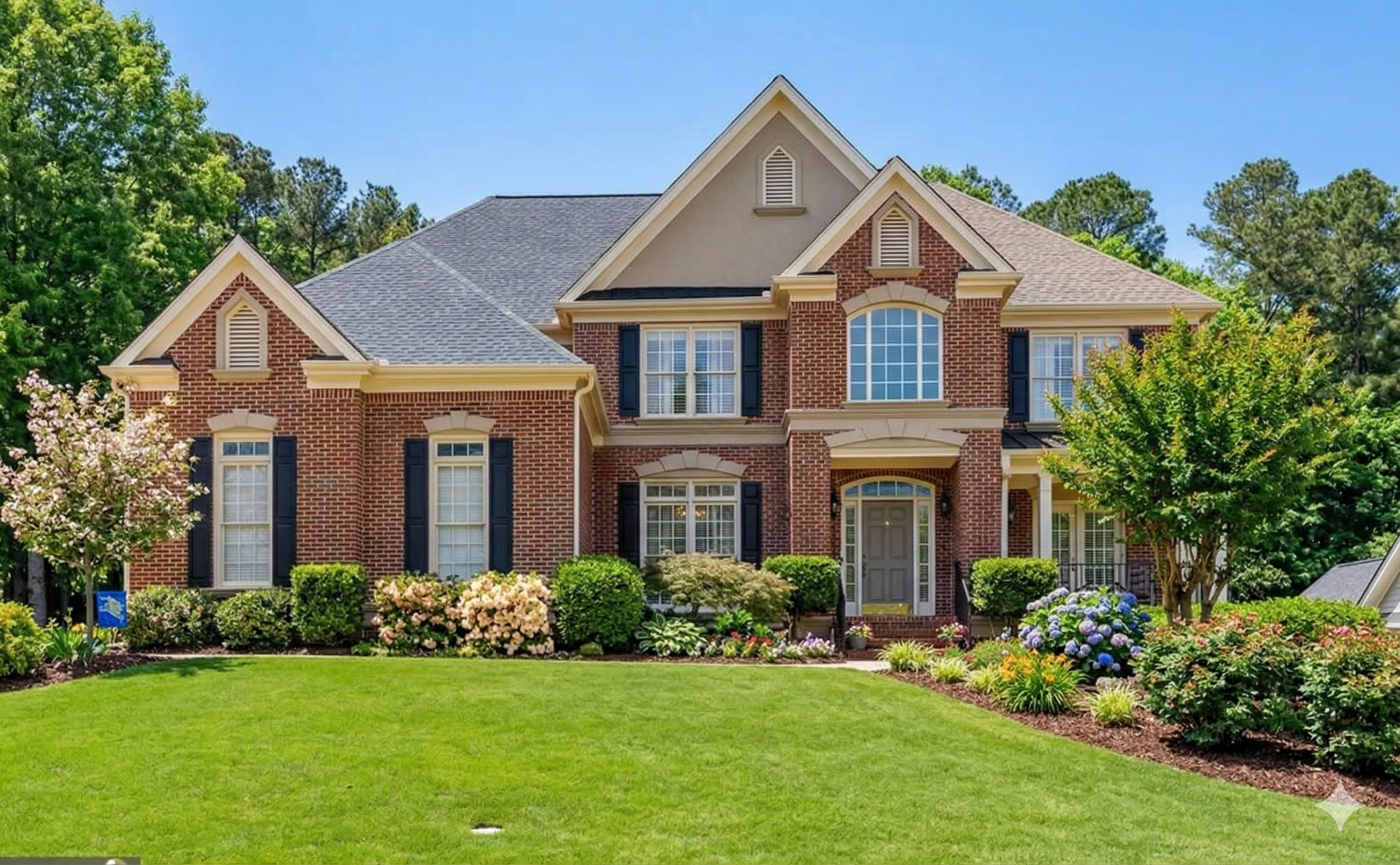
Roswell is North Fulton's oldest city and its most architecturally varied market. It was founded in 1839 as a mill town on the Chattahoochee River and retains a walkable historic core along Sloan Street, Canton Street, and Mimosa Boulevard that no other city on this list can match for texture and age. The antebellum-era Bulloch Hall and Barrington Hall still stand in the historic district and are listed on the National Register of Historic Places.
Canton Street is the defining asset. It's a two-block restaurant and retail corridor in the heart of Old Roswell with independent restaurants, wine bars, boutiques, and one of the most active weekend dining scenes in the northern suburbs. Osteria Mattone, Citizen Soul, Sugo Pasta Kitchen, and Seed Kitchen & Bar are among the established tenants. On a Friday or Saturday night, Canton Street has the energy of an intown Atlanta neighborhood, and that's not a description you can give to any commercial corridor in Alpharetta, Milton, or Johns Creek.
Roswell also has 11 miles of frontage along the Chattahoochee River, with access to the Chattahoochee River National Recreation Area and Riverside Park. The trails, fishing, and river access here are a genuine outdoor amenity for families.
The city covers approximately 41 square miles and sits in Fulton County, with a population just under 100,000. It's the largest of the four cities by population and the most internally diverse in terms of housing stock: you'll find cottages from the 1950s, ranch homes from the 1970s, estate homes in Willeo Creek and Martin's Landing, and new construction townhomes near Downtown Roswell.
Roswell Market Data
As of early 2026, the Roswell median sale price is approximately $645,000–$650,000 (Redfin, February 2026), up about 4.9% year over year. Homes are averaging 50 days on market with a sale-to-list ratio near 98%. Inventory has increased modestly, with about 3.9 months of supply as of early 2026, which is more balanced than the frantic seller's market of 2021–2022 but still slightly below a fully neutral 5–6 month supply.
Listing range runs from the high-$200s for smaller older homes requiring updating in the eastern and southern reaches of the city, to $1.5M+ in the Willeo Creek and Crooked Creek estate neighborhoods along the river.
The breadth of Roswell's price range is larger than the other three cities on this list. This creates both opportunity and complexity: the "right" part of Roswell for your budget requires local knowledge that a price search alone won't give you.
What You Get for the Money in Roswell
$350,000–$550,000: Ranch homes and split-levels from the 1970s–1990s in neighborhoods like Foxfield, Holcomb Bridge Crossing, and established subdivisions in the city's eastern areas. These homes often sit on larger lots than newer construction at the same price point, and are frequently purchased for renovation. Also townhomes in newer developments near Holcomb Bridge Road.
$550,000–$900,000: Single-family homes in Martin's Landing (river access, tennis courts, large lots), The Centennial, and newer construction along Oxbo Road and Grimes Bridge Road. This is the highest-volume price tier in Roswell's market and includes a wide range of ages and conditions.
$900,000–$1.5M+: Estate properties in Willeo Creek, Edenwilde, and Riverfield on large wooded lots with Chattahoochee River access. Historic district properties on Mimosa Boulevard and Sloan Street also fall in this range when renovated or significant in size.
Getting Around: Roswell Commute Times
Roswell is the closest to Atlanta of the four cities, which gives it a commute advantage that matters for buyers tied to intown employment.
Downtown Atlanta: 35–45 minutes off-peak via GA-400 southbound. Rush hour: 45–60 minutes on a typical morning. Roswell residents are usually crossing I-285 or reaching downtown before the worst congestion of the Alpharetta/Milton commute patterns.
Midtown Atlanta: 30–40 minutes off-peak. One of the most practical North Fulton options for Midtown workers.
Buckhead: 20–30 minutes off-peak. The most accessible of the four cities to Buckhead.
Alpharetta / Windward employment corridor: 25–35 minutes from central Roswell.
Hartsfield-Jackson: 45–55 minutes via I-285 west.
Roswell has no MARTA rail but is served by express bus routes connecting to the North Springs station. The Roswell/Alpharetta Community Services (RACS) also operates local transit routes.
Schools in Roswell
Roswell falls within the Fulton County Schools district and is served by two primary high schools.
Roswell High School (11595 King Road, Roswell, GA 30075) serves most of the city and is ranked 54th among Georgia high schools by U.S. News. It's a large school with strong athletic programs, performing arts, and a nationally recognized JROTC program.
Centennial High School (9310 Scott Road, Roswell, GA 30076) serves the western portions of Roswell and is ranked 41st among Georgia high schools by U.S. News.
Middle schools include Elkins Pointe Middle School and Crabapple Middle School (which also serves portions of Milton/Alpharetta).
Notable elementary schools include Mountain Park Elementary, Sweet Apple Elementary, and Roswell North Elementary.
Note: Some northern Roswell addresses near the Milton border feed into the Milton or Alpharetta High School attendance zones. Zoning is strictly address-specific. Verify school assignment for any specific property before purchase. Research and visit schools to determine fit for your family.
Roswell: Things to Do
Canton Street in the Historic District is Roswell's anchor amenity. Spend a weekend there before you buy in the area. The Old Mill Park and the ruins of the Roswell Manufacturing Company mill along the Vickery Creek Trail offer some of the most genuinely historic outdoor space in Metro Atlanta. Leita Thompson Memorial Park and Oxbo Park provide greenspace and sports facilities. The Roswell Cultural Arts Center hosts theater and visual arts programming year-round. Roswell Saturday Market runs seasonally in the Historic District.
Johns Creek: Quiet, Residential & Purpose-Built for Families
What Johns Creek Is
Johns Creek was incorporated in 2006, the same year as Milton, and for a similar reason: residents wanted local control over land use decisions, and specifically wanted to limit the commercial development that was expanding northward along SR-141 and State Bridge Road. The city covers approximately 34 square miles in northeastern Fulton County and has a population of about 84,000.
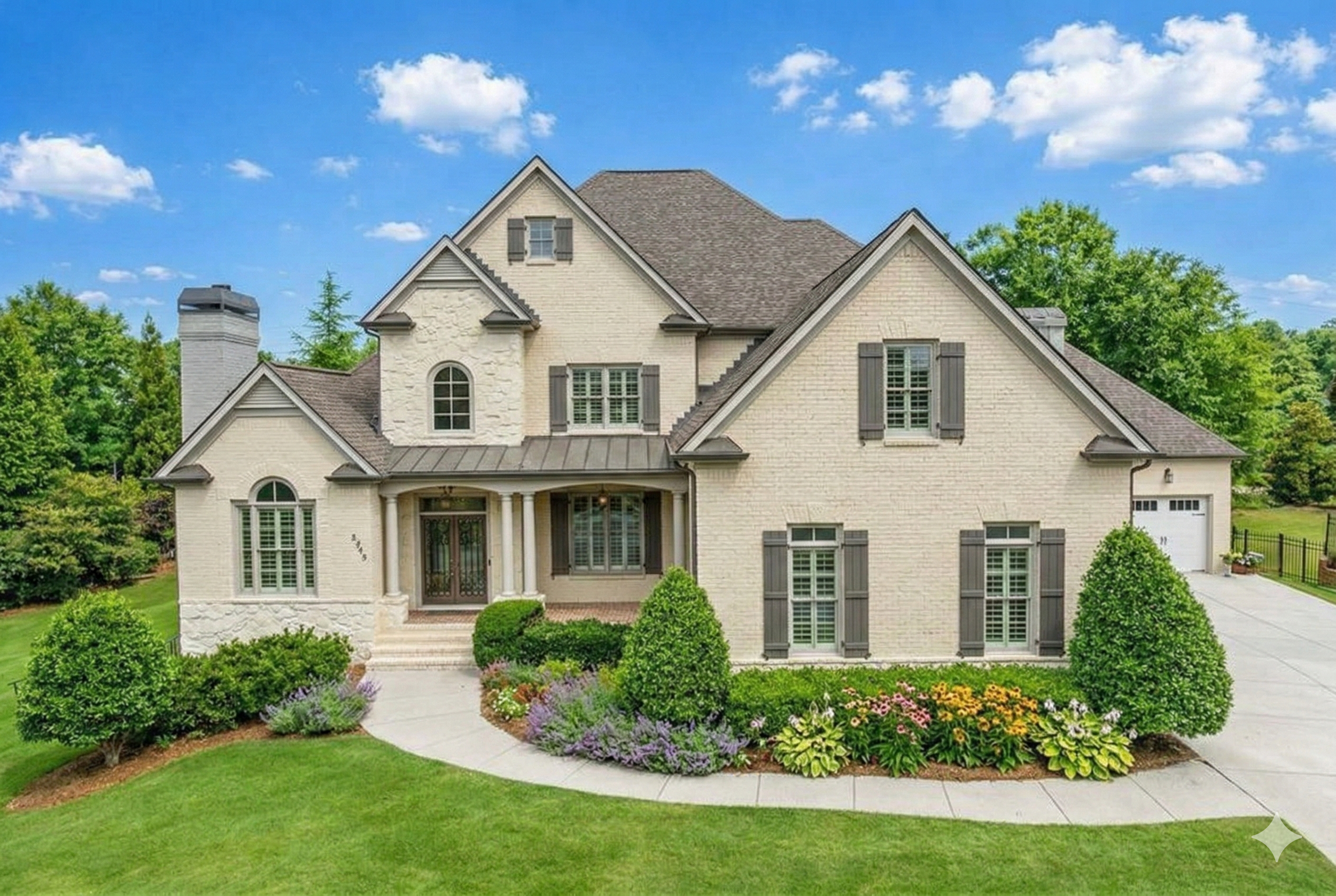
The result of that founding intention is that Johns Creek remains overwhelmingly residential in character. There is no downtown district. There is no Canton Street equivalent. The commercial development that exists is concentrated along Medlock Bridge Road, State Bridge Road, and Abbotts Bridge Road, primarily in the form of strip centers, medical offices, and established chain restaurants. If you're coming from a city and expecting walkable urban amenities, Johns Creek will require an adjustment.
What Johns Creek does deliver is quiet, ordered residential life with high-functioning infrastructure and a concentration of family-oriented resources: youth sports leagues, swim and tennis communities, and a density of parks and recreation facilities that is among the highest in North Fulton. The Johns Creek Velodrome, Ocee Park, Newtown Park, and the Johns Creek Environmental Campus are all significant amenities.
The other reality about Johns Creek is proximity to two of the highest-ranked high schools in Fulton County. Northview High School, within Johns Creek's borders in the 30097 zip code (technically addressed in Duluth), is ranked approximately 7th among Georgia high schools by U.S. News, and ranks nationally. Johns Creek High School serves most of the city's interior and ranks 19th among Georgia high schools.
Johns Creek Market Data
As of February 2026, the Johns Creek median sale price is approximately $700,000 (Redfin, February 2026), up 0.2% year over year. Days on market average 36 days. The Zillow Home Value Index tracks typical home values around $651,000.
The listing range runs from the high-$400s for townhomes and older ranch homes to $2M+ for estate properties in the Medlock Bridge and Bellmoore Park areas. The majority of the single-family market transacts between $600,000 and $1.1M.
Johns Creek's market has been notably stable: it saw some of the strongest appreciation during the 2020–2022 cycle, and has moderated more gradually than some competing markets.
What You Get for the Money in Johns Creek
$450,000–$650,000: Townhomes in communities like Medlock Place and Saint Ives Country Club townhomes, or older single-family homes in the city's eastern and northern reaches. Some of the city's original 1990s construction at this price point sits in established swim/tennis neighborhoods.
$650,000–$1M: The highest-volume price range. Subdivisions like Westbrook, Abbotts Run, and The Falls of Autry Mill represent traditional two-story homes on modest lots with full community amenities. The Medlock Bridge neighborhood, one of Johns Creek's most sought-after, falls largely in this range.
$1M–$2M+: Bellmoore Park (one of the most active new construction communities in North Fulton), Saint Ives Country Club, and custom homes in the 30022 zip code along State Bridge Road and Medlock Bridge Road. Lake Windward, a private lake community on the Alpharetta/Johns Creek border, also falls in this range.
Getting Around: Johns Creek Commute Times
Johns Creek's primary commute challenge is that it sits east of GA-400, meaning most commuters must first get to the highway before the real commute begins.
Downtown Atlanta: 45–55 minutes off-peak via SR-141 to GA-400 or I-285. Rush hour: 60–75 minutes. This is genuinely the longest commute of the four cities to most intown destinations.
Midtown Atlanta: 40–55 minutes off-peak.
Buckhead: 35–45 minutes off-peak.
Alpharetta / Windward employment corridor: 20–30 minutes from most of Johns Creek.
Peachtree Corners / Gwinnett employment corridor: 15–25 minutes. If your job is in Gwinnett, Johns Creek may be worth examining from a purely commute standpoint.
Hartsfield-Jackson: 55–70 minutes. Johns Creek is the farthest from the airport of the four cities.
Schools in Johns Creek
Johns Creek sits within the Fulton County Schools district and is primarily served by two high schools.
Johns Creek High School (5575 State Bridge Road, Johns Creek, GA 30022) serves most of the city's residential areas and is ranked 19th among Georgia high schools by U.S. News.
Northview High School (10625 Parsons Road, Duluth, GA 30097) serves the northern portions of Johns Creek and addresses in the 30097 zip code. It is ranked 7th among Georgia high schools by U.S. News, with strong AP and IB participation rates. Note: Northview's address is technically in Duluth, though it primarily serves Johns Creek residents.
Chattahoochee High School (5230 Taylor Road, Alpharetta) serves portions of the southern and western Johns Creek neighborhoods near the SR-140 corridor.
Middle schools include River Trail Middle School, Autrey Mill Middle School, and Barnwell Middle School. Taylor Road Middle School is the feeder for Chattahoochee High.
Elementary schools include Lake Windward Elementary (ranked in the top 5% nationally by some metrics), Medlock Bridge Elementary, and State Bridge Crossing Elementary.
Zoning is address-specific in Johns Creek. The specific high school your children attend depends entirely on the address of the property. Verify before purchasing. Research and visit schools to determine fit for your family.
Johns Creek: Things to Do
Newtown Park is a 67-acre multi-use facility with sports fields, walking paths, a skate park, and event space. Ocee Park and Cauley Creek Park provide additional outdoor recreation. The Johns Creek Arts Center hosts rotating exhibits and community events. The Atlanta National Golf Club and TPC Sugarloaf (in nearby Duluth) are accessible to golf-oriented buyers. For families with young children, the concentration of youth sports leagues, swim teams, and recreational programming is a significant draw.
Side-by-Side Comparison: What Matters to Relocating Families
Price Point
City Median Sale Price (Early 2026) Entry Point Upper Range Alpharetta ~$712,000 $400K (townhomes) $2M+ Milton ~$1.2M+ $700K $5M+ Roswell ~$645,000 $300K+ $1.5M+ Johns Creek ~$700,000 $450K+ $2M+
Bottom line: Roswell has the most accessible entry points. Milton is the most expensive across all tiers. Alpharetta and Johns Creek are closely competitive in the $600K–$900K range.
Walkability and Urban Amenities
If walkability is a priority: Alpharetta (Downtown Alpharetta, Avalon, Alpha Loop) or Roswell (Canton Street, Historic District) are the only realistic options among the four. Milton and Johns Creek are car-dependent by design.
Commute to Intown Atlanta
Fastest to Atlanta: Roswell, then Alpharetta, then Milton, then Johns Creek. For buyers commuting daily to anywhere inside the perimeter, Roswell's GA-400 position is a meaningful advantage.
Schools
All four cities have access to nationally recognized high schools within the Fulton County Schools district. The specific school assignment for your children is entirely dependent on the property address, not the city. A Johns Creek buyer zoned for Northview is in a different situation than one zoned for Chattahoochee. An Alpharetta buyer zoned for Alpharetta High's IB program is different from one feeding into Centennial. Do not buy in any of these four cities without verifying the specific school assignment for your specific address.
Lifestyle
Alpharetta is best for buyers who want suburban convenience with urban amenities, proximity to tech employment, and a genuine walkable option.
Milton is for buyers who want land, privacy, and rural character and are willing to pay a premium and absorb a longer commute to get it.
Roswell is for buyers who want neighborhood texture, history, the best restaurant corridor in North Fulton, and a shorter Atlanta commute at a slightly more accessible price point than Alpharetta.
Johns Creek is for buyers who want a quiet, orderly, family-focused residential environment, don't need walkable retail, and want access to the Northview or Johns Creek High School attendance zones.
Nearby Suburban Alternatives Worth Considering
North Fulton is well-known, but it's not the only option in the northern suburbs. Here are some adjacent markets that regularly come up in conversations with relocation buyers:
East Cobb, GA: South of Alpharetta and north of the I-285 perimeter, East Cobb is a large unincorporated community in Cobb County with its own cluster of nationally recognized high schools (Walton, Pope, Lassiter) and a lower effective tax rate than Fulton County. Median prices are generally lower than Alpharetta at comparable square footages. If you're comparing Alpharetta to East Cobb, the school comparison and tax difference are the two most important variables. Read my East Cobb guide here.
Smyrna, GA: A more affordable entry into the northwest suburban market, with strong walkability near Village Green and easy access to the Battery and Truist Park. Relevant for buyers whose work is in the Vinings or Cobb County corridor. Read my Smyrna guide here.
Marietta, GA: The largest city in Cobb County with a walkable Historic Square, a wide range of price points, and its own school district (Marietta City Schools). Worth examining for buyers with more flexibility on the Cobb vs. Fulton question. Read my Marietta guide here.
Who North Fulton Is Right For
North Fulton as a market cluster makes sense when:
You're relocating from a major metro and want suburban amenity density. North Fulton's concentration of restaurants, retail, recreation, healthcare, and services is among the highest of any suburban market in the Southeast.
Your children are school-age and a nationally recognized public school district is a primary consideration. The Fulton County Schools district in the North Fulton cluster is one of the most consistent high school clusters in Georgia.
Your employment is in the GA-400 corridor or you're hybrid/remote. If you're commuting intown five days per week, do the math on the time cost before committing.
You want home value stability. North Fulton has had some of the most consistent appreciation and lowest foreclosure rates in Metro Atlanta over the past two decades.
Think carefully about North Fulton if:
Your budget is under $400,000 for a single-family home. North Fulton will be a challenging search at that price point for detached houses, particularly in desirable school zones.
Your primary employment is in Gwinnett County or south of the airport. Commute times from North Fulton to the southern metro are difficult to manage daily.
You want intown Atlanta walkability and proximity. North Fulton is a suburb. The energy, density, and street-level character of neighborhoods like Inman Park, Kirkwood, or Midtown aren't replicable here, and the commute from North Fulton to those areas is real.
You need MARTA rail access. None of the four cities have rail access. Planning exists for a GA-400 BRT extension but timelines remain long.
North Fulton Relocation: Frequently Asked Questions
Which North Fulton city is best for families relocating from out of state?
There's no single answer, and any agent who gives you one without asking about your budget, commute, and priorities is guessing. Alpharetta is often the easiest landing spot because of its combination of developed retail, diverse price points, and central location on GA-400. Johns Creek is the quietest and most family-residential of the four. Roswell has the best restaurant corridor and the most accessible pricing. Milton is for buyers who want space and privacy and can afford it. The right answer depends on your specific situation.
Is Alpharetta or Johns Creek better for schools?
This question cannot be answered at the city level. Both cities have access to multiple high schools. A Johns Creek address zoned for Northview gives you access to a top-10 Georgia high school. An Alpharetta address zoned for Alpharetta High School IB gives you access to a top-20 school with an internationally recognized curriculum. What matters is the specific property's zoning assignment, not the city name. Verify before you buy.
Can I find a home in North Fulton for under $600,000?
Yes, particularly in Roswell and in some parts of Alpharetta and Johns Creek. You're primarily looking at townhomes, older ranch homes requiring updating, or smaller single-family homes in less central locations. Under $600,000 for a renovated detached single-family home in a desirable school zone is a competitive search in this market. Let me know your parameters and I can tell you what's actually realistic.
What are property taxes like in Fulton County vs. Cobb County?
Fulton County's property tax millage rate is generally higher than Cobb County's, which is a meaningful cost difference on a $700K+ home over time. Buyers who are comparing Alpharetta or Roswell to East Cobb should factor in the annual tax difference, which can run $2,000–$4,000 per year on comparable homes. I can walk you through current millage rates for specific areas when we talk.
Is Milton worth the premium over Alpharetta?
For the right buyer, yes. If you want acreage, horses, a rural feel, and are working locally or on a hybrid schedule, Milton's premium is reasonable for what you get. If you're commuting daily to Buckhead or Downtown and you don't need land, the premium probably doesn't work financially. The key is being honest about how much you'll actually use the space.
How long does it take to get to the airport from North Fulton?
From Roswell: 45–55 minutes via I-285 west, without traffic. From Alpharetta: 50–60 minutes. From Johns Creek: 55–70 minutes. From Milton's equestrian areas: 60–75 minutes. North Fulton is not an airport-convenient market. If you're a frequent traveler, this is worth building into your decision.
Is Roswell or Alpharetta more walkable?
Both have specific walkable nodes, but they're different in character. Alpharetta's Downtown and Avalon are newer, more polished, and oriented around retail and dining. Roswell's Canton Street and Historic District have more age and texture, with independent restaurants and a neighborhood feel. Alpharetta has a greenway trail (the Alpha Loop) connecting several nodes. For pure walkability score, the two cities are comparable; for character of the walkable experience, they're meaningfully different.
What's the difference between 30097 and 30022 in Johns Creek?
The 30097 zip code covers the northern portion of Johns Creek (and technically extends into Duluth), and it's the one associated with Northview High School. The 30022 zip code covers more of the city's interior and is served primarily by Johns Creek High School. Both are strong schools, but buyers specifically targeting Northview's attendance zone should focus their search in the 30097 area. Verify any specific address directly with Fulton County Schools.
Which city has the best restaurant and nightlife scene?
Roswell, without much competition in this group. Canton Street has more independently owned restaurants, higher foot traffic on weekends, and a more developed bar and late-night culture than anything Alpharetta, Milton, or Johns Creek offers. Avalon in Alpharetta is close behind for overall dining quality, but it functions more as a destination retail complex than a neighborhood street. Milton and Johns Creek don't have a comparable concentrated restaurant corridor.
What's the newest construction activity in North Fulton right now?
Alpharetta has the most active new construction, particularly in the Westside Alpharetta area near Wills Park and in townhome communities near Avalon. Milton has custom home builds on available parcels, particularly in the Hopewell and Freemanville areas. Johns Creek's Bellmoore Park community has been one of the most active new construction neighborhoods in the corridor. Roswell's new construction is primarily infill townhomes near the Historic District and Holcomb Bridge corridor.
Should I buy now in North Fulton or wait for prices to come down?
I hear this question from nearly every buyer in this market. North Fulton has not seen a meaningful price correction since 2009–2010, and inventory increases in 2025–2026, while creating more options for buyers, have not produced the price drops some buyers are waiting for. Well-priced homes in desirable school zones are still selling. The risk of timing the market is that rates could move against you while you wait. The decision should be based on your financial situation, your timeline, and whether you've found the right property, not on market timing. Let's talk through your specific situation.
Final Thoughts
North Fulton is one of the most consistently desirable suburban markets in Metro Atlanta, and the four cities on this list are as different from each other as their price points suggest. If you're relocating and trying to narrow the field, start with budget, commute, and whether you need urban amenities or are happy in a car-dependent environment. That alone narrows you from four options to two.
I work with buyers throughout Metro Atlanta, handle a high volume of relocation clients in North Fulton specifically, and can walk you through the specific neighborhoods, school zone verifications, and current inventory that match your situation. Sight-unseen purchases via FaceTime and video walk are something I do regularly with out-of-state buyers.
Visit kristenjohnsonrealestate.com to start the conversation.
Come as you are, come on home.
For more Metro Atlanta neighborhood guides, I've covered the Cobb County suburbs including East Cobb, Marietta, and Smyrna. Browse the full guide series at kristenjohnsonrealestate.com.
Hello, World!