

Best Atlanta Neighborhoods for First-Time Buyers Under $600K in 2026
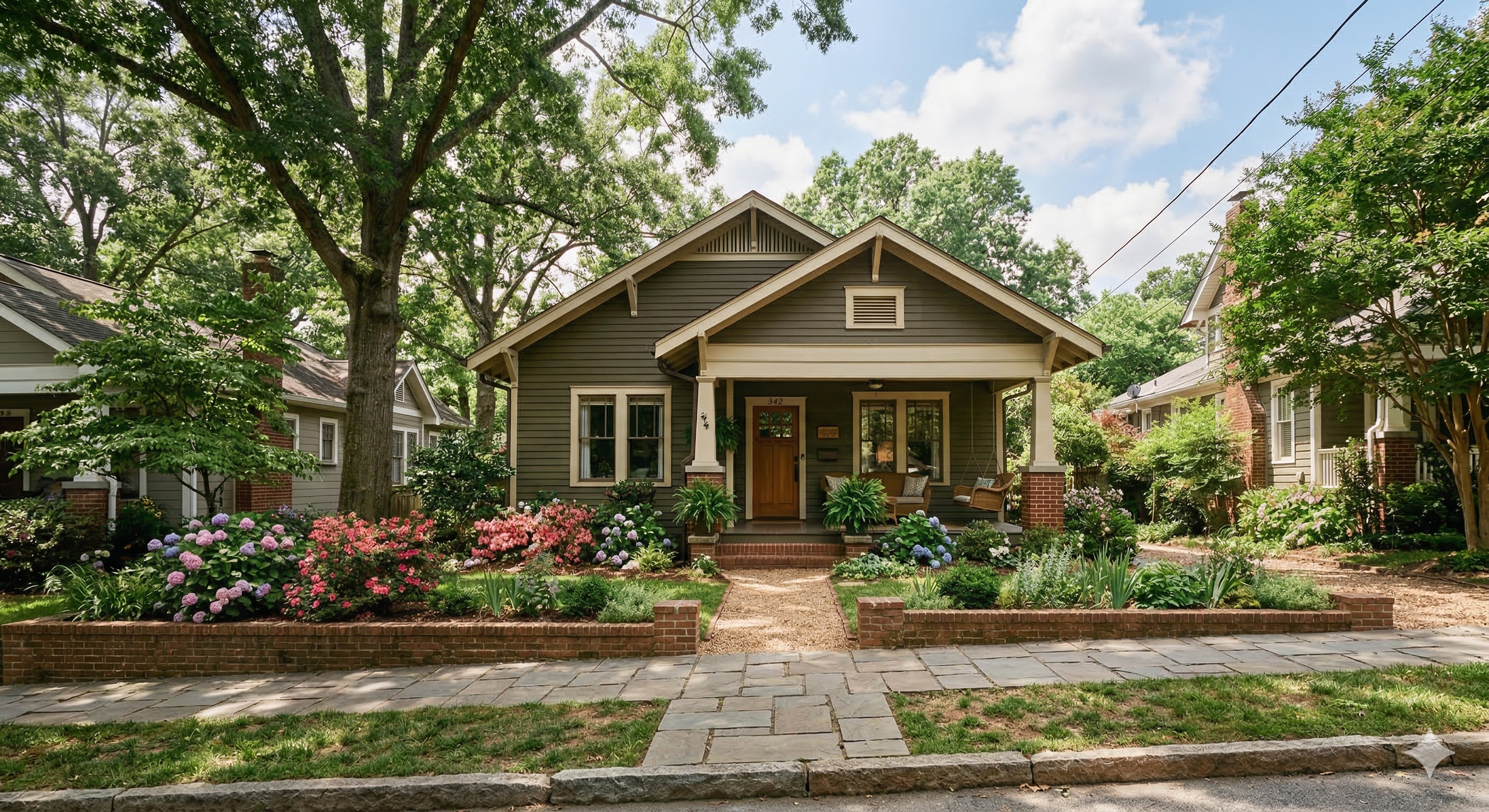
The $600,000 ceiling opens up more of Atlanta than most first-time buyers realize. At that number you're not shopping in the scraps — you're shopping in some of the most desirable intown neighborhoods in the city, and in the suburbs, you're getting significant square footage in well-established communities with strong fundamentals. Working with a tighter budget? Here are the best Atlanta neighborhoods for first-time buyers under $400K.
The challenge isn't that there's nothing to buy under $600K in Atlanta. The challenge is knowing which neighborhoods give you the best combination of price, resale trajectory, livability, and financial upside — and which ones look good on a map but require a longer runway of patience than a first purchase can reasonably absorb.
I work with first-time buyers across Metro Atlanta at all price points, and the under-$600K conversation is one I have constantly. Buyers who've been renting intown and are ready to stop. Buyers relocating from more expensive markets who are stunned by what their money does here. Buyers who've been told the only path to homeownership in Atlanta is a far suburb — and who need to hear that isn't true.
Nearly a decade helping Atlanta buyers means I know which neighborhoods in this price range are genuinely positioned well and which ones require more nuance than a listicle gives you.
Here's what you need to know.
What $600K Actually Buys in Atlanta in 2026
Before getting into specific neighborhoods, let's be direct about what this budget delivers — because it varies enormously depending on where you are in the metro.
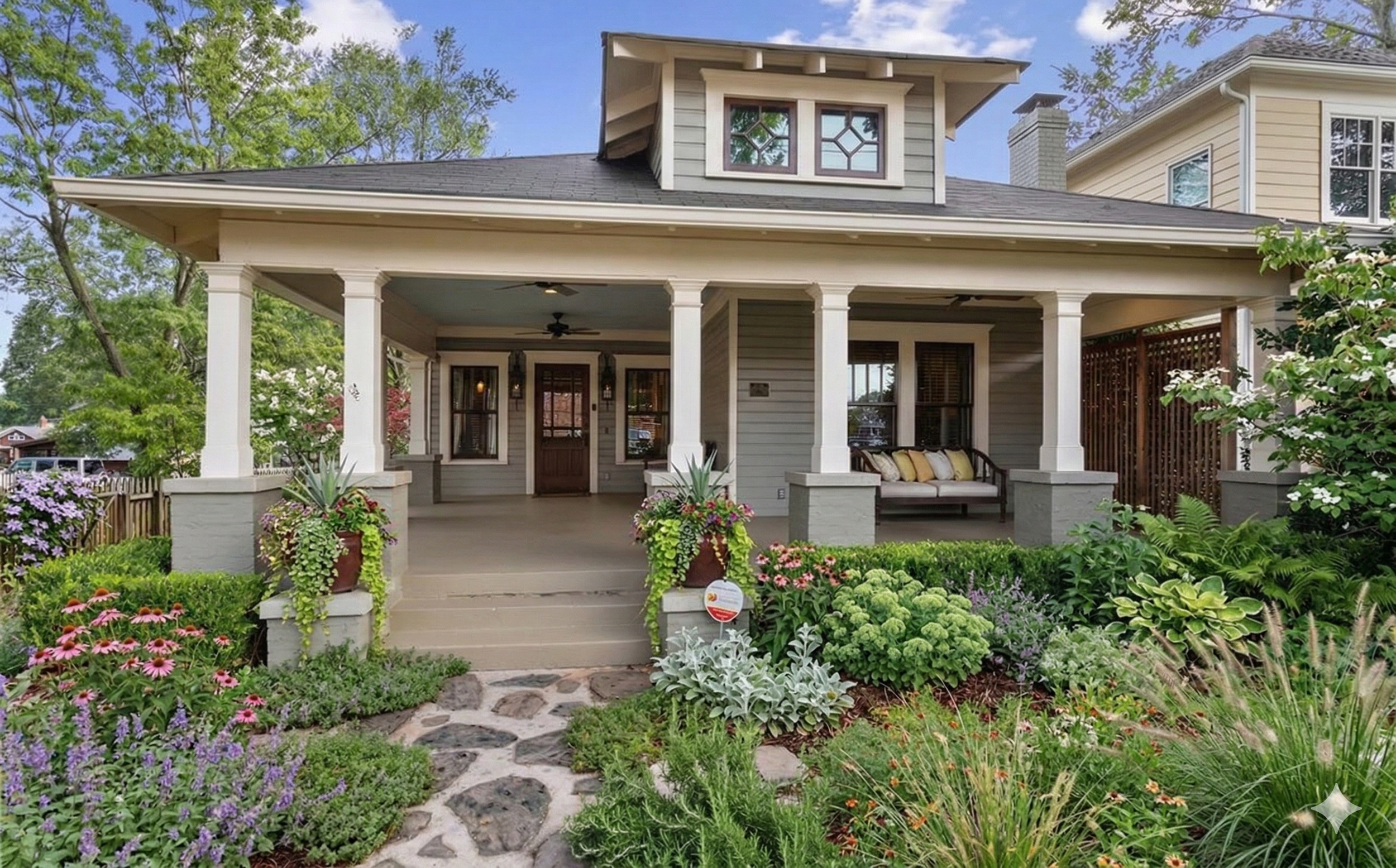
Intown Atlanta at $600K puts you in solid single-family or attached product in neighborhoods like East Atlanta Village, Grant Park, Kirkwood, Edgewood, Reynoldstown, Pittsburgh, and Adair Park. You're not getting a large home at this price point in most intown neighborhoods — expect 1,200 to 1,800 square feet, potentially a bungalow or craftsman that may need some updating. The tradeoff is location, walkability, BeltLine access, and appreciation history.
Close-in suburbs at $600K — Smyrna, parts of Marietta, Decatur, East Point, College Park — buy meaningfully more space: 1,800 to 2,500+ square feet, often with a yard, and sometimes in turnkey condition. The tradeoff is commute and the car-dependent lifestyle of areas without walkable cores.
Outer suburbs at $600K — Alpharetta, East Cobb, Roswell, Gwinnett — buy large, newer homes in established communities with strong school districts. The tradeoff is distance from the city and the length of the commute for any in-person obligations.
The right answer depends entirely on how you actually want to live. There's no universally correct neighborhood — there's the right neighborhood for your life.
Intown Atlanta Options Under $600K
Edgewood
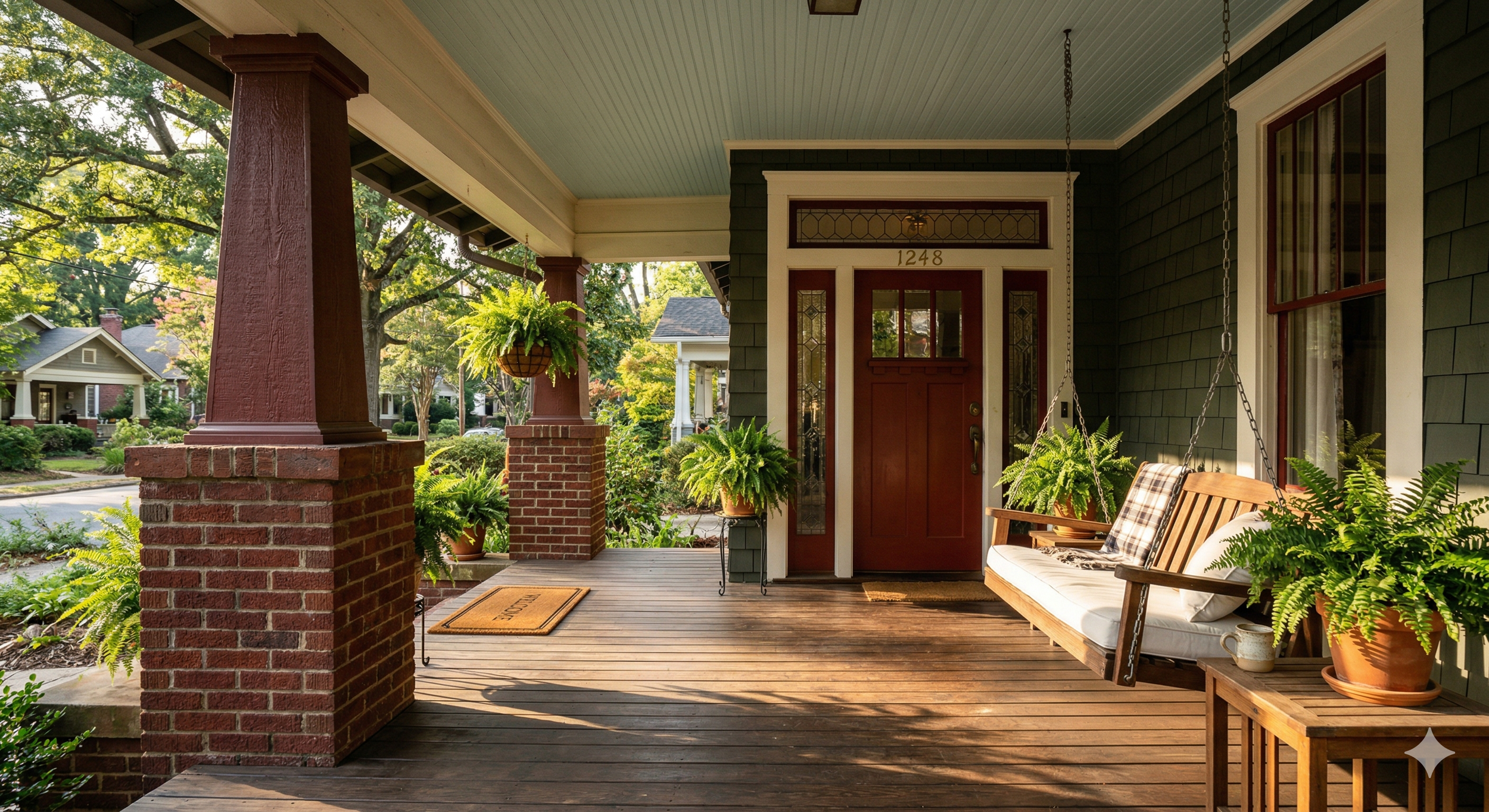
Edgewood sits on the eastern edge of the BeltLine's Eastside Trail, with direct trail access and a walkable commercial corridor along Edgewood Avenue and Hosea Williams Drive. The housing stock is primarily 1920s and 1930s bungalows and craftsman homes — architecturally interesting, on tree-lined streets, and in a neighborhood that has appreciated significantly over the past decade.
Median prices in Edgewood run roughly $400,000 to $550,000 for well-positioned single-family homes, which means your $600K budget gives you real optionality — including the ability to select for condition, lot size, and location within the neighborhood without being squeezed at the top of your range.
What $600K specifically buys here: a renovated 3-bedroom bungalow in good condition, or a slightly larger unrenovated home with upside if you're willing to put work in. The block matters — proximity to the BeltLine and Hosea Williams corridor is a meaningful value driver within the neighborhood.
Why it works for first-time buyers: BeltLine access builds long-term value that is unlikely to reverse. The price point is still accessible enough that you're not stretching to get in. And the neighborhood's proximity to Kirkwood, Old Fourth Ward, and East Atlanta gives you a social and restaurant radius that makes daily life genuinely enjoyable.
For the full Edgewood picture: Living in Edgewood Atlanta GA
Kirkwood
Kirkwood describes itself as Atlanta's small town in the big city, and that's not marketing copy — it's an accurate description of what the neighborhood feels like. The commercial corridor on Hosea Williams Drive has independent restaurants, coffee shops, and the kind of walkable main street energy that most intown neighborhoods aspire to. The housing stock is a mix of late-Victorian, craftsman bungalow, and mid-century homes on tree-lined streets with genuine character.
Median prices in Kirkwood have pushed above $500,000 for well-renovated single-family homes, which means your $600K budget is competitive but not dominant. You can find solid homes in this range — particularly if you're open to a home that needs cosmetic updating — but expect to move deliberately when something correctly priced comes on the market.
Kirkwood also has Pullman Yards in its backyard — a major entertainment and event venue that adds to the neighborhood's draw without the construction disruption of active BeltLine-adjacent development.
Why it works for first-time buyers: The neighborhood's commercial corridor and established identity give it staying power that newer neighborhoods don't yet have. Appreciation here has been consistent because demand is genuine, not speculative. First-time buyers who buy in Kirkwood and hold for five to seven years have historically done well.
Grant Park
Grant Park is one of Atlanta's oldest neighborhoods — a National Historic District with a housing stock that runs from Victorian-era homes to 1920s bungalows to craftsman cottages. The neighborhood is bounded by Grant Park itself (Atlanta's second-largest park, home to Zoo Atlanta) and has BeltLine access on its western and northern edges.
Median prices in Grant Park range from roughly $400,000 for smaller homes needing work to $575,000+ for renovated product in strong positions. Your $600K budget puts you squarely in the competitive range for well-positioned homes here.
The neighborhood's historic designation means exterior changes require some review, but interior updates are generally unencumbered. For first-time buyers interested in a home with architectural character that protects its own value, this matters.
Why it works for first-time buyers: The park itself — 131 acres, Zoo Atlanta, outdoor programming — is a genuine daily-use amenity that anchors quality of life. BeltLine access adds long-term appreciation pressure. And Grant Park's price point relative to comparable intown neighborhoods with similar amenity access makes it one of the more compelling value plays in the $500K to $600K range intown.
East Atlanta Village
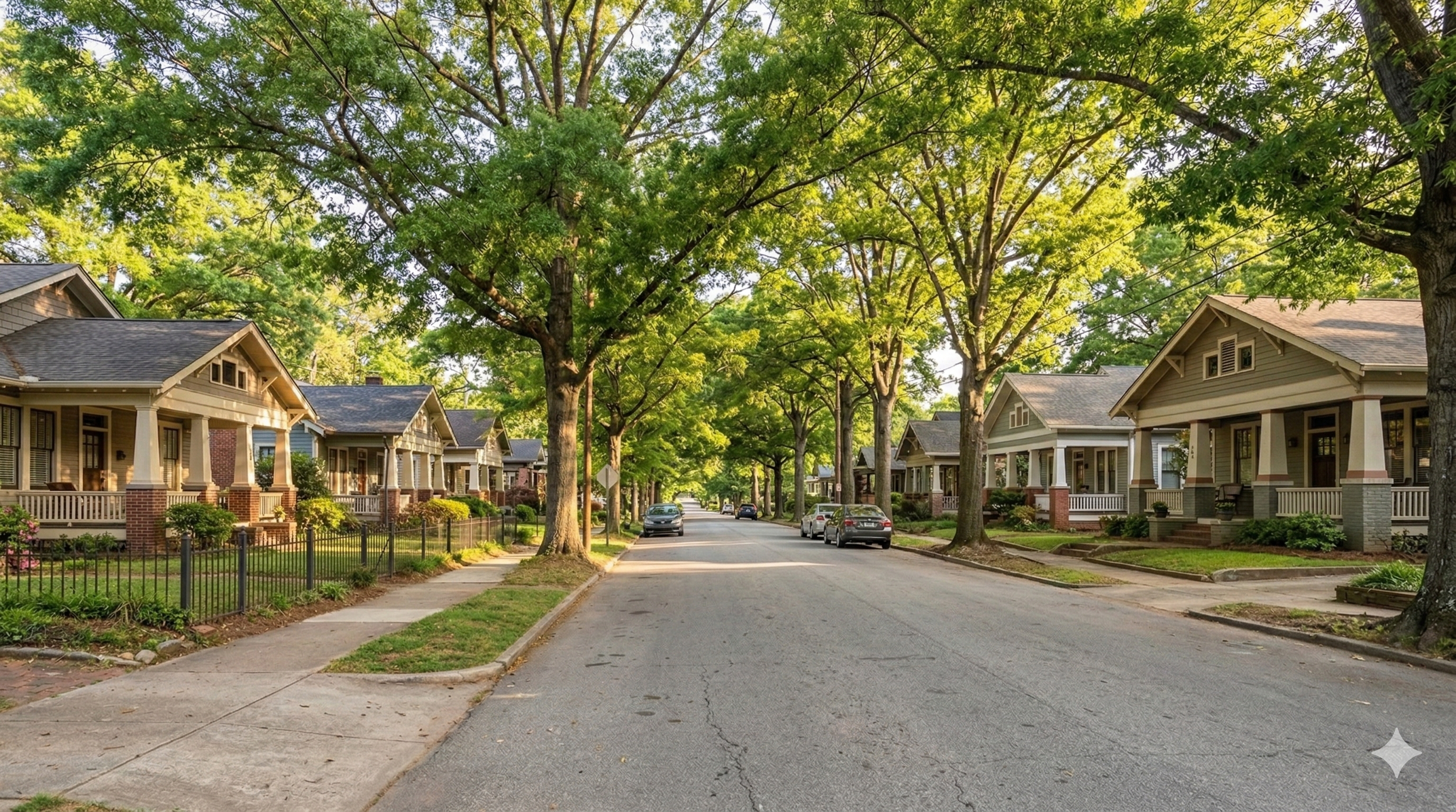
East Atlanta Village is one of Atlanta's most distinct neighborhoods — an independent commercial corridor along Flat Shoals and Glenwood Avenues anchored by local restaurants, bars, and the annual East Atlanta Strut festival. The housing stock is primarily 1940s to 1960s brick ranches and bungalows, with a mix of renovated and unrenovated homes across a range of conditions.
Median prices in East Atlanta Village cluster around $425,000 to $500,000, which means $600K gives you genuine flexibility. You can buy a well-renovated home with room to spare, or stretch for a larger unrenovated property with significant upside if you have the appetite for a project.
Why it works for first-time buyers: The price point is still accessible enough to get in without stretching. The commercial corridor is walkable from most of the neighborhood. And East Atlanta has a track record of appreciation driven by genuine demand — it's not an emerging neighborhood still waiting for its catalyst, it's an established one with identifiable character.
Reynoldstown
Reynoldstown sits directly on the BeltLine's Eastside Trail, adjacent to Inman Park on its western edge and connected to Cabbagetown on the north. The neighborhood has one of the most direct relationships with the BeltLine of any intown neighborhood — the trail runs through it, not past it — which has driven significant appreciation over the past decade and continues to make it attractive to buyers who understand what BeltLine adjacency does to long-term values.
Median prices in Reynoldstown range from roughly $450,000 to $600,000 for single-family homes, with new construction and renovated product pushing toward and occasionally above the $600K ceiling. Your budget is workable here but you'll be competing — correctly priced Reynoldstown homes don't sit.
Why it works for first-time buyers: Direct BeltLine access at this price point is genuinely rare. Reynoldstown's long-term value trajectory is supported by infrastructure — the trail isn't going anywhere, and the development it attracts continues to compound. First-time buyers who can get into Reynoldstown at or below $600K are buying into one of the most durable value stories in intown Atlanta.
Pittsburgh
Pittsburgh is the intown Atlanta first-time buyer opportunity that requires patience and perspective, but rewards both. Located just south of Downtown on the BeltLine's Westside corridor, Pittsburgh has seen significant investment — the BeltLine runs along its northern edge, new development is active, and the neighborhood has a legitimate renovation wave underway.
Median prices in Pittsburgh remain well below other BeltLine-adjacent neighborhoods — many homes are still in the $250,000 to $400,000 range — which means your $600K budget buys you the ability to be selective about condition, lot, and position within the neighborhood. A fully renovated Pittsburgh home can be purchased for well under $500K, leaving room in your budget for furnishing, reserves, or investment in the property.
Why it works for first-time buyers: Pittsburgh is a buy-for-the-long-game neighborhood. The infrastructure is there — BeltLine access, proximity to Downtown, ongoing investment. The patience required is real: this is a neighborhood still in active transition, and it will look meaningfully different in seven to ten years than it does today. For first-time buyers who intend to hold and can absorb a five-plus year horizon, the entry price and trajectory are compelling.
Close-In Suburb Options Under $600K
Smyrna
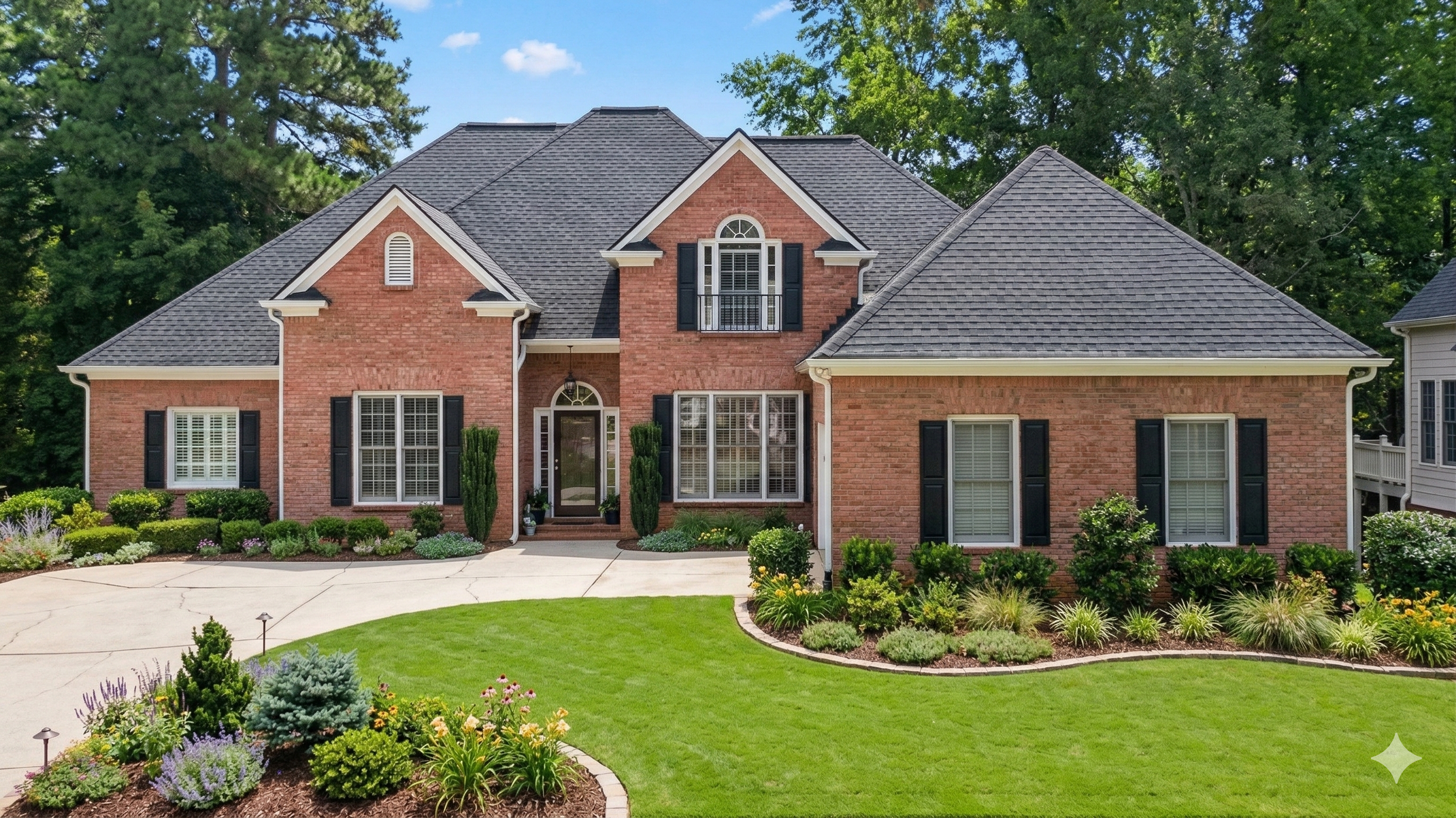
Smyrna is the most underrated value play in Metro Atlanta for first-time buyers who want real space, a walkable town center, and proximity to the city without paying intown prices. The Market Village area gives you a genuine walkable commercial core — restaurants, a farmers market, local shops — within walking distance of a significant portion of the housing stock.
At $600K, you're shopping at the top of Smyrna's market, which means you have access to the best-positioned, best-renovated homes in the city. Median prices for solid single-family homes in Smyrna run $400,000 to $550,000, so $600K puts you in a comfortable position rather than a stretched one.
The Silver Comet Trail, which starts in Smyrna, gives you serious outdoor infrastructure. Midtown is 15 to 20 minutes off-peak. And Cobb County taxes are materially lower than Fulton County — a real number that affects your monthly carrying cost over time.
Why it works for first-time buyers: Price, space, walkable core, trail access, and proximity to the city in one package. For buyers who have been told they need to choose between space and location, Smyrna challenges that assumption.
For the full Smyrna picture: Living in Smyrna GA
East Point
East Point sits immediately southwest of Atlanta and offers one of the strongest price-to-location ratios in the entire Metro. MARTA rail access via the College Park and East Point stations connects you to Downtown, Midtown, and the airport without a car. The housing stock is primarily mid-century brick ranches and bungalows with larger lots than you'll find at comparable prices intown.
Median prices in East Point run $250,000 to $400,000 for solid single-family homes — which means $600K is more than sufficient to be highly selective. You can buy a well-renovated home with a yard, a larger unrenovated home with significant upside, or a newer construction product in the growing South Fulton corridor.
Why it works for first-time buyers: MARTA access and airport proximity (15 minutes) are genuine daily-life advantages. The price point leaves room in your budget for reserves, improvements, or financial flexibility that tight intown purchases don't allow. And the South Fulton corridor is drawing real investment — East Point is not a stagnant market.
College Park
College Park's Historic District is one of the most underappreciated neighborhoods in Metro Atlanta for first-time buyers — a genuinely walkable historic district with tree-lined streets, Victorian and craftsman homes, and direct proximity to Woodward Academy, one of the Southeast's most respected independent schools.
Median prices in College Park's historic core run $300,000 to $500,000, and $600K is well-positioned here. The combination of historic character, school access, and airport proximity (Hartsfield-Jackson is minutes away) creates a specific value proposition that appeals to a defined buyer — and that specific appeal supports values over time.
Why it works for first-time buyers: The price point relative to the neighborhood's character and quality is genuinely favorable. For buyers who want architectural character, a walkable historic district, and a budget that allows financial flexibility, College Park deserves serious attention.
Austell / Lithia Springs (Douglas County)
For first-time buyers whose priority is maximizing square footage and minimizing monthly payment, Douglas County — specifically the Austell and Lithia Springs corridors — delivers something increasingly rare: new construction and large single-family homes in the $350,000 to $500,000 range with good highway access.
This is a different value proposition than the intown and close-in options above. You're trading walkability and urban proximity for space, newness, and financial headroom. For buyers with young families who need room to grow, who work remotely and don't need to commute regularly, or who are optimizing for lowest possible payment while building equity, this segment of the market delivers.
Why it works for first-time buyers: Maximum space per dollar in the Metro. Douglas County is growing — the population base and infrastructure are expanding — and buyers who get in early in established communities benefit from that growth without the uncertainty of early-stage development.
What First-Time Buyers Get Wrong About This Budget
Fixating on the neighborhood name instead of the specific block. In Atlanta's intown neighborhoods especially, a few blocks can mean $100,000 in price difference and a meaningfully different daily experience. "Kirkwood" covers a wide geographic and experiential range. "Grant Park" has blocks that are fully established and blocks that are still transitional. The neighborhood name is a starting point, not a conclusion.
Underweighting resale trajectory. Your first home is not your forever home. The most important financial consideration in a first purchase is not what you're buying today — it's what you'll be able to sell, and for how much, when you're ready to move up in five to eight years. Neighborhoods with durable demand drivers (BeltLine access, MARTA, walkable corridors, proximity to employment) have historically outperformed neighborhoods without them. This matters more at the first-home level than at any other point in the buying journey.
Overweighting condition at the expense of location. A renovated home in a marginal location is a worse first purchase than an unrenovated home in a strong location at a lower price, assuming you can afford the renovation. Condition is fixable. Location isn't.
Not accounting for total monthly cost. Your mortgage payment is not your housing cost. Property taxes, insurance, HOA fees (if applicable), and maintenance run real additional money every month. Fulton County property taxes are meaningfully higher than Cobb or Gwinnett. HOA fees on a condo or townhome can add $300 to $600 per month. An honest first-time buyer budget includes all of these — not just the mortgage payment.
Waiting for the perfect market. First-time buyers in Atlanta in 2026 have more leverage than they've had in four years — more inventory, more days on market, motivated sellers, and real room to negotiate. That doesn't mean it lasts forever. Buyers who wait for rates to drop further and prices to fall meaningfully are typically met instead with more competition and higher prices when they finally act.
Frequently Asked Questions: First-Time Buyers Under $600K in Atlanta
Is $600K a good budget for a first home in Atlanta in 2026?
Yes — it's a budget that opens genuine options across both intown Atlanta and the close-in suburbs. It's enough to be competitive for well-positioned homes in most of the neighborhoods covered here without being stretched to the ceiling. The key is knowing which neighborhoods give you the most durable value for that number, which varies based on your priorities.
What intown Atlanta neighborhoods are still accessible under $600K?
Edgewood, Kirkwood, Grant Park, East Atlanta Village, Reynoldstown, Pittsburgh, and parts of West End and Adair Park all have meaningful inventory under $600K for single-family homes in 2026. Some — like Kirkwood and Reynoldstown — require you to move deliberately when correctly priced homes appear. Others — like Pittsburgh and East Point — offer more flexibility and selection at this budget.
Should I buy intown or in the suburbs as a first-time buyer?
It depends on what you're optimizing for. Intown gives you BeltLine access, walkability, appreciation history, and proximity to Atlanta's restaurant and entertainment infrastructure — at the cost of smaller homes and tighter lots. The suburbs give you more space, newer construction, and in some cases lower property taxes — at the cost of car dependence and longer commutes when you need to be in the city. There is no objectively correct answer, only the answer that fits your specific life.
How competitive is the under-$600K market in Atlanta right now?
Less competitive than it's been in years. Days on market across Metro Atlanta are running in the 50 to 90 day range for most properties, sellers are negotiating, and the bidding war environment of 2021 and 2022 is largely gone at this price point. Well-priced, move-in ready homes in highly desirable specific locations — certain blocks in Kirkwood, Reynoldstown BeltLine-adjacent properties — still move quickly. But the broad market gives first-time buyers time to be deliberate.
What should I prioritize when buying my first home in Atlanta?
Location over condition. Resale trajectory over current aesthetics. Total monthly cost over mortgage payment alone. And the specific block over the neighborhood name. A good buyer's agent should walk you through comps, days on market, and price history before you make an offer — not just the listing details.
Can I use down payment assistance to buy in these neighborhoods?
Potentially, yes. For homes within the City of Atlanta limits — Edgewood, Kirkwood, Grant Park, East Atlanta Village, Reynoldstown, Pittsburgh — Invest Atlanta's AAHOP program provides up to $20,000 in forgivable down payment assistance. Georgia Dream covers the entire Metro for income-qualifying buyers. East Point and College Park properties may also qualify depending on specific program boundaries. Verify eligibility with a participating lender before you start your search — the programs change and address eligibility isn't universal.
What's the most common mistake first-time buyers make in Atlanta?
Waiting. The inventory environment right now — more choices, longer days on market, motivated sellers — is genuinely buyer-favorable. Buyers who wait for rates to drop further typically find that lower rates bring more competition and higher prices, often offsetting the benefit. If the home is right, the location is strong, and the price reflects current market reality, the time to buy is when you're ready — not when the market is theoretically perfect.
Atlanta under $600K in 2026 is a market with real options — intown options with genuine walkability and BeltLine access, close-in suburban options with space and value, and a market environment that gives buyers time and leverage that haven't existed for years.
I work with first-time buyers across Metro Atlanta and I know this specific price range and these specific neighborhoods in detail. If you're trying to figure out which of these neighborhoods fits your life — and what a realistic purchase looks like for your specific situation — let's talk.
Visit kristenjohnsonrealestate.com to get started.
Come as you are, come on home.
Ready to go deeper? I've written full neighborhood guides for many of the areas covered here — Living in Edgewood Atlanta GA, Living in Kirkwood Atlanta GA, Living in Grant Park Atlanta GA, and Living in Smyrna GA. Browse the full Metro Atlanta guide series at kristenjohnsonrealestate.com.