

Living in Summer Hill Atlanta GA: Historic Southside, New Development & Home Prices 2026
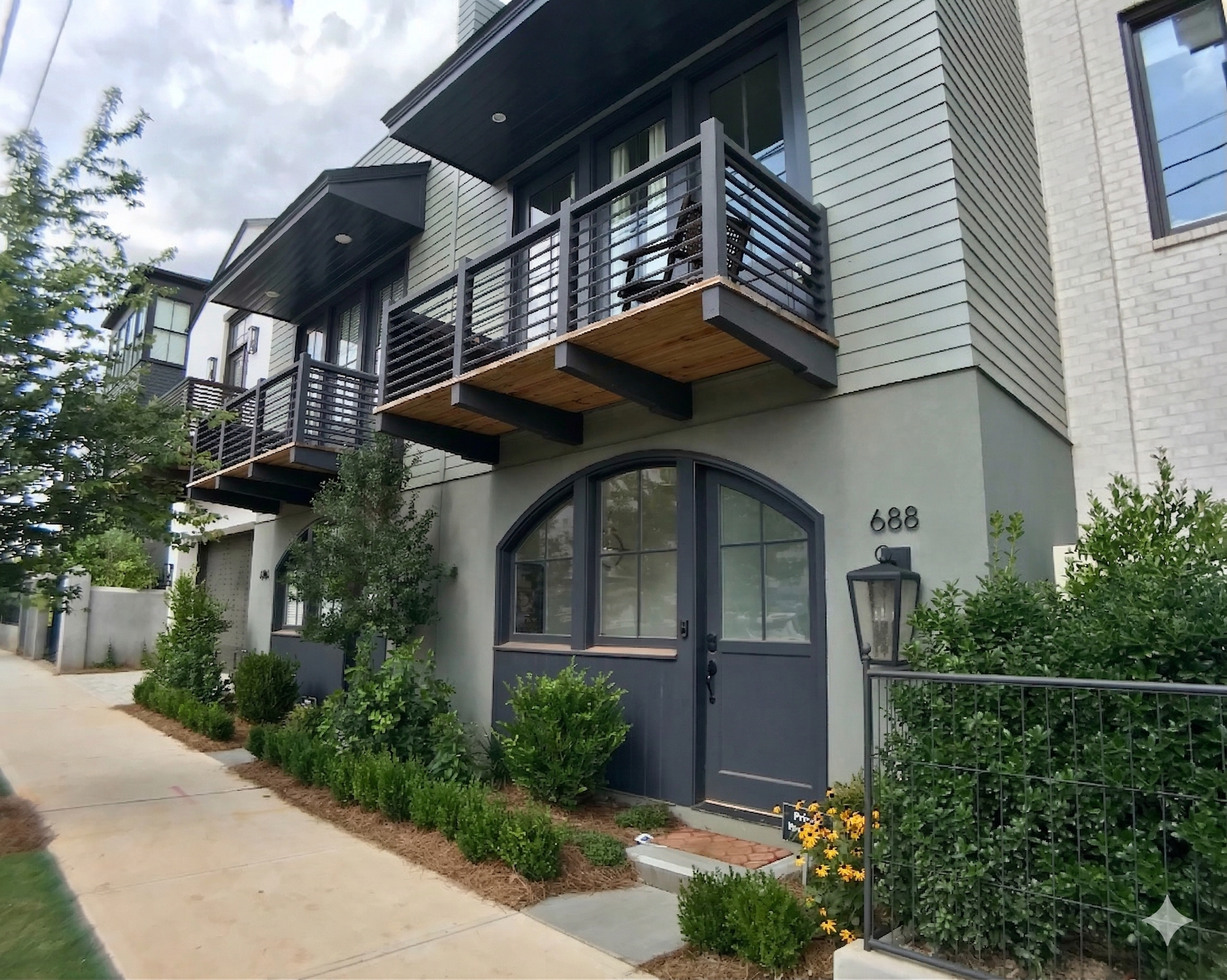
Summer Hill is one of the oldest and most historically significant neighborhoods in Atlanta, and right now it is also one of the most actively developing. Georgia Avenue, the neighborhood's main corridor, has gone from a stretch of boarded-up storefronts to one of the most talked-about dining and brewery strips in the city, anchored by the conversion of Turner Field into Georgia State University's Center Parc Stadium. If you are searching for a neighborhood south of downtown Atlanta with intown walkability, new construction at a range of price points, and a dense concentration of places to eat and drink on your block, Summer Hill deserves a serious look.
Here's what you need to know: Summer Hill's history is long, its redevelopment is real, and the tradeoffs are real too. I work with buyers across Metro Atlanta, including buyers specifically looking for walkable intown neighborhoods with investment upside and proximity to downtown. Summer Hill comes up in those conversations regularly.
Nearly a decade of helping buyers in Atlanta means I know the neighborhoods that are actually transforming, not just the ones being marketed as transforming.
Here's what you need to know.
What Is Summer Hill, and Where Does It Sit?
Summer Hill is a neighborhood in southeast Atlanta, directly south of downtown, bounded roughly by Interstate 20 to the north, Grant Park to the east, Peoplestown to the south, and Mechanicsville to the west. The ZIP codes are 30312 and 30315, depending on which section of the neighborhood you are in. It sits within Atlanta's Neighborhood Planning Unit system as one of 26 designated neighborhoods.
The name has roots in the neighborhood's founding period. After the Civil War, freed slaves established settlements in south Atlanta, and the area eventually took the name Summer Hill, a nod to the topography and the aspirations of early residents. The neighborhood was home to both freed Black residents and Jewish immigrants in its early decades. By the early 1900s, Georgia Avenue was a thriving commercial corridor with pharmacies, theaters, and small businesses serving the surrounding community.
That prosperity was interrupted repeatedly. First by segregation, then by interstate construction in the 1960s, which displaced residents and cut the neighborhood off from downtown. The construction of Atlanta-Fulton County Stadium in 1966 required the demolition of housing, and the promises of reinvestment that followed never fully materialized. The 1996 Olympics brought attention and some new construction, but again the sustained investment did not follow the promises. For years after the Braves left Turner Field, the neighborhood's Georgia Avenue corridor sat largely dormant, a string of shuttered storefronts and empty lots.
The current chapter began in earnest after 2013, when the Braves announced their move to Cobb County. Georgia State University and developer Carter USA acquired the Turner Field property, converting the stadium into Center Parc Stadium for the Panthers football program and launching an 83-acre redevelopment of surrounding parking lots. That project has added more than 1,200 apartments and townhomes and brought more than 20 new businesses to Georgia Avenue alone.
Summer Hill is not a finished product. Parts of it feel deeply transformed; others feel like they are still waiting. That honest context matters when you are deciding whether to buy here.
Summer Hill Home Prices in 2026: What the Market Shows
Summer Hill's market reflects the complexity of a neighborhood in mid-transition. Data varies significantly depending on which source you pull from and which product type you are looking at, which tells you something important: this is not a homogeneous market.
Based on Redfin data through early 2025, the neighborhood's median sale price sat around $490,000, though that figure reflects significant variance. Homes.com data from late 2024 and into 2025 shows a median around $575,000, and average sale price data from Homes.com for the 12 months ending in late 2025 came in near $616,000. The spread reflects the mix: renovated single-family homes and new townhomes pulling prices up, while legacy housing and unrenovated properties anchor the lower end.
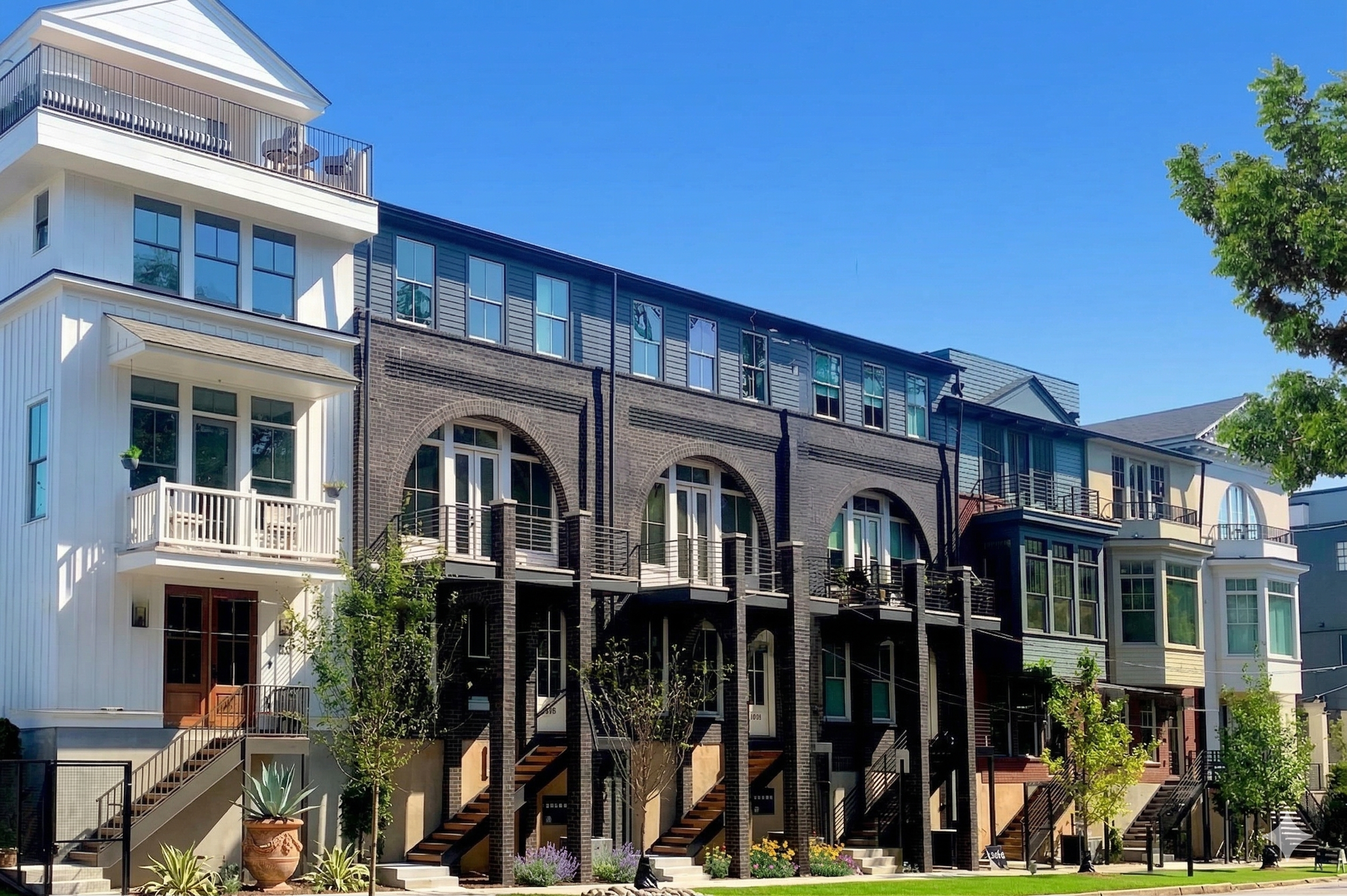
Townhomes in new construction communities are listing from the $600,000s. Ten5 Summerhill, a boutique collection of 10 architect-designed townhomes at Georgia Avenue and Martin Street, has been listing units from $615,000 to $749,000, with price adjustments made through 2025 to meet current market conditions. Hedgewood Homes has also brought custom homes to the neighborhood at the higher end.
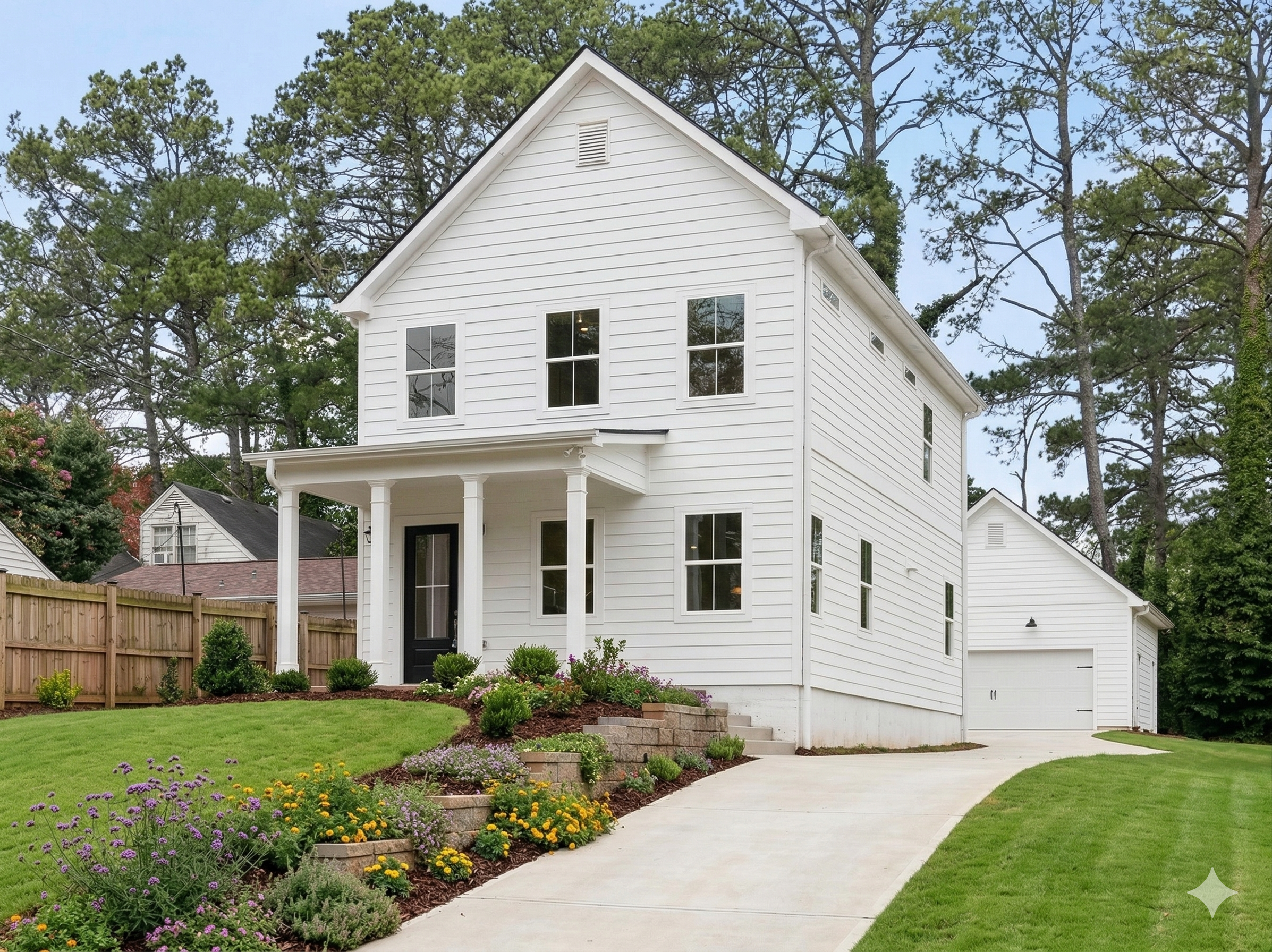
At the resale level, you can still find renovated single-family homes priced from the mid-$400,000s into the $600,000s depending on size and finishes. Legacy properties that have not been updated will come in lower, and there are still opportunities for buyers willing to put in work.
Days on market reflect a slower pace than the broader Atlanta market in some product categories. New construction townhomes at Ten5 reported 92 days on market as of late 2025, which is meaningful context for buyers evaluating new construction pricing relative to market absorption. Resale single-family homes tend to move faster if priced correctly.
Key data points:
Median sale price range: $490,000 to $616,000 depending on product type and data source (2024-2025)
New construction townhomes: $615,000 to $749,000+
Resale single-family: mid-$400,000s to $650,000s
Days on market: highly variable by product type; new construction slower, well-priced resales faster
Price per square foot: approximately $300 to $400+ for renovated product
Always verify current numbers directly. Market conditions in Summer Hill shift as new phases of the Carter development come online and as broader Atlanta market dynamics evolve. Reach out to me at kristenjohnsonrealestate.com for current pricing data specific to the type of home you are searching for.
What You Get for the Money in Summer Hill
The price you pay in Summer Hill depends heavily on what you are buying and where.
Under $450,000: At this price point, you are typically looking at legacy single-family homes that need updating, or smaller square footage properties. This is the entry tier for buyers who want to get into the neighborhood before additional development phases come online and are comfortable managing renovations. Lots and parcels for development also appear in this range.
$450,000 to $600,000: This range covers well-renovated single-family homes, typically with 3 to 4 bedrooms and updated kitchens and baths. Some townhomes and smaller new construction product appears here. If you want a turnkey single-family home in Summer Hill, this is often where you land.
$600,000 to $750,000+: New construction townhomes at communities like Ten5 Summerhill sit in this range. These are four-story units with rooftop terraces, polished concrete and hardwood floors, Pella windows, quartz countertops, and private parking. They are genuinely high-spec properties by intown Atlanta standards. At the upper end of this range you will also find custom single-family homes and larger renovated properties on desirable blocks.
The value proposition in Summer Hill is location density and walkability, not square footage. You are buying proximity to Georgia Avenue's restaurant and brewery strip, Center Parc Stadium, proximity to downtown, and a neighborhood with documented redevelopment momentum. What you are not getting, in most cases, is a large suburban yard, quiet residential streets insulated from development activity, or the kind of settled neighborhood feel you find in Grant Park or Inman Park. Summer Hill is in process.
Getting Around: Commutes from Summer Hill
Summer Hill's location directly south of downtown is its single biggest commute advantage. The core of the neighborhood sits about 1.5 to 2 miles from Five Points, the center of the downtown MARTA network.
Downtown Atlanta: 8 to 15 minutes by car off-peak. During morning rush (7 to 9 AM), expect 15 to 25 minutes depending on the exact route and traffic on Capitol Avenue or Hank Aaron Drive. The proximity is genuine, not marketing math.
Midtown: 15 to 25 minutes off-peak. Morning rush on Spring Street or the connector adds meaningful time. Budget 25 to 35 minutes when the freeways are saturated.
Hartsfield-Jackson Atlanta International Airport: 15 to 20 minutes off-peak via I-75/85 south or via Camp Creek Parkway routes. This is one of Summer Hill's clearest geographic advantages for frequent travelers.
Buckhead: 20 to 30 minutes off-peak. The downtown connector adds time during peak hours; budget 30 to 45 minutes during morning rush.
Perimeter/I-285 corridor: 25 to 35 minutes off-peak, longer during peak hours. If your primary employment center is Perimeter, Summer Hill is workable but requires freeway time in both directions.
MARTA access: Summer Hill does not have a rail station directly in the neighborhood, but the Five Points and Garnett stations are within reasonable driving or rideshare distance. MARTA's planned Bus Rapid Transit (BRT) line connecting Summer Hill to the Five Points MARTA station has been discussed as part of the redevelopment vision, which would meaningfully improve transit access if implemented. Verify current transit project status directly with MARTA, as timelines for this type of infrastructure evolve.
For workers commuting to downtown, the airport corridor, or Georgia State's campus (which borders the neighborhood), Summer Hill's location is genuinely efficient. For Perimeter or North Fulton commuters, the calculus changes.
The Walk Score for Summer Hill is approximately 62, which reflects meaningful walkability to Georgia Avenue's restaurants and businesses but limited walkability to grocery and everyday errands for much of the neighborhood, outside of the Publix on Hank Aaron Drive.
Things to Do in Summer Hill
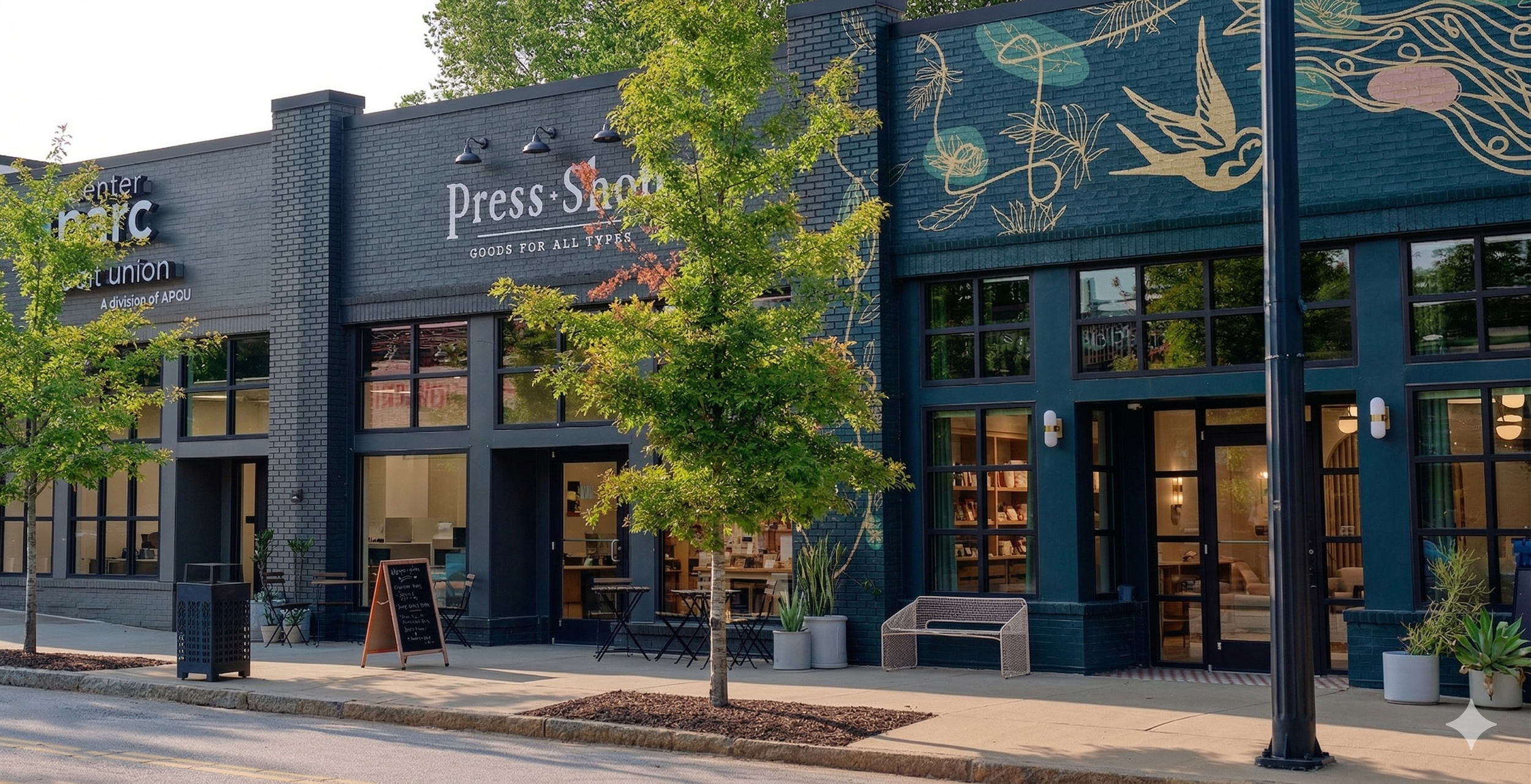
Georgia Avenue is the clearest reason to be here on a weekday evening or weekend afternoon. The corridor runs through the heart of the neighborhood and now holds a full roster of independent restaurants, a brewery, a coffee shop, and retail.
Wood's Chapel BBQ at 85 Georgia Ave SE has been recognized as among the best barbecue in Atlanta, with wood-smoked meats, Southern sides, a full bar, and a large patio. This was one of the anchor tenants in the redevelopment and remains one of the neighborhood's most consistent draws.
Little Bear at 71A Georgia Ave is a Michelin Bib Gourmand-recognized restaurant with a rotating seasonal menu and a following among serious Atlanta food people. The format is intimate and the menu changes regularly.
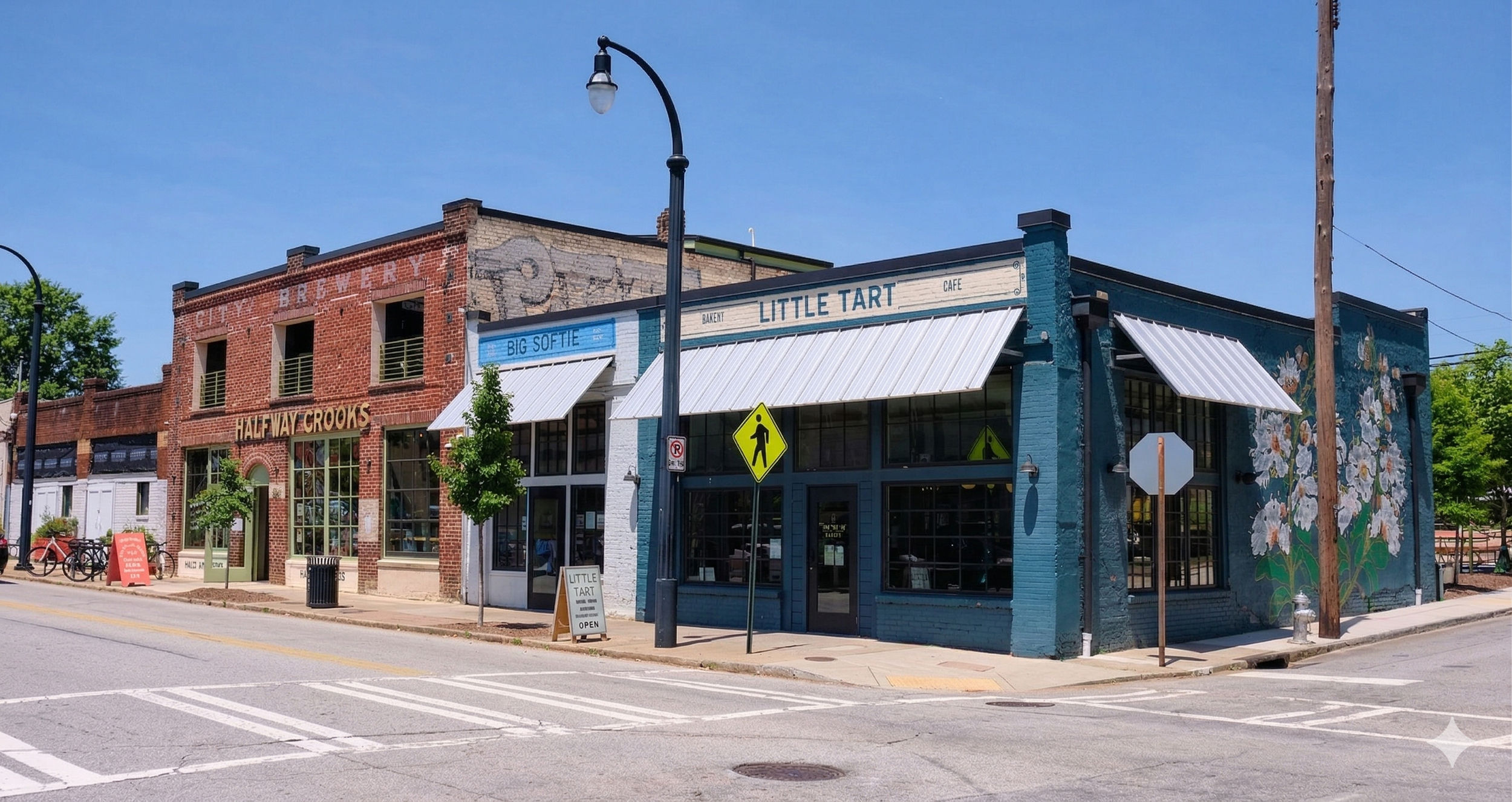
Halfway Crooks Beer at 60 Georgia Ave is a German-style brewery with an exposed brick tasting room, a rooftop patio, and a beer garden enclosed by shipping containers. The programming includes live music and serves as one of the neighborhood's primary gathering spaces.
Junior's Pizza at 77 Georgia Ave is a New York-style pizzeria that opened in 2017 and has become a neighborhood staple.
Big Softie at 68 Georgia Ave is a soft-serve ice cream shop.
Little Tart Bakeshop has a location on Georgia Avenue, bringing espresso, coffee, and pastries to the corridor.
Hot Dog Pete's at 25 Georgia Ave serves traditional hot dogs and creative variations.
Hero Doughnuts and Buns operates on Georgia Avenue, an import from Birmingham with doughnuts and sandwiches.
D Boca N Boca on Georgia Avenue is a Mexican restaurant with tacos, guacamole, and a patio.
Talat Market on Ormond Street, a brick-and-mortar version of a celebrated pop-up, offers globally-influenced cuisine.
Psito on Georgia Avenue serves Greek food.
Beyond the Georgia Avenue strip, Center Parc Stadium hosts Georgia State Panthers football games, concerts, commencement ceremonies, and other events. The stadium is a community amenity as well as a significant source of foot traffic that drives the retail and restaurant ecosystem.
D.H. Stanton Park provides green space within the neighborhood, and Phoenix II Park is a 7.3-acre community greenspace directly adjacent to the Ten5 Summerhill development at Georgia Avenue and Martin Street, with multi-use courts.
Grant Park is immediately to the east, with Zoo Atlanta, park trails, and weekend farmers market access close by. The BeltLine Eastside Trail is accessible from adjacent neighborhoods, and the broader walking and biking network continues to expand.
Schools Serving Summer Hill
Summer Hill is served by Atlanta Public Schools (APS). The neighborhood falls within the 30312 and 30315 ZIP codes, which serve different school zones depending on the specific property address.
Parkside Elementary School serves portions of Summer Hill in the 30312 area. The school has been recognized as a neighborhood anchor. Always verify specific zoning for any property address, as attendance boundaries can shift.
Slater Elementary School (Thomas Heathe Slater Elementary School, 1320 Pryor Rd SW) serves portions of the 30315 ZIP.
Martin Luther King Jr. Middle School has been referenced in listing data as the middle school for portions of Summer Hill.
Maynard H. Jackson Jr. High School serves portions of the 30315 ZIP code.
G.W. Carver High School and G.W. Carver High School Early College at 55 McDonough Blvd SE are high schools within the 30315 ZIP.
Atlanta Public Schools also has a charter school network. Atlanta Neighborhood Charter School has an elementary campus at 688 Grant St SE in the 30315 ZIP, and various charter options are available to Atlanta families depending on application, availability, and eligibility.
Georgia State University is directly adjacent to Summer Hill, and the presence of the university's campus and student population shapes the neighborhood's character significantly.
School zoning in APS is property-specific. Verify the exact schools assigned to any home you are considering by contacting Atlanta Public Schools directly or using the APS zoning lookup tool. Research and visit schools to determine fit for your family.
Nearby Neighborhoods: How Summer Hill Compares
Summer Hill vs. Grant Park: Grant Park is Summer Hill's neighbor to the east and offers a more settled residential feel with Victorian-era architecture, Zoo Atlanta, and an established neighborhood grid. Grant Park's median prices are generally in a similar range but the character is quieter and more residential than Summer Hill's active development zone. Buyers who want the restaurant energy of Georgia Avenue but prefer a more complete neighborhood fabric often land in Grant Park and walk or bike to Summer Hill's strip. Read the full Grant Park neighborhood guide for pricing and details.
Summer Hill vs. Old Fourth Ward: Old Fourth Ward (O4W) is further north along the BeltLine and Edgewood corridor. It's more established in its transformation, with Ponce City Market, Krog Street Market, and the Eastside Trail anchoring its commercial core. O4W prices have moved higher than Summer Hill in many product categories, and the neighborhood feels more complete. If you want Summer Hill's trajectory but with more infrastructure already in place, O4W is the comparison. Read the full Old Fourth Ward neighborhood guide.
Summer Hill vs. Mechanicsville: Mechanicsville directly borders Summer Hill to the west. It is an earlier stage in its development trajectory than Summer Hill, with lower entry prices and less commercial infrastructure currently. Buyers looking for maximum equity upside with more uncertainty take Mechanicsville seriously. Summer Hill offers more developed retail and restaurant access right now.
Summer Hill vs. Peoplestown: Peoplestown is south of Summer Hill, another historic Southside Atlanta neighborhood that has seen targeted development investment. The BeltLine's Southside Trail is a key future connector for Peoplestown and Summer Hill. Both neighborhoods are at earlier stages than their northern counterparts, and buyers considering one often look at both.
Summer Hill vs. East Atlanta: East Atlanta Village is a different geography, about 3 miles southeast, but is a reference point for buyers looking at intown neighborhoods with established restaurant strips and a walkable main street. East Atlanta's commercial corridor has a longer track record than Summer Hill's current iteration, while Summer Hill's proximity to downtown is tighter. Read the full East Atlanta neighborhood guide.
Streets, Blocks, and What to Know About the Development Pattern
Summer Hill's geography makes the development pattern relevant to understand before you choose a specific block.
Georgia Avenue (SE) is the commercial spine of the redevelopment. This is where the restaurants, brewery, and retail are concentrated. Properties immediately on or within one to two blocks of Georgia Avenue have the highest walkability to the commercial corridor and are most directly adjacent to the development activity. They also get the most foot traffic, noise, and event-related congestion on game days and weekends.
Hank Aaron Drive is the corridor that runs from downtown south toward Center Parc Stadium. The Publix grocery store opened on Hank Aaron Drive, a significant milestone for the neighborhood. Apartment developments including Alexan Summerhill (325 units) have risen along Hank Aaron Drive in the former Turner Field parking lots.
Martin Street SE is adjacent to the Ten5 Summerhill townhome development, directly across from Phoenix II Park. This is new urban construction on streets that were previously low-density.
Ormond Street SE has been a focus of both new development and renovated single-family homes. Talat Market is located here, and the street has become a reference point for buyers looking for the residential fabric adjacent to the restaurant corridor.
Georgia Avenue SE and surrounding blocks (30312): This is the heart of the redevelopment area. Properties here have the most walkability, the most proximity to Georgia State's campus, and the most active construction around them.
Southern portions of the neighborhood (30315): These blocks are more residential in character, further from the Georgia Avenue corridor, and closer to legacy Summer Hill. Prices are generally lower here, renovation opportunities are more common, and the neighborhood feel is quieter.
One honest note: Summer Hill's redevelopment is concentrated in the blocks closest to Georgia Avenue and Center Parc Stadium. The further you move from that core, the more the neighborhood character returns to what Summer Hill has been historically, rather than what it is becoming. That is not a negative or a positive by itself, but it is relevant to understanding what your daily experience will be based on your specific block.
Who Is Summer Hill Right For?
Summer Hill tends to be the right fit when:
You want genuine walkability to a restaurant and brewery strip without paying Midtown or Inman Park prices. Georgia Avenue's current lineup gives you Wood's Chapel BBQ, Little Bear, Halfway Crooks, and a half-dozen more without getting in a car.
You work downtown, at the airport, or somewhere along the I-75/85 south corridor. Summer Hill's commute to downtown is among the shortest of any intown Atlanta neighborhood outside of Castleberry Hill or Mechanicsville.
You are buying for long-term appreciation potential and are comfortable with an in-process neighborhood. The 83-acre Carter development has been executing for nearly a decade and still has phases left to deliver. Buyers who came in early have had significant appreciation; buyers coming in now are betting on the continuation of that trajectory.
You want new construction intown for under $800,000. The Ten5 Summerhill townhomes and other new product fill a gap between Midtown's luxury condo prices and the suburbs. Fee-simple townhomes with rooftop terraces in this price range are not common across Metro Atlanta.
You want proximity to Georgia State University, either because you work there or because you see the institutional anchor as a long-term stability factor for the neighborhood.
You are an investor interested in a neighborhood where the redevelopment thesis is documented, the institutional backing is real (Georgia State and Carter USA), and where there are still no rental restrictions on some new construction product.
Think carefully about Summer Hill if:
You want a settled, fully formed neighborhood with quiet residential streets and neighbors who have been there for decades. Summer Hill is not that yet, and for some of the blocks closest to the development activity, it may not be that for years.
Your daily commute is to North Fulton, Perimeter, or east Cobb. Summer Hill is efficient going south and downtown; it is not efficient going north, and adding 30+ minutes each way changes the value calculation.
You have school-age children and want to make decisions primarily based on school proximity and certainty. Research APS options, visit the campuses, and make sure you understand the specific zoning for any property you are considering before committing.
You need significant square footage for your budget. Summer Hill's new construction product is priced for urban living with vertical square footage (rooftop terraces, multiple floors) rather than horizontal square footage. If you need a large footprint on a single level with a yard, this market does not deliver that at this price point.
Frequently Asked Questions: Living in Summer Hill Atlanta
What is the average home price in Summer Hill Atlanta in 2026?
Based on data from 2024 into 2025, home prices in Summer Hill range broadly depending on product type. Resale single-family homes sell in the mid-$400,000s to $650,000s for renovated product. New construction townhomes are priced from $615,000 to $749,000 and above. The overall median sale price has been reported in the $490,000 to $616,000 range across different data sources and time periods. This spread reflects the mix of legacy housing, renovated product, and new construction. Contact me directly for current pricing based on what you are actually looking for.
Is Summer Hill a good investment in 2026?
Summer Hill has a documented redevelopment trajectory backed by an 83-acre development project, an institutional university anchor, and more than $600 million in planned investment. More than 1,200 apartments and townhomes have been delivered or are in construction, and the Georgia Avenue commercial corridor has fundamentally changed since 2017. Buyers who came in before the Georgia Avenue transformation saw significant appreciation. Whether that trajectory continues depends on the delivery of remaining development phases, broader Atlanta market conditions, and BRT transit investment that has been proposed but not yet delivered. It is a calculated bet with real data behind it, not speculation on a neighborhood no one knows. As with any investment, I recommend talking through the specifics before making a decision.
How close is Summer Hill to downtown Atlanta?
Summer Hill sits approximately 1.5 to 2 miles south of downtown Atlanta's core. Off-peak, you can be at Five Points in 8 to 15 minutes by car. During morning rush, budget 15 to 25 minutes. The neighborhood is among the closest intown residential options to downtown outside of Castleberry Hill and Mechanicsville.
Is Summer Hill walkable?
The Georgia Avenue corridor in Summer Hill is genuinely walkable to restaurants, the brewery, coffee, and the Publix on Hank Aaron Drive. The Walk Score for the neighborhood overall is approximately 62, which reflects the uneven nature of walkability across the neighborhood. Blocks immediately adjacent to Georgia Avenue have the highest walkability; blocks in the southern portions of the neighborhood near 30315 are more car-dependent for everyday errands.
What new construction is available in Summer Hill?
As of early 2026, the Ten5 Summerhill townhome community at Georgia Avenue and Martin Street is selling units in the $615,000 to $725,000 range, with price adjustments made through 2025. These are AIA award-winning four-story townhomes designed by Xmetrical, with rooftop terraces, hardwood floors, polished concrete, Pella windows, and private parking. The broader Carter redevelopment has also delivered apartment communities including Alexan Summerhill. Additional development phases remain planned. Verify availability and current pricing directly.
What restaurants are in Summer Hill Atlanta?
Georgia Avenue in Summer Hill has become one of Atlanta's most concentrated dining corridors south of downtown. Key spots include Wood's Chapel BBQ (voted best BBQ in Atlanta), Little Bear (Michelin Bib Gourmand), Halfway Crooks Beer (one of Atlanta's top breweries), Junior's Pizza, D Boca N Boca, Psito, Hot Dog Pete's, Hero Doughnuts and Buns, Big Softie ice cream, Little Tart Bakeshop, Talat Market, and Maepole. The lineup has expanded significantly since 2019 and continues to evolve.
What is Center Parc Stadium and how does it affect living in Summer Hill?
Center Parc Stadium, formerly Turner Field, is the home of Georgia State University's football team and is located in Summer Hill. Its acquisition by Georgia State in 2017 and the associated 83-acre redevelopment project with developer Carter USA is the primary catalyst for the neighborhood's current transformation. On game days and event days, the stadium brings significant foot traffic to the neighborhood, which is good for restaurants and businesses and creates periodic congestion and parking activity on nearby streets. If you are sensitive to event-day activity, walk the blocks around your prospective home on a game day before committing.
Does Summer Hill have MARTA access?
Summer Hill does not have a rail station directly in the neighborhood. The Five Points and Garnett MARTA rail stations are the closest, accessible by a short drive or rideshare. A Bus Rapid Transit (BRT) line connecting Summer Hill to the Five Points station has been discussed as part of the redevelopment plan. If transit access is central to your lifestyle, verify current project status with MARTA before factoring it into your decision.
How does Summer Hill compare to Grant Park for buyers?
Grant Park is immediately to Summer Hill's east and offers a more established residential environment, with Victorian-era architecture, Zoo Atlanta, and a grid of settled streets. Grant Park's commercial corridor on Memorial Drive is different in character from Summer Hill's Georgia Avenue, which is more food and drink focused. Home prices in the two neighborhoods are in a similar range for comparable product. If you want the specific energy of Georgia Avenue's restaurant strip as part of your daily life, Summer Hill is closer to it. If you want a quieter residential feel with easy access to Summer Hill's dining, Grant Park works.
What are the schools in Summer Hill Atlanta?
Summer Hill is served by Atlanta Public Schools. Depending on the specific property address, elementary schools include Parkside Elementary (30312 area) and Slater Elementary (30315 area). Martin Luther King Jr. Middle School serves parts of the neighborhood. Maynard H. Jackson Jr. High School and G.W. Carver High School serve portions of the 30315 ZIP. Atlanta Neighborhood Charter School has an elementary campus nearby. School zoning is property-specific; verify the exact assignment for any home you are considering directly with Atlanta Public Schools. Research and visit schools to determine fit for your family.
What streets should I focus on when buying in Summer Hill?
For walkability to Georgia Avenue's restaurant and brewery strip, look at blocks along and immediately south of Georgia Avenue SE, and on streets like Martin Street SE, Ormond Street SE, and the blocks flanking the Carter redevelopment footprint. For a quieter residential experience with lower entry price points, the 30315 section further south has more legacy single-family inventory. The block you buy on in Summer Hill matters more than in a settled neighborhood, because the character difference between the development core and the surrounding residential areas is significant.
The Bottom Line on Summer Hill
I will be direct: Summer Hill is one of the most interesting buying opportunities in intown Atlanta right now precisely because it is not finished. The Georgia Avenue strip is real. Center Parc Stadium and Georgia State's campus are real. The Carter redevelopment is documented and ongoing. But the neighborhood is still mid-transformation, and some blocks feel it more than others.
For buyers who want walkable urban life south of downtown, proximity to one of Atlanta's best restaurant corridors, and exposure to a neighborhood with documented institutional investment still in progress, Summer Hill makes a compelling case. For buyers who want a fully formed neighborhood with settled residential character, it is an honest wait.
If you are weighing Summer Hill alongside Grant Park, Peoplestown, or other Southside Atlanta options, I am happy to walk you through the specific tradeoffs based on what matters most to you.
Visit kristenjohnsonrealestate.com to start the conversation.
Come as you are, come on home.
Looking for more Metro Atlanta neighborhood guides? I've covered nearby intown neighborhoods including Grant Park, Old Fourth Ward, and East Atlanta. Browse the full guide series at kristenjohnsonrealestate.com.