

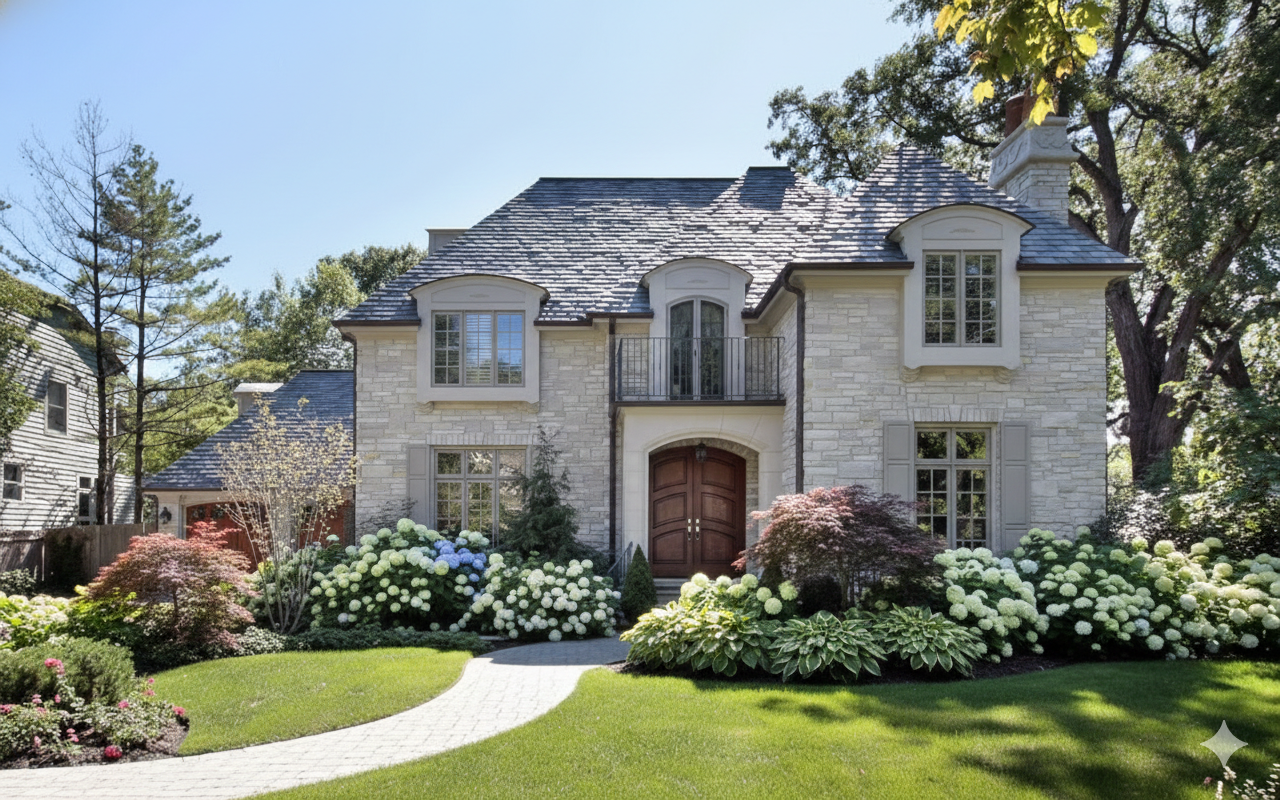
Living in Roswell Georgia: Historic Downtown, Fulton County Schools, and What $500K-$1M Buys in North Atlanta's Family Suburb
Roswell is North Atlanta's established family suburb—historic downtown, strong school reputation, tree-lined neighborhoods, and unmistakably suburban character while maintaining identity separate from cookie-cutter developments. Nearly 10 years helping Atlanta buyers means I've shown hundreds of homes in Roswell. It attracts families researching Fulton County Schools, professionals relocating who want accessible suburban living with historic character, empty nesters downsizing from larger North Fulton homes. Median prices $607K-$682K, very competitive market (homes receive ~3 offers average). Historic Canton Street downtown, Chattahoochee River access. Verify school zoning by address. 20 miles from Downtown Atlanta. Here's what you need to know.
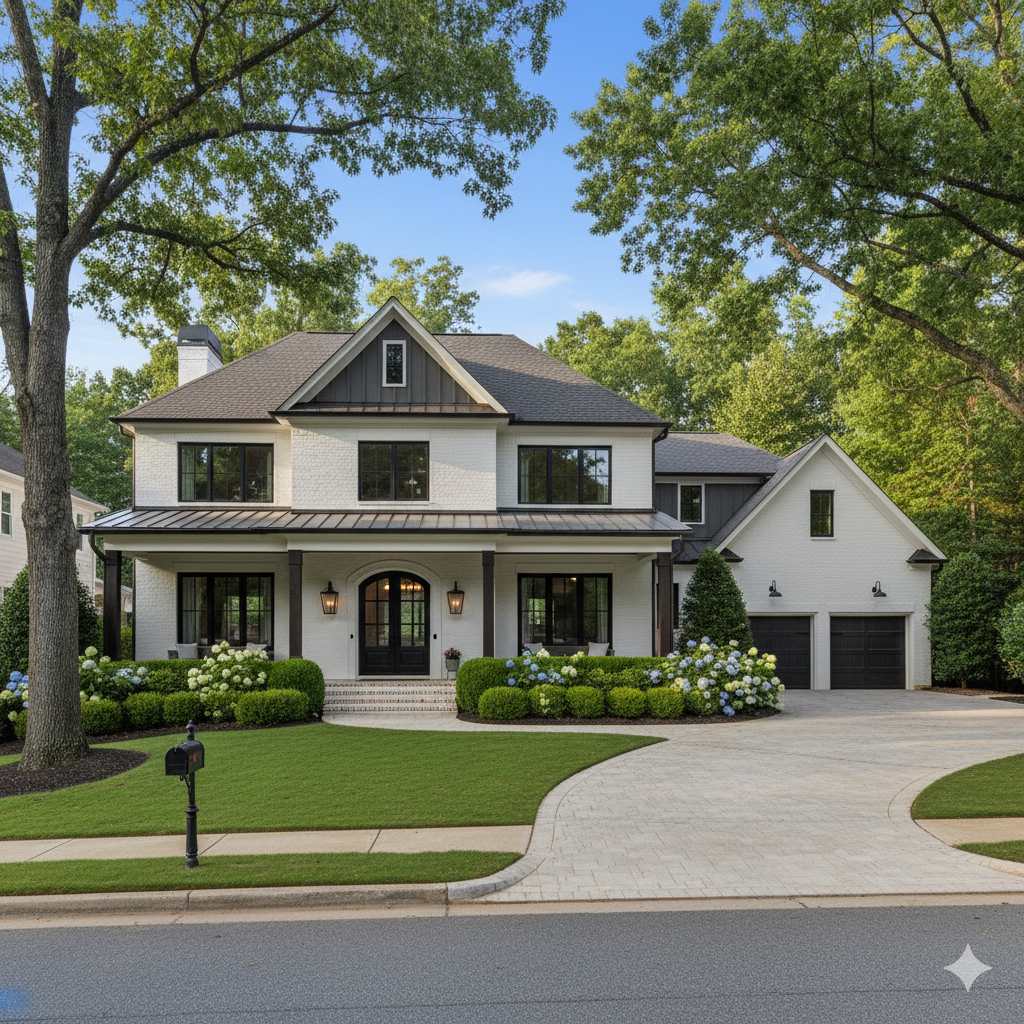
Living in Brookhaven Georgia: Town Brookhaven, Schools, and What $500K-$1M+ Buys in Atlanta's Suburban Sweet Spot
Brookhaven isn't trying to be intown Atlanta. It's unapologetically suburban—newer homes, Town Brookhaven's retail district, family-focused amenities, and a feel closer to Johns Creek than Candler Park, despite being just 10 miles from Downtown. Nearly 10 years helping Atlanta buyers means I've shown hundreds of homes in Brookhaven. It attracts families researching school options, professionals relocating who want accessible suburban living, empty nesters downsizing from North Fulton. Median prices $615K-$705K, homes sell in 31-51 days. Town Brookhaven walkable district, MARTA station, DeKalb County Schools. Incorporated 2012, newer construction typical. School zoning complex—verify your specific address. Here's what you need to know.
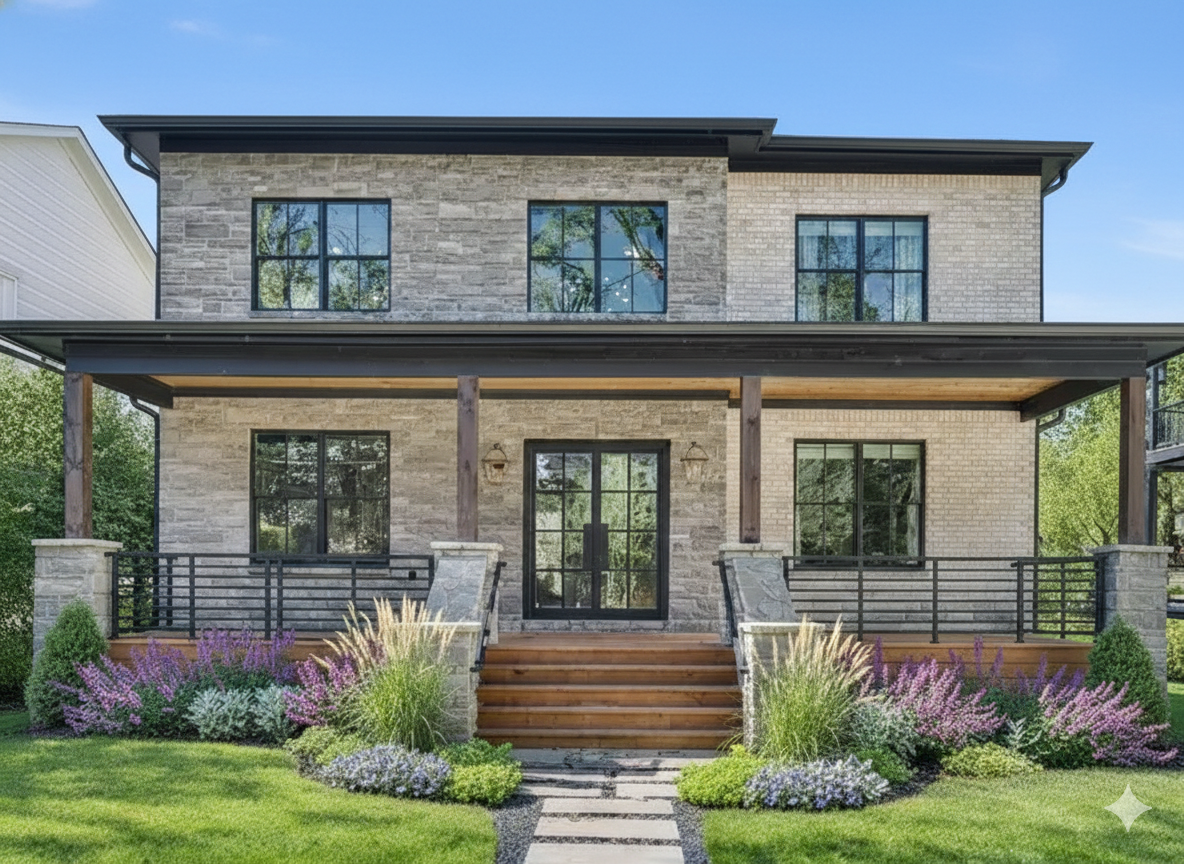
Living in Morningside-Lenox Park Atlanta: Tree-Lined Streets, Family Focus, and What $700K-$1.5M Buys in Intown's Most Traditional Neighborhood
Morningside-Lenox Park doesn't try to be hip. It's solidly, unapologetically traditional—tree-lined streets, families with strollers, neighbors who've lived here for decades, front porches with rocking chairs, and a genuine small-town feel despite being minutes from Midtown. Nearly 10 years helping Atlanta buyers means I've shown hundreds of homes in Morningside-Lenox Park. It attracts families researching school options, professionals who want walkability without the scene, empty nesters downsizing from North Fulton who want intown living without sacrificing space. Median prices $977K-$1.3M, homes sell in 52 days. Morningside Elementary ranked #51 in Georgia. Mature trees, larger lots, traditional architecture, family-oriented community. Here's what you need to know.
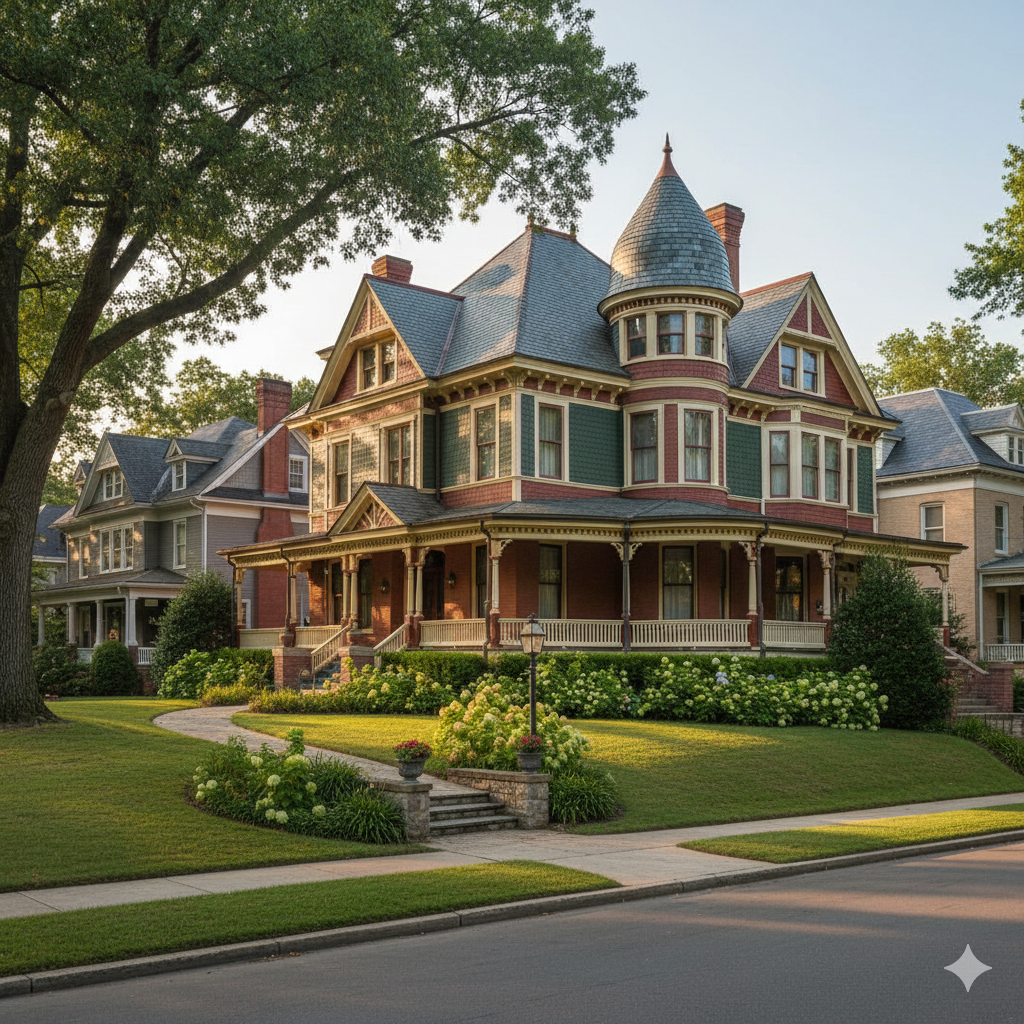
Living in Candler Park Atlanta: Bohemian Vibes, Mary Lin Elementary, and What $500K-$1M Actually Buys You
Candler Park isn't trying to be Buckhead or Virginia-Highland. It's bohemian without being pretentious, family-friendly without being suburban, walkable without the Virginia-Highland price tag. Nearly 10 years helping Atlanta buyers means I've shown hundreds of homes in Candler Park. It attracts young families who want Mary Lin Elementary, creative professionals who value quirky over polished, and buyers who appreciate authentic character. Median prices $663K-$750K, homes sell in 23-25 days. Mary Lin Elementary ranked #12 in Georgia with 85% math proficient, 83% reading proficient. 55-acre park, Little Five Points adjacent, BeltLine access. Here's what you need to know about prices, schools, lifestyle, and whether this eclectic intown neighborhood is right for you.
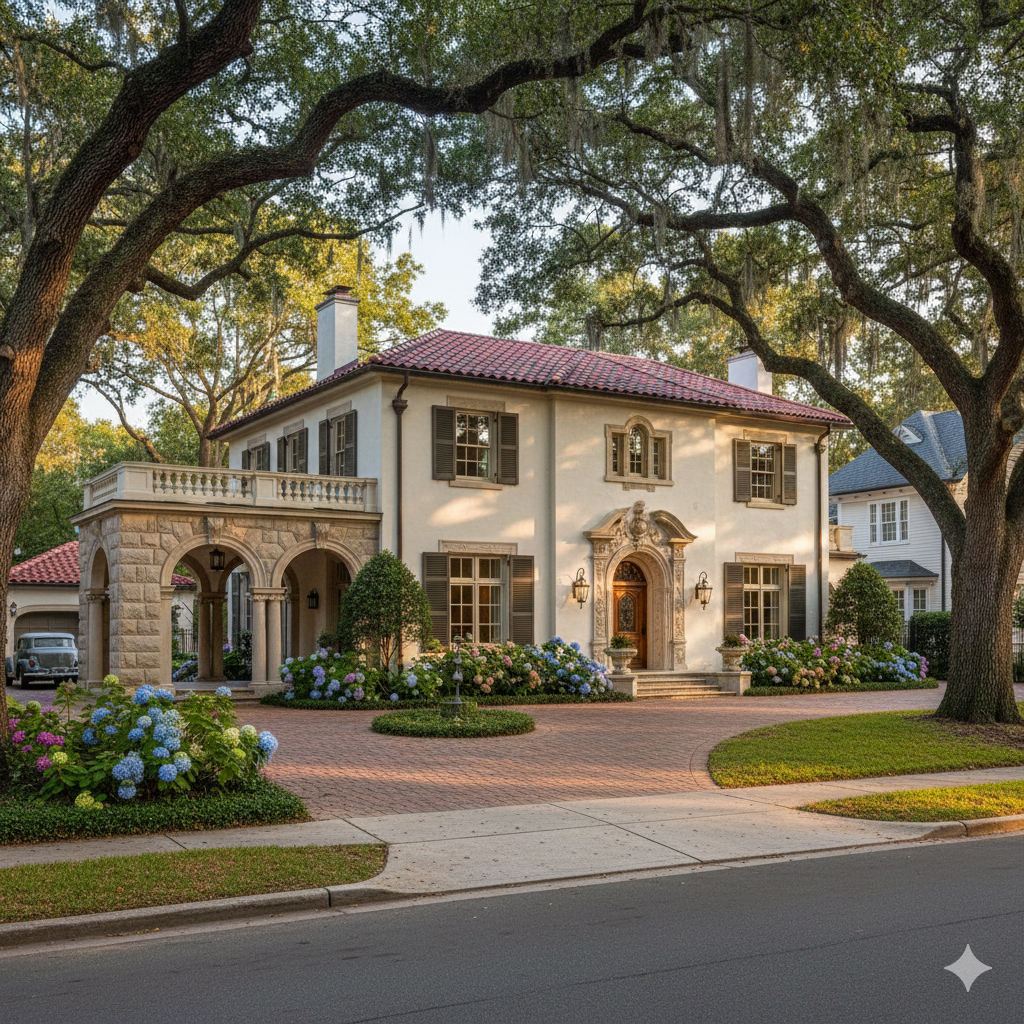
Negotiating in the 2026 Atlanta Market: What Actually Works When Buyers and Sellers Are Finally Even
The 2026 Atlanta real estate market looks nothing like the chaos of 2021-2022. No more waiving inspections to compete. No more offering $50,000 over asking price sight unseen. For the first time in years, Atlanta's housing market is balanced. Inventory sits at 10-year highs. Homes stay on market 50-75 days instead of disappearing in a weekend. Buyers have negotiating power they haven't had since before the pandemic. Sellers who price aggressively watch their homes sit while properly priced properties still move. Nearly 10 years helping Atlanta buyers and sellers means I've negotiated through multiple market cycles. Each requires completely different strategies. Here's what actually works for negotiating in today's Atlanta market right now.
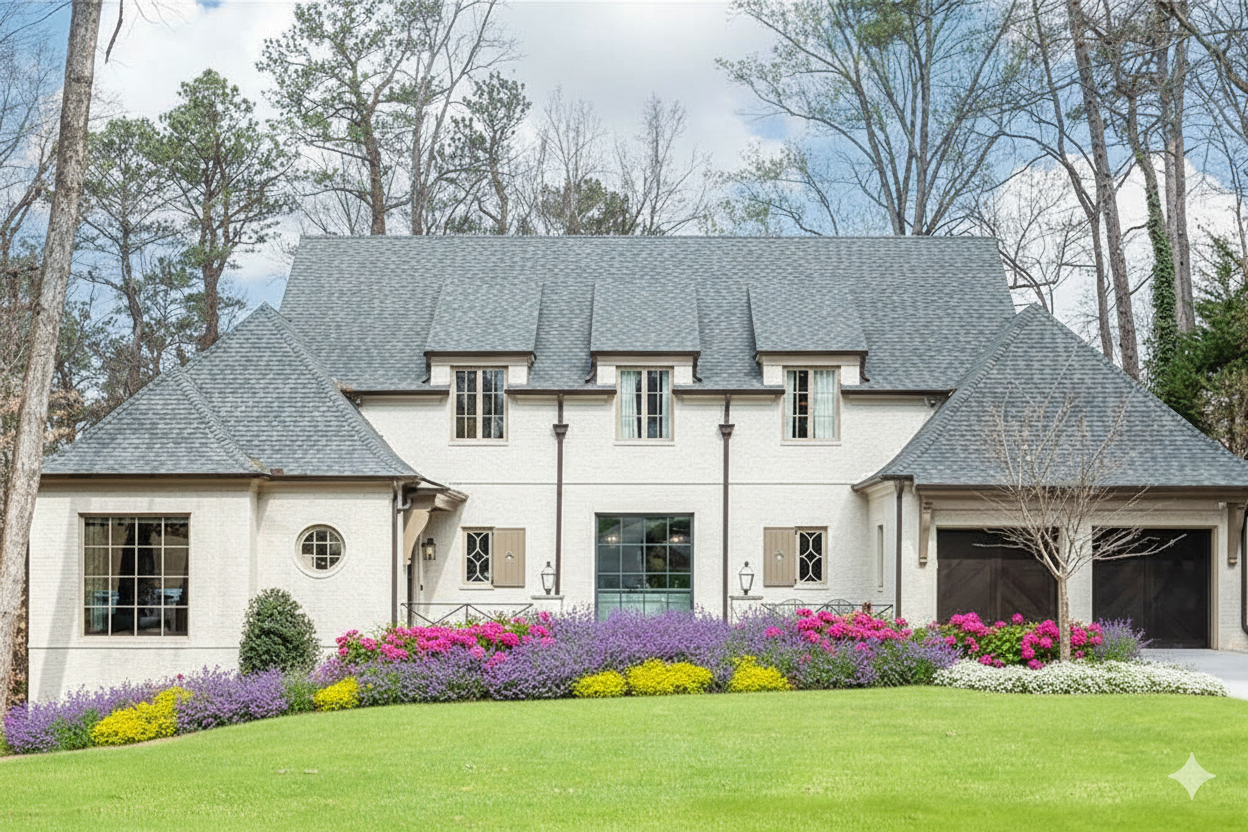
Living in Tuxedo Park Atlanta: Buckhead's Most Exclusive Address and What Ultra-Luxury Buyers Need to Know
Tuxedo Park is Atlanta's undisputed pinnacle of residential real estate. When homes routinely sell for $3-10 million and empty lots command $4-5 million, you're buying into Atlanta's most exclusive address, where the Georgia Governor's Mansion sits as your neighbor and gated driveways stretch hundreds of feet to estates spanning multiple acres. Nearly 10 years helping Atlanta buyers means I've worked across every price point in Metro Atlanta. Tuxedo Park operates in a different category entirely. Here's what you need to know about Buckhead's most prestigious neighborhood, where the average list price exceeds $6.3 million and the median sale price hit $3.7 million in early 2026. This is estate-scale luxury, absolute privacy, and generational wealth.
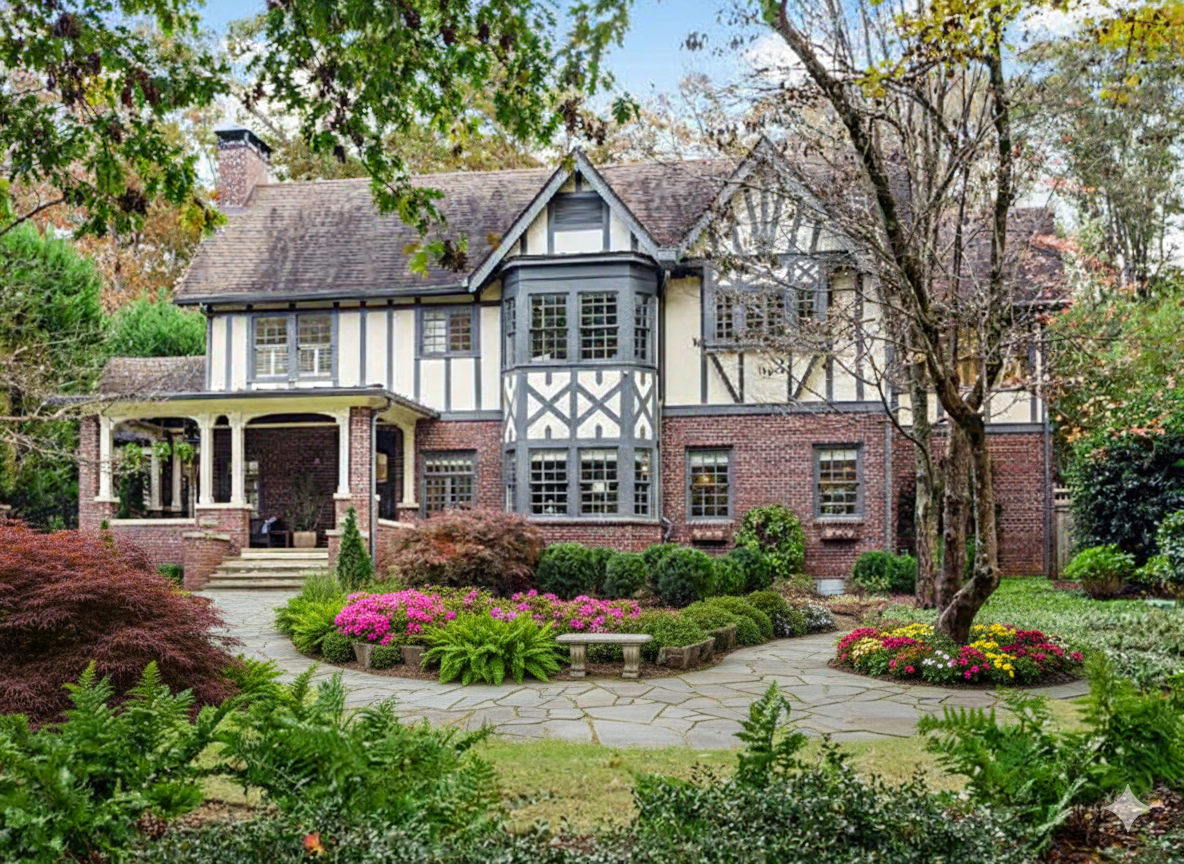
Living in Druid Hills Atlanta: Olmsted's Last Masterpiece and What Buyers Need to Know
Druid Hills holds a distinction that sets it apart from every other Atlanta neighborhood: it was Frederick Law Olmsted's final commission before his death in 1903. The same landscape architect who designed New York's Central Park, the Biltmore Estate grounds, and the U.S. Capitol landscape spent his last creative energy planning this Atlanta suburb. When you drive Ponce de Leon Avenue through the six linear parks that form the neighborhood's spine, you're experiencing one of America's most important landscape architects' final vision. Nearly 10 years helping Atlanta buyers means I've seen neighborhoods claim historic significance. Druid Hills actually has it with legal preservation protections in place since the 1980s and 1990s.
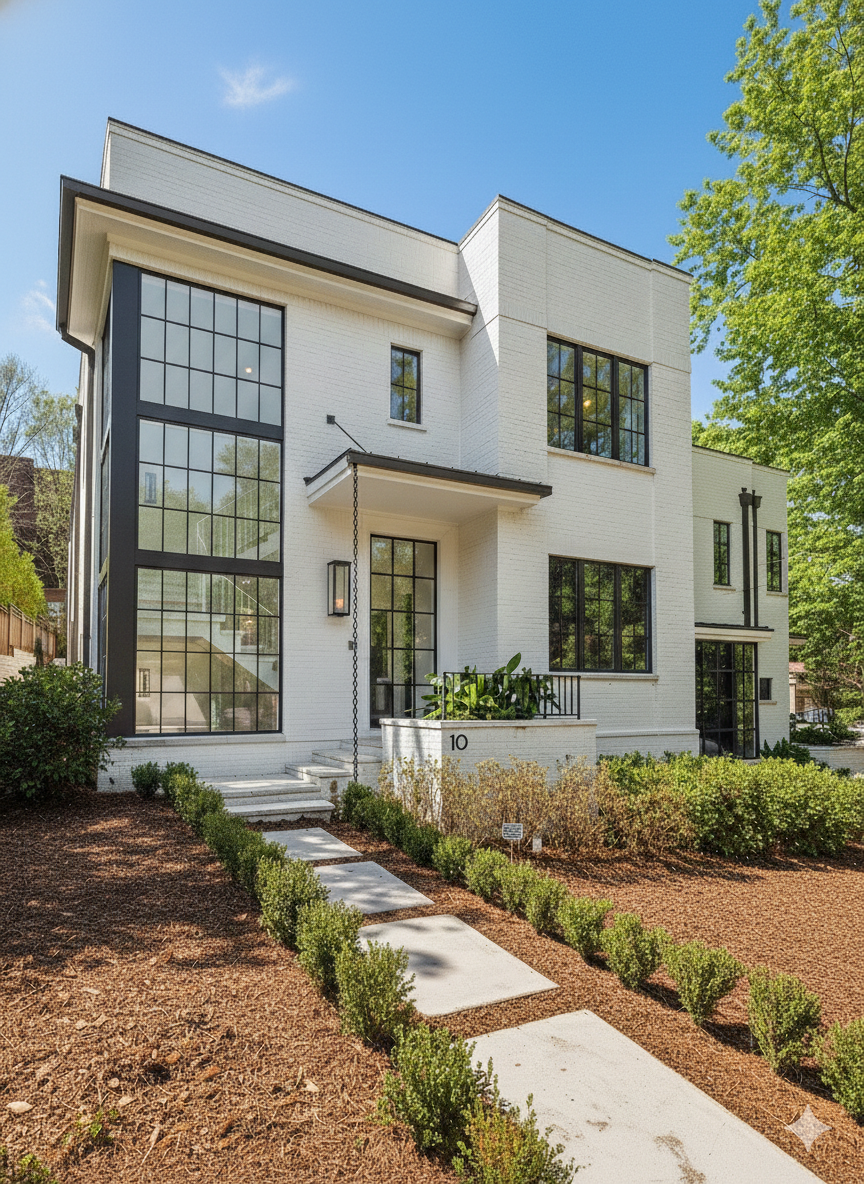
Living in Ansley Park Atlanta: What Luxury Buyers Need to Know About This Historic Midtown Neighborhood
Ansley Park sits less than a mile from Midtown's skyscrapers, but driving its winding streets feels like stepping into a different era. When Edwin Ansley designed this neighborhood in 1904, he created Atlanta's first automobile suburb with wide curvilinear streets, parkways lined with granite curbs, and 14 parks woven throughout 275 acres. More than 120 years later, those same design principles make Ansley Park one of Atlanta's most architecturally significant luxury neighborhoods. From Neel Reid estates to the ongoing historic preservation debate, here's what buyers need to know about this National Register Historic District where homes range from $800,000 to $4 million and architectural integrity matters as much as square footage.
FHA vs Conventional Loan in Atlanta 2026 | Which Is Better?
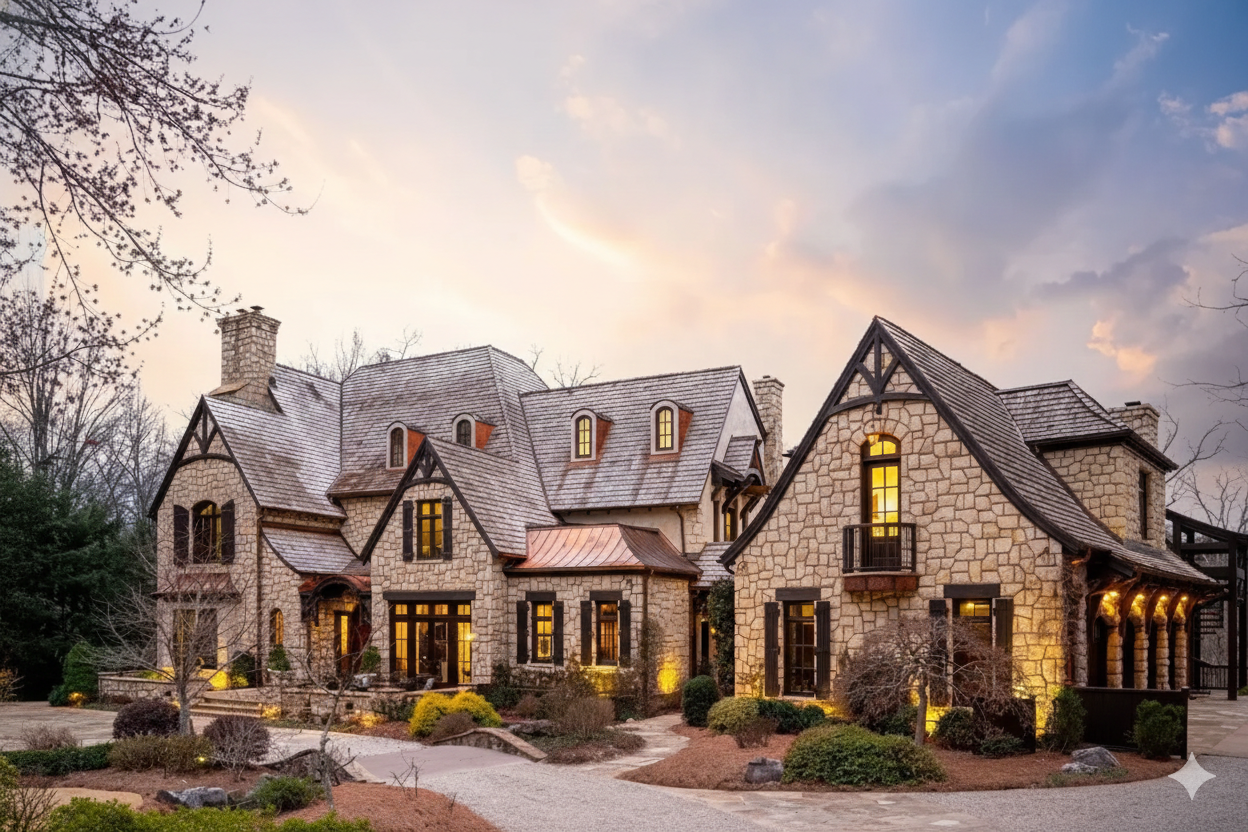
Conventional is better long-term but FHA works for buyers with lower credit or smaller down payment. FHA often has slightly lower interest rates but much higher total monthly cost due to expensive mortgage insurance that never drops off. Conventional has slightly higher rates but cheaper PMI that disappears at 20% equity. The break-even is 5-7 years. On a $350,000 Atlanta home, FHA costs $23,244 more over 10 years and $136,404 more over 30 years despite the lower interest rate. Planning to stay longer than 7 years? Conventional saves significant money. Need easier approval now with 580-680 credit? FHA works but plan to refinance to conventional in 2-3 years. This complete comparison covers real cost analysis with Atlanta examples, when each loan makes sense, property considerations for older intown homes versus suburbs, and the refinance strategy to start with FHA then switch to conventional.
How Much House Can I Afford in Atlanta?
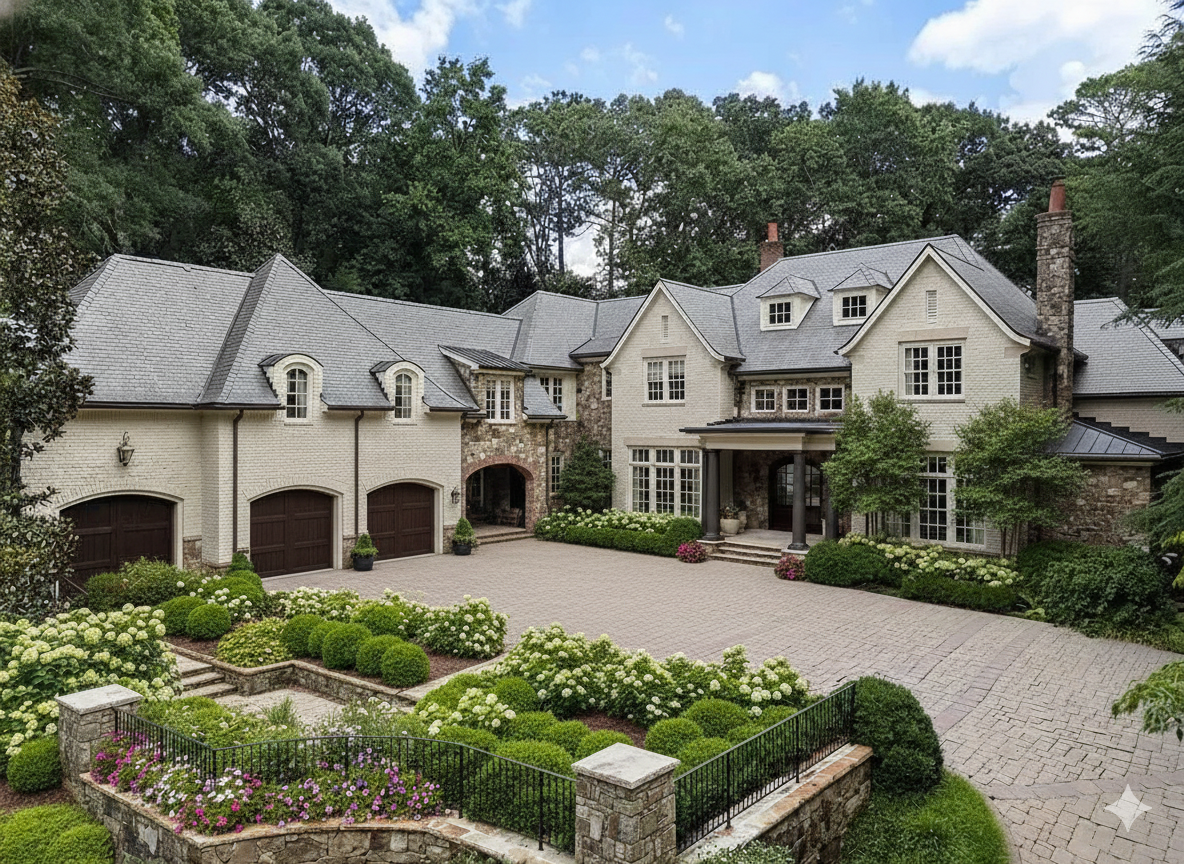
Use the 28/36 rule: housing costs under 28% of gross income, total debt under 36%. Making $80,000/year? Afford $300,000-$330,000 home. $100,000/year? $375,000-$410,000. $150,000/year? $560,000-$615,000. But lenders approve more than you should spend. This guide shows real affordability at every income level in Atlanta, hidden costs people miss like property taxes varying by city, insurance differences, HOA fees, maintenance budgets, and commute costs, and how to buy comfortably without being house-poor. Nearly 10 years helping Atlanta buyers means I know the difference between what you can borrow and what you should actually spend.
What Do I Need to Buy a House in Atlanta?
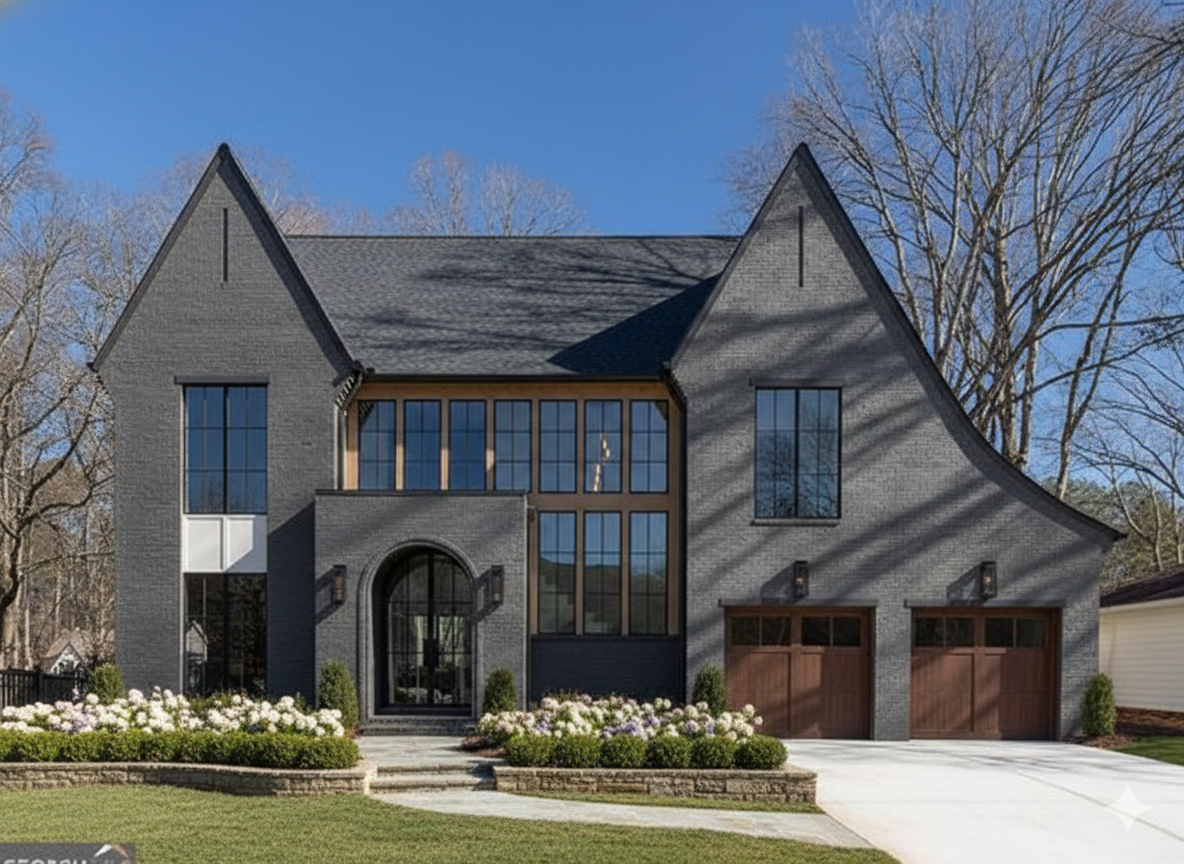
To buy a house in Atlanta you need: 3-20% down payment ($9K-$130K on $450K home), 2 years tax returns, 2 months bank statements, recent pay stubs, 620+ credit score, proof of employment, and $6K-$15K for closing costs in Georgia. Plus earnest money (1-3% of purchase price), homeowners insurance, and 3-6 months expenses in emergency fund. Timeline: 3-7 days to gather documents, 3-7 days for pre-approval, 3-6 months total to close. This complete guide covers financial requirements, documentation checklist, income/credit requirements, Atlanta-specific factors like attorney fees and termite inspections, and down payment assistance programs worth $10K-$25K.
Is Now a Good Time to Buy a House in Atlanta?
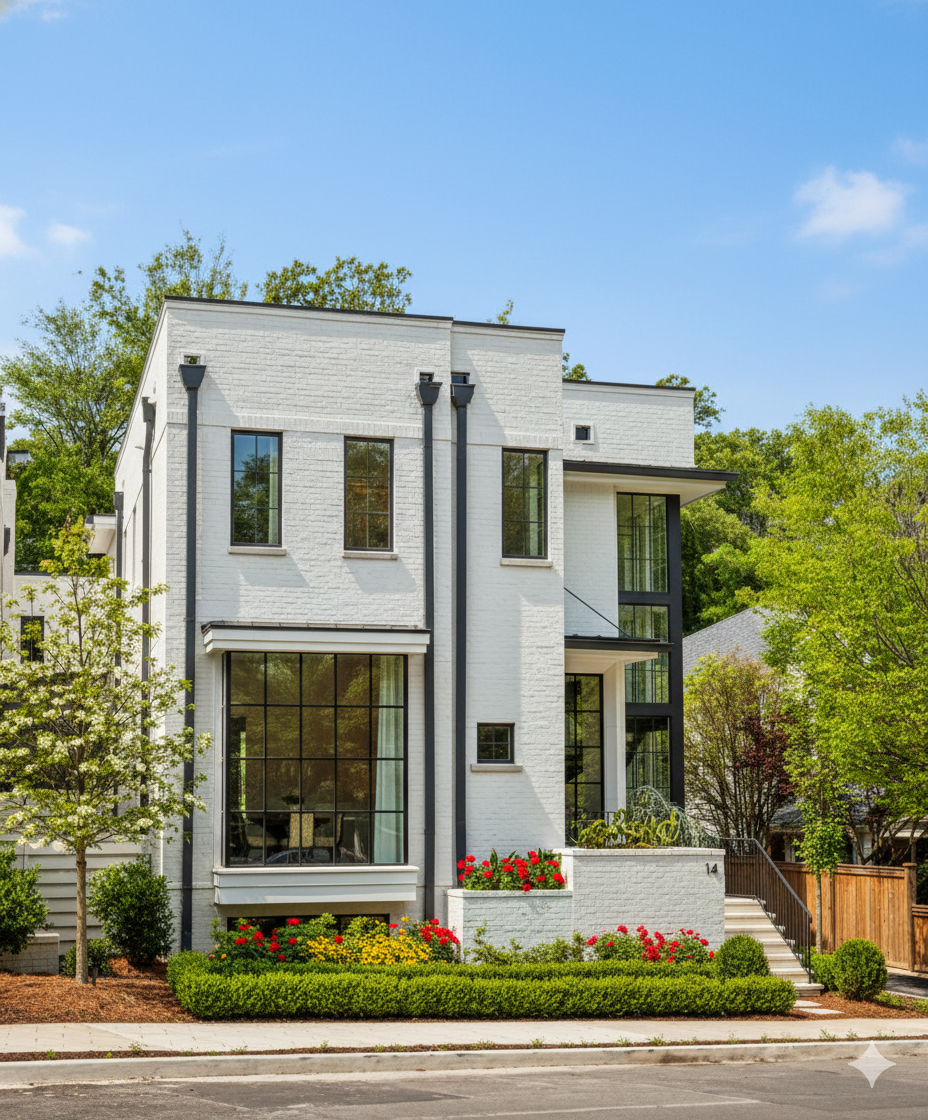
Yes, now is a good time to buy a house in Atlanta. The 2026 market favors buyers with 25% more inventory than last year, homes spending 50-75 days on market (vs. 7-14 days in 2021), properties selling at or below list price, and real negotiating power. Interest rates around 6% with Fed cuts expected. The math shows that waiting for lower rates means competing with more buyers and paying higher prices when rates drop. This comprehensive guide breaks down current Atlanta market data, the interest rate question everyone asks, why "marry the house, date the rate" works, Atlanta-specific advantages, neighborhood opportunities, and real 2026 examples proving why buying now and refinancing later beats waiting.
First-Time Home Buyer Mistakes to Avoid in Atlanta
The biggest mistakes Atlanta first-time buyers make are: skipping pre-approval (causes you to lose homes to prepared buyers), not researching neighborhoods thoroughly (Atlanta commutes and school districts vary wildly), ignoring closing costs beyond down payment (adds $8K-$15K you didn't budget), waiving inspections to compete (leads to $10K+ in surprise repairs), and not applying for down payment assistance ($10K-$25K in free money available in Atlanta). This comprehensive guide covers 17 costly mistakes with real Atlanta examples, specific dollar amounts, and exactly how to avoid each one. Nearly 10 years helping first-time buyers across Metro Atlanta.
How Long Does It Take to Buy a House in Atlanta?
The home buying process in Atlanta takes 3-6 months from start to finish: 2-4 weeks for preparation and pre-approval, 4-12 weeks for house hunting, and 30-45 days from contract to closing. Cash buyers can close in 7-14 days. Your timeline depends on loan type (conventional: 35-40 days, FHA: 40-45 days, VA: 40-50 days), how prepared you are, and market conditions. This guide breaks down each phase with real Atlanta examples, common delays, and strategies to close faster.
What Credit Score Do I Need to Buy a House in Atlanta?
You can buy a house in Atlanta with a credit score as low as 580 (FHA) or 620 (conventional). But here's what most buyers don't know: the difference between a 620 and 740 credit score costs you $109,440 over 30 years on a $400K loan. This comprehensive guide covers exact minimums for FHA, conventional, VA, USDA, and jumbo loans—plus proven strategies to improve your score in 30-90 days and save tens of thousands in interest.
Should I Buy a House Now or Wait? Atlanta Real Estate Market Timing Guide
Waiting for mortgage rates to drop could cost you thousands. Here's the math: buy a $450K Atlanta home now at 6%, or wait for 5.5% rates while prices rise 3%. The person who waits pays $13,500 more for the house, $24,000 in rent, and loses 12 months of equity—just to save $60/month. Learn why "marry the house, date the rate" is the smartest strategy, when waiting actually makes sense, and what experts predict for Atlanta's 2026 market.
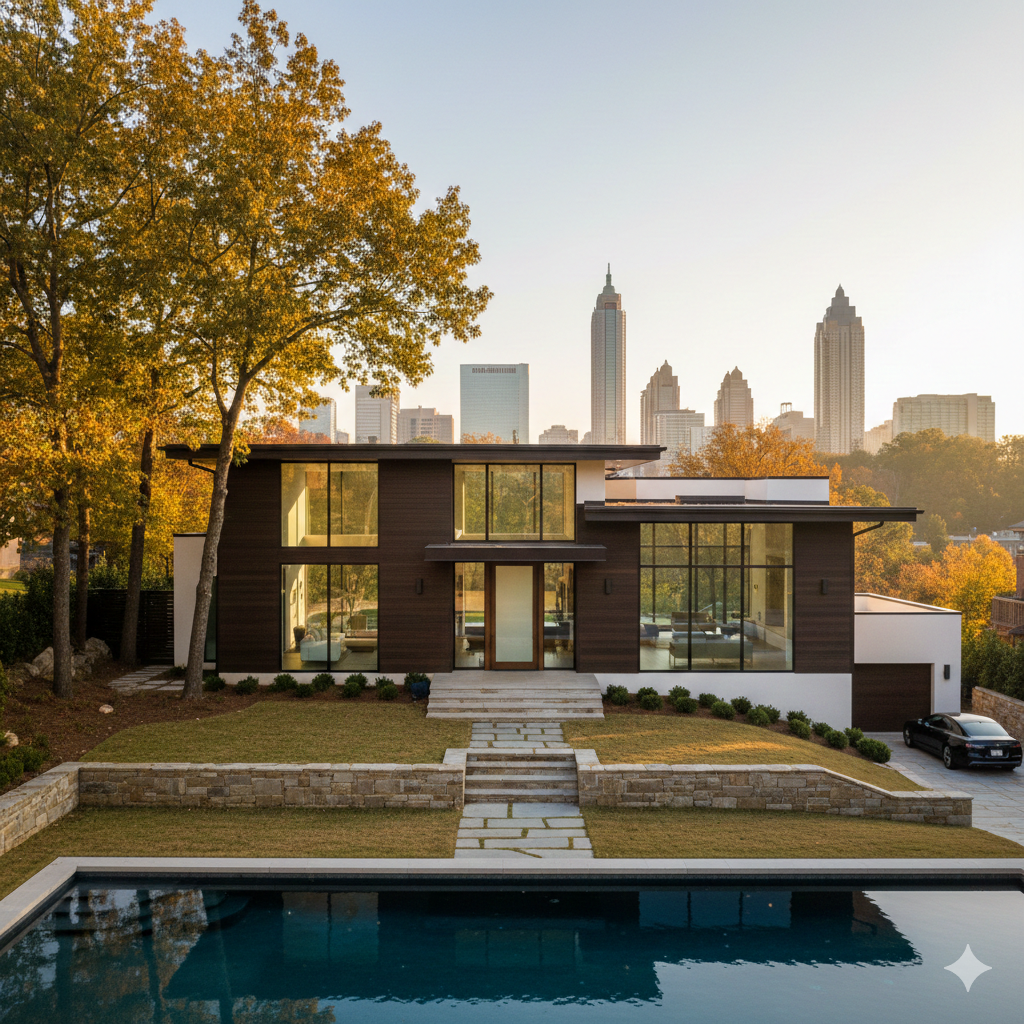
How Much Do I Need to Buy a Home in Atlanta? Down Payment and Closing Costs Explained
To buy a home in Atlanta in 2026, you need 3-20% for down payment plus 2-5% for closing costs. On a $400K home, that's $20K-$100K total. But Atlanta's down payment assistance programs (up to $25K) can significantly reduce what you need upfront. Get real numbers, loan options, and strategies from an experienced Atlanta agent.
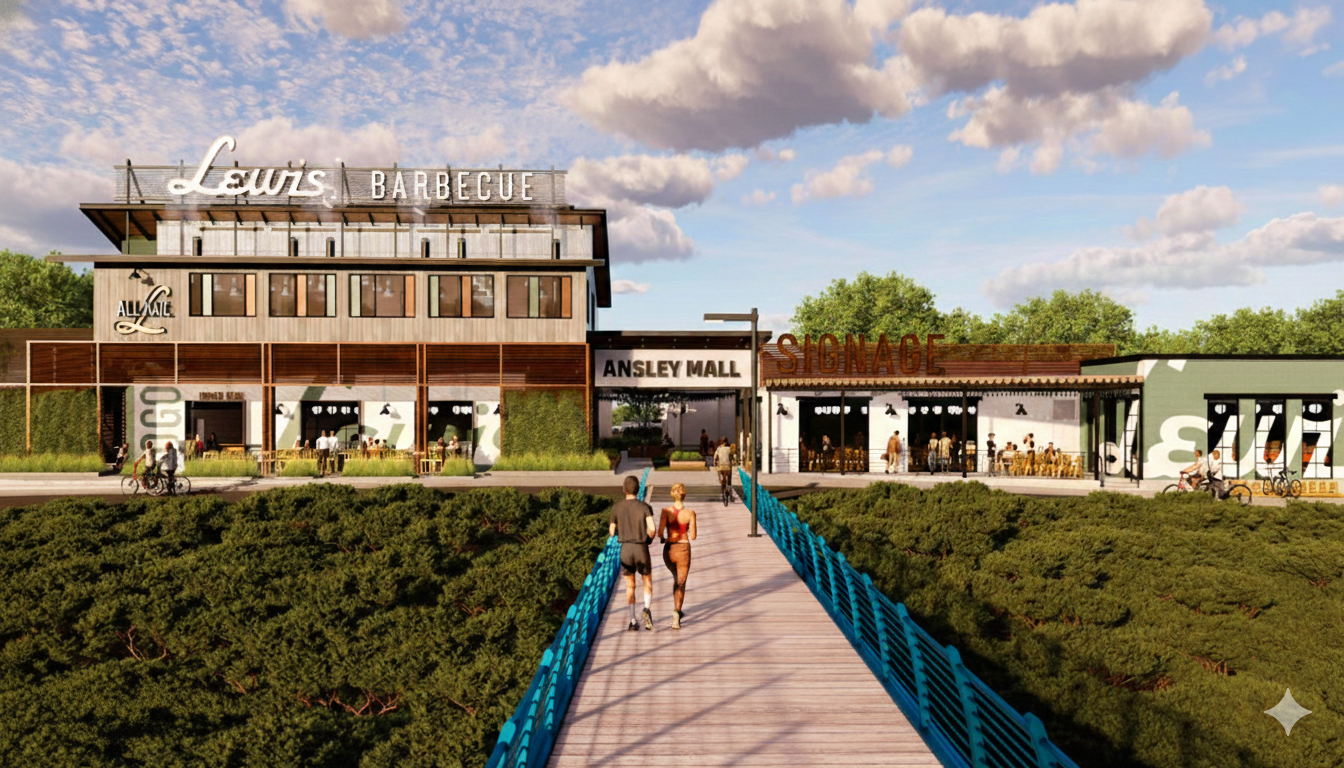
Best Place to Buy a Home in Atlanta: Kristen Johnson's Expert Neighborhood Guide for 2026
Looking for the best place to buy a home in Atlanta? This 2026 neighborhood guide from Kristen Johnson Real Estate compares intown walkability in Edgewood and Kirkwood vs. top-rated school districts in Alpharetta and Roswell, plus affordable options in West End and East Point. Get expert insights on median home prices, days on market, and what the balanced 2026 Atlanta market means for buyers.
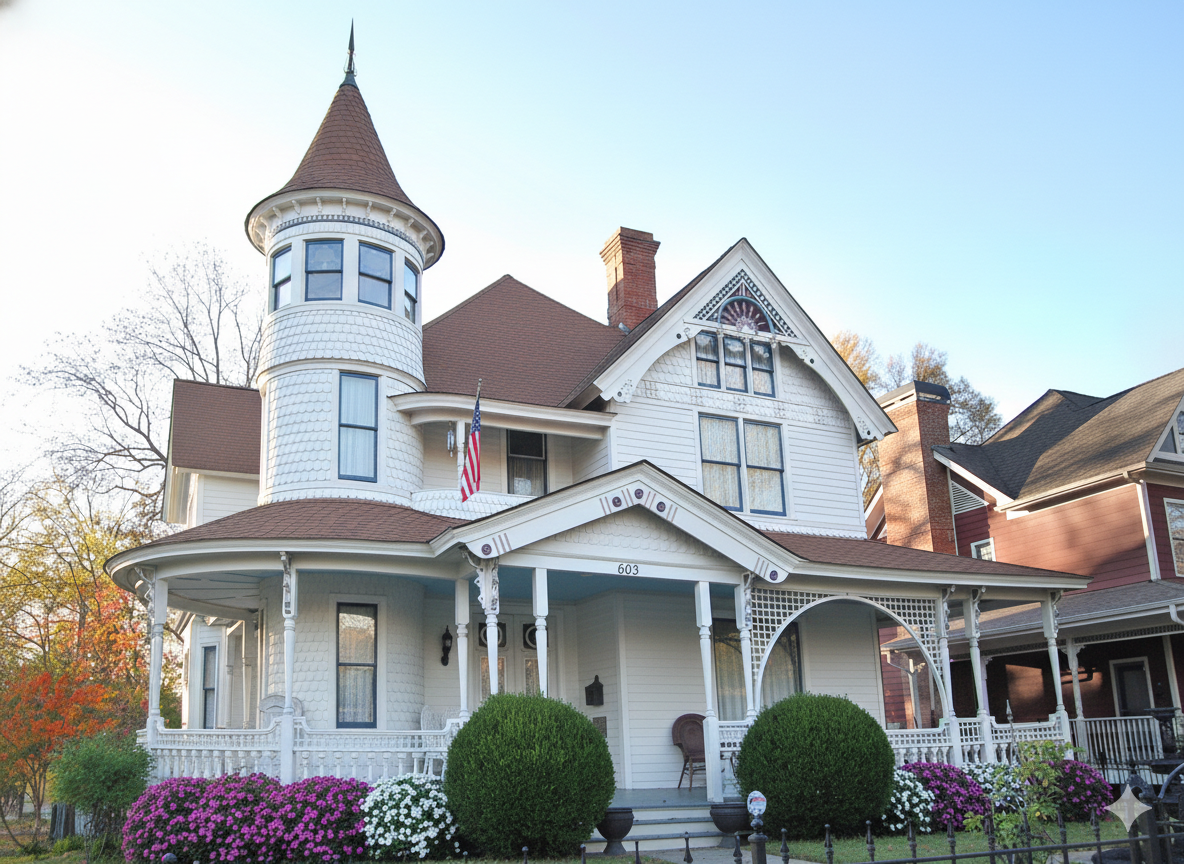
How Much Is My Grant Park Home Worth in 2026?
Grant Park buyers are trading up for mornings in the park, front‑porch weather, and historic streets—not just extra square footage. This 2026 guide breaks down what that really means for your home’s value today, from park‑side premiums to how much buyers are paying for updated vs “still a project” homes right now.
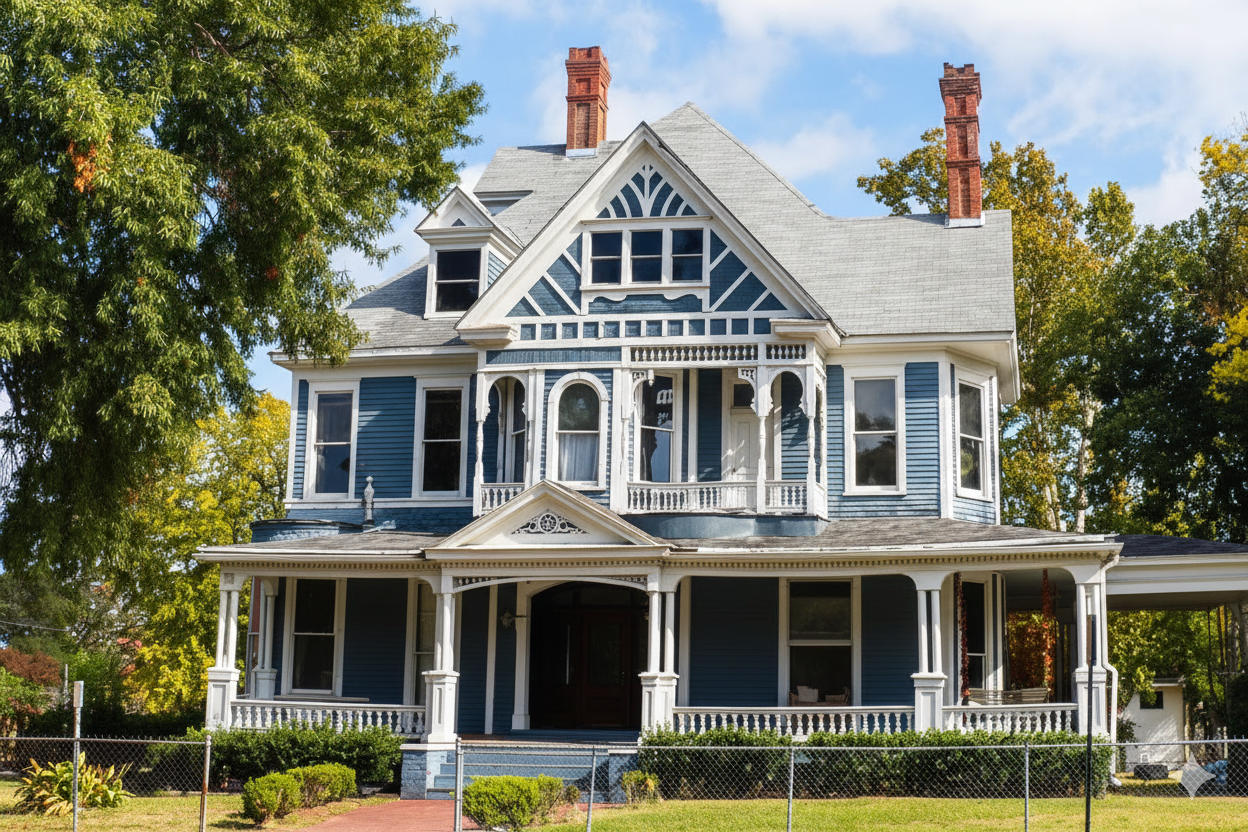
How Much Is My Inman Park Home Worth in 2026?
Inman Park home values in 2026 are driven by walkability, historic charm, and thoughtful renovations—not generic Atlanta averages. Buyers compare homes block by block inside this true micro‑market. This guide explains how Inman Park buyers think and how to price your home so it stands out without sitting.