

Living in Avondale Estates GA: Tudor Village, Dale Ale Trail & What $500K–$1.2M Buys in 2026
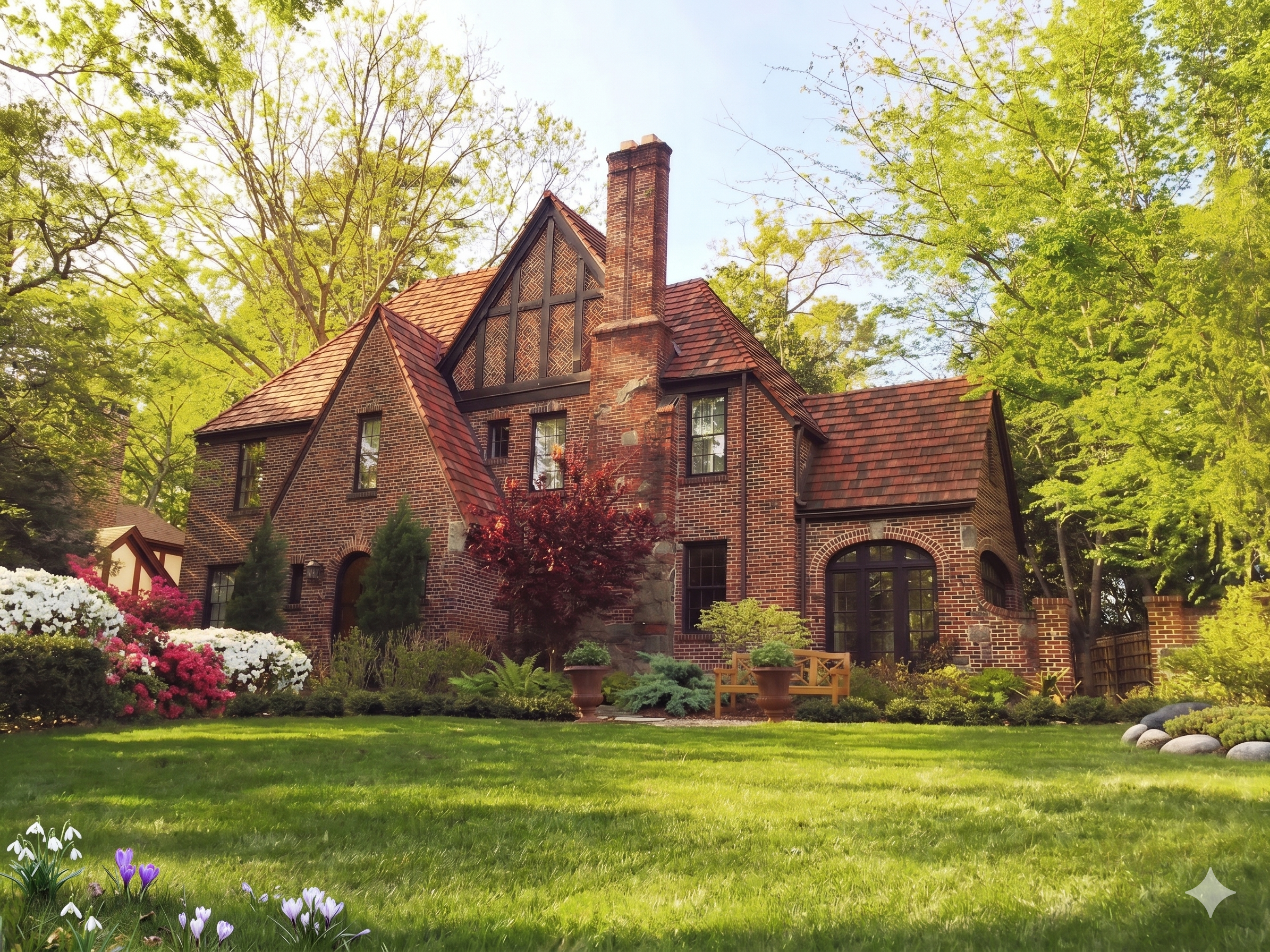
If you've driven east of Decatur on East College Avenue and suddenly found yourself looking at a row of half-timbered Tudor storefronts that seem like they were airlifted in from Stratford-upon-Avon, you've been to Avondale Estates. The city is 1.2 square miles, sits about seven miles east of downtown Atlanta in DeKalb County, and is one of the most architecturally distinct places in all of Metro Atlanta. It was founded in 1924 by patent medicine magnate George Francis Willis as one of the first planned communities in the Southeast, and it still looks and functions largely the way he designed it to.
I work with buyers across Metro Atlanta, and Avondale Estates comes up in a very specific conversation: buyers who want intown proximity, small-town scale, walkability, and architectural character, and who don't want to be in the middle of a major urban neighborhood to get it. That's a narrow lane, and Avondale fills it better than almost anywhere else in the metro.
Nearly a decade of helping Atlanta buyers means I can tell you what the numbers won't: which streets are inside the local Historic District (and what that actually means for renovations), how the Dale Ale Trail and the Town Green have changed weekend traffic in the last three years, what the commute to Emory or Downtown really looks like from the Avondale MARTA station, and why a 1,800-square-foot brick Tudor here costs what a 2,600-square-foot new build costs fifteen minutes further out.
Here's what you need to know.
What Is Avondale Estates, and What Makes It Different?
Avondale Estates is its own incorporated city, not a neighborhood of Decatur and not an unincorporated DeKalb area. That distinction matters. The city has its own mayor, city commission, police department, city manager, historic preservation commission, and zoning ordinance. Property taxes include a city millage in addition to DeKalb County taxes, and the city provides its own services on top of county services.
Geographically, the city is small. About 1.2 square miles. A population of roughly 3,500 residents as of the most recent census estimates. You can walk across it in twenty minutes. It's bounded roughly by Sams Crossing on the west (at the Decatur line), Covington Highway / Memorial Drive to the north and east, and College Avenue along the south.
What defines Avondale Estates, and what buyers are actually paying for, is this:
1. A cohesive Tudor Revival architectural identity. Willis built the downtown commercial corridor in a Tudor style modeled on Stratford-upon-Avon, Shakespeare's birthplace, and the residential streets on either side of the business district were developed with a mix of Tudor Revival, Colonial Revival, Craftsman, and Mediterranean Revival homes during the 1920s and 1930s. Most of the original housing stock is still standing. The result is a walkable, cohesive, small-scale city center surrounded by tree-lined residential blocks with houses that range from ~1,200 to 4,500+ square feet.
2. A Historic District with teeth. The Avondale Estates Historic District was added to the National Register of Historic Places in 1986, covering roughly the area bounded by Avondale Road, Lakeshore Drive, Kingstone, Clarendon, and Fairchild Drive, plus Lake Avondale. A Local Historic District overlay followed. If your home sits in the Local Historic District, exterior changes require review and approval by the city's Historic Preservation Commission before work can begin. That includes things most buyers don't think about, roof material, window replacements, siding, fences, and in some cases paint color. The review process has gotten more structured in the last few years, but it's still a layer that doesn't exist in most Metro Atlanta cities.
3. A civic infrastructure that's genuinely walkable. The 2-acre Town Green, which opened in 2022 at 64 N. Avondale Road, is the civic anchor. It has an open-air pavilion, a performance stage, a children's play area, and open green space. The new commercial buildings around it, branded as The Dale, have been filling in with restaurants, a rooftop bar, a bookstore, and other ground-floor retail. Directly adjacent is the historic Tudor Village commercial strip with the iconic clock tower. A couple of blocks east is Lake Avondale. A few blocks south is the Avondale MARTA station. You can park once and live a whole day without a car.
4. The Dale Ale Trail. Avondale Estates has been named USA Today's Best Small Town Beer Scene multiple times, and the self-titled Dale Ale Trail concentrates three breweries and supporting taprooms within walking distance of one another: Wild Heaven Beer, The Lost Druid Brewery & Distillery, and Little Cottage Brewery, plus My Parents' Basement (a craft beer bar and comic book store), O'Keefe's Pub, and The Beer Growler. The city adopted an Open Container Entertainment District in 2022 that stretches from Sams Crossing to downtown, which is unusual for Metro Atlanta and a real differentiator for weekend traffic.
5. An arts district. The Rail Arts District, along Pine Street north of Avondale Road, is home to Little Tree Art Studios (about 40 resident artists), Globe Arts Center, the Avondale Arts Center (headquarters of the Avondale Arts Alliance), and Fiber Parts textile studio. The Avondale Estates Art Walk runs on second Saturdays March through April, and the annual Wine + Art Walk draws thousands to downtown.
None of that is unique on its own. Plenty of Metro Atlanta cities have a downtown, a park, a brewery, or an arts scene. What's unusual about Avondale Estates is that all of it fits inside 1.2 square miles of walkable streets, anchored by an intact planned-community layout from 1924 that's protected by federal and local historic designations.
That's what you're paying for when you buy here. It's also why people stay.
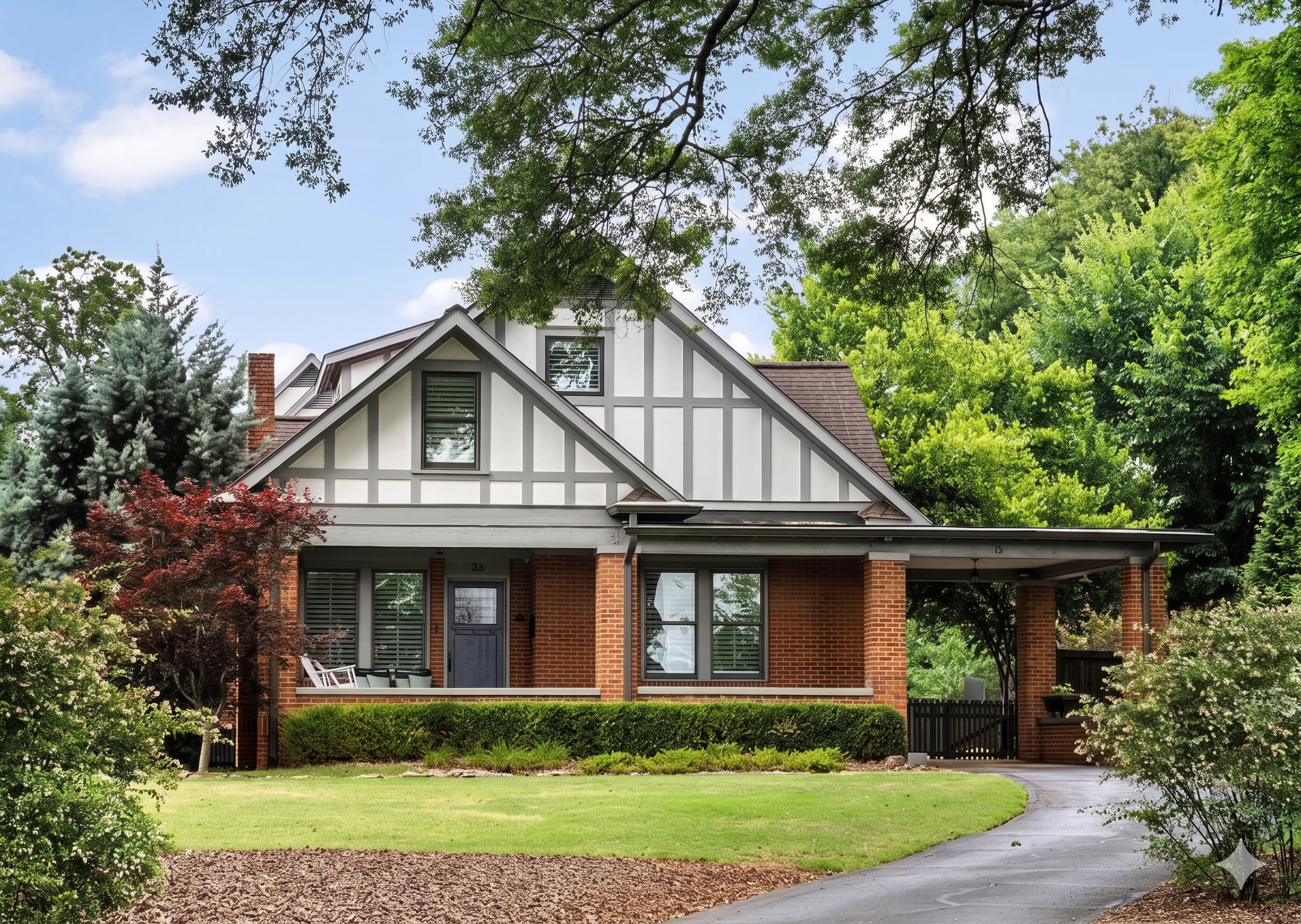
What Does Avondale Estates Cost? Home Prices in 2026
Avondale Estates is a small market, so individual-month data swings wildly. In a city with 3,500 residents and a few dozen home sales per year, a single luxury closing or an all-townhome month can skew the median 20–30 percent in either direction. Any headline number you see on Zillow, Redfin, or a real estate blog for "Avondale Estates median price" needs to be read with that context.
Here are the ranges I'm seeing in the current market, pulled from recent MLS activity and stabilized trailing-12-month data:
Trailing 12-month median sale price: approximately $614,000, up roughly 14% year over year on Homes.com data pulled in early 2026.
Stabilized single-family range: most non-distressed single-family homes inside the city limits are trading in the $500,000 to $1.2 million range, with occasional renovated Tudors and new custom builds pushing above $1.3 million.
Price per square foot: generally in the high $200s to low $300s, varying significantly by condition and historic district status.
Average days on market: roughly 30 to 40 days over trailing twelve months, though individual well-priced listings in the core historic district often move in under three weeks.
Inventory: tight. At any given moment there are typically 10 to 30 active single-family listings in the city, with limited new construction due to the built-out land and the historic overlay. Townhomes and condos on the periphery, particularly on the west side near Kensington Road and the south side along Memorial Drive, add to supply but don't relieve demand for the core Tudor stock.
What's driving the spread:
Historic District status. A fully renovated 1929 brick Tudor in the core of the Local Historic District, on a street like Clarendon or Berkeley, commands a premium. An updated but not gut-renovated bungalow outside the district, even two blocks away, sells for notably less.
Lot size and condition of original features. Avondale was developed with larger-than-average lots for its era, and original details like slate roofs, casement windows, and original hardwood floors hold value.
Proximity to Town Green and Lake Avondale. Walking distance to the Town Green, under a half mile, carries a measurable premium. Walking distance to Lake Avondale, particularly for lakefront or lake-view homes on Lakeshore Drive, carries the largest premium in the city.
New construction in-fill. There's a small but growing supply of new custom builds, often on Kensington Road, Pine Street, and the edges near Memorial Drive, that blend modern finishes with Tudor or Craftsman-inspired exteriors to satisfy historic commission review. These typically price in the $800,000 to $1.3 million range.
For current, property-specific pricing, reach out to me directly. The stabilized ranges above hold, but pricing on a specific street or specific house requires actual comps pulled in real time. A Tudor on Clarendon Avenue is not priced the same as a Tudor on Nottingham Drive, and an updated bungalow on Dartmouth is not priced the same as an updated bungalow on Sussex.
A note on why Avondale Estates data looks volatile:
You'll see wildly different numbers quoted for Avondale Estates depending on the source and the month. Redfin's November 2025 snapshot showed a median of $430K down significantly year over year. Redfin's February 2026 snapshot showed $875K up over 130% year over year. Homes.com's trailing-12-month figure was around $615K. These are not contradictory, they're the mathematical reality of measuring a market with fewer than 40 annual single-family closings. In any given month, whether the active listings happened to include a fixer bungalow, a renovated Tudor, or a lakefront home determines the headline number.
This is why I don't rely on aggregator data to price homes here. I pull actual comparable sales from the MLS with adjustments for condition, historic district tier, proximity to the lake and Town Green, and lot size. For a city this small, that approach is the only one that produces numbers buyers and sellers can trust.
Days on market and competition level:
Inventory has been gradually loosening across Metro Atlanta in late 2025 and into 2026, and Avondale Estates has followed that trend. Well-priced, well-presented homes still move quickly, often within two to three weeks with multiple offers, particularly in the $600,000 to $900,000 range. Overpriced or dated listings, even in premium locations, are sitting longer than they did in 2021 and 2022. The market has rebalanced enough that buyers have room to negotiate on inspection items, closing cost credits, and rate buy-downs in ways they didn't two years ago.
For a deeper look at current negotiation dynamics across Metro Atlanta, including Avondale Estates, see my 2026 Atlanta market negotiation guide.
The Historic Preservation Layer: What Buyers Actually Need to Know
No other Metro Atlanta city has a historic overlay with the scope and specificity of Avondale Estates. Most Metro Atlanta historic districts are advisory or commercial-corridor-only. Avondale Estates' Local Historic District covers a substantial portion of the residential city limits and carries binding design review requirements. For buyers evaluating a home here, this is the single most important piece of due diligence that out-of-town agents and online listing aggregators consistently miss.
What's the difference between the National Register and the Local Historic District?
The Avondale Estates Historic District was added to the National Register of Historic Places in December 1986, identified as the only documented example in the Southeastern United States of an early 20th-century planned new town. National Register designation is primarily recognition and can unlock federal tax credits for certified historic rehabilitation, but it does not, on its own, restrict what a homeowner can do with their property.
The Local Historic District is different. It's a zoning overlay passed by the City of Avondale Estates with binding design guidelines. If your home is inside the Local Historic District, any exterior change that requires a permit, and some that don't, must go through the Historic Preservation Commission application process before work can begin.
Three tiers of designation within the Local Historic District:
The city assigns every address in the district one of three designations:
Preservation: Highest tier. Changes must retain the original architectural character. Significant exterior modifications, particularly to front-facing elements, are tightly constrained.
Conservation: Middle tier. More flexibility for alterations while still maintaining consistent character with the surrounding district.
Adaptation: Lowest tier. Most permissive, but still subject to design review for significant changes.
Before you write an offer on any Avondale Estates home inside the historic district, you should know which tier the property is designated and what that means for the renovation plans you might have in mind. I pull this information for every client before we see houses. It's the difference between buying a home where you can expand the footprint easily and buying a home where a proposed kitchen window replacement will take four months of HPC review.
Practical implications buyers often underestimate:
Roofing. Slate, terra cotta, and specific asphalt profiles may be required on certain homes. Replacement cost can be 2–3x standard shingle pricing.
Windows. Full replacement with vinyl windows is typically not approved on historic front facades. Wood or aluminum-clad historically accurate replacements are required, which cost more.
Additions. Rear and side additions are often approved when designed compatibly. Second-story additions face more scrutiny.
Fences and outbuildings. Front-yard fencing is generally restricted. Rear fencing has guidelines on material and height.
Paint. Some tiers include color guidance. Others don't. Verify on a specific property.
Demolition. Tear-down-and-rebuild is generally not an option in the Preservation tier. It's more feasible in Adaptation tier, but even then, new construction must meet compatibility guidelines.
This is not a reason to avoid Avondale Estates. The historic overlay is precisely why the city still looks the way it does, and why home values have held up the way they have. It's the reason you're buying here. But it is a real factor in the transaction, and the buyers who struggle are the ones who find out about it after closing.
For buyers who want maximum renovation latitude, I often steer toward homes just outside the Local Historic District boundary, on the edges of the city, where design review doesn't apply. The homes are similar in era and character, but the regulatory layer is thinner. Whether that trade-off is right for you depends on what you're trying to do with the property.
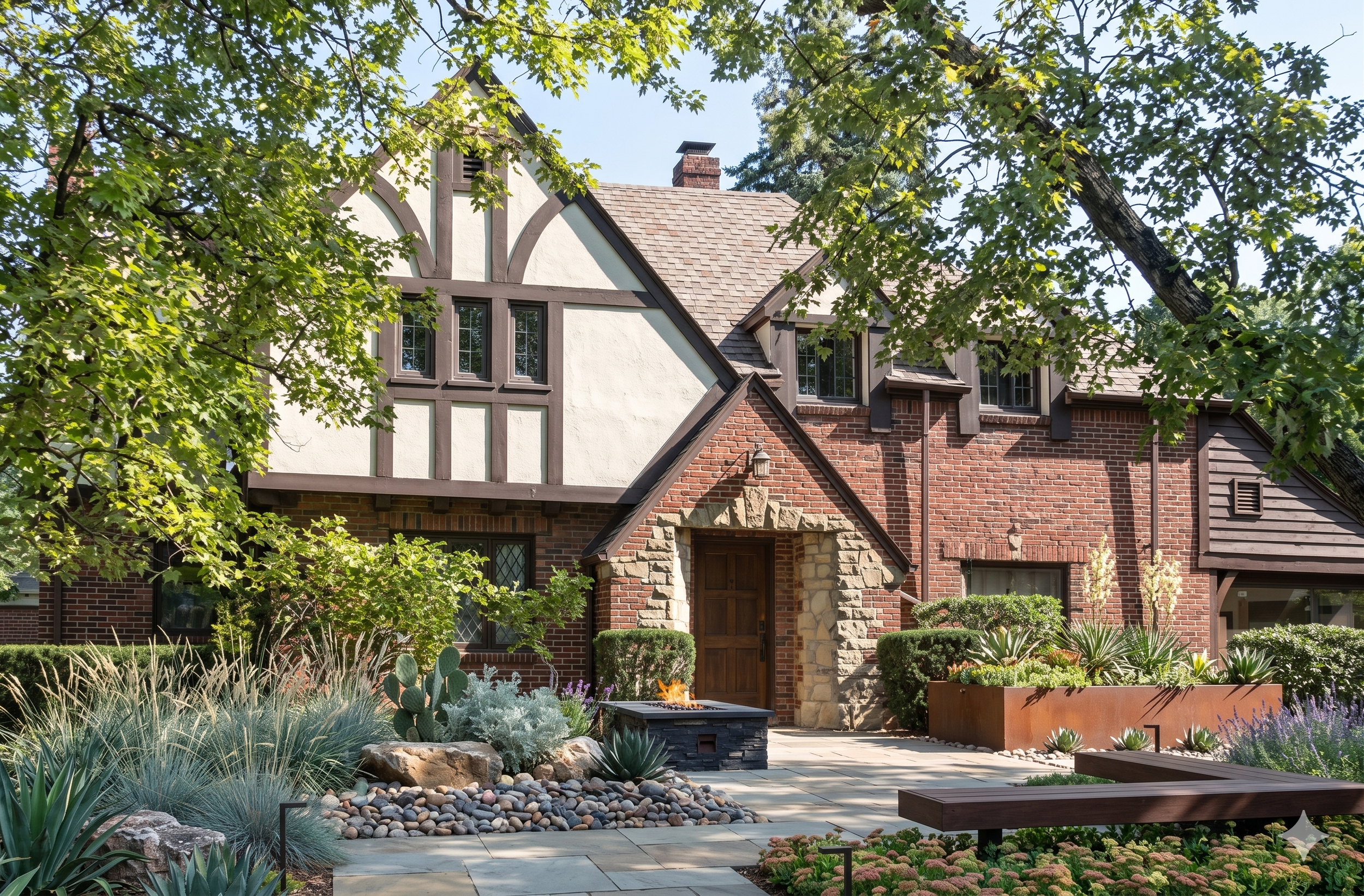
What You Get for the Money: Price Tiers
Because the housing stock is so architecturally varied, buyers get very different things at different price points. Here's what the tiers actually look like:
Under $500,000
This is the tightest tier in the city. You'll see occasional townhomes at Brookside Parc, Avondale East, and Kensington Trace, and the occasional small condo or smaller fixer bungalow outside the historic district. True single-family homes under $500,000 inside the city limits are rare and usually need significant work.
If you're looking in this range, be prepared to expand your search to adjacent Scottdale, Clarkston, or parts of Kirkwood and East Lake to find comparable single-family options. The trade-off is real: you gain affordability, you lose the planned-community character, historic designation, and the specific Avondale address.
$500,000 to $750,000
The entry point for most single-family Avondale Estates homes. In this range you're typically looking at:
Original 1920s–1940s Tudor, Craftsman, or Colonial homes in the 1,400 to 2,200 square foot range
Updated but not fully renovated homes on streets like Dartmouth, Sussex, Exeter, and Kensington Road
Some homes in the Historic District, some just outside it
Townhomes and newer attached product on Kensington Road and the edges near College Avenue and Memorial Drive
Most homes in this tier have original architectural details intact. The question is always what's been updated behind the walls, HVAC, plumbing, electrical, roof, and foundation. On a 1929 brick Tudor, those systems matter as much as the cosmetics.
$750,000 to $1,000,000
This is the middle of the Avondale Estates market. In this range you're seeing:
Larger Tudor and Colonial homes, 2,200 to 3,200 square feet
Fully renovated historic homes with modern kitchens and primary suite additions
Homes closer to the Town Green, Lake Avondale, and the Historic District core
Some newer in-fill construction on Pine Street, Kensington Road, and similar streets
Homes on larger lots, often with mature tree canopy and detached garages or carriage houses
Days on market tighten significantly in this tier. Well-priced, well-presented homes in this range often see multiple offers, particularly in spring and early fall.
$1,000,000 and up
The top of the Avondale Estates market. You're looking at:
Fully renovated historic Tudors in premium locations, often over 3,000 square feet
Lakefront or lake-view homes on Lakeshore Drive
New custom construction, sometimes on in-fill lots, designed to meet historic commission requirements
Homes with significant additions that double the original footprint while preserving the street-facing architecture
The ceiling in Avondale Estates has been rising. Five years ago, $1.3 million was an outlier. Now $1.3 to $1.5 million transactions are more routine, particularly for homes that combine historic character with turnkey finishes and a walkable location.
Commuting from Avondale Estates: Honest Numbers
One of the things that genuinely differentiates Avondale Estates from equivalent intown neighborhoods is MARTA access. The Avondale MARTA station, on the Blue Line at 915 E. Ponce de Leon Avenue, sits on the south edge of the city and has 823 parking spaces. For buyers commuting to Downtown, Midtown, or the airport, that access point is a real amenity.
Here's what the actual commutes look like, rush-hour and off-peak:
Downtown Atlanta (Five Points, Georgia State, Centennial Park):
Driving: 15–20 minutes off-peak via I-20 or Memorial Drive. Rush hour (7:30–9:00 AM), expect 30–45 minutes on I-20 westbound.
MARTA: 18–22 minutes on the Blue Line from Avondale Station to Five Points, without I-20 traffic.
Midtown (10th Street / GA Tech):
Driving: 20–25 minutes off-peak. Rush hour, 35–50 minutes depending on route.
MARTA: 28–32 minutes via transfer to Red/Gold line at Five Points.
Buckhead (Lenox / Perimeter):
Driving: 25 minutes off-peak via I-285 or I-85 through Downtown. Rush hour, 40–60+ minutes, Buckhead is a tough commute from the east side of the metro no matter how you cut it.
MARTA: 45–55 minutes with a transfer, rarely the preferred route.
Emory University / CDC / Emory Hospital:
Driving: 10–15 minutes off-peak via Ponce de Leon Avenue or North Decatur Road. Rush hour, 20–30 minutes. This is one of the best commutes from Avondale Estates, and a major reason Emory-affiliated buyers land here.
MARTA + shuttle: Feasible via MARTA to Decatur Station plus Emory shuttle, but most Emory commuters drive.
Hartsfield-Jackson Airport:
Driving: 25–30 minutes off-peak via I-285 south. Rush hour, 40–55 minutes.
MARTA: Direct Blue Line to Five Points, transfer to Red or Gold to Airport. 45–55 minutes total. Slower than driving off-peak, but predictable during rush hour and worth it for regular business travelers.
Decatur Square:
Driving: 5–7 minutes via College Avenue. No traffic issues.
MARTA: One stop on the Blue Line, roughly 4 minutes.
Walking/biking: A 20- to 25-minute walk or 8-minute bike ride. Genuinely walkable.
North Fulton (Alpharetta, Roswell, Milton):
Driving: 45–60 minutes off-peak via GA-400 or I-285. Rush hour, routinely 75–90 minutes. If you commute to North Fulton daily, Avondale Estates is not the answer.
The honest summary: Avondale Estates works for buyers commuting to Downtown, Midtown (with some patience), Emory, Decatur, or anywhere reachable by the Blue Line. It does not work for daily North Fulton commuters, and Buckhead is a borderline case depending on where exactly you're headed.
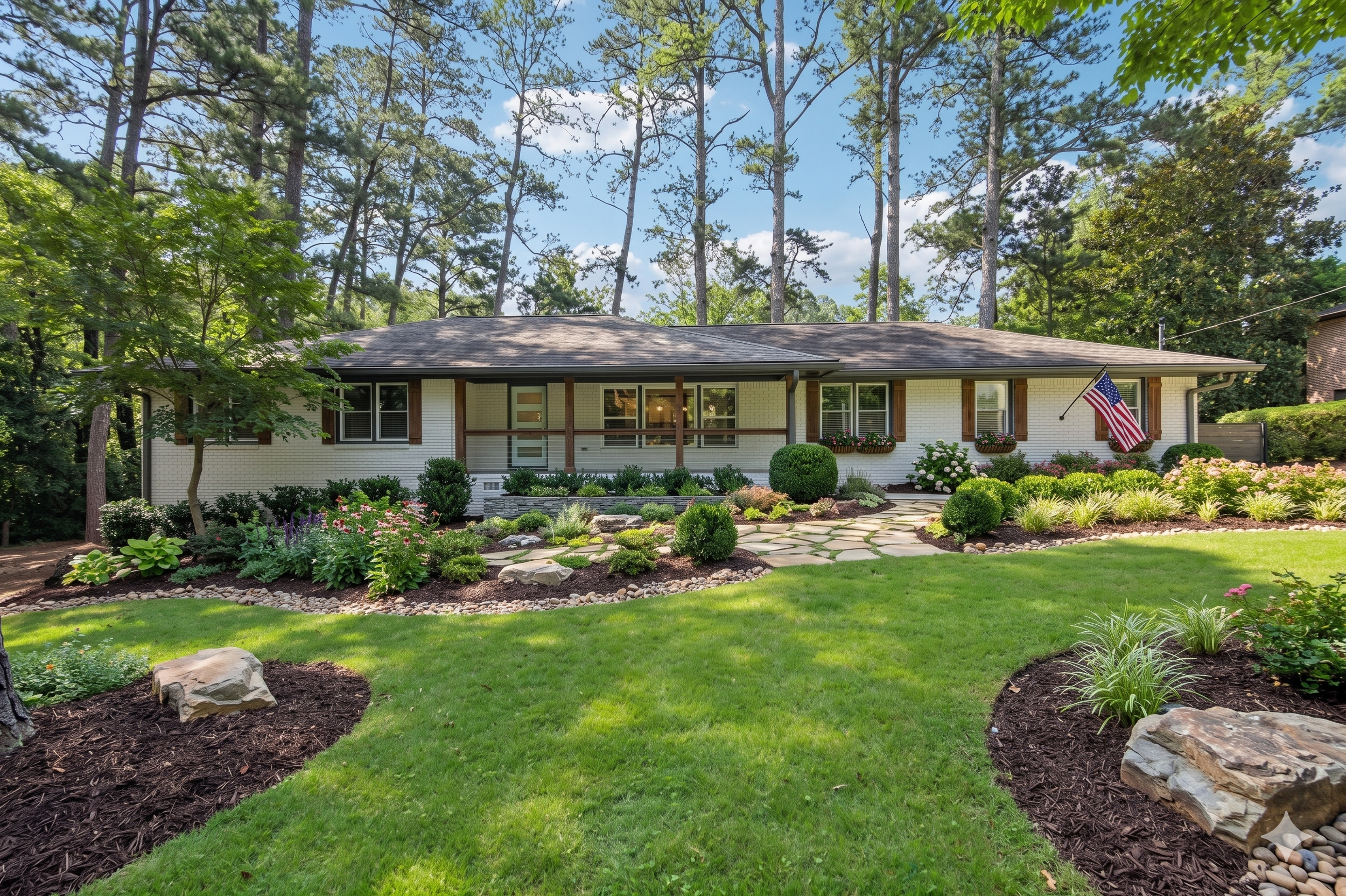
Things to Do: Restaurants, Breweries, and the Arts Scene
For a city of 3,500 people, Avondale Estates punches far above its weight on dining and entertainment. The current roster:
Breweries and Beer Bars (the Dale Ale Trail)
Wild Heaven Beer (135-B Maple St.): the original Avondale brewery. Known for Emergency Drinking Beer and Fauci Spring, with regular food truck rotations.
The Lost Druid Brewery & Distillery: Atlanta-area brewery and distillery combination, known for sustainability practices and a full-service restaurant alongside the taproom.
Little Cottage Brewery: The newest of the three breweries, rounding out the walkable beer triangle.
My Parents' Basement: Craft beer bar, comic book shop, and food, genuinely one of a kind.
The Beer Growler: Bottle shop and tasting room.
The breweries are within walking distance of each other and the Town Green, and the Open Container Entertainment District allows patrons to carry specially marked cups between venues.
Restaurants
Arepa Mia: Venezuelan, a longtime Avondale staple.
Avondale Pizza Café / O'Keefe's Pub: Pizza and a classic pub, Avondale regulars know this combination.
Kafenio: Mediterranean.
Little Hippo: Neighborhood restaurant on the Avondale Road corridor.
NiteOwl: Bar and food.
Rising Son: Breakfast and lunch.
San Francisco Coffee: Local coffee institution.
Banjo Coffee: Pine Street coffee spot in the Rail Arts District.
Parma, Bar Top, and new restaurants at The Dale: Italian, Tex-Mex, rooftop cocktail bar, and gelato, rolling out across the new Town Green-facing buildings in 2025 and 2026.
Arts and Culture
Little Tree Art Studios: Roughly 40 resident artists in shared studio space in the Rail Arts District, with regular open studio events.
Globe Arts Center: Additional artist studios and event space.
Avondale Arts Center: Headquarters of the Avondale Arts Alliance, a gallery and community gathering space.
Fiber Parts: Textile arts studio and workshop space.
The Book Bird: Independent bookstore relocating to The Dale, with a dedicated local authors section.
Community Events
Avondale Estates Farmers Market: Year-round on the Town Green.
Art Walk: Second Saturdays, March and April.
Wine + Art Walk: Annual spring event, 26 businesses, 50+ wines, live art activations, free shuttle.
Avondale Ale Day: Annual October beer festival.
Blast Beats & Brews: Craft beer and metal festival on the Town Green.
Parks and Outdoor Space
Town Green: 2 acres, pavilion, performance stage, playground.
Lake Avondale and historic district park: 20+ acres of green space and woodland around the lake, walking paths, and the Avondale Swim & Tennis Club adjacent.
Willis Park: Smaller neighborhood park with playground and open space.
The density of walkable things to do, relative to the city's size, is the selling point. You're not driving twenty minutes to dinner and a brewery. You're walking.

Schools Serving Avondale Estates
Avondale Estates is in the DeKalb County School District, not the City Schools of Decatur system. That's one of the most common points of confusion I see with out-of-town buyers. The Avondale Estates address is not the same as a Decatur city address for school attendance purposes. The two districts are entirely separate, with different school boards, different attendance zones, and very different application processes.
This matters. If you're specifically trying to get into City Schools of Decatur, you need a physical address inside the City of Decatur's official boundaries, which Avondale Estates addresses are not. Sams Crossing is on the dividing line.
Here's the current public school picture for Avondale Estates addresses. Always verify zoning by specific property address before you fall in love with a house, and confirm the current year's assignments directly with the district.
Elementary
Avondale Elementary School: 8 Lakeshore Dr., Avondale Estates, GA 30002. DeKalb County Schools. Grades PK–5. Approximately 450 students.
Middle School
Druid Hills Middle School: 3100 Mount Olive Dr., Decatur, GA 30033. DeKalb County Schools. Serves the Avondale Estates community.
High School
Druid Hills High School: DeKalb County Schools. Serves the Avondale Estates community.
Magnet and Theme Schools in and Near Avondale Estates
Avondale Estates also has some of the most notable magnet and charter school options in DeKalb County within its city limits and just outside it. These are not zoned schools, they require application, but they're a meaningful part of the local education landscape:
DeKalb School of the Arts (DSA): 1192 Clarendon Ave., Avondale Estates, GA 30002. Grades 8–12. A competitive-admission arts magnet school that has ranked in U.S. News & World Report's top Georgia high schools, with past top-10 state rankings.
DeKalb Elementary School of the Arts (DESA): 3131 Old Rockbridge Rd., Avondale Estates, GA 30002. Grades K–8. The elementary and middle-grade counterpart to DSA, also a competitive-admission magnet.
The Museum School of Avondale Estates: 3191 Covington Hwy., Avondale Estates, GA 30002. Grades K–8. A charter school using a museum-based, experiential learning model.
Paideia School: 1509 Ponce de Leon Ave. NE, Atlanta, GA 30307. Private. Close to Avondale Estates and a frequent choice for families in the area.
A note on DeKalb County Schools: The district is large (92,000+ students, 130+ schools), and performance varies substantially by individual school. The specific schools serving Avondale Estates addresses are their own data points. The magnet options within the city, particularly DSA and DESA, are frequently cited by parents as a significant draw.
Research and visit schools to determine fit for your family. Always verify zoning by specific property address with DeKalb County Schools.
Nearby Neighborhoods and How They Compare
If Avondale Estates is on your list, a few neighboring markets are almost always on the list too. Here's how they actually compare.
Avondale Estates vs. City of Decatur
This is the most common comparison I see. They're neighbors, they feel similar at a glance, and buyers often tour both in the same weekend. The differences are significant:
School districts: Decatur is in City Schools of Decatur, a small, well-resourced independent district. Avondale Estates is in DeKalb County Schools. Different systems, different zoning, different per-pupil funding.
Price: City of Decatur, particularly neighborhoods like Oakhurst, Winnona Park, and MAK Historic District, typically trades at a premium to Avondale Estates for comparable square footage. Same-era, same-condition bungalows often run $100,000 to $300,000 more in Decatur.
Scale: Decatur is a larger city, more commercial corridor, more restaurant density, larger downtown square. Avondale Estates is smaller, tighter, more architecturally cohesive.
Historic overlay: Avondale Estates has more restrictive historic preservation requirements in its local district than most of Decatur does.
MARTA access: Both have stations. Decatur has three (Decatur, East Lake, Avondale). Avondale Estates shares the Avondale station, which technically sits on the Decatur side of the line.
For many buyers, the decision comes down to: if you specifically need or want City Schools of Decatur and have the budget, go Decatur. If you want the architectural character, the walkability, and the smaller scale at a more accessible price point, go Avondale Estates. Read the full Decatur guide.
Avondale Estates vs. Kirkwood
Kirkwood is intown Atlanta, across the Dekalb County / City of Atlanta line, three to four miles west of Avondale Estates. Key differences:
Housing stock: Kirkwood is primarily early 1900s Craftsman and Victorian bungalows. Avondale Estates is primarily Tudor, Colonial, and Craftsman from the 1920s and 1930s.
Walkability: Both are walkable, but to different things. Kirkwood walks to Hosea + 2nd and the Pullman Yards entertainment district. Avondale Estates walks to the Town Green, the Dale Ale Trail, and the Tudor downtown.
School district: Kirkwood is in Atlanta Public Schools. Avondale Estates is in DeKalb County Schools. Entirely different systems.
Price: Kirkwood and Avondale Estates trade in roughly similar ranges, with comparable renovated homes commonly in the $600,000–$900,000 zone in both. Read the full Kirkwood guide.
Avondale Estates vs. Candler Park
Candler Park is intown Atlanta, four to five miles west of Avondale Estates.
Housing stock: Candler Park is Craftsman bungalows, some Victorians, and a handful of mid-century. Smaller historic district than Avondale Estates, no Tudor commercial core.
Walkability: Candler Park walks to Little Five Points, Inman Park, and the BeltLine Eastside Trail.
School district: Atlanta Public Schools (Mary Lin Elementary).
Price: Candler Park typically runs higher than Avondale Estates for equivalent square footage, partly due to BeltLine proximity. Read the full Candler Park guide.
Avondale Estates vs. Druid Hills
Druid Hills is to the north and west, technically unincorporated DeKalb, and much larger in scale.
Housing stock: Druid Hills has substantially larger, more expensive early-20th-century homes on larger lots, with an Olmsted-designed landscape plan.
Price: Druid Hills is typically a step up in price, with many homes in the $1M–$3M+ range.
Scale: Druid Hills is not walkable in the way Avondale Estates is, it's residential with limited commercial corridor. Read the full Druid Hills guide.
Avondale Estates vs. Scottdale
Scottdale is the unincorporated DeKalb area immediately east and north of Avondale Estates.
Housing stock: Scottdale has a mix of mid-century ranches, smaller bungalows, and newer in-fill.
Price: Scottdale typically trades notably lower than Avondale Estates, often $400,000–$700,000 for comparable square footage.
Character: Scottdale is more residential and less defined, no historic district, no Tudor commercial core, no MARTA station of its own (though Avondale is close by).
Trajectory: Scottdale has been appreciating quickly as buyers priced out of Avondale Estates and Decatur have moved east.
Avondale Estates vs. East Lake
East Lake is intown Atlanta, southwest of Avondale Estates, anchored by East Lake Golf Club.
Housing stock: East Lake has a mix of renovated bungalows and Craftsman homes on quiet residential streets.
Price: Comparable to Avondale Estates for equivalent condition and square footage, often in the $500,000–$900,000 range.
Character: East Lake is more purely residential, with less dense commercial or nightlife within walking distance. Read the full East Atlanta guide for the broader east side market.
Streets and Subdivisions in Avondale Estates
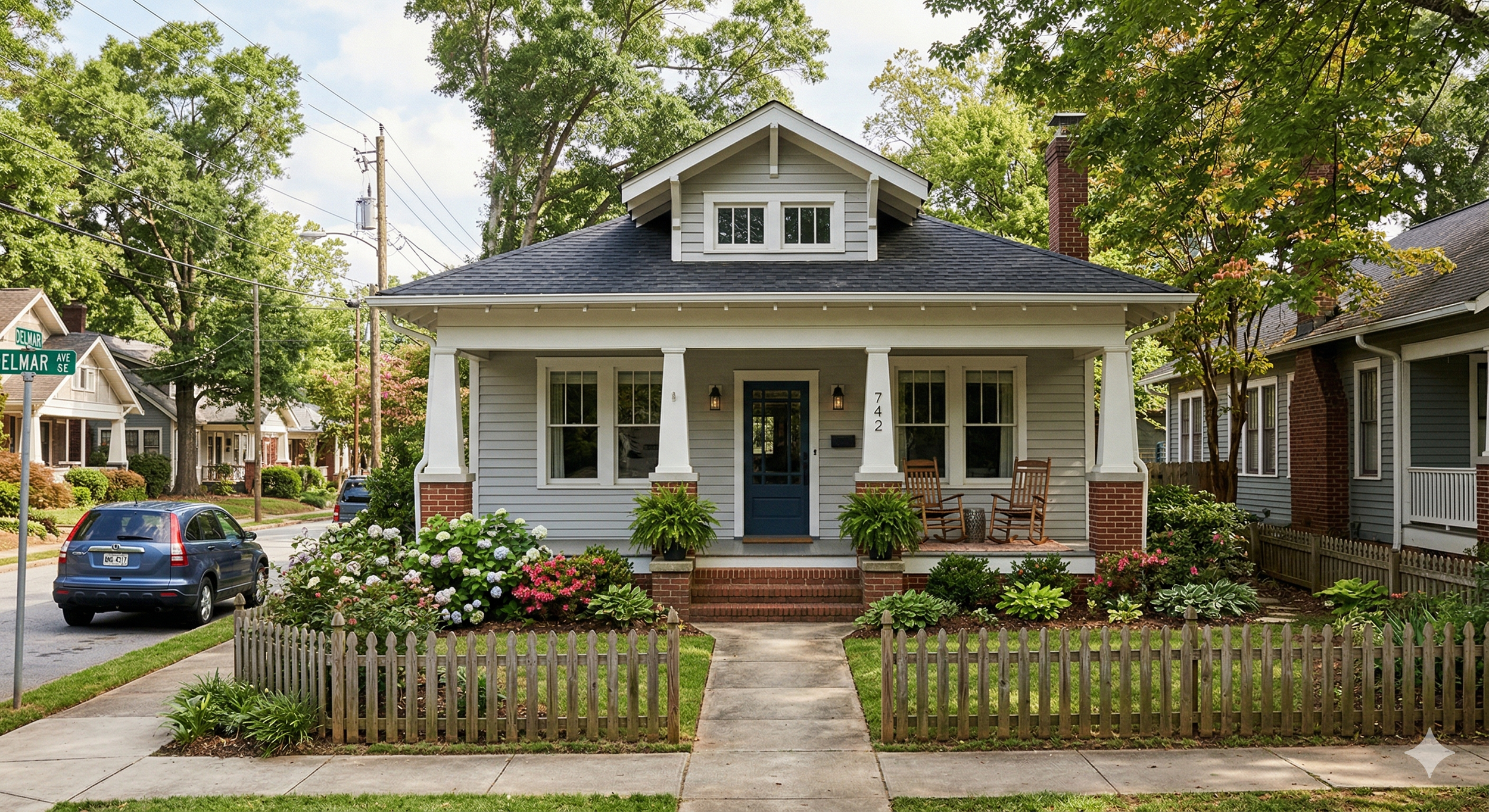
Unlike most Metro Atlanta cities, Avondale Estates was planned as a single cohesive community, not assembled from multiple subdivisions over decades. The street grid reflects that. Many of the streets carry British names, a deliberate choice by founder George Willis to reinforce the Stratford-upon-Avon theme. Knowing the streets matters, because location inside versus outside the Local Historic District, and proximity to Lake Avondale or the Town Green, meaningfully affects pricing.
Here's the practical guide to the streets buyers most often ask about:
The Core Historic District Streets
These streets sit inside the Local Historic District overlay and contain the highest concentration of original 1920s and 1930s Tudor Revival and Colonial Revival homes.
Clarendon Avenue: One of the most recognizable streets in the city. A mix of original Tudors and Colonials, tree-canopied, close to the Tudor Village and the Avondale Swim & Tennis Club. North Clarendon and Clarendon Place also fall within this corridor.
Berkeley Road: Classic Avondale street, predominantly 1920s and 1930s housing stock, tight-knit block.
Kensington Road: Larger than most of the interior streets, mixed housing stock including some newer in-fill, runs along the western edge of the historic district.
Dartmouth Avenue: Quintessential English-named Avondale street, older original homes with historic character.
Sussex Road: Similar profile to Dartmouth, smaller lots, walkable to downtown.
Stratford Road: Named directly for Stratford-upon-Avon. Contains some of the city's most referenced Tudors.
Wiltshire Drive: British-named residential street with mixed historic housing stock.
Exeter Road: Historic interior street, tree canopy, older housing.
Nottingham Drive: Smaller interior street, consistent 1920s–1940s housing.
Chatsworth Drive: Interior street, historic housing stock, generally quieter.
Windsor Terrace: Small, historic street, quiet.
Bromley Road, Banbury Cross, Charlbury Place, Oakham Place: Smaller British-named interior streets with historic housing.
Lake Avondale and the Lakeshore Corridor
Lakeshore Drive: The premium address in the city. Homes along Lakeshore front or back up to Lake Avondale, and lakefront or lake-view properties command the highest prices in Avondale Estates. Mix of original historic homes and renovated or rebuilt properties.
Lakeview Place and Lakeshore Plaza: Small streets adjacent to the lake corridor.
Avondale Swim & Tennis Club: Private club adjacent to the lake, a longtime community anchor.
The Downtown-Adjacent Streets
Avondale Road (North and South): the main commercial corridor turns into a residential street in both directions. North Avondale Road runs past the Town Green and into residential blocks. South Avondale Road transitions to more residential as it heads toward College Avenue.
Franklin Street, Locust Street, Oak Street, Olive Street, Parry Street, Pine Street: Streets on the north side of the historic district, particularly Pine Street, form the Rail Arts District with the mix of artist studios, Banjo Coffee, My Parents' Basement, and adaptive-reuse developments like Olive + Pine.
Maple Street: Home to Wild Heaven Beer and part of the brewery corridor.
Hess Drive, Dalerose Avenue, Dunwick Drive, Majestic Circle: Interior residential streets with mixed housing stock.
Melford Place, Fairfield Drive, Fairfield Plaza: Smaller residential streets near the downtown core.
Townhome and Condo Communities
Avondale East (Rockbridge Rd SW area): townhome community with HOA-maintained landscaping, newer construction, lower maintenance lifestyle.
Kensington Trace (Reese Way area): smaller boutique townhome community of 17 units on a quiet dead-end street, walkable to MARTA and downtown.
Brookside Parc: Townhome community with smaller footprints, more accessible pricing.
Avondale Station apartments: Rental product, but relevant context for the area's mix of housing types near the MARTA station.
Edge Streets and Boundary Areas
Covington Highway / Memorial Drive: The northern commercial corridor. Homes directly on these corridors trade lower than interior streets due to traffic and noise.
East College Avenue: The southern corridor near the MARTA station. Mix of commercial, residential, and multi-family.
Sams Crossing: The border area with the City of Decatur. Homes here straddle the Avondale/Decatur identity depending on which side of the line they sit on.
The practical takeaway: If the specific cultural identity of Avondale Estates matters to you, focus on the British-named interior streets inside the Local Historic District. If MARTA access matters most, focus on the streets south of Avondale Road closer to the station. If lake access matters most, there's really only one street: Lakeshore Drive.
Who Is Avondale Estates Right For?
The honest answer to this question is specific, and it's worth saying directly rather than hedging.
Avondale Estates tends to be the right fit when:
You want walkable intown character without being inside the City of Atlanta.
Architectural cohesion matters to you. You like old houses, the detail of 1920s and 1930s construction, and you're willing to navigate a Historic Preservation review for exterior changes.
You want a MARTA commute to Downtown, Midtown, or the airport.
You value a walkable civic center, the Town Green, the breweries, the restaurants, the arts district, and you'll actually use it weekly.
You're comfortable in DeKalb County Schools, and/or you're interested in the magnet and charter options (DSA, DESA, The Museum School).
You want a small-scale city experience. 3,500 people, everyone knows the city commissioner, civic events matter.
You have budget for the $550,000 to $1.2 million range for a single-family home and you're fine with that being the price of entry.
Think carefully about Avondale Estates if:
You need City Schools of Decatur. You won't get that here. Full stop.
You commute daily to North Fulton or the northern Perimeter. The drive is long, and there's no good MARTA alternative for that route.
You want new construction with large open floor plans. Avondale's stock is older, smaller-room-count, and the historic overlay limits how significantly you can renovate the exterior.
You're under a $500,000 budget for a single-family home. The tier barely exists here, and when it does, the houses often need significant work.
You want a suburban-scale lot. Avondale lots are generous for intown, but they're not suburban-scale. Most interior lots run 0.2 to 0.4 acres.
You don't want to walk anywhere and prefer everything drive-through. Avondale is built for pedestrians. It works in your favor if you use it that way, and against you if you don't.
You're buying primarily as an investment rental. The market exists, but it's small, and HOA and historic restrictions on some properties narrow your options. I work with investment buyers, and Avondale Estates is rarely my first recommendation for that strategy.
Frequently Asked Questions About Living in Avondale Estates
Is Avondale Estates a good place to live?
It's a good fit for buyers who specifically want walkable, intown-adjacent character with a small-town scale, architectural cohesion, and direct MARTA access. It's less of a fit for buyers who need City Schools of Decatur, prefer new construction, or are on a sub-$500,000 single-family budget. The decision is less about "good or bad" and more about whether the specific trade-offs match what you're looking for.
What is the median home price in Avondale Estates in 2026?
Trailing 12-month median sale price is running roughly $614,000 on Homes.com data pulled in early 2026, up about 14% year over year. That number moves meaningfully month to month because the market is small, fewer than 40 single-family closings a year inside the city limits, so any single headline figure deserves skepticism. The stabilized range for non-distressed single-family homes is roughly $500,000 to $1.2 million, with occasional sales above $1.3 million for renovated historic homes or lakefront properties.
Is Avondale Estates in the City Schools of Decatur?
No. Avondale Estates is in the DeKalb County School District, not the City Schools of Decatur. This is one of the most common points of confusion with buyers moving to the area. If CSD is non-negotiable for your family, you need to be inside the City of Decatur's official boundaries, which Avondale Estates addresses are not.
What schools serve Avondale Estates?
Zoned public schools are Avondale Elementary School, Druid Hills Middle School, and Druid Hills High School, all DeKalb County Schools. Magnet and charter options inside or near the city include DeKalb School of the Arts (DSA), DeKalb Elementary School of the Arts (DESA), and The Museum School of Avondale Estates. Always verify current-year zoning by specific property address with the district.
How far is Avondale Estates from downtown Atlanta?
About seven miles east of downtown. Driving time is 15 to 20 minutes off-peak and 30 to 45 minutes during rush hour via I-20 or Memorial Drive. MARTA from Avondale Station to Five Points runs 18 to 22 minutes without traffic, making transit a viable alternative to driving during weekday commute windows.
Is there a MARTA station in Avondale Estates?
The Avondale MARTA station on the Blue Line sits on the south edge of the city at 915 E. Ponce de Leon Avenue, with 823 parking spaces. Technically the station is on the Decatur side of the boundary, but it functionally serves Avondale Estates and is walkable from much of the city.
What is the Dale Ale Trail?
The Dale Ale Trail is the informal name for Avondale Estates' walkable concentration of breweries and beer bars, including Wild Heaven Beer, The Lost Druid Brewery & Distillery, Little Cottage Brewery, My Parents' Basement, and The Beer Growler. The city has been named USA Today's Best Small Town Beer Scene multiple times. An Open Container Entertainment District adopted in 2022 allows patrons to carry specially marked 12-ounce cups between venues.
What kind of homes are in Avondale Estates?
The housing stock is predominantly 1920s through 1940s, with Tudor Revival, Colonial Revival, Craftsman, and Mediterranean Revival styles represented. Many homes sit inside the Local Historic District, which requires Historic Preservation Commission review for exterior changes. A smaller supply of newer in-fill construction, mid-century ranches near Lake Avondale, and townhomes and condos on the city's edges round out the inventory.
What is the Local Historic District, and what does it mean for my home?
Avondale Estates has both a National Register Historic District (added 1986) and a Local Historic District overlay with binding design guidelines. If your property is in the Local Historic District, exterior changes, including roof materials, window replacements, siding, fences, and certain paint decisions, require review and approval by the Historic Preservation Commission before work begins. Buyers should factor this into renovation timelines and budgets, and should always verify historic status on a specific property before writing an offer.
How walkable is Avondale Estates?
Genuinely walkable within the city limits. At 1.2 square miles, most homes are within a 10- to 15-minute walk of the Town Green, the Tudor Village, Lake Avondale, or the MARTA station. The city has invested in sidewalks, the Town Green is a true civic anchor, and the Open Container Entertainment District stretches from Sams Crossing to downtown Avondale. Walking to dinner, to a brewery, to a coffee shop, or to transit is realistic on a daily basis for most residents.
Are there new construction homes in Avondale Estates?
Limited. The city is essentially built out, with very few vacant lots. New construction typically takes the form of in-fill teardowns and rebuilds, or larger additions and renovations that meet Historic Preservation Commission requirements. When new construction does come to market, it typically prices in the $800,000 to $1.3 million range.
Is Avondale Estates safe?
The city has its own police department separate from DeKalb County Police, and crime statistics track closely with City of Decatur. Like any intown-adjacent area, property crime, particularly car break-ins, happens and buyers should evaluate specific blocks. Overall, Avondale Estates' small scale, walkability, and neighborhood density contribute to what most residents describe as a secure and connected environment.
What is the Town Green?
A 2-acre public park at 64 N. Avondale Road that opened in summer 2022. It includes an open-air pavilion, a performance stage, a children's play area, and expansive green space. It's surrounded by The Dale, a new mixed-use development filling in with restaurants (Parma, Tex-Mex, a rooftop bar called Bar Top), a bookstore (The Book Bird), gelato, and other retail. The Town Green hosts the farmers market, art walks, festivals, and free public performances.
Is Avondale Estates a good investment property market?
It can be, but it's a narrow lane. Limited inventory, historic district restrictions on some properties, and a relatively small rental pool mean Avondale Estates is not the first market I'd recommend for pure cash-flow investing. For long-term appreciation on a primary residence, the combination of protected architectural character, walkability, MARTA access, and a constrained supply of historic homes has supported strong long-term price growth.
How do I find out which historic district tier a specific house is in?
The city's Historic Preservation Commission maintains a tiered designation list for every address inside the Local Historic District, with designations of "preservation," "conservation," or "adaptation" determining how restrictive exterior review will be. This is available through the City of Avondale Estates. Before writing an offer on a specific property, I can pull this information directly so you understand exactly what renovation latitude you'll have.
Are property taxes in Avondale Estates higher than in Decatur or unincorporated DeKalb?
Property taxes in Avondale Estates include both the City of Avondale Estates millage and DeKalb County taxes. The combined rate is typically higher than an unincorporated DeKalb address at the same home value, because of the additional city services. Compared to the City of Decatur, rates are closer, though they vary year to year. Specific tax calculations should be run for any property you're considering using the current millage rates from the DeKalb County Tax Commissioner and the City of Avondale Estates. I can help pull these for specific addresses during due diligence.
How is The Dale different from the Tudor Village?
The Tudor Village is the original 1920s commercial corridor along North Avondale Road, the row of half-timbered buildings with the iconic clock tower. It houses longtime Avondale businesses. The Dale is the newer mixed-use development that wraps around the Town Green, built as part of the civic expansion that opened the Town Green in 2022. The Dale is where the new wave of restaurants, Parma, Bar Top, the expanded Book Bird, and other retail tenants, are opening. The two corridors sit across from each other on North Avondale Road and read as a single walkable downtown.
Can I buy a fixer-upper in Avondale Estates and renovate it significantly?
You can, but the scope of the renovation is constrained by whether the property sits inside the Local Historic District and, if so, which tier it's designated. Interior renovations are largely unconstrained. Exterior renovations on a Preservation-tier home are tightly reviewed. Buyers looking for gut-renovation projects with significant exterior expansion often have more flexibility on the edges of the city, outside the Local Historic District overlay. Always pull the designation before writing an offer if your plan hinges on major exterior work.
Is there new construction planned for Avondale Estates in the coming years?
Most new construction activity is concentrated around the Town Green in The Dale development, which is primarily commercial and mixed-use rather than residential. Residential new construction is limited to in-fill teardowns on individual lots, and the pace is slow because of the historic overlay and the built-out nature of the city. Expect occasional single-home new construction projects, typically priced $900,000 and up, rather than any large-scale residential development.
Who's Actually Moving to Avondale Estates in 2026
I work with the full cross-section of Avondale Estates buyers, and the pattern is consistent enough to name honestly. Relocation buyers, particularly those moving from coastal cities or other walkable urban markets, tend to land in Avondale Estates after touring Decatur first and finding the pricing a stretch. They're drawn by the combination of historic character and walkability, which reads as familiar if you're coming from Charleston, Savannah, parts of Brooklyn, Portland, or older neighborhoods in Chicago, Washington D.C., or Philadelphia.
Move-up buyers from inside Metro Atlanta are the second significant group. These are buyers who spent their first Atlanta years in Kirkwood, East Atlanta, Cabbagetown, or Reynoldstown, who wanted to keep intown character without staying inside the City of Atlanta limits, and who recognized Avondale as the closest analog at a slightly lower price point with better transit access to downtown.
Emory University, Emory Healthcare, and CDC-affiliated buyers make up a noticeable share. The commute is genuinely good, ten to fifteen minutes off-peak, and the Blue Line access at Avondale station is often cited as a backup for days when driving isn't practical.
Downsizers moving from larger homes in Druid Hills, Brookhaven, or East Cobb are another group I see regularly. The draw is predictable: less house to maintain, more to walk to, smaller yard, same quality of life, easier access to a less car-dependent routine.
What these buyers have in common, regardless of where they're coming from, is a specific set of preferences: they want to walk to dinner, they want architectural character, they want an actual civic center, and they're willing to navigate a more restrictive renovation process to get it. If those things don't matter to you, Avondale Estates is not the right fit, and there are easier markets in Metro Atlanta.
Ready to Look at Avondale Estates?
I work with buyers throughout Metro Atlanta and know Avondale Estates, its historic district, its school zones, and its specific pricing dynamics in detail. If you're relocating, comparing Avondale Estates to Decatur or Kirkwood, or ready to start your search, let's talk.
Visit kristenjohnsonrealestate.com or reach out directly. Come as you are, come on home.
Looking for more Metro Atlanta neighborhood guides? I've covered the Intown Atlanta cluster extensively, including Kirkwood, Candler Park, Druid Hills, Morningside-Lenox Park, Brookhaven, and the City of Decatur. Browse the full guide series at kristenjohnsonrealestate.com.