

Turnkey vs. Fixer-Upper Luxury Homes in Atlanta: Which Makes More Sense in 2026?
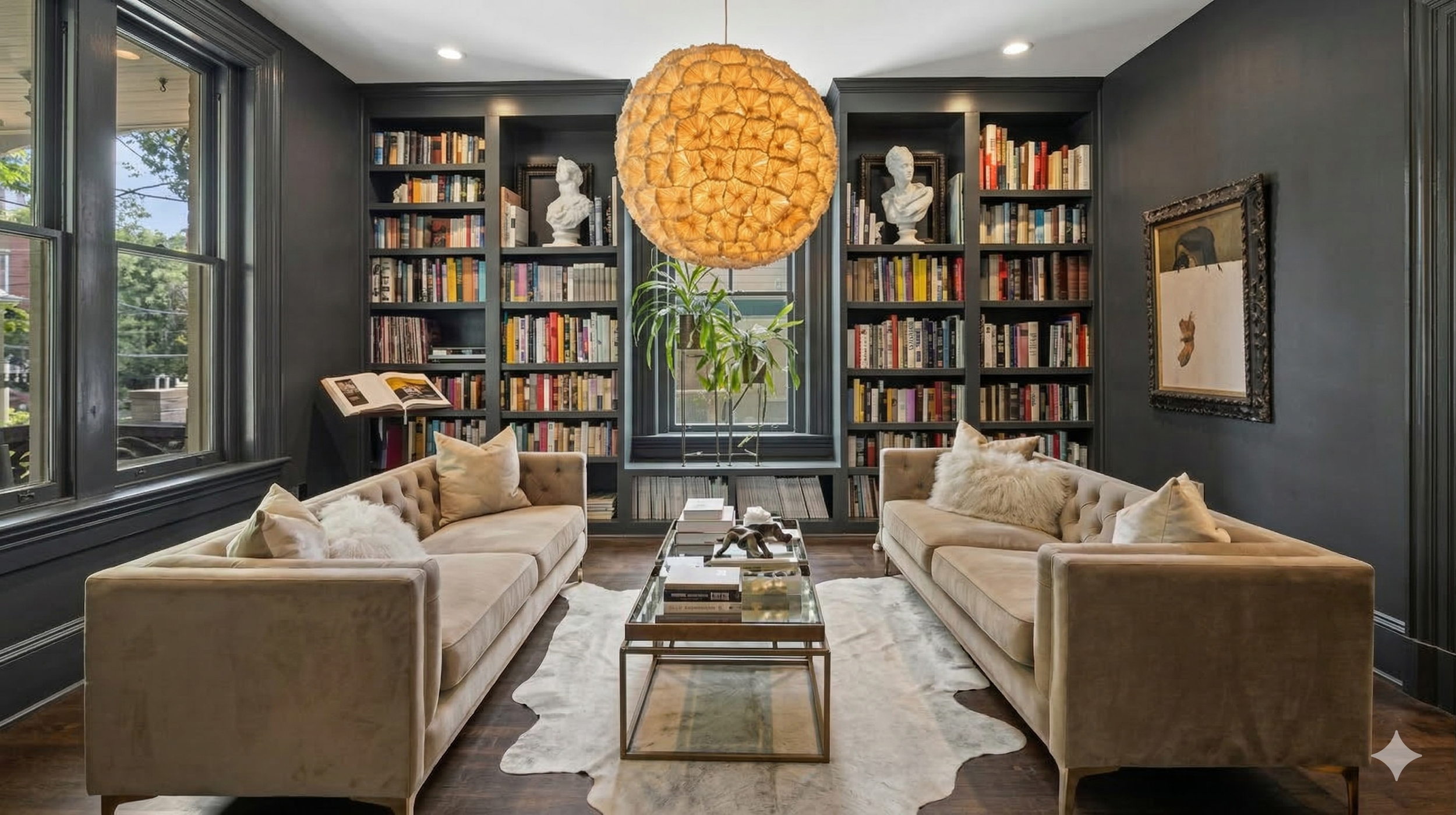
If you're shopping for a luxury home in Atlanta right now, you're going to face a decision that sounds simple but isn't: buy a turnkey home that's already been renovated to a high standard, or buy something with great bones that needs work and make it your own. The math on both paths has shifted meaningfully in the last two years, and the answer depends on details that most buyers don't think about until they're already in contract.
I work with buyers across Metro Atlanta, and in the luxury segment — $1M to $5M and above — this question comes up in almost every conversation. Buckhead, Chastain Park, Morningside, Ansley Park, Druid Hills, Brookhaven, Tuxedo Park, Sandy Springs estate enclaves: every one of these neighborhoods has both turnkey inventory and fixer-upper potential, and the tradeoffs are specific to the neighborhood, the house, and the buyer.
Nearly a decade of helping Atlanta buyers means I've watched both paths work beautifully and both paths turn into expensive mistakes.
Here's what you need to know.
What Counts as Turnkey in Atlanta's Luxury Market
"Turnkey" is an overused word in real estate, and in the luxury segment it has a specific meaning that buyers sometimes miss.
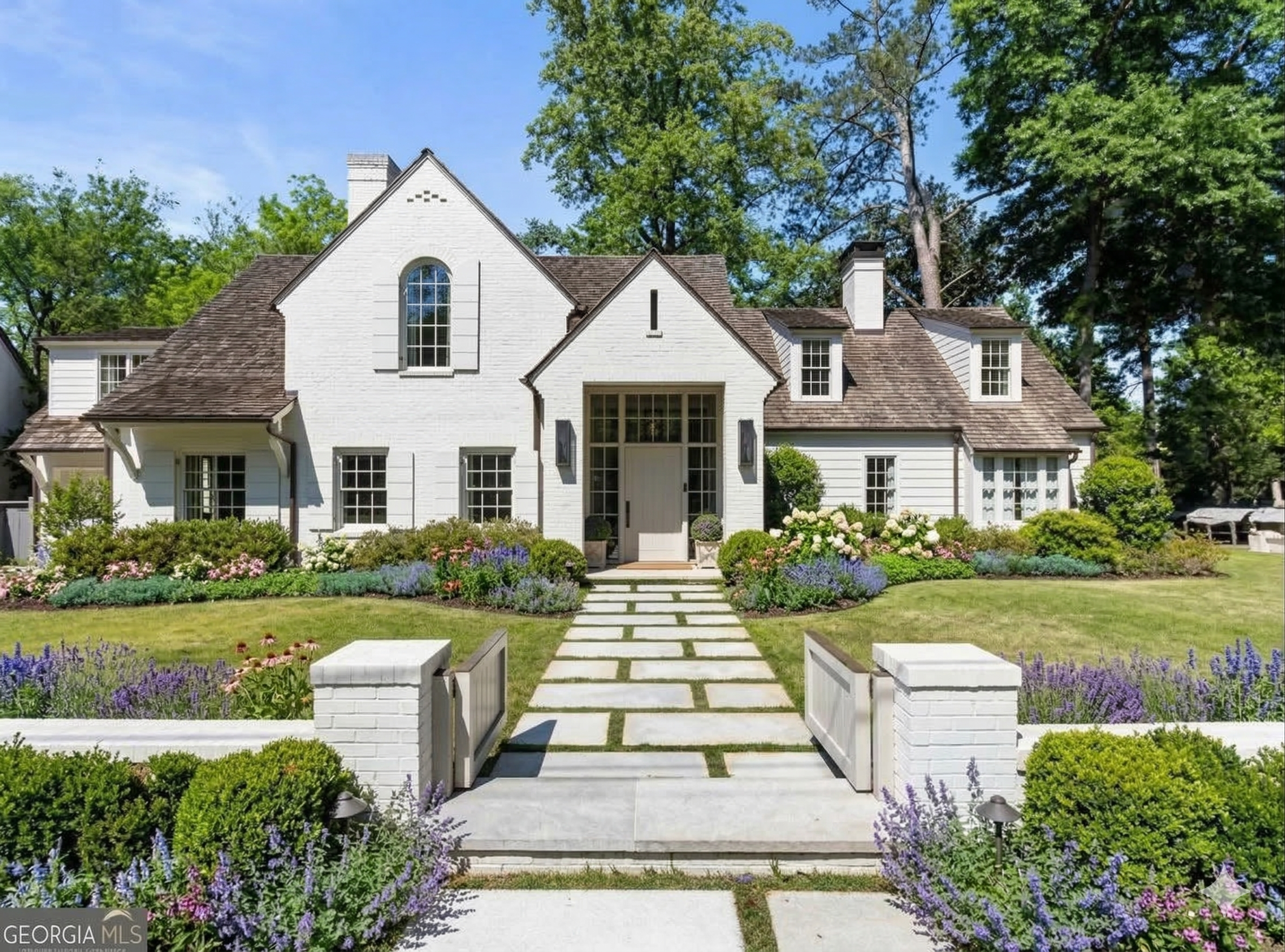
A true turnkey luxury home in Atlanta is one where the kitchen, primary suite, secondary baths, flooring, HVAC, roof, and major systems are either new or recently renovated to a current standard. The finishes are on-trend but not trendy. The floor plan works for modern living — open main level, primary on main or generous primary up, dedicated office, mudroom, laundry in a useful location. You can close, move in, and host dinner the same weekend without a contractor on speed dial.
What turnkey does NOT mean:
Freshly painted with new light fixtures over a 2003 kitchen
New countertops over original cabinets and original appliances
Cosmetic flip finishes installed over old mechanical systems
"Recently updated" with no documentation of what was actually done
In the $1.5M+ segment, luxury buyers are paying a real premium for genuinely turnkey homes — often 10 to 20 percent above comparable resales that need work. That premium is not irrational. It reflects the actual cost, time, and hassle of doing the work yourself, plus the scarcity of homes where someone already did it well.
What Counts as a Fixer-Upper at the Luxury Price Point
Fixer-upper means different things in different segments. At $400K, a fixer-upper might mean a 1970s ranch that needs a gut renovation. At $1.5M to $3M in Atlanta, a "fixer-upper" usually falls into one of three categories:
The cosmetic updater. Great location, good bones, original or dated finishes from the 1990s or early 2000s. The house functions, the systems work, but the kitchen, baths, and flooring are a generation behind. Budget for a targeted renovation: kitchen, primary bath, flooring, paint, lighting. Typical Atlanta cost for this scope in the luxury segment runs $150 to $250 per square foot on the renovated areas.
The significant renovation. House needs more than cosmetic work. Kitchen walls need to come down for an open plan. Primary suite needs reconfiguring. Systems are old enough to need replacement. You're looking at 6 to 12 months of work, living elsewhere during part of it, and a budget in the $300,000 to $800,000 range depending on square footage and scope.
The gut renovation or teardown candidate. Lot value exceeds house value. The play is either taking the home to the studs and rebuilding, or demolishing and constructing new. Renovation costs in Atlanta's luxury market currently run $150 to $350 per square foot for comprehensive work, and custom luxury construction in metro Atlanta currently runs $350 to $600 per square foot depending on the level of finish, lot location, and complexity of the design. Gut renovations and new construction are long timelines — 12 to 24 months — and require buyers who have somewhere else to live and the patience to see it through.
Knowing which category a home falls into before you make an offer is the single most important step. The wrong category diagnosis is how fixer-upper buyers end up underwater on their renovation budget.
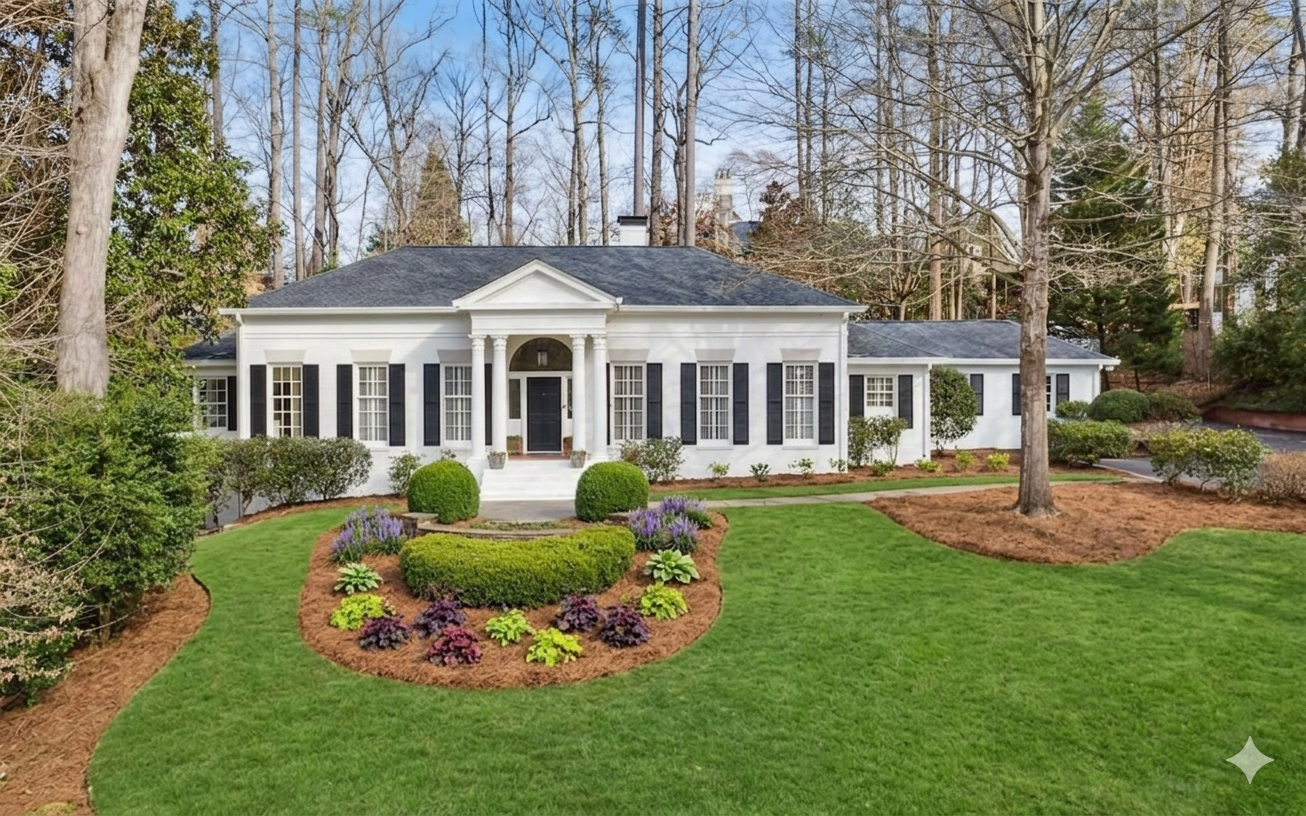
The 2026 Atlanta Luxury Market Context
Before we get into the math, a few numbers that matter for this decision right now.
The median sale price of a home in Buckhead was $630K last month, up 1.6 percent since last year, with homes selling after 75 days on the market compared to 46 days last year. That slowdown matters. It means luxury buyers have more leverage, more time to inspect, and more ability to negotiate than they did two years ago.
At the higher end, the numbers are different. The Northwest Buckhead luxury market in zip codes 30305 and 30327 carries a 12-month trailing median of approximately $2.68 million for single-family transactions, and 30327 has the highest average home value of any zip code in Atlanta. Single-family homes in Buckhead averaged $1,801,869 in 2025, and the metro's all-time residential record of $19.8 million was set in Tuxedo Park.
In the surrounding luxury neighborhoods, the numbers anchor at different points. The median sale price for homes in Chastain Park over the last 12 months is $1,458,000, up 43 percent from the median home sale price over the previous 12 months, and homes sell after 34 days on the market compared to the national average of 53 days. Morningside-Lenox Park delivers a $1.3 million median price with historic character near Piedmont Park, and Sandy Springs and Brookhaven offer entry points into luxury at the $750K to $1.5M range depending on section.
What's different about 2026: resale inventory in the luxury segment is healthier than it has been in several years. In the $1M-$2M range, you will find a mix of homes built in the 2000s and 2010s with varying levels of updates, along with newer spec builds from the 2020-2024 era. That matters because it means turnkey buyers have more options, and fixer-upper buyers aren't competing with 20 other offers on every underpriced listing the way they were in 2021 and 2022.
The Cost Comparison Nobody Does Honestly
Here's the math that most buyers don't run carefully enough, and that I walk every luxury client through before we start writing offers.
Scenario A: Turnkey purchase at $2.4M
You're buying a 4,500 square foot home in Chastain Park or Morningside, fully renovated in the last three years, move-in ready. Price: $2.4M. Closing costs and move-in: roughly $60,000. Total all-in: $2.46M. You live there the day you close.
Scenario B: Fixer-upper at $1.8M plus renovation
Same neighborhood, similar size, 1990s-era finishes. Price: $1.8M. You plan a targeted renovation — kitchen, primary suite, secondary baths, flooring throughout, paint, new lighting. Scope hits roughly 2,500 of the 4,500 square feet in meaningful ways.
At $150 to $350 per square foot for comprehensive luxury renovation work, and assuming $225 per square foot blended across the renovated areas: $562,500 for renovation. Add 15 percent contingency for the kind of surprises old Atlanta homes deliver — $84,000. Architect and designer fees at 10 to 15 percent of construction: roughly $70,000. Permits, dumpsters, temporary housing or disruption costs: another $25,000 minimum.
Total renovation budget: approximately $740,000. Purchase + renovation all-in: roughly $2.6M. And you're living elsewhere for 6 to 9 months while work happens, or living through dust and contractors in your own home.
Turnkey advantage on paper: the turnkey home costs $140,000 less and you move in immediately.
But that's not the whole story. The fixer-upper, if done well, gives you a kitchen you designed, a primary suite configured how you actually want to live, and finishes you chose. At resale in five or ten years, a custom-renovated home in the right neighborhood often outperforms a turnkey home that was renovated for a generic buyer.
The honest answer on the math: turnkey wins on speed, cash flow, and certainty. Fixer-upper wins on customization and, if you buy right, on long-term value capture. The difference between winning and losing on the fixer-upper path is whether your renovation budget is honest and whether you have the time, tolerance, and cash reserves to execute.
When Turnkey Is the Right Answer
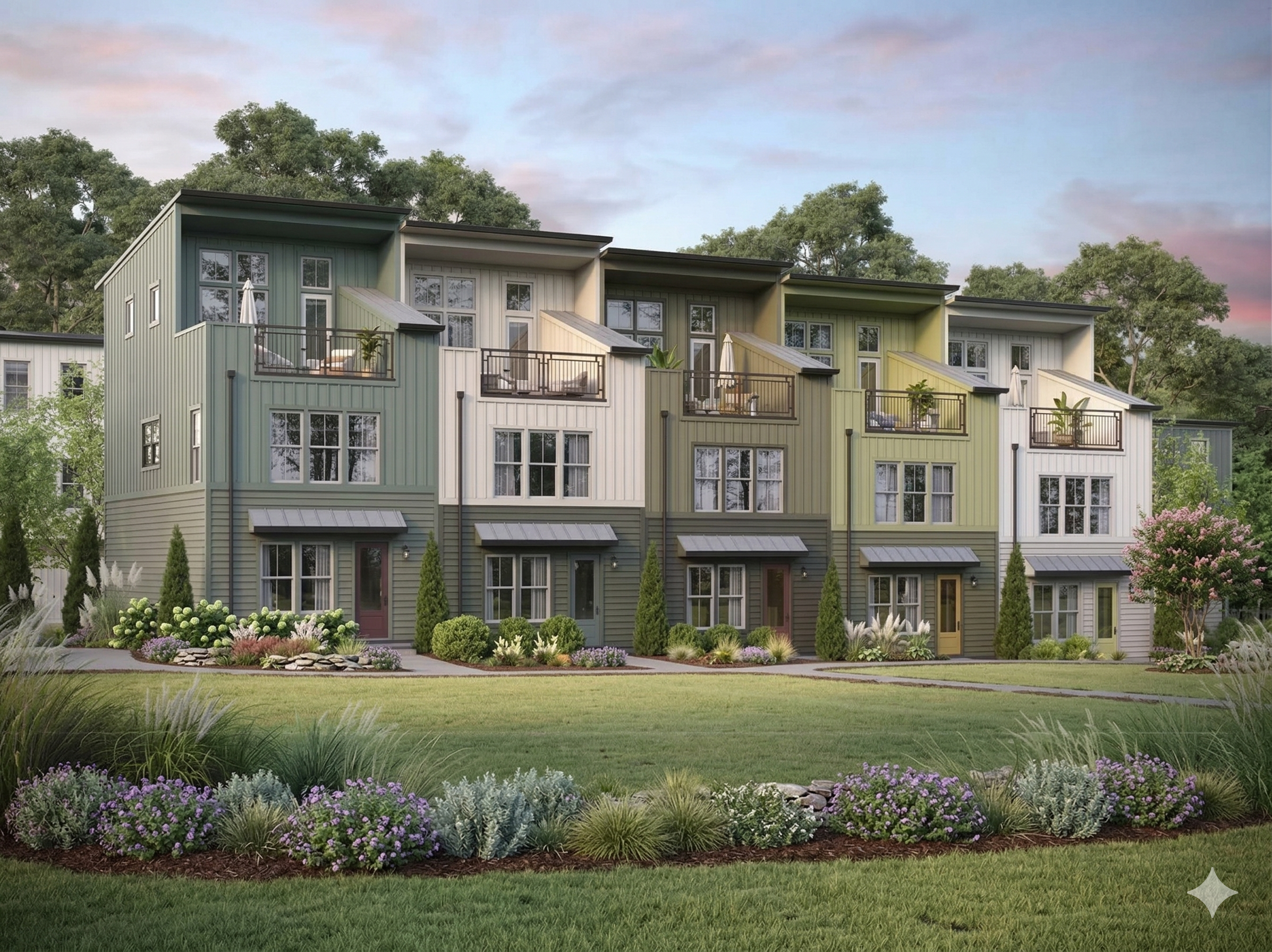
Turnkey luxury is the right move when these conditions are true:
You need to move in on a specific timeline. Corporate relocation buyers, buyers with kids starting school in August, buyers selling a home in another market and facing a closing deadline — if your calendar isn't flexible, turnkey is the only realistic answer. The luxury renovation timeline in Atlanta for anything beyond cosmetic work is 6 to 18 months, and that assumes you find a qualified contractor with availability, which is not guaranteed.
You don't want a second job. Managing a renovation is a job. Even with a general contractor handling day-to-day work, you are making dozens of decisions per week — tile, grout color, hardware, paint, countertop slab selection, appliance specifications, lighting, plumbing fixtures. For two-career households or buyers with demanding professional lives, the decision fatigue alone is a meaningful cost.
You're risk-averse on budget. Luxury renovations in Atlanta routinely exceed initial budgets by 15 to 30 percent. If your financial comfort depends on a fixed, predictable number, turnkey eliminates that variability.
You're buying for lifestyle, not investment. If the primary purpose of this home is to live in it for 15-plus years and enjoy it, the "I could have captured more value with a renovation" argument is less important than "I have what I want now."
You're at the top of your market. If you're stretching to $3M, you don't have $600K in renovation capital sitting aside. Turnkey is the only way to land in the neighborhood and house you actually want.
When the Fixer-Upper Path Makes More Sense
The fixer-upper path works when a different set of conditions align:
You're buying for location, not the house. In Atlanta's top luxury neighborhoods — Tuxedo Park, West Paces Ferry, Ansley Park, specific pockets of Druid Hills and Morningside — the land value is a significant portion of total home value. In Tuxedo Park, empty lots have sold for as much as $5 million and homes pass the $10 million mark on occasion. If you can buy a dated house on an exceptional lot, the house is almost incidental to the investment.
The home has architectural significance or irreplaceable character. A 1920s Philip Shutze house in Ansley Park, a Neel Reid Tudor in Druid Hills, an early Atlanta Colonial Revival in Morningside — these homes appreciate not despite their age but because of it. The renovation play is to update the systems and finishes while preserving what makes the home distinctive. Turnkey new construction cannot replicate that.
You have the timeline and the cash reserves. If you can live elsewhere for 12 to 18 months, or live through renovation in stages, and you have the capital to fund the work without stress, the path is viable. If you're borrowing the renovation budget at current rates on top of the mortgage, the math gets harder.
You genuinely want to make design decisions. Some buyers love this. The specifications, the material choices, the floor plan reconfiguration — for design-forward buyers, doing the work is part of the pleasure. For those buyers, a turnkey home someone else designed feels like wearing someone else's suit.
You're buying in a rising submarket. Certain Atlanta luxury neighborhoods are still rewriting their price ceilings. If you buy a $1.6M fixer in a neighborhood where the turnkey comps are $2.8M and trending up, the renovation captures both the improvement value and the market appreciation. The risk is buying in a flat or declining submarket, where the renovation spend may not fully return at resale.
The Hidden Costs of Each Path
Both paths have costs buyers don't price correctly until they're in it.
Hidden costs of turnkey:
The renovation premium is real. In the $1.5M to $3M range, fully turnkey homes sell for roughly 10 to 20 percent above comparable resales needing work. On a $2.4M home, that's $240K to $480K you're paying for someone else's renovation. If their taste matches yours, that's money well spent. If it doesn't, you've paid a premium for work you'll redo in five years.
You inherit someone else's choices. The kitchen island is where the previous owner wanted it. The primary closet is laid out their way. The finishes reflect a moment in time that may already be dating. On a 20-year hold, you'll want to change things eventually, and the renovation you avoided at purchase shows up as a project later.
Quality of work is not always visible. I've walked through turnkey homes where the cosmetic finish is beautiful and the mechanical work underneath is cheap or noncompliant. A thorough inspection plus a separate review by a contractor you trust matters more on turnkey luxury than most buyers realize.
Hidden costs of the fixer-upper:
Budget overruns are the rule, not the exception. For a full gut renovation where you're taking the house down to the studs, you can expect costs to start around $150,000 and go well over $300,000 for a 2,000 square foot home, and luxury-grade work in Atlanta's older intown neighborhoods frequently uncovers issues — old plumbing, knob-and-tube wiring in pockets, foundation settling, asbestos, lead paint — that weren't apparent at purchase.
Financing is trickier. A traditional purchase loan doesn't fund renovation. You're either paying cash for the renovation, using a construction loan (which has its own underwriting standards and timeline), doing a renovation loan product, or refinancing after the work is complete. Each option has tradeoffs your lender should walk through before you write an offer.
Carrying costs accumulate. Mortgage, property taxes, insurance, and utilities on a home you can't live in yet, while also paying rent or a second mortgage where you're actually living. On a $1.8M purchase, that's easily $12,000 to $15,000 a month in carry cost. Over a 9-month renovation, $108,000 to $135,000 of real money that doesn't show up in your renovation budget.
Timelines slip. The contractor tells you 6 months. The honest timeline is usually 9 to 12. In luxury renovations with custom cabinetry, imported stone, or specialty subcontractors, it's not unusual to run 14 to 18 months end to end. Plan accordingly.
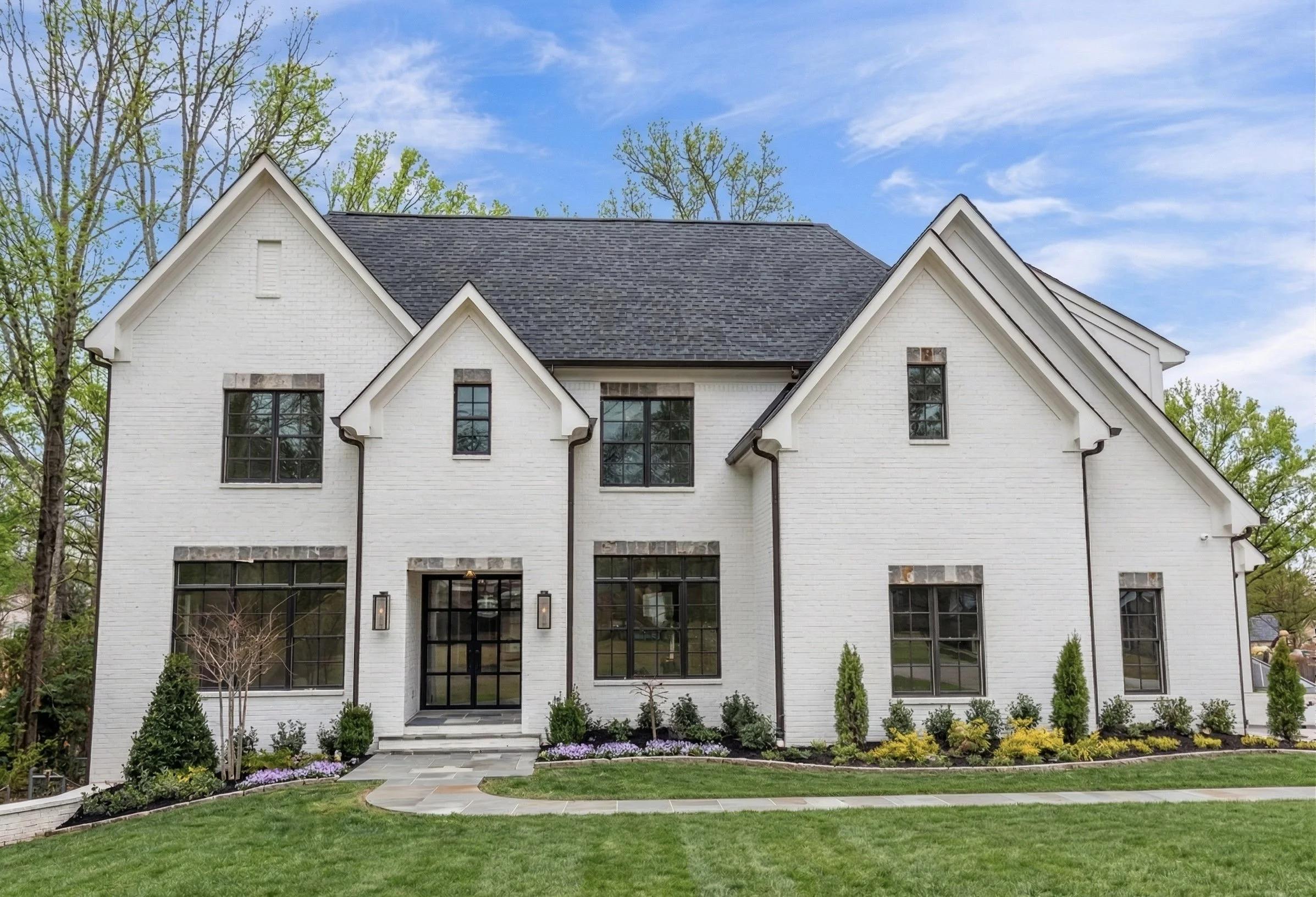
How Atlanta Neighborhoods Change This Calculation
Where you're buying matters as much as what you're buying. A few neighborhood-specific notes from current work:
Buckhead (Tuxedo Park, West Paces Ferry, North Buckhead): Lot value is enormous, and teardown economics work on certain streets. If you're at $3M+ and the house is nothing special, serious consideration of a gut renovation or new construction makes sense. Below $3M, the math usually favors renovation of an existing home rather than teardown.
Chastain Park and Garden Hills: Turnkey inventory tends to be well-executed because the buyer profile is demanding and renovations here are done to a high standard. The renovation premium is real but often justified. Fixer-upper opportunities exist but they're competitive.
Morningside, Virginia-Highland, Ansley Park: These are the neighborhoods where fixer-upper math most often works. Historic character, strong architectural bones, appreciation trajectory, and a buyer base that values thoughtful renovation over new finishes. If you're the patient type with design taste, these are your neighborhoods.
Druid Hills: Olmsted-designed neighborhood with some of the most architecturally significant homes in the Southeast. Turnkey inventory is rare. Buyers here are usually signing up for renovation of some kind. If you want the Druid Hills lifestyle, accept the renovation premise going in.
Brookhaven, Sandy Springs: More turnkey inventory, more spec builders, more recent construction. Fixer-upper plays exist but they're less defined because the neighborhoods have more new and recent-vintage housing stock. Easier neighborhoods for buyers who want turnkey at the $750K to $1.5M entry point into luxury.
Alpharetta, Milton, Johns Creek: North Fulton luxury is dominated by newer construction — much of the housing stock is post-2000. Turnkey is the default path here. Fixer-upper opportunities are more limited because the homes simply aren't old enough to need comprehensive renovation in most cases.
The Inspection and Diligence Differences
Both paths require diligent inspections, but the scope and what you're looking for differs materially.
For turnkey luxury purchases:
Standard home inspection, plus targeted specialist inspections: HVAC, roof, pool (if applicable), structural engineer if there are any concerns. The goal is not to identify things you'll fix — the home is supposed to be move-in ready — but to verify that the renovation work was done correctly. Ask for documentation of permits pulled, subcontractors used, and warranties on major systems and appliances. If the sellers can't or won't produce it, that's a meaningful signal.
For fixer-upper purchases:
Everything above, plus a contractor walk-through BEFORE you're under contract or during your due diligence period. The contractor's job is to give you a reality-check estimate on the renovation scope you're planning. If you're budgeting $400,000 and the contractor estimates $650,000, you need that information before the contingency period ends, not after closing.
Add a structural engineer on any home older than 50 years where you're planning to move walls or add space. Add an asbestos and lead paint assessment on anything built before 1978. Add a sewer scope on any intown Atlanta home — old clay lateral lines are common and expensive to replace.
Resale Value: The Question to Ask Before You Buy
Every luxury home purchase should be evaluated with an eye toward resale, even if you plan to live there for 20 years. Life changes, markets change, and the home that worked for you in 2026 may need to sell in 2033.
Turnkey homes generally hold value well but can date quickly if the renovation reflected a specific design moment. The gray-and-white kitchen with matte black hardware that was the default in 2021-2023 is already showing its age. When you buy turnkey, you're betting that the taste reflected in the renovation ages gracefully. Neutral, high-quality, classic choices age best. Anything trend-heavy ages worst.
Fixer-uppers, when renovated well, often outperform at resale because the buyer who bought the fixer made decisions tailored to the home and the market. The risk is the opposite: over-improving for the neighborhood, or making highly personal choices that the next buyer has to undo. The best renovation ROI in Atlanta comes from kitchens, primary suites, outdoor living spaces, and energy efficiency upgrades. The worst renovation ROI comes from over-improving for the neighborhood or highly personalized finishes that do not appeal to the broader luxury market.
My rule for fixer-upper buyers: plan your renovation to the top of the neighborhood, not beyond it. If the top turnkey comp in your target neighborhood is $3M, don't create a $3.4M house. Create a $2.9M house and capture value.
Financing Considerations at the Luxury Price Point
Financing a luxury purchase is already its own subject. Jumbo loan limits, portfolio lenders, asset-based underwriting, timing on liquidity — these are conversations to have before you identify a specific house. The turnkey-versus-fixer-upper decision layers on top of financing in specific ways.
For turnkey buyers: Standard jumbo purchase financing, typically with 20 to 30 percent down. If you're buying a spec build or newer-construction turnkey home, appraisal is usually straightforward because comps exist. If you're buying a recently renovated older home where the renovation meaningfully exceeded the neighborhood's typical standard, appraisal can occasionally come in under contract, and you may need to bring additional cash.
For fixer-upper buyers: The purchase finances the purchase. The renovation is a separate funding question. Options include:
Cash renovation funded from liquidity or investment accounts
Home equity line on the property post-closing (limited availability if the home is new to you)
Renovation loan products (203K for non-luxury; bank construction loans for luxury scope)
Bridge financing from an asset manager if you're cash-heavy in securities
The financing path affects the timeline. A construction loan adds 30 to 60 days to the process and has stricter underwriting, including contractor qualification and detailed cost breakdowns. Cash renovation is the fastest but ties up liquidity. A good mortgage advisor — not a transactional loan officer, an actual advisor — is essential at this price point.
Common Mistakes Luxury Buyers Make on Both Paths
A few patterns I see repeat, in no particular order:
Overvaluing renovation cost savings. Buyers see a fixer-upper at $500K under the turnkey comp and think the savings are $500K. After renovation, carry costs, financing, design fees, and the inevitable contingency, the actual net savings is often $50K to $150K — plus the opportunity cost of a year of your life managing the project. That can still be worth it. But know the real number.
Underestimating the time cost. Renovation is a months-long project with weekly demands on your attention. If you're running a business, raising kids, or otherwise fully committed, the renovation either takes over your evenings and weekends or it suffers. Turnkey eliminates this entirely.
Falling for the flip. A subset of the "turnkey" inventory in Atlanta is actually cosmetic flips — paint, counters, and hardware over aging mechanical systems. The price reflects renovation, the reality doesn't. A good inspector catches this. A great buyer's agent flags it before you're emotionally invested.
Choosing the contractor last. Fixer-upper buyers sometimes write an offer, close, and then start looking for a contractor. The right order is: target the project scope, get 2-3 contractor consultations before closing, have your contractor ready to start within 30 to 60 days of close. A good contractor in Atlanta's luxury market is booked 6 to 12 months out; planning around their availability matters.
Assuming you can DIY more than you can. At the luxury level, this isn't about whether you're handy. It's about whether you can project-manage a $500K-plus renovation with multiple subcontractors, permits, inspections, and a schedule. Most buyers can't, and should hire a general contractor with a real fee. The 15 to 20 percent GC markup is cheaper than the mistakes you avoid.
How I Help Clients Think Through This Decision
When a luxury buyer comes to me undecided between turnkey and fixer-upper, we walk through a short list of questions that usually clarifies things within an hour.
What's your timeline to move in? If under 4 months, turnkey. If 6 to 18 months, either path is open.
What's your cash reserve beyond the purchase? If you have less than 30 percent of purchase price in additional liquidity, turnkey. If you have 50 percent-plus and want to deploy it strategically, fixer-upper becomes viable.
How much do you enjoy design decisions? If the answer is "I hate it and want someone else to do it," turnkey. If the answer is "I think about this stuff all the time," fixer-upper.
How strong is your general contractor network? If you already know a GC you trust in Atlanta, fixer-upper is realistic. If you're starting from scratch, turnkey removes a significant risk factor.
What neighborhood? Some Atlanta luxury neighborhoods have deep turnkey inventory (Chastain Park, Brookhaven, Sandy Springs spec builds). Others require renovation patience (Druid Hills, parts of Morningside, Ansley Park). Match your patience to the neighborhood.
What's your hold period? Under 5 years, turnkey almost always wins because you don't have time to capture renovation value. Over 10 years, fixer-upper has a credible edge if executed well.
The right answer is not the same for every buyer. The best outcomes I've seen on both paths share one thing in common: the buyer was honest with themselves about what they wanted and what they were signing up for. The worst outcomes happened when buyers chose one path for the reasons of the other — the buyer who wanted a renovation project but picked turnkey because they were afraid of the process, the buyer who wanted simplicity but picked a fixer-upper because the price looked too good to pass up.
FAQ
Is it cheaper to buy turnkey or renovate a fixer-upper in Atlanta luxury real estate?
Turnkey is usually cheaper all-in at the luxury price point once you account for renovation cost, carry during renovation, financing costs, and time. The fixer-upper path wins on total value — purchase plus renovation versus turnkey equivalent — in roughly half the cases I see, and the margin is often $50,000 to $150,000, not the $300,000-plus that initial napkin math suggests. The other half of the time, turnkey comes out ahead once every real cost is counted.
How much does a luxury home renovation cost in Atlanta in 2026?
Renovation costs in Atlanta's luxury market currently run $150 to $350 per square foot for comprehensive work. Targeted renovations (kitchen, primary suite, flooring, paint) land in the $150-$225 range. Gut renovations to the studs with high-end finishes run $300-$400 per square foot. Custom new construction runs $350-$600 per square foot. Add 15 percent contingency to whatever number your contractor quotes.
How long does a luxury renovation take in Atlanta?
A targeted renovation (kitchen, primary suite, baths, flooring) runs 4 to 6 months once work begins. A significant renovation with walls moved and systems replaced runs 6 to 12 months. A full gut or new construction runs 12 to 24 months. Add 2 to 4 months before work begins for architectural design, permits, and contractor scheduling. Plan for the long end of these ranges, not the short end.
Should I buy a fixer-upper in Buckhead or Morningside for the renovation opportunity?
It depends on the specific home and lot. Morningside and specific Buckhead pockets like Tuxedo Park and North Buckhead have the strongest renovation economics because the land value is substantial and the architecture often has character worth preserving. Avoid fixer-upper purchases on generic 1990s construction in neighborhoods where new comps are driving the market — the renovation won't capture the new-construction premium. I walk clients through specific homes with a contractor before we decide.
Do turnkey homes hold their value better than renovated fixer-uppers?
Not necessarily. Turnkey homes hold value well if the renovation reflected classic, neutral, high-quality choices. They underperform if the renovation was trend-heavy. Well-executed fixer-upper renovations often outperform at resale because the buyer made choices tailored to the specific home and neighborhood, and avoided generic finishes. The determining factor is taste and execution, not the purchase path.
What's the renovation premium on turnkey luxury homes in Atlanta?
In the $1.5M-$3M range, fully turnkey homes in Atlanta's luxury neighborhoods sell for roughly 10 to 20 percent above comparable resales needing work. That premium reflects the renovation cost the next buyer avoids, plus the scarcity of homes where the work was done well. On a $2.4M home, that's $240,000 to $480,000 — which sounds like a lot but is often less than the equivalent renovation would cost you to execute.
Can I finance the renovation on a fixer-upper luxury home?
Yes, but not with a standard purchase mortgage. Options include cash funding from liquidity, a home equity line after closing (limited the first year in most programs), renovation loan products, or a construction loan. At the luxury price point, most of my clients fund renovation from cash or portfolio liquidity because it's faster and cleaner. Talk to a mortgage advisor who specializes in jumbo and construction financing before you write an offer.
What questions should I ask a seller about a turnkey renovation?
Ask for a list of what was done, when, by whom. Ask whether permits were pulled for any work that required them. Ask for warranties on major systems — HVAC, roof, appliances. Ask whether they have photos or documentation of the work in progress. Ask which subcontractors did the work, especially for trades like electrical and plumbing. Sellers who did a quality renovation will have this information readily. Sellers who did a cosmetic flip won't.
How do I find a qualified general contractor for a luxury renovation in Atlanta?
Start with referrals from your real estate agent, your architect (if you're using one), and other luxury homeowners in your network. Interview at least three contractors. Ask to see recent completed projects in person. Ask for client references you can actually call. Look for contractors with experience in your specific neighborhood and home type — the contractor who renovates spec homes in Alpharetta is not the same contractor who handles historic renovations in Druid Hills. Availability matters; the best Atlanta luxury contractors are often booked 6 to 12 months out.
Is new construction a better option than renovating a fixer-upper?
Sometimes. Custom luxury construction in metro Atlanta currently runs $350-$600 per square foot depending on the level of finish, lot location, and complexity of the design. On a buildable lot in Tuxedo Park, West Paces Ferry, or an equivalent tier of neighborhood, new construction can make sense if you're at $3M+ and want exactly what you want. Below $3M total budget, renovation of an existing home is almost always better economics because the land cost is bundled into an existing structure.
What neighborhoods in Atlanta have the best turnkey luxury inventory?
Chastain Park, Garden Hills, Brookhaven, and Sandy Springs tend to have the deepest turnkey inventory because the housing stock is newer, more consistent, and the buyer profile drives consistent renovation quality. North Fulton cities — Alpharetta, Milton, Johns Creek — are dominated by newer construction, making turnkey the default path. Morningside, Druid Hills, Ansley Park, and Virginia-Highland have less turnkey inventory because the older housing stock there is more often renovation territory.
What neighborhoods in Atlanta have the best fixer-upper luxury opportunities?
Morningside-Lenox Park, Druid Hills, Ansley Park, and specific pockets of Buckhead (Tuxedo Park, North Buckhead, Peachtree Heights) are where I send fixer-upper buyers. The land value is substantial, the architectural bones are often worth preserving, and the appreciation trajectory rewards a thoughtful renovation. Virginia-Highland and Brookhaven have occasional fixer-upper plays but the inventory is thinner because much of the older housing stock has already been renovated.
How much cash should I have in reserve for a luxury fixer-upper purchase?
Beyond the down payment and closing costs on the purchase, plan to have liquidity equal to at least 1.5 times your renovation budget. If your renovation budget is $500,000, have $750,000 in reserves. That buffer covers the inevitable overruns, carrying costs during renovation, and the cost of living elsewhere while work happens. Tight renovation budgets on luxury homes almost always end with the buyer under financial stress by month four.
I work with buyers across Metro Atlanta who are weighing this decision in real time. Turnkey versus fixer-upper isn't an abstract question — it's a specific question about a specific house in a specific neighborhood with a specific buyer profile. If you're considering luxury real estate in Atlanta and want to think through your own version of this tradeoff with real numbers on real properties, let's talk.
Visit kristenjohnsonrealestate.com or reach out directly. Come as you are, come on home.
Looking for more Metro Atlanta luxury neighborhood guides? I've covered Buckhead's top luxury enclaves, including Tuxedo Park, Ansley Park, Morningside-Lenox Park, and Druid Hills. Browse the full guide series at kristenjohnsonrealestate.com.