

Living in South Fulton GA: New City Identity, Affordability & What Homes Cost in 2026
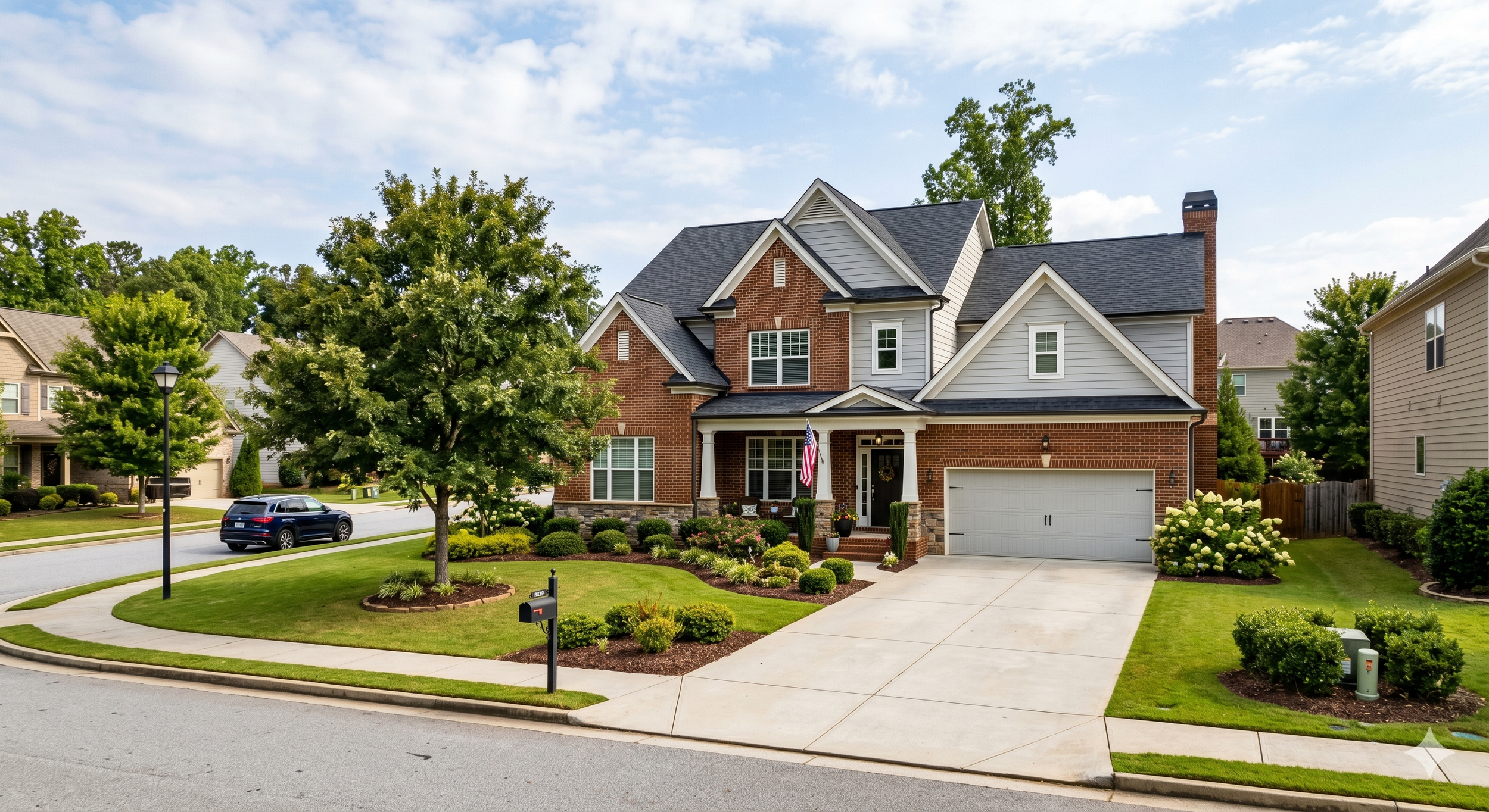
If you've been searching "South Fulton" online and getting confused, that's because the City of South Fulton is one of the youngest cities in Georgia and most of the internet hasn't caught up. South Fulton was incorporated on May 1, 2017, and it's the city that pulled the last unincorporated chunk of southwest Fulton County under one government. It's nearly 90 square miles. It has more than 115,000 residents. It's larger by land area than most of the suburbs Metro Atlanta buyers know by name. And it sits about 9 miles southwest of downtown Atlanta, wrapping around the Hartsfield-Jackson airport corridor.
I work with buyers across Metro Atlanta, and South Fulton is one of the areas I get the most questions about, especially from first-time buyers, investors, and relocation buyers who want intown access without intown prices.
Nearly a decade of selling Metro Atlanta real estate has taught me that South Fulton is not one neighborhood. It's seventeen historic communities stitched together into a single city, and the experience of living in Sandtown is not the experience of living in Cedar Grove or Cliftondale or Red Oak.
Here's what you need to know.
What Is the City of South Fulton, and Where Is It?
South Fulton is the formal name of the city, but locals often just call it South Fulton or the SWATS, a long-standing local nickname for southwest Atlanta. The city includes the historic communities of Red Oak, Cooks Crossing, Stonewall, Fife, Ben Hill, Sandtown, Cliftondale, Ono, Cedar Grove, Boat Rock, Dry Pond, Maude, Lester, Enon, Welcome All, Peters Woods, and part of Campbellton. Some of those names predate the Civil War. Others showed up on maps in the early 1900s. All of them existed for decades as unincorporated Fulton County before residents voted in November 2016 to incorporate as a city.
Geographically, South Fulton borders the City of Atlanta to the north, College Park and East Point to the northeast, Union City and Fairburn to the south, and Chattahoochee Hills and Palmetto to the west. The Chattahoochee River forms part of the northern boundary. I-285 cuts across the northeast corner of the city, and Camp Creek Parkway, Cascade Road, Old National Highway, Stonewall Tell Road, and Cascade-Palmetto Highway are the major surface arteries.
The cityhood movement that created South Fulton was the last in a long line of Fulton County incorporations. Sandy Springs incorporated in 2005. Milton and Johns Creek followed in 2006. Chattahoochee Hills in 2007. After South Fulton's 2017 incorporation, Fulton County became the first county in Georgia with no unincorporated residential areas, and the only sliver of unincorporated Fulton today is the Fulton Industrial Boulevard corridor.
Why does this matter to a homebuyer? Because South Fulton is still a young city building its identity, its services, and its zoning code in real time. The City Council adopted an updated 20-year Comprehensive Plan in early 2026, with a 5-year actionable roadmap for development, infrastructure, and land use. If you buy here, you're buying into a city that is actively writing its future, not one that has been on autopilot for fifty years.
The city is governed by a mayor and seven district council members under a council-manager form of government. Carmalitha Gumbs took office as mayor in January 2026, the first woman to serve in the role since incorporation. The city manager handles day-to-day operations and supervises city departments including Fire, Police, Parks and Recreation, Code Enforcement, Public Works, Community Development, Economic Development, and Cultural Affairs. Fulton County still handles schools, public health, elections, and most courts. This is the practical division of services that affects most residents day to day.
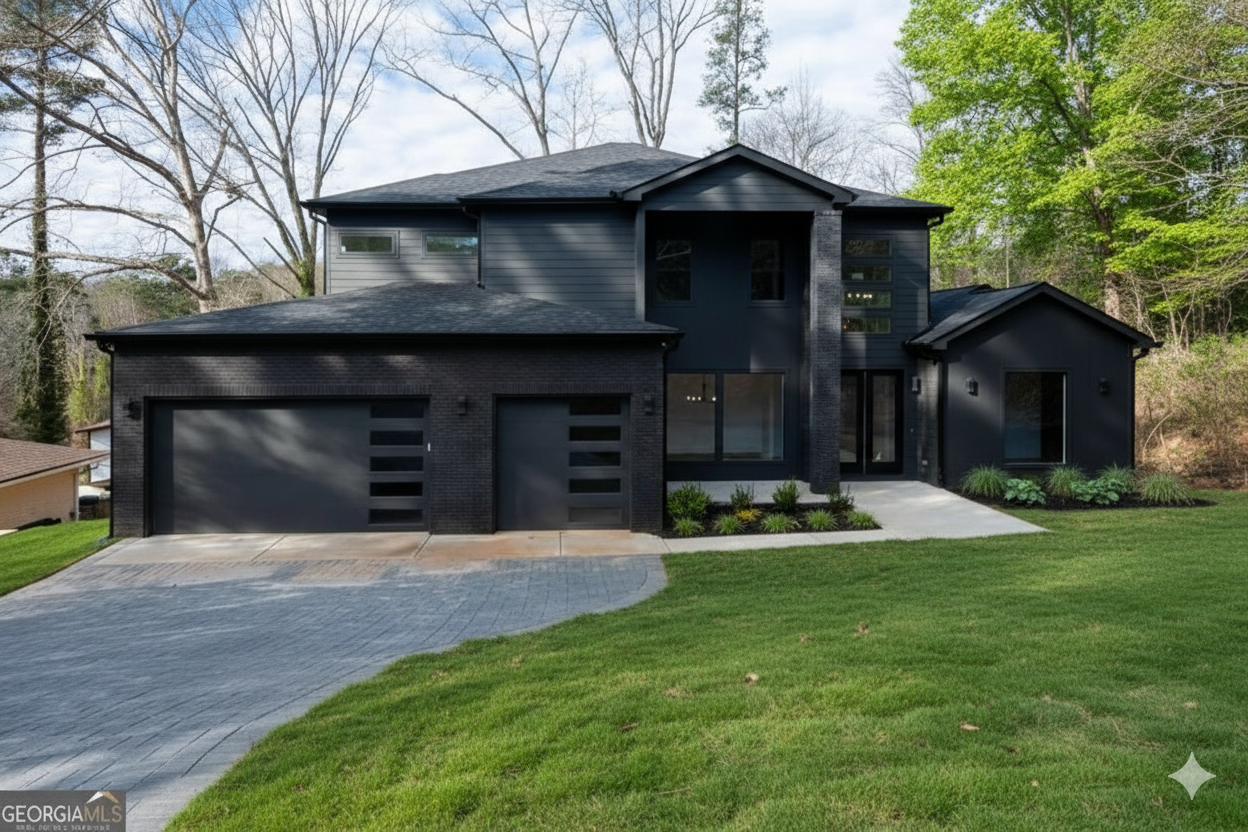
The South Fulton Real Estate Market in 2026
South Fulton is one of the more affordable cities inside the I-285 perimeter footprint, and that has been the headline for years. But the market dynamics in 2026 are more nuanced than the affordability story suggests.
According to Orchard's most recent housing market data, the median sale price in South Fulton over the trailing 30 days was approximately $330,000, up about 1% year over year. Median price per square foot sits around $140. There were roughly 251 homes sold in the most recent 30-day window, with 786 active listings on the market, up about 14% year over year. Median days on market is 49 days, up from 33 days the prior year.
Homes.com puts the typical South Fulton median closer to $350,000 when looking at a longer trailing window, with about 68% of homes owner-occupied. Redfin's earlier market data showed the median at $310,000 in early 2025. The variance across data sources reflects how different the price points are across South Fulton's neighborhoods. A 1,400-square-foot ranch in Brookwood is a different market than a 4,500-square-foot custom home in Sandtown.
Two trends matter for buyers in 2026:
Inventory is up and competition has loosened. Last year, 26% of South Fulton homes sold above list price. In the most recent 30-day window, that number dropped to about 16%. About 57% of listings dropped in price during their listing period, up from 41% the prior year. Sale-to-list ratio sits at 96.2%, meaning the typical home sells for slightly under asking. That is buyer leverage you didn't have here two years ago.
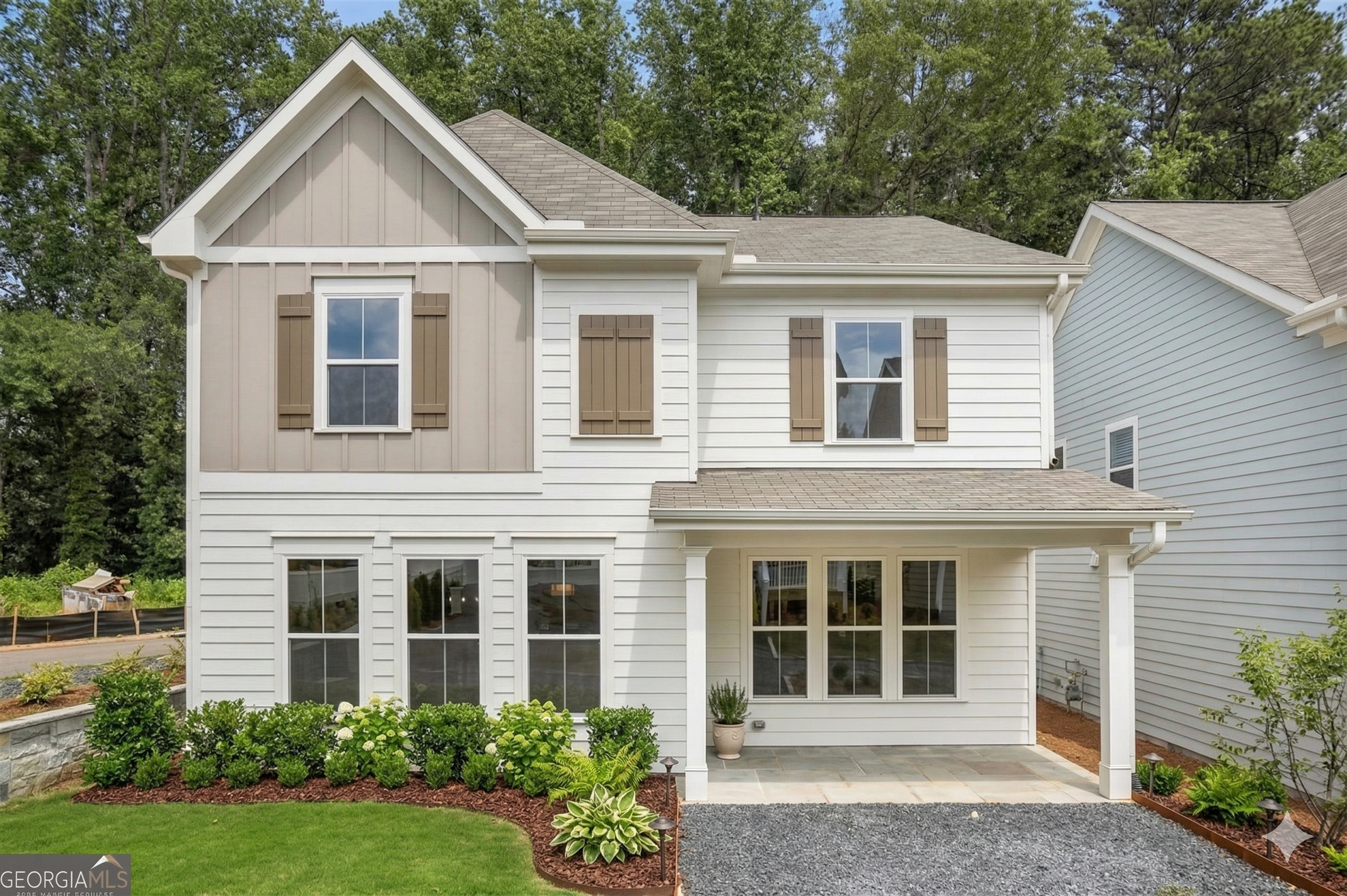
New construction is a meaningful share of the market. South Fulton has more available undeveloped land than any other municipality on the southern edge of the metro, and builders have noticed. D.R. Horton, Pulte, Meritage, DRB Homes, Dream Finders, Rockhaven Homes, Century Communities, and several others are actively building communities priced from the $300s to the $600s. This is one of the few intown-adjacent markets where you can still buy a brand new home under $400,000.
For current data on a specific neighborhood or price point, I track the South Fulton submarkets weekly and can pull comps for any zone you're considering.
Property Taxes in South Fulton
This is the question I get asked second most after price. South Fulton residents pay Fulton County property taxes, City of South Fulton taxes, and Fulton County School System taxes. The combined millage rate has historically been competitive within the metro, and one of the practical advantages of living in South Fulton over the City of Atlanta is the lower city millage. South Fulton homeowners do not pay City of Atlanta taxes.
For a homestead-exempt primary residence, expect total property tax bills to run roughly 1% to 1.3% of assessed value annually, depending on exemptions and current millage rates. This is in line with most Metro Atlanta jurisdictions and meaningfully lower than parts of DeKalb County. Always verify current millage rates with the Fulton County Tax Assessor for any property you're considering, because rates can shift year over year.
What's Driving the Market
A few forces shape South Fulton's market dynamics in 2026:
Land availability. South Fulton has the largest expanse of undeveloped or underdeveloped land on the southern edge of metro Atlanta. Builders have been buying lots aggressively for the past four years, which is why new construction is such a meaningful share of inventory.
Airport-corridor job growth. Hartsfield-Jackson is the world's busiest airport by passenger traffic, and the surrounding airport district employs hundreds of thousands of people directly and indirectly. Delta Air Lines is headquartered nearby. The Fulton Industrial corridor adds logistics and manufacturing jobs. These employment centers feed steady housing demand.
Affordability spillover. As price points in East Atlanta, Grant Park, West End, Adair Park, and Oakland City have climbed past the $500,000 mark for renovated historic homes, buyers who would have looked intown have started looking south. South Fulton has been one of the beneficiaries.
Comprehensive Plan investment. The 2026 Comprehensive Plan adopted by City Council includes priority infrastructure projects, public safety facility groundbreakings (a new South Fulton Fire Rescue headquarters and Public Safety Training Complex, plus a new Police Department headquarters), and economic development initiatives. Buyers paying attention to long-term value pay attention to civic investment.
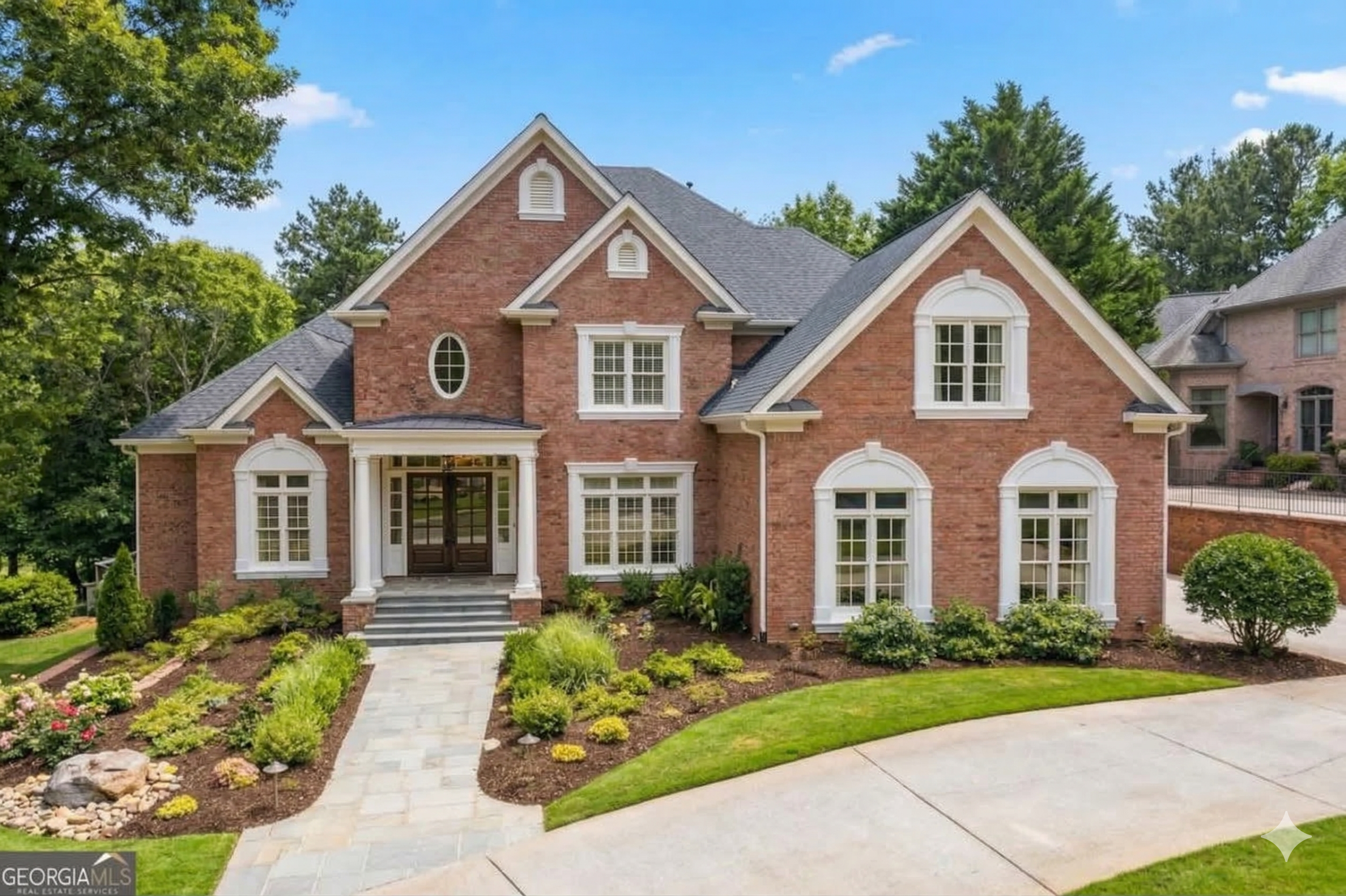
What You Get for the Money in South Fulton
South Fulton's price tiers stretch wider than most Metro Atlanta cities because the city includes historic 1960s ranches, 1990s subdivisions, brand new construction, and large-acreage estates inside one set of city limits.
$200,000s. This is the entry point for older condos, townhomes, and smaller ranch homes built in the 1960s through 1980s, mostly in the older communities along Old National Highway, Welcome All Road, and parts of Cedar Grove. Expect 1,000 to 1,600 square feet, often needing cosmetic or system updates. This is investor and first-time buyer territory. Many homes in this band qualify for FHA financing with minimal down payment, and several Atlanta-area down payment assistance programs (Georgia Dream, Invest Atlanta DPA) are designed specifically for buyers in this price range.
$300,000s. The largest price band in the city. You'll find 1,800 to 2,400 square foot single-family homes here, both resale and new construction. Communities like Sandtown Falls (Rockhaven Homes), Creekbend Overlook (Dream Finders), Carolina (Dream Finders in Palmetto), and Sherwood Manor (D.R. Horton) sit in this range. Many three-and four-bedroom houses with two-car garages on standard lots. This is where the bulk of new construction starter homes are concentrated, and where most first-time buyers in South Fulton end up shopping.
$400,000 to $500,000s. The sweet spot for new construction in 2026. Camp Creek Village (DRB Homes), Briar Creek (Pulte), Butner Estates (D.R. Horton), Enclave at Parkway Village (Pulte), Harmony Manor (Meritage), Parkview Estates (Century Communities), and Trillium Reserve (Dream Finders) all start in this range. You're looking at 2,400 to 3,500 square feet, often with primary suites on the main, two-car garages, and modern open floor plans. School zones in this price band include Westlake High and Langston Hughes High depending on the subdivision. Many of these subdivisions include amenities like pools, playgrounds, and walking trails. Builder incentives in 2026 have included rate buydowns, closing cost contributions, and design center credits, which can save buyers $10,000 to $25,000 over a comparable resale purchase.
$500,000 to $700,000s. Larger custom or semi-custom homes in established neighborhoods like Sandtown, Cascade-area subdivisions, and the larger Wolf Creek-adjacent communities. Le Jardin (Dream Finders) starts in the $675s. Expect 3,500 to 5,000 square feet, larger lots, and often pool or outdoor entertainment features. This price band also includes some of the renovated 1980s and 1990s homes in the Sandtown estate sections, which often sit on half-acre to one-acre lots with mature landscaping.
$700,000 and above. This is the higher-end tier in South Fulton, concentrated in pockets of Sandtown, gated estate communities, and large-acreage properties along the western and southern edges of the city. Custom builds, luxury finishes, and lots ranging from one to five-plus acres. Inventory at this level is limited, and homes here often trade off-market or with extended marketing periods. For luxury buyers, the value proposition compared to comparable square footage in Buckhead, Brookhaven, or East Cobb is meaningful, but the trade-off is location and resale liquidity.
Getting Around: Honest Commute Numbers
South Fulton's biggest practical advantage over the far north suburbs is location. You're inside the airport corridor, you're close to I-285, and you have multiple highway options depending on where you're working.
Downtown Atlanta: 15 to 25 minutes off-peak via I-285 to I-20 East or I-75/I-85 (the Connector). During morning rush from 7 to 9 AM, expect 25 to 40 minutes depending on which part of South Fulton and which part of downtown.
Midtown Atlanta: 20 to 30 minutes off-peak. Rush hour pushes this to 35 to 50 minutes. The I-75/I-85 Connector is the main route and it backs up.
Buckhead: 25 to 35 minutes off-peak via I-285 west to GA-400 north, or via I-75/I-85 through downtown. Rush hour can stretch to 45 to 60 minutes.
Hartsfield-Jackson International Airport (ATL): 10 to 20 minutes from most of South Fulton. This is the city's signature commute advantage. If you fly for work, live in or near South Fulton, full stop.
Perimeter / Sandy Springs / Dunwoody: 35 to 50 minutes off-peak via I-285. Rush hour can run 55 to 75 minutes. This is not a comfortable daily commute.
Cumberland / The Battery / Vinings: 25 to 35 minutes off-peak via I-285 north. Rush hour adds 15 to 25 minutes.
MARTA access: South Fulton is served by the College Park and East Point MARTA stations on the red and gold lines, and several MARTA bus routes service Camp Creek Marketplace, Old National, and Cascade. The Camp Creek Marketplace MARTA bus stop is one of the more useful transit connections in the area. South Fulton itself does not have a dedicated MARTA rail station inside city limits.
The honest summary: South Fulton works for downtown commuters, airport employees and frequent flyers, anyone working on the south or west sides of the metro, and remote workers who occasionally go into the city. It does not work as a daily commute to Alpharetta, Johns Creek, or northern Gwinnett. If you're working at one of the GA-400 corridor employers, look at North Fulton instead.
Things to Do in South Fulton
South Fulton is not a downtown-style entertainment district. The city is spread across nearly 90 square miles and most of the retail, dining, and entertainment is concentrated in clusters rather than a single walkable corridor.
Camp Creek Marketplace. The largest shopping and dining destination in South Fulton, located off Camp Creek Parkway at I-285. Anchored by Target, Publix, Lowe's, Marshalls, Ross, TJ Maxx, BJ's Wholesale Club, PetSmart, Old Navy, and a long list of restaurants. Nine miles from downtown Atlanta, minutes from the airport. Camp Creek Marketplace II adds LA Fitness, Burlington, and American Signature Furniture. Together, the two phases anchor most of the city's retail activity.
Wolf Creek Amphitheater. Outdoor concert venue off Cascade-Palmetto Highway, hosting major touring acts spring through fall. The amphitheater sits inside the larger Wolf Creek complex, which also includes the Wolf Creek Golf Club, the Tom Lowe Trap, Skeet, and Sporting Clays Range, and hiking trails.
Southwest Arts Center. Established in 2001, the Southwest Arts Center is South Fulton's primary arts and cultural venue. It includes a professional exhibition gallery, classrooms, and a theater with regular performances ranging from community productions to nationally touring shows. The Department of Cultural Affairs runs public art initiatives, the Black Wheels Series art exhibits, the Chalk the Block festival, and ongoing programming.
Welcome All Park and Multipurpose Facility. The flagship recreation center on Will Lee Road, with sports fields, a natatorium (aquatics center), and gymnasium. Connected to Delano Park.
Burdett Park, Sandtown Park, Cedar Grove Park, Cliftondale Park, Creel Park, Old National Park, Mason Road Park, and Trammell Crow Park. The City of South Fulton Parks and Recreation Department manages 17 parks across roughly 692 acres, with athletic fields, gymnasiums, tennis centers, walking trails, and aquatic facilities. Sandtown Park and Recreation Center is one of the largest. The South Fulton Tennis Center hosts USTA league play.
Six Flags Over Georgia. Located at the far northern end of Fulton Industrial Boulevard, technically just outside the city limits but within South Fulton's everyday geography. One of metro Atlanta's largest theme parks.
Local dining. South Fulton's dining scene leans toward independent and Black-owned restaurants rather than national chains. Standouts include Original Big Daddy's Dish for Southern food, Gocha's Tapas Bar, and a long list of locally owned wing shops, soul food spots, and family-run restaurants along Cascade, Old National, and Camp Creek Parkway. The independent business density is one of the things the city is genuinely known for, and the small business scene has been a focus of recent economic development efforts.
Fulton Industrial corridor. The largest industrial corridor on the East Coast of the United States runs along Fulton Industrial Boulevard at the northern edge of the city. It's a major logistics, warehousing, and manufacturing employment center.
South Fulton's Civic and Cultural Identity
South Fulton has invested heavily in cultural programming and civic identity since incorporation, partly because the city is young and partly because residents wanted a clear local identity rather than being lumped under a generic "metro Atlanta" label.
The Department of Cultural Affairs runs year-round programming, including the Black Wheels Series art exhibits, the Chalk the Block chalk art festival, the Hot Jazz and Cool Lemonade summer series at city parks, and ongoing public art installations. The Southwest Arts Center hosts touring performances, gallery exhibitions, and arts education. The city's economic development arm has prioritized small business development, including a Small Business Resource Expo and ongoing Economic Development Week programming.
The Downtown Development Authority is working on a multi-year initiative to develop a more concentrated downtown core for the city, since one of the practical realities of incorporating a 90-square-mile geography was that there was no single existing downtown to build around. That's an ongoing project, not a finished one.
For buyers relocating from cities with established 100-plus-year-old civic infrastructure, South Fulton can feel like a city in motion. That's a real characterization. If you want stability and predictability above all else, that's a tradeoff to weigh. If you want to be in a market where civic investment is rising, where small business is being prioritized, and where the city is actively shaping its future, that's a real upside.
Schools: Fulton County Schools, by Attendance Zone
South Fulton students attend Fulton County Schools, the same district that serves North Fulton suburbs like Alpharetta, Johns Creek, Milton, and Roswell. The schools serving South Fulton are concentrated in a handful of high school zones, and your specific zone depends on the address.
High schools serving South Fulton:
Westlake High School (2400 Union Road SW, Atlanta, GA 30331) — Ranked #122 in Georgia and #4,679 nationally by U.S. News & World Report. AP participation rate of 41%. Serves much of the Sandtown and Cascade-area zones. Niche ranks Westlake #15 among Fulton County public high schools and #221 in Georgia.
Langston Hughes High School (7501 Hall Road, Fairburn, GA 30213) — Ranked in the 326-433 band in Georgia by U.S. News. AP participation rate of 30%. Serves much of the central and southern South Fulton communities and parts of Fairburn.
Creekside High School (7405 Herndon Road, Fairburn, GA 30213) — Ranked #217 in Georgia by U.S. News. Serves western parts of South Fulton and Fairburn.
Banneker High School (6015 Feldwood Road, College Park, GA 30349) — Ranked in the 326-433 band in Georgia by U.S. News. Serves portions of the eastern South Fulton zones.
Tri-Cities High School (2575 Harris Street, East Point, GA 30344) — Ranked in the 326-433 band in Georgia. Serves portions of South Fulton on the East Point border. Known for its visual and performing arts magnet program.
Hapeville Charter Career Academy (6045 Buffington Road, Atlanta, GA 30349) — Charter school ranked #216 in Georgia by U.S. News. Career and technical education focus.
Middle schools include Sandtown Middle School (a feeder for Westlake), Renaissance Middle School (a feeder for Langston Hughes), Bear Creek Middle School (a feeder for Creekside), and McNair Middle School.
Elementary schools include Cliftondale, Stonewall Tell, Wolf Creek, Renaissance, Evoline West, Bethune, Palmetto, and others, depending on attendance zone.
Fulton County Schools also operates magnet programs and specialty schools that can be entered by application or lottery, including the Fulton Academy of Virtual Excellence and various STEM and arts magnets.
A practical note on school zones. South Fulton sits at the intersection of multiple high school attendance zones, and the boundaries are not always intuitive. Two homes on the same street can sometimes feed different middle or high schools. Two subdivisions a mile apart can be in different zones. This is one of the most common surprises for relocation buyers, and it's why I always pull the specific Fulton County Schools attendance zone map for any address before a buyer makes an offer.
There are also several private school options in and adjacent to South Fulton, including faith-based schools, Montessori programs, and college-preparatory schools. Charter options like Hapeville Charter Career Academy and several elementary and middle school charter programs add flexibility for families willing to enter lotteries or applications.
Research and visit schools to determine fit for your family. Always verify zoning by specific property address with Fulton County Schools before making a purchase decision, because attendance lines have shifted in parts of South Fulton in recent years and can shift again.
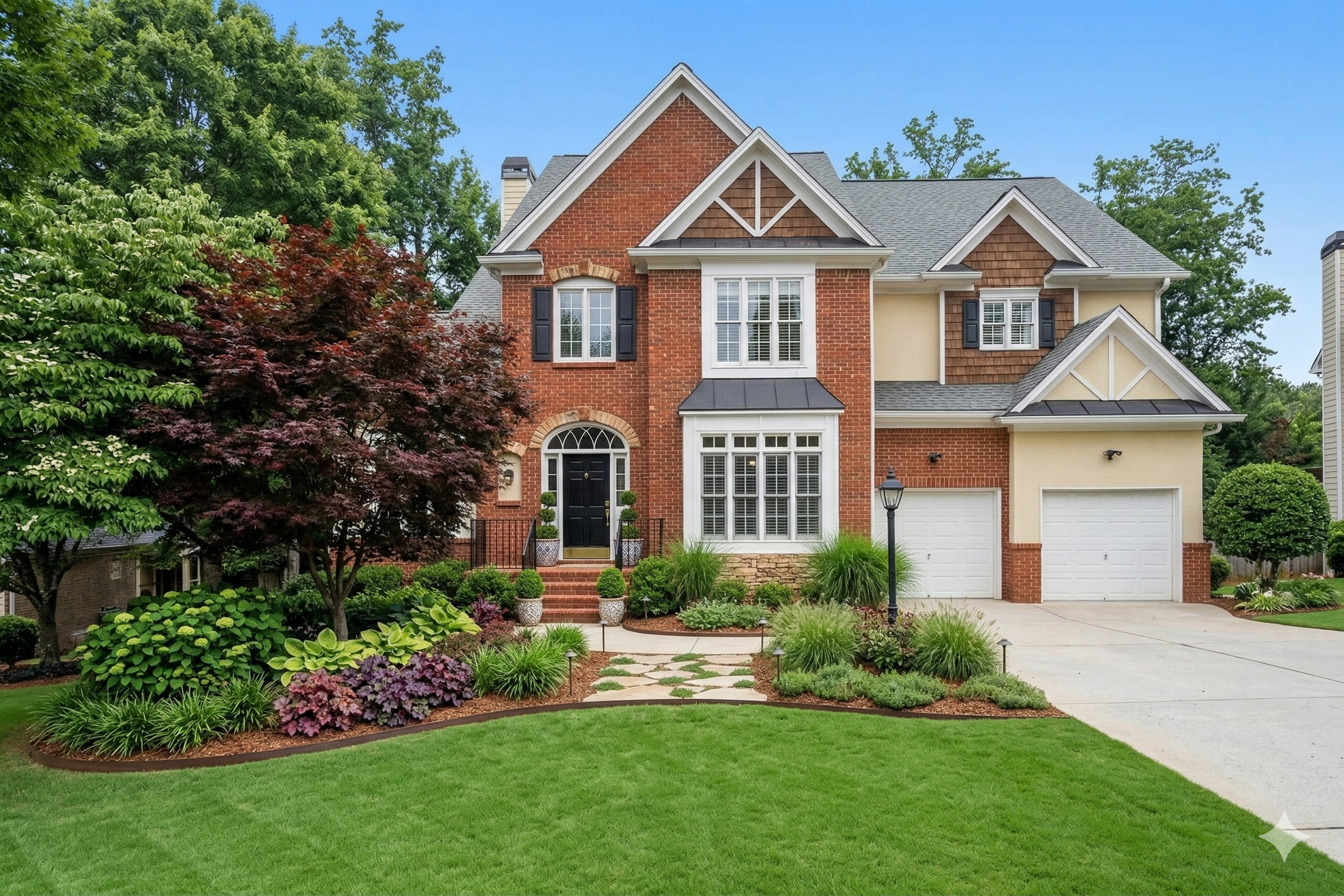
Nearby Neighborhoods and How They Compare
South Fulton sits adjacent to several other Metro Atlanta cities that come up in the same searches. Here's how they actually compare.
South Fulton vs. East Point. East Point is older, denser, and built earlier than most of South Fulton. East Point has a designated MARTA rail station, a more traditional downtown core, and houses concentrated on smaller lots. South Fulton is larger, has more new construction, more land, and lower density. Median prices are roughly comparable in 2026, but the housing stock is fundamentally different. East Point feels like inner-ring suburb. South Fulton feels like a mix of inner-ring suburb and outer-ring development.
South Fulton vs. College Park. College Park is a small, established city with its own school system (Fulton County Schools, but with strong local identity), historic Main Street, the Gateway Center, and the Georgia International Convention Center. It's the closest city to the airport. South Fulton is much larger by land area, has more single-family inventory, and has more new construction at lower price points. If you want walkable old-city character, look at College Park first. If you want a single-family home with a yard, look at South Fulton.
South Fulton vs. Union City and Fairburn. Union City and Fairburn sit south of South Fulton and are smaller, more affordable, and farther from the airport and downtown. Many South Fulton subdivisions actually sit on the city border, and some new construction technically zoned in Fairburn or Union City is functionally part of the same submarket. Price points are slightly lower, commutes slightly longer.
South Fulton vs. Douglasville. Douglasville is across I-20 to the west, in Douglas County. It's farther from downtown, has its own school district, and sits at a slightly different price point. Douglasville is more car-dependent but offers more land and newer suburban-style development. South Fulton is closer in.
South Fulton vs. Stockbridge and McDonough. Stockbridge and McDonough are South Metro / Henry County submarkets along I-75 South. They're farther from downtown but closer to the airport in some respects, and offer a different version of the same value proposition: affordable single-family homes, lots of new construction, longer commutes. South Fulton has the airport access advantage. South Metro has lower price points overall.
For more detail, I've covered several of these in depth: Living in East Point GA, Living in College Park GA, and Living in Stockbridge GA. Confirm specific URLs with me before linking.
Streets, Subdivisions, and Communities Worth Knowing
Because South Fulton is really 17 historic communities, the street and subdivision picture is more granular than in most cities. Here are the names that come up most in buyer searches.
Sandtown. One of the city's most established residential communities, on the city's eastern edge. Initially the site of one of the largest Native American villages in the region, today Sandtown is primarily large-lot single-family residential. Some of the highest price points in the city are here. Sandtown Falls (Rockhaven Homes), Cambridge Commons, and the older estate sections.
Cliftondale. Quieter residential community with both established and new construction subdivisions. Easy access to Camp Creek Marketplace and South Fulton Parkway. Subdivisions include Sherbrook Forest, Butner Estates (D.R. Horton), and various older 1990s-era subdivisions. Cliftondale Elementary and Cliftondale Park anchor the area.
Cascade-area / Cascade Heights. Technically Cascade Heights is inside the City of Atlanta's southwestern edge, but the broader Cascade Road corridor runs through both Atlanta and South Fulton. South Fulton's Cascade-adjacent communities include the Wolf Creek area, Cascade Hills, Regency Estates, and Summit at Cascade. Mature trees, larger lots, established 1980s and 1990s housing stock with newer infill.
Red Oak. One of the historic communities, named for the city's history as a postal stop. Designated as one of South Fulton's historic districts in 2020. Mix of older homes and newer subdivisions.
Cedar Grove. Older community on the southeastern side. Parks at Cedar Grove and Lakes at Cedar Grove Village are notable subdivisions. Cedar Grove Park and the Tom Lowe shooting range are recreational anchors.
Stonewall. Historic community that was its own incorporated town in 1911. Stonewall Tell Road runs through the area and connects to Cliftondale. Stonewall Tell Elementary feeds Sandtown Middle and Westlake High.
Welcome All / Ben Hill / Old National. The denser, older eastern parts of the city, closer to East Point and College Park. More multi-family, more retail along Old National Highway, more first-time buyer and rental inventory.
Wolf Creek area. Anchored by the Wolf Creek Amphitheater, Wolf Creek Golf Club, and the Tom Lowe shooting complex. Parkview Estates, Briar Creek, and Camp Creek Village are notable subdivisions. School zone is typically Wolf Creek Elementary, Sandtown Middle, Westlake High.
Boat Rock, Dry Pond, Ono, Lester, Enon, Maude, Peters Woods, Cooks Crossing, Fife. Smaller historic communities that retain distinct identity within the city but have less concentrated retail or recreational density. Many are residential pockets with rural or semi-rural character.
Who South Fulton Is Right For
South Fulton tends to be the right fit when:
You want intown-adjacent location at a meaningfully lower price point than Atlanta proper, East Atlanta, Grant Park, or West End.
You're a first-time buyer who needs to use down payment assistance programs (Georgia Dream, Invest Atlanta, Atlanta Housing) and want maximum buying power.
You commute to or work near Hartsfield-Jackson, downtown Atlanta, the airport corridor, or the southwest side of Atlanta.
You want new construction with builder warranties and modern floor plans without a 45-minute commute to North Fulton.
You're an investor looking for single-family rental inventory at price points that still cash flow.
You want larger lots and more land than typical inner-ring suburbs offer.
You value being part of a city that is actively building its identity, civic infrastructure, and cultural programming in real time.
Think carefully about South Fulton if:
Your daily commute is to Alpharetta, Johns Creek, Cumming, or Buford. The drive is brutal at rush hour.
You need a MARTA rail stop within walking distance. South Fulton has bus access but no rail station inside city limits.
You want a single, walkable downtown core. South Fulton's retail and dining is spread across multiple corridors.
You're prioritizing top-tier U.S. News-ranked schools as your primary criterion. Fulton County Schools serves the city and several South Fulton schools rank in the middle and lower bands of the district. Verify specific zones for any address you're considering.
You're sensitive to ongoing change. South Fulton is a young city, and zoning, services, and city governance are still being built out.
Buyer Scenarios I See Most Often in South Fulton
After nearly a decade of selling Metro Atlanta real estate, I see a few buyer profiles repeatedly in South Fulton. Each comes with a different strategy.
The first-time buyer maximizing budget. Typical scenario: a buyer with a $350,000 to $425,000 budget who has been searching East Atlanta, West End, Adair Park, or Oakland City and getting outbid or priced out. South Fulton offers more square footage, more land, and more inventory at that price point, often with new construction. The strategy is usually new construction in Cliftondale, the Camp Creek corridor, or the Wolf Creek area, with builder incentives and FHA or conventional 5% down financing. Down payment assistance through Georgia Dream or Invest Atlanta can stretch the budget further.
The relocation buyer working in the airport district. Delta employees, airline industry workers, logistics professionals at the Fulton Industrial corridor, and corporate relocations into the airport district often land in South Fulton because the commute to ATL is unbeatable. The strategy here is usually a single-family home in the $400,000s to $600,000s with quick airport access, often in Cliftondale, the Camp Creek corridor, or the Cascade-Sandtown area.
The move-up buyer leaving intown Atlanta. Buyers who own a 1,200 to 1,800 square foot bungalow in West End, Adair Park, Pittsburgh, or Capitol View and want more space without leaving the southwest side of the metro. South Fulton sells them more square footage, a yard, and new construction at a price they can comfortably step up to. The strategy is usually $450,000 to $700,000 in Sandtown, Cliftondale, or a Wolf Creek-area new construction subdivision.
The investor building a single-family rental portfolio. Single-family rental investors have been active in South Fulton because the math still works. Purchase prices in the $200,000s to mid-$300,000s, rents that support positive cash flow, and tenant demand that has been consistent. The strategy here requires careful neighborhood selection, accurate rehab budgeting, and management that knows the local rental market.
The relocation buyer from out of state. Buyers relocating from New York, Los Angeles, DC, or Chicago often land in South Fulton because the housing affordability comparison is dramatic, the airport connectivity makes ongoing travel easy, and the city's cultural identity resonates with their priorities. These buyers usually need video tours, market education calls, and someone willing to do real diligence on their behalf because they're not on the ground. I've closed several sight-unseen purchases here.
The luxury buyer who wants land. Less common but real. Buyers in the $700,000-plus range looking for one-plus-acre lots, custom finishes, and a more rural feel within 20 minutes of the airport. Sandtown estates and the Boat Rock / Dry Pond area on the southwestern edge of the city are usually the answer.
Frequently Asked Questions About Living in South Fulton
What is the City of South Fulton, Georgia? South Fulton is a city in southwest Fulton County, incorporated on May 1, 2017. It covers nearly 90 square miles and includes 17 historic communities including Sandtown, Cliftondale, Red Oak, Cedar Grove, Welcome All, Ben Hill, Stonewall, and others. It has more than 115,000 residents and is one of Georgia's largest cities by land area.
What's the difference between South Fulton, College Park, and East Point? They're three separate cities that border each other in southwest Fulton. East Point is older, denser, and has its own MARTA rail stations. College Park is smallest, with the most established downtown and the closest proximity to the airport. South Fulton is the largest and newest, with more new construction, more land, and a wider range of price points.
What is the median home price in South Fulton in 2026? The median sale price in South Fulton sits in the $310,000 to $350,000 range depending on the data source and time window. Orchard's recent 30-day data showed a median of approximately $330,000. Prices vary significantly by neighborhood: older communities along Old National can be in the $200,000s, while newer construction in Cliftondale and Sandtown ranges from the $400,000s to $700,000s and above.
What does $300K to $500K buy in South Fulton? At $300,000 to $400,000, you'll typically find 1,800 to 2,400 square foot single-family homes, both resale and new construction, with three to four bedrooms and two-car garages. At $400,000 to $500,000, you'll find newer 2,400 to 3,500 square foot homes from major builders including Pulte, D.R. Horton, DRB Homes, Meritage, and Dream Finders, often with primary suites on the main and modern open floor plans.
Is South Fulton a good place for first-time home buyers? Yes, for the right buyer profile. South Fulton offers some of the most affordable single-family inventory inside the I-285 footprint, qualifies for several down payment assistance programs, and has substantial new construction at price points first-time buyers can actually reach. The tradeoff is longer commutes for buyers working in North Fulton or far north Gwinnett.
How are the schools in South Fulton? South Fulton students attend Fulton County Schools. Westlake High School ranks #122 in Georgia per U.S. News. Other high schools including Langston Hughes, Banneker, and Tri-Cities rank in the middle and lower bands of the state. Creekside High School ranks #217 in Georgia and serves parts of western South Fulton. Hapeville Charter Career Academy is a charter option ranked #216 in Georgia. Always verify the specific attendance zone for any address before purchasing.
How long is the commute from South Fulton to downtown Atlanta? About 15 to 25 minutes off-peak via I-285 to I-20 East or I-75/I-85. During morning rush hour, expect 25 to 40 minutes depending on which part of South Fulton you're starting from.
How close is South Fulton to the airport? The airport is one of South Fulton's biggest practical advantages. Most of the city is within 10 to 20 minutes of Hartsfield-Jackson International Airport, depending on your specific address. If you fly frequently for work, this is one of the strongest cases for living in South Fulton.
Is South Fulton a good investment market? Single-family rental investors have been active in South Fulton for years because of the combination of affordable purchase prices, strong rental demand, and proximity to major employment centers including the airport, downtown Atlanta, and the Fulton Industrial corridor. Cash flow margins remain healthier here than in most intown markets. Specific investment performance varies by neighborhood and property condition.
What are the best neighborhoods in South Fulton? "Best" depends on your priorities. For larger lots and established homes, Sandtown and the Cascade-area subdivisions. For new construction in the $400s to $500s, Cliftondale, Wolf Creek-area subdivisions, and the Camp Creek corridor. For lowest entry price, the Welcome All, Ben Hill, and Old National corridors. For acreage, the Boat Rock and Dry Pond areas on the southwestern edge.
Is South Fulton growing or declining? Growing. The city has gained population since incorporation in 2017, builders are actively adding new subdivisions across multiple price points, and the City Council adopted an updated 20-year Comprehensive Plan in 2026 that lays out a 5-year framework for continued infrastructure, economic development, and land use planning.
What's the weather like in South Fulton? Humid subtropical climate, similar to the rest of Metro Atlanta. Summer highs in the upper 80s to low 90s, winter lows occasionally in the 20s, about 50 inches of rain annually, and minimal snow.
Should I work with a real estate agent who knows South Fulton specifically? Yes, especially because the city's 17 historic communities have meaningfully different price points, school zones, and neighborhood character. A general Metro Atlanta agent who hasn't worked the city directly can miss the differences between Cliftondale, Sandtown, Cedar Grove, and Welcome All, and those differences matter for both purchase price and long-term resale.
Is South Fulton in the City of Atlanta? No. South Fulton is its own city, separate from the City of Atlanta. Some addresses in South Fulton use "Atlanta, GA" as the postal city because the U.S. Postal Service assigns mailing cities by ZIP code rather than municipal boundary. A house with a "30331" or "30349" Atlanta ZIP code can sit fully inside the City of South Fulton. This is one of the most common points of confusion for relocation buyers, who pull up Zillow listings showing "Atlanta, GA" and don't realize they're looking at a different city with different services, taxes, and schools.
Can I use down payment assistance to buy in South Fulton? Yes. South Fulton homes are eligible for Georgia Dream (the state's first-time buyer program), Invest Atlanta down payment assistance for properties within City of Atlanta limits (which doesn't apply to South Fulton specifically), and various lender-specific DPA programs. For South Fulton specifically, Georgia Dream is the most commonly used statewide program, and many lenders offer their own grant or forgivable loan programs that can stack with FHA financing. Always verify program eligibility based on your specific income, the property's price, and the loan structure with a lender who actively does these programs.
What's the cost of living in South Fulton compared to the rest of Atlanta? Housing is the biggest line item, and South Fulton typically runs 20% to 30% lower than the City of Atlanta proper for comparable square footage. Utilities, groceries, and services are generally in line with or slightly below the metro Atlanta average. The biggest variable is transportation, since longer commutes for buyers working outside the southwest metro can offset some of the housing savings.
Working with a South Fulton Real Estate Agent
I work with buyers throughout Metro Atlanta and know South Fulton's neighborhoods, price tiers, school zones, and builder communities in detail. If you're a first-time buyer trying to figure out what your budget actually buys here, an investor evaluating cash flow on a specific street, or a relocation buyer trying to understand the difference between South Fulton and the half-dozen cities that border it, let's talk.
Visit kristenjohnsonrealestate.com or reach out directly. Come as you are, come on home.
Looking for more Metro Atlanta neighborhood guides? I've covered the Westside Atlanta cluster including Adair Park, West End, and Oakland City. Browse the full guide series at kristenjohnsonrealestate.com.