

Living in Cascade Atlanta GA: Southwest Atlanta, Cascade Road Corridor & Home Prices 2026
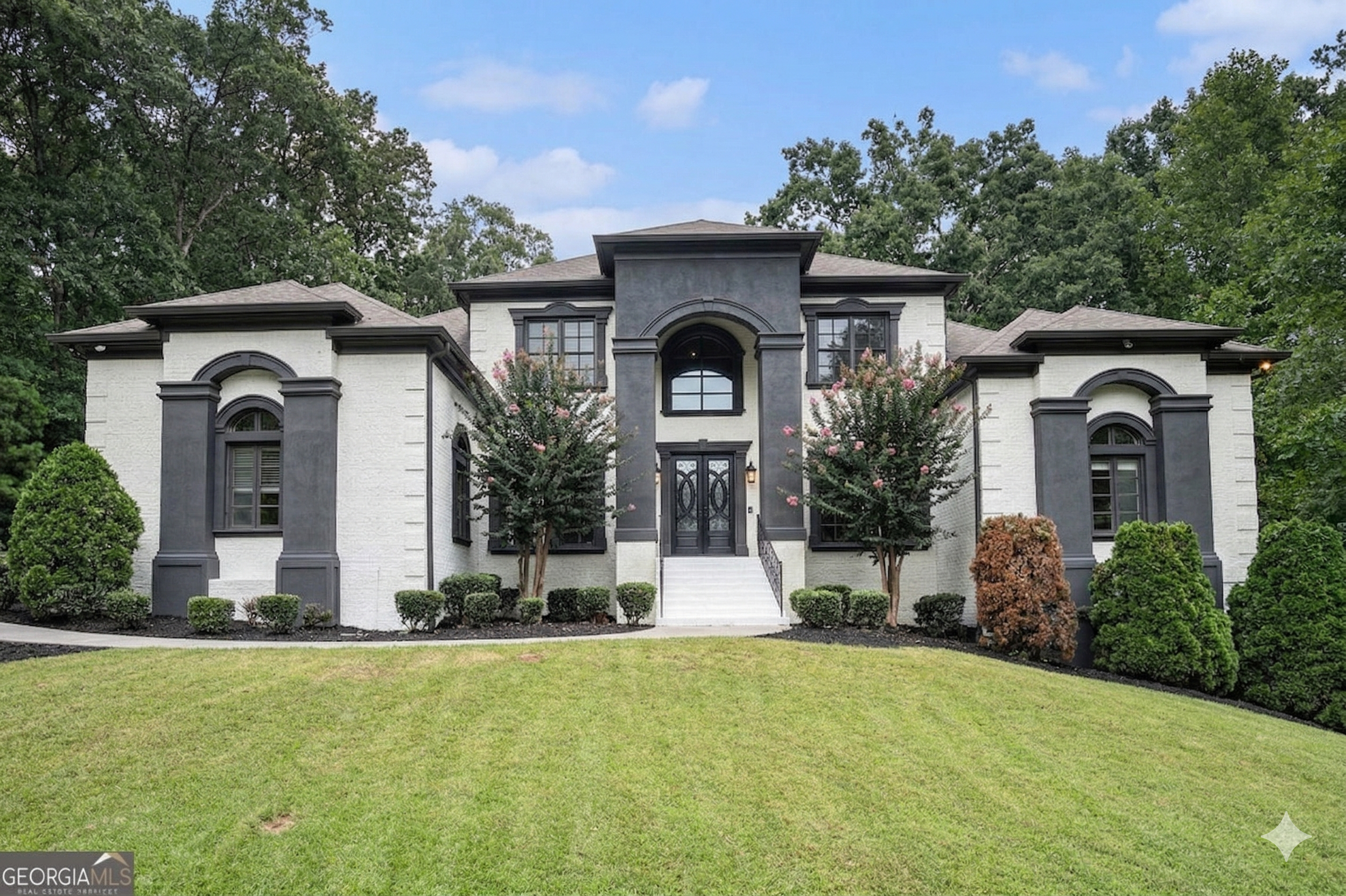
Cascade is one of those Southwest Atlanta areas where the gap between what people assume and what they actually find on the ground is significant. Buyers who haven't spent time here often expect something generic, a mid-tier suburban corridor that happens to be intown. What they find instead is a fully established community with 600-plus acres of green space, one of Atlanta's most active independent business corridors, price points that still make financial sense, brick homes on genuine lots, and a depth of civic and cultural identity that most newer Atlanta neighborhoods can't touch. Cascade Road is not a forgotten stretch of Southwest Atlanta. It's a corridor with real momentum.
I work with buyers across Metro Atlanta, and Cascade comes up consistently. It comes up for buyers who are priced out of Grant Park and East Atlanta. It comes up for buyers relocating to Atlanta who need more square footage than Midtown allows at the same budget. It comes up for buyers who have done their research and know what they're looking at. And it comes up for move-up buyers who have been renting intown and are ready to put down roots somewhere that has actual land behind the house.
Nearly a decade helping Atlanta buyers means I've seen what this corridor does for people who take the time to actually drive it.
Here's what you need to know.
What Is the Cascade Corridor, and Where Is It?
The word "Cascade" refers to more than a single neighborhood. Today, it functions similarly to the way "Midtown" works on the north side of the city: a general umbrella term for a collection of distinct neighborhoods and communities that share a common artery, Cascade Road, and a general geography on the southwest side of Atlanta within the city limits.
The broadest definition of the Cascade corridor is bounded by I-20 to the north, I-285 to the west, the ridges along the south side of Utoy Creek to the south, and the older city limits near Greenwood Cemetery to the east. Within that boundary sit neighborhoods and sub-communities with their own names, histories, and price points: Cascade Heights proper, Beecher Hills, Audubon Forest, Adams Park, Venetian Hills, Peyton Forest, West Manor, Sewell Manor, Mangum Manor, Midwest Cascade, and others.
For the purposes of this guide, I'm covering the full Cascade corridor: the neighborhoods and subdivisions that are commonly referred to as "Cascade Atlanta" and that are served by Cascade Road as the primary commercial and transportation spine. Buyers searching for Southwest Atlanta homes in the 30311 and 30331 zip codes are largely looking at this area.
The road itself has history that predates Atlanta. Cascade Road follows what was once the Sandtown Trail, an ancient path used by Creek people that ran from the Stone Mountain area to the village of Sandtown on the Chattahoochee River and on into Alabama. When European settlers arrived after the forced removal of the Creek and Cherokee nations in the 1830s, the road stayed. The farms that filled in around it were worked by enslaved people on land that became the southwest quadrant of what is now the City of Atlanta. The area was annexed into Atlanta in 1953 and developed rapidly in the postwar years, with subdivisions like Audubon Forest, Peyton Forest, West Manor, and Sewell Manor filling in the old farm tracts through the 1950s.
The corridor's more recent history includes one of Atlanta's most documented episodes of racially motivated exclusion: the 1962-63 Peyton Road Affair, in which the city of Atlanta erected concrete barriers on Peyton Road and Harlan Road at the urging of white residents, blocking access from Gordon Road (now MLK Drive) in a deliberate attempt to prevent Black homebuyers from reaching Cascade Heights. The barriers drew national attention, were compared to the Berlin Wall by journalists across the country, and were ruled unconstitutional by the courts in March 1963. The episode is part of a broader documented history of blockbusting, racial panic, and engineered property value manipulation that drove white homeowners out of the area in the years that followed. By the late 1960s, the Cascade Heights neighborhood had become predominantly Black, and by the 1970s it had become home to a significant concentration of Atlanta's Black professional, business, and civic leadership class. That history is still embedded in the corridor, in its street names, its institutions, and its architecture.
Today, the corridor is a fully intown, city-limits Atlanta neighborhood offering established brick housing stock, active neighborhood associations, an independent business community organized around the Cascade Business Association, and direct access to both the Hartsfield-Jackson Atlanta International Airport and downtown Atlanta.
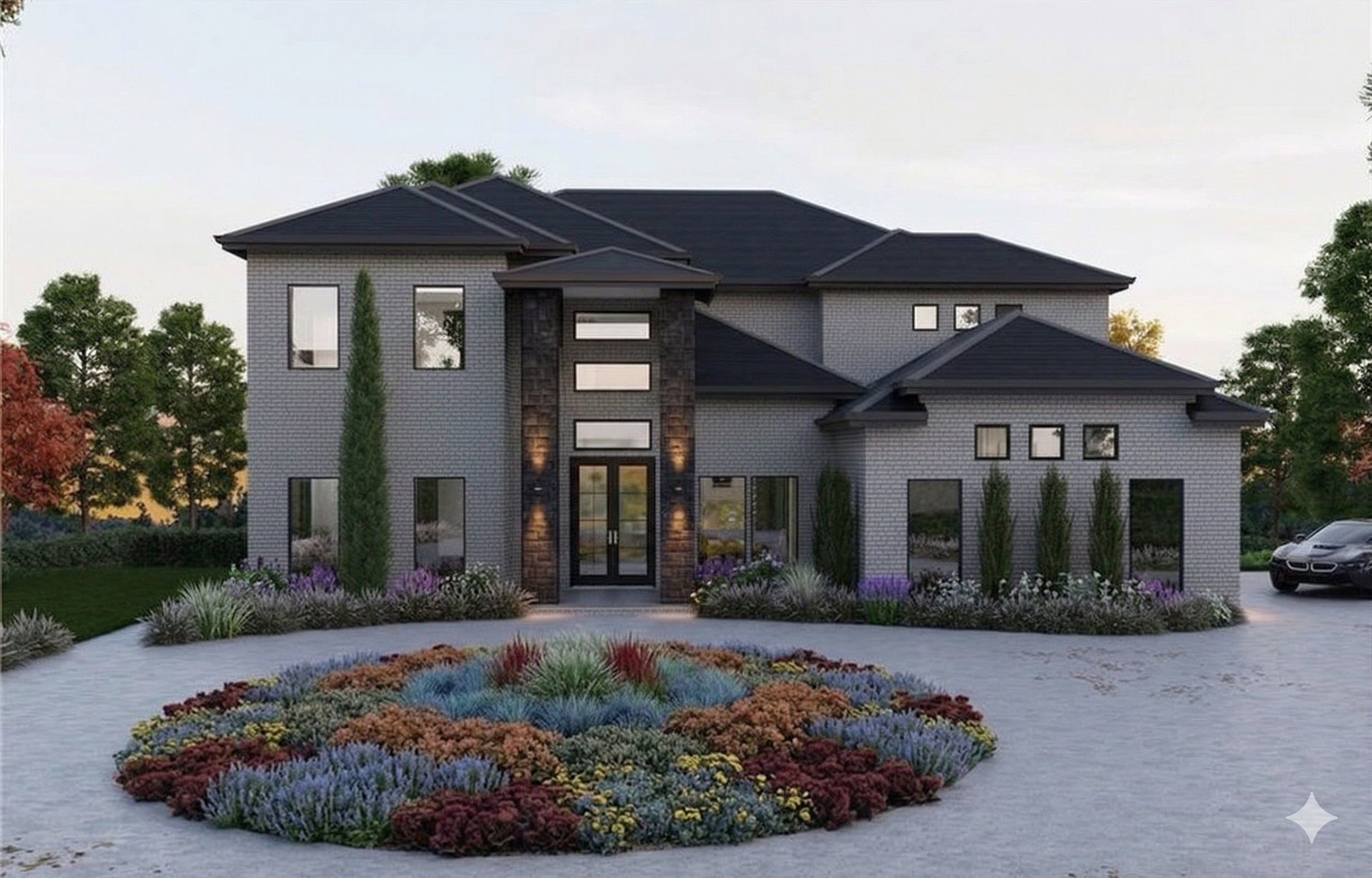
Understanding the Sub-Neighborhoods: What You're Actually Buying Into
Because Cascade covers a wide area, knowing which sub-neighborhood you're in matters more here than in a place like Smyrna or Duluth, where geography is more contained. Here's a working breakdown:
Cascade Heights is the historic core, bisected by Cascade Road from roughly the I-285 interchange area east toward the older city. Larger lots, brick homes built in the 1950s and 1960s, mature tree canopy, and the strongest concentration of the area's historic significance. This is where you'll find Cascade Springs Nature Preserve and the highest price points in the broader corridor.
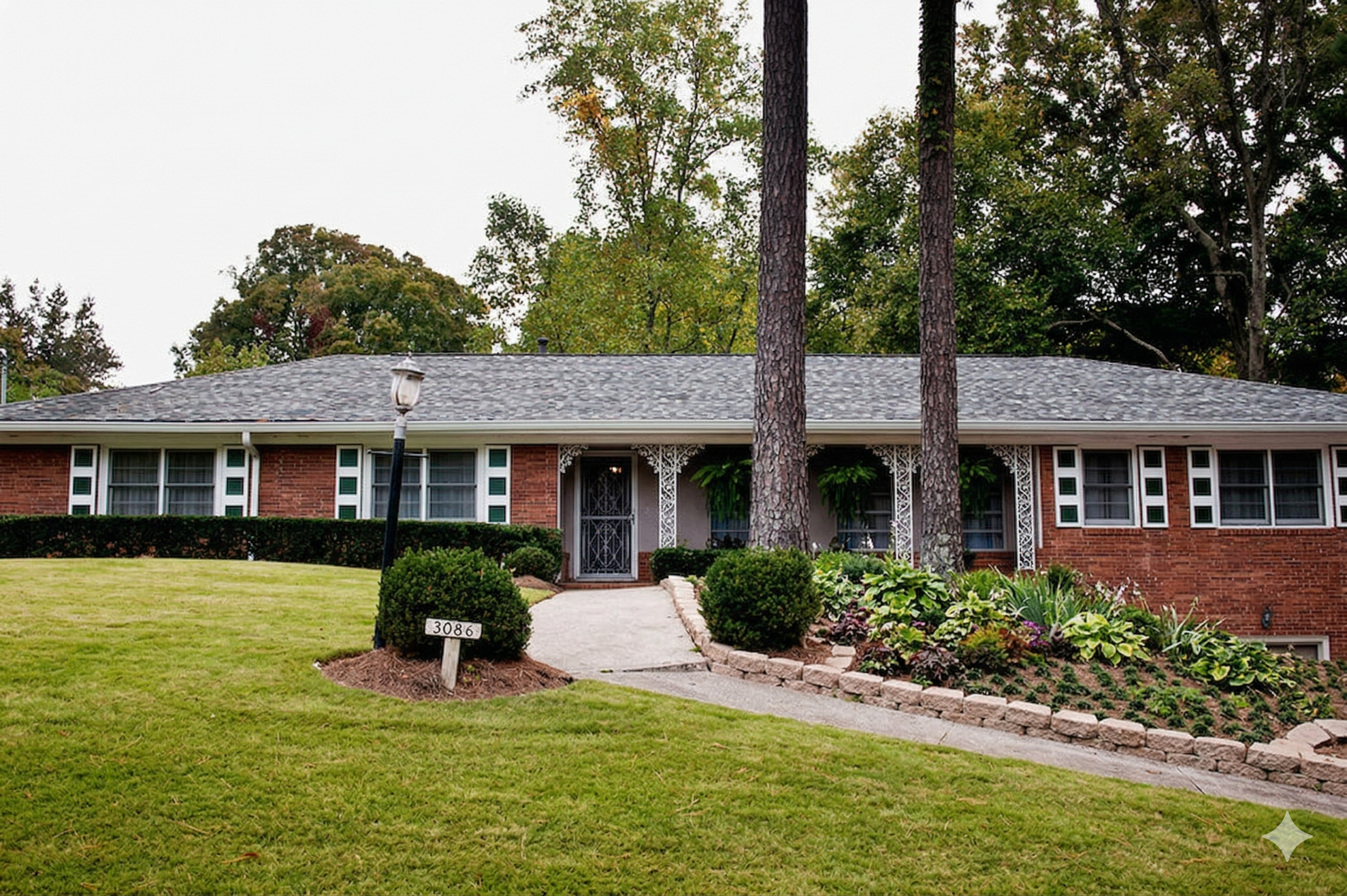
Beecher Hills sits northeast of Cascade Heights, at the corner of Cascade Road and Beecher Road. Known for midcentury brick ranches on solid lots, it shares proximity to Lionel Hampton-Beecher Hills Nature Preserve and has strong neighborhood association activity. Beecher Hills Elementary is the zoned elementary school.
Audubon Forest is named for the bird-named streets that run through it (Audubon, Oriole, Robin, Lark, and others) and for its genuine tree canopy density. The neighborhood is about 7 miles southwest of downtown and feels deliberately removed from the urban grid. Midcentury brick ranches on large lots, a clear neighborhood identity, and homes that have held value consistently. Median home prices in Audubon Forest have run around $465,000 over the past 12 months.
Adams Park is a smaller community adjacent to Beecher Hills. Classic postwar ranch and bungalow stock, established yards, and a quieter residential feel. The Centra Villa Drive corridor runs through it.
Venetian Hills sits near the Cascade Avenue end of the corridor, closer to West End. The housing stock here tends to be slightly older (1940s-1950s) and runs lower price points, with more opportunity for renovation buyers or investors looking for value.
Peyton Forest and West Manor are postwar subdivisions developed in the 1950s that became central to the Peyton Road Affair. Today they're established, tree-lined, and decidedly residential.
Midwest Cascade is technically west of I-285, in the city of South Fulton, though it's commonly grouped with the Cascade corridor. It runs along Cascade Road past the interstate and includes newer-built subdivisions from the 1990s and 2000s alongside some of the corridor's more affluent residential pockets, including Guilford Forest, a subdivision that has drawn some of Atlanta's most prominent residents.
Cascade Corridor Home Prices in 2026: What the Market Looks Like
The Cascade corridor is not a monolithic market. Prices vary meaningfully by sub-neighborhood, condition, lot size, and proximity to Cascade Road's commercial activity. Here is what the data shows as of early 2026, drawing from Redfin, Homes.com, and FMLS-based data:
Cascade Heights proper: Redfin's January 2026 data shows median home prices in Cascade Heights up 31.4% year-over-year, selling at a median of $460,000. This is a significant jump and reflects increasing demand in a corridor that has lagged behind intown price appreciation for years. List ranges in Cascade Heights span roughly $235,000 for unrenovated or smaller properties to $1.1 million-plus for larger estate-style homes on significant acreage.
Audubon Forest: Median sale price over the past 12 months approximately $465,000, up about 3% from the prior year. Days on market averaging 44 days. More stable appreciation pattern than the Heights proper.
Midwest Cascade: Redfin data from late 2025 showed a median in the $445,000 range, up approximately 31% year-over-year, with homes selling in about 52 days on average. Some homes in Midwest Cascade, particularly in Guilford Forest and other newer subdivisions, command $600,000 to $900,000 and beyond.
Cascade Heights (Homes.com, November 2025 data): Average sale price around $325,000, with a median in the $310,000-$350,000 range depending on the date window. This divergence from the Redfin figure reflects different data aggregation methods and geographic boundaries. Buyers should verify current numbers directly.
Price per square foot: Across the corridor, price per square foot generally runs in the $160-$220 range for standard renovated or well-maintained midcentury homes, with renovated premium properties pushing higher.
Days on market: Most sub-neighborhoods in the corridor are running 44-70 days on average. The area is not as competitive as the intown east side, but well-priced, well-presented homes move.
Key takeaway for buyers: The data sources don't always agree because they're drawing different geographic boundaries. Redfin and Homes.com may define "Cascade Heights" differently. I track actual sale prices in the MLS. If you're serious about this market, reach out and I'll give you current numbers based on what's actually closing.
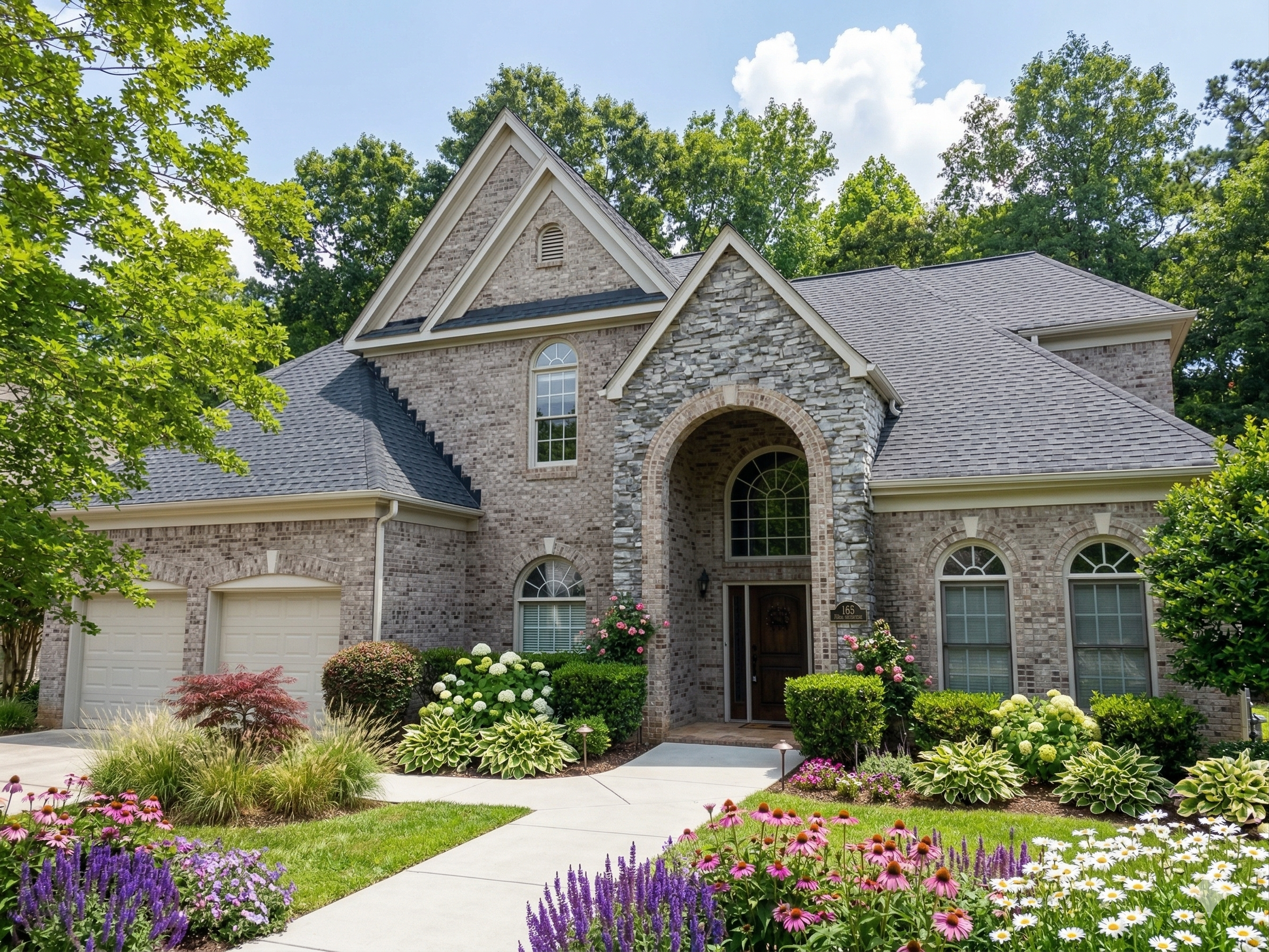
What You Get for the Money: Price Tiers in the Cascade Corridor
Under $300,000: Unrenovated ranches and older bungalows, primarily in Venetian Hills, Cascade Avenue, and sections of Cascade Heights proper. Typically 1,000-1,400 square feet, original kitchens and baths, full lots, often four-sided brick. These are renovation-ready properties for buyers who want to build equity or investors who know what they're doing.
$300,000 to $425,000: This is where the volume sits. Renovated ranches in Beecher Hills and Adams Park, three-bedroom brick homes with updated kitchens, 1,400-2,000 square feet, often with carports or detached garages. Some unrenovated four-bedroom homes on larger lots fall in this range as well.
$425,000 to $600,000: Updated or newer-built homes throughout Cascade Heights and Audubon Forest. Four-bedroom ranches with basements, updated kitchens and primary suites, mature landscaping. Some two-story traditional homes and split-levels in this range. Lyndhurst Acres has had properties in this tier, including a 4-bedroom, 3.5-bath home at 3,114 square feet listed at $485,000. A fully renovated four-sided brick ranch on Ardley Road at approximately 3,500 square feet sits in this range as well.
$600,000 and above: Midwest Cascade's Guilford Forest subdivision and a handful of estate-scale properties in the Cascade Heights core. Five-bedroom, four-bath traditional homes with two-story foyers, 4,000-5,000-plus square feet, established HOA communities. The top of the corridor pushes $1 million and above for the largest estate properties on acreage lots.
For buyers coming from intown east-side neighborhoods like Kirkwood or East Atlanta, the square footage and lot size you get per dollar in the Cascade corridor is noticeably better. The tradeoff is transit access and walkability, which I'll cover in the commute section.
Getting Around: Commute Times and Transportation Realities
The Cascade corridor is a car-dependent area. Walk Score for Cascade Heights proper runs around 20 out of 100. If you're coming from a neighborhood where you walk to coffee, that's a real adjustment. Most daily errands require a car.
That said, the highway access is genuinely good:
Downtown Atlanta: From the core of Cascade Heights or Audubon Forest, downtown is approximately 15-20 minutes off-peak via I-20 or surface streets. During morning rush (7-9 AM), expect 25-40 minutes depending on your specific starting point and route. Surface streets via Benjamin E. Mays Drive to I-20 or Cascade Road to Northside Drive are the main options. I-285 gives you access to I-20 quickly from the western corridor.
Midtown: 20-30 minutes off-peak. Add 10-20 minutes during rush depending on 75/85 conditions.
Hartsfield-Jackson Atlanta International Airport: This is one of the corridor's strongest logistical advantages. The airport is approximately 10-15 minutes from most of Cascade, closer for Midwest Cascade buyers near I-285. If you travel frequently for work, this location cuts significant time compared to Midtown, Buckhead, or intown east-side neighborhoods.
Perimeter (Dunwoody/Sandy Springs): 25-40 minutes off-peak via I-285 north. During peak, 45-60 minutes is realistic.
MARTA: Bus service runs along Cascade Road and through parts of the corridor, including routes along Beecher Road and Benjamin E. Mays Drive. The nearest heavy-rail MARTA stations are West End (Green Line) and the Airport Station. West End is accessible via surface streets in roughly 10-15 minutes. Midwest Cascade is served by MARTA buses along Cascade Road, Danforth Road, and New Hope Road. This is not a transit-primary corridor, but it is not transit-absent either.
Honest summary: Cascade works well for buyers who drive. If you're working downtown or near the airport, the commute is genuinely manageable. If you're commuting to Alpharetta, Dunwoody, or anywhere north of the Perimeter, budget for 45-60 minutes each way and plan accordingly.
The Cascade Road Corridor: Dining, Local Businesses, and Daily Life
The Cascade Road business corridor has transformed more in the past decade than in the two decades before it. What was once a stretch dominated by chain fast food and auto repair has added a serious independent dining and retail scene anchored by the Cascade Business Association.
Here are the businesses and institutions that actually define the corridor today:
Gocha's Breakfast Bar (Cascade area): Celebrity chef Gocha Hawkins runs one of Atlanta's most talked-about brunch spots on the corridor. Grit cakes, salmon croquettes, shrimp skillets. Lines on weekends.
Oreatha's At The Point (2287 Cascade Rd SW): Fine dining on the corridor from a team with serious culinary credentials. Open Wednesday through Saturday. Dinner-focused with a rotating menu of elevated Southern-influenced cuisine.
Baltimore Crab and Seafood (Cascade and Fairburn Road): A full-service seafood restaurant that's been a neighborhood anchor for over a decade, opened by owner Shema Fulton after a conversation with Magic Johnson about the underserving of Southwest Atlanta's restaurant market. Lobster and shrimp fried rice, kale with smoked turkey. A genuine neighborhood favorite.
Buzz Coffee and Winehouse (corner of Cascade and Beecher Road): Coffee and wine bar with monthly tastings, Saturday yoga, a quarterly book club. Known for affordable by-the-glass wine from family-owned vineyards and a deliberately community-centered model.
Cafe Bartique (2315 Cascade Road): Coffee and wine bar with live music on Friday evenings.
Spice House Cascade: Caribbean and Jamaican food on the corridor. Rasta pasta, rum punch.
Big Daddy's Cafe: Long-running soul food spot. The real thing.
Blaze Steak and Seafood: Steak and seafood restaurant that has built a following in the corridor.
JR Crickets Cascade: Live music, trivia nights, and line dancing. A neighborhood social anchor.
The Beautiful Restaurant: A Cascade institution since 1979. Home-cooked Southern food, open most days, the kind of place that stays busy because it has been busy for 40-plus years.
Bosk: A newer restaurant on the corridor with a menu named after local Atlanta references. Peach cobbler egg rolls with ice cream. The Cascade burger.
Blake's Oyster Bar: Creole, Cajun, and Southern cooking. One of OpenTable's top-rated spots in the Cascade area.
For grocery and retail, the corridor has a Kroger, a Walmart within a few miles, and access to Greenbriar Mall at 2841 Greenbriar Parkway SW, a community shopping center that serves the corridor's daily retail needs. The Home Depot is approximately 3 miles from Audubon Forest.
The Cascade Business Association (cascadeba.com) operates as an active business development and community support organization. The CBA runs corridor improvement projects, a business directory, and seasonal community events including a holiday market and outdoor programming on the Natalie Bianca Patio green space.
Parks, Green Space, and Outdoor Recreation
This is where the Cascade corridor genuinely separates itself from comparable-price Southwest Atlanta neighborhoods. The area is, as Historic Cascade Heights describes it, a community in a park: more than 600 acres of green space within and adjacent to the residential neighborhoods.
Cascade Springs Nature Preserve: The anchor of the corridor's outdoor assets. A 125-acre forested park within Atlanta's city limits, one of the oldest old-growth forests remaining in Atlanta. The preserve features a 1.6-mile trail, three artesian springs, a waterfall, a moss-covered 19th-century springhouse, and Utoy Creek running through it. The park was established in 1979 after a coalition of local residents, primarily women, organized to prevent the land from being developed. The preserve also contains visible earthworks from the 1864 Battle of Utoy Creek, fought during General Sherman's Atlanta Campaign, when Union forces attempting to encircle the city from the southwest encountered Confederate defenders here. The Union suffered approximately 850 casualties in that engagement. The earthworks and signage in the park are a place to reckon with that history, not a scenic backdrop. The 2020 Cascade Springs Glade project added a new trailhead plaza, pedestrian connections, and improved boardwalk access. Dogs are welcome on leash; biking is prohibited to protect the trails.
Lionel Hampton-Beecher Hills Nature Preserve: Over 100 acres, accessible from the Beecher Hills side of the corridor. Trails connect to Atlanta's BeltLine network. The preserve contains three of Atlanta's designated champion trees (the city's largest trees of their species). Trail access to the citywide BeltLine loop from this location is a significant amenity.
John A. White Park: Multi-use park with a swimming pool, golf course, and playground. A community hub for recreation.
Alfred Tup Holmes Golf Course and Driving Range: Golf on the southwest side. The Cascade Road Driving Range is located at 3520 Cascade Road at I-285.
Lionel Hampton Trail: Multi-use trail near the commercial core, connecting residential neighborhoods to the park system.
The combination of two significant nature preserves, a golf course, a swimming pool, and BeltLine trail access, all within a few miles of each other in a single southwest Atlanta corridor, is not something buyers typically expect. It changes the daily life calculation for anyone who factors outdoor access into where they want to live.
Schools in the Cascade Corridor: Atlanta Public Schools
The Cascade corridor is served by Atlanta Public Schools (APS). School attendance zones vary by specific address, and zoning should always be verified for the specific property you're considering.
Here are the primary public school pathways for the corridor:
Kimberly Elementary School: Serves parts of Cascade Heights. Part of the Atlanta Public Schools district.
Beecher Hills Elementary School: Serves Beecher Hills, Audubon Forest, and surrounding areas. Niche grade: B-. Student-to-teacher ratio: 10:1.
West Manor Elementary School: Serves parts of the corridor. Niche grade: C+. Student-to-teacher ratio: 10:1.
Bunche Middle School: Serves portions of the corridor.
Jean Childs Young Middle School: Serves the Audubon Forest and Beecher Hills area. Enrollment over 870 students.
Therrell High School: Serves portions of Cascade Heights. Offers an International Baccalaureate (IB) program and career and technical training programs. Niche grade: C.
Benjamin E. Mays High School: Serves Beecher Hills, Audubon Forest, and surrounding areas. Named for Dr. Benjamin E. Mays, the legendary Morehouse College president and civil rights educator whose influence on Atlanta's educational and civic life spans generations. Niche grade: C. Student-to-teacher ratio: 12:1 to 16:1 depending on source. The school offers the Global Explorers program for students studying French or Spanish, including spring break immersion trips to France and Spain.
Atlanta Public Schools offers school choice options beyond the zoned school, and many families in the corridor exercise those options, including IB and GATE (Gifted and Talented) program access at various schools across the district. Private and selective charter school options are available throughout Atlanta. Clark Atlanta University and Spelman College, both historically Black universities, are within 6 miles of the corridor.
Always verify zoning by specific property address. Research and visit schools to determine fit for your family.
The Historical Weight of the Cascade Corridor
I want to be direct about this because it's part of what makes this area what it is, and buyers who come in without this context are missing something important.
The Cascade Heights corridor has been a center of Black professional, intellectual, and civic life in Atlanta for over 50 years. Former Atlanta mayor Maynard Jackson, the city's first Black mayor, lived here. Andrew Young, former UN Ambassador and Atlanta mayor, lived here. Former mayor Shirley Franklin lived here. Baseball legend Hank Aaron lived here. Dr. Benjamin Mays, whose ideas shaped Martin Luther King Jr.'s worldview, is connected to this community. Dr. Hamilton Holmes, one of the two Black students who integrated the University of Georgia in 1961, lived here.
That history did not happen by accident. It happened in direct response to systematic exclusion, to the Peyton Road barriers, to blockbusting, to decades of redlining that shaped what financial institutions would lend on and where. The properties that were built here, the schools, the churches, the businesses, represent investment and community-building that happened in a context of deliberate disinvestment by the broader city and lending institutions.
Buyers who understand this history understand why the corridor's current momentum is not a surprise. This has always been a place with infrastructure, civic identity, and ownership equity. What's shifting now is that the rest of Atlanta is beginning to price people toward it, and that dynamic is worth watching.
Nearby Neighborhoods: How Cascade Compares
Cascade vs. West End / Adair Park
West End and Adair Park, which I've covered in dedicated posts, sit northeast of the Cascade corridor along the Westside BeltLine Trail. Both areas offer historic Craftsman bungalow stock from the early 20th century, BeltLine-direct access, and price points that have been rising sharply as the BeltLine's Westside Trail activates development. West End and Adair Park are better for walkability and transit access; Cascade offers more lot size, more mature tree cover, and stronger park access. If being within walking distance of the BeltLine is a priority, Adair Park is the better fit. If square footage on land matters more, Cascade tends to win. You can read our full Adair Park neighborhood guide.
Cascade vs. East Atlanta / Grant Park
East Atlanta and Grant Park are intown east-side neighborhoods with BeltLine proximity, strong walkability, active nightlife corridors, and price points that have climbed significantly over the past decade. Median prices in East Atlanta and Grant Park now regularly exceed $450,000-$550,000, with less square footage and smaller lots than you'll find in the Cascade corridor. If budget is a driving constraint and you need more space, Cascade offers a better value calculation. If you want East Atlanta's walkability and restaurant density, you're going to pay for it and accept the tradeoffs in lot size.
Cascade vs. College Park / East Point
College Park and East Point, both south of the corridor along the airport corridor, offer entry-level price points, airport proximity, and access to MARTA's airport line. They're distinct markets with their own dynamics. College Park has been benefiting from significant investment in its historic downtown and its proximity to Tyler Perry Studios. Cascade generally offers more established housing stock and a more developed business corridor than either city, at a somewhat higher price point.
Cascade vs. Westview / Oakland City
Westview and Oakland City are neighborhoods on the BeltLine's Westside Trail with older housing stock, historically lower price points, and increasing buyer interest as the BeltLine extends. They're smaller, more walkable neighborhoods with strong community organizations. Cascade is larger, more car-dependent, and offers more land and park space. Westview in particular has drawn significant renovation activity in recent years.
Streets and Subdivisions in the Cascade Corridor
The corridor's streets reflect its history: some named for early settler families who owned and farmed the land (Willis Mill Road, Dodson Drive, Herring Road, Childress Drive), others renamed over time (Sewell Road became Benjamin E. Mays Drive, honoring the educator and civil rights figure).
Cascade Road SW is the spine, running from the I-285 interchange area east toward the older city limits. Commercial activity concentrates between the Beecher Road intersection and the Greenbriar Parkway area.
Benjamin E. Mays Drive SW is a major residential and transit corridor running through Audubon Forest and Beecher Hills, with bike lanes and sidewalks. Named for the Morehouse College president who shaped Atlanta's educational leadership for decades.
Beecher Road SW intersects Cascade at the Buzz Coffee and Winehouse corner and runs through Beecher Hills. The Cascade-Beecher intersection has become one of the corridor's more active spots.
Delowe Drive SW and Willis Mill Road SW define the southern edges of Cascade Heights proper, running through residential areas with established tree canopy.
Veltre Place and Veltre Estates: A newer subdivision (circa 2006) within the corridor offering contemporary single-family homes at higher price points, typically $375,000 and above.
The Cascades (subdivision): Built around 1999, this is one of the corridor's planned suburban-style communities with structured lots and architectural consistency. Starting prices historically around $375,000.
Guilford Forest: A subdivision in Midwest Cascade (west of I-285, technically in South Fulton) that has historically drawn prominent residents. Larger homes, established HOA structure, higher price points.
Regency Park: A subdivision in Midwest Cascade known for well-maintained homes, community amenities including a clubhouse, pool, playground, and tennis, on larger lots.
Reunion (subdivision): Located in the Midwest Cascade area, ranch-style and single-story homes in a planned community setting.
Lyndhurst Acres: An established community within the corridor with traditional-style homes, some with basements, and a reputation for being one of the more quietly attractive sub-communities in the Cascade area.
Peyton Forest and West Manor: The post-World War II subdivisions that carry the weight of the Peyton Road history. Now fully residential, with 1950s-era ranch stock and established lots.
Audubon Forest's bird-named streets: Audubon Drive, Oriole, Lark, Robin, and others give this sub-neighborhood its identity. The name references Atlanta's designation as a "City in the Forest," and the streets deliver on it.
Who Is Cascade Right For?
The Cascade corridor tends to be the right fit when:
You need more square footage and lot size than your budget can get you on the east side of the city, and you're willing to drive for most daily errands. The value calculation in Cascade is real: a $400,000 budget gets you a renovated four-bedroom brick ranch on a full lot in Beecher Hills or Audubon Forest. The same budget in Kirkwood or East Atlanta gets you a smaller footprint with less outdoor space.
You travel frequently from Hartsfield-Jackson. The airport is 10-15 minutes away. If you're on a plane every week, this location saves you genuine time and stress over the course of a year compared to living north of the city.
You want an established intown neighborhood with actual trees, actual lots, and actual neighbor relationships, and you don't need to be able to walk to a coffee shop. The Cascade corridor's urban forest is real. The mature canopy throughout Audubon Forest, Beecher Hills, and Cascade Heights proper is one of the densest inside the city limits.
You're drawn to neighborhoods with a defined civic identity and a real business community investing in its own corridor. The Cascade Business Association is active. The restaurant corridor is not just starting out; it has been building for a decade and has genuine institutions.
You're an investor or renovation buyer who understands how to read the data. Unrenovated properties in the lower price tiers, particularly in Venetian Hills and sections of Cascade Heights, offer renovation upside in a market that has been appreciating.
Think carefully about Cascade if: walkability is a primary lifestyle priority. You will drive for most things. If the BeltLine trail is central to your daily life vision, Adair Park or West End will serve you better. Also think carefully about commute direction. If your job is in Alpharetta, Duluth, or Gwinnett, the Cascade corridor puts you on the wrong side of Atlanta for morning rush hour.
Frequently Asked Questions About Living in Cascade Atlanta
What are home prices in the Cascade Atlanta area in 2026?
The range is wide because the corridor covers multiple distinct sub-neighborhoods. Entry-level unrenovated ranches start below $300,000 in areas like Venetian Hills. Renovated three- and four-bedroom brick ranches in Beecher Hills and Audubon Forest run $350,000-$500,000. Newer or larger homes in Cascade Heights and Midwest Cascade's Guilford Forest push $600,000-$900,000. Cascade Heights median prices were up over 30% year-over-year in January 2026, with a reported median around $460,000 on Redfin's data. Verify current numbers with me directly for the sub-neighborhood you're targeting.
How far is Cascade from downtown Atlanta?
From the core of Cascade Heights or Audubon Forest, downtown is approximately 15-20 minutes off-peak by car. During morning rush hour, budget 25-40 minutes. There's no direct MARTA rail connection; the nearest stations are West End (Green Line), accessible via surface streets in about 10-15 minutes.
Is Cascade Atlanta a good investment?
The corridor has seen significant year-over-year appreciation in 2025-2026, with Cascade Heights and Midwest Cascade both reporting 30%-plus increases in median prices. Buyers who bought unrenovated stock in Cascade Heights or Audubon Forest two to three years ago have generally done well. The combination of intown location, improving business corridor, and price points still below comparable east-side neighborhoods suggests continued demand. That said, I'd rather give you a direct analysis of a specific property and price point than a blanket answer on investment potential.
What schools serve the Cascade area?
Atlanta Public Schools serves the corridor. Elementary schools include Beecher Hills Elementary (B-), West Manor Elementary (C+), and Kimberly Elementary. Middle schools include Jean Childs Young and Bunche. High schools include Benjamin E. Mays (offers Global Explorers program for French and Spanish students) and Therrell (IB program). APS school choice options are available across the district. Always verify zoning by specific property address. Research and visit schools to determine fit for your family.
What is there to do in Cascade?
More than most people expect. Cascade Springs Nature Preserve (125 acres, waterfall, springs, old-growth forest), Lionel Hampton-Beecher Hills Nature Preserve (100-plus acres, BeltLine trail access), John A. White Park (pool, golf course, playground), Alfred Tup Holmes Golf Course and driving range, a restaurant corridor that includes Gocha's Breakfast Bar, Oreatha's At The Point, Baltimore Crab and Seafood, Buzz Coffee and Winehouse, Blaze Steak and Seafood, Spice House Cascade, and Bosk, among others. Greenbriar Mall for retail. The Cascade Business Association runs seasonal community events.
How long does it take to get to the airport from Cascade?
Approximately 10-15 minutes from most of the Cascade corridor, closer for Midwest Cascade buyers near I-285. This is one of the corridor's strongest logistical advantages for frequent travelers.
What kind of homes are in Cascade Atlanta?
Primarily four-sided brick construction, built primarily in the 1950s and 1960s. Ranch style and split-level are the most common formats. Lots tend to be larger than what you find in intown east-side neighborhoods. Some areas have newer construction from the 1990s and 2000s (Veltre Estates, The Cascades, Guilford Forest). Basement homes are common in parts of Cascade Heights. The overall housing stock is well-built midcentury construction that responds well to renovation.
Is Cascade Atlanta walkable?
No. Walk Score for Cascade Heights runs around 20 out of 100. Almost all daily errands require a car. MARTA bus service runs along the main corridors, and BeltLine trail access is available via Lionel Hampton-Beecher Hills Nature Preserve, but the corridor is car-oriented. Buyers prioritizing daily walkability should look at Adair Park, West End, or the intown east-side neighborhoods instead.
How does Cascade compare to East Atlanta or Grant Park for price?
Cascade generally offers more square footage and lot size per dollar than East Atlanta or Grant Park. The tradeoff is walkability, transit access, and the kind of dense restaurant corridor you can walk to from home. In East Atlanta and Grant Park, median prices now run well above $450,000-$550,000, often for smaller footprints on smaller lots. In Cascade, $450,000 typically gets you a renovated four-bedroom brick ranch with a real yard.
What is Cascade Springs Nature Preserve?
A 125-acre old-growth forest within Atlanta's city limits, featuring a 1.6-mile trail, three artesian springs, a waterfall, a historic springhouse, and Utoy Creek. The preserve also contains earthworks from the 1864 Battle of Utoy Creek during Sherman's Atlanta Campaign, where Union forces engaged Confederate defenders and sustained approximately 850 casualties in the effort to encircle Atlanta. The preserve was established in 1979 through the organizing efforts of local residents, primarily women, who prevented the land from being developed. It is one of the most significant natural amenities within Atlanta's city limits.
Is there new development happening in Cascade?
Yes. The Cascade Road corridor has seen ongoing commercial investment through the Cascade Business Association, including corridor improvements along Cascade Road from city limits to Willis Mill Road and along Delowe Drive to Avon Avenue. The Point at Cascade development at 2287 Cascade Road houses Oreatha's and other tenants. New residential construction and renovation activity is ongoing in the sub-neighborhoods. Midwest Cascade continues to see demand for larger-format homes in Guilford Forest and similar communities.
What zip codes cover the Cascade area?
The primary zip codes are 30311 (Cascade Heights, Beecher Hills, Audubon Forest, Adams Park) and 30331 (Midwest Cascade and areas west of I-285). Some areas on the eastern edge of the corridor overlap into 30310.
Who are some notable former residents of Cascade Heights?
Maynard Jackson, Atlanta's first Black mayor. Andrew Young, former UN Ambassador and Atlanta mayor. Shirley Franklin, former Atlanta mayor. Hank Aaron, baseball legend. Dr. Benjamin Mays, Morehouse College president and educator. Dr. Hamilton Holmes, one of the two students who integrated the University of Georgia. The corridor's civic history is directly connected to the people who built institutional Atlanta in the second half of the 20th century.
The Bottom Line on Cascade Atlanta
I'm direct with every buyer I work with about what a neighborhood delivers and what it doesn't. Cascade is not the right answer for everyone. If you need to walk to coffee, if you need MARTA rail at the end of the street, if your commute runs north, the tradeoffs are real.
But if you're looking for an established intown Atlanta neighborhood with genuine lot size, old-growth trees, a business corridor with actual momentum, a meaningful civic history, and price points that still make financial sense relative to east-side alternatives, Cascade is a serious option that deserves a serious look. The year-over-year appreciation data is not an accident. Buyers who have been watching this corridor for the past three years have not been wrong.
I've worked with buyers throughout Metro Atlanta for nearly a decade, and I know this corridor well. If you're considering Southwest Atlanta and you want an honest conversation about what's available, what the data actually shows, and whether Cascade fits what you're looking for, reach out.
Visit kristenjohnsonrealestate.com or contact me directly.
Come as you are, come on home.
Looking for more Metro Atlanta neighborhood guides? I've covered the Westside and Southwest Atlanta clusters, including West End, Adair Park, Summerhill, East Atlanta, Old Fourth Ward, and Grant Park. Browse the full guide series at kristenjohnsonrealestate.com.