

Relocating to Atlanta in 2026: Where to Live & How to Find the Right Agent

If you're relocating to Atlanta in 2026, the first thing I want to tell you is this: Metro Atlanta is not one place. It's more than 6 million people spread across 29 counties, dozens of distinct cities, and hundreds of neighborhoods that have almost nothing in common with each other except a shared airport. What you're looking for, and what you can afford, will determine where you should actually be looking. The zip code someone else recommends may be 40 minutes from your job, your kid's school, or the lifestyle you're building.
I work with buyers across Metro Atlanta, including a steady stream of relocation clients, many of them sight-unseen. I've helped people move here from New York, Los Angeles, Washington D.C., Chicago, and everywhere in between. Some had done months of research before calling me. Some called me from the airport. All of them needed the same thing: someone who could cut through what the internet says and tell them what's actually true on the ground.
Nearly a decade helping Atlanta buyers means I've learned where the Zillow description matches reality and where it doesn't. I know which suburbs have 45-minute rush-hour commutes that nobody puts in the listing. I know which intown neighborhoods are mid-renovation and which have already peaked. I know what $400K actually buys you in Alpharetta versus what it buys you in Smyrna, and why those two answers are completely different conversations.
Here's what you need to know.
Why People Are Still Relocating to Atlanta in 2026
The national migration story has gotten complicated. Atlanta saw net domestic outflows in the most recent Census data, a notable shift after decades of consistent population growth. Escalating home prices, traffic congestion, and a constrained housing supply have all contributed to that shift. Some of the people who were priced into Atlanta from coastal cities have since moved on to smaller metros.
But here's the part that headline misses: people are still relocating here every single day, and they're doing it for reasons that haven't changed. Atlanta is home to Delta Air Lines, The Home Depot, Coca-Cola, UPS, Cox Enterprises, Emory Healthcare, Northside Hospital, the Centers for Disease Control and Prevention, and well over 75% of Fortune 1000 companies with a presence in the region. The healthcare sector added over 23,000 jobs in the most recent reporting period, growing at 5.3% compared to a national rate of 3.3%. Technology and film production continue to draw workers from markets where the same roles pay similarly but housing costs twice as much.
New York, Los Angeles, and Washington D.C. remain the top three metro areas where relocating buyers are searching for Atlanta homes, according to Redfin's most recent data. Those aren't people moving here on a whim. They're professionals accepting transfers, people following job offers, remote workers making intentional lifestyle decisions, and families who've done the math on what $600K buys here versus what it buys where they're leaving.
The FIFA World Cup is coming to Atlanta in 2026, with matches at Mercedes-Benz Stadium. Infrastructure investment tied to that event has been ongoing for two years. The Beltline continues its expansion, with the Westside Trail and Southside Trail segments adding new connectivity. The city is still building, still growing, and still very much in the middle of its long arc of transformation.
If you're relocating here, you're not late. You're arriving in a moment that requires more homework than it did five years ago, and the homework is worth doing.
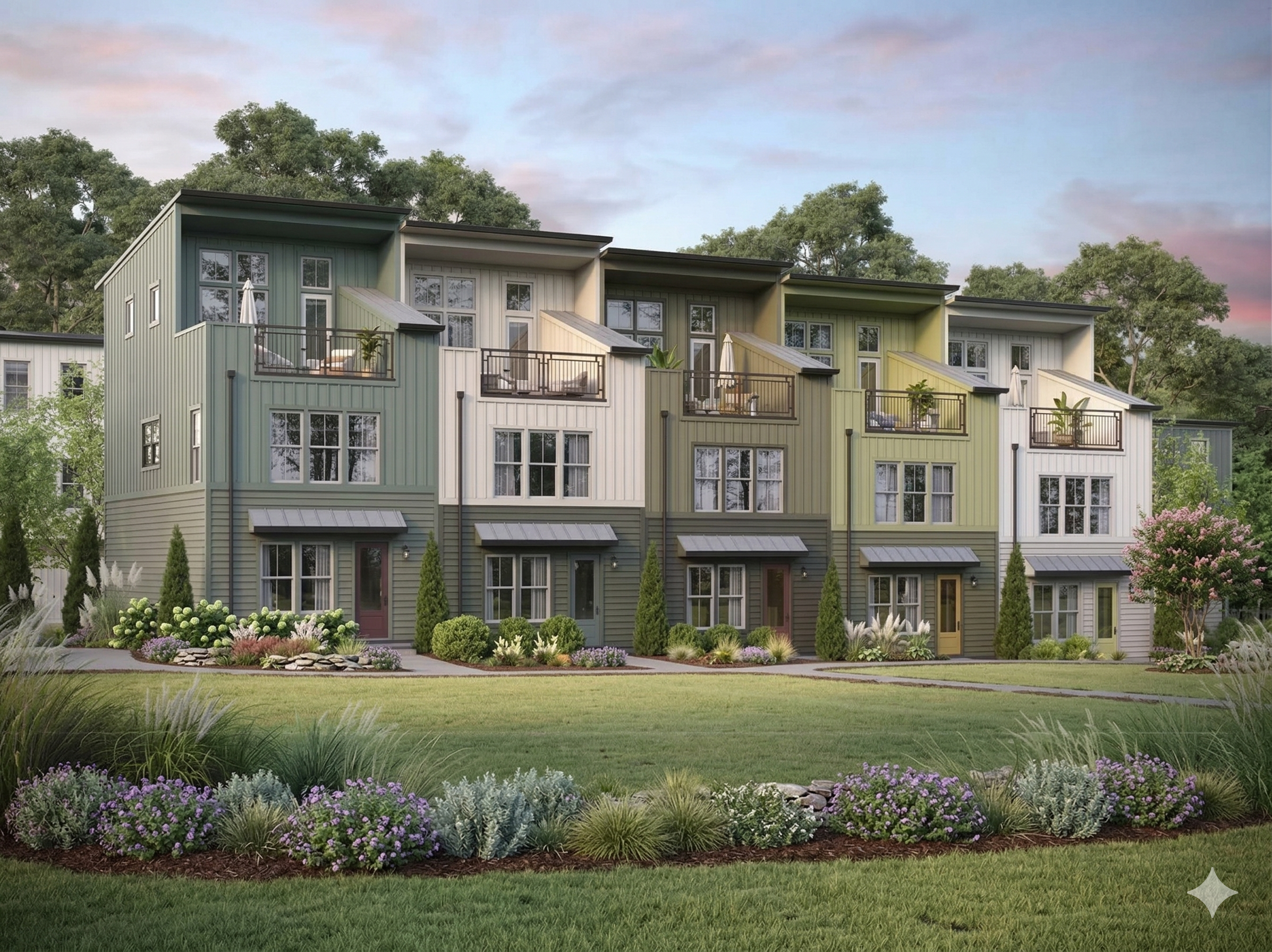
What the Atlanta Market Looks Like Right Now
Before we get into where you should live, let me give you the honest market picture heading into 2026.
The median home price in Metro Atlanta was approximately $411,000 as of late 2025, according to the Atlanta REALTORS® Association. The median listing price across the Atlanta-Sandy Springs-Roswell metro area was around $404,000 in February 2026, per FRED data from Realtor.com. Depending on the source and geographic scope, you'll see figures ranging from the high $370s to the mid-$400s. What that range tells you is that the metro is not one market. A $380,000 home in the City of Atlanta proper is a completely different transaction than a $380,000 home in Alpharetta or East Cobb.
Days on market have increased. Homes in Atlanta proper averaged 83 days on market as of early 2026. Inventory has grown. Sellers who priced aggressively in 2022 and 2023 have had to adjust. Price reductions are more common than they were two years ago. The sale-to-list ratio was around 97%, meaning most homes are selling below asking price, not above it.
For relocation buyers, this shift is meaningful. You have more time. You have more negotiating room. You are not competing in a bidding war environment in most price ranges and most neighborhoods. The pressure that made sight-unseen purchases feel so risky has eased considerably.
Mortgage rates remain a factor. The most recent forecasts suggested rates averaging around 6.1% through 2026. That's not the sub-4% environment buyers remember from before 2022, and it's pricing some households out of certain price points. But it's also stable enough to plan around. If you're relocating for a job with a relocation package, talk to your HR team about assistance programs before you start shopping. Many corporate packages include closing cost contributions or rate buydowns that change your calculus significantly.
Always verify current data with me directly. Markets move faster than blog posts update, and the number that matters is the one at the moment you're ready to make an offer.
The Most Important Thing Nobody Tells Relocation Buyers
Metro Atlanta looks different on a map than it feels in real life.
Buckhead and Alpharetta appear close together on Google Maps. So do Decatur and Lawrenceville. In reality, those pairs represent completely different commutes, completely different county tax structures, completely different school districts, and completely different lifestyle profiles. Driving distance in Atlanta is measured in rush hours, not miles.
The metro runs on a few major corridors. I-285, the perimeter highway that loops around the city, is both a boundary and a reference point. People say "inside the perimeter" (ITP) and "outside the perimeter" (OTP) the way other cities say "downtown" and "suburbs." ITP neighborhoods tend to be more walkable, more densely developed, older housing stock, higher price per square foot, and closer to the Beltline and MARTA. OTP suburbs tend to offer larger homes, newer construction, lower price per square foot, and school districts that many families prioritize.
Neither is better. They serve different people.
MARTA, the regional transit system, is not a system that works for everyone. It has two rail lines (the Red/Gold north-south line and the Blue/Green east-west line) that serve a meaningful portion of intown Atlanta and a few key suburban hubs like the Airport, Doraville, and Chamblee. If your office is on the MARTA line, transit-oriented living is genuinely viable. If your office is in Kennesaw, Cumming, or Peachtree City, you're driving.
Traffic on I-285, I-85, I-75, and GA-400 during peak hours is not what you experienced during a weekend visit or a Google Maps estimate. I tell all my relocation clients to do the actual commute test, at 7:30 in the morning, before they commit to a neighborhood. It changes what people decide.
Intown Atlanta: For Buyers Who Want Walkability, Beltline Access & Proximity
Intown Atlanta is a shorthand for a collection of neighborhoods inside or just inside I-285 that tend to be walkable, transit-adjacent, culturally engaged, and historically significant. The Beltline is the connective tissue. It's a 22-mile ring of multi-use trails built on old railway corridors that links neighborhoods from Eastside to Westside and everything in between.
For relocation buyers, intown is the answer when the job is in Midtown or Downtown, when walkability is non-negotiable, when the buyer wants to be able to walk to dinner and not own a car for weekend errands.
Price ranges vary considerably. Here's an honest overview of the major intown neighborhoods:
Old Fourth Ward is the neighborhood most people mean when they picture Atlanta's intown renaissance. Ponce City Market, the BeltLine Eastside Trail, and a dense corridor of restaurants along North Avenue anchor it. Median prices run $500,000 to $700,000+. See the Old Fourth Ward guide.
Grant Park is one of Atlanta's oldest historic neighborhoods, built around a 131-acre city park and Zoo Atlanta. Victorian-era homes, a walkable main street on Memorial Drive, and BeltLine access on the Southside Trail make it a consistent draw. Median prices run $350,000 to $550,000. See the Grant Park guide.
East Atlanta is the neighborhood for buyers who want intown access without paying Old Fourth Ward prices. Independent restaurants, a music venue corridor, and a neighborhood feel that's less polished and more community-driven. Median prices typically run $300,000 to $475,000. See the East Atlanta guide.
Kirkwood, Candler Park, and Lake Claire are the walkable eastside neighborhoods that consistently attract buyers who want tree-lined streets, bungalow and craftsman architecture, proximity to the Eastside Trail, and elementary schools within walking distance. All three are priced similarly, with median sales generally in the $500,000 to $750,000 range for single-family homes.
Edgewood and Reynoldstown sit close to the Eastside Trail, with more affordable entry points than Old Fourth Ward. Active retail corridors on Moreland and Flat Shoals. Median prices in the $350,000 to $500,000 range.
Inman Park is one of the city's most-preserved Victorian neighborhoods, with Inman Park MARTA station, the Freedom Trail, and a walkable commercial corridor. Single-family homes regularly exceed $700,000. For the price, buyers get some of the most architecturally significant housing stock in the metro.
Adair Park anchors the Westside Trail and offers a BeltLine-connected entry point at a lower price point than most intown neighborhoods. See the Adair Park guide.
Summerhill is one of Atlanta's most active redevelopment corridors. The Georgia Avenue corridor, minutes from Braves country and the BeltLine, has seen significant new construction and mixed-use development. See the Summerhill guide.
West End is one of Atlanta's most historic neighborhoods and one of the most actively transforming. Lee + White, the Westside Trail, and significant reinvestment along Ralph David Abernathy Boulevard. See the West End guide.
The common thread across intown neighborhoods: you pay more per square foot, your home is likely older and may carry deferred maintenance, and you gain proximity, walkability, and cultural density that the suburbs don't offer.
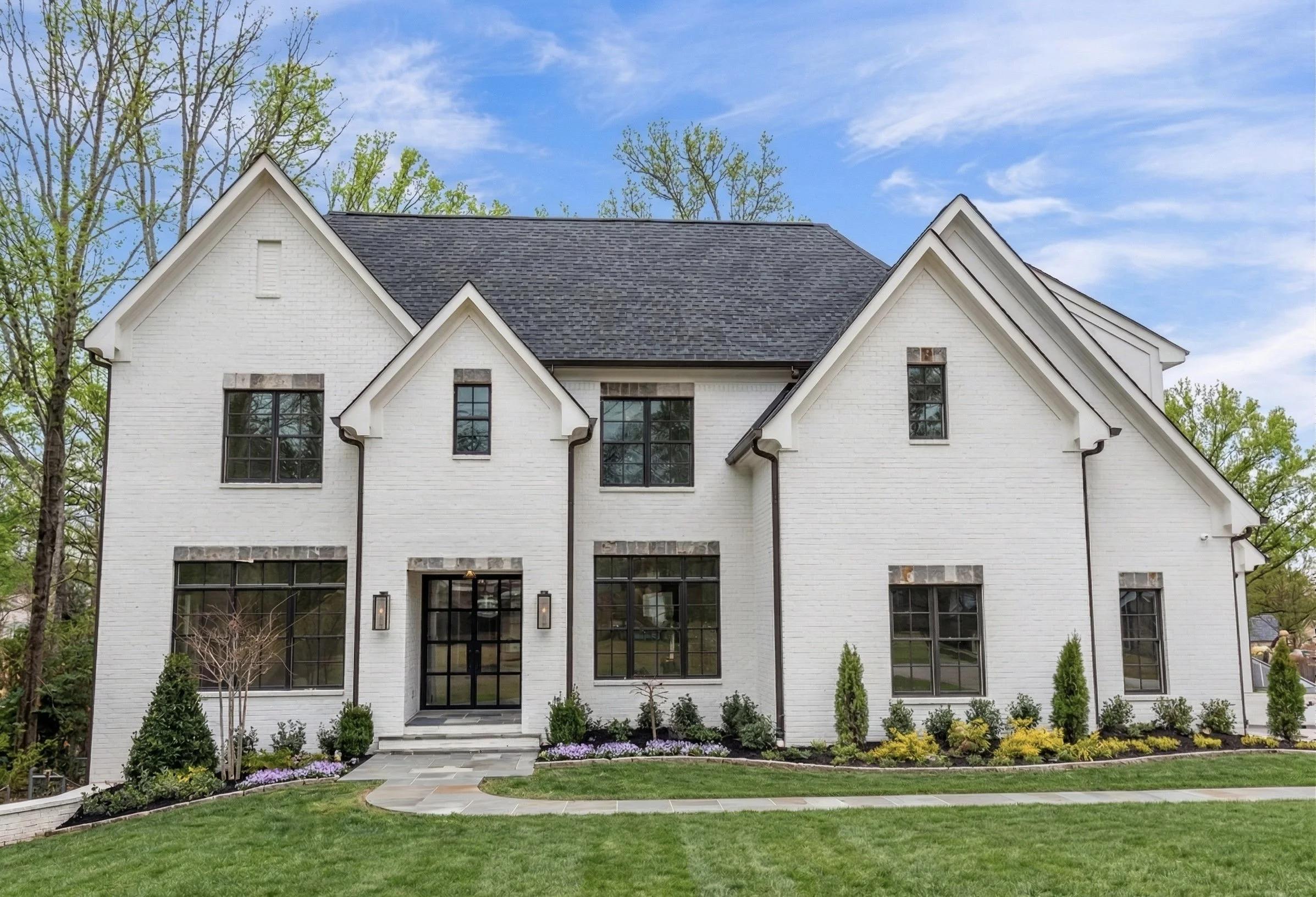
Cobb County: For Buyers Who Want Suburban Infrastructure with City Access
Cobb County sits northwest of Atlanta and contains some of the metro's most sought-after suburban communities. It's also where you'll find The Battery (the entertainment district adjacent to Truist Park, home of the Atlanta Braves), a robust employment base, and school systems that consistently attract families relocating from out of state.
East Cobb is the most research-intensive suburb in the metro for families with school-age kids. Walton, Pope, and Lassiter High Schools have driven residential demand here for decades. The catch: East Cobb is not a city, not a neighborhood, and not one unified experience. It's a large unincorporated community where the right side of a zip code can mean completely different zoning, different school access, and a meaningfully different commute profile. See the East Cobb guide.
Marietta is Cobb County's county seat, with one of the most significant historic squares in Metro Atlanta, a city school system (Marietta City Schools, operating independently from Cobb County Schools), and a price range that runs from $300,000 condos to $1.5 million custom homes on acreage. See the Marietta guide.
Smyrna offers one of the best value propositions in the metro. Market Village gives it a walkable town center, the Silver Comet Trail connects it to recreational infrastructure, and its location inside I-285 gives buyers access to intown Atlanta without intown Atlanta prices. See the Smyrna guide.
Vinings is the Cobb County enclave that sits minutes from Buckhead with Cobb County taxes. It's smaller, denser, and more condominium-heavy than most Cobb communities, with prices that reflect its location premium. See the Vinings guide.
Kennesaw offers the combination of Kennesaw State University's presence, proximity to Kennesaw Mountain National Battlefield Park, and an accessible price range for buyers seeking detached single-family homes with space.
Cobb County's property tax rates tend to be lower than Fulton County's, which matters meaningfully at higher price points. State Farm Insurance's North American headquarters is in Dunwoody, just across the county line. Porsche Cars North America is in Midtown. Mercedes-Benz USA is in Sandy Springs. These employment anchors mean that Cobb-area commutes often run to Perimeter Center and Buckhead rather than Downtown, which changes the calculus on which parts of the county make the most sense.
North Fulton: For Buyers Who Want Top-Ranked Schools & Luxury Options
North Fulton County is where Atlanta's most research-driven relocation buyers often land, particularly those transferring with families who've prioritized school district above all else. The corridor from Alpharetta through Milton through Roswell through Johns Creek operates at a price point that starts around $500,000 and runs well past $2 million.
Alpharetta is the tech suburb. The intersection of GA-400 and Alpharetta's commercial corridors along Windward Parkway and Old Milton Parkway anchors one of the metro's densest concentrations of technology employers. Downtown Alpharetta has seen significant walkable retail and restaurant development over the past decade. Median prices run $600,000 to $800,000+ for single-family homes.
Milton is the city directly north of Alpharetta with an equestrian character, larger lots, more rural feel, and Crabapple Market as its neighborhood commercial hub. Prices for single-family homes often start at $700,000 and regularly exceed $1.5 million on acreage.
Roswell sits to the west of Alpharetta and has one of the most significant historic downtowns in the metro, centered on Canton Street. Chattahoochee River access, well-established residential neighborhoods, and a price range slightly below Alpharetta's for comparable square footage.
Johns Creek sits in the eastern corridor of North Fulton with Emory Johns Creek Hospital as an anchor employer, a heavily suburban residential character, and one of the most competitive golf and country club communities in the metro.
The honest thing I'll tell you about North Fulton: the school district access is real, but so is the congestion on GA-400. A job in Midtown or Downtown from a North Fulton address is a 45-minute to 75-minute commute during peak hours, depending on where in the corridor you land. That's a daily reality that changes quality of life in ways that don't show up on a floor plan.
Gwinnett County: For Buyers Who Want Space, Affordability & Diversity
Gwinnett County sits northeast of Atlanta and is one of the most culturally and culinary diverse counties in the Southeast. The H Mart corridor along Buford Highway and Pleasant Hill Road represents one of the most developed concentrations of East and Southeast Asian grocery and restaurant options in the region. Pho, Korean BBQ, Vietnamese sandwiches, dim sum, biryani, they're all there, on a level that most cities three times Atlanta's size can't match.
Gwinnett is also, in many price ranges, where your dollar goes further than almost anywhere else in the metro.
Buford is the outlier in Gwinnett. Buford City Schools operates independently from Gwinnett County Schools, and the city has used that autonomy to build a school system that draws considerable attention. Lake Lanier access is a genuine amenity. See the Buford guide.
Lawrenceville is the Gwinnett County seat with an active downtown square, Georgia Gwinnett College as an institutional anchor, and home prices that regularly offer 3,000+ square feet in the $350,000 to $500,000 range.
Peachtree Corners is Gwinnett's closest thing to a tech-adjacent suburb, with technology park development along Technology Parkway and a town center that's been actively redeveloped over the past several years.
Lilburn and Loganville offer the furthest-out, most space-per-dollar options in the county for buyers prioritizing land and square footage above commute proximity.
The Gwinnett trade-off is honest: you're further from the city. MARTA rail does not serve most of Gwinnett, though express bus routes exist. Commutes to Midtown or Downtown during peak hours from most of Gwinnett run 45 to 75 minutes. If your employer is in Gwinnett or in the tech corridors along I-85 northeast of the city, the calculus shifts entirely.
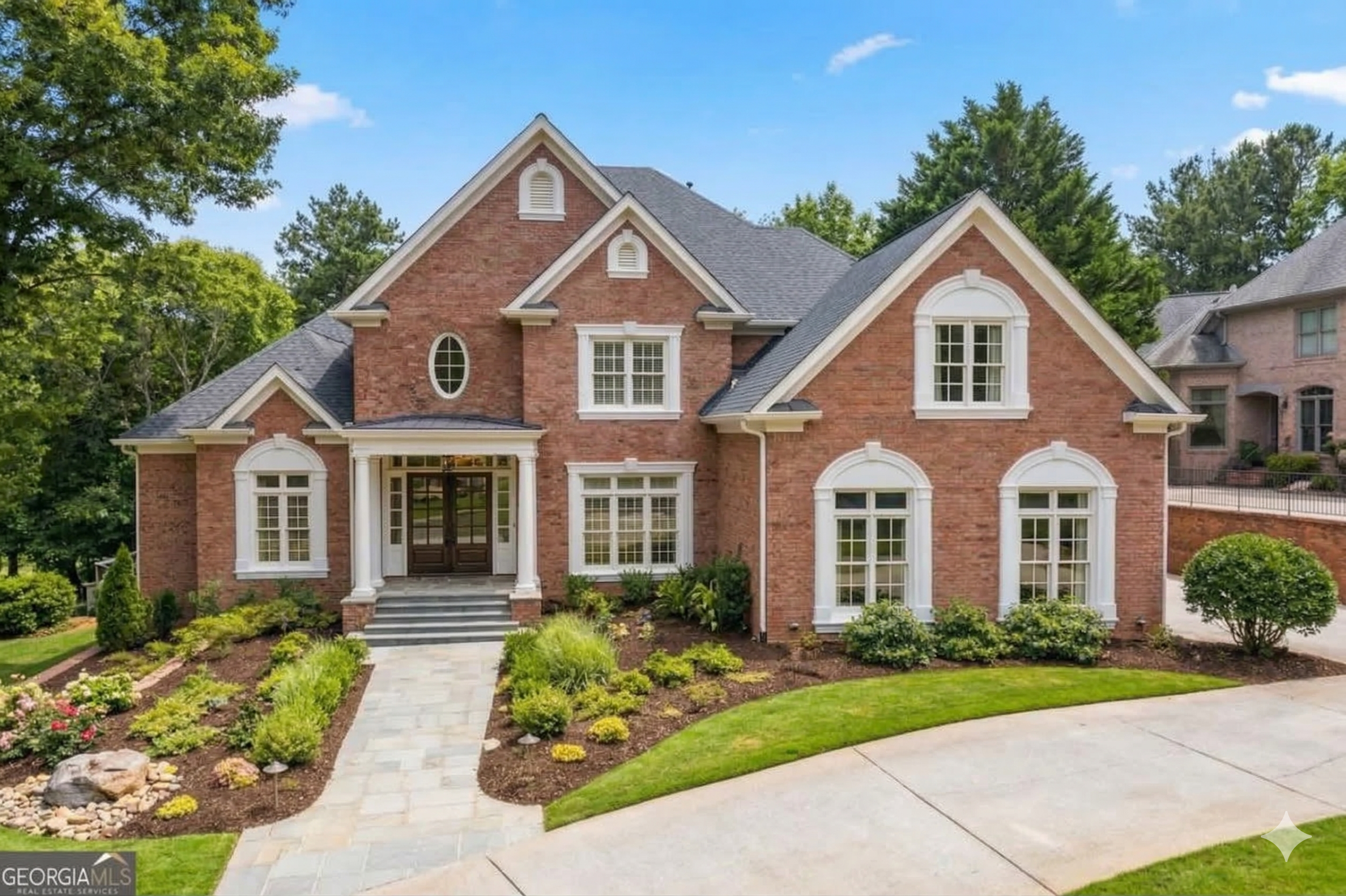
Henry County & the South Metro: For Buyers Priced Out Elsewhere
Henry County, south of Atlanta along I-75, has been one of the fastest-growing counties in the metro for good reason: it's where buyers who can't find single-family square footage in their price range further north have been landing.
McDonough is the Henry County seat with an active square, a direct I-75 corridor to Downtown and Hartsfield-Jackson, and single-family prices that regularly come in under $350,000 for substantial homes. Stockbridge sits north of McDonough with similar pricing and a shorter commute window to the airport.
The honest limitation: these communities are 30 to 40 miles from the core of the city. Rush-hour commutes on I-75 northbound can run 60 to 90 minutes on difficult days. If the job is at the airport or anywhere along that I-75 south corridor, this math works. If the job is in Buckhead or Midtown, it's a long day.
The Southwest Atlanta Opportunity Corridor
This is the part of Atlanta that out-of-town buyers most often overlook and that I know from growing up in East Point.
Southwest Atlanta and its inner ring, including neighborhoods like Cascade, Oakland City, Sylvan Hills, and West End (which we've already discussed), offers intown proximity, BeltLine access on the Westside and Southside trails, and single-family prices that are below the median in most comparable intown neighborhoods.
If you're a buyer who values walkability, intown access, and historic housing stock but can't stretch to Inman Park or Old Fourth Ward prices, this corridor deserves your attention. It's also where the most active new development interest is currently focused, as the Beltline's southern segments open up new commercial and residential activity along the trail.
I grew up in East Point, which sits at the southern end of this corridor, directly adjacent to Hartsfield-Jackson. East Point has a MARTA station (two, actually), a revitalized Main Street corridor, and single-family homes available at price points that make first-time homeownership genuinely accessible. It's not a polished suburb. It's a real neighborhood with real history that's in the middle of a long, slow, community-driven recovery.
If you're relocating and budget is a real constraint, East Point and the inner southwest deserve a direct conversation.
Decatur, Brookhaven & the DeKalb Alternatives
Decatur is the city within a city east of Atlanta that offers one of the most genuinely walkable downtown cores in the metro. Decatur City Schools operates independently from DeKalb County Schools. The city has its own square, its own distinct community identity, its own beer and food scene (Brick Store Pub, Kimball House, and a dozen others), and homes that command a premium relative to surrounding DeKalb communities. Expect $450,000 to $900,000+ for single-family in the city limits.
Brookhaven sits just inside I-285 in DeKalb County, near Buford Highway and the MARTA Gold Line. It's more affordable than Buckhead with better transit access than most of the metro. New construction townhomes and condominiums have added inventory in recent years.
Decatur-adjacent DeKalb communities like Avondale Estates, Scottdale, Lake Claire, and Ormewood Park offer buyers the proximity to Decatur's amenities without Decatur City prices. These neighborhoods repay research.
What to Look for in an Atlanta Real Estate Agent (And What to Watch Out For)
This is where I want to be direct with you, because relocation buyers are the most vulnerable buyers in any market.
When you're relocating, you don't know which questions to ask. You don't know which agent responses reveal someone who actually knows the market versus someone who's telling you what you want to hear. And in a metro this size, with this much variation between neighborhoods, the difference matters enormously.
Here's what a good relocation agent does:
They tell you things you don't want to hear. When a home you love is priced incorrectly for the market, they tell you. When the neighborhood you've targeted based on internet research doesn't match your actual commute needs, they tell you. When the inspection report reveals something that should affect your price or your decision, they bring it to you clearly. You're making a major financial and life decision from a distance. You need honesty, not enthusiasm.
They listen before they recommend. Before a good agent sends you a single listing, they want to know where you're working, how you're working (in-office, hybrid, or remote), what your lifestyle looks like, and what's driving the move. The difference between someone who commutes to Midtown three days a week and someone who works fully remotely is the difference between completely different neighborhoods being the right answer.
They know the market beyond Zillow. Anyone can pull a Zillow estimate. What Zillow won't tell you is that the home on a specific block near a specific commercial corridor sits under a flight path, or that the HOA in a specific community has a history of special assessments, or that the adjacent parcel has a pending commercial rezoning. Local knowledge is not easily Googleable. Your agent should have it.
They have a process for relocation buyers specifically. Sight-unseen purchases happen all the time in corporate relocation, and they work when the agent has the right systems. I walk buyers through homes via FaceTime and video, I send voice memos with honest assessments after showings, and I document exactly what I'm seeing so the buyer can make an informed decision remotely. This is not unusual. But not every agent does it, and you should ask directly how they handle relocation clients who can't always be there in person.
They set realistic expectations about timelines. The Atlanta market has slowed enough that most buyers are not competing in 24-hour bidding wars. But certain neighborhoods and certain price ranges still move quickly. A good agent knows the difference and tells you before you're in a situation where you're either rushing unnecessarily or losing a home you wanted because you moved too slowly.
What to watch for: agents who recommend a neighborhood before they've asked about your life. Agents who dismiss your budget concerns instead of problem-solving around them. Agents who tell you commute times will be fine without actually testing them. Agents who are more focused on closing a deal than on whether the deal is the right one for you.
I've been doing this for nearly ten years. I'm an Atlanta native who grew up in East Point and lives in Edgewood. I know both the city and the suburbs not as an outside observer but as someone who's actually lived the difference. My relocation clients regularly tell me the process felt more manageable than they expected, and that's the goal: clear information, honest guidance, and a process that doesn't require you to figure it all out before you've even gotten here.

The Relocation Timeline: How Early Should You Start?
Most corporate relocation packages suggest starting your housing search 60 to 90 days before your target move date. In the current Atlanta market, I'd tell you this is reasonable but not ideal. Here's a more honest timeline:
3 to 4 months out: Start having conversations, not just doing research. The research phase is valuable, but it's no substitute for talking to someone who can respond to your specific situation. This is when you figure out which parts of the metro align with your life, not just your wishlist.
2 to 3 months out: Begin active search if your situation is settled (job location confirmed, target move date set, financing pre-approval in hand). In most of the metro right now, you have enough inventory to be selective without feeling rushed.
1 to 2 months out: You should be in active contract or close to it if a specific move date is driving your timeline. This leaves room for inspection, potential re-negotiation, lender underwriting, and the normal friction of a real estate transaction.
If your relocation is on a compressed timeline (under 60 days), let's talk about what's realistic and what the trade-offs are. Sometimes a short-term lease while you do the full search makes more sense than rushing a purchase you're not sure about.
Should You Rent First in Atlanta?
This is a question I get from almost every relocation buyer, and my answer is always: it depends on how much certainty you have about your situation.
If you're moving for a specific job, to a specific office location, and you have a clear sense of what you need from your home, there's no inherent reason to rent first. The market is more favorable for buyers right now than it's been in several years. You have more time, more inventory, and more negotiating room. Waiting adds transaction costs (rent paid during the waiting period, moving again when you buy) and market exposure risk in the event prices stabilize or tick up.
If you're less certain about your job location (hybrid or remote flexibility that might change), if you want to live in Atlanta before you commit to a specific neighborhood, or if your situation involves unknowns that make a 30-year commitment feel premature, then a 12-month lease in a location central to your likely target neighborhoods can be a genuinely smart first move.
I won't push you toward a purchase if it's not right for your situation. What I will tell you is that relocation buyers who research neighborhoods thoroughly and work with an agent who knows the market can move confidently into a purchase without a rental first if their fundamentals are in order.
Down Payment Assistance for Relocation Buyers
If you're relocating to Georgia and you're a first-time homebuyer, Georgia Dream and several other state and county programs may be available to you, even if you owned a home in another state. Program rules vary and eligibility depends on income limits, purchase price limits, and the specific program's residency requirements.
Corporate relocation assistance packages sometimes include closing cost contributions or lender incentives through preferred lender relationships. Ask your HR or relocation coordinator specifically what's available to you before you start making financial assumptions about what you'll need to bring to closing.
I work with lenders who understand relocation buyer situations, including buyers relocating without an established Georgia employment history, buyers using relocation income, and buyers navigating the timing gap between selling in one market and buying in Atlanta. If your situation is complicated, let's talk through it before you start the search.
10 Questions Relocation Buyers Ask Me Most
What is the actual cost of living difference between Atlanta and where I'm coming from?
For buyers from New York, San Francisco, or Washington D.C., the housing cost difference is significant. You can generally buy more square footage per dollar in Atlanta than in any of those markets. Georgia has no local income tax at the city level, and state income tax rates are relatively moderate. Property taxes vary significantly by county, with DeKalb typically higher than Cobb, and Fulton higher than both in many areas. The cost of living difference is real, but it's not unlimited.
Can I actually do a sight-unseen purchase in Atlanta?
Yes, and relocation buyers do it regularly. It works best when you've had detailed conversations with your agent, reviewed thorough video walkthroughs, understand the neighborhood well enough to know what you're committing to, and have an agent who will give you an unfiltered assessment rather than just the marketing version. I've walked buyers through homes via FaceTime from three time zones away. It requires trust and the right process.
How do I evaluate Atlanta school districts from outside Georgia?
Georgia public school districts are governed at the county level (Fulton County Schools, Cobb County Schools, DeKalb County Schools, Gwinnett County Schools, etc.) with several independent city systems operating separately (Atlanta Public Schools, Marietta City Schools, Decatur City Schools, Buford City Schools). Attendance zones are determined by home address. Research school profiles through the Georgia Department of Education website and the individual district sites. Always verify enrollment eligibility by specific property address before committing to a home based on school access. Research and visit schools to determine fit for your family.
Is Atlanta traffic really as bad as people say?
Yes. Rush hour in Atlanta is not exaggerated. I-285, I-85, I-75, and GA-400 during peak hours (7 to 9 AM and 4:30 to 7 PM) operate at sustained congestion in ways that add real time to your day. Do the actual commute test before you commit to a neighborhood. Take surface streets as alternatives where possible. Remote and hybrid work has reduced peak congestion meaningfully from its worst periods, but it hasn't eliminated it.
What's the difference between Fulton County taxes and Cobb County taxes?
Property tax rates in Cobb County are generally lower than Fulton County for comparable home values. On a $500,000 home, the annual difference can be $1,500 to $3,000 depending on the specific jurisdiction and homestead exemption status. Smyrna and Vinings in Cobb are regularly compared to Buckhead and Sandy Springs in Fulton partly because the tax differential at higher price points matters.
How much do I need to put down in Atlanta?
For conventional financing, 20% down avoids private mortgage insurance but is not required. Many buyers in the $400,000 to $600,000 range put down 5% to 10% and finance the rest. FHA loans allow 3.5% down with qualifying credit. VA loans allow zero down for eligible veterans. Down payment assistance programs may cover some or all of the down payment depending on eligibility. Talk to a lender before you set your budget ceiling.
Which Atlanta neighborhoods are the best long-term investments?
The neighborhoods with the best long-term investment track record have generally been those with Beltline access or proximity (Old Fourth Ward, Inman Park, Grant Park, the Westside corridors), those in school districts with sustained demand, and those in suburban communities with strong employment anchors and quality infrastructure. That said, past performance doesn't guarantee future appreciation. What I'll tell you is that buying in a neighborhood you understand, at a price supported by current market data, with a home that has no significant undisclosed defects, is the foundation of any good real estate investment.
Can I negotiate price in Atlanta right now?
In most price ranges and most neighborhoods, yes. The sale-to-list ratio across Metro Atlanta is around 97%, meaning buyers are successfully negotiating below asking price on average. Hot properties in desirable neighborhoods with strong school access still receive multiple offers, but the frenzy of 2021 and 2022 is not the current environment. I'll tell you directly where a specific home has negotiating room and where it doesn't.
What should I know about HOA communities in Atlanta?
A significant portion of the suburban metro is governed by HOAs. Before making an offer on any HOA community, review the financials, understand the monthly or annual dues, check for any pending special assessments, and read the CC&Rs for anything that might conflict with how you intend to use the property. Some HOAs in Gwinnett and North Fulton are well-funded and provide genuinely good community maintenance. Others carry deferred infrastructure issues that eventually result in special assessments on homeowners. This is not information that comes from the listing. It comes from due diligence.
How do I evaluate a relocation agent in Atlanta?
Ask how many relocation clients they've worked with in the past year. Ask if they've facilitated sight-unseen purchases and how. Ask what their process is for keeping you informed when you can't be present. Ask them to describe a situation where they told a buyer something they didn't want to hear. The answers tell you a lot about whether they're going to serve your interests or just close your transaction.

A Note on Down Payment Assistance and Corporate Relocation
Georgia offers several down payment assistance programs through the Georgia Department of Community Affairs, including Georgia Dream, which provides forgivable second mortgages for eligible buyers. Income limits, purchase price limits, and first-time homebuyer requirements apply. Some programs have been recently modified or expanded. Verify current eligibility requirements and available funding directly with a participating lender or with the DCA directly.
If you're relocating through a corporate package, ask your relocation coordinator specifically whether preferred lender programs, closing cost assistance, or equity advances are part of your package. Many corporate packages have more available than the standard summary documents reflect, and unused benefits don't carry over.
The Bottom Line for Relocation Buyers
Relocating to Atlanta in 2026 is a legitimate, well-considered move. The job market is real. The cost of living advantage relative to coastal markets is real. The lifestyle options across the metro are genuinely varied. And the current buyer-favorable conditions in the market mean you have time, selection, and negotiating leverage that buyers didn't have two years ago.
What will make or break your experience is whether you have the right information, the right agent, and a clear-eyed picture of what you're trading off when you choose one neighborhood over another. That's not something you can get entirely from Zillow, from a Facebook relocation group, or from a friend who moved here three years ago.
I'd rather spend an hour with you on the phone at the beginning of your search than have you spend three months going in the wrong direction.
Reach out at kristenjohnsonrealestate.com or email info@kristenjohnsonrealestate.com directly.
Come as you are, come on home.
Looking for neighborhood guides for specific Atlanta communities? I've covered intown neighborhoods including Grant Park, Old Fourth Ward, East Atlanta, West End, Adair Park, and Summerhill, plus Cobb County communities including East Cobb, Marietta, Smyrna, and Vinings, plus Gwinnett with Buford. Browse the full guide series at kristenjohnsonrealestate.com.