

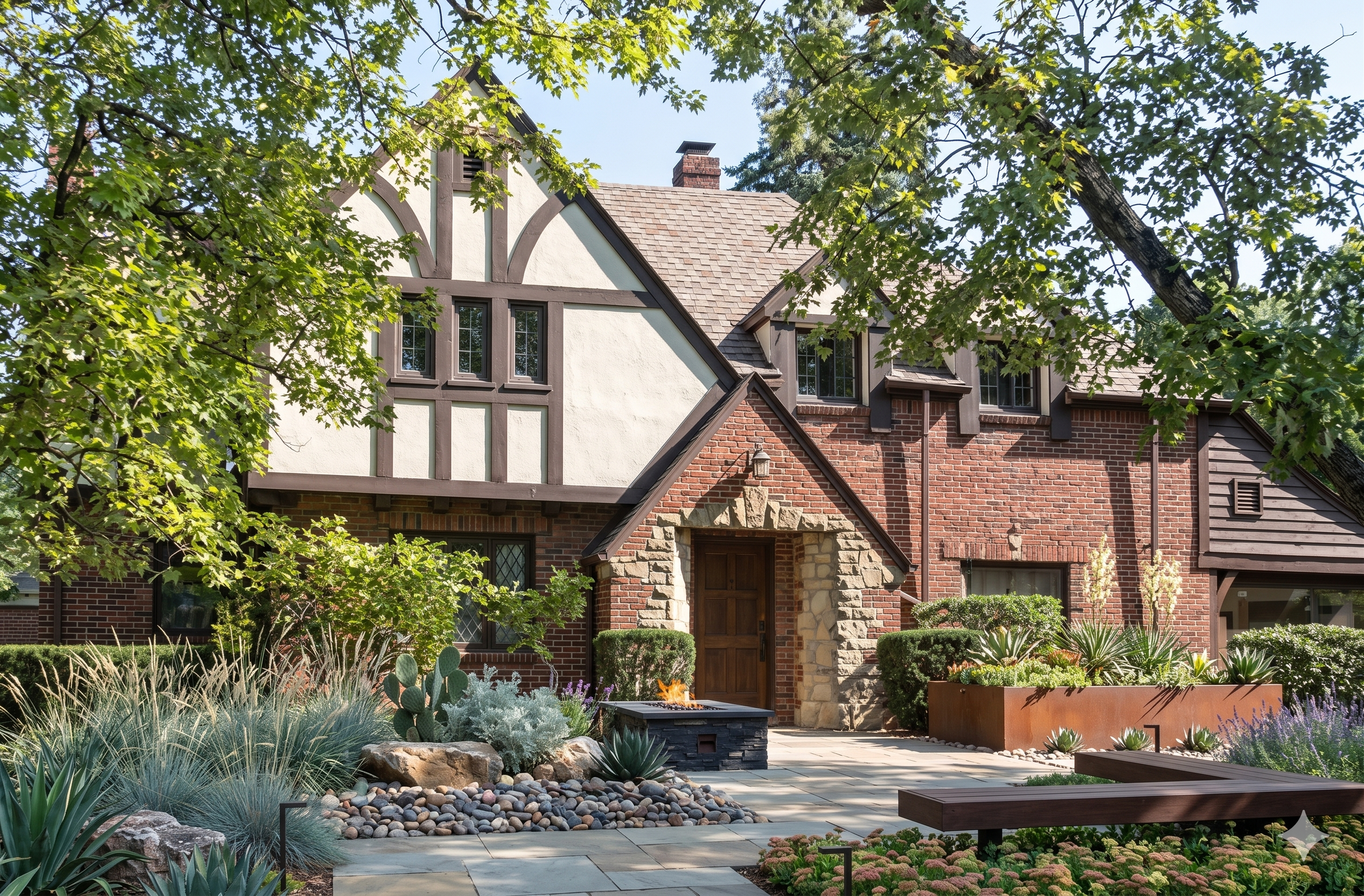
Living in Avondale Estates GA: Tudor Village, Dale Ale Trail & What $500K–$1.2M Buys in 2026
Avondale Estates is Metro Atlanta's most architecturally distinct small city: a 1.2-square-mile planned community from 1924, modeled on Stratford-upon-Avon, with a Tudor Village downtown, a 2-acre Town Green, three breweries on the Dale Ale Trail, and a MARTA station on the Blue Line. Nearly a decade of helping Atlanta buyers means I know what the numbers don't: which streets are inside the Local Historic District, which tier your renovation plans will face, and why the DeKalb County Schools zoning here is not the same as City Schools of Decatur. Trailing 12-month median around $615K, stabilized single-family range $500K–$1.2M, limited inventory. This is Avondale Estates. Here's what you need to know.
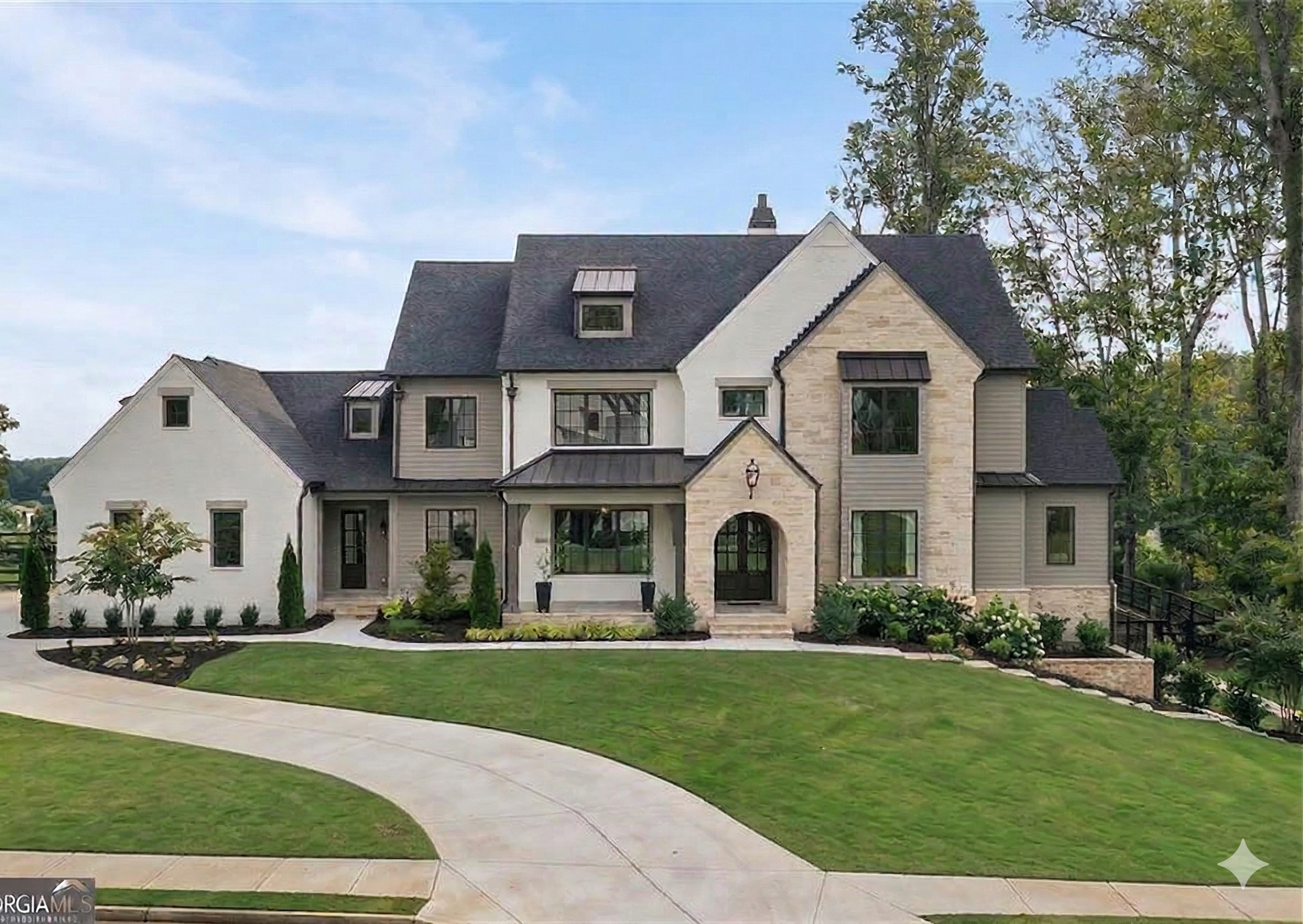
The Real Cost of Buying a Home in Atlanta in 2026: Rates, Insurance, and ‘Hidden’ Expenses
The purchase price is not what buying a home in Atlanta actually costs in 2026. Mortgage rates are sitting between 5.99% and 6.30%. Homeowners insurance premiums in Atlanta have climbed 58% since February 2020. Property taxes vary by thousands between Fulton, DeKalb, Cobb, and Gwinnett. And Georgia charges closing-day line items (intangibles tax, mandatory attorney fees) that most out-of-state buyers have never heard of. Nearly a decade of helping Metro Atlanta buyers means I know what numbers actually matter, what catches people off guard, and what the full cost of ownership looks like month to month. Here's what you need to know.
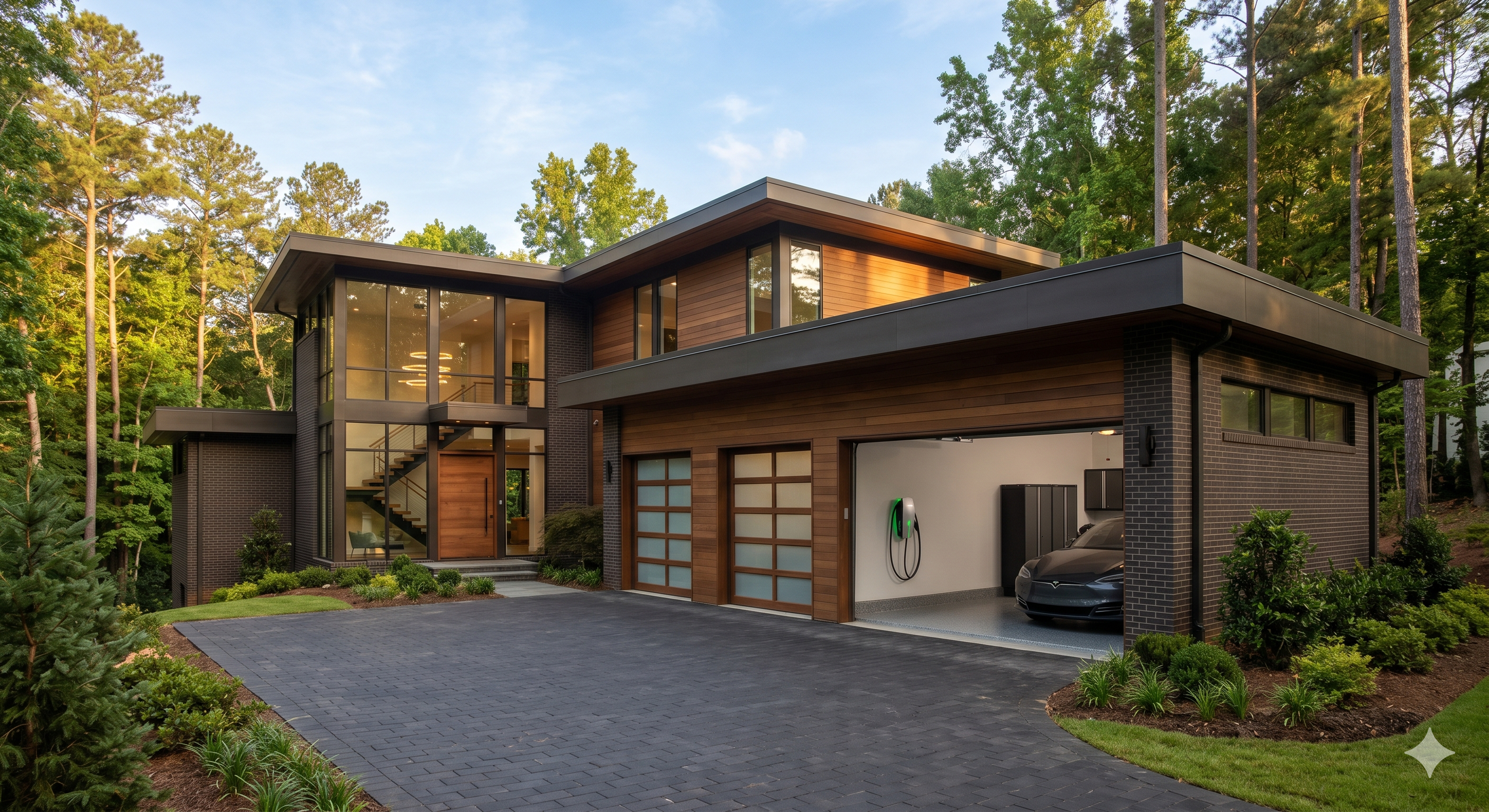
EV-Ready Homes in Atlanta: What First-Time Buyers Need to Know
Atlanta's 2026 EV Readiness Ordinance is now in effect, requiring every new single-family home built inside city limits to be EVSE Ready by law. Metro Atlanta Level 2 charger installs run $500 to $6,000 depending on panel capacity, wire run length, and whether a service upgrade is needed. Georgia Power, Cobb EMC, Jackson EMC, and other utilities offer up to $250 in rebates, stacked with a federal tax credit through June 30, 2026. Nearly a decade helping Atlanta buyers means I know the questions to ask about panel age, garage distance, and HOA rules before you close. This is EV-ready home buying in Atlanta. Here's what you need to know.
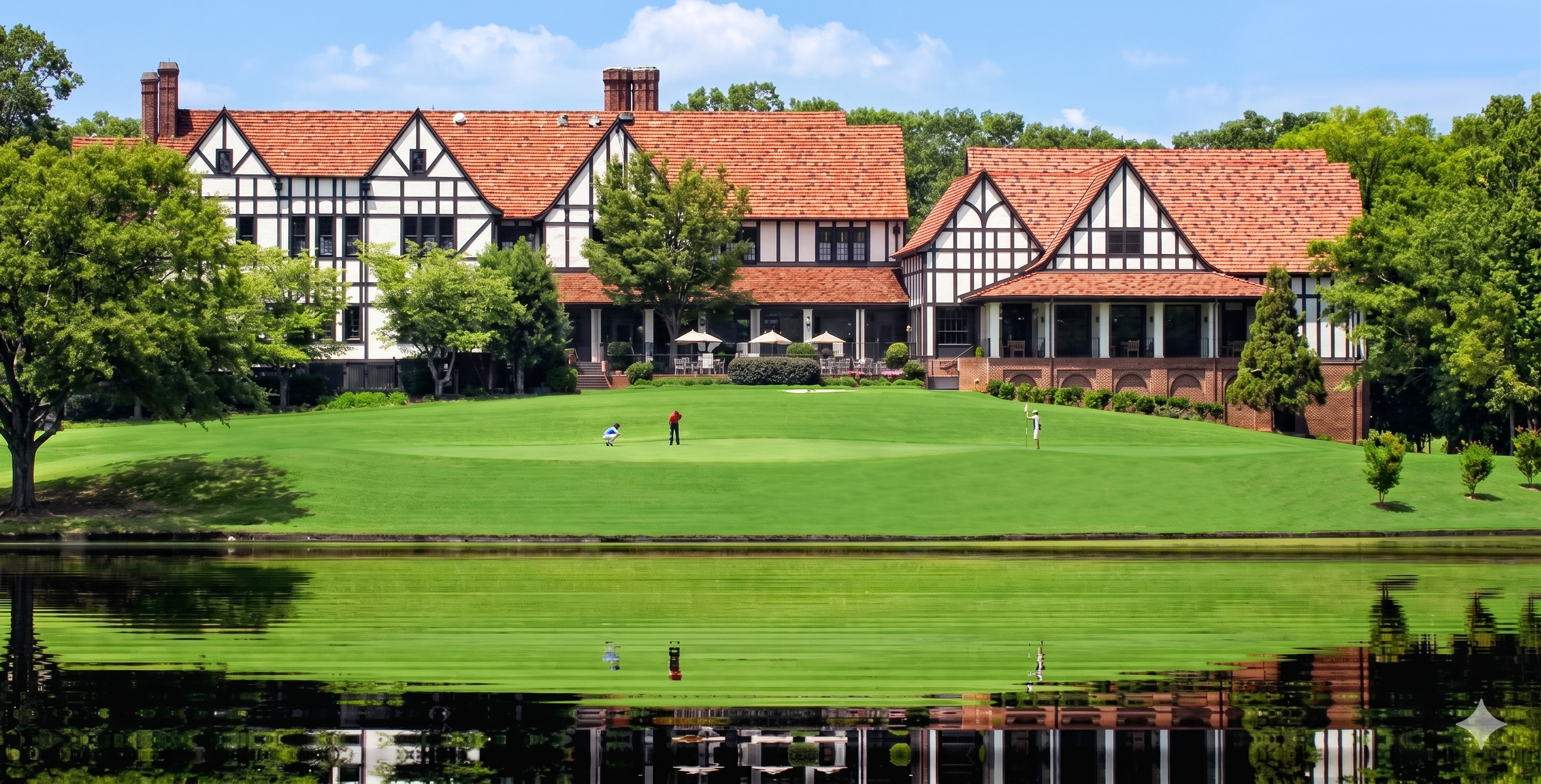
Living in East Lake Atlanta GA: History, Golf, Drew Charter School & Home Prices 2026
East Lake is the intown Atlanta neighborhood where a golf course and a public school rebuilt a community. Home of the PGA TOUR Championship since 1998, the Villages of East Lake mixed-income community, and Charles R. Drew Charter School — Atlanta's first charter, serving PK-12 by lottery. Nearly a decade helping Atlanta buyers means I know what the numbers don't show: the Drew priority zone boundaries, the price difference between a bungalow north of Memorial and one south, and what TOUR Championship week actually feels like. February 2026 median $499K, average $548,687, 42 days on market, ranging $269K–$1.275M. This is East Lake. Here's what you need to know.
Atlanta 2026 Buyer's Market Report: Inventory, Price Cuts & Where Negotiating Power Is Highest
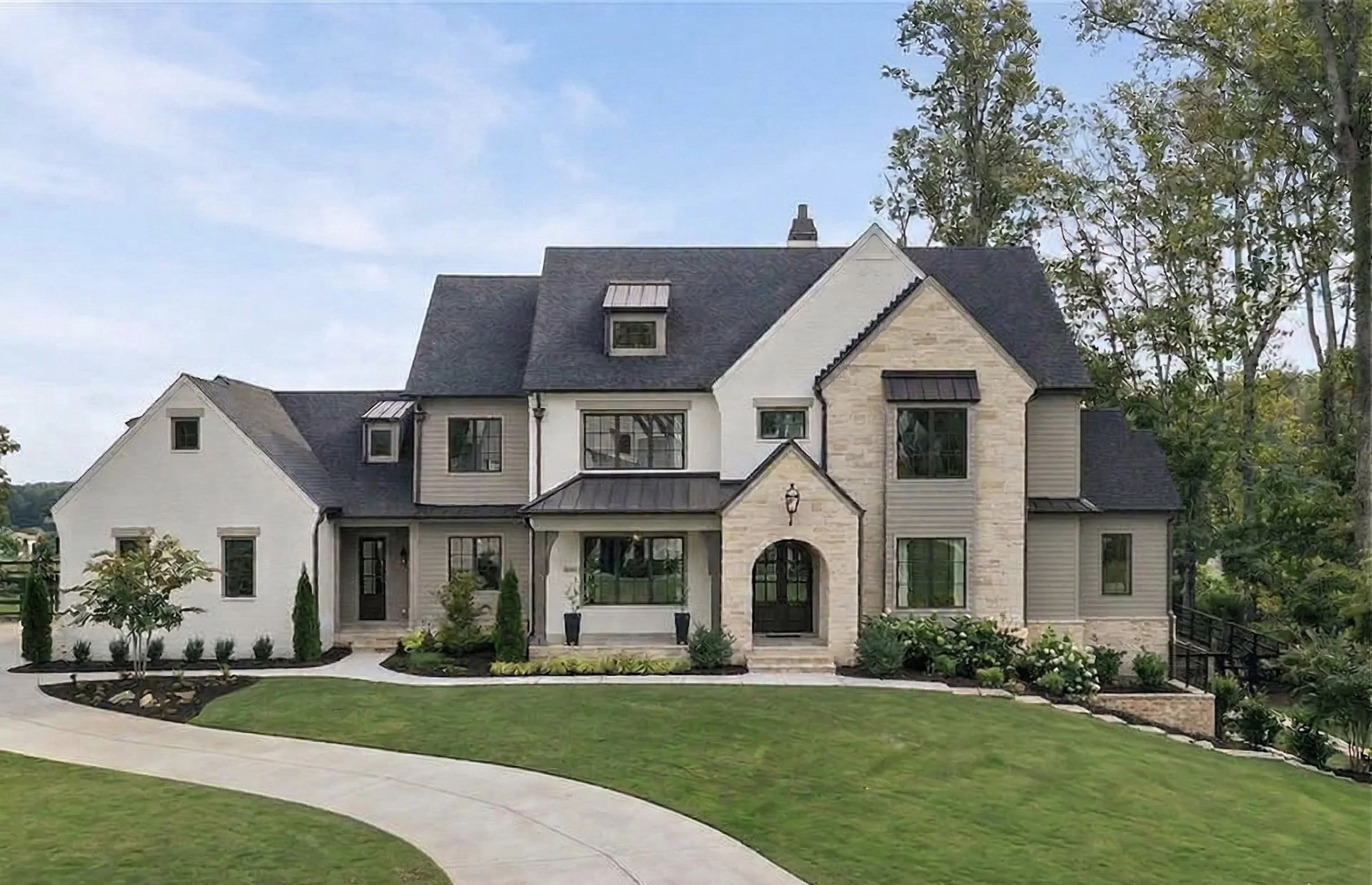
Atlanta is a buyer's market in 2026. Not shifting toward one, not softening. A buyer's market. Inventory is at 3.4 to 6.5 months of supply, 34 to 40% of listings have had price reductions, and the median sale-to-list ratio is 96.7%. Nearly a decade helping Atlanta buyers means I can tell you exactly which submarkets and price bands give buyers real leverage in this market, and which don't. Luxury North Atlanta and $600K-plus homes offer the most negotiating room. Under-$350K Intown is still competitive. New construction builder incentives run $35K to $60K in flex cash. This is Atlanta in 2026. Here's what you need to know.
Best Atlanta Intown Neighborhoods Under $500K: What First-Time Buyers Can Actually Afford in 2026
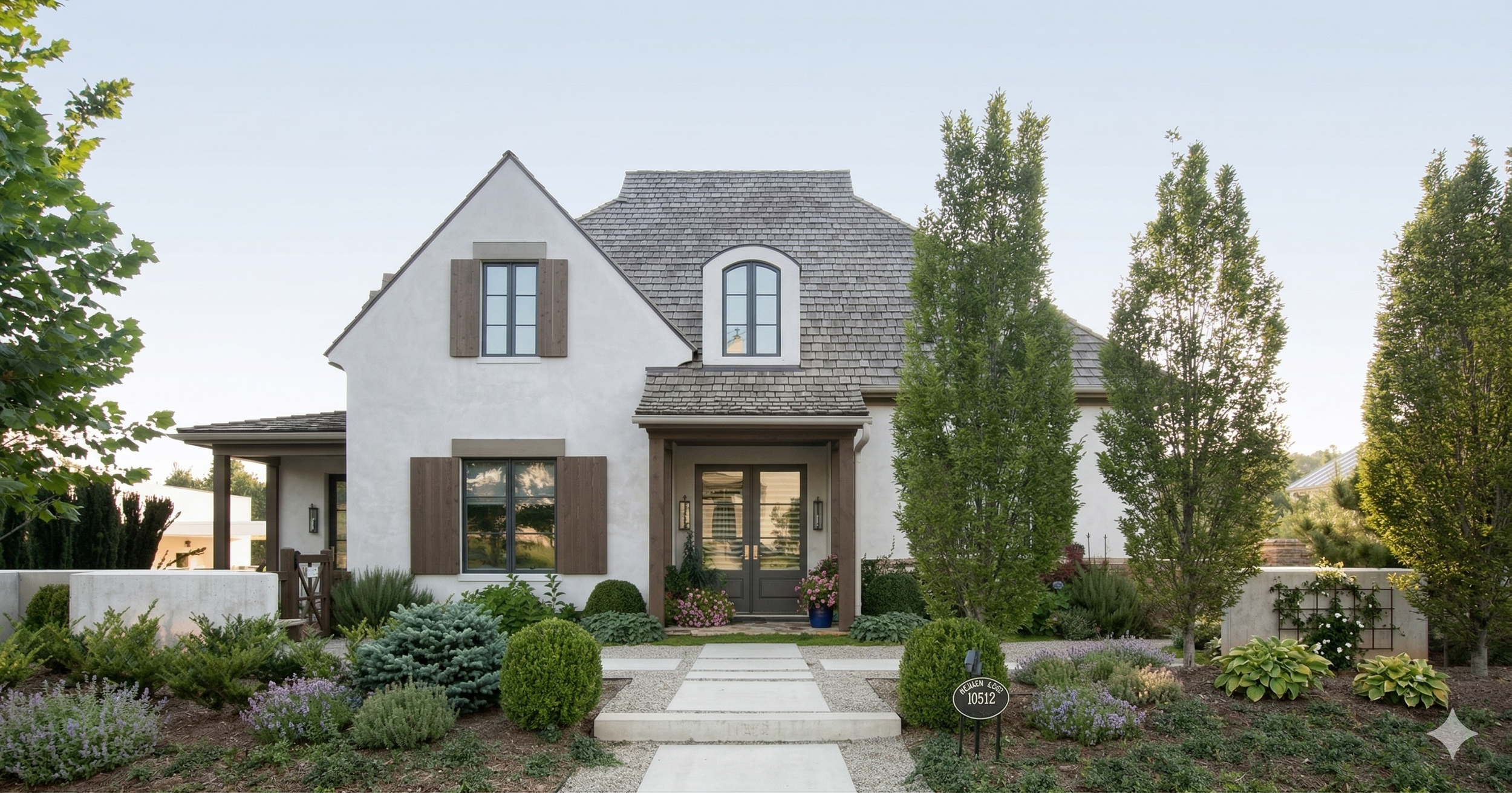
The City of Atlanta median sale price sits at roughly $388,000 to $425,000 in early 2026, which means a $500K budget puts first-time buyers above the city median, not below it. The intown neighborhoods where this budget actually works: Adair Park at $360K median, Oakland City at $375K, West End at $420K to $430K, East Atlanta around $475K, plus Summerhill, Capitol View, Sylvan Hills, and select condos in Grant Park, Reynoldstown, Kirkwood, and Old Fourth Ward. Nearly a decade of helping Atlanta buyers means I know what the map doesn't show: which blocks are renovated, which transition is real, and where the upside still is. This is intown Atlanta under $500K. Here's what you need to know.
Edgewood vs. Kirkwood: Which Neighborhood Is Right for First-Time Buyers in 2026?
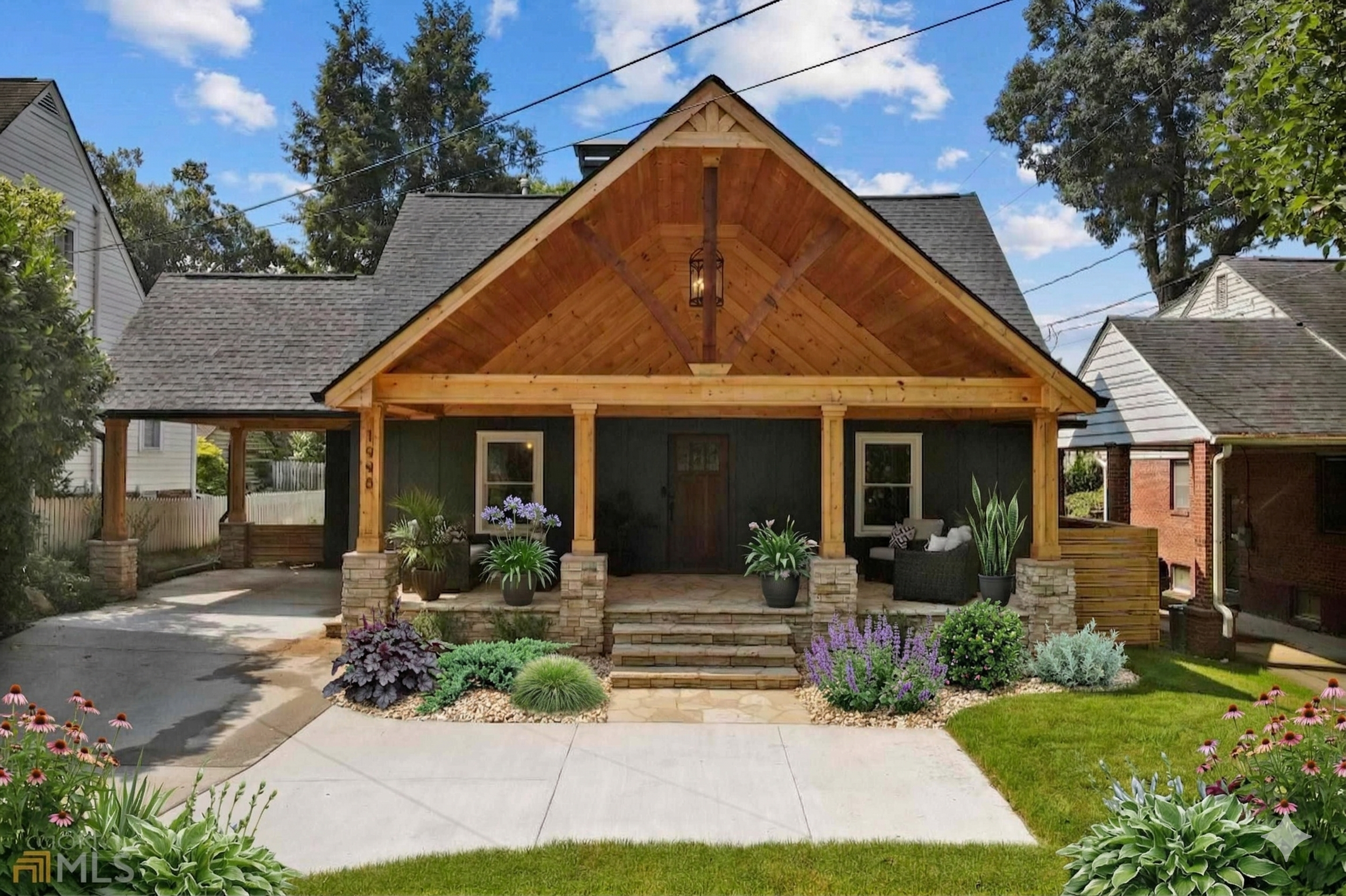
Edgewood and Kirkwood share a school cluster, a MARTA station, and the Trolley Line Trail, and both get pitched to first-time buyers as the affordable intown option. The differences are real and they matter. Edgewood's median sale price runs $549,000 to $565,000. Kirkwood runs $616,000 to $625,000. Edgewood has faster appreciation. Kirkwood has stronger walkability. The right answer depends on your budget, your commute, and what kind of home you want to walk into at the end of the day. Here's what you need to know.
East Cobb vs. Alpharetta: How to Choose in 2026
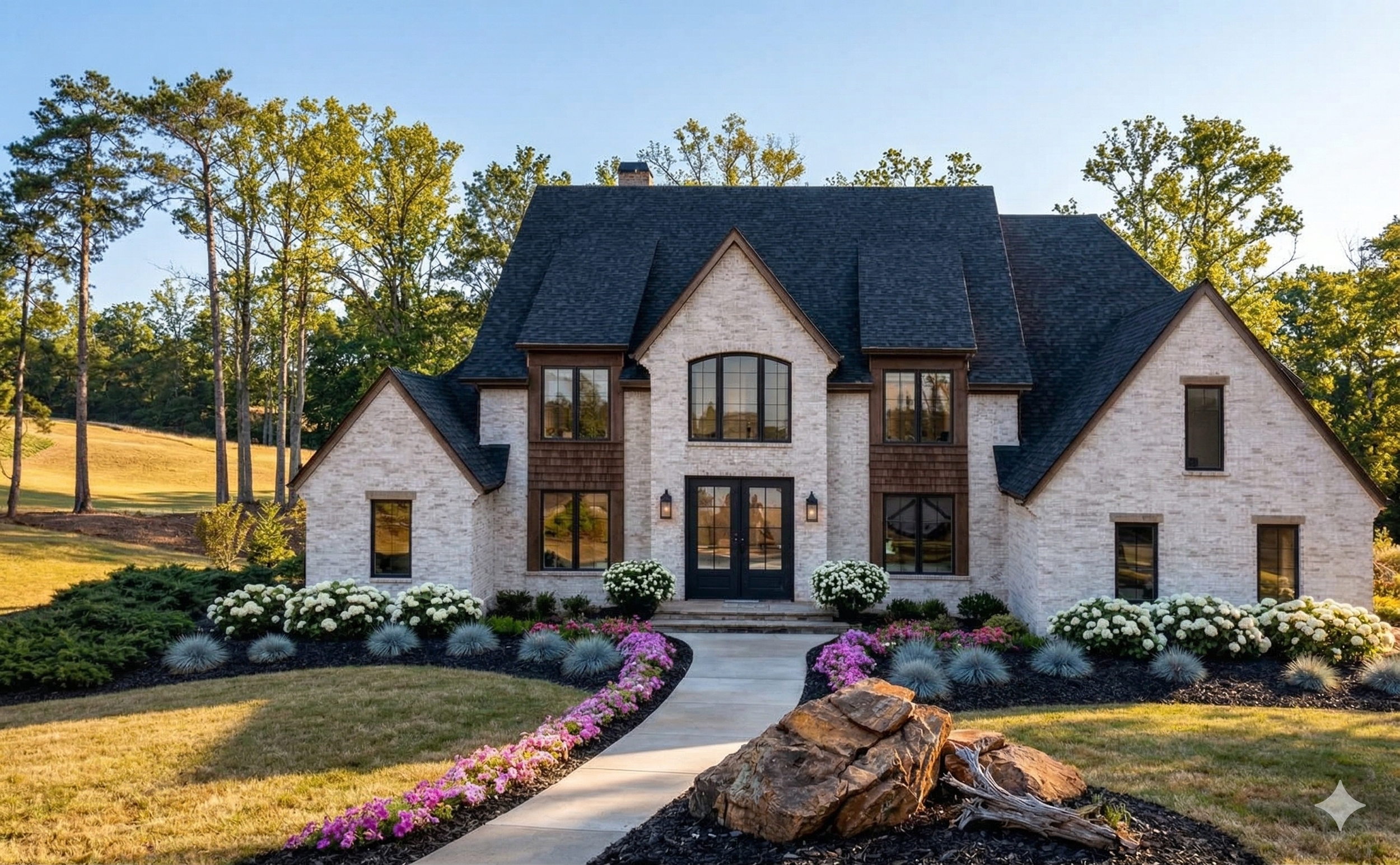
East Cobb and Alpharetta are the two Metro Atlanta suburbs corporate relocation buyers compare most often, and the choice usually comes down to four specific factors: price, commute, schools, and lifestyle. Alpharetta's median sale price runs $712K–$850K against East Cobb's $500K–$537K, a gap of $150K–$250K on equivalent homes. Nearly 10 years helping Atlanta buyers means I know what the Zillow comparison can't show: where the price difference actually comes from, which commute works for your specific job, and how the school districts differ in structure. This is East Cobb vs. Alpharetta. Here's what you need to know.
Atlanta Neighborhoods with the Best Walkability Scores 2026: Intown Rankings, Suburban Town Centers & What It Means for Home Prices
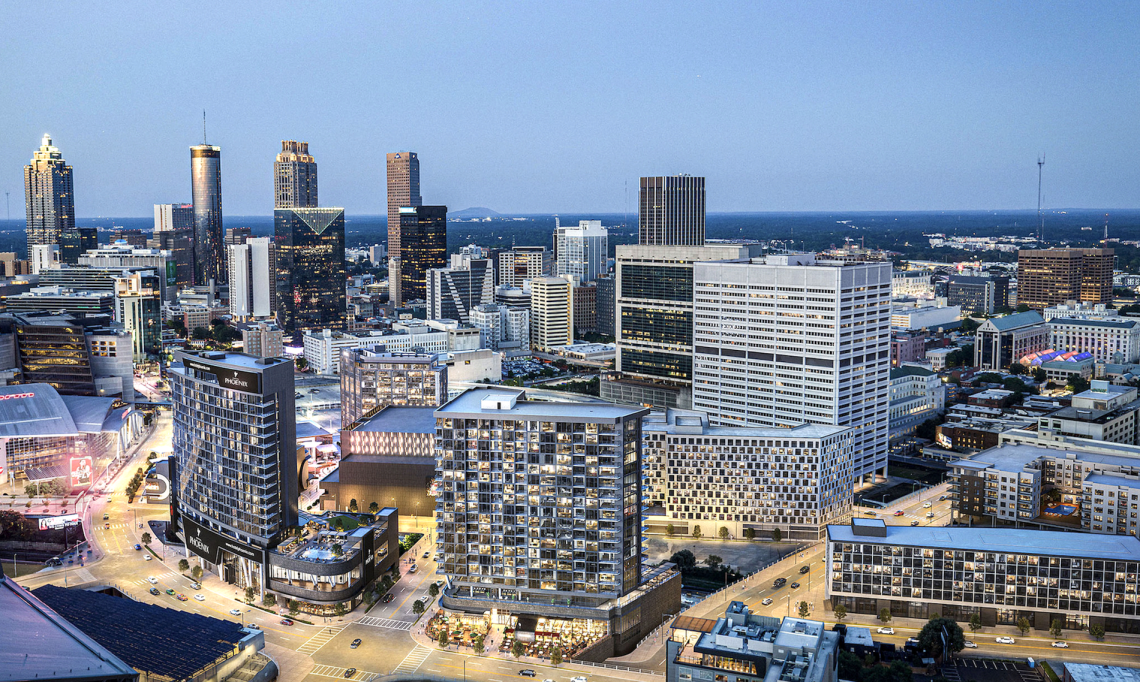
Atlanta's metro-wide Walk Score of 48 doesn't tell you much. Buckhead Village scores 93. Inman Park and Midtown score 87. Old Fourth Ward scores 82. The City of Decatur is the most walkable city in Georgia. Outside those corridors, most of the metro is deeply car-dependent. Nearly a decade working with Atlanta buyers means I know which neighborhoods deliver real daily walkability, which suburban town centers have genuine pedestrian cores, and how walkability affects what you pay per square foot. This is the full ranked breakdown, intown and suburban, with what each score actually means for buyers. Here's what you need to know.
How Much Do I Need to Buy a Home in Atlanta? Down Payment and Closing Costs Explained
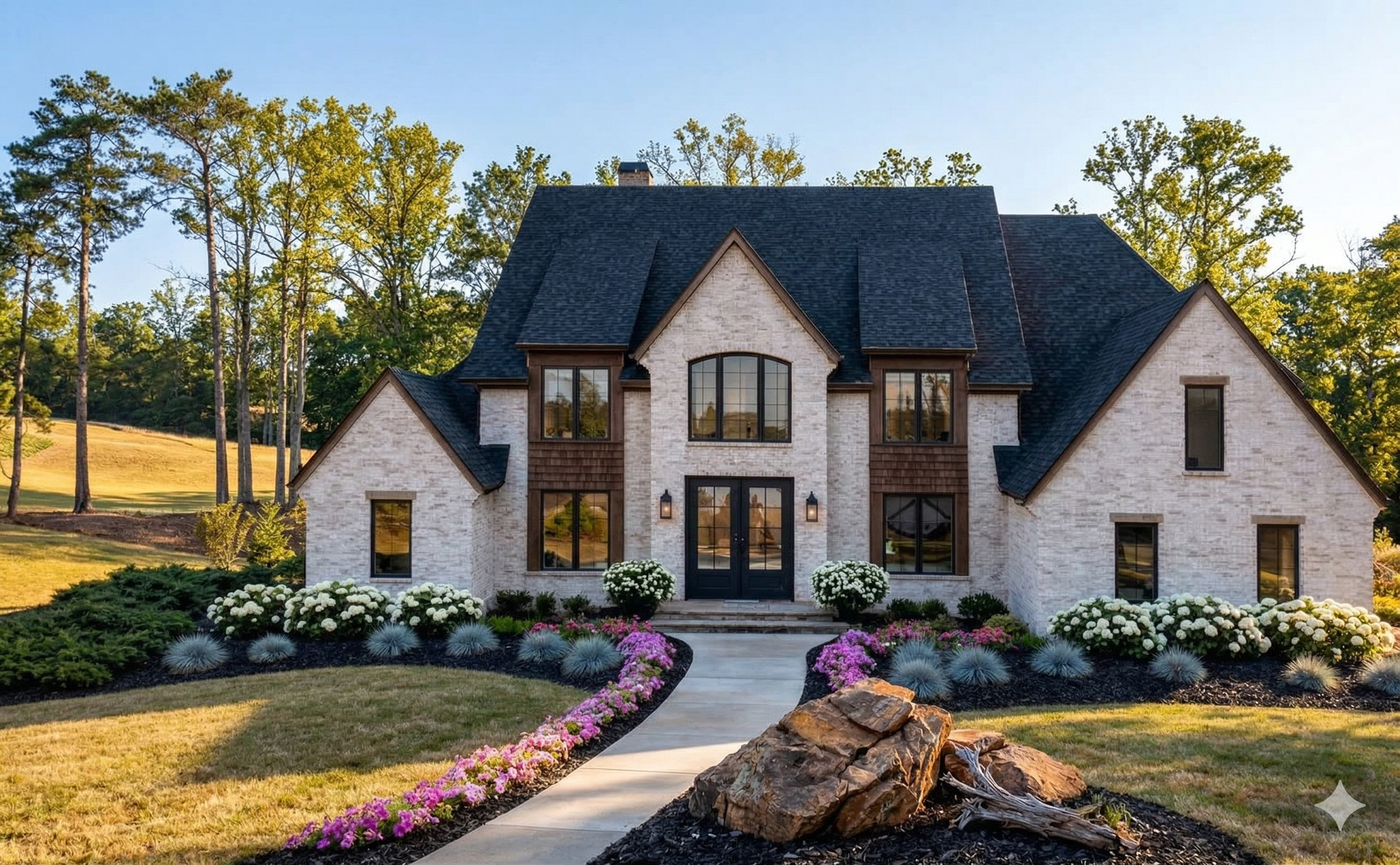
Buying a home in Metro Atlanta takes more than a down payment. Closing costs in Georgia run 2% to 5% of the purchase price on top of what you put down, and most buyers don't plan for the full cash-to-close number until they're too close to the finish line. I work with buyers across Metro Atlanta at every price point, and this is the breakdown I give clients before we ever look at a house: loan types and what they require, what closing costs actually include in Georgia, and what Georgia Dream and Invest Atlanta programs cover. This is what you need to know.
Atlanta vs. Other Sun Belt Cities for Relocation in 2026: A Straight Comparison
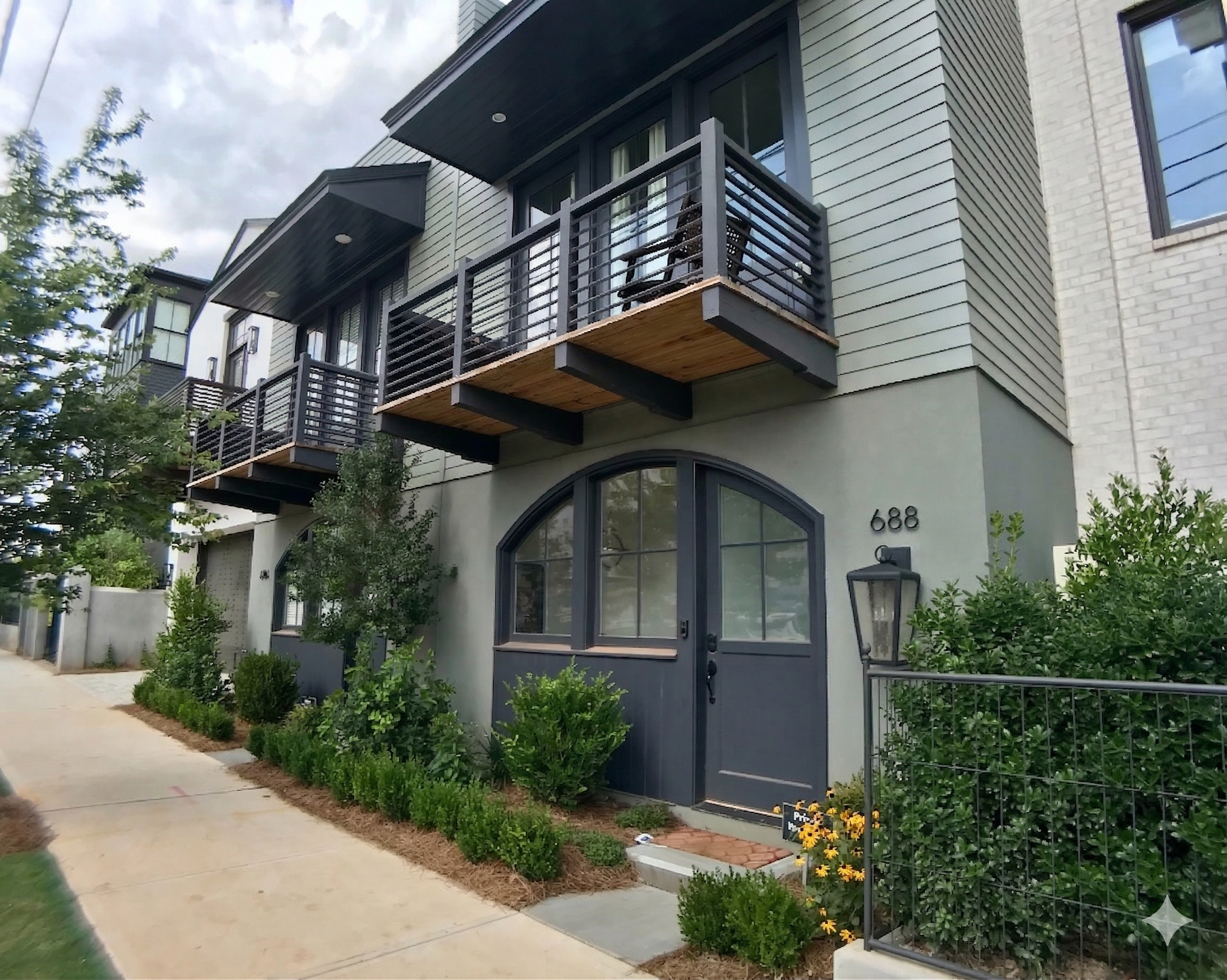
Atlanta is the benchmark relocation buyers compare everything else to in the Sun Belt — Dallas's no-income-tax advantage, Nashville's lifestyle appeal, Charlotte's affordability, Phoenix's tax structure, Austin's tech concentration. The real numbers are more nuanced than the headlines. Metro Atlanta's median home price sits around $411,000. Georgia's flat income tax is 5.19% and dropping, but the effective property tax rate of 0.92% is among the lowest in the Southeast — a gap that narrows the income tax disadvantage significantly at most purchase price points. I work with relocation buyers across Metro Atlanta and run this comparison regularly. This is Atlanta vs. the Sun Belt. Here's what you need to know.
Relocating to Atlanta in 2026: Where to Live & How to Find the Right Agent
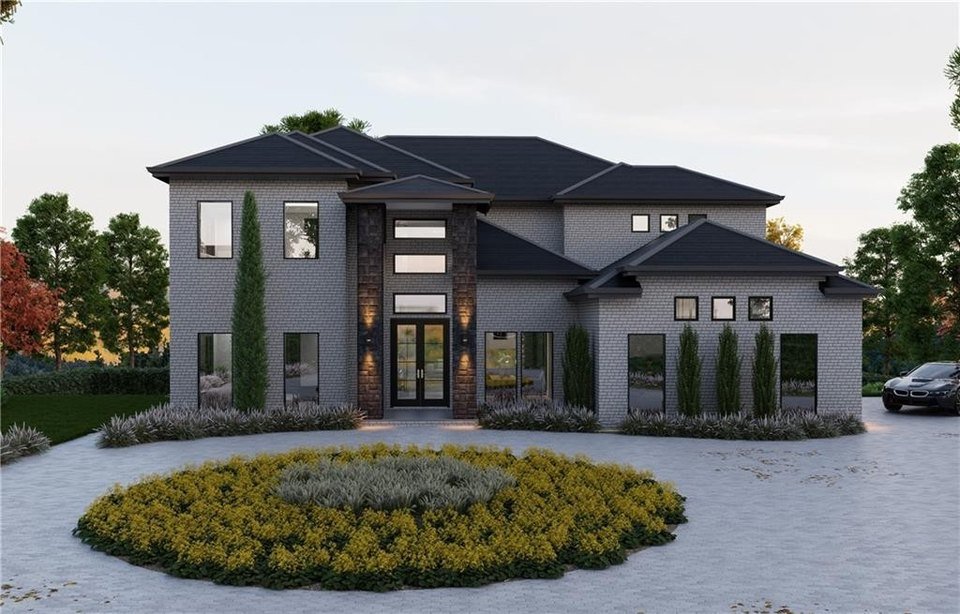
Metro Atlanta's median home price runs $380,000 to $440,000 depending on the county and data source, and buyers in 2026 have more negotiating leverage than at any point since before the pandemic. Nearly a decade working with relocation clients across the metro means I know the differences that don't show up in listings: which suburbs have commutes that are longer than they look on a map, which intown neighborhoods offer the most for your dollar, and where the market is actually moving. This is one of the most consequential decisions you'll make during your relocation. Here's what you need to know.
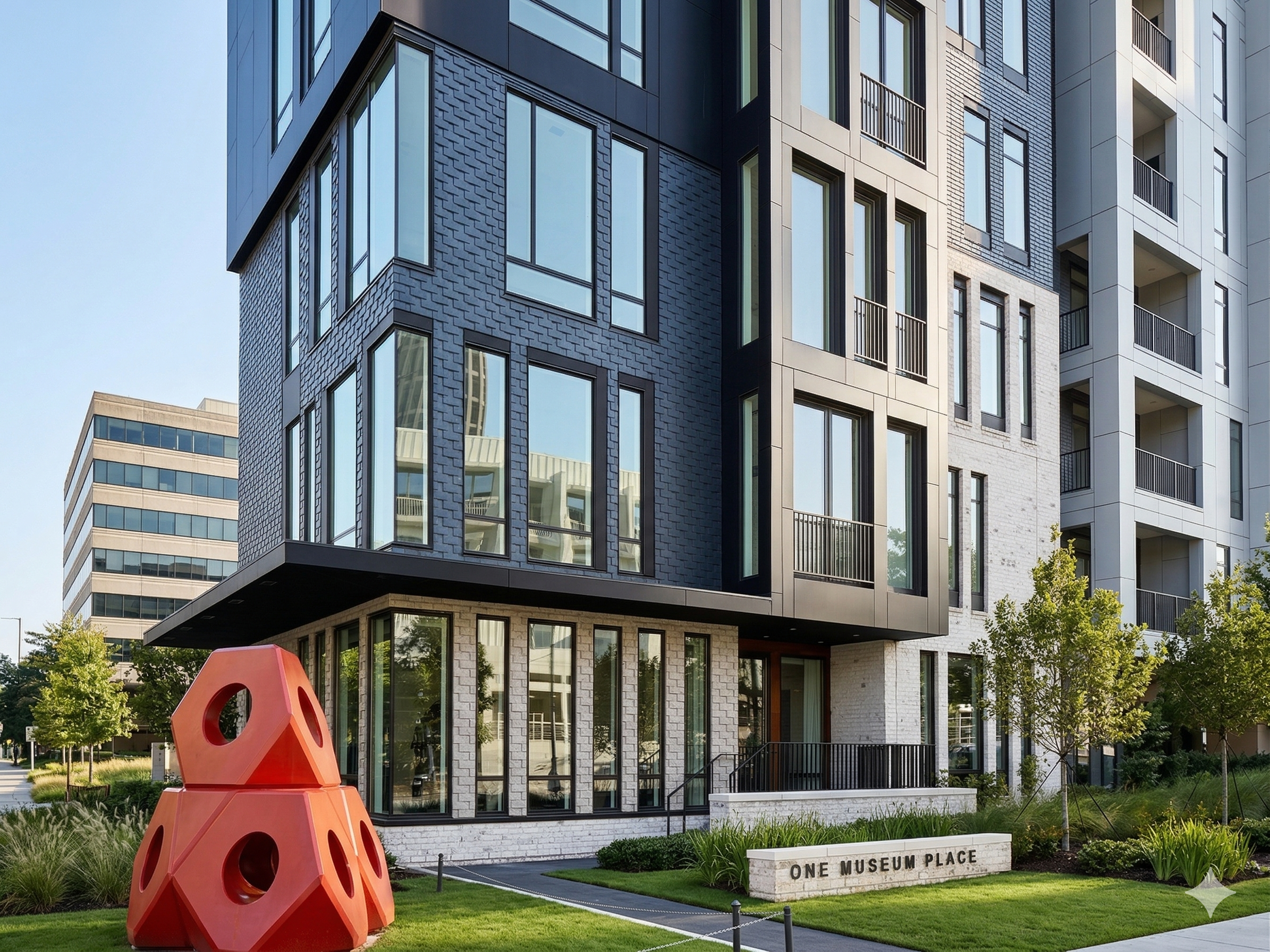
Best Midtown Atlanta Luxury Condos for Buyers Who Want a Short Commute
Midtown Atlanta is where the short-commute math actually works — four MARTA stations, a 4–6 minute rail ride to Downtown, and a 20-minute no-transfer trip to Hartsfield-Jackson. The luxury condo market here runs $350K–$3.9M across buildings like 1010 Midtown, Spire, Luxe, and Aqua, with 1-bedroom units starting around $392K and 2-bedrooms moving quickly past $600K on upper floors. Nearly a decade working with Atlanta buyers means I know which buildings have strong HOA reserves, which orientations actually deliver the views they promise, and where the commute advantage is real. This is Midtown. Here's what you need to know.
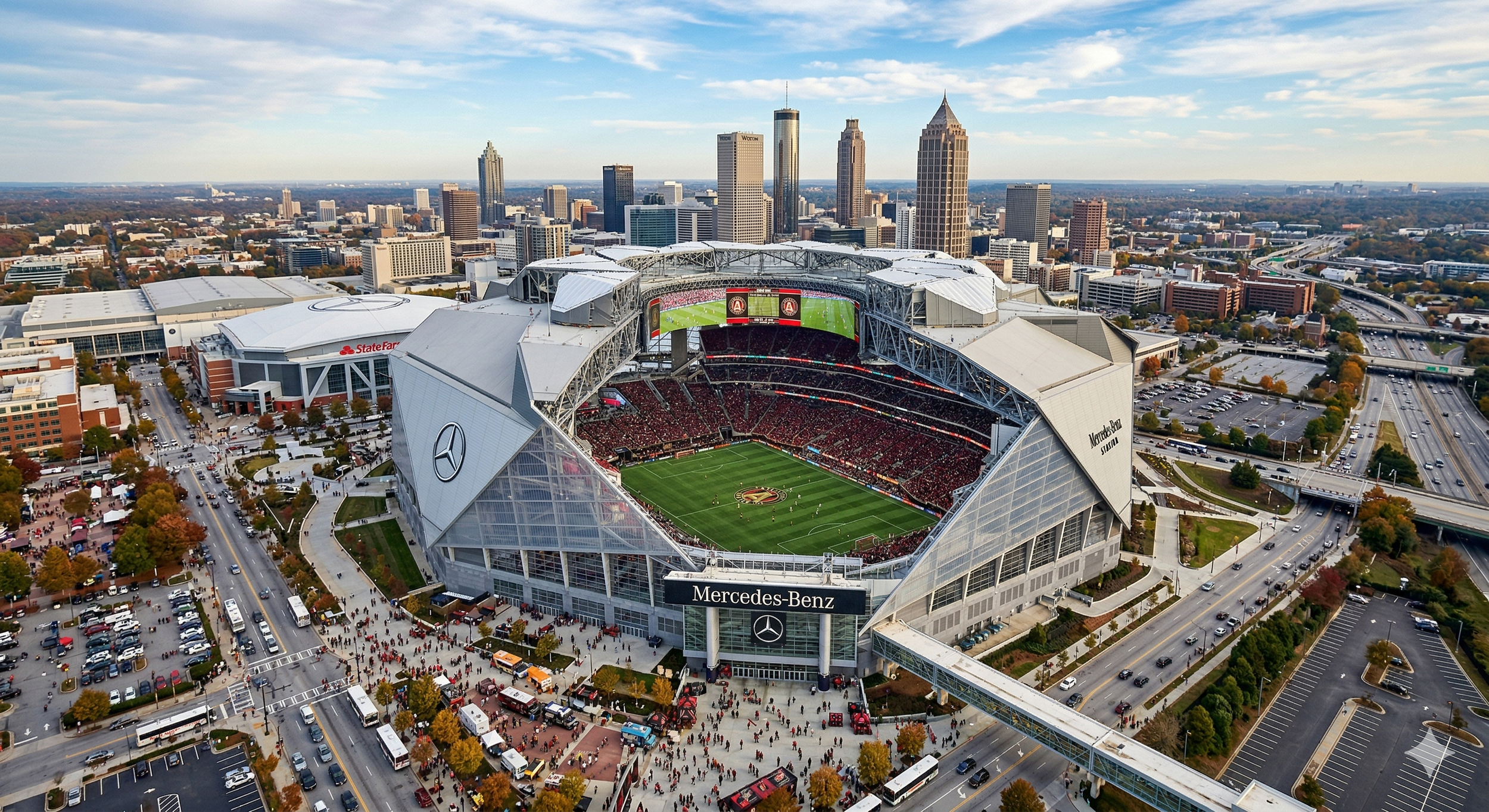
Living in Vine City Atlanta GA: Historic Westside, Mercedes-Benz Stadium & Home Prices 2026
Vine City sits half a mile from downtown Atlanta with two MARTA rail stations, Mercedes-Benz Stadium on its eastern border, and median home prices around $310,000–$325,000 as of early 2026, up roughly 32% year over year. The neighborhood holds the King Family Home on Sunset Avenue, the Herndon Home Museum, and active redevelopment at the Morris Brown College site approved by Invest Atlanta in late 2025. Nearly a decade helping buyers across Metro Atlanta means I know what the price data doesn't show: how wide the spread is between renovated and unrenovated product, and exactly which blocks are moving. This is Vine City. Here's what you need to know.
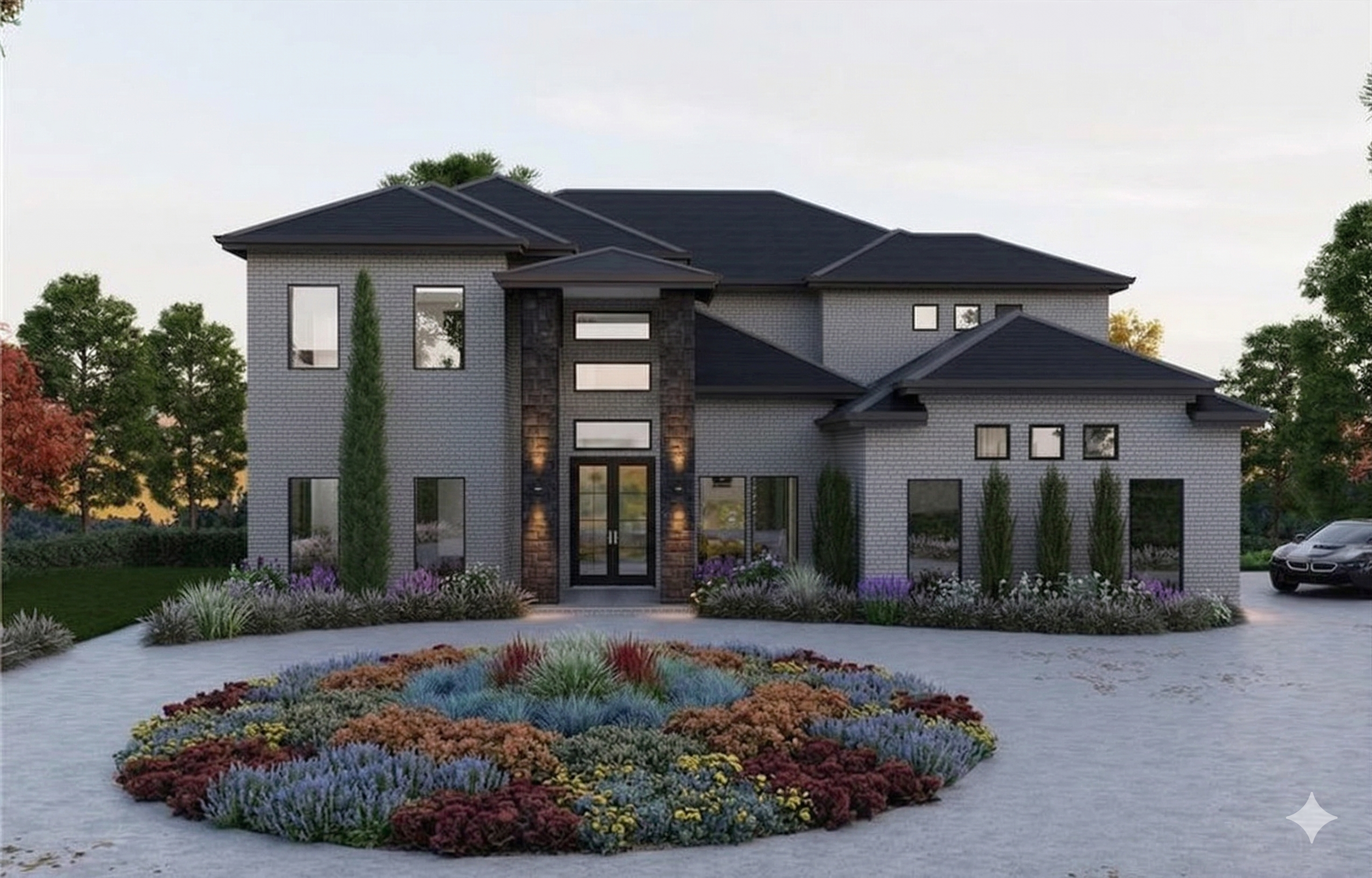
Living in Cascade Atlanta GA: Southwest Atlanta, Cascade Road Corridor & Home Prices 2026
Cascade Heights median home prices hit a reported $460,000 in January 2026, up over 30% year-over-year, with four-bedroom brick ranches in Beecher Hills and Audubon Forest running $350,000 to $500,000 and estate-scale homes in Guilford Forest pushing well above $600,000. The corridor spans 600-plus acres of green space anchored by Cascade Springs Nature Preserve, one of Atlanta's only old-growth forests within city limits, alongside a business district that includes Gocha's Breakfast Bar, Oreatha's At The Point, and Baltimore Crab and Seafood. I work with buyers across Metro Atlanta, and the value calculation in Cascade still holds against east-side alternatives. This is Cascade Atlanta. Here's what you need to know.

Living in Castleberry Hill Atlanta GA: Arts District, Downtown Access & Home Prices 2026
Castleberry Hill is Atlanta's Historic Arts District — converted warehouses and factories turned into lofts with 20-foot ceilings, exposed brick, and direct walking distance to Mercedes-Benz Stadium, State Farm Arena, and the $5-billion Centennial Yards development now actively under construction next door. Nearly a decade helping buyers across Metro Atlanta means I know what the numbers don't show: the difference between buildings, why HOA due diligence matters here more than almost anywhere else, and what the Centennial Yards buildout actually means for buyers in 2026. Prices range from the mid-$100,000s to $800,000+, with 49–66 days on market. This is Castleberry Hill. Here's what you need to know.
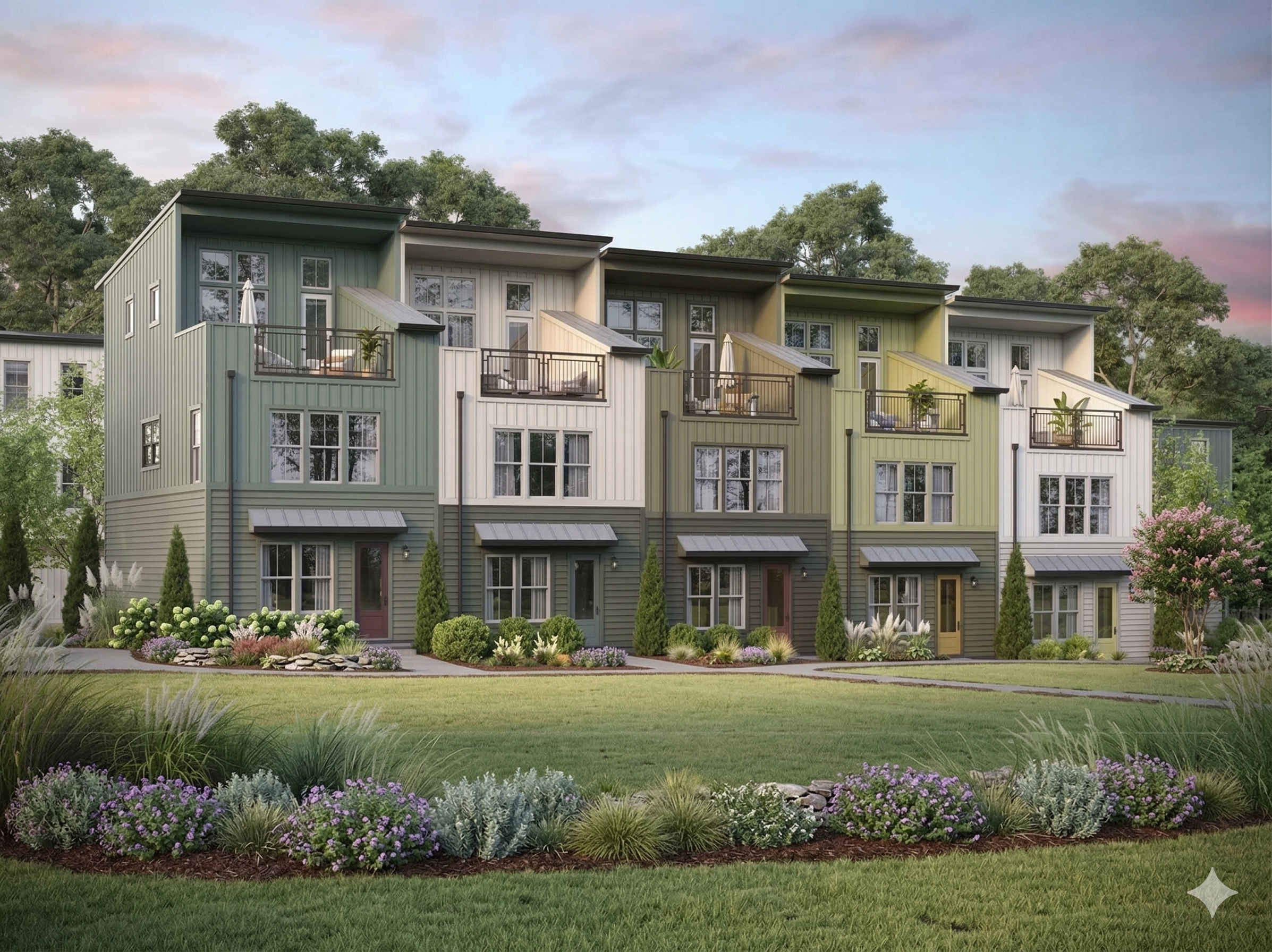
Living in Chosewood Park Atlanta GA: Southside BeltLine Trail Access & Home Prices 2026
Chosewood Park sits directly on Atlanta's Southside BeltLine Trail corridor, with a trailing 12-month median sale price of $435,000 — up 8% year-over-year and priced below Grant Park to the north. The neighborhood is mid-transformation: historic Craftsman bungalows from the 1920s–1940s on interior streets, 800-unit Empire Zephyr and Toll Brothers townhomes along Englewood Avenue, and a planned mixed-use Main Street corridor breaking ground in 2026. New construction starts in the high $300Ks; builder incentives of $15,000–$30,000 are active. Nearly a decade working with Atlanta buyers means I know which blocks are delivering and which parts of this story are still coming. This is Chosewood Park. Here's what you need to know.
Atlanta Suburbs with Highly Ranked Schools: What Buyers Need to Know in 2026
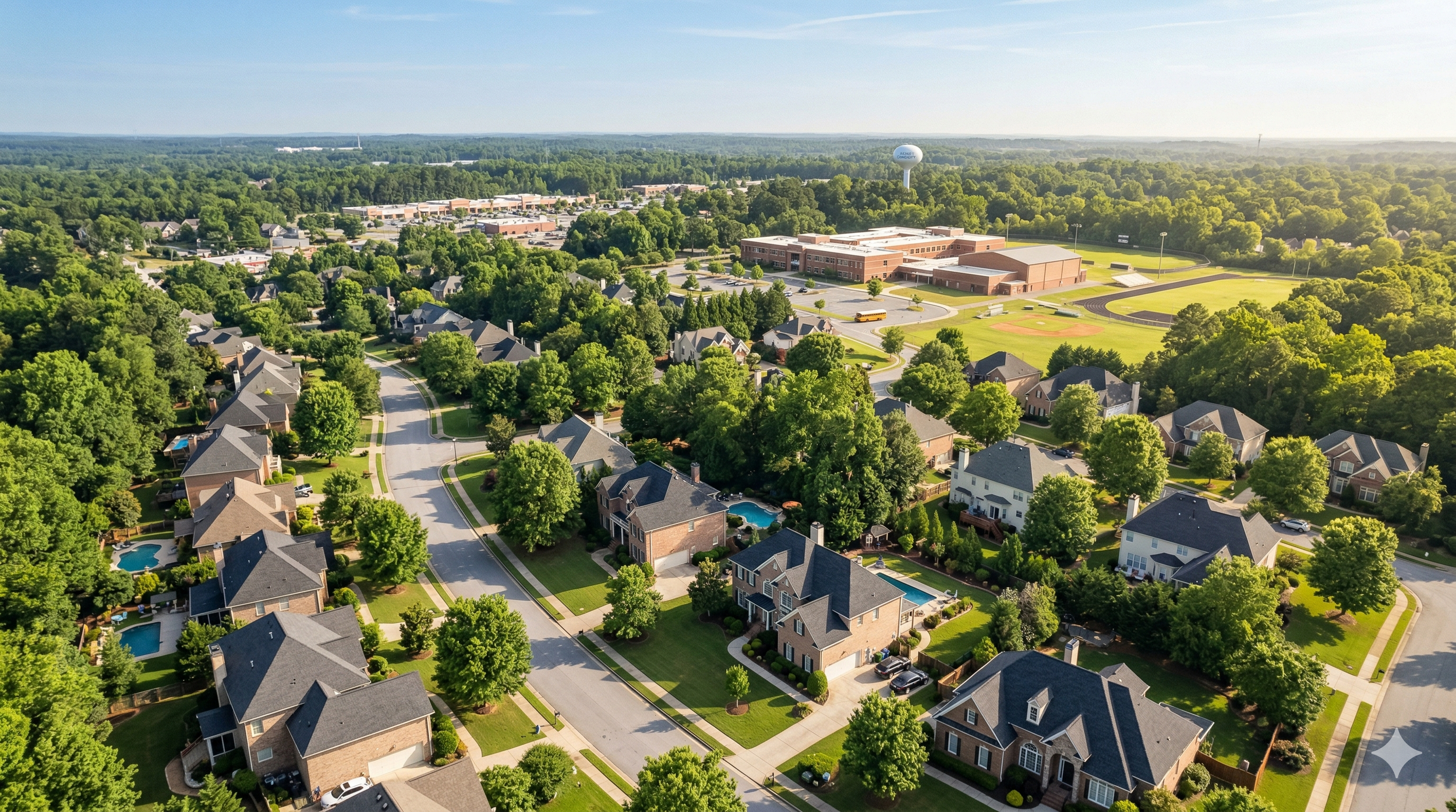
Five Metro Atlanta suburbs consistently dominate school district rankings — East Cobb, Buford, Forsyth County, Johns Creek, and Peachtree City. Buford City Schools has held the No. 1 spot in Georgia for eleven consecutive years. Forsyth County Schools ranks No. 2 in Metro Atlanta. Johns Creek posts A+ grades across the board. But rankings don't tell you what buying into a specific attendance zone actually costs, what commute you're signing up for, or whether your address puts your child in the school you're expecting. Nearly a decade helping Atlanta buyers means I know where the gaps are. Here's what you need to know.
Luxury Homes That Sold Above Asking in Atlanta: Q4 2025 Breakdown
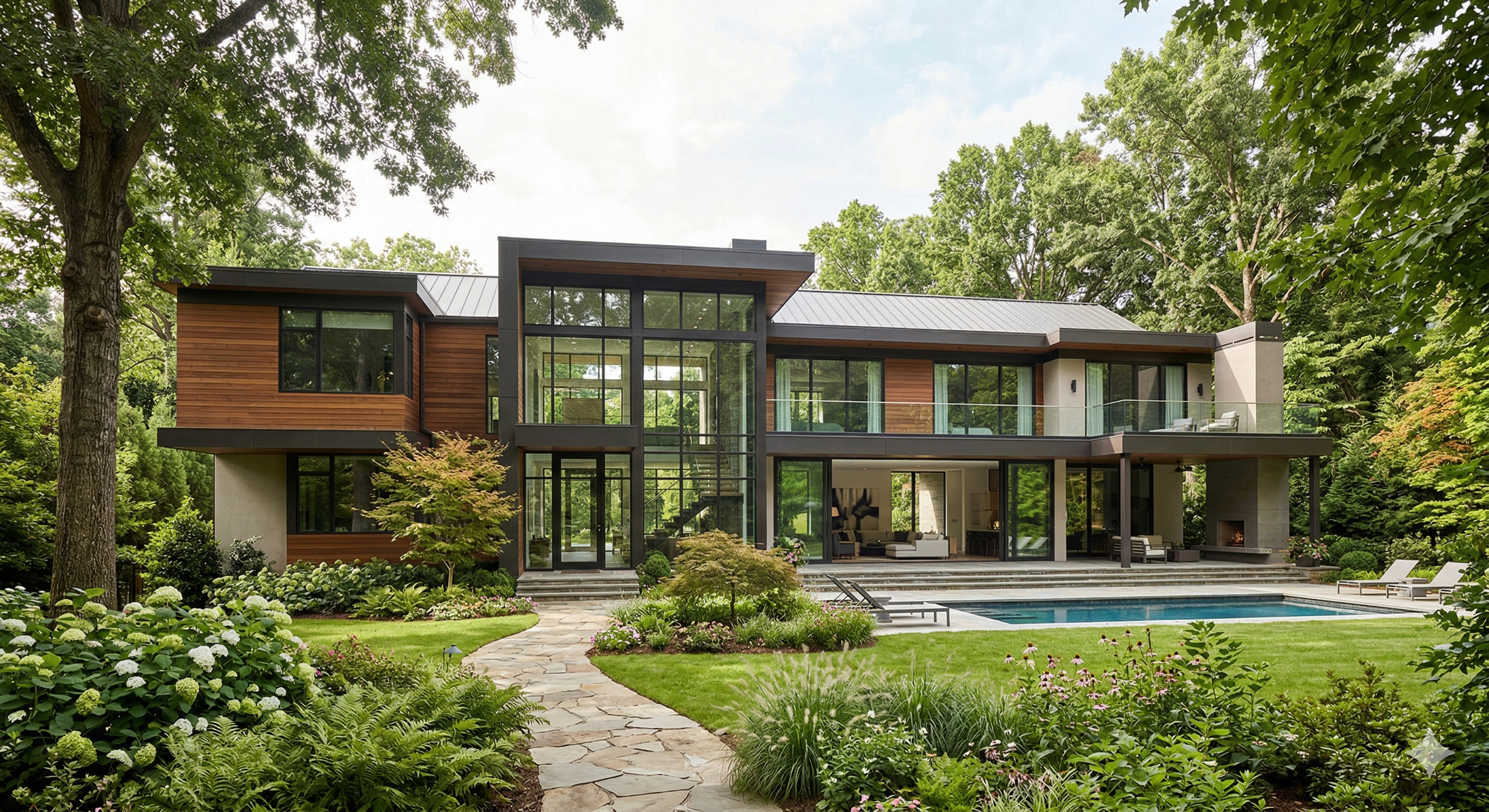
In Q4 2025, most of Atlanta's luxury market normalized — extended days on market, price reductions, patient buyers. But a specific segment of homes still sold above asking: turnkey product in Tuxedo Park and upper Buckhead, school-zone inventory in East Cobb, new construction in Brookhaven, and a narrow tier of premier condos in Midtown. Nearly a decade of working with buyers across Metro Atlanta means I know what the data doesn't show — and what separated the above-asking sales from everything else in Q4. This is Atlanta's luxury market. Here's what you need to know.
Atlanta Intown Neighborhoods with the Best ROI for First-Time Buyers 2026
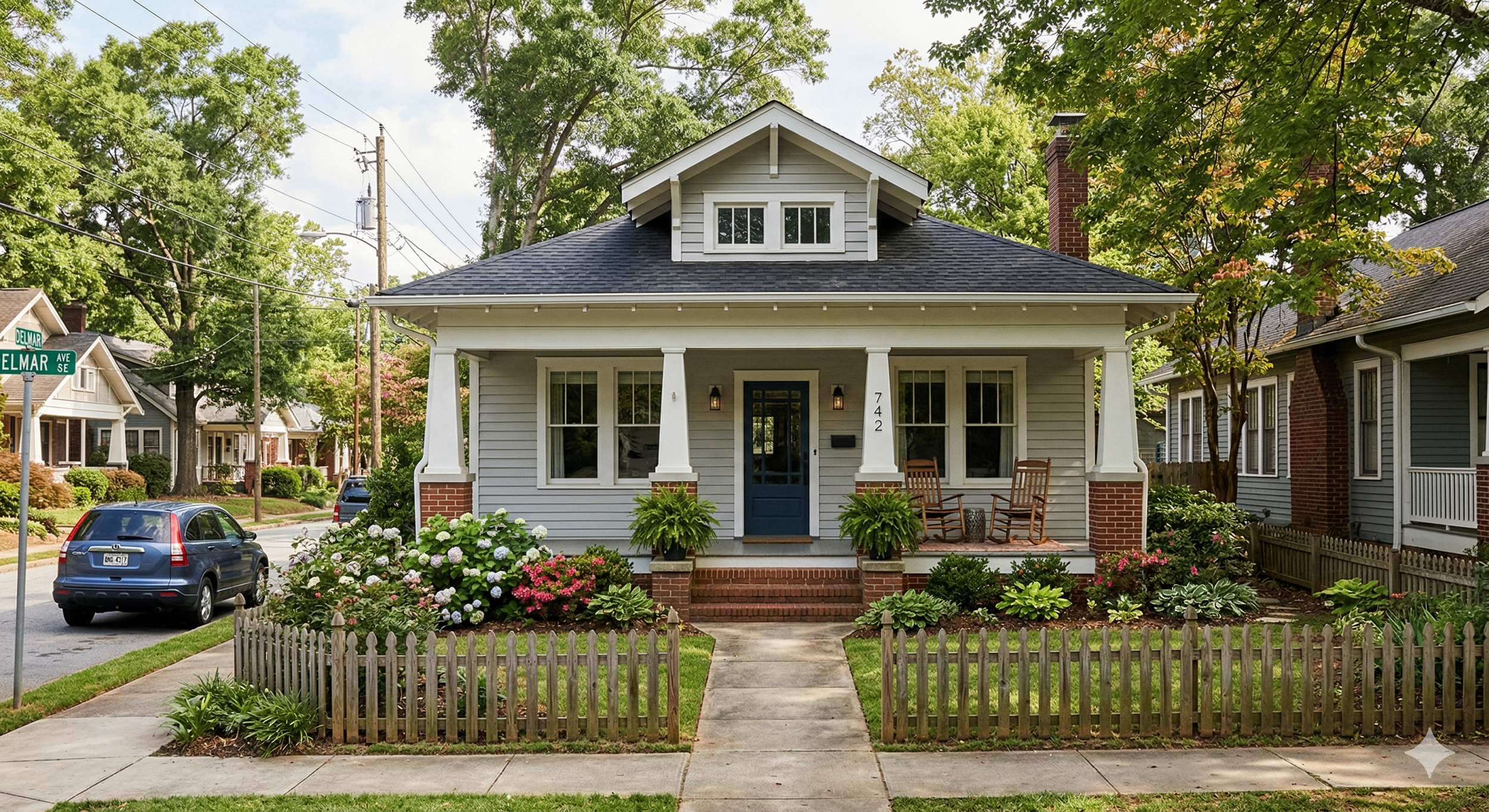
Atlanta ranked fourth nationally for first-time buyers in 2026, with around 45% of listings within reach for qualified buyers, per Zillow. But national rankings don't tell you which specific intown neighborhoods still have appreciation runway versus which ones have already run. Nearly a decade helping Atlanta buyers means I've watched the BeltLine expansion, MARTA investment, and Murphy Crossing development pipeline move in real time. Entry prices in these neighborhoods range from $200,000 in Sylvan Hills to $550,000 in East Atlanta Village, with a mix of renovation potential and confirmed infrastructure catalysts. This is Atlanta intown real estate. Here's what you need to know.