

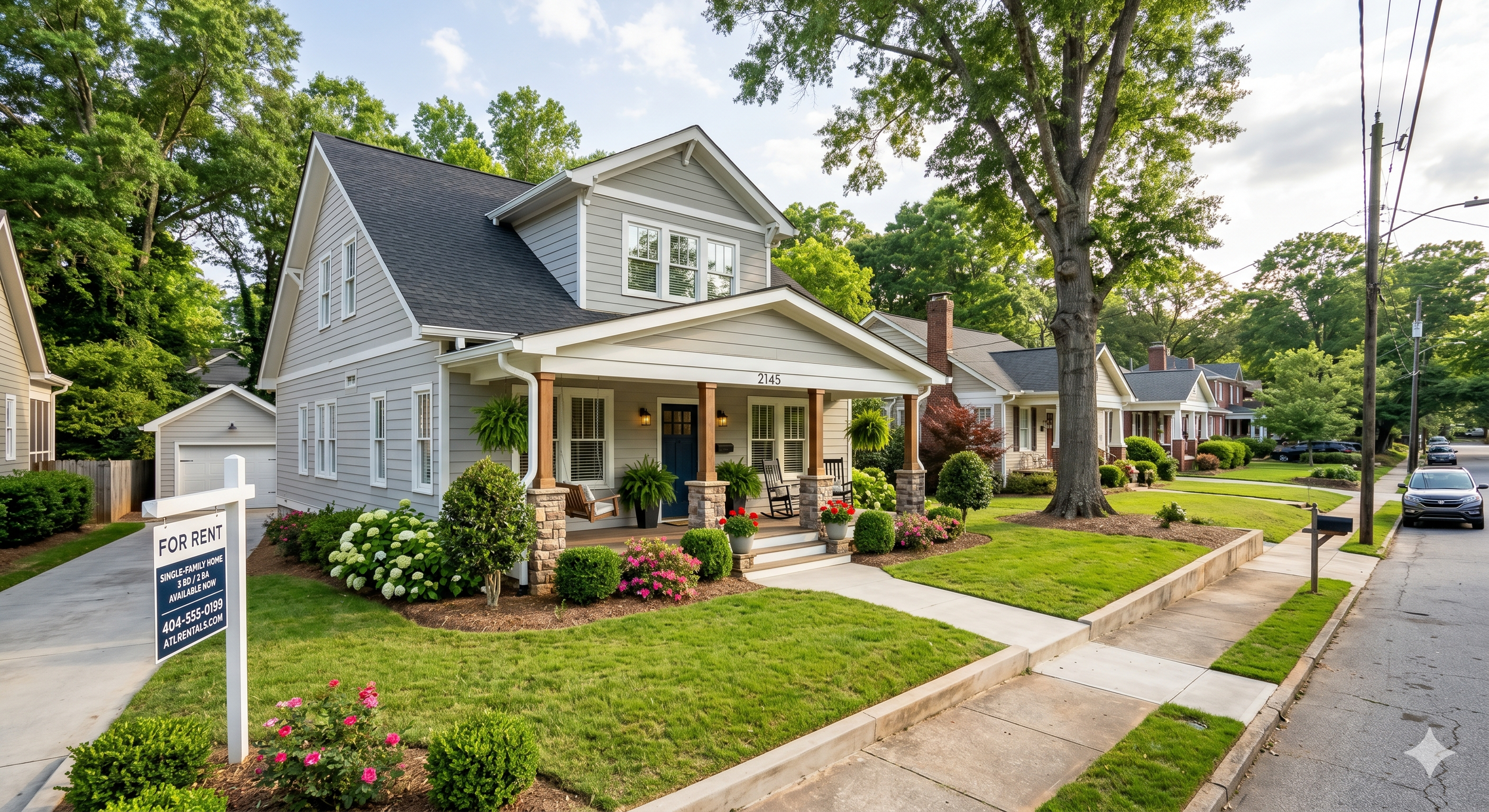
Which Metro Atlanta ZIP Codes Have the Best Long-Term Rental Yield in 2026?
The Metro Atlanta ZIPs with the highest gross rental yields in 2026 are concentrated in Southwest Atlanta and the south metro: 30311 (9.9%), 30238 and 30274 in Clayton County (10–12%), 30058 and 30083 in DeKalb (10–12%), and 30310 and 30315 in the city (9.0%). Nearly a decade helping Atlanta buyers means I know what the calculator does not show: the block-by-block rent comp gaps, the renovations that swallow the yield, the ZIPs where institutional buyers have already compressed returns. Median home values $185K–$310K, gross yields 7–12%, net yields 4–6 points lower. This is the rental yield map. Here's what you need to know.
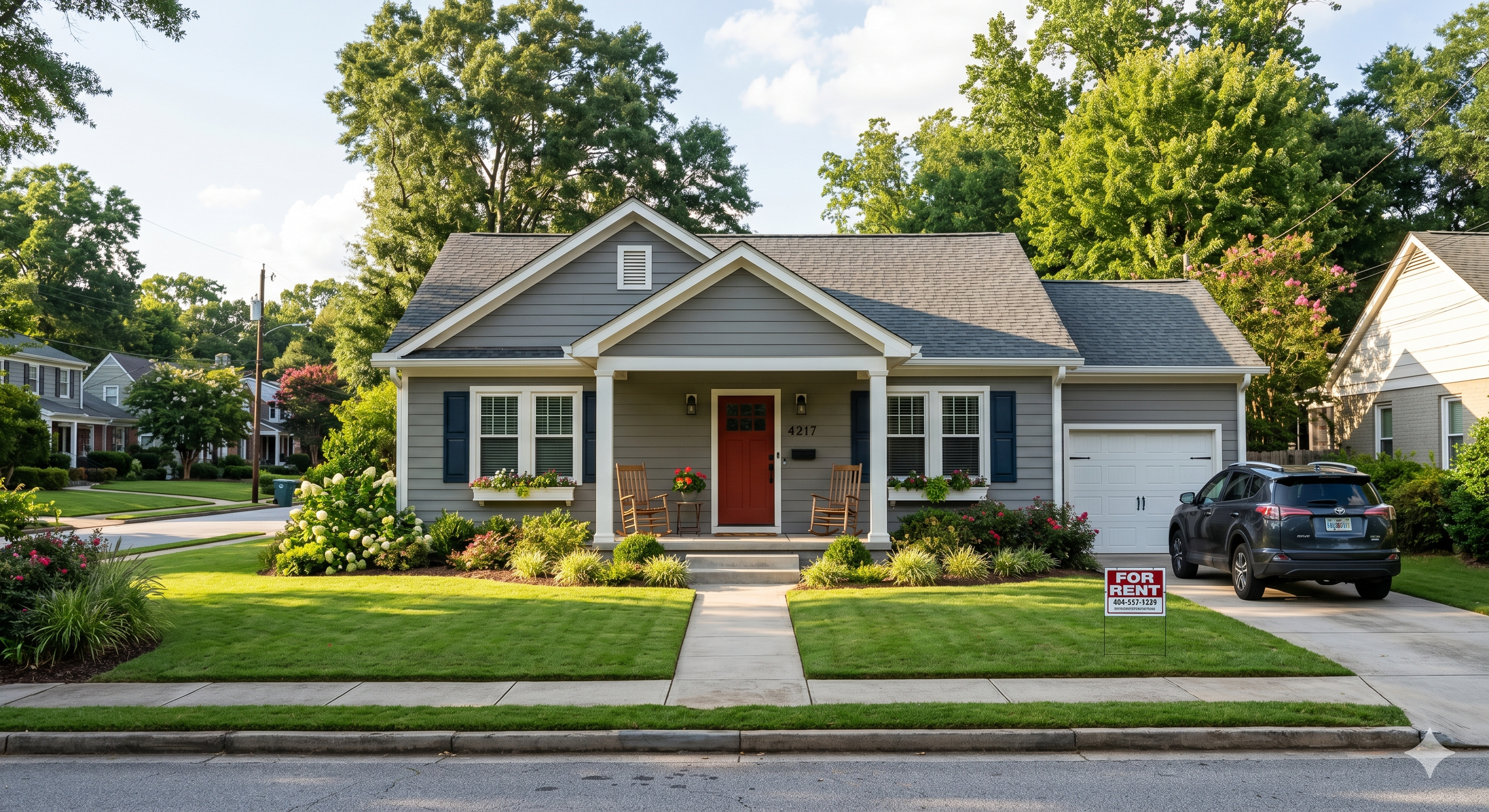
How Do You Evaluate an Atlanta Rental Property's True Cash Flow?
Most Atlanta rental property pro formas show positive cash flow that doesn't survive contact with reality. The numbers that get skipped, vacancy, capital expenditures, real repair costs, leasing turnover, and 2026 insurance and tax increases of 20 to 40 percent, are the difference between an investment that builds wealth and one that quietly bleeds money. Nearly 10 years of helping Metro Atlanta buyers means I underwrite real numbers, not pro forma fantasies: a $290K South Fulton rental at $1,850/month rent runs roughly $1,000/month negative cash flow at current rates once every operating expense is honest. This is how to evaluate Atlanta rental cash flow. Here's what you need to know.
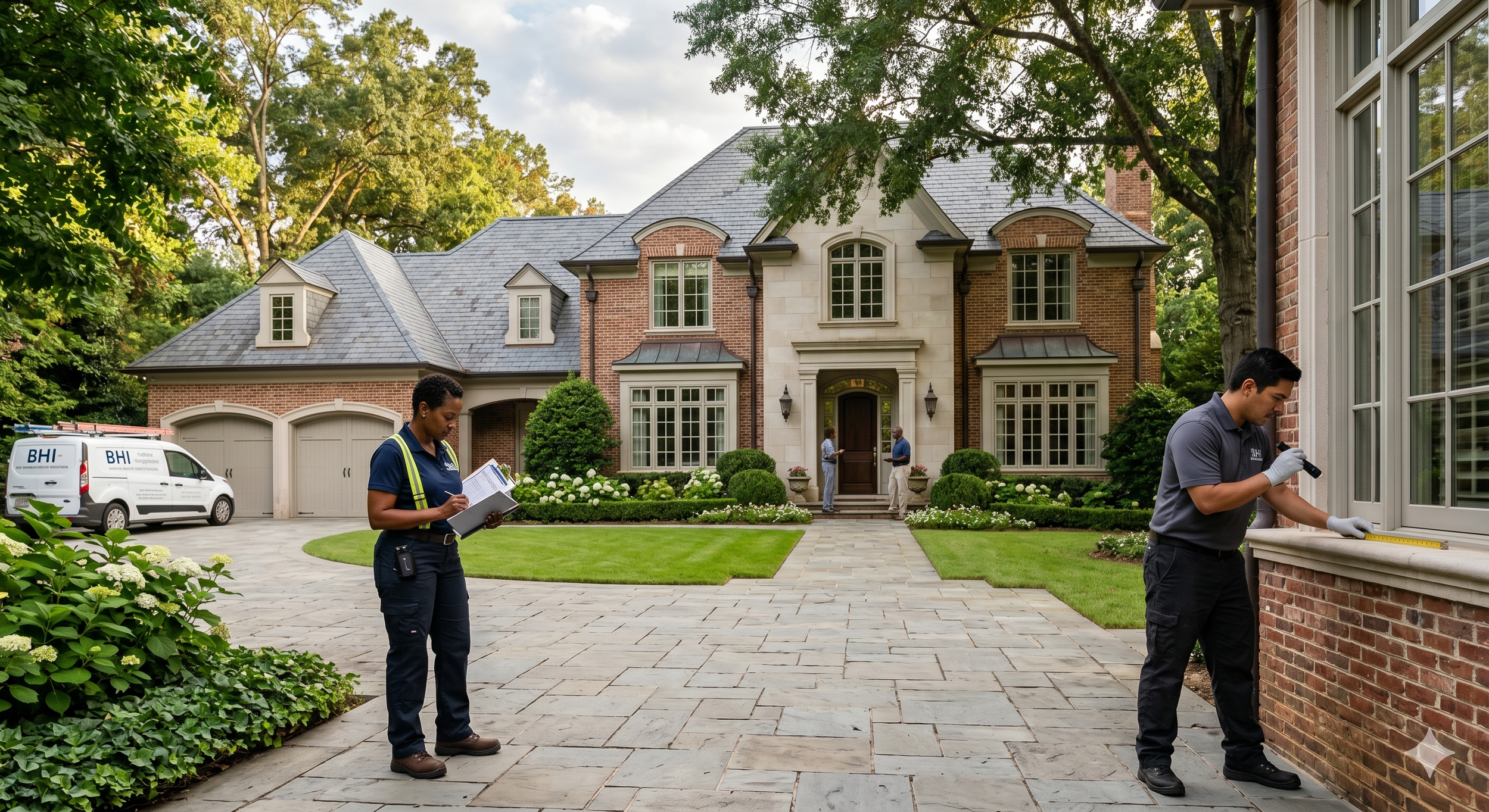
Should You Get a Pre-Listing Inspection Before Selling Your Atlanta Home?
Pre-listing inspections in Metro Atlanta cost $400 to $700, and the answer to whether you should get one depends on the house, the price point, and what you're prepared to do with the report. Nearly a decade of selling in this market means I know what the data doesn't show: how Georgia's caveat emptor law turns the report into a disclosure document the moment you read it, when an inspection saves you from a $15,000 buyer credit demand, and when it just creates legal exposure you didn't need. Older intown homes, luxury price points, and long-held properties almost always benefit. Newer homes with no known issues usually do not. This is when pre-listing inspections actually pay off in Atlanta. Here's what you need to know.
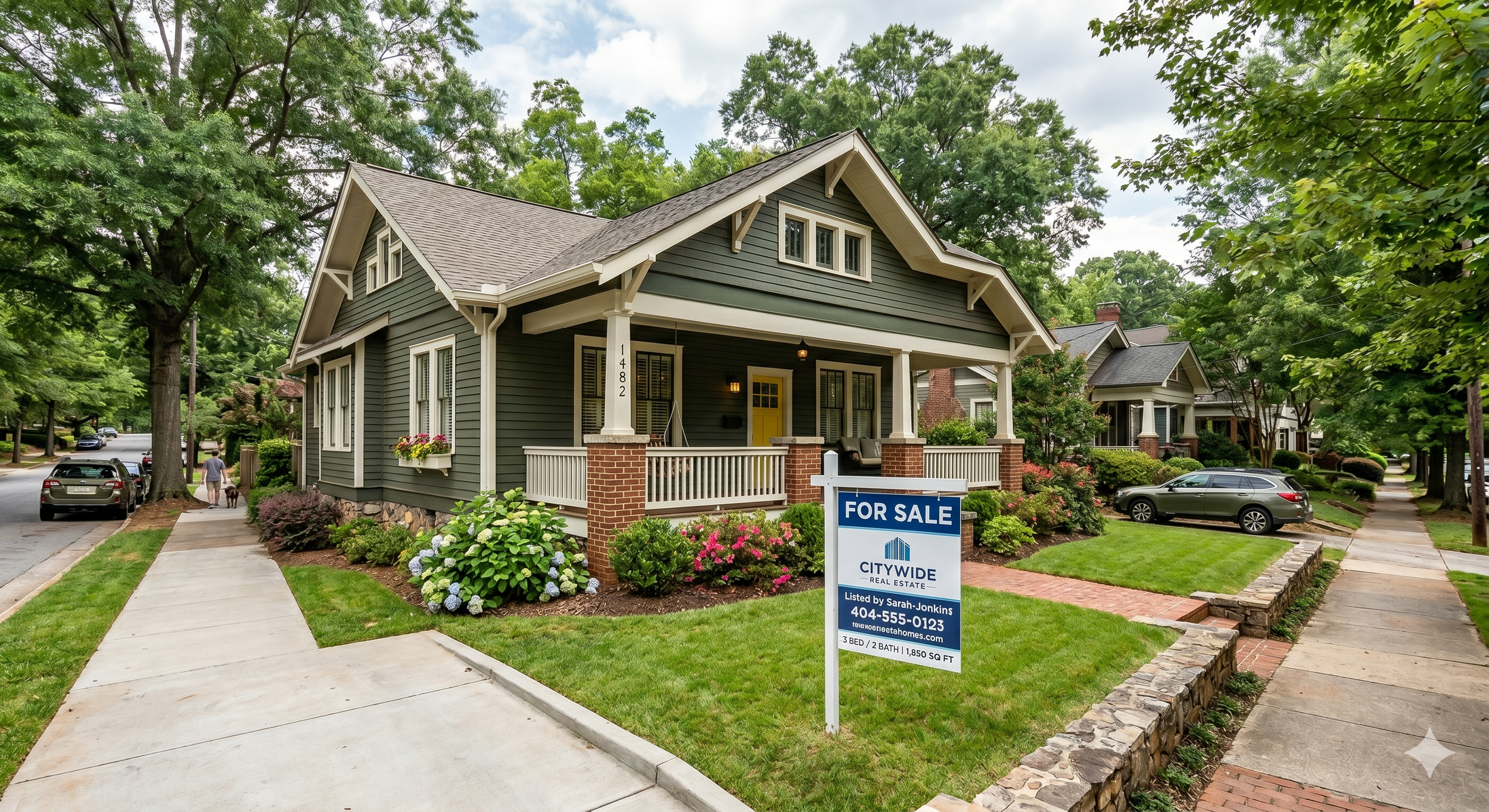
How Do You Sell a House During a Divorce in Georgia?
Selling a house during a divorce in Georgia means coordinating two processes that don't naturally line up: a real estate transaction that wants speed, and a legal proceeding that requires both spouses to agree or a judge to decide. Georgia is an equitable distribution state, both names on the deed means both signatures on every document, and the automatic standing order issued at filing restricts how marital property can be transferred. Nearly a decade of helping Metro Atlanta sellers means I know how to run these transactions cleanly, with discretion and without taking sides. This is selling a house during divorce in Georgia. Here's what you need to know.
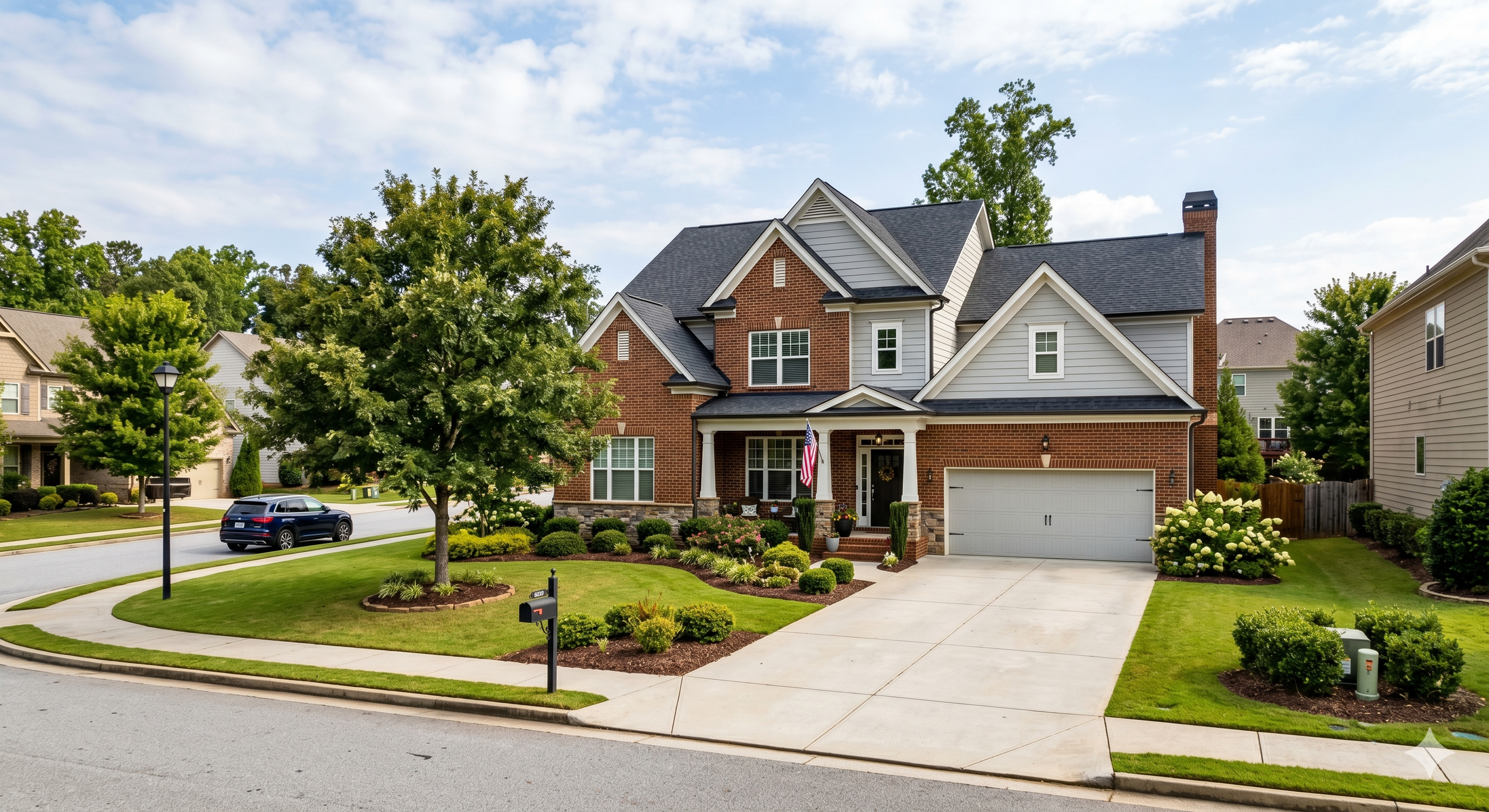
Living in South Fulton GA: New City Identity, Affordability & What Homes Cost in 2026
South Fulton is metro Atlanta's youngest large city, incorporated in 2017 from 17 historic communities including Sandtown, Cliftondale, Red Oak, and Cedar Grove. Nearly 90 square miles, more than 115,000 residents, and the largest expanse of undeveloped land on the southern edge of the metro. Nearly a decade helping Atlanta buyers means I know what the data doesn't show: the difference between Cliftondale and Sandtown school zones, what builder incentives are actually delivering in 2026, and which Camp Creek-corridor subdivisions hold value. Median sale prices around $330,000, days on market near 49, listings ranging from the $200s to $700K-plus. This is South Fulton. Here's what you need to know.
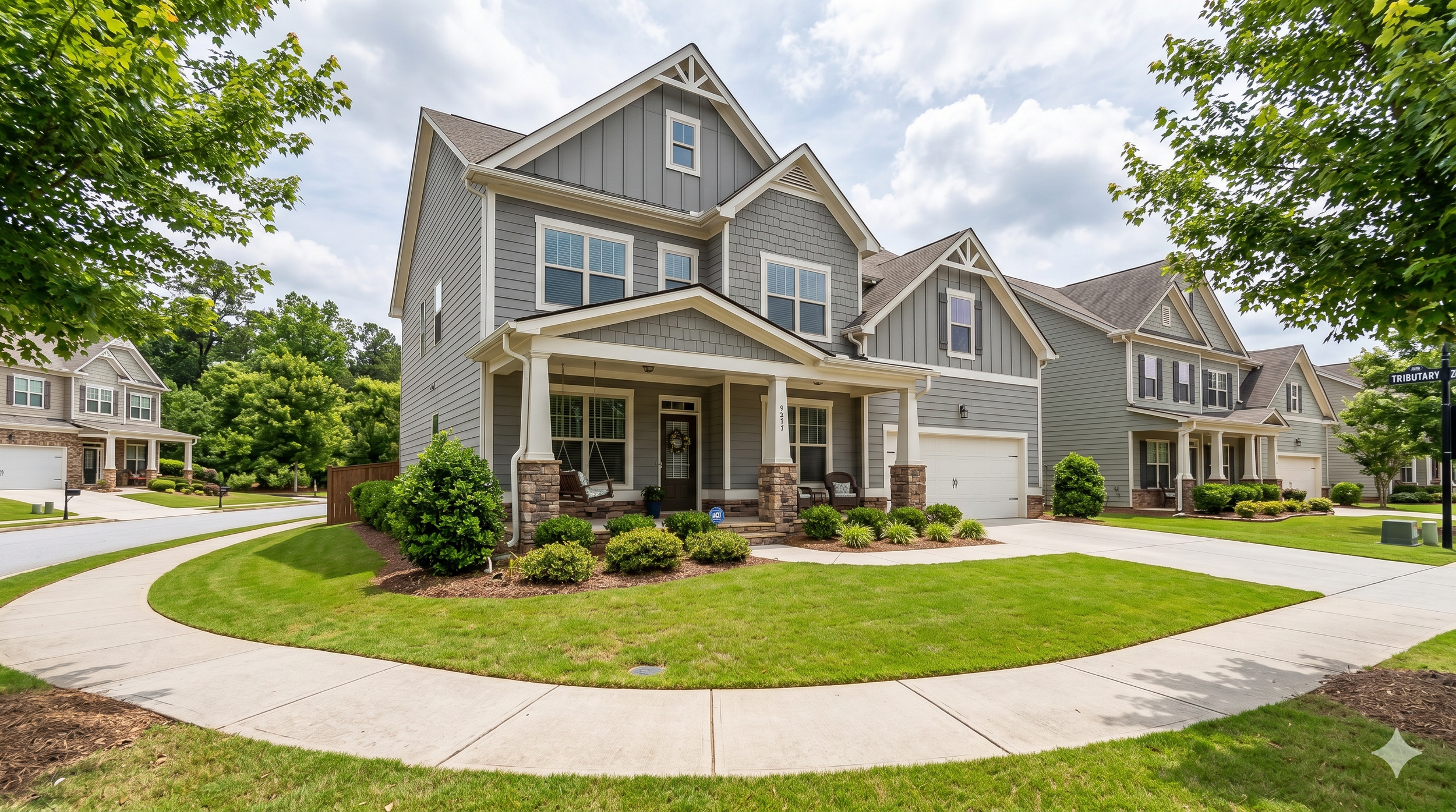
Living in Douglasville GA: West Metro Affordability, Sweetwater Creek & What Homes Cost in 2026
Douglasville sits 22 miles west of Atlanta on I-20 with a median sale price around $300,000 — roughly $75K below the metro median and one of the few remaining real value plays inside a 30-minute downtown commute. Nearly a decade helping Atlanta buyers means I know what the numbers don't show: the difference between Bill Arp Road and Highway 92, what Lionsgate Studios actually means for property values, and the county tax line distinctions between Tributary and the homes a half-mile away in Cobb. Median prices around $300K, 49 days on market, listings ranging $250K to $700K-plus, with a luxury layer in Chapel Hills Country Club. This is Douglasville. Here's what you need to know.
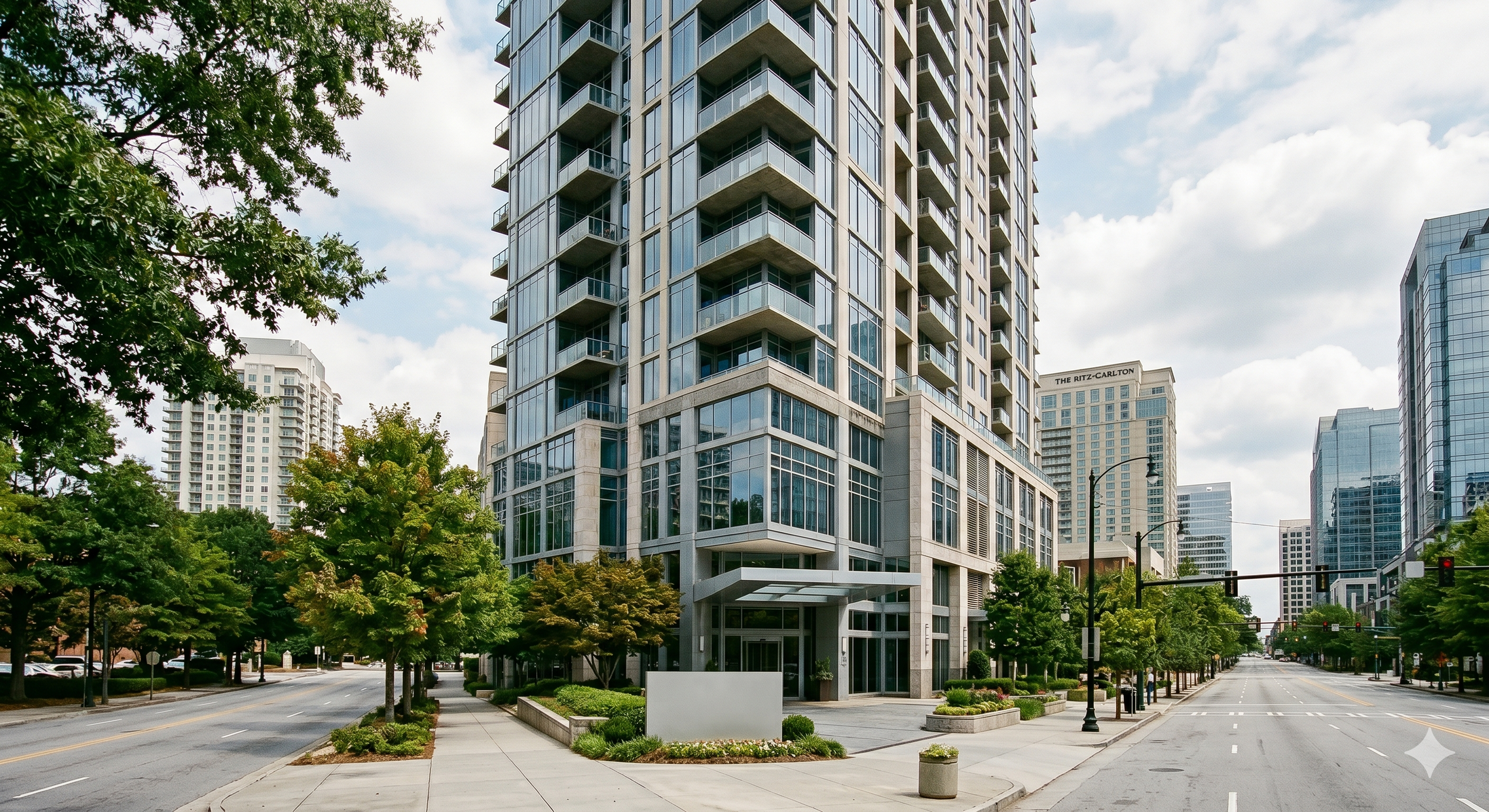
What's the Difference Between a Warrantable and Non-Warrantable Condo in Atlanta?
If you're shopping for a condo in Atlanta, the building matters as much as the unit. A warrantable condo qualifies for conventional, FHA, and VA financing with low down payments and standard rates. A non-warrantable condo doesn't, leaving buyers with portfolio loans, 20-25% down, and rates 1.5-3 points higher. Nearly a decade helping Atlanta buyers means I know what the 2026 Fannie Mae rule changes mean for older Midtown mid-rises, new Buckhead towers, and mixed-use Old Fourth Ward projects, and how to verify a building's status before you write the offer. This is condo financing in Atlanta. Here's what you need to know.
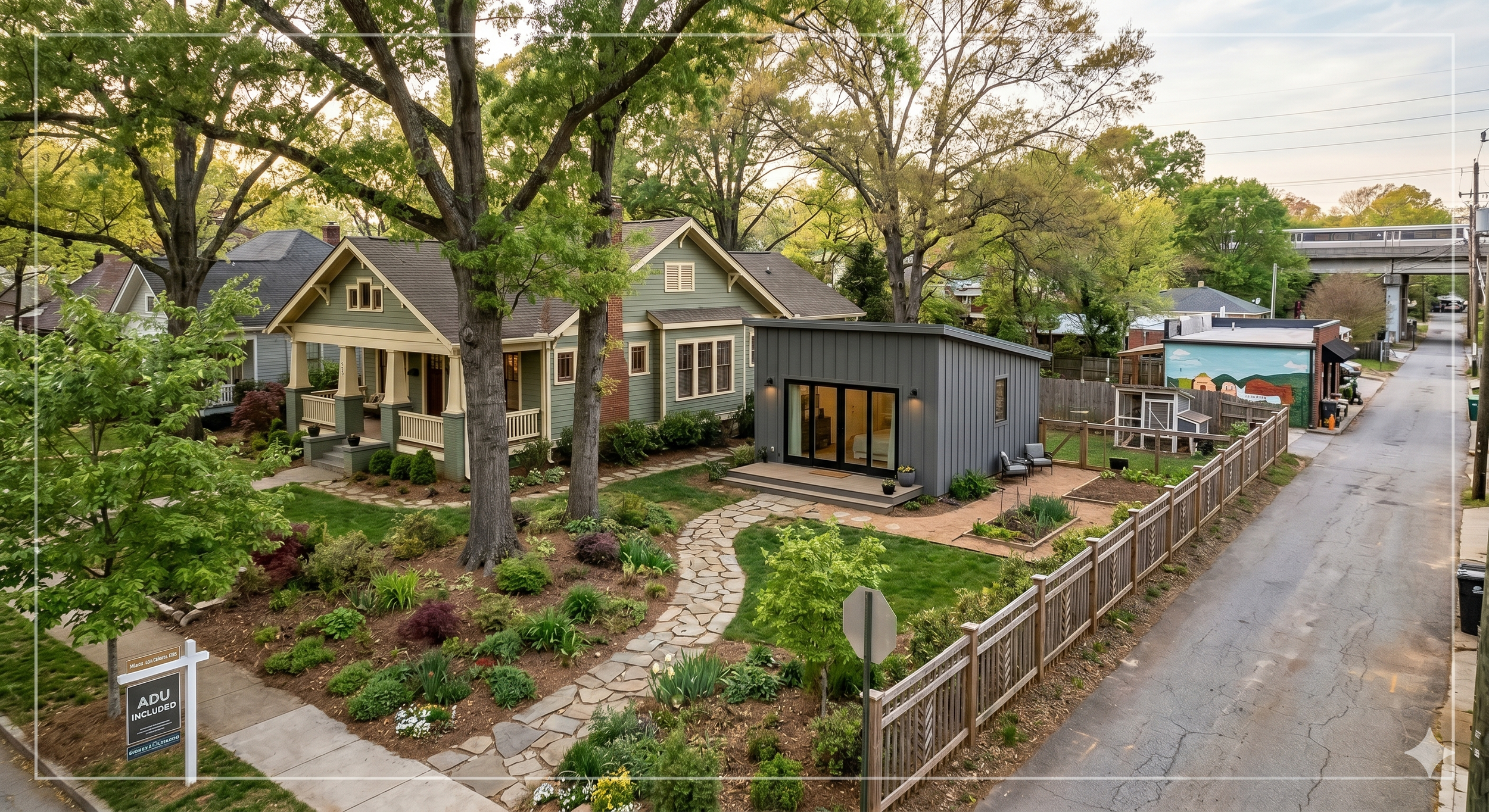
Which Metro Atlanta Neighborhoods Have the Best Multigenerational Homes?
The best Metro Atlanta neighborhoods for multigenerational homes break into four buckets: older brick ranches with finished basements in Stone Mountain, Tucker, Lithonia, and Stockbridge under $500K; new-construction multigen floor plans like Lennar's Next Gen in Forsyth, Cherokee, and West Cobb; intown ADU-friendly neighborhoods like Kirkwood, East Atlanta, and Grant Park where City of Atlanta zoning supports detached units; and suburban two-stories with main-level guest suites across Lawrenceville, Cumming, and Acworth. Nearly a decade helping Metro Atlanta buyers means I know which floor plans actually work, where the zoning supports what you need, and where the inventory is real. Here's what you need to know.
Fix-and-Flip vs. Buy-and-Hold in Atlanta: Which Strategy Wins in the 2026 Market?
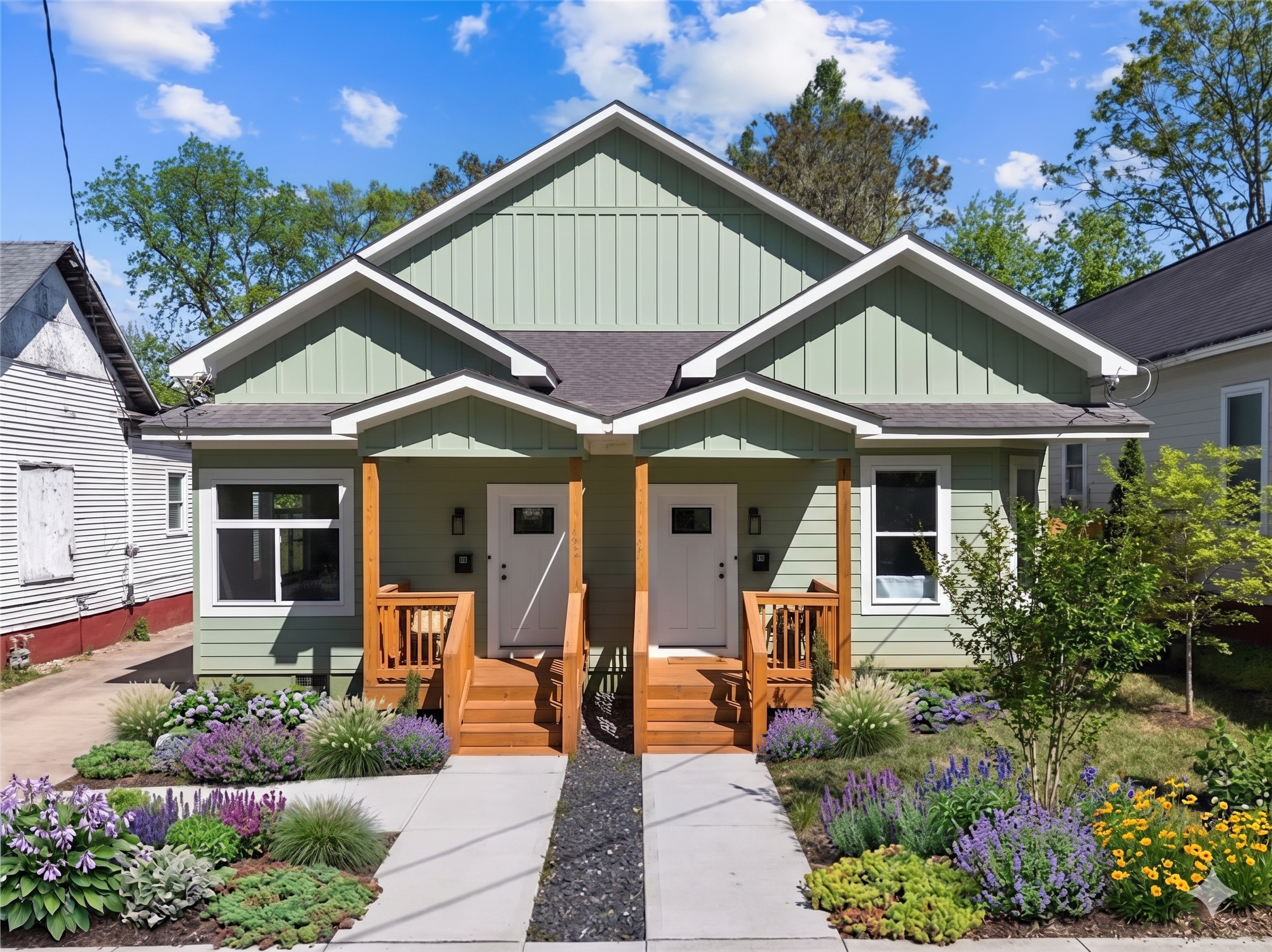
Metro Atlanta is one of the most active fix-and-flip markets in the country and one of the most structurally sound rental markets in the Southeast at the same time. ATTOM ranks Atlanta third nationally for flip rate at 13.6%, while single-family rents have stayed in the $1,750 to $1,900 range with continued population growth of 65,000 to 70,000 new residents per year. Nearly 10 years working with investors across South Fulton, the Westside, East Point, and intown Atlanta means I know which deals pencil and which don't in 2026. Both strategies are working. Neither is on autopilot. This is fix-and-flip vs. buy-and-hold in Atlanta. Here's what you need to know.
House Hacking Atlanta GA: Multi-Family, ADU & FHA Strategies to Buy With 3.5% Down in 2026
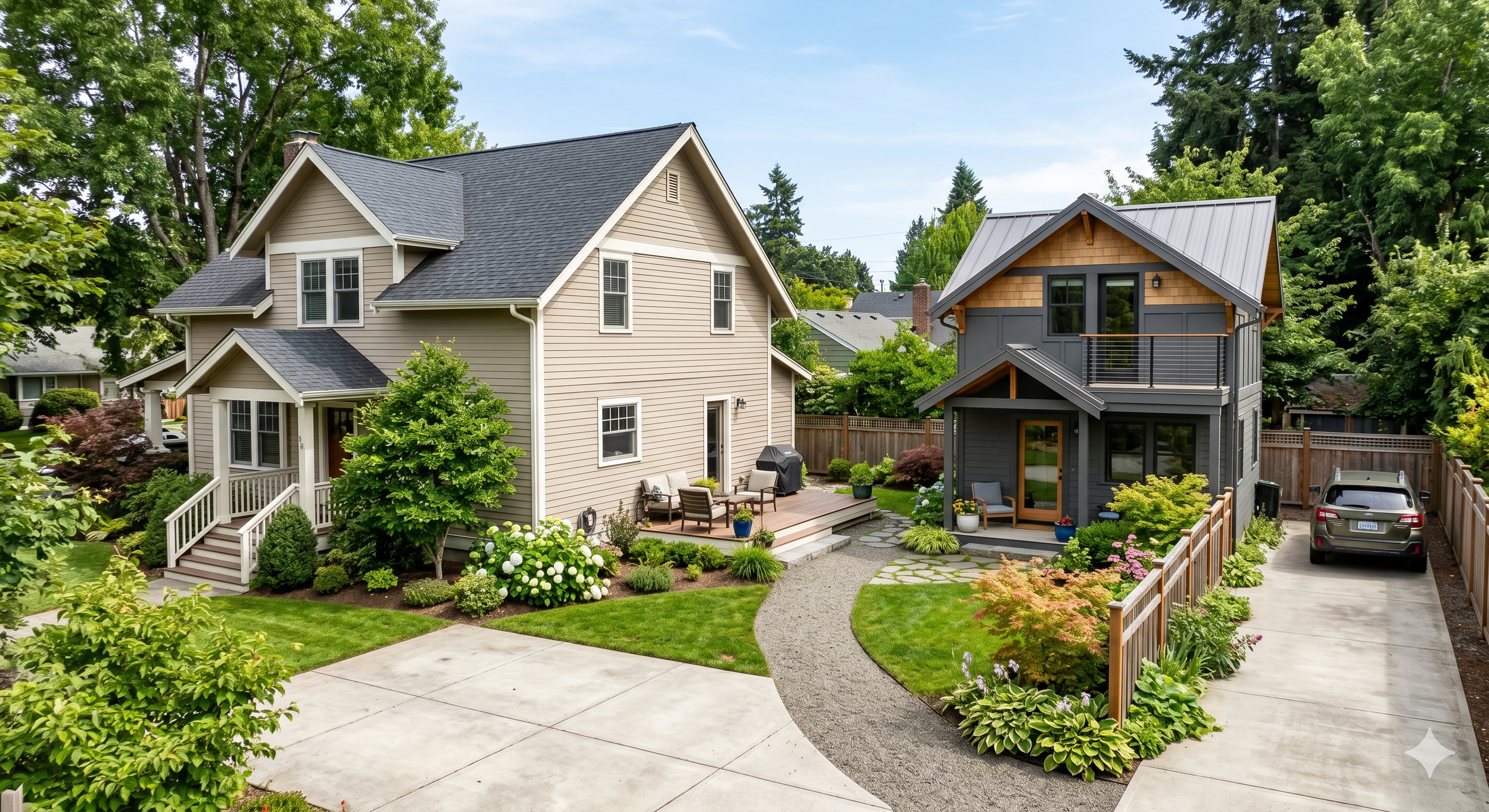
House hacking is the most underused path into Atlanta homeownership for buyers between $400K and $700K. With FHA financing, you can buy a duplex, triplex, or fourplex with just 3.5% down — and use 75% of projected rental income to qualify. Atlanta's 2018 zoning changes also legalized 750-square-foot detached ADUs in 60% of the city's residential land, opening a second path. Multi-family median listing price sits around $498,000 with 67 days on market — meaning room to negotiate. Best neighborhoods include Edgewood, Kirkwood, Reynoldstown, East Atlanta, and Grant Park, with renovated duplexes running $475K-$700K. This is house hacking in Metro Atlanta. Here's what you need to know.
Bridge Loans in Georgia: How to Buy Before You Sell in Atlanta's 2026 Market
Bridge loans solve a specific problem in Atlanta's 2026 market: how to buy your next home before your current one sells, when sellers won't accept a sale contingency. Nearly a decade helping Metro Atlanta buyers means I know what the numbers don't show: which lenders actually offer bridge loans in Georgia, when a HELOC beats a bridge loan, when a sale contingency works again, and what the all-in cost looks like for a real $200,000 bridge in 2026 (roughly $13,000–$27,000). This is bridge loans in Georgia. Here's what you need to know.
Living in Blandtown Atlanta GA: Westside Emerging Neighborhood, BeltLine Proximity & Home Prices 2026
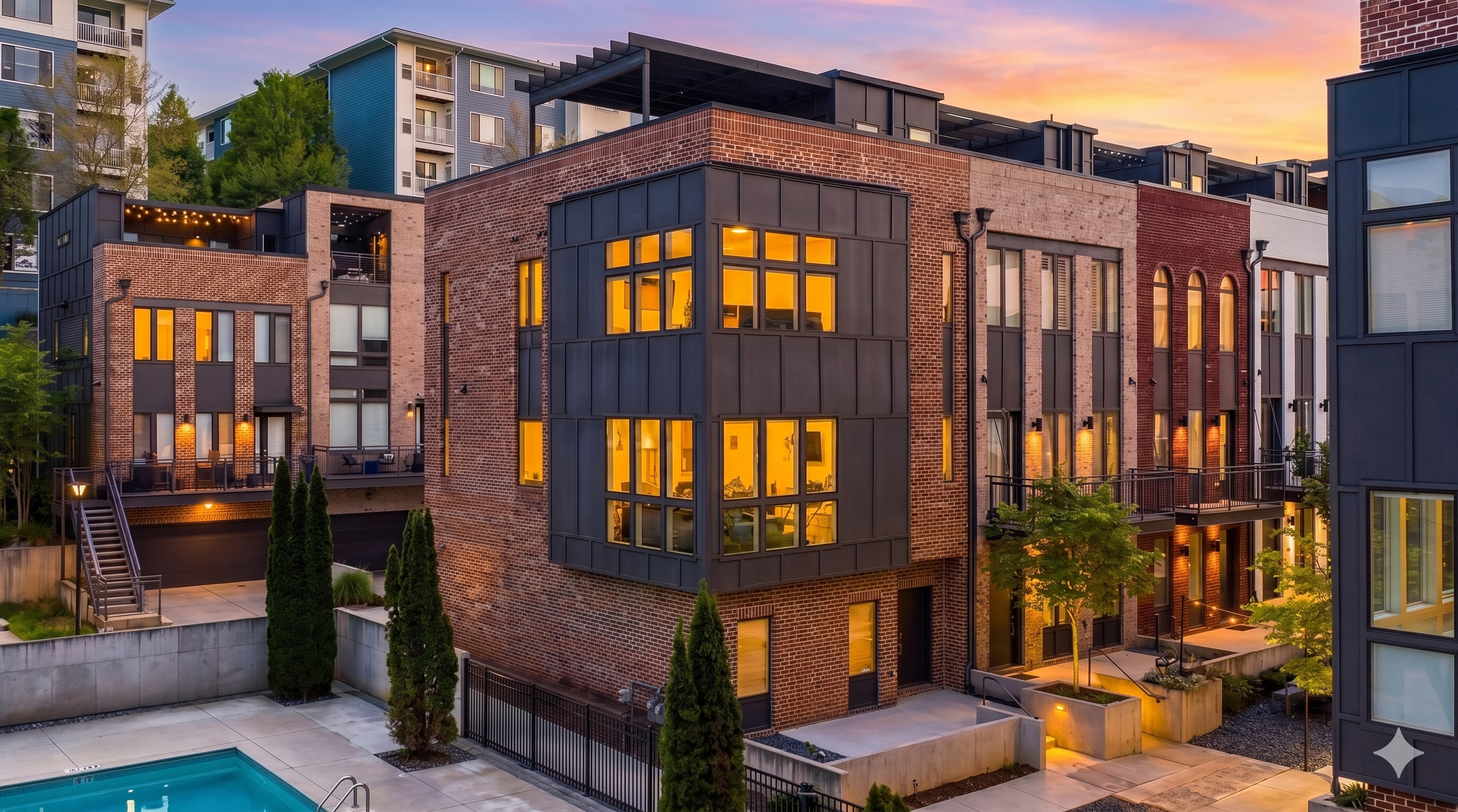
Blandtown is the Upper Westside neighborhood that almost wasn't. Founded after the Civil War as one of the first Black settlements near Atlanta, dismantled by a racially motivated 1956 industrial rezoning, and returning now as a new-construction townhome market with Westside BeltLine access and $560K median pricing. Nearly 10 years of helping buyers across Metro Atlanta means I know what the listing photos don't show: which blocks still feel industrial, where rail noise carries, and how to read the difference between a $500K M West condo and an $800K Westtown townhome. Median prices $560K, 159 days on market, listings ranging $462K–$799K. This is Blandtown. Here's what you need to know.
Turnkey vs. Fixer-Upper Luxury Homes in Atlanta: Which Makes More Sense in 2026?
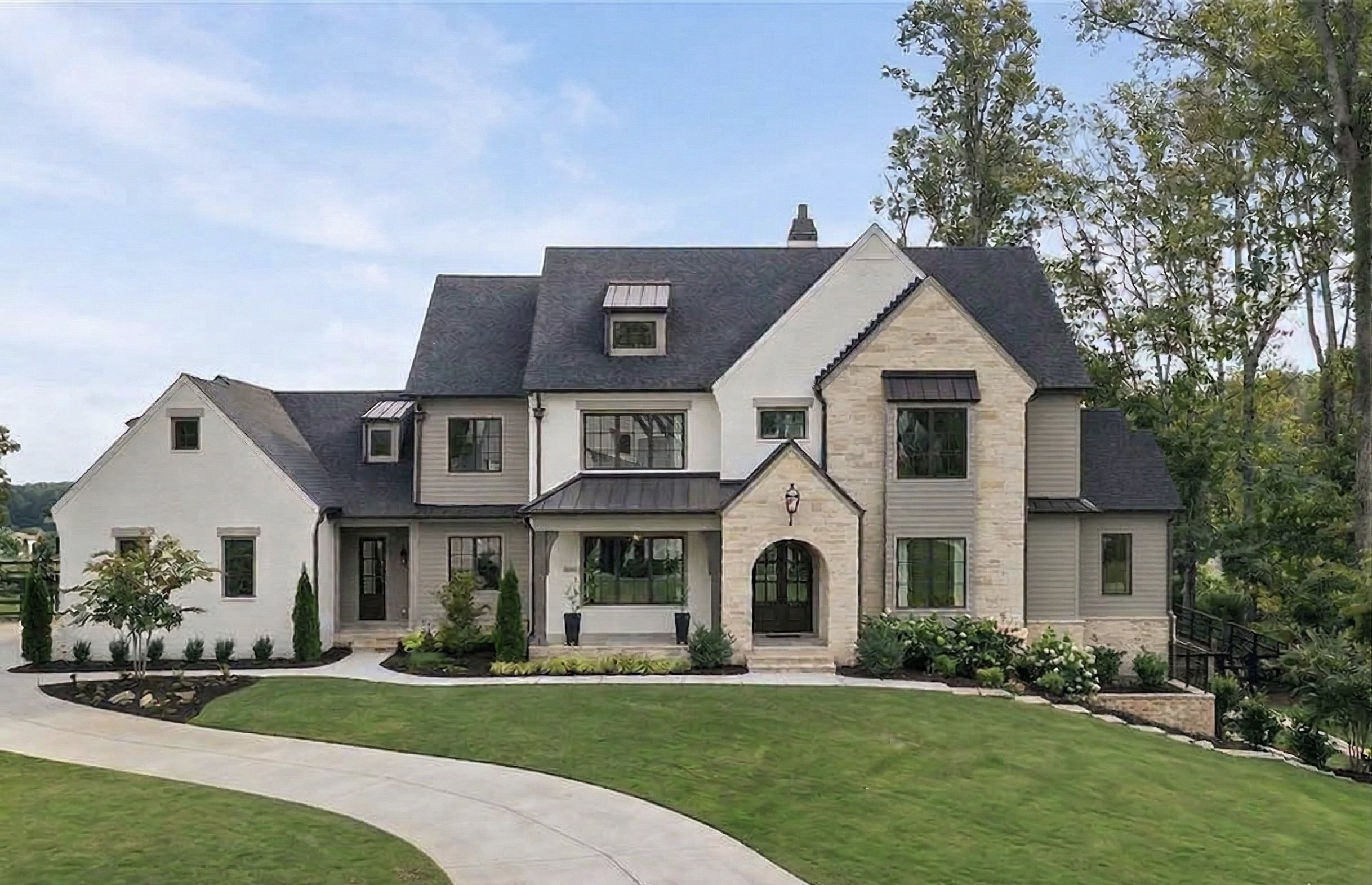
Turnkey luxury homes in Atlanta sell for 10 to 20 percent above comparable resales needing work — on a $2.4M home, that's $240K to $480K for someone else's renovation. Fixer-upper math can win in Morningside, Tuxedo Park, and Druid Hills where land value drives appreciation, but renovation costs run $150 to $350 per square foot and timelines routinely stretch 12 to 18 months. Nearly a decade of helping Atlanta buyers means I know the real numbers, the hidden costs, and which neighborhoods reward which path. This is the turnkey-versus-fixer-upper decision for Atlanta luxury buyers. Here's what you need to know.
Can I Afford a Home in Atlanta? Credit Score, Budget & What's Realistic in 2026
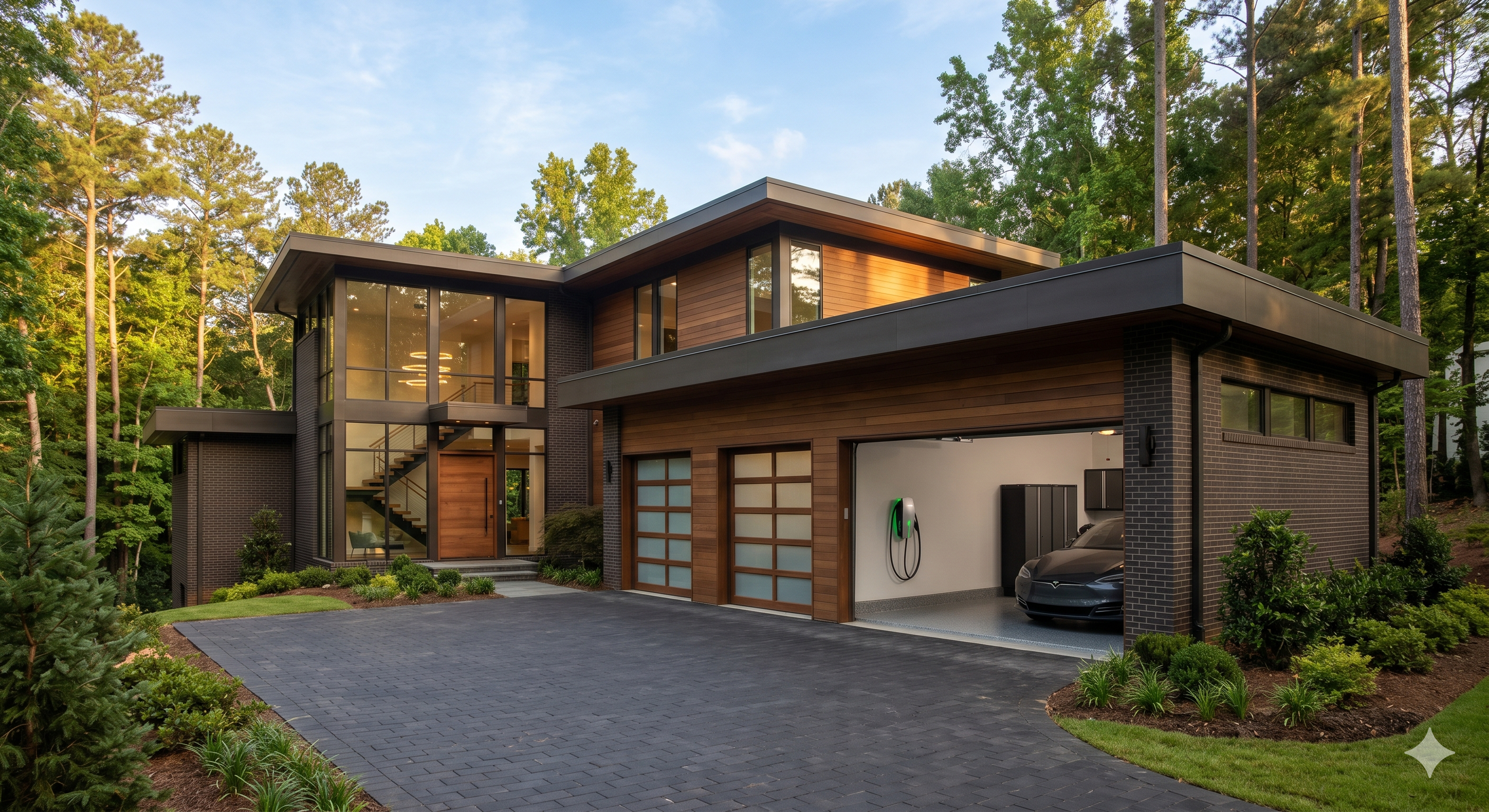
Atlanta's 2026 median sits around $415,000, rates are holding just above 6%, and inventory is up 40%+ in core counties, which means buyers have more room than they've had in three years. But affordability is a three-part equation: the loan you qualify for, the monthly payment you can sustain, and the home you actually want to live in. Nearly a decade of helping Atlanta buyers means I know what the calculators don't show: the credit score tiers that actually change your rate, the DPA programs stacking to $50K+ in some neighborhoods, and the commute-vs-price trade-offs shaping every budget. This is what affording an Atlanta home in 2026 actually looks like. Here's what you need to know.
Living in Avondale Estates GA: Tudor Village, Dale Ale Trail & What $500K–$1.2M Buys in 2026
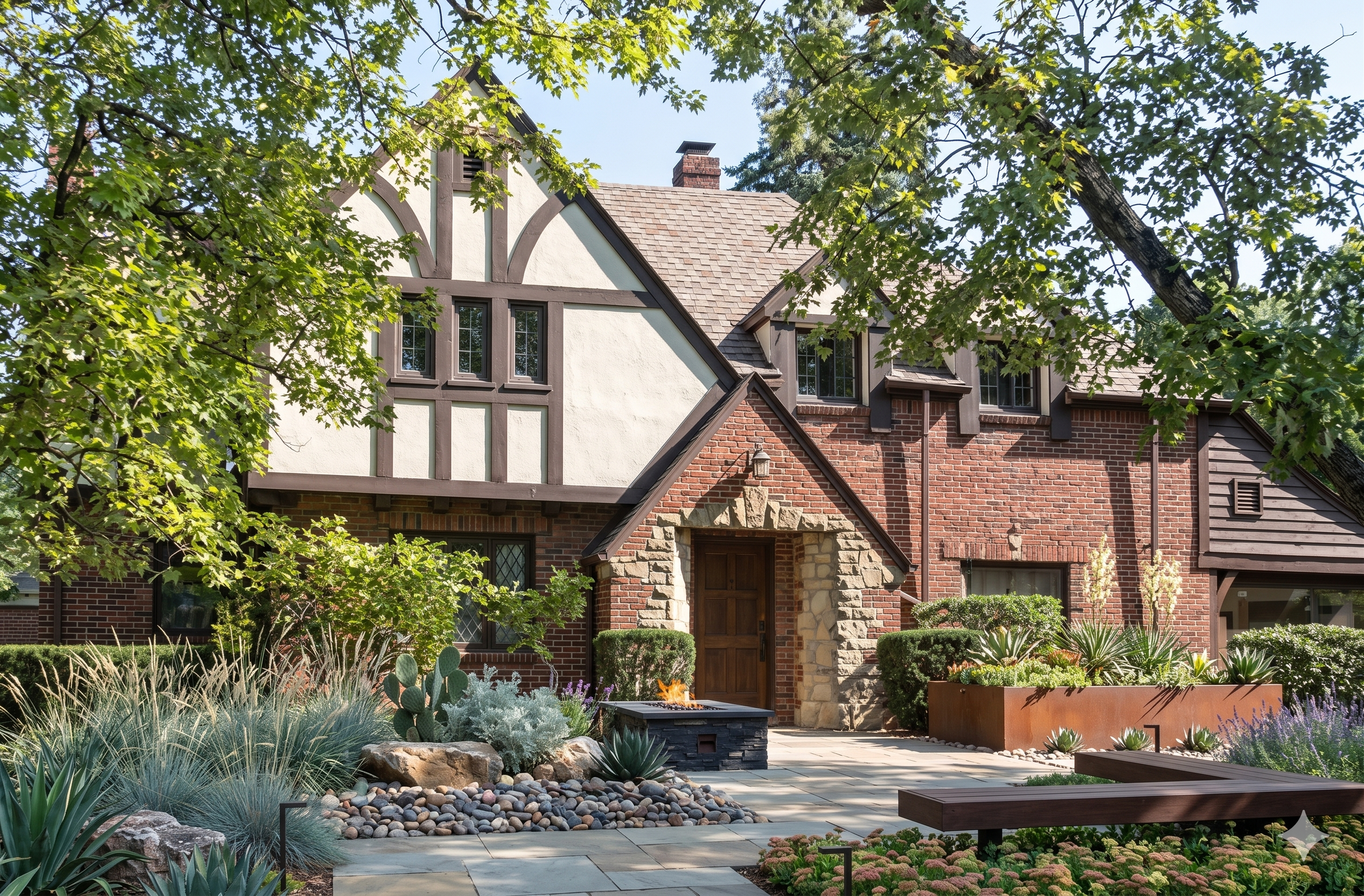
Avondale Estates is Metro Atlanta's most architecturally distinct small city: a 1.2-square-mile planned community from 1924, modeled on Stratford-upon-Avon, with a Tudor Village downtown, a 2-acre Town Green, three breweries on the Dale Ale Trail, and a MARTA station on the Blue Line. Nearly a decade of helping Atlanta buyers means I know what the numbers don't: which streets are inside the Local Historic District, which tier your renovation plans will face, and why the DeKalb County Schools zoning here is not the same as City Schools of Decatur. Trailing 12-month median around $615K, stabilized single-family range $500K–$1.2M, limited inventory. This is Avondale Estates. Here's what you need to know.
The Real Cost of Buying a Home in Atlanta in 2026: Rates, Insurance, and ‘Hidden’ Expenses
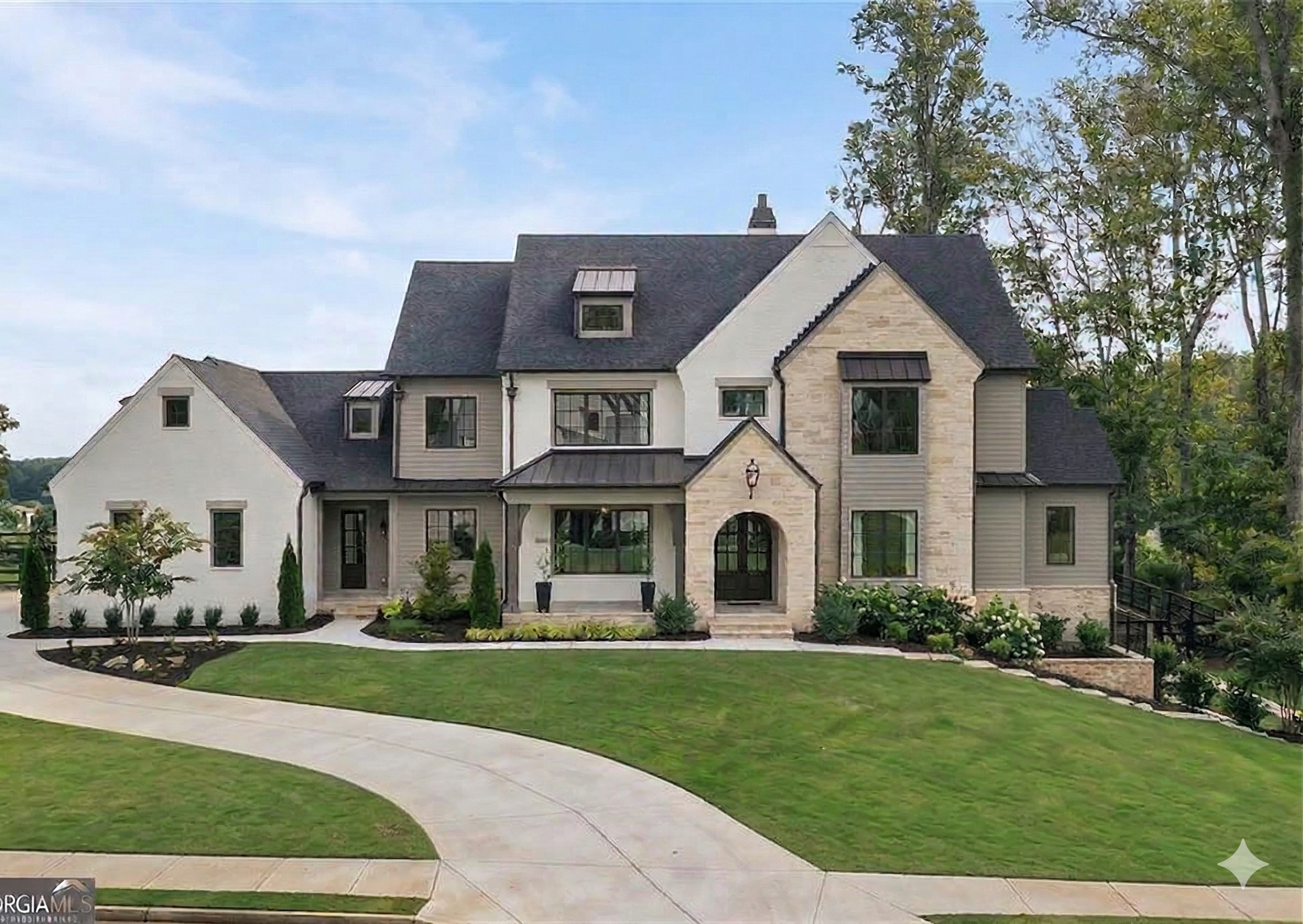
The purchase price is not what buying a home in Atlanta actually costs in 2026. Mortgage rates are sitting between 5.99% and 6.30%. Homeowners insurance premiums in Atlanta have climbed 58% since February 2020. Property taxes vary by thousands between Fulton, DeKalb, Cobb, and Gwinnett. And Georgia charges closing-day line items (intangibles tax, mandatory attorney fees) that most out-of-state buyers have never heard of. Nearly a decade of helping Metro Atlanta buyers means I know what numbers actually matter, what catches people off guard, and what the full cost of ownership looks like month to month. Here's what you need to know.
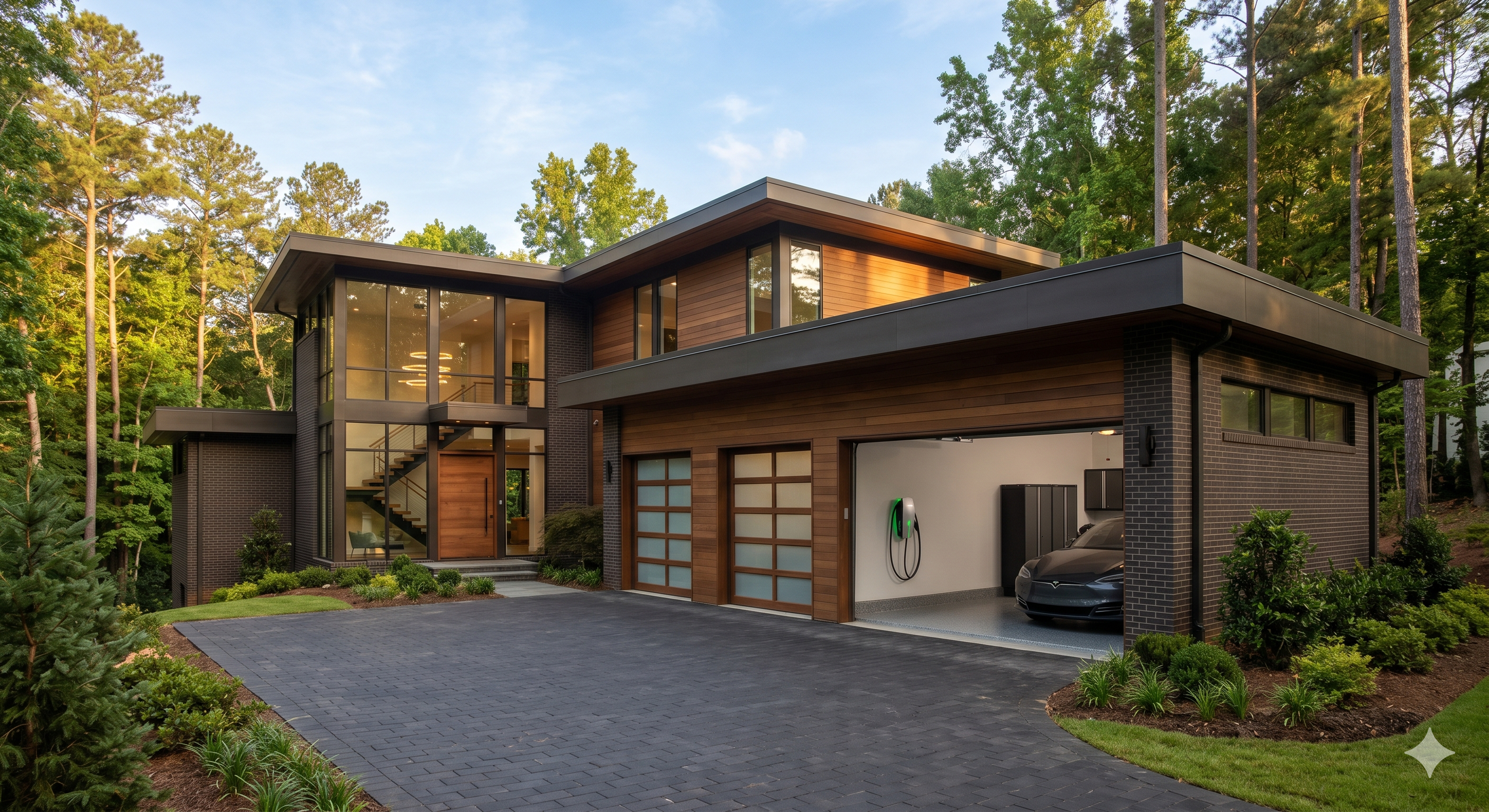
EV-Ready Homes in Atlanta: What First-Time Buyers Need to Know
Atlanta's 2026 EV Readiness Ordinance is now in effect, requiring every new single-family home built inside city limits to be EVSE Ready by law. Metro Atlanta Level 2 charger installs run $500 to $6,000 depending on panel capacity, wire run length, and whether a service upgrade is needed. Georgia Power, Cobb EMC, Jackson EMC, and other utilities offer up to $250 in rebates, stacked with a federal tax credit through June 30, 2026. Nearly a decade helping Atlanta buyers means I know the questions to ask about panel age, garage distance, and HOA rules before you close. This is EV-ready home buying in Atlanta. Here's what you need to know.
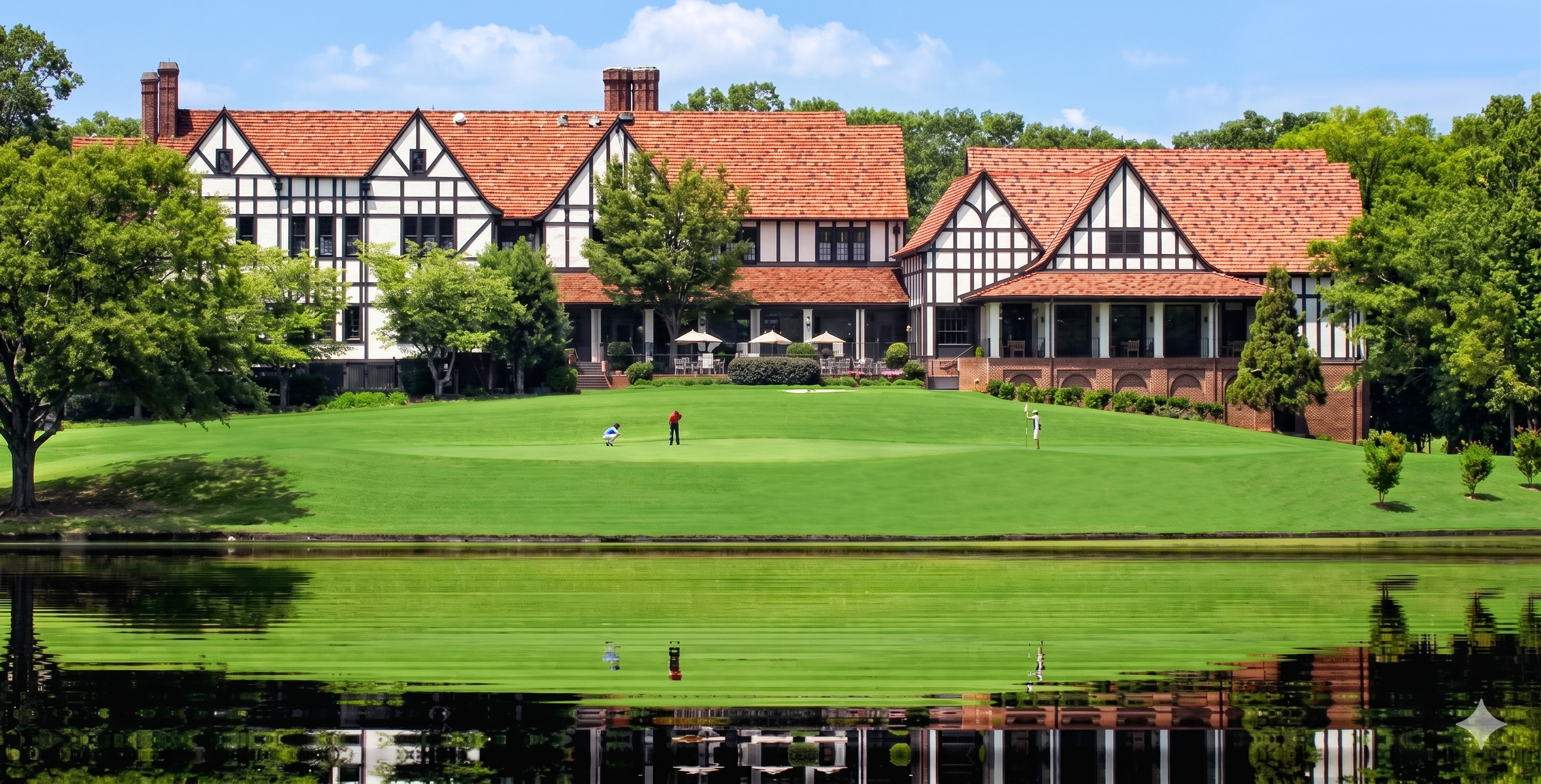
Living in East Lake Atlanta GA: History, Golf, Drew Charter School & Home Prices 2026
East Lake is the intown Atlanta neighborhood where a golf course and a public school rebuilt a community. Home of the PGA TOUR Championship since 1998, the Villages of East Lake mixed-income community, and Charles R. Drew Charter School — Atlanta's first charter, serving PK-12 by lottery. Nearly a decade helping Atlanta buyers means I know what the numbers don't show: the Drew priority zone boundaries, the price difference between a bungalow north of Memorial and one south, and what TOUR Championship week actually feels like. February 2026 median $499K, average $548,687, 42 days on market, ranging $269K–$1.275M. This is East Lake. Here's what you need to know.
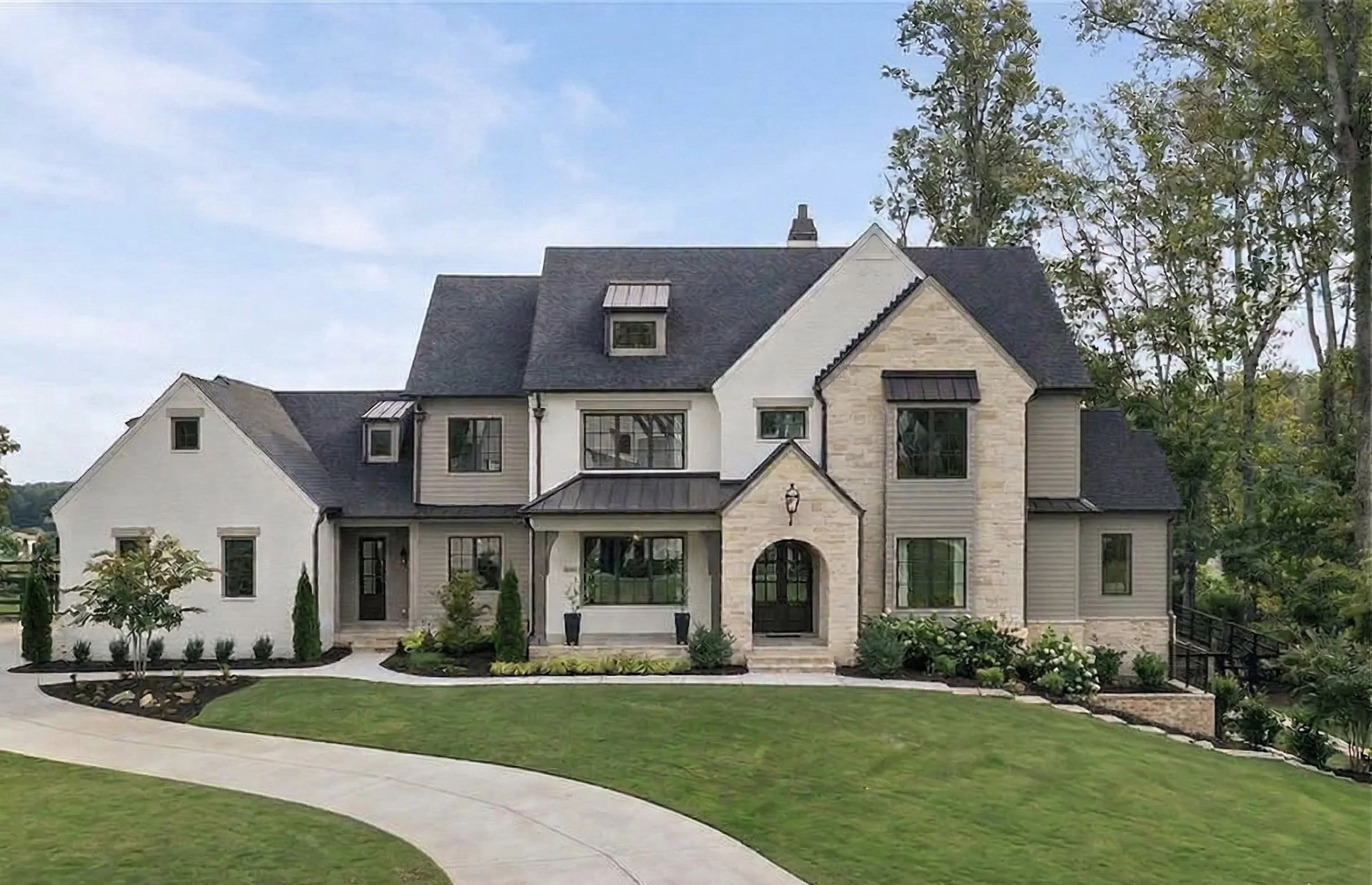
Atlanta 2026 Buyer's Market Report: Inventory, Price Cuts & Where Negotiating Power Is Highest
Atlanta is a buyer's market in 2026. Not shifting toward one, not softening. A buyer's market. Inventory is at 3.4 to 6.5 months of supply, 34 to 40% of listings have had price reductions, and the median sale-to-list ratio is 96.7%. Nearly a decade helping Atlanta buyers means I can tell you exactly which submarkets and price bands give buyers real leverage in this market, and which don't. Luxury North Atlanta and $600K-plus homes offer the most negotiating room. Under-$350K Intown is still competitive. New construction builder incentives run $35K to $60K in flex cash. This is Atlanta in 2026. Here's what you need to know.
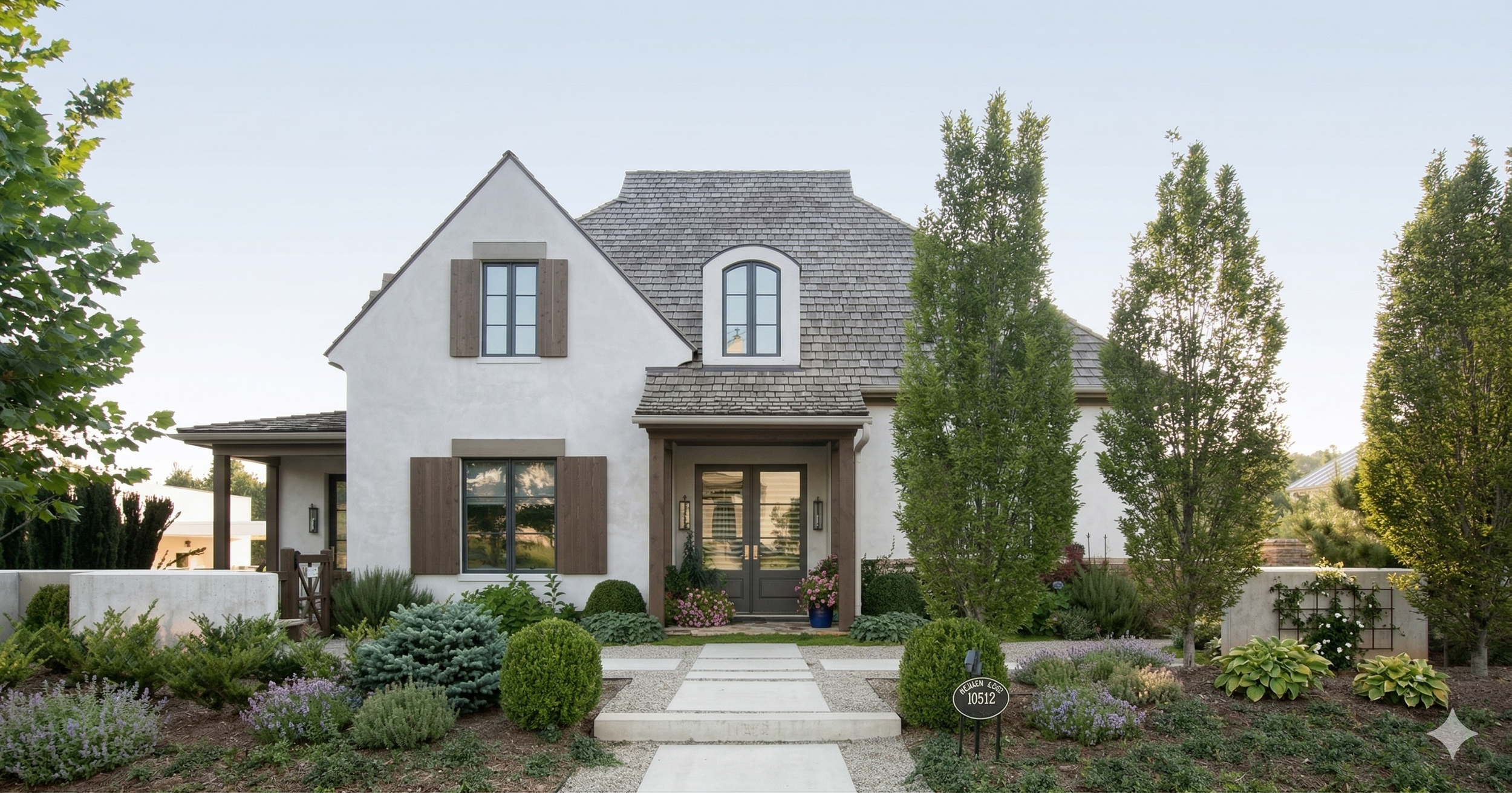
Best Atlanta Intown Neighborhoods Under $500K: What First-Time Buyers Can Actually Afford in 2026
The City of Atlanta median sale price sits at roughly $388,000 to $425,000 in early 2026, which means a $500K budget puts first-time buyers above the city median, not below it. The intown neighborhoods where this budget actually works: Adair Park at $360K median, Oakland City at $375K, West End at $420K to $430K, East Atlanta around $475K, plus Summerhill, Capitol View, Sylvan Hills, and select condos in Grant Park, Reynoldstown, Kirkwood, and Old Fourth Ward. Nearly a decade of helping Atlanta buyers means I know what the map doesn't show: which blocks are renovated, which transition is real, and where the upside still is. This is intown Atlanta under $500K. Here's what you need to know.